

Fourier Intelligence Launches Comprehensive Line of Physical Agent Therapy Products, Expanding the Full-Spectrum Rehabilitation Ecosystem

Fourier
Intelligent Robot Developer
Digitalization and intelligence are continuously enhancing the accessibility of rehabilitation services, deeply empowering every aspect of rehabilitative care. As a key modality in rehabilitation therapy, physical agent therapy offers non-invasive, painless, and highly efficient characteristics. Driven by digital technologies, physiotherapy products are increasingly evolving toward greater intelligence, convenience, and precision.
On May 8, Fourier Intelligence officially launched its independently developed series of physical agent therapy products, primarily comprising four product lines: the shockwave physical therapy system, interferential current therapy device, medium- and low-frequency therapy device, and air pressure wave circulation therapy system. These solutions are designed to address musculoskeletal pain and early-stage rehabilitation needs. By continuously enriching the product portfolio of its Smart Rehabilitation Hub, Fourier Intelligence has created intelligent products that cover the entire rehabilitation cycle and cater to a wide range of conditions across various clinical departments, thereby expanding the future landscape of rehabilitation services.

Image Caption: Fourier Smart Rehabilitation Port – Physical Agent Therapy Area
Infusing "Intelligence" into Physical Therapy and Rehabilitation: Opening a New Blue Ocean for Smart Physiotherapy
From a therapeutic perspective, physical agents are widely used in rehabilitation medicine and can address numerous clinical issues. The physical agent therapy products recently launched by Fourier Intelligence primarily target two major groups: individuals suffering from musculoskeletal pain, such as office workers experiencing neck, shoulder, lower back, and leg pain, as well as patients requiring rehabilitation after sports injuries. These products offer efficient, non-invasive solutions to effectively alleviate pain and resolve underlying issues. For instance, patients with shoulder pain can receive targeted treatment using the shockwave physical therapy system and interferential current therapy devices.
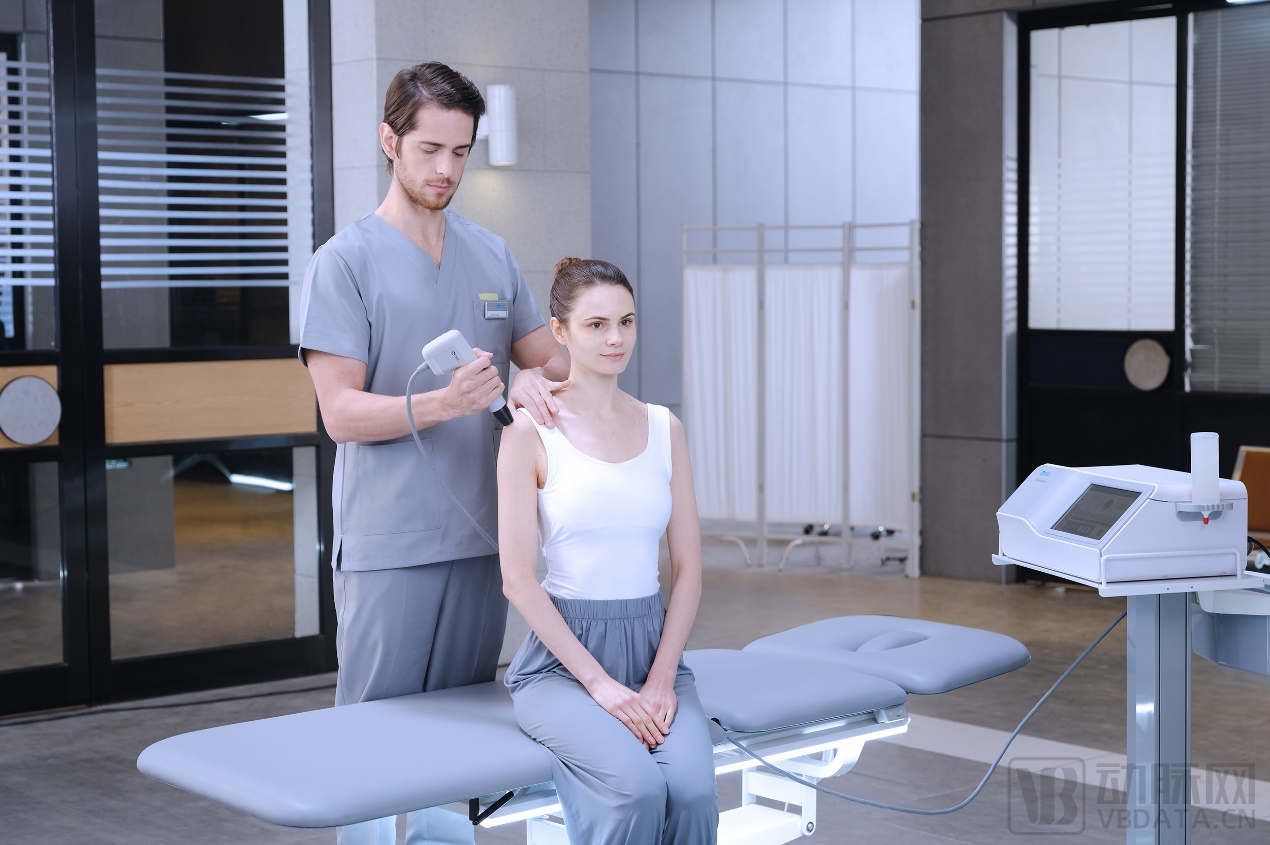
Image Caption: Fourier Intelligence ShockwaveFortis™ Shockwave Physical Therapy System
Second, early rehabilitation is indicated for patient populations at risk of complications, serving as a preventive measure. For instance, postoperative patients on bed rest can utilize intermittent pneumatic compression systems to prevent deep vein thrombosis, while simultaneously undergoing neuromuscular electrical stimulation with low- and medium-frequency therapeutic devices to prevent muscle atrophy. Implementing bedside rehabilitation interventions during the period of bed rest can effectively facilitate the recovery of various functions in the later stages.
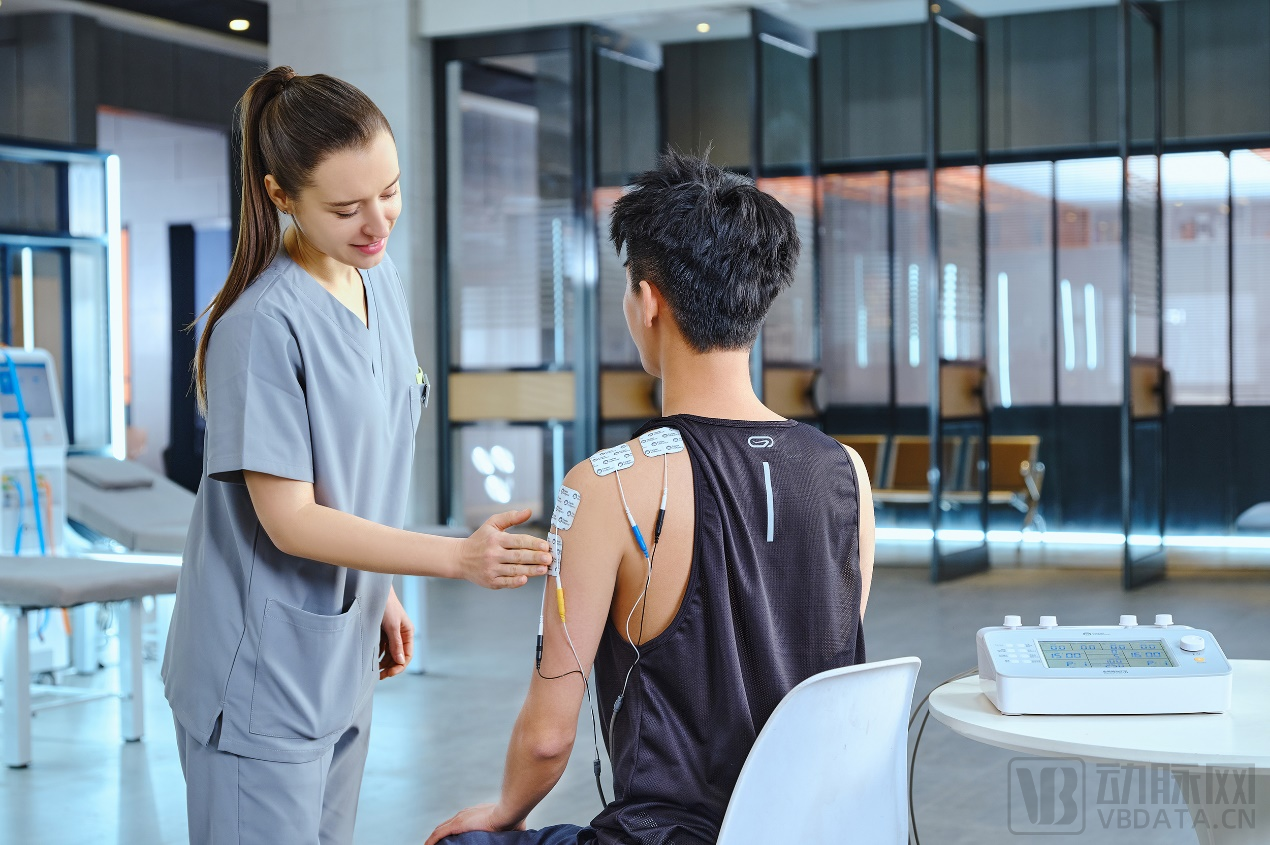
Figure Caption: Fourier Intelligence ElectroFortis™-LM Medium and Low Frequency Therapy Device
“Traditional physical therapy products and exercise training equipment lack robust data interfaces, with each device operating as an isolated silo. Treatment sessions, prescriptions, and outcomes must be recorded manually, which hinders the implementation of long-term therapy,” said Gu Jie, President of Fourier Intelligence Group. He emphasized that the digitization and intelligentization of all devices form the foundation for informatization in the future rehabilitation industry. By upgrading and iterating systems and technologies, unified device interfaces will be established, significantly enhancing the ease of operation for physical therapy products.
According to the introduction, this series of physical therapy products leverages the underlying microcurrent control technology, chip signal processing technology, and precision air pump control technology accumulated by Fourier Intelligence over years of robot R&D. The product has been upgraded with touch-screen control, offering multiple operation modes to meet diverse clinical application scenarios. It maintains consistent interfaces and unified data management, infusing "intelligence" into physical therapy and rehabilitation.
“Digital Therapeutics” Directly Address Pain Points in Clinical Rehabilitation
During the product research and development and design process, the Fourier team engaged in repeated communications with frontline clinical practitioners, visited and surveyed physicians and therapists at numerous medical institutions, and gathered extensive clinical requirements to continuously optimize and improve details. “Clinical users desire both comprehensive product functionality and ease of use. Therefore, we have integrated different operational experience modes into the software—including Quick Mode, Professional Mode, and Protocol Library Mode—to meet diverse usage needs,” stated the product lead.
Taking the interferential current therapy device as an example, Fourier Intelligence has innovated its operation by adopting a new-generation 15-inch ultra-large LCD touchscreen for smarter interaction. The device features built-in electrode placement diagrams for reference and supports up to four output channels with 16 treatment electrodes. Additionally, it offers four planar and four stereoscopic treatment modes to meet the needs of both deep and superficial tissue therapy. Furthermore, the device provides a wider variety of electrode types, including two suction electrodes and three adhesive patch electrodes, available in different sizes and shapes to suit various treatment areas.
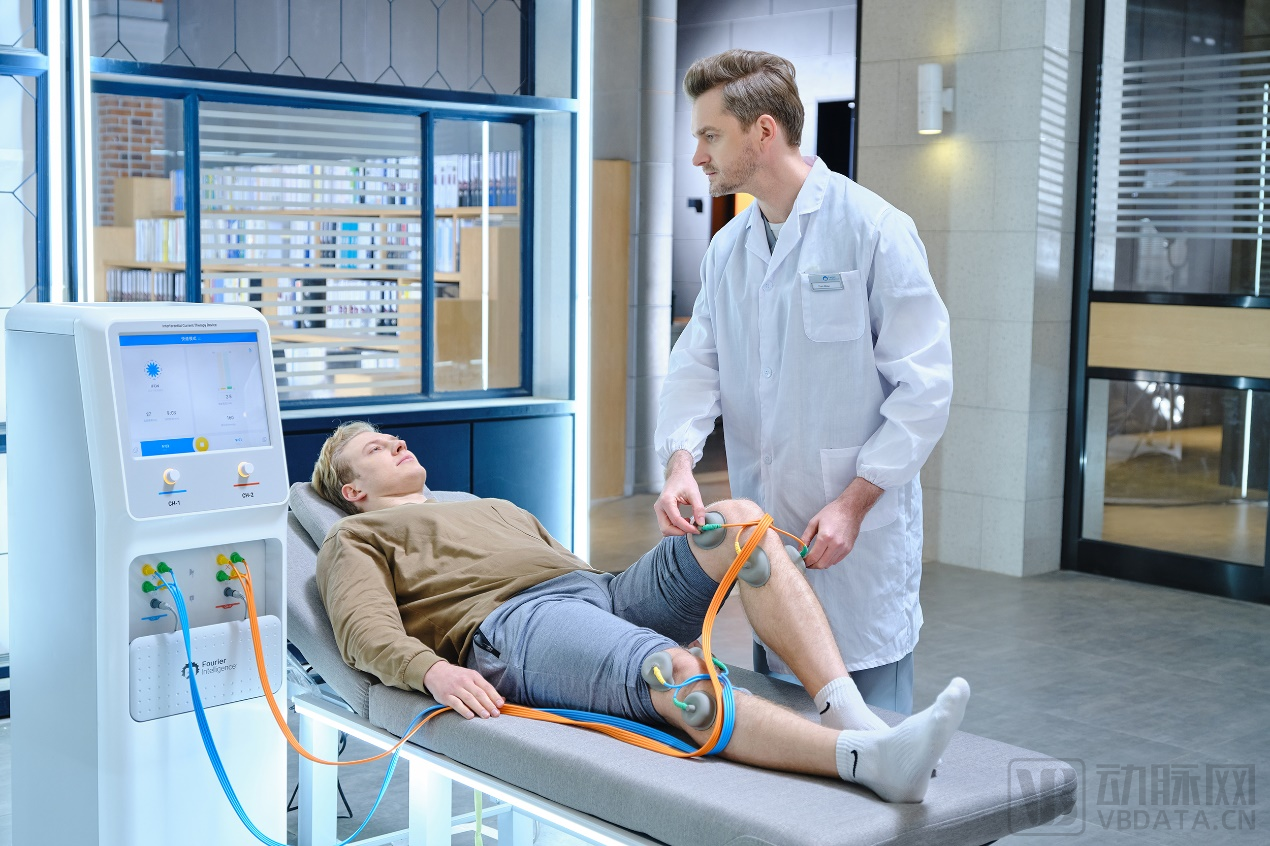
Figure Caption: Fourier Intelligence ElectroFortis™-IF Interferential Current Therapy Device
Furthermore, most pneumatic compression therapy devices on the market are limited to single-patient use per session or apply the same treatment mode across multiple body parts. In contrast, the Pneumatic Compression Circulation Therapy System developed by Fourier Intelligence features built-in dual independent ultra-quiet air pumps, supporting simultaneous treatment of multiple body parts for a single patient or concurrent use by two patients. It allows independent adjustment of different treatment parameters, efficiently saving space and time, with one unit delivering the equivalent capacity of two. Additionally, the system is equipped with two ultra-sensitive pressure sensors for real-time dynamic monitoring, ensuring output stability and safety. The airbag chambers are individually adjustable and can be closed off, and the system supports 11 compression modes to meet diverse clinical needs.
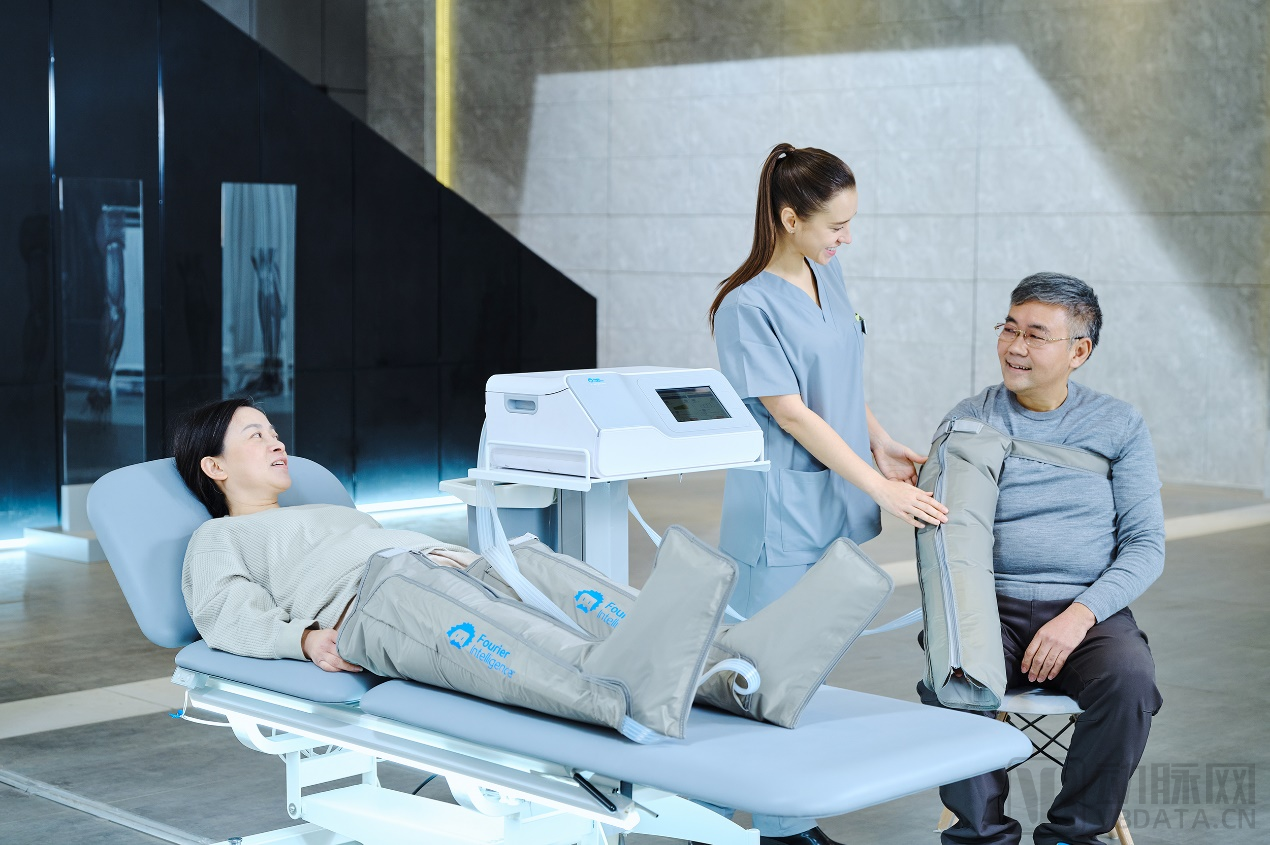
Image caption: Fourier Intelligence AirFortis™ Air Pressure Circulation Therapy System allows simultaneous use by two individuals
“Previously, we focused more on patients throughout the entire cycle of neurological rehabilitation. The launch of this series of physiotherapy products complements the current product matrix of our Intelligent Rehabilitation Hub, establishing a unified rehabilitation ecosystem encompassing the therapeutic exercise area, occupational therapy area, and physical agent therapy area,” said Gu Jie. “The application of intelligent technology upgrades and iterates traditional physical agent therapy methods and equipment, expands the scope of rehabilitative therapy applications, and more effectively addresses certain clinical challenges. This is also the original intention behind Fourier Intelligence’s decision to develop new physiotherapy products.”
One-Stop Solution: Empowering In-Depth and Meticulous Rehabilitation Therapy
Since its establishment in 2015, Fourier Intelligence has been dedicated to mastering the core technologies of high-performance robots and building an intelligent robotics technology platform that enhances efficiency and empowers society and various industries. The company has independently developed core technologies and components, including a force feedback technology platform, multi-joint robot motion control cards, and multi-dimensional force sensors, thereby eliminating dependence on imported hardware and software. Its rehabilitation robot products have been exported to more than 40 countries and regions and are deployed in over 2,000 hospitals and institutions both domestically and internationally.
Regarding the company’s strategic layout in the field of physical therapy and rehabilitation, Gu Jie stated that physical therapy equipment accounts for over 70% of the rehabilitation equipment market, indicating substantial growth potential. In response to the needs of patients and rehabilitation departments, there is a demand not only for rehabilitation robots but also for targeted, full-cycle intelligent solutions that integrate kinesiotherapy, occupational therapy, and physical agent therapy. Leveraging Fourier Intelligence’s robotic technology platform, these modalities can be seamlessly integrated to create a digital, intelligent, one-stop solution.
It is reported that Fourier Intelligence has entered into a strategic partnership with MyndTec, an innovative Canadian company specializing in rehabilitation medical devices. The collaboration will focus on promoting non-invasive functional electrical stimulation (FES) products and jointly advancing the research, development, and industrialization of rehabilitation technologies. Through sustained investment in technological development, Fourier Intelligence aims to integrate cutting-edge global intelligent rehabilitation technologies to better empower clinical rehabilitation applications.
“In the future, we will also explore more physical factor therapy methods to enrich our product portfolio in the physical factor therapy segment. Meanwhile, we will accelerate our layout in the To C sector by launching intelligent rehabilitation products for home use, leveraging smart technologies to enable everyone to enjoy a better life,” said Gu Jie.