

How a $15.7B Hospital Runs Its Venture Arm: Five Distinctive Strategies of Mayo Clinic Ventures
Mayo Clinic
Mayo Clinic specializes in caring for patients with serious and complex conditions, operating across five states and providing care to more than one million people annually from all 50 U.S. states and nearly 140 countries. Mayo Clinic is ranked No. 1 by U.S. News & World Report.

Mayo Clinic Ventures
Venture Capital Firm
The top-ranked healthcare institution in the United States, Mayo Clinic (formerly known as “Mayo Clinic” in Chinese and now officially named “Mayo Clinic Healthcare International” in Chinese), released its financial report, showing total revenue of $15.7 billion in 2021, up from $13.8 billion in 2020. Net patient service revenue increased by 7.7% year over year.
Beyond revenue, what sets Mayo Clinic apart is its consistent ability to commercialize clinical experience and scientific research outcomes. To date, Mayo Clinic has secured 3,300 patents, incubated 274 startups, and licensed out 4,029 technologies. Through its venture capital arm, Mayo Clinic Ventures (hereinafter referred to as MCV), the institution collaborates with various investment firms to identify and incubate new technologies, products, and enterprises.
Mayo Clinic’s investment strategy primarily follows two paths: first, investing in its own intellectual property to facilitate the commercialization of innovative outcomes; and second, engaging in corporate venture capital by investing in healthcare startups. This approach not only positions Mayo Clinic as an early adopter of cutting-edge technologies, thereby enhancing its competitiveness, but also generates investment returns.
VCBeat examines the investment logic of this top-tier medical institution by reviewing Mayo Clinic Ventures’ investments over the years.
An analysis of Mayo Clinic Ventures’ investment portfolio reveals a primary focus on early-stage investments. Of the total 113 investments, 48 (42.48%) were early-stage deals and 18 (15.93%) were seed-round investments, with the remaining 34 classified as late-stage investments. Geographically, the United States accounted for the vast majority with 98 investments, followed by Europe with only 7; investments in other regions were negligible.
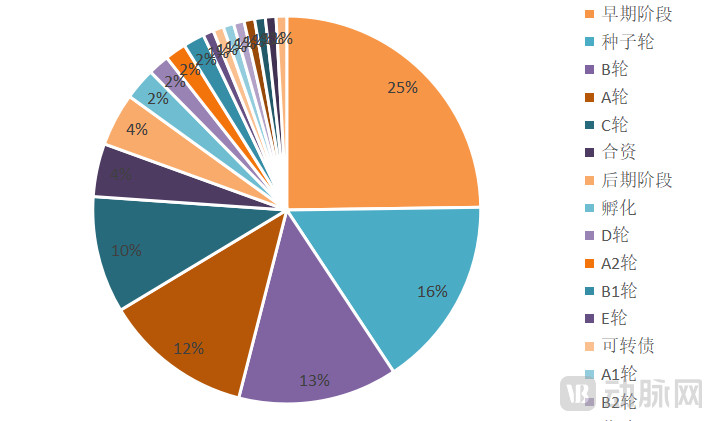
MCV Investment Stage Layout, Data Sourced from PitchBook
In terms of investment amounts, out of a total of 113 investments, 29 did not disclose their amounts, while the remaining 84 investments totaled $1.849 billion. Among the exited projects, the total disclosed amount was $2.483 billion. This means that MCV has achieved at least $634 million in returns from its historical investments.
From an investment perspective, the top sectors are drug R&D, medical devices, telemedicine, medical imaging, and healthcare informatics. In terms of investment logic, the selected projects also align with the strategic vision of a healthcare institution. However, it would be inaccurate to label MCV’s investment approach as conservative; among its total of 113 investments, 27 were pure software products, covering niche areas such as AI-assisted diagnosis in medical imaging, informatics platforms, telemedicine, and digital therapeutics.
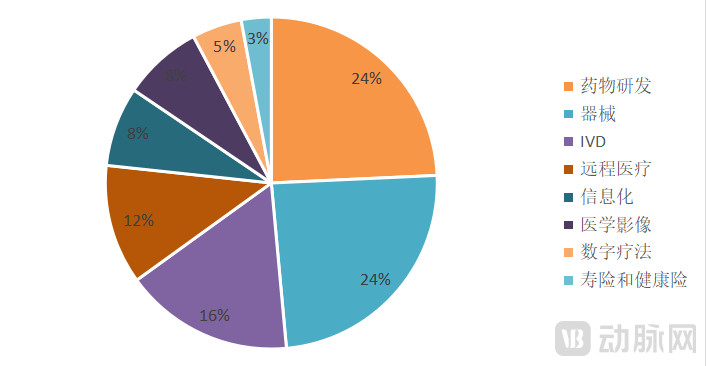
Distribution of MCV Investment Sectors, Data Source: VCBeat
Furthermore, MCV tends to favor co-investing with other institutions. Of its 113 investments, only 15 were made solely by MCV, predominantly in seed and early-stage rounds, with just two sole investments occurring in later stages. Notably, these 113 investments involved a total of 78 co-investors, among which only seven firms collaborated with MCV more than once, with the highest frequency being just two times.
To date, MCV has recorded 49 exits, comprising 22 mergers and acquisitions (M&A), 7 initial public offerings (IPOs), 5 privatizations, and 2 equity transfers. Among the exited projects, 11 have ceased operations and 1 has undergone bankruptcy liquidation.
Regarding MCV’s investment performance, an investor told VCBeat: “First, constrained by the comprehensiveness of data, MCV’s investment returns are not particularly high compared with those of investment institutions. Second, the distribution across investment sectors largely aligns with the preferences of domestic investment firms, indicating a consensus on development trends. Finally, among 113 investments spread across 92 projects, there were 49 exits—a relatively high proportion. However, the exit mechanisms differ from those in China, where IPOs dominate, whereas mergers and acquisitions (M&A) account for the largest share of MCV’s exits. In the future, as registration-based IPO reforms deepen, the capital market ecosystem is reshaped, and post-listing stock performance becomes increasingly polarized, company founders and investors in China will begin to explore the feasibility of M&A exits.”
Unlike traditional venture capital (VC) firms, MCV’s investment logic aligns more closely with corporate venture capital (CVC), incorporating considerations for Mayo Clinic’s own strategic development in addition to financial objectives.
The Mayo Clinic logo features three shields, representing clinical practice, education, and research. Clinical practice is the core business and the foundation of the Mayo Clinic’s strong reputation. Research provides technical support for clinical care, while new challenges encountered in clinical practice offer fresh subjects for scientific investigation.
To date, the Mayo Clinic has generated more than 140,000 medical innovations; how to commercialize these innovations and bring them to market has become a pressing challenge for the institution.
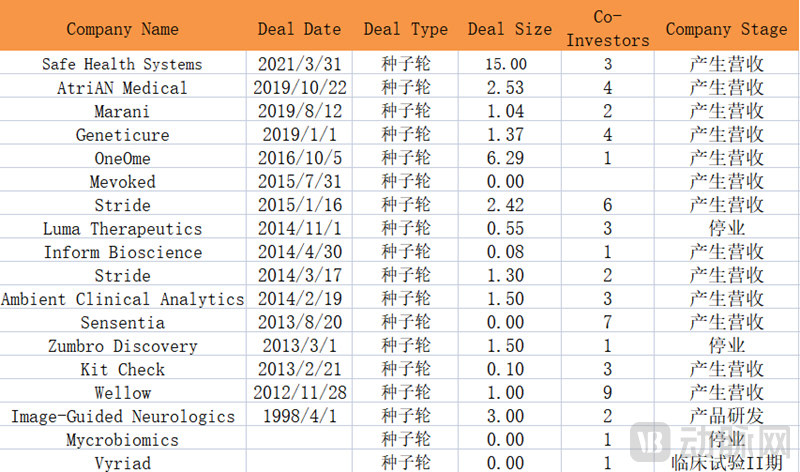
MCV's Seed Round Investment
To this end, Mayo Clinic established a Business Development department, which includes the aforementioned Mayo Clinic Ventures (MCV) and Corporate Development. MCV is responsible for developing, managing, protecting, and licensing Mayo Clinic’s various innovative technologies.
Taking Resoundant as an example, the company’s flagship product is magnetic resonance elastography (MRE) technology. This is a non-invasive imaging modality for the quantitative assessment of soft tissue elasticity and structure. By transmitting vibration waves of specific frequencies into the target tissue and subsequently capturing the propagation patterns of these waves within the tissue, MRE enables the reconstruction of tissue architecture and elastic properties, thereby quantifying tissue stiffness. Currently, MRE is employed for the non-invasive detection of liver fibrosis.
MRE technology was invented by a team of researchers at the Mayo Clinic led by Dr. Richard Ehman. To translate this research achievement into clinical practice, MCV invested in Dr. Ehman to establish Resoundant, Inc. In 2018, six years after the company’s founding, MRE was assigned a Category I CPT code by the American Medical Association, formally recognizing the technology as a core procedure within the U.S. healthcare system.
MRE is compatible with virtually all current 1.5T and 3T MRI systems, and the “GPS” manufacturers are all partners of Resoundant. The successful global expansion of Resoundant has been driven by MCV. In addition to internal incubation, MCV also facilitates technological collaborations between external companies and the Mayo Clinic.
An investor told VCBeat, “Investment firms typically evaluate opportunities from the perspective of return on investment. However, MCV resembles more of a strategic investment, aiming to implement new technologies and applications from the standpoint of hospital development, thereby capitalizing on the clinical advantages offered by being among the earliest adopters of these innovations.”
As a venture capital firm, it is essential to take risks by betting on companies that lead technological innovation and change the world. In the realm of healthcare investment, MCV follows the same principle: it is willing to confront risks at an early stage and support innovations with genuine clinical value, particularly in the field of drug development, which is full of both vitality and risk.
Bacteria are a major threat to human health, while cancer is a dreaded disease that instills fear in everyone. The concept of “using one’s spear to attack one’s own shield” has thus become a meaningful research topic for scientists. MCV has invested in Evelo Biosciences, a biotechnology company, and entered into a technical collaboration agreement with it to jointly develop approaches that harness bacteria to activate the body’s immune system for tumor treatment.
Under the agreement, Evelo will leverage stool samples and tumor biopsy data from Mayo Clinic patients to establish a cancer-related bacterial library, and screen the library for bacterial strains that can help scientists develop new anti-tumor drugs or directly combat tumors.
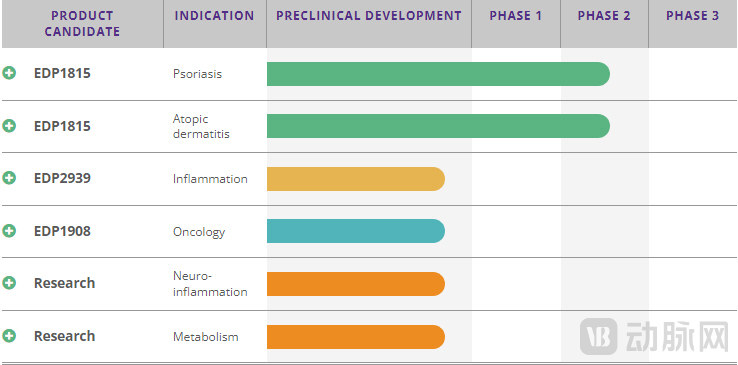
Evelo’s R&D Layout, Source: Official Website
Evelo is the world’s first company to develop microbiome-based immunotherapies for the treatment of cancer, autoimmune diseases, and autoinflammatory diseases.
The combination of cancer immunotherapy and the microbiome drew significant attention to Evelo at its inception. Later, Evelo merged with Epiva Biosciences, another biopharmaceutical company focused on leveraging microbiome science to treat validated and aberrant immune responses, while continuing to prioritize the intersection of the microbiome and immunotherapy.
Evelo is not merely a microbiome company, but rather a research platform and product development company based on the immunomicrobiome. Leveraging the critical role of cells in the small intestine, Evelo has developed an integrated platform to identify individual microbial strains and develop them into therapeutics targeting small intestinal cells.
Currently, Evelo has successfully listed on the Nasdaq; however, such successful investments are not the norm in the innovative drug industry.
Innovative drug development is a time-consuming and labor-intensive endeavor that may ultimately yield no results. Furthermore, even if potentially effective compounds are identified, they must still undergo in vitro studies, animal studies, and human trials, as well as costly Phase I, II, and III clinical trials. Failure at any stage during this process means the failure of the entire drug development effort.
Even with the benefit of a learning curve, such an exploratory process still carries a low probability of success. Given the protracted waiting periods and the relatively fixed cost per trial-and-error iteration, this business venture is inevitably daunting.
An analysis of MCV’s investment portfolio reveals that among 113 investments, only 14 projects have ceased operations, half of which were in drug development. This segment also represents the area with the highest failure rate within MCV’s investments.
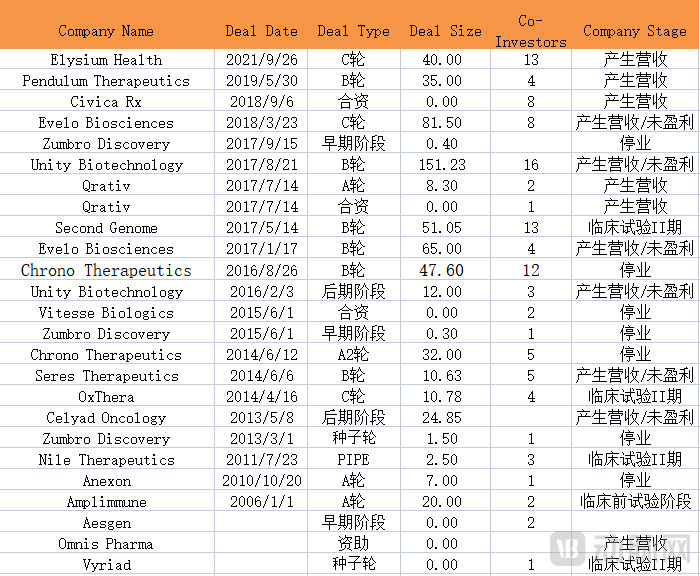
MCV List of Pharmaceutical R&D Investment Projects
MCV is willing to support novel biological mechanisms, therapeutic approaches, and emerging technologies. Although many of these technologies represent interim achievements from research institutions without proof of concept—entailing high technical risks—and the R&D teams are often incomplete in the early stages, MCV has continued to invest due to their significant potential and relatively low capital requirements per investment. Since 2010, Mayo Clinic Ventures has made nearly annual investments in the biopharmaceutical sector.
From an investor’s perspective, drug development projects carry both high risks and high return potential. For MCV, beyond financial considerations, there is also the pursuit of clinical value by a top-tier medical institution. In terms of investment direction, in addition to the common development of anti-tumor drugs, it also involves research and development for rare diseases and pediatric medications.
New technologies, represented by artificial intelligence (AI), are rapidly advancing. In particular, progress in deep learning and data mining has brought about new changes to the healthcare industry. AI not only digitizes traditional information but also effectively uncovers latent associations between data and diseases, thereby enabling disease prediction and facilitating better decision-making and treatment. The most significant impact of AI’s empowerment in healthcare lies in its enhancement of efficiency.
Taking nference, an investment by MCV, as an example, it was founded by Dr. Aravamudan and Dr. Soundararajan. Its core product is the AI software platform nferX, which integrates biomedical knowledge that is growing exponentially on a large scale. nferX uses advanced neural networks (shallow and deep learning models) to automatically extract knowledge in real time from databases, scientific domains, and regulatory literature, enabling various applications in R&D, strategy, and operations within the life sciences ecosystem. The long-term goal of the nferX platform is to become a connectivity hub for “information silos” in the healthcare sector.
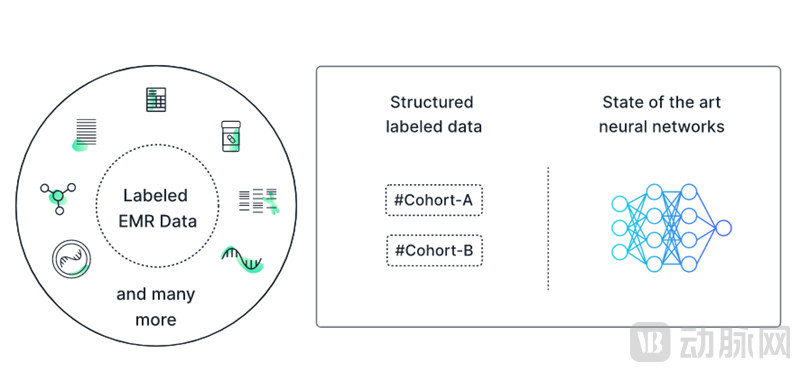
Inference labels Mayo Clinic's EMR data
Subsequently, nference and MCV collaborated once again to establish an AI startup—Qrativ—dedicated to integrating clinical expertise with artificial intelligence to advance new drug development. Leveraging the specialized knowledge and clinical data from nferX and Mayo Clinic, Qrativ developed a therapeutic platform called Darwin.ai to support systematic drug development, including identifying potential indications for rare diseases and pinpointing patient subpopulations most likely to respond favorably to specific drug candidates.
In 2019, nference entered into a long-term strategic partnership with the U.S. biopharmaceutical company Janssen (Janssen Pharmaceuticals). Janssen integrated the nferX platform to create a unified, science-powered data platform designed to discover new diseases and link bioinformatics with disease states and therapeutic mechanisms. Given Janssen’s broad portfolio spanning multiple therapeutic areas—including psychiatric disorders, neurological diseases, anesthesia and analgesia, gastrointestinal disorders, fungal infections, HIV/AIDS, allergies, and cancer—this collaboration has extended the applicability of nference’s solutions to a wider range of disease areas.
In addition to nference, MCV’s investment in Current Health was also driven by efficiency considerations.
As the healthcare industry shifts toward value-based care, providers must intervene proactively to improve patient outcomes, shorten hospital stays, and reduce readmissions. The application of digital technologies is key in this transition, as traditional remote patient monitoring (RPM) and telehealth solutions—continued reliance on manual data entry, unreliable single-point measurements, limited use cases, and low patient adherence—fail to address these challenges.
Current Health’s AI-powered remote patient monitoring solution has received FDA clearance. By leveraging wearable devices, it continuously and automatically monitors vital signs such as respiratory rate, oxygen saturation, mobility and step count, pulse rate, and body temperature. This facilitates more accurate determination of health trajectories and enables clinicians to intervene earlier.
MCV’s investment in Current Health extends beyond mere financial support; it also aims to collaborate with Current Health to apply AI-driven remote monitoring solutions for diagnosing COVID-19 patients and predicting the severity of their symptoms and disease. This partnership leverages Current Health’s existing patient database and algorithms developed by the Mayo Clinic, which will be used to provide personalized care for patients with complex and severe conditions.
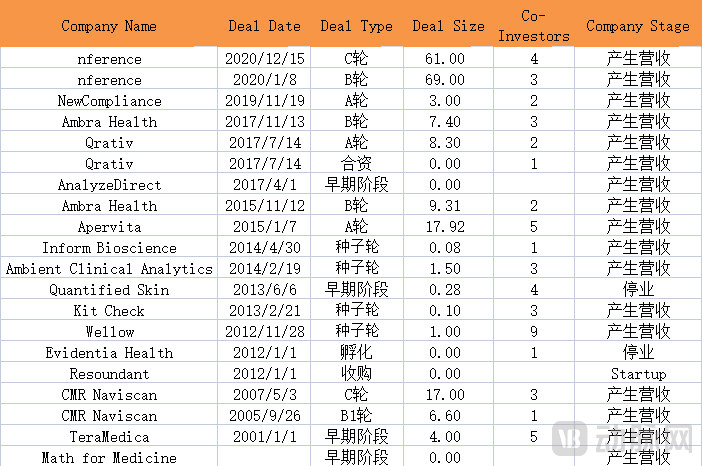
MCV’s Investments in the Informatics Sector
The pursuit of efficiency is not merely an investment priority; it is ingrained in the very DNA of Mayo Clinic. For instance, following the outbreak of the COVID-19 pandemic, Mayo Clinic announced a partnership with Beep, an autonomous vehicle solutions provider, and the Jacksonville Transportation Authority (JTA) to deploy self-driving shuttle vehicles. These vehicles were utilized to transport COVID-19 test samples collected from drive-through testing sites, as well as medical supplies. This initiative aimed to accelerate the efficiency of material delivery while mitigating the risk of infection.
Helix, backed by MCV, has launched the world’s first genetic testing app store. Unlike other companies that follow a one-product-one-test model, Helix offers consumers an initial whole-genome sequencing at a low price and then sells individual reports separately over time.
Users can undergo whole-genome sequencing for just $80. After placing an order, they receive a kit shipped by Helix. Once the sample is collected, users mail it back to Helix’s laboratory for sequencing. Upon completion of sequencing, users do not automatically receive any reports from Helix; instead, they must pay for specific items of interest to obtain the corresponding reports.
These reports are based on data analysis and interpretation conducted by Helix’s partner companies. Notably, these partners do not have access to users’ complete data; instead, Helix provides them with only the specific data corresponding to the products purchased by each user. In other words, Helix has transformed genetic testing into a platform-based business model.

Helix Kit
Mayo Clinic also developed GeneGuide based on the Helix platform. Priced at approximately $200, this app allows Helix customers to access 15 genetic tests across four categories: carrier screening, disease risk, drug response, and health-related traits.
Although it is a consumer-grade test, the process is rigorous for medical institutions such as the Mayo Clinic. When consumers order the genetic testing service offered by the app, they are required to complete a brief questionnaire regarding their personal health history. Based on this questionnaire, physicians at the Mayo Clinic will review the test order and decide whether to approve or reject it.
This order will only become effective after physician review. For existing Helix customers, the report will be generated in approximately one week; for new customers, Helix must first collect data, a process that takes 6–8 weeks.
The Mayo Clinic also exercises considerable caution in interpreting reports. For instance, if a positive result is detected for adverse reactions to anesthetic drugs, the app does not immediately relay this information to the user. Instead, the results are first sent to geneticists at its partner, PWNHealth, for interpretation. Subsequently, these specialists contact the customer by phone to communicate the findings and explain their implications.
This app was the first research project launched through the collaboration between Mayo Clinic and Helix in 2015. In 2017, Helix introduced its genetic testing application store, and by 2021, Helix’s whole-exome sequencing platform received De Novo authorization from the U.S. FDA. At each of these three milestones, Mayo Clinic Ventures (MCV) made three rounds of investments in Helix, underscoring Mayo Clinic’s determination to enter the consumer-grade genetic testing market.
As previously mentioned, the Mayo Clinic logo features an element representing education. Education is how the Mayo Clinic disseminates health knowledge to the public, empowering individuals to adopt healthy lifestyles and prevent disease. In essence, education serves as a form of medical outreach, showcasing the institution’s capabilities while subtly cultivating trust and recognition among the general public.
Matthew Ferber, a clinical molecular geneticist at Mayo Clinic who led the development of the app, stated, “The true purpose of launching this app is to provide user education services to individual consumers. If users wish to pursue a diagnosis or address specific health concerns within their families, they can seek professional medical assistance through the app, rather than relying solely on consumer-grade testing.”
Perhaps this is the responsibility that Mayo Clinic, as a century-old hospital, should uphold: it does not oppose new business models, but medicine is a serious matter.
Furthermore, from an investment perspective, MCV’s characteristic participation in multiple follow-on funding rounds demonstrates a strategy of maintaining an investment pace aligned with R&D progress. Whether investing in Helix or companies such as AssureRX Health, Nevro, and Kindstar, MCV typically engages in follow-on investments or even increases its stake only after significant R&D milestones are achieved. This effective alignment between the companies’ development stages and the investment rhythm further indicates that MCV’s approach is more strategically driven rather than purely financially motivated.
Prevention, diagnosis, treatment, and rehabilitation constitute the four core pillars of healthcare. Even for an institution as renowned as Mayo Clinic, certain aspects remain beyond its control. Take orthopedics, a specialty in which Mayo Clinic has consistently ranked among the top two in the United States: surgical intervention is merely the beginning, with rehabilitation being the truly critical phase. However, due to factors such as the pandemic or patient compliance, actual rehabilitation outcomes are not entirely within physicians’ control.
MCV invested in TENZR Health, a digital therapeutics company that provides hand rehabilitation training through interactive games.
For rehabilitation of the palm, wrist, and elbow, the primary challenge lies in patients’ uncertainty regarding which exercises to perform and the appropriate intensity levels. TENZR addresses this by transforming rehabilitation exercises into interactive games. This approach helps distract patients from pain and encourages adherence to the treatment plan. The game’s progression mechanics motivate patients to continue their recovery regimen and reinforce their confidence in ongoing improvement.

TENZR's Game-Based Rehabilitation Training
TENZR’s system uses sensors to precisely measure strength, endurance, and range of motion. Coupled with the tablet interface, it ensures that patients’ rehabilitation exercises are precise and controllable. As the game progresses, the software regularly assesses joint health and rehabilitation progress, enabling physicians to accurately determine each patient’s stage in the recovery process.
For Mayo Clinic, a healthcare institution that has always prioritized patient experience, TENZR’s gamified rehabilitation program makes the recovery process engaging and rewarding. With TENZR, patients are always aware of their stage in the recovery journey, know what steps to take next, and can confirm whether they are performing exercises correctly. This may well be the reason behind MCV’s investment in TENZR Health.
Furthermore, MCV has also made strategic inroads into the preventive care segment. Given the high incidence and mortality rates of cardiovascular diseases, early detection and management for individuals at potential risk of heart conditions are essential. While remote monitoring of such patients was previously challenging, technological advancements have enabled certain companies to achieve breakthroughs in this area.
Preventice Solutions, invested by MCV, offers the Body Guardian series of remote wearable cardiac monitors as its flagship product. This system utilizes miniature body-worn sensors attached to the patient’s chest to collect vital data, including electrocardiogram (ECG) readings, respiratory rate, and activity levels, and transmits this data via mobile networks to a cloud-based health monitoring platform.

BodyGuardian System
BodyGuardian utilizes clinical algorithms developed by Mayo Clinic physicians to support remote health monitoring for patients with arrhythmias. The BodyGuardian system enables continuous data synchronization between physicians and patients, allowing doctors to monitor critical vital sign parameters outside the clinic while permitting patients to engage in normal daily activities.
Remote health monitoring systems can reduce care costs and transform care delivery models. In the future, such technologies will establish remote connections between patients and providers, playing a significant role in specialized areas such as chronic disease monitoring, health management, and prescription medication management.
An investor stated in an interview with VCBeat, “The pandemic has disrupted the healthcare industry in numerous ways, with one of the most profound impacts being on RPM (remote patient monitoring), which involves the remote tracking of patients’ key vital signs and indicators. The United States has seen relatively more investment in such projects compared to China, a disparity determined by the respective stages of development in the two countries’ healthcare sectors. In many areas, the U.S. has progressed from mere availability to optimization, whereas China is still in the stage of building foundational capabilities. Many projects require more time to mature, and for investment institutions, the timing of entry remains a critical consideration.”
U.S. healthcare institutions have a long history of engaging in venture capital investment. According to Thomson Reuters data, as early as 2015, 20% of the capital flowing into the venture capital market came from the healthcare sector. By 2016, more than 40 healthcare institutions either operated their own venture capital funds or participated as limited partners in other venture capital firms.
Although research-intensive medical institutions like the Mayo Clinic produce a vast body of scientific findings, they cannot guarantee comprehensive coverage of every aspect of healthcare. Venture capital not only facilitates the commercialization of their own research outcomes but also provides access to emerging technologies and novel business models, enabling them to respond swiftly to new developments in the healthcare industry and enhance their competitiveness.
Secondly, venture capital investments that align with a healthcare institution’s own strategy can accelerate market transformation. Meanwhile, engaging in venture capital can foster an innovative culture within healthcare institutions and secure certain “transient advantages” in specific niche areas at the business level, which in turn encourages staff to persist in continuous innovation.
Finally, venture capital from healthcare institutions can generate significant impact. For startups, partnering with top-tier medical institutions such as the Mayo Clinic not only amplifies the impact of investment but also mitigates R&D risks. This is a critical consideration for startups facing high uncertainty in research and development.
“From a venture capital perspective, if an investment can reduce healthcare costs, improve healthcare quality, and enhance clinical care, then not making the attempt poses a greater risk than the investment itself,” an investor told VCBeat.