

Qifu Beikang Medical Technology: Pioneering Maternal and Child Health Management Through Internet-Enabled Neonatal Jaundice Monitoring
“Hello, parent. I am a customer service representative from the Remote Jaundice Follow-up Center, who just called you. Our system has detected that your baby’s jaundice level exceeds the 75th percentile. Please take your baby to the hospital for a follow-up visit promptly.” Ms. Duan was considering how to respond to the automatic alert from the Intelligent Transcutaneous Jaundice Monitoring and Follow-up System when she received this warning call from the jaundice case manager in the Neonatology Department of Kunming Maternal and Child Health Hospital.
The hospital’s emergency alert call left Ms. Duan no time to attend to anything else; she immediately picked up her child and rushed to the Kunming Maternal and Child Health Hospital, located 9.2 kilometers away.
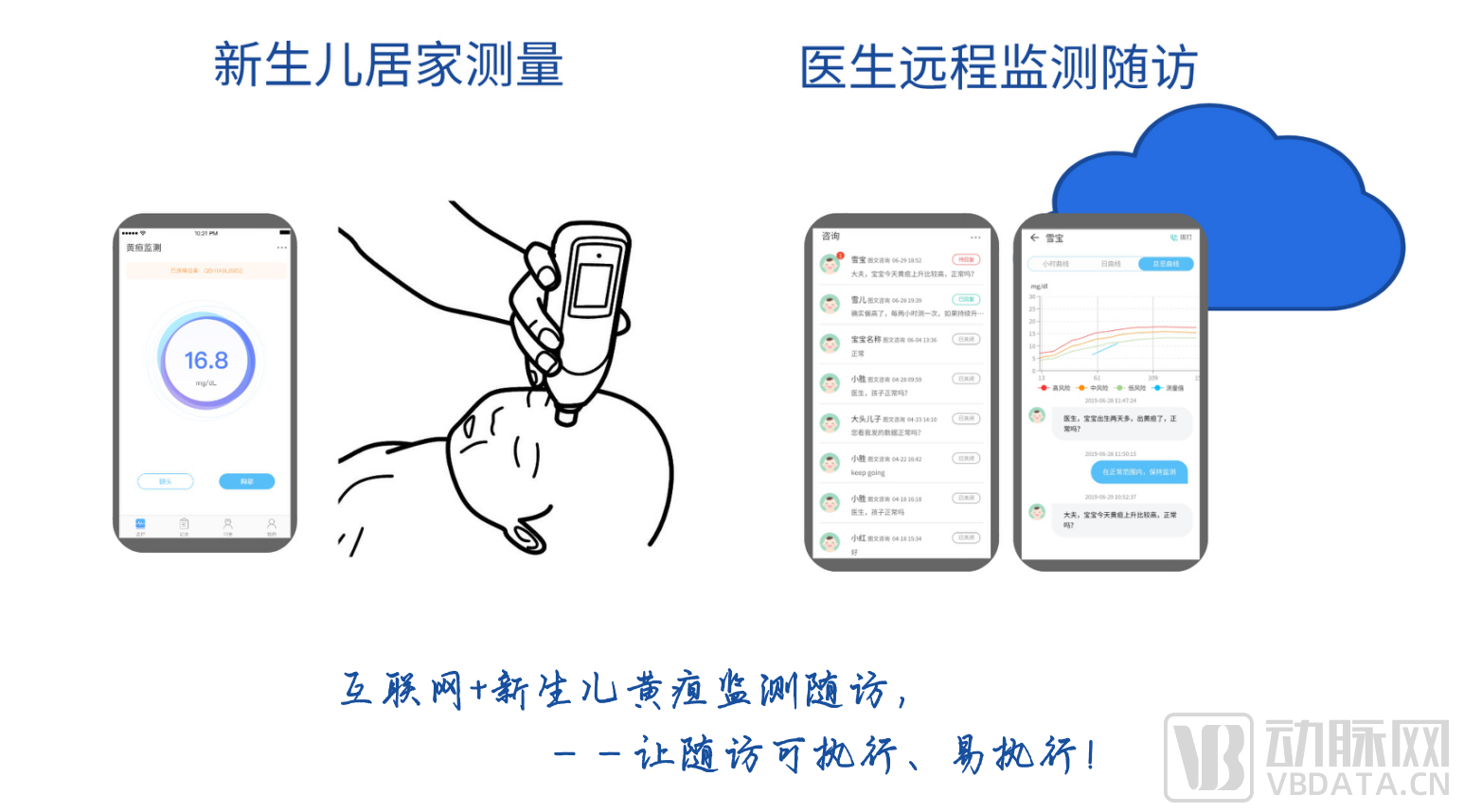
In fact, Ms. Duan’s case is a common occurrence within the “Internet + Remote Monitoring and Follow-up Service for Neonatal Jaundice” implemented by the Department of Neonatology at Kunming Maternal and Child Health Hospital.Through the Internet Plus remote monitoring platform for neonatal jaundice, physicians can not only receive real-time alerts for abnormal neonatal jaundice levels and make clinical judgments, but also conduct timely remote consultations to guide and assist parents in managing their infants’ jaundice, thereby preventing the occurrence of acute bilirubin encephalopathy.
As early asIn a circular issued by the National Health Commission in December 2020 on typical experiences and practices of “Cloud-Based Maternal and Child Health,” remote follow-up for neonatal jaundice was prominently featured.“The First Affiliated Hospital of Harbin Medical University, the Haidian District Maternal and Child Health Hospital in Beijing, and other institutions have implemented remote follow-up for neonatal jaundice. By utilizing smart transcutaneous bilirubinometers, they conduct dynamic remote home monitoring of neonatal bilirubin levels. The system provides intelligent automatic alerts for abnormal data, enabling healthcare professionals to monitor trends and promptly guide patients to seek in-person intervention when abnormalities are detected. This approach safeguards neonatal safety and reduces ‘unnecessary’ clinical visits.”
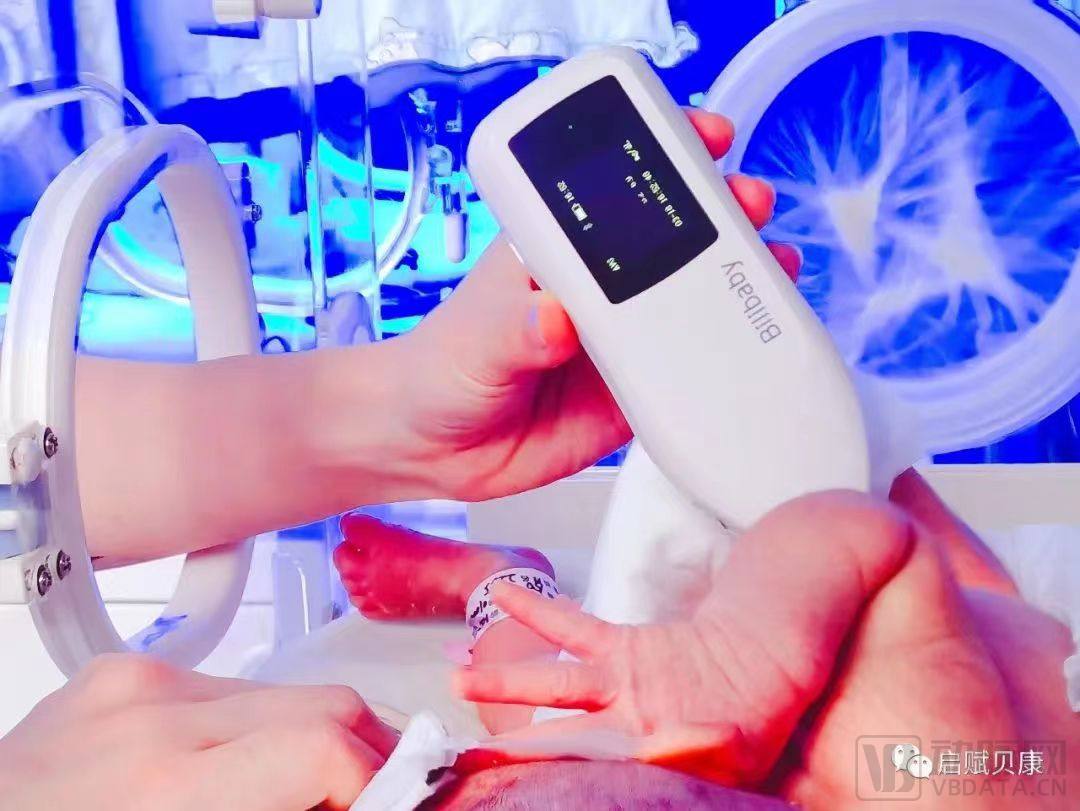
The positive recognition of remote follow-up services for neonatal jaundice is underpinned by the Bilibaby Smart Jaundice Monitoring and Follow-up System (comprising a smart transcutaneous bilirubinometer, a jaundice follow-up app, and an AI data platform) from Qifu Beikang.
How does the Bilibaby Intelligent Jaundice Monitoring and Follow-up System by Qifu Beikang perform? What distinctive features have earned it the preference of over 300 hospitals across China? Beyond remote jaundice monitoring and follow-up, what other strategic initiatives has Qifu Beikang implemented in neonatal jaundice management? As the company accumulates expertise in the field of neonatal jaundice, what is its envisioned development roadmap? To address these questions, VCBeat conducted an exclusive interview with Dr. Ran Liang, Medical Director at Qifu Beikang, seeking insights and answers.
Jaundice is the seventh leading cause of neonatal death,
Standardized Management Can Prevent Mortality
In 2015, the United Nations proposed the Sustainable Development Goals (SDGs), aiming to eliminate preventable deaths among newborns and children under five years of age by 2030. Deaths in newborns caused by jaundice can be avoided through active and effective management. Therefore, experts call for post-discharge monitoring and follow-up for jaundice in all newborns to prevent neonatal mortality and permanent neurological impairment resulting from bilirubin encephalopathy.
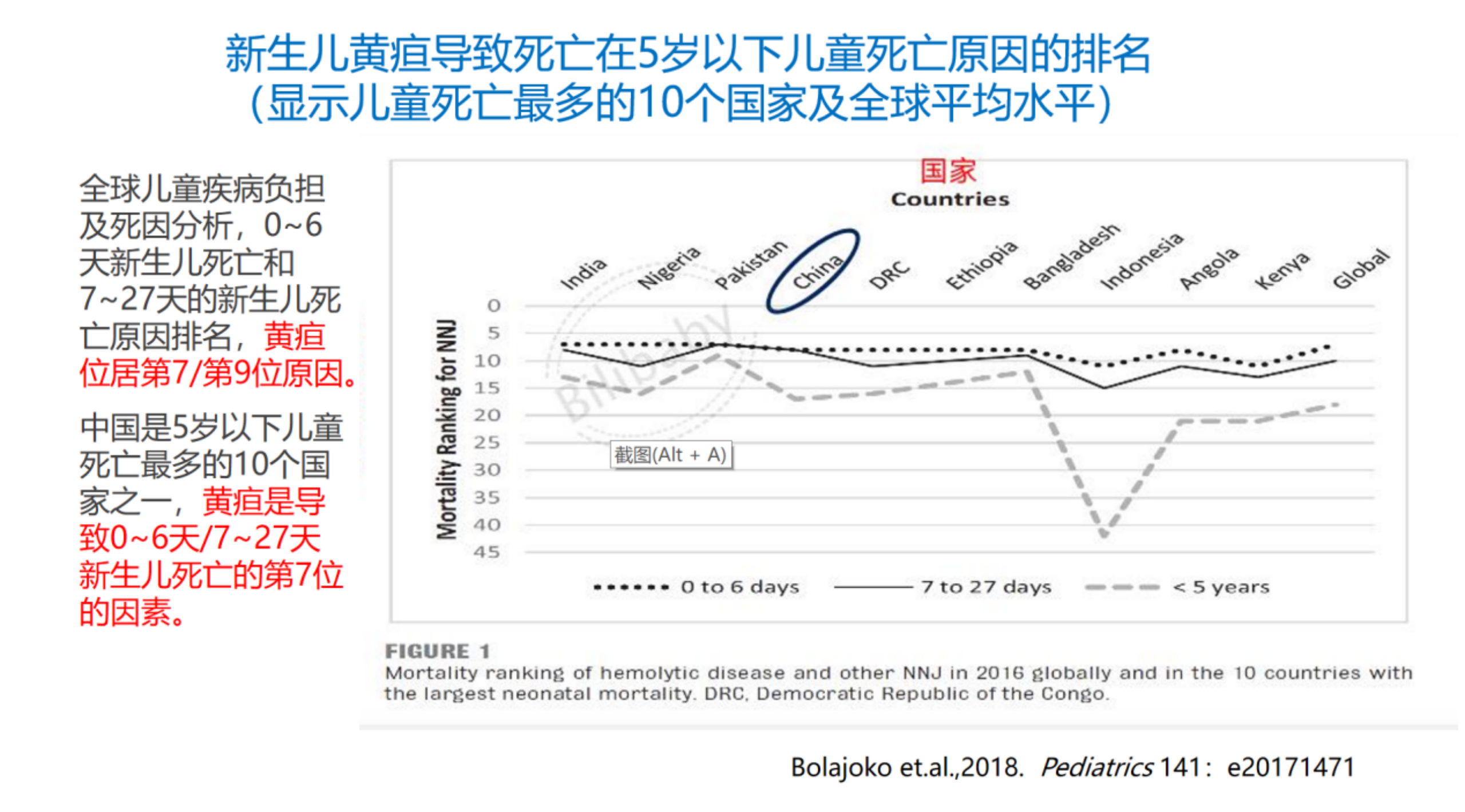
According to incomplete statistics, 481,000 newborns worldwide develop extremely severe hyperbilirubinemia each year, of whom 114,000 die as a result, and approximately 69,000 suffer irreversible moderate or severe neurological impairment. Furthermore, the 2016 Global Burden of Disease (GBD) study indicates thatAmong the top 100 causes of neonatal mortality, jaundice ranks as the 7th leading cause of death for infants aged 0–6 days and the 9th leading cause for those aged 7–27 days.
China is among the ten countries with the highest number of deaths in children under five years of age, and jaundice ranks as the seventh leading cause of neonatal mortality in China during the first 0–6 days and 7–27 days after birth.
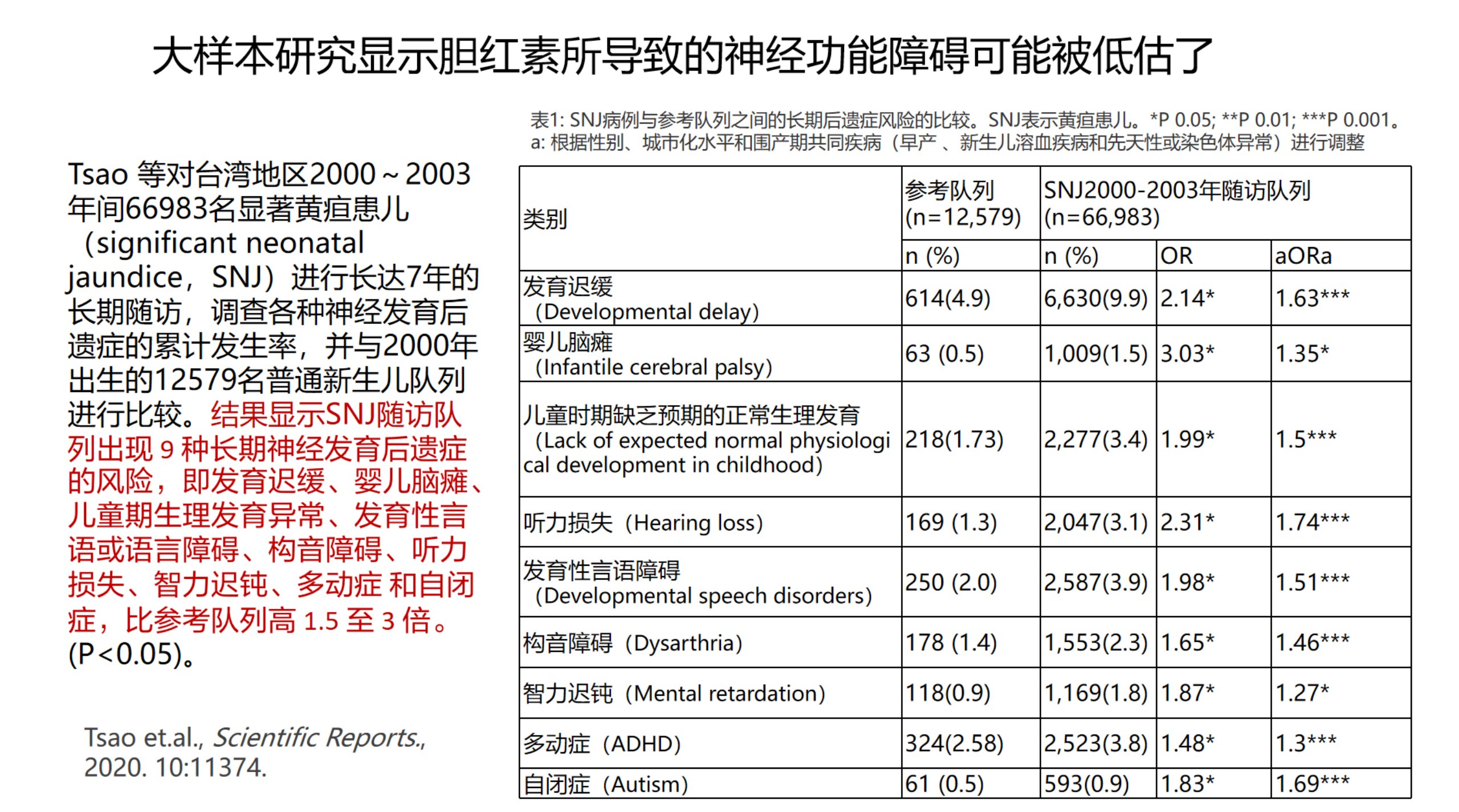
Furthermore, a growing body of evidence-based medical research indicates that, in addition to causing neonatal mortality, the risk of neurological impairment associated with jaundice may be underestimated.
In 2020, Tsao et al. reported findings from a 7-year long-term follow-up of more than 60,000 infants with jaundice in Taiwan, revealing that neonates with significant jaundice during the neonatal period had a 1.5- to 3-fold higher risk of developing nine types of neurodevelopmental disorders during infancy and early childhood compared with those in the control cohort.
A 2017 epidemiological survey in Guangdong Province showed that the incidence of bilirubin encephalopathy among newborns admitted to 21 hospitals across the province was 1.13 per 1,000 live births, more than dozens of times higher than that in developed countries.
“Neonatal jaundice is a significant yet overlooked health issue. Bilirubin is neurotoxic and can cause permanent brain damage in newborns, leading to various neurological sequelae. Guidelines for the management of jaundice and expert consensus statements from countries around the world all mandate post-discharge monitoring and follow-up for all newborns,” stated Ran Liang.
However, in stark contrast to the high incidence rate and the potential for severe adverse outcomes, China lacks a unified, standardized management system for neonatal jaundice, as well as convenient and safe tools for monitoring and follow-up. Worse still, the general public in China lacks proper awareness of the serious consequences that neonatal jaundice may entail.
“Nine out of ten babies are jaundiced; it will resolve on its own in a few days, so no intervention is needed!” This represents a long-standing, one-sided and erroneous perception of neonatal jaundice rooted in traditional beliefs.
However, in reality, although jaundice occurs in 60% of term infants and 80% of preterm infants, approximately 11–13.6% of neonates with jaundice may develop hyperbilirubinemia requiring therapeutic intervention. Due to the complex pathological factors underlying neonatal jaundice, failure to provide timely intervention may lead to rapid progression to severe hyperbilirubinemia in some cases, precipitating acute bilirubin encephalopathy and resulting in various neurological sequelae; in severe instances, it may even be life-threatening for the infant.
Parental neglect and cognitive biases regarding neonatal jaundice may hinder timely monitoring of bilirubin level changes, causing missed opportunities for optimal intervention. This can lead to severe hyperbilirubinemia and bilirubin encephalopathy, resulting in permanent brain damage or even death in infants. “Even in economically developed regions of China, neonatal deaths caused by jaundice still occur from time to time,” stated Ran Liang.
For example, a case in Guangdong Province involved a healthy female infant who developed jaundice on the second day after birth. Her condition worsened at a local hospital, with symptoms including lethargy, vomiting and refusal of feeds, and convulsions. By the time she was transferred to a higher-level hospital, her jaundice had progressed to the point where exchange transfusion was indicated. However, the receiving hospital lacked the capability to perform exchange transfusion and provided no treatment. The parents drove five hours overnight to seek care at a critical care hospital in Guangzhou, but it was too late; the infant died on the fourth day after birth.
The regrettable outcome highlights parents’ inadequate understanding of the hazards of bilirubin neurotoxicity, as well as non-standardized jaundice management, passive treatment approaches, and an imperfect referral system in primary healthcare institutions.
Relevant epidemiological data (from the “Multicenter Epidemiological Study of Neonatal Bilirubin Encephalopathy in China” and the “Survey on the Incidence of Neonatal Bilirubin Encephalopathy in Different Regions of Guangdong Province”) indicate that more than 90% of infants who develop bilirubin encephalopathy are term or near-term infants. Paradoxically, most newborns are discharged from the hospital within 1–3 days after birth, whereas the peak period for jaundice typically occurs on days 4–5 postpartum. Therefore, post-discharge monitoring and follow-up for jaundice are particularly important.
Traditional follow-up protocols require neonates to return to their birthing hospitals or community health centers for post-discharge monitoring. However, since the outbreak of the COVID-19 pandemic, the time-sensitive nature of neonatal jaundice and the risk of cross-infection in healthcare settings have posed greater challenges to post-hospital jaundice monitoring and follow-up. Consequently, efforts to address these issues have accelerated.
For example, Piao Meihua, Chief Physician of the Department of Pediatrics at Peking University Third Hospital and President-Elect of the Perinatal Medicine Branch of the Chinese Medical Association, called attention in 2020 to the fact that the peak period for neonatal jaundice (days 4–5 after birth) occurs while infants are still at home; therefore, pre-discharge assessment and post-discharge follow-up for jaundice are particularly important. She urged healthcare institutions to place greater emphasis on high-risk assessments for neonatal jaundice prior to discharge and on post-discharge follow-up, strengthen public education on neonatal jaundice, raise awareness among parents and healthcare professionals regarding the hazards of jaundice, and make every effort to prevent its progression to bilirubin encephalopathy.
In February 2020, the China Maternal and Child Health Association issued a notice on promoting the “Anti-Epidemic Newborn Internet+ Jaundice Follow-up Initiative,” stating that it would collaborate with Qifu Beikang, relevant academic organizations, and renowned experts to jointly implement the project. Under this initiative, a set of the “Bilibaby Internet+ Jaundice Follow-up Monitoring System” (including intelligent transcutaneous jaundice meters and jaundice follow-up management software) would be provided free of charge to every midwifery institution that applied, thereby offering remote monitoring and follow-up services for neonatal jaundice.
Its collaborations with the Chinese Maternal and Child Health Association, hundreds of top-tier tertiary hospitals, and provincial and municipal maternal and child health hospitals demonstrate Qifu Beikang’s product strength and its strategic thinking in internet-based medical services. So, what exactly has Qifu Beikang accomplished in the field of neonatal jaundice monitoring, and what core competencies has it developed?
In fact, Qifu Beikang’s newborn jaundice business stems from its original aspiration to “eliminate bilirubin encephalopathy.” To fulfill the project mission of “protecting Chinese babies from bilirubin-induced harm” and realize the project vision of “providing convenient and safe jaundice monitoring and follow-up services to 5 million newborns annually,” Qifu Beikang has undertaken a series of systematic initiatives and strategic planning.
The research and development, as well as the production, of software and hardware equipment is naturally the first step in strategic layout.
According to Ran Liang, at the outset of its strategic planning, Qifu Beikang conducted market research on neonatal jaundice monitoring devices and follow-up systems, but ultimately failed to identify any products aligned with its development goals. Therefore,Qifu Beikang decided to establish an in-house independent R&D team, which independently developed the Bilibaby smart transcutaneous jaundice meter, the accompanying jaundice follow-up APP, and the hospital management backend. Furthermore, Qifu Beikang has actively sought technical talent collaborations with universities such as Beijing Institute of Technology, Beijing University of Posts and Telecommunications, and Tianjin University to continuously optimize and upgrade its products and services.
Additionally, in the interview, Ran Liang introduced that, in clinical practice, the primary methods for monitoring hyperbilirubinemia are the measurement of total serum bilirubin (TSB) concentration via venous blood sampling and the measurement of transcutaneous bilirubin (TcB) levels. TSB is the gold standard for diagnosing hyperbilirubinemia, while TcB is a non-invasive test that allows for dynamic observation of changes in bilirubin levels, thereby reducing the need for invasive testing. Theoretically, TcB values should be consistent with TSB results; however, transcutaneous measurements may differ from TSB due to factors such as phototherapy and skin pigmentation in neonates.
So, how does the Bilibaby intelligent transcutaneous jaundice detection and follow-up system perform? VCBeat has learned thatThe Qifu Beikang Smart Transcutaneous Jaundice Monitoring and Follow-up System features four key characteristics: First, the transcutaneous bilirubin (TcB) measurements obtained by the smart transcutaneous jaundice meter are highly correlated with total serum bilirubin (TSB) levels. Second, the device is more compact and portable; its intelligent design overcomes temporal and spatial constraints, enabling monitoring anytime and anywhere. Third, when connected to the follow-up mobile app, the smart transcutaneous jaundice meter can continuously and dynamically record bilirubin levels, automatically calculate the infant’s age in hours at the time of measurement, and automatically match the data to the hour-specific bilirubin percentile curve. The system issues automatic alerts when measurements reach risk zones. Fourth, measurement data are transmitted in real time and synchronized to the cloud, allowing physicians to conduct remote monitoring and enabling parents to consult doctors virtually.
Hardware and software support is merely the first step for Qifu Beikang in launching its neonatal jaundice monitoring and follow-up services. To truly achieve the project’s goal and vision of “eliminating bilirubin encephalopathy” and benefit more newborn families, it is essential to ensure high-level alignment and integration with the clinical management system for neonatal jaundice.
Therefore,While conducting its business, Qifu Beikang collaborates with experts in obstetrics and pediatrics as well as healthcare professionals to continuously advance a series of in-depth clinical partnerships.
In 2020, as the lead organization for the 5G+ Neonatal Jaundice Follow-up Management Project, Qifu Beikang, in collaboration with the Children’s Hospital of Zhejiang University School of Medicine (National Regional Medical Center for Children), the Children’s Hospital of Chongqing Medical University (National Regional Medical Center for Children), the Children’s Hospital of Nanjing Medical University (Jiangsu Provincial Pediatric Medical Center), Guangdong Women and Children Hospital (Guangdong Provincial Children’s Hospital), and Tianjin Central Hospital of Gynecology and Obstetrics, applied for the 5G+ Healthcare Application Pilot Project jointly launched by the Ministry of Industry and Information Technology and the National Health Commission, and successfully obtained approval.
Not only that,Qifu Beikang is also leveraging its product advantages to collaborate with core regional hospitals, jointly establishing a cross-hospital system for jaundice monitoring, follow-up, and intervention.
For example, in collaboration with the Children's Hospital of Zhejiang University School of Medicine and the Zhejiang Neonatal Quality Control Center, Illuma Beikang has established a standardized management system for neonatal jaundice. This system encompasses functionalities such as in-hospital monitoring, out-of-hospital follow-up monitoring, recall mechanisms, hospital transfers, tiered intervention and monitoring records, and tracking and monitoring of neurological sequelae. Meanwhile, the development of similar systems in other regions, including Chongqing Municipality, Guangdong Province, and Kunming City, is currently underway or in the preparatory stages.
“In fact, what Qifu Beikang provides is a monitoring and follow-up service for neonatal jaundice, with the smart transcutaneous jaundice meter being just one component. To achieve optimal outcomes, it is necessary to address not only hardware, software, and supply chain issues, but also challenges related to large-scale clinical data validation and the establishment of a comprehensive service system.”Ran Liang stated, “This requires enterprises to possess strong cross-disciplinary comprehensive capabilities. And, frankly speaking, this is not something that can be achieved overnight.”
This “small step” taken by Qifu Beikang together with numerous industry partners has already begun to show initial results.
In the "Consensus on Management Protocols for Neonatal Jaundice in the Beijing-Tianjin-Hebei Region," developed with the participation of neonatology experts from more than 20 hospitals, including Peking Union Medical College Hospital, Peking University First Hospital, Peking University Third Hospital, Beijing Obstetrics and Gynecology Hospital, the Seventh Medical Center of the Chinese PLA General Hospital, the Capital Institute of Pediatrics, Tianjin Central Hospital of Obstetrics and Gynecology, and Shijiazhuang Maternity Hospital, remote monitoring and follow-up for jaundice are recommended by experts.
According to the clinical study “Remote Follow-up Study on Home Jaundice Monitoring in Neonates with Hemolytic Disease” conducted by Zhu Jiajun’s team from the Department of Neonatology, Women’s Hospital School of Medicine Zhejiang University, the results showed that “during the pandemic control period, the use of the Illuma Beikang transcutaneous jaundice meter and the Jaundice Follow-up APP, adopting home jaundice monitoring and remote follow-up methods, can reduce unnecessary outings for infants and their guardians without increasing the rate of hospital readmission or the risk of developing hyperbilirubinemia.”
Guo Fang, Director of the Neonatology Department at Kunming Maternal and Child Health Hospital, which has launched “Internet+” remote monitoring and follow-up services for neonatal jaundice, also stated that the jaundice progression of every discharged newborn is under real-time online surveillance by herself, dedicated jaundice coordinators, and medical staff. “This addresses the long-standing difficulty parents face in monitoring their infants’ jaundice levels, ensuring timely treatment and preventing the occurrence of acute bilirubin encephalopathy.”
Furthermore, the “Internet + Jaundice Monitoring and Follow-up Technology” has been approved for inclusion in the appropriate technology promotion programs of multiple provinces and regions, including Beijing Municipality, Guangdong Province, and the Guangxi Zhuang Autonomous Region. Among these,Given that “Internet + Jaundice Monitoring and Follow-up” is characterized by its ability to rapidly accumulate massive amounts of jaundice monitoring data, it can also provide novel research directions and data support for relevant clinical studies based on this technology. In the future, more research projects will be continuously initiated and advanced.
Leveraging its intelligent transcutaneous jaundice monitor and follow-up APP, Qifu Beikang has launched a “blitzkrieg” in the field of remote neonatal jaundice management. By collaborating with authoritative hospitals within the region to demonstrate the product’s value and capabilities, Qifu Beikang has rapidly expanded its adoption to more than 300 hospitals across China. Furthermore, through jointly establishing clinical application systems with hospitals, and co-developing regional guidelines and consensus statements with industry experts and leading hospitals, Qifu Beikang has undoubtedly consolidated its strengths in product capability, systemic infrastructure, academic influence, and even data analytics.
andThese capabilities not only enabled Qifu Beikang to accumulate over RMB 30 million in cash flow and gather more than 1 million jaundice monitoring data points in 2021, but also laid a solid foundation for the company to explore its second growth curve.
According to Ran Liang,On the “first curve” of standardized management of neonatal jaundice, Qifu Beikang will leverage its accumulated data advantages to continue promoting the development of regional clinical application systems for neonatal jaundice monitoring, as well as the formulation of workflow standards and consensus guidelines. The company will also sustain product iteration to maintain a leading position in both product technology and clinical applications. Meanwhile, Qifu Beikang will continue to implement its “Lightning Strategy,” rapidly expanding its reach to one thousand hospitals.
However,Ran Liang also stated that neonatal jaundice monitoring is merely the entry point for Illuma Beikang into the maternal and infant market. The company’s future development goal is to become a comprehensive, specialized platform for maternal and infant health management.
According to iResearch’s “Report on the New Generation of China’s Internet Maternal and Infant Market,” the domestic maternal and infant market has seen steady growth, with the consumer market size projected to reach RMB 3.2 trillion in 2020. In the first quarter of 2020, the internet-based maternal and infant sector achieved robust growth, with a year-on-year increase of 35.7% and monthly active users rising to 646 million.
Moreover, in recent years, the introduction of multiple national policies has driven the development of the home medical device industry for mothers and infants.
For example, the “Development Plan for the Medical Equipment Industry (2021–2025)” issued by the Ministry of Industry and Information Technology calls for promoting the remote, wireless, and customized development of maternal and child health equipment, with a focus on wearable devices for prenatal and postnatal care and child healthcare. The “Proposal of the Central Committee of the Communist Party of China on Formulating the 14th Five-Year Plan for National Economic and Social Development and the Long-Range Objectives Through the Year 2035” states that long-term population development strategies should be formulated, fertility policies optimized, and services for eugenics and healthy childbirth improved.
Against this backdrop, many companies have targeted the maternal and infant home medical device market from various entry points, while Qifu Beikang has chosen to focus on neonatal jaundice monitoring and follow-up.
“Convenience and safety represent the most fundamental needs in Maslow’s hierarchy. Internet-enabled neonatal jaundice monitoring, follow-up, and intervention will inevitably become widespread in the future. After establishing a platform that serves millions of newborns annually, Qifu Beikang will further explore new growth curves—comprehensive, specialized maternal and infant health management,” summarized Ran Liang.
References:
[1]Bolajoko et al., The contribution of neonatal jaundice to global child mortality:findings from the GBD 2016 study. Pediatrics 2018,141:e20171471.
[2]Tsao et al., Long term neurodevelopmental outcomes of signifcant neonatal jaundice inTaiwan from 2000–2003: a nationwide, population based cohort study. Science Reports, 2020, 10:11374.
[3]Mwaniki et al, Long-term neurodevelopmental outcomes after intrauterine and neonatal insults: a systematic review.The lancet,2012,379:445-452.
[4] Neonatal Group of the Pediatric Branch, Chinese Medical Association; Collaborative Research Group on Neonatal Bilirubin Encephalopathy in China. A multicenter epidemiological survey of neonatal bilirubin encephalopathy in China [J]. Chinese Journal of Pediatrics, 2012, 50(5):332-335.
[5] Wang Yanli, Zhong Di, et al. Investigation on the incidence of bilirubin encephalopathy in different regions of Guangdong Province [J]. Maternal and Child Health Care of China, 2017, 32(24): 6274-6276.
[6] Dong Xiaoyue, Han Shuping, Yu Zhangbin, et al. Development of hour-specific bilirubin percentile curves for neonates and preliminary exploration of early prediction of hyperbilirubinemia [J]. Chinese Journal of Evidence-Based Pediatrics, 2010, 5(3): 180-186.