

Insight: Survey of Nearly 30 Industry Experts Reveals Three Key Trends in the Billion-Dollar Smart Medical Laboratory Market
With the advancement of biotechnology and the normalization of the COVID-19 pandemic, market demand for drug development, biological experiments, and testing and inspection has surged, drawing increasing attention to the intelligent transformation of upstream laboratories in the industry. In recent years, leveraging technologies such as 5G, the Internet of Things (IoT), artificial intelligence (AI), and big data, laboratories are undergoing a smart transformation.
What Exactly Constitutes a Smart Laboratory?
What Are the Differences and Roles of Automation, Informatization, and Digitalization?
What are the respective pain points and areas in urgent need of intelligent transformation for testing and inspection laboratories versus research and development laboratories?
What is the current status of laboratory intelligence development? What are the industry drivers and competitive landscape?
VCBeat Research Institute focuses on the intelligent construction of medical laboratories. To clarify the current status of smart medical laboratory development in China and to thoroughly examine the needs and effective solutions for such initiatives, VCBeat has produced this report by interpreting policies and conducting multi-dimensional analyses of industry data. The research involved surveys of four research institutes, 15 innovative enterprises, and three investment firms, as well as interviews with 28 experts, company founders, and investors. We have drawn the following conclusions:
The smart medical laboratory is still in its early stages, urgently requiring the addition of talent with interdisciplinary backgrounds.The smart medical laboratory sector is in its early stages of development, representing an emerging interdisciplinary field that urgently requires talent with cross-disciplinary backgrounds in software and hardware engineering, artificial intelligence, life sciences, biotechnology, and medicine. Currently, from an investment perspective, whether the founder or core team possesses an interdisciplinary background spanning technology and life sciences is a critically important reference dimension for evaluating projects in the smart medical laboratory construction space.
Integrated hardware-software products are more favored by the market, with collaboration outweighing competition among early-stage service enterprises.During the intelligent transformation, software and hardware facilitate more convenient and efficient operations in medical laboratories at various stages, while also enhancing safety and compliance. Integrated software-hardware solutions are particularly attractive to laboratory managers due to their broader scope of intelligence and more in-depth problem-solving capabilities. In contrast, most service providers initially had limited business coverage. Therefore, to accelerate penetration into the extensive and deep market for intelligent laboratories and increase the adoption rate of intelligent technologies in medical laboratories, collaboration among service providers currently outweighs competition.
Benchmark solutions for intelligent transformation will emerge across different types of medical laboratories.Biochemical testing, genetic testing, drug development, and other types of medical laboratories exhibit significant differences in their workflows, leading to varying demands for intelligent infrastructure. Therefore, a deep understanding of the specific needs of different medical laboratories is crucial for product research and development. In the early stages, most companies, constrained by limited energy, capabilities, and resources, were unable to gain an in-depth understanding of all types of medical laboratories simultaneously. Instead, they started with specific laboratory scenarios to provide corresponding solutions. Currently, there are no benchmark intelligent construction solutions with high competitive barriers across various types of medical laboratories. In the future, as companies deepen their understanding of the needs of diverse laboratory scenarios, coupled with continuous technological advancements and product optimization, benchmark solutions validated by the market will gradually emerge for each type of laboratory.
Smart Laboratory Development Reduces Costs and Enhances Efficiency Through Automation, Informatization, and Digitalization
Smart manufacturing has already seen mature applications in traditional industrial sectors. For instance, in industries such as food processing and automobile manufacturing, the implementation of fully automated production lines has partially replaced, and in some cases completely substituted, manual labor. This transformation has significantly enhanced production efficiency, improved product quality, and reduced production costs, thereby driving substantial growth in sectoral benefits.
In recent years, medical laboratories, which also have high demands for efficiency, have recognized the importance of smart laboratory construction. This includes replacing highly repetitive manual tasks with automated equipment or assembly lines, digitizing laboratory information through informatization to avoid errors in manual recording, and enhancing operational efficiency through digitalization.
In the medical field, various types of laboratories—including those for clinical testing, drug development, and biological experiments—are increasingly adopting automation, informatization, and digitalization to achieve multidimensional “smart” capabilities. Such facilities are referred to as Smart Medical Laboratories.
Smart Medical Labs: Leveraging Technology to Reduce Costs and Boost Efficiency。Smart Laboratory Construction: Leveraging key technologies such as the Internet of Things (IoT), 5G, artificial intelligence (AI), big data, cloud computing, VR/AR, blockchain, and Geographic Information Systems (GIS), and utilizing hardware devices and software systems as application platforms, this approach enhances efficiency, convenience, safety, and regulatory compliance across all processes in both experimental and non-experimental operational aspects of medical laboratories, thereby achieving cost reduction and efficiency improvement.
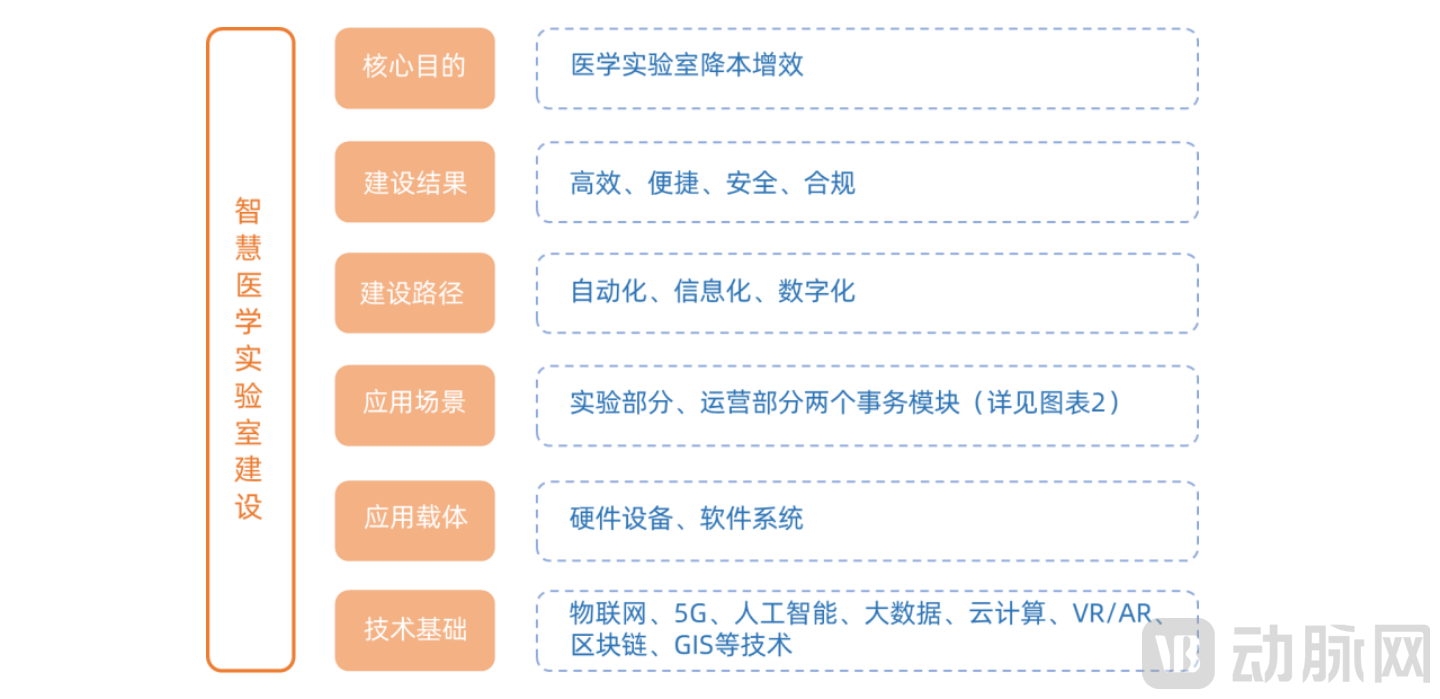
Figure 1. Architectural Model and Application Outcomes of Smart Medical Laboratory Construction
Through research interviews, we categorized the application scenarios within the architecture model into two segments: the experimental segment and the operational segment. The experimental segment encompasses experimental design, implementation, and collaboration; the operational segment includes compliance and safety management, personnel management, and consumables management.
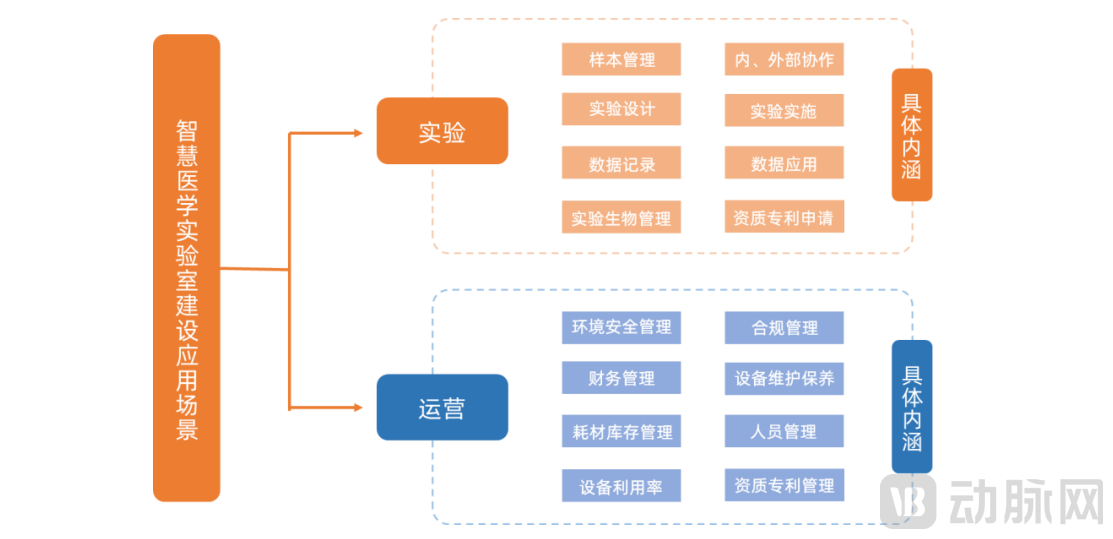
Figure 2. Classification and Connotations of Application Scenarios for Smart Laboratory Construction
Furthermore, within the architectural model, the development pathway for smart medical laboratories encompasses automation, informatization, and digitalization. It is worth noting that these three pathways may proceed concurrently, and their progression may vary depending on the type of medical laboratory.
Automation: Optimizing experimental workflows and data generation.Automation refers to the process by which machinery, equipment, systems, or production and management processes achieve predetermined experimental objectives through automatic detection, information processing, analytical judgment, and operational control, with minimal or no direct human intervention. In medical laboratories, automation leverages technologies such as computer vision, servo control, the Internet of Things (IoT), and artificial intelligence (AI). Supported by hardware including automated instruments, automated production lines, and robotic arms, and complemented by specialized software, it reduces manual involvement, enabling experimental workflows to proceed automatically and facilitating the automatic generation and recording of experimental data.
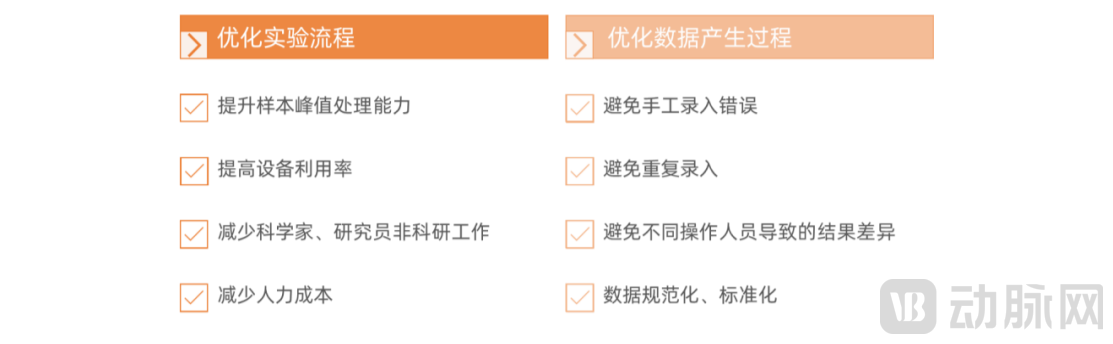
Figure 3. Automation Optimizes Experimental Workflows and Data Generation Processes
Informatization: Optimize the generation of operational data and improve the recording of experimental data.The informatization of medical laboratories refers to the use of technologies such as 5G, big data, and the Internet of Things (IoT), supported by hardware devices like sensors and accompanying software systems. On one hand, it presents information related to laboratory operational management (such as ambient temperature and humidity, consumable inventory levels, etc.) in data form, transforming manual supervision and judgment into digital formula-based algorithms. On the other hand, it converts experiment designs, data, and processes that are traditionally recorded on paper into electronic formats, accompanied by corresponding labels, thereby providing a data foundation for digital applications.
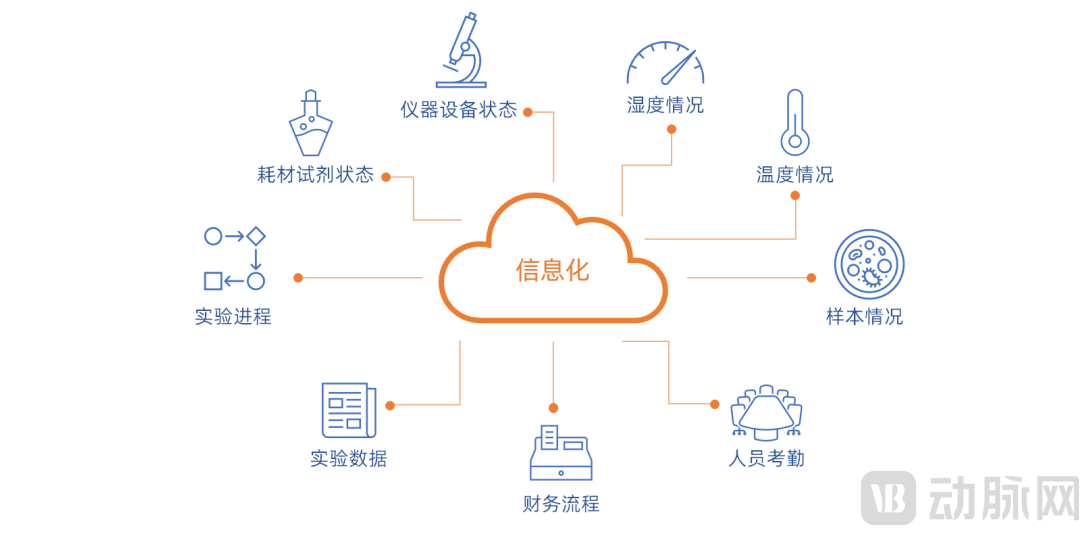
Figure 4. Scope of Information Technology Coverage in Smart Medical Laboratories
Furthermore, laboratory informatics can present all operational statuses—including staff attendance, sample storage, equipment operation, ambient temperature and humidity, inventory of consumables and reagents, experimental progress, and business-financial workflows—in the form of data, thereby providing a robust data foundation for digital applications.
Digitalization: Optimizing experimental and operational processes and data applications.This step is primarily accomplished through software systems. In fact, devices focused on automation and informatization are almost invariably equipped with corresponding digital software to achieve a closed loop from data generation to utilization. There are also numerous software solutions dedicated to laboratory digitalization, which assist in experimental workflow design, process execution, conclusion validation, and multidimensional analysis of experimental data, such as the well-known LIMS and ELN systems.
Laboratory digitalization leverages technologies such as big data, cloud computing, and artificial intelligence to integrate and analyze the vast volumes of experimental and operational data generated by laboratories. By establishing models and algorithms, it helps make experimental implementation and laboratory operations more compliant, secure, efficient, and convenient.
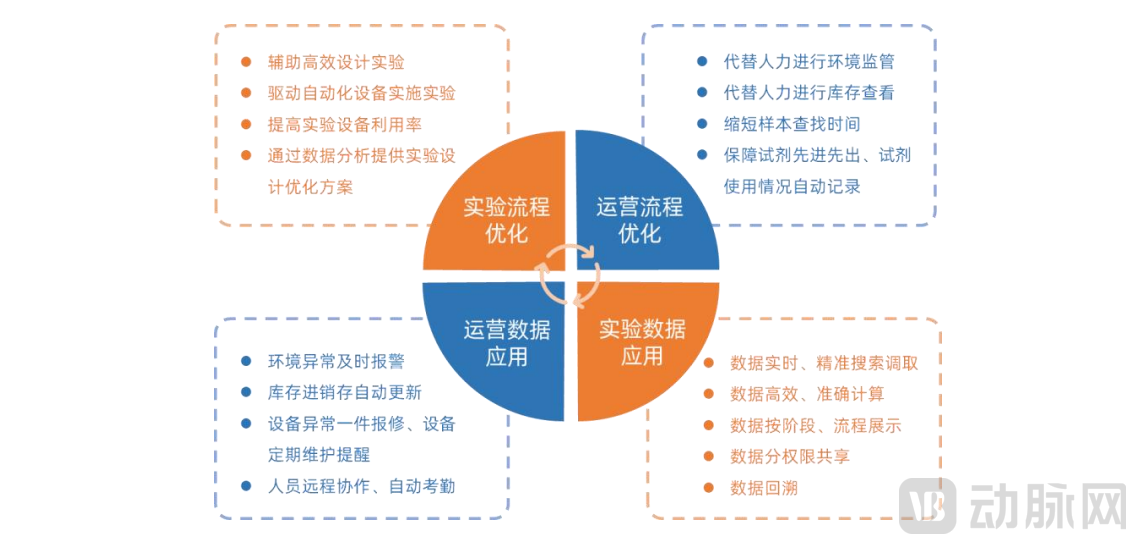
Figure 5 Examples of Digital Applications Across Various Sectors in Smart Medical Laboratories
It is evident that the process of smartening medical laboratories involves numerous modules and a wide range of applications. Virtually every activity within the laboratory can be made more convenient, efficient, safe, or compliant through the aid of hardware and software solutions.
Currently, the development models for smart medical laboratories primarily fall into two categories: one involves demand-side enterprises, such as those in the biopharmaceutical and life sciences sectors, establishing their own smart medical laboratories; the other entails collaborative construction between medical laboratories and companies specializing in smart infrastructure services.
Three Major Medical Laboratory Entities Forge a Hundred-Billion-Yuan Smart Construction Market
Based on the experimental domains involved in the intelligent development of medical laboratories, this report categorizes medical laboratories into three main groups.
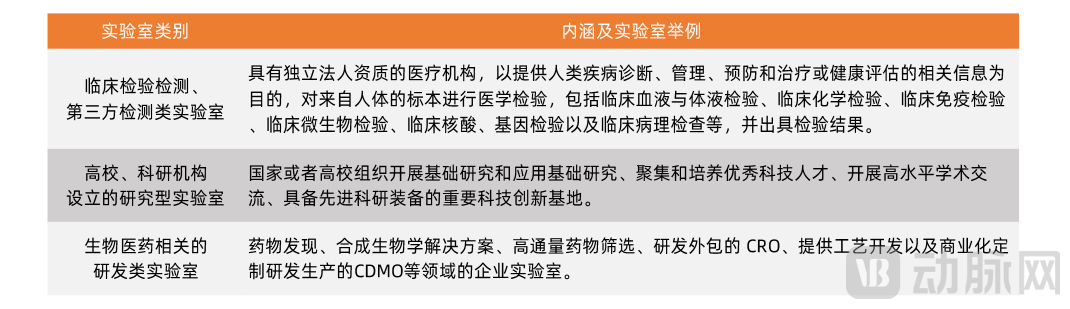
Figure 6. Three Major Stakeholders in the Smart Development of Medical Laboratories
Based on data from market research and expert interviews, we estimated the national market size for smart laboratories in China using the formula: Market Size = Number of Laboratories by Category × Configuration Cost per Laboratory Category. We then applied the formula: Estimated Value × (1 − Penetration Rate of Smart Medical Laboratories) to determine the future growth potential of this sector.
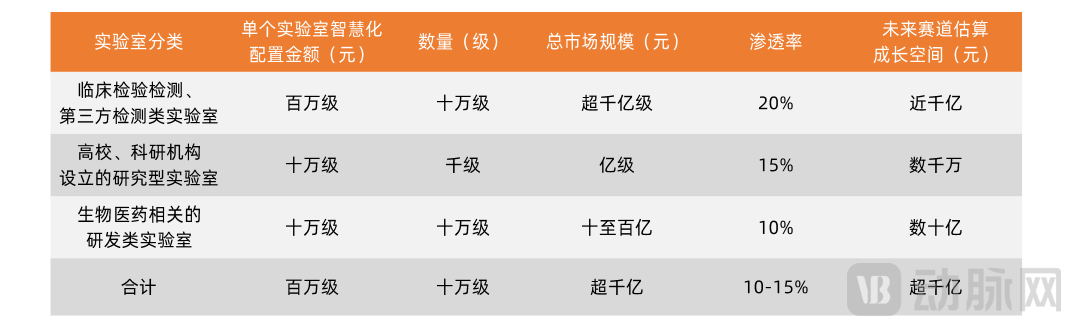
Figure 7 Market Size Estimation of Smart Laboratories in China
The smart penetration rate of medical laboratories is less than 20%, with a market worth over 100 billion yuan waiting to be developed.According to estimates, the smart medical laboratory sector has an untapped market worth over RMB 100 billion, indicating broad prospects. Our research interviews also revealed that the demand scale of the automation market (primarily hardware services) is approximately several hundred billion yuan, while that of laboratory informatization and digitalization (primarily software services) is around tens of billions of yuan. However, multiple industry experts interviewed stated that these figures are conservative estimates, and the future market size is expected to grow further driven by technology, policy, and capital.
Policies and Capital Accelerate the Smart Transformation of Two Major Categories of Medical Laboratories
Policy: Top-level design supports the intelligent development of laboratories.Policies extensively influence the development trajectory of industries and the operational conduct of enterprises. In the context of China’s national conditions, policy has a particularly profound impact on the development of high-tech sectors. VCBeat has compiled relevant policies issued by national and provincial government bodies in China over the past decade concerning the intelligent transformation of laboratories.
Among the 18 national-level policies, 10 pertain to laboratory data management, accounting for over 50%. This highlights the state’s emphasis on laboratory data management and lays a solid policy foundation for the development of enterprises providing laboratory digitalization services. Of these, five policies address laboratory equipment management, and six focus on environmental management.
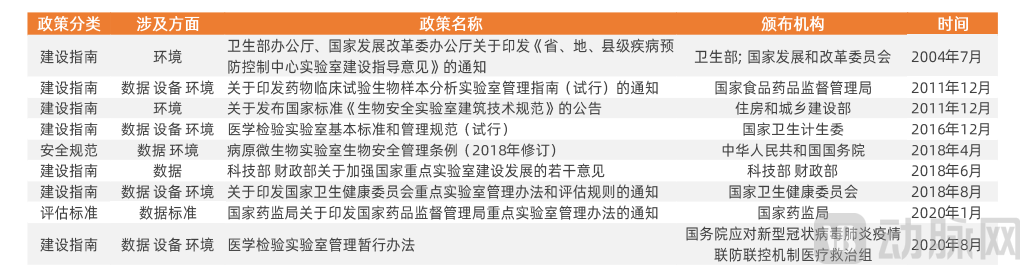
Figure 8 Overview of National-Level Policies Related to the Construction of Smart Laboratories
From a policy perspective, government agencies at all levels are actively promoting the informatization of medical laboratories to achieve research objectives in a safe and efficient manner. The adoption of smart technologies has become an inevitable choice for laboratories conducting scientific research projects.
Capital: Leading Institutions Closely Follow Emerging Tracks.From the perspective of financing rounds, among the investment and financing events in the smart laboratory sector over the past five years, except for a few companies that have reached Series C financing, the financing rounds of other companies are mostly positioned around Series A, indicating that the development of this sector is still in its early stages.
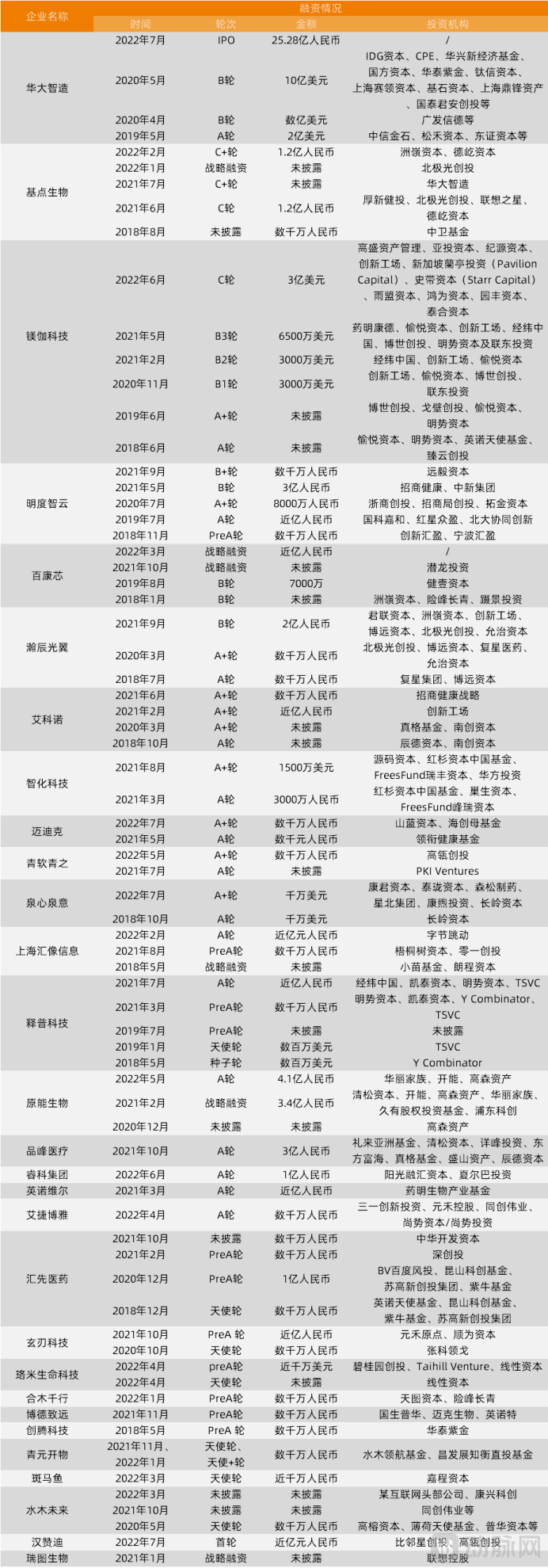
Figure 9. Overview of Investment and Financing Events for Smart Medical Laboratory Construction Service Enterprises in the Past Five Years (Sorted by Financing Round; For Rounds with the Same Stage, Sorted in Reverse Chronological Order by Company Establishment Date)
From the perspective of business layout classification of financed enterprises, companies providing laboratory hardware equipment and those offering laboratory software systems exhibit distinct investment and financing characteristics. Currently, the majority of invested companies are more focused on the automation of instruments and equipment, along with their corresponding platform systems. This is primarily because the automated hardware equipment industry is relatively mature in China, having already undergone a period of technological accumulation. In contrast, companies providing smart laboratory software systems remain a minority in the investment and financing landscape and are still at a very early stage of the funding cycle.
Currently, medical laboratories are mainly divided into two categories: testing and inspection, and research and development.Due to differences in experimental types, various medical laboratories have distinct requirements during the process of intelligent transformation. To clarify the needs of different laboratory types and their corresponding solutions, we categorize medical laboratories into two groups—“Testing and Inspection Laboratories” and “Research and Development Laboratories”—based on two dimensions: primary experimental procedures and the objectives of these procedures.
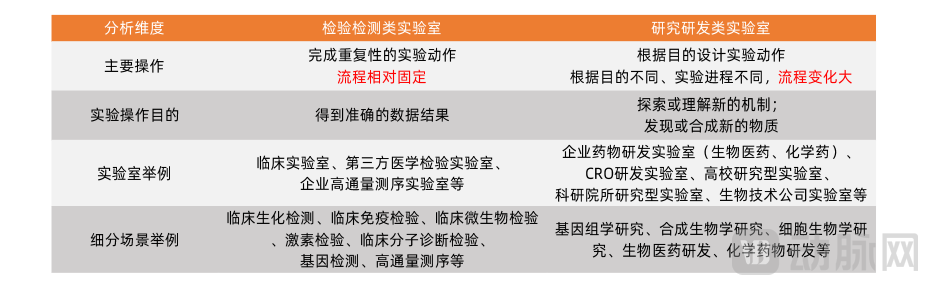
Figure 10. Classification and Comparative Analysis of Medical Laboratories
Next, we will analyze the smart construction requirements and specific solutions for two types of medical laboratories from three perspectives: operational workflow, sample workflow, and information workflow. Then, starting from common issues such as compliance shared by both types of laboratories, we will explore corresponding smart solutions.
Standardized Processes Guide Automation Development, and Technological Innovation Accelerates Domestic Substitution
Enhance user-friendliness to streamline the testing and inspection process.Most operational procedures in clinical testing laboratories are repetitive and mechanical, making operators prone to errors. Examples include inaccurate lid closure leading to sample omission, or imprecise temperature and humidity control resulting in invalid specimen analysis. Therefore, enhancing operational user-friendliness to make workflows simpler and more seamless is crucial for personnel who perform repetitive tasks over extended periods.
Ensure data accuracy to prevent harm to patients and healthcare providers caused by erroneous data.The results of sample testing serve as the basis for patient diagnosis and treatment; therefore, it is critical to ensure that operators perform each step correctly. In traditional laboratories, to prevent data errors caused by operational mistakes from inflicting unimaginable harm on hospitals and patients, operators are frequently required to undergo procedural training, and relevant personnel must sign off to confirm compliance at every stage of the workflow. However, this labor- and resource-intensive process still fails to completely eliminate errors. Ensuring data accuracy more thoroughly, effectively, and cost-efficiently is crucial for minimizing potential harm to both patients and healthcare providers.
Enhance Peak Sample Processing Capacity to Increase Laboratory Efficiency.The daily volume of laboratory test results is correlated with the number and proficiency of operating personnel. For hospitals, blood collection typically begins at 6:00 AM each day, marking the first peak in sample processing demand for the clinical laboratory department. At this time, due to limited staffing, sample processing capacity often fails to meet the surge in demand. For many third-party testing and inspection agencies, sample processing efficiency directly impacts laboratory profitability, with higher throughput translating into greater revenue. Therefore, enhancing the number of tests conducted per unit of time is crucial for clinical laboratories. Amid the pandemic, the sharp rise in demand for nucleic acid testing has made the need for improved laboratory efficiency increasingly urgent.
Automated construction reduces labor and space costs for testing and inspection laboratories while improving sample processing efficiency.An increasing number of testing and inspection laboratories are leveraging technology to make their operational processes “smart.” This transformation primarily relies on laboratory automation, which gradually replaces manual labor.
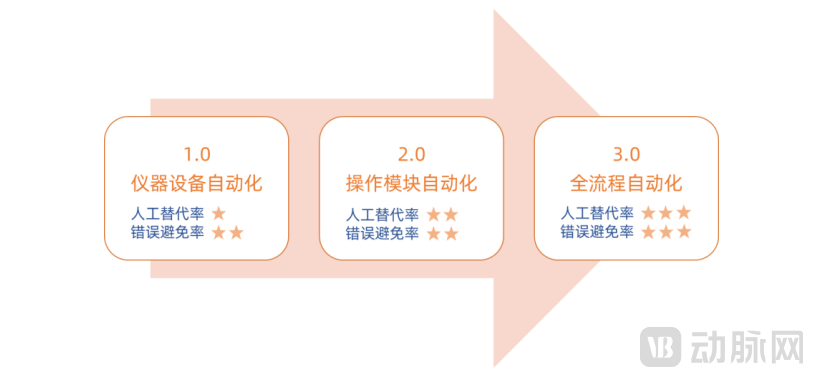
Figure 11. Stages of Automation Construction in Testing and Inspection Laboratories
At Stage 1.0, laboratories enhanced operational user-friendliness by introducing “smarter” instruments and equipment, such as fully automated biochemistry analyzers and fully automated coagulation analyzers. This not only freed personnel from a large volume of repetitive and tedious basic tasks but also minimized deviations and errors caused by manual operations.
2.0 Phase: With automated testing and inspection equipment in place, laboratories began to explore the automation of various operational modules. This phase of development relies on equipment and technologies such as robotic arms, intelligent robots, and artificial intelligence.
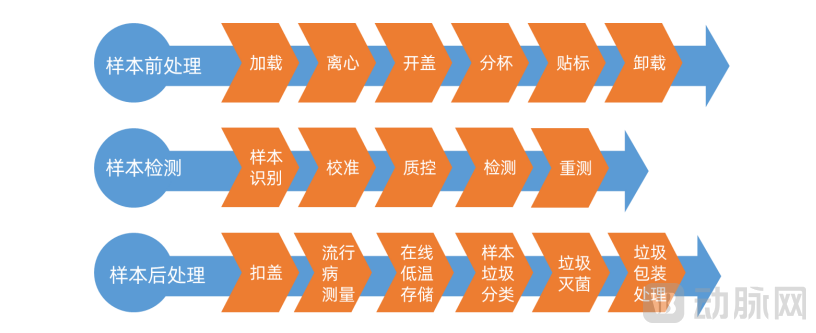
Figure 12. Basic Modules for Sample Processing in Testing Laboratories
These modules include the loading, centrifugation, decapping, and aliquoting modules in the sample pre-processing stage; the identification, calibration, and quality control modules in the sample testing and inspection stage; as well as the disinfection and sorting modules in the sample post-processing stage. This step of “smart” development has further liberated laboratory testing personnel.
In the final Stage 3.0, which approximates the commonly referred to “lights-out laboratory,” technologies such as track systems and pneumatic transport are integrated on top of Stage 2.0 capabilities, enabling all testing and inspection processes to be completed via fully automated assembly lines. Upon completing the automation build-out for Stage 3.0, testing and inspection laboratories can completely liberate laboratory operators and virtually eliminate errors in experimental results. Consequently, laboratories become more compact by eliminating the need for personnel walkways, thereby saving space costs. More importantly, testing and inspection efficiency is significantly enhanced, clearly driving cost reduction and efficiency gains for these laboratories.
Clinical testing laboratories in China have basically been equipped with fully automated or semi-automatic testing devices, while the penetration rate of laboratories that have completed assembly line construction is less than 15%, mostly concentrated in large tertiary hospitals and some third-party testing laboratories. This is because each type of business, such as biochemistry, immunology, microbiology testing, and molecular diagnostics, has a relatively fixed experimental (testing) process. On the other hand, these laboratories need to meet strict compliance requirements, which also makes the product design process more "rule-based."
Imported service enterprises dominate; the core of domestic substitution lies in technology.The financial threshold for automation implementation is relatively high, with individual instruments and equipment ranging in value from tens of thousands to several million RMB, while the construction of automated laboratory assembly lines requires investments ranging from hundreds of thousands to tens of millions, or even over 100 million RMB. Therefore, automation initiatives must be driven by both urgent operational needs and sufficient financial capacity. Currently, laboratories leading in automation adoption are primarily concentrated in large Grade A tertiary hospitals, major third-party testing laboratories, and large-scale genetic testing or high-throughput sequencing enterprises. These testing and inspection laboratories possess strong purchasing power that meets the economic requirements for automation; however, due to their ample budgets, they tend to prefer imported brands of instruments and equipment or turnkey assembly line services.
To achieve domestic substitution, the key core remains technological advancement.In the domestic laboratory automation market, overseas companies such as Siemens, Beckman Coulter, Roche, and Abbott continue to dominate.According to research, apart from COVID-19-related products, domestic companies currently hold only 40–45% of China’s IVD market, with their presence concentrated mainly in secondary hospitals and lower-tier primary healthcare institutions. However, as technological barriers continue to be overcome, domestic enterprises are expected to capture more than 70% of China’s IVD market in the near future.
Furthermore, in the niche sector of smart laboratories, integrated solutions are currently dominated by international peers. Domestic instrument and equipment suppliers offer relatively limited product portfolios and have yet to establish comprehensive product ecosystems. They remain highly dependent on third-party suppliers for core components, and their solutions still lag behind overseas counterparts in terms of stability, user-friendly human-machine interaction, and technological advancement.
Overall, although China’s development of laboratory automation started later than that in Europe and the United States, its strong capabilities in technological catch-up and innovation, coupled with policy and capital support, are accelerating the domestic substitution of technologies. Notably, in addition to collaborating with laboratory automation service providers, many large domestic genetic testing or high-throughput sequencing companies are also building their own automated testing laboratories using in-house technologies.
IoT Technology Upgrades Sample Management, Enabling Real-Time Monitoring of Form and Location
Common specimens in clinical testing laboratories generally include blood (capillary blood, venous blood), urine, feces, cerebrospinal fluid, pleural and ascitic fluids, prostatic fluid, and others. To ensure accurate and reliable results, there are specific requirements for the timing, collection methods, and storage of these specimens.
Sample management, from collection to post-analysis processing, involves the management of physical location and physical status.For testing and inspection laboratories, sample management encompasses the entire workflow from collection (prior to entering the laboratory) to post-analysis disposal or storage, primarily covering collection, transportation, analysis, and disposal or storage. If there are prolonged time intervals between collection and transportation or between transportation and analysis, sample preservation—and even centrifugation—may be required to ensure the samples remain in a valid state.
End-to-end, integrated smart sample management is on the rise.Traditional sample management primarily relies on manual verification and paper-based records, with all tasks performed by personnel. This approach is highly inefficient, prone to human-induced contamination, and associated with a high error rate. Consequently, the need for intelligent sample management has emerged, a process that can generally be divided into three stages.
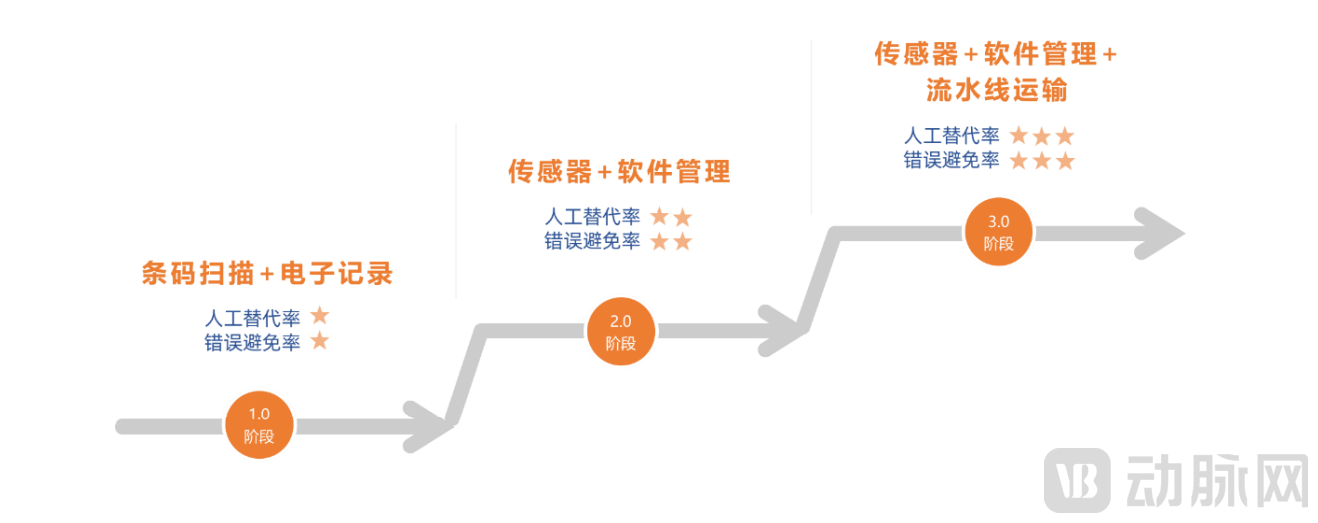
Figure 13 Three Stages of Intelligent Sample Management
1.0 Phase primarily adopts barcode scanning combined with electronic records for sample management. Barcode scanning improves efficiency in processes such as sample collection and retrieval, while electronic records ensure the traceability of sample results.
Phase 2.0 primarily leverages Internet of Things (IoT) and big data technologies to achieve integrated, end-to-end sample management (from collection to post-analysis processing) by using sensors to monitor the physical status of samples. Taking blood collection as an example, in traditional and Phase 1.0 management models, sample management after blood collection was not systematized. In some blood stations and hospitals, locating samples consumed significant time and labor, making them prone to human error. Furthermore, there were risks of substandard storage conditions and sample damage. In Phase 2.0, sensors monitor the physical location and status of samples, including temperature, color, and layering. The software system then enables rapid localization for sample retrieval, real-time tracking of processing progress, and real-time identification of physical status with alerts triggered in case of anomalies.
Phase 3.0 builds upon Phase 2.0 by incorporating automated pipeline construction, further reducing manual labor in sample handling and processing. Traditionally, collected samples are uniformly stored in containers and, once a certain quantity is accumulated, transported by hospital staff to the clinical laboratory for testing. In Phase 3.0 of sample management, collected samples are automatically conveyed to the laboratory via the pipeline, where they undergo immediate processing and analysis. As a result, physicians can review test results upon starting their shifts, eliminating the need to wait or repeatedly check whether results have been released.
In addition to automating sample collection, transportation, and analysis, the post-analysis processing of samples can also be fully automated via assembly lines, where samples are disinfected and destroyed or classified for storage according to preset processing requirements. However, this stage is applicable only to scenarios where sample collection and processing occur at the same location, such as biochemical testing, immunological testing, and molecular diagnostics in hospital settings.
Digitalization Breaks Down Data Silos, Enabling Interconnected Results Through High Integration
Making Data Management Smarter Through "Quality"By implementing automated processes, data generation strictly follows predefined protocols, thereby ensuring data quality during the creation phase. Equally important is maintaining data quality during the subsequent application phase. For testing and inspection laboratories, data quality assurance in the application phase primarily focuses on two dimensions: first, the precise attribution of results to specific individuals; and second, the rapid and accurate integration and review of multiple data points associated with the same individual, followed by report generation according to standardized templates.
Digital management software ensures data quality during the data application process.Effectively integrating data generated by all instruments in the laboratory is the first step in this process. Laboratories utilize various instruments and equipment from different brands. Most hardware devices are equipped with corresponding central control software to allow laboratories to view, export, and download inspection and testing data results. However, due to product data protection or commercial considerations, manufacturers do not fully open the data interfaces of their instruments and equipment, resulting in a lack of interoperability among device data and the proliferation of information silos within the laboratory. Therefore, the primary issue to be addressed is how to enable data interface connectivity across instruments and equipment to achieve comprehensive data interoperability throughout the laboratory.
Secondly, data from different instruments and equipment are generated in various forms with distinct formats. Therefore, between data integration and report generation, there are additional data processing requirements such as extraction, aggregation, cleaning, classification, and storage. Consequently, specialized management software products have emerged to ensure the “quality” of data application in testing and inspection laboratories.
The earliest Laboratory Information Management System (LIMS) focused on sample-centric data management optimization.Currently, there are many software systems serving smart laboratories, such as LIMS, LES, ELN, SDMS, and CDS. Among them, the Laboratory Information Management System (LIMS) was the earliest to emerge.
Since the 1960s, after years of development and accumulation, LIMS has developed robust data integration capabilities for instruments and equipment used in highly standardized testing and inspection laboratories, and can generate corresponding reports according to template settings after a series of data processing steps.
LIMS effectively addresses the need for intelligent upgrades in data application within testing and inspection laboratories, but its capabilities extend far beyond this. In addition to managing the result data generated by the testing and inspection processes themselves (as shown in the blue modules of the chart), LIMS also manages processes centered around samples, including sample registration, task assignment, experimental analysis, result review, and report issuance (as shown in the orange modules of the chart).
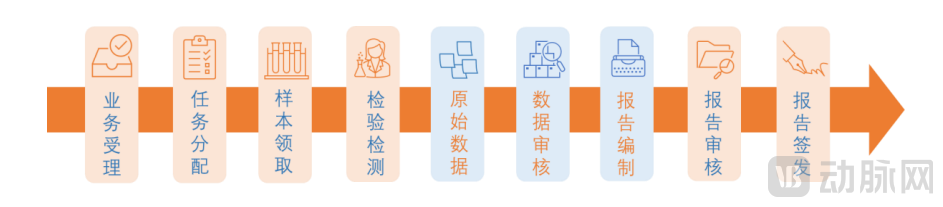
Figure 14. Process management of samples in the LIMS system
In recent years, LIMS products have shown a trend of continuous expansion, incorporating modules such as reagent management, instrument calibration, QA statistical data information management, and financial quoting into the original sample management workflow, thereby achieving more comprehensive laboratory management. It is precisely due to the continuous derivation and innovation of LIMS software module functions that there may be significant differences among LIMS products offered by various enterprises.
Automation Development Places Higher Demands on Instrument Precision and System Flexibility
Laboratory automation development demands greater customization.The construction of automation in R&D laboratories follows stages similar to those in testing and inspection laboratories. However, the former involves more flexible experimental workflows, which means that companies providing smart solutions for R&D laboratories must incur higher labor costs to perform customized development and configuration based on a thorough understanding of the experimental processes.
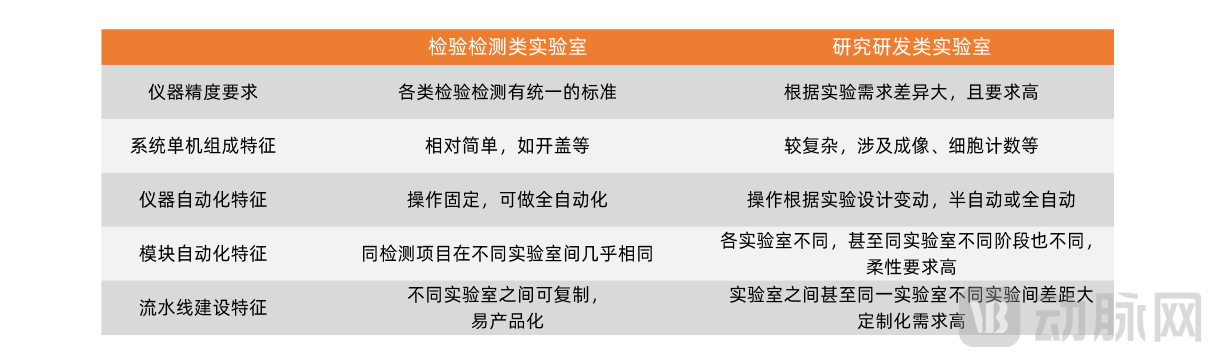
Figure 15 Differences in Automation Construction Requirements Between Two Major Categories of Medical Laboratories
A robust module foundation, coupled with the rapid integration of these modules based on requirements, is key to automation development.One of the key capabilities that service providers must possess to help R&D laboratories achieve automation is having sufficiently robust foundational modules capable of covering all operational processes. This serves as a test of the provider’s understanding of the specific application requirements in laboratory scenarios.
Second, it is essential to gain an in-depth understanding of the requirements for each laboratory application scenario and to adapt corresponding foundational modules accordingly, thereby enabling rapid responses to complex, non-standard demands. Therefore, service providers must prioritize the refinement and enhancement of foundational module development and the capability for rapid modular integration.
Automation not only liberates manpower but also enhances experimental efficiency, reduces error rates, and lowers overall experimental costs.Research and development is a process of continuous trial and error. Traditional laboratories require substantial labor input, and this highly repetitive, uncertain, and often high-failure-rate process poses both physical and mental challenges for scientists and researchers. Automation can liberate scientists and researchers from repetitive experimental tasks, allowing them to focus on experimental design, optimization, and result analysis. Moreover, with the assistance of automated instruments and robotics, experimental efficiency is significantly enhanced.
Furthermore, research indicates that in the drug development process, cost overruns attributable to experimental personnel errors account for more than 30% of total costs; automation can effectively eliminate these unnecessary expenses. Additionally, the deployment of high-precision robots or robotic arms can reduce reagent consumption in experimental procedures to one-fifth of that required by traditional manual operations, thereby further lowering overall experimental costs from another dimension.
Digitalization accelerates the R&D process.Taking new drug development as an example, this process, which holds profound significance for pharmaceutical companies and global healthcare, is plagued by pain points such as long development timelines, high investment costs, and low success rates.
Digital transformation of medical laboratories can provide support throughout the entire drug development process. From target discovery and compound research in the laboratory phase, to later-stage volunteer recruitment, as well as remote monitoring and real-time data feedback for laboratory analysis via wearable devices connected to laboratory management systems, software-enabled solutions can enhance efficiency, reduce the cost of new drug development, and mitigate associated risks.
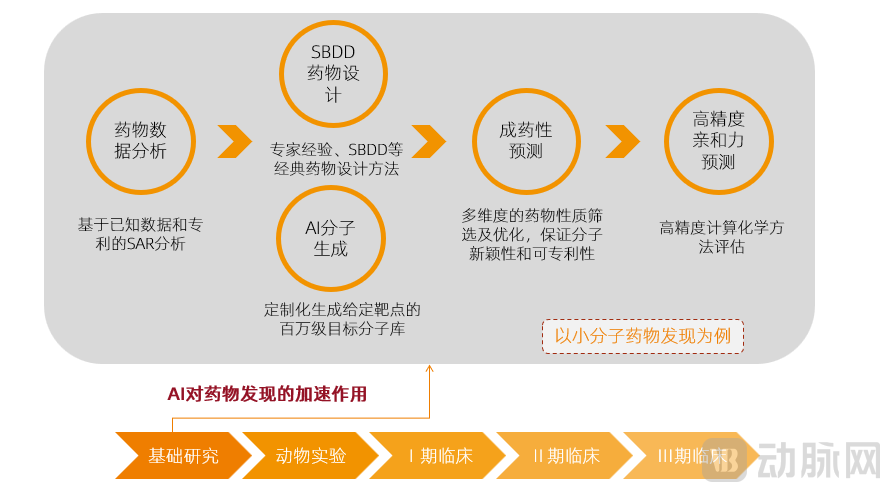
Figure 16 The Role of Digitalization in Drug Discovery
Traditional high-throughput screening libraries typically contain approximately one million compounds, with each compound costing between $50 and $100. The initial screening process can cost millions of dollars and take several months. Subsequent lead optimization may require years to identify preclinical candidates. In contrast, intelligent drug discovery systems enable virtual screening of billions of molecules within days, reducing the time required to predict and identify preclinical candidates to several months or up to one year.
AI technologies employed in smart laboratories for new drug discovery include natural language processing, machine learning, deep learning, knowledge graphs, and computer vision. Currently, machine learning and deep learning algorithms are widely applied in areas such as drug target identification, high-throughput compound screening, and protein structure and interaction prediction. Furthermore, common applications of artificial intelligence in medical laboratories include:
Intelligentization of the Cell Research Phase.Conventional visual inspection for image analysis is highly inefficient. Intelligent image analysis systems enable rapid identification and analysis of target cell types. Taking breast cancer cells as an example, the system segments cell images from the background by adjusting image contrast, extracts various texture features, and employs algorithms such as Least Squares Support Vector Machine (LS-SVM) to achieve high-speed digital cell classification.
For cell sorting, AI-based image analysis decisions enable robots to accurately isolate different cell types within a sample. Currently, most Image-Activated Cell Sorting (IACS) devices employ AI-driven Convolutional Deep Neural Network (DDN) algorithms, which facilitate high-speed digital image processing and decision-making within tens of milliseconds.
Intelligent Drug Screening.Structure-Activity Relationship (SAR) of drugs refers to the relationship between the chemical structure of a drug and its pharmacological efficacy. Traditional SAR studies have primarily focused on qualitative analyses, inferring the relationship between the structure and biological activity of physiologically active substances, thereby elucidating the structure of target enzyme active sites for rational design. The application of intelligent drug discovery approaches has made computer-assisted Quantitative Structure-Activity Relationship (QSAR) methods one of the key techniques in rational drug design.
Intelligence in Drug Design.Since new drug molecules are typically designed based on the 3D microscopic spatial information of the ligand-binding sites of target proteins, the 3D structures of these target proteins are crucial for structure-based drug discovery. The development of intelligent and digital tools will help global innovative pharmaceutical companies improve the efficiency and success rate of drug research and development.
According to VCBeat’s database, there are currently more than 50 companies in China engaged in AI-driven drug discovery. Our analysis of this year’s financing and investment data for a subset of these companies reveals that, after an initial cooling of investor enthusiasm, the sector is entering a phase of rational development, deeper penetration into niche segments, and market differentiation. Some companies are increasingly focusing on digital solutions for specific stages of the drug development process, while others are beginning to integrate their services with hardware or other aspects of innovative drug R&D in laboratory settings.
Integrated Hardware and Software: From Preparation, Cultivation to Storage for Protecting Precious Experimental Samples
Smart Sample Culturing, Transport, and Storage: Safeguarding Priceless Specimens.In testing and inspection laboratories, samples require immediate analysis and processing to generate data. In contrast, in research and development laboratories, samples often need to be properly prepared, cultured, and stored for extended periods. Therefore, regarding sample management requirements, the latter has more urgent needs than the former for sample preparation, temperature-controlled cultivation, and low-temperature storage and transportation. To address these three key requirements, intelligent sample management still relies on the combined support of specialized hardware equipment and accompanying software systems.
Automated construction to improve sample preparation efficiency and avoid human variability.For a long time, researchers with strong “sample preparation capabilities” have been a key asset in laboratories. However, assigning the entire burden of sample preparation to a single individual often results in efficiency levels that fail to meet experimental demands, while involving multiple personnel inevitably leads to variability in sample quality (in fact, even samples prepared by the same individual are highly prone to variation). Automation offers an ideal solution for sample preparation: it not only liberates manpower and enhances sample preparation efficiency but, more importantly, ensures sample homogeneity.
Integration of Hardware and Software for Smart Monitoring of Sample Storage Environments.The cryogenic state of samples is maintained not only by robust technical equipment but also requires supporting intelligent software for monitoring. Ultra-low temperature freezer suppliers often equip sample storage devices with corresponding software systems to enable immediate alerts in the event of temperature anomalies, thereby fulfilling a monitoring function that prevents sample damage. Additionally, software systems developed by specialized software companies and focused on sample management provide laboratory managers with an alternative option.
Digitalization Turns Experimental Data from Mere Results into Driving Forces
R&D laboratories have a broader range of data processing requirements.Experimental data generated by research and development (R&D) laboratories exhibit greater diversity. In addition to producing large volumes of digital data, similar to testing and inspection laboratories, R&D labs typically generate substantial amounts of images, textual records describing sample status, and documentation of operational procedures. Furthermore, the data processing requirements in R&D laboratories are more multidimensional. Beyond integrating data and sorting it according to templates, these labs involve extensive computational tasks and must meet the needs for real-time querying and data retrieval.
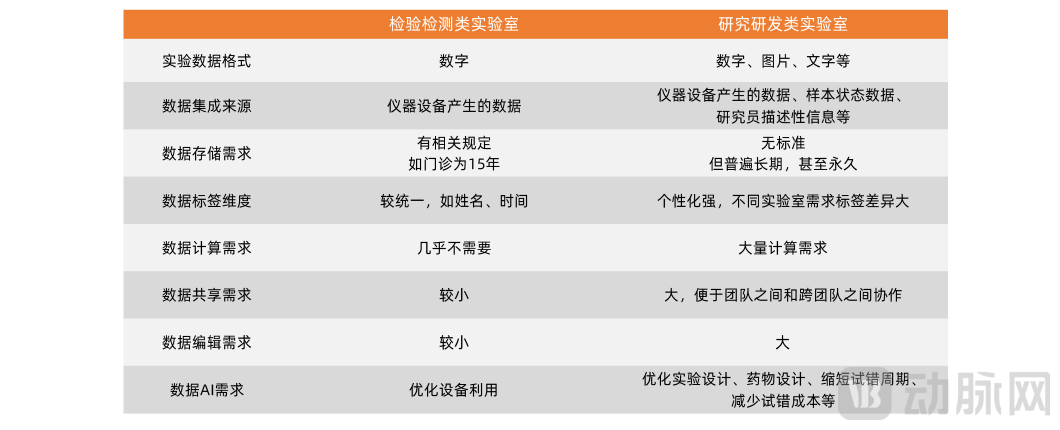
Figure 17 Differences in Data Between Two Major Types of Laboratories
Software facilitates efficient processing of experimental data, prevents data errors, and reduces R&D costs.To meet the multidimensional data processing needs of R&D laboratories, Electronic Lab Notebooks (ELNs) have emerged as a necessary solution. They bring significant intelligent upgrades to traditional workflows in the recording, storage, retrieval, calculation, and application of experimental data.
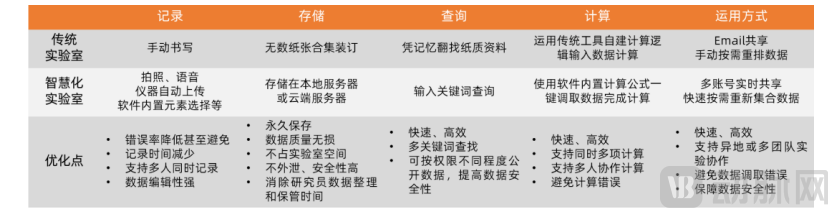
Figure 18 Optimization Points for the Generation and Application of Experimental Data in Smart Laboratories
An Electronic Laboratory Notebook (ELN) does more than simply digitize numbers, text, and images originally recorded on paper; more importantly, it facilitates data processing and application. For instance, the ability to accurately tag each data point serves as a significant test of the software’s intelligence. The more precise the tagging and the more comprehensive the dimensions, the greater the efficiency in data querying, computation, and utilization. This enhances the software’s “intelligence,” thereby providing more practical assistance to scientists and researchers in addressing data management challenges in their experiments.
Laboratory surveys have revealed that experimental costs attributable to data errors account for nearly 30% of total experimental expenses. The implementation of an Electronic Laboratory Notebook (ELN) can significantly reduce or even eliminate such costs.
Furthermore, ELNs enhance the shareability of experimental data. In the past, paper-based records were shared via photocopying or email transmission; with ELNs, users can directly log in to access data, which also supports role-based permission management. This approach not only offers convenience but also strengthens data security. According to data released by Benchling, a leading global ELN provider, its customers have achieved a fourfold increase in R&D efficiency and a 67% reduction in email volume, significantly accelerating scientists’ research progress.
Various software systems help medical laboratories become "smarter" from different angles.In recent years, as domestic medical laboratories have gradually evolved from a phase of unregulated expansion to one of refined and meticulous operations, there has been a gradual emergence of more management or application software focused on specific niche segments, in addition to the LIMS and ELN software already mentioned in this report.
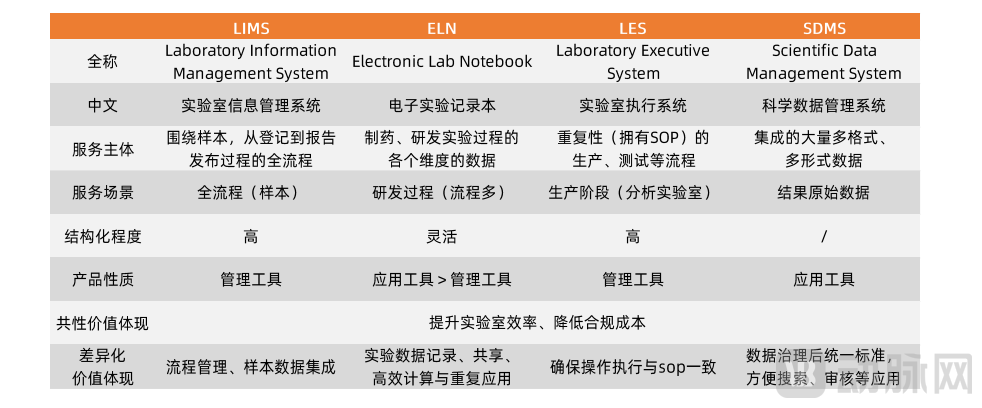
Figure 19 Comparison of Common Types of Digital Management Software for Medical Laboratories
Currently, software solutions of various types are trending toward synergy and integration, enhancing their capabilities by extending their own modules or integrating with other software to better address the comprehensive digital management and application needs of medical laboratories.
Smart Laboratory Software Management Systems Urgently Need More "Scientific" Value Assessment Methods.It is worth noting that smart laboratory software development companies in China are generally at early stages of financing. This is partly because domestic researchers’ acceptance and market education remain insufficient, requiring more time for the market to recognize the value delivered by such software. Additionally, the lack of quantifiable metrics to assess the contribution of software systems to laboratory digitalization is a key reason why product value and corporate valuations tend to be low.
Research indicates that capital markets generally value enterprises based on metrics such as software unit price and the number of domestic laboratories, often resulting in undervaluation. The efficiency gains that software brings to laboratories, particularly its value in accelerating drug development processes, are difficult to quantify and are therefore often not accurately reflected in valuations. Consequently, for companies specializing in software services, beyond continuously refining their products, how to iterate the demonstration of product value to align market valuation more closely with intrinsic value is a issue worthy of attention.
Smart Medical Labs Are Still in Their Infancy, Urgently Needing Interdisciplinary Talent
A successful smart laboratory requires not only technology, but also a deep understanding of the experiments themselves.The emergence of technologies such as the Internet of Things (IoT), 5G, artificial intelligence (AI), and big data has made smart laboratory development possible. However, bridging the gap between mastering these technologies and applying them with precision requires a profound understanding of laboratory application scenarios. Only by combining deep insights into these scenarios with precise technological implementation can competitive solutions for smart laboratory construction be delivered.
Most companies building smart laboratories have teams with interdisciplinary backgrounds.Currently, most founders or founding teams of companies in the smart laboratory sector possess interdisciplinary backgrounds in technology and life sciences. There are no shortcuts to mastering technical skills or becoming familiar with every aspect of laboratory operations; therefore, having these two critical pillars in place at the time of founding offers a significant advantage over entering the field with only one pillar and gradually developing the other. In investment decision-making within the smart laboratory sector, whether founders or core team members have interdisciplinary backgrounds in engineering and life sciences is an extremely important consideration for capital investors. In interviews with companies, most founders also highlighted that recruiting such interdisciplinary talent is a key component of their corporate development strategy.
The smart laboratory sector urgently needs more interdisciplinary talent to join.For testing laboratories, the cost of understanding experimental application scenarios is relatively low under the guidance of relevant regulations. In contrast, grasping the principles of each stage and the practical implementation requirements in life science R&D laboratories often demands deep immersion in the life sciences field and extensive hands-on experimental experience. In the current market, professionals with mature experience in life science laboratories and expertise in both technology and instrumentation remain rare and highly sought after. Looking ahead, driven by policy incentives, capital support, and market demand, an increasing number of professionals with interdisciplinary backgrounds are expected to emerge, accelerating the development of smart medical laboratories.
Integrated hardware-software products are more favored by the market, with collaboration outweighing competition among early-stage enterprises.
Leverage your core strengths as an entry point to establish a foothold, then pursue comprehensive development in a phased manner.Laboratory operations involve numerous complex components, including experimental implementation, compliance management, and daily operational management. Enhancing the efficiency, convenience, safety, or regulatory compliance of each component through technological support exemplifies the advancement of laboratory intelligence, thereby providing ample opportunities for companies in the smart laboratory sector.
Initially, various companies entered the smart laboratory sector by leveraging their respective strengths, subsequently expanding their service scopes with the shared ultimate goal of providing comprehensive solutions for laboratories. For instance, manufacturers specializing in mechanical engineering utilized their technological advantages to target testing laboratories, offering automated equipment or assembly line construction to optimize experimental implementation. As their understanding of laboratory operations deepened, they further integrated software systems to comprehensively enhance laboratory performance, thereby maximizing cost reduction and efficiency improvement.
To accelerate market capture, collaboration outweighs competition.China’s smart medical laboratories are still in a very early stage, with substantial untapped market opportunities awaiting companies to capture. For laboratories, once a smart laboratory construction service is selected, the switching costs—whether for hardware equipment or software applications—are relatively high; therefore, laboratoriesManagers always expect to achieve the desired outcome in a single step.
In this context, the advantages of integrated hardware-software service providers over those offering only hardware or software are self-evident, assuming equal quality. Furthermore, the smart laboratory sector encompasses a wide and deep range of niche sub-sectors. Currently, there is still substantial room for growth before the number of enterprises in each sub-sector reaches “saturation,” and companies operating in different sub-sectors tend to develop in “parallel.” Therefore, to better meet end-users’ demand for “one-stop” solutions and accelerate market capture, collaboration among early-stage smart laboratory service providers outweighs competition.
Leading smart solutions will gradually emerge for different laboratory application scenarios
A Deep Understanding of Requirements Is the Foundation for Successful Smart Development.Testing laboratories and R&D laboratories differ significantly in their workflows, leading to distinct requirements for smart laboratory development. Furthermore, even among testing laboratories, workflows vary across different application scenarios, such as biochemical testing and genetic testing, with differences evident in detailed aspects like sample processing and equipment management. This implies that laboratories have diverse, and sometimes vastly different, needs when it comes to building smart laboratory systems.
Therefore, a deep understanding of requirements and a relentless focus on refining products to meet those needs form the foundation of smart laboratory development. Whether enterprises build their own smart laboratories or service providers offer smart laboratory construction solutions, they typically begin with one or a category of familiar application scenarios. By precisely understanding each stage and implementing incremental development, they achieve a closed-loop smart transformation for the respective laboratories and experimental operations.
As more players enter the market, smart laboratory solutions will flourish across diverse application scenarios.Currently, the industry is in its early stages of development. No intelligent service solutions have yet established absolute competitive barriers across various application scenarios; most remain in the co-creation phase with enterprise users, and some more niche application scenarios have not even been explored. As the number of market participants increases, the construction of smart laboratories will gradually evolve from extensive, unregulated growth to refined, intensive development. Solutions that focus on one or a specific category of application scenarios to provide closed-loop intelligent construction will increasingly demonstrate competitive advantages. In the future, benchmark solutions tailored to different application scenarios will emerge in the intelligent development of medical laboratories.
The above is an excerpt of the main content of the report. The complete framework of the report is as follows:
Chapter 1: Construction of Smart Medical Laboratories, an Untapped Market Worth Over RMB 100 Billion
1.1 Smart Laboratory Development: Reducing Costs and Enhancing Efficiency through Automation, Informatization, and Digitalization
1.2 Three Major Medical Laboratory Entities Forge a Hundred-Billion-Yuan Smart Construction Market
1.3 Policies and Capital Accelerate the Smart Transformation of Two Major Categories of Medical Laboratories
Chapter 2 Testing and Inspection Laboratories
2.1 Standardized Process Guides Automation Development, and Technological Innovation Accelerates Domestic Substitution
2.2 IoT Technology Upgrades Sample Management, Enabling Real-Time Monitoring of Form and Location
2.3 Digitalization Breaks Down Data Silos, Enabling Interconnectivity of Results Through High Integration
Chapter 3: Research and Development Laboratories
3.1 Automation Construction Places Higher Demands on Instrument Precision and System Flexibility
3.2 Integration of Hardware and Software: From Preparation and Cultivation to Storage, Safeguarding Precious Experimental Samples
3.3 Digital Transformation Makes Experimental Data Not Just an Outcome, but a Driving Force
Chapter 4: Intelligent Laboratory Operations for More Comprehensive Cost Reduction and Efficiency Enhancement
4.1 Reducing labor and documentation burdens while enhancing laboratory compliance assurance
4.2 Technology-Enabled Laboratory Environmental Monitoring: Building the Foundation for Standardized Experimental Implementation
4.3 Intelligent Management of Laboratory Reagents to Eliminate Safety Hazards at the Source
Chapter 5 Future Trends
5.1 Smart Medical Laboratories Are Still in Their Infancy, Urgently Needing Interdisciplinary Talent
5.2 Integrated hardware-software products are more favored by the market; early-stage corporate collaboration outweighs competition
5.3 Leading intelligent solutions will gradually emerge across different laboratory application scenarios
Chapter 6 Corporate Case Studies
Below is the QR code for downloading the full report. Scan the code to access the mini-program and read the complete report for free.

Special Acknowledgments (in order of research interviews):
He Xueying, Founder of Shanghai Xuanren Technology Co., Ltd.
Sun Chengxin, Founder of Changchun Sinomed Medical Technology Co., Ltd.
Li Junfeng, General Manager of the Life Sciences Division, Qingdao Haier Biomedical Co., Ltd.
Liu Rundong, Director of Smart Laboratory, Qingdao Haier Biomedical Co., Ltd.
Jia Shuxin, Founder of Nanjing Zebrafish Digital Intelligence Technology Co., Ltd.
Feng Haozhou, Secretary to the Board of Directors of Chengdu Hanchen Guangyi Technology Co., Ltd.
Dr. Wang Chengzhi, Chief Scientist at MEGA RoboTech
Zhao Jingya, Biotech Investor at Jiacheng Capital
Li Dalu, Founder of Chengdu Kingsoft Qingzhi Software Co., Ltd.
Ni Jian, Former Senior Investment Manager at PerkinElmer Ventures
Guan Zheng, Vice President of Shuimu Future Technology Co., Ltd.
Ding Wei, Founder of Shanghai Pinfeng Medical Technology Co., Ltd.
Wang Dong, Founder of Beijing Qingyuan Kaiwu Technology Co., Ltd.
Yang Ying, Founder and CEO of Quanxin Quanyi (Shanghai) Life Technology Co., Ltd.
Liang Zhihong, Founder and CEO of Guangxi Pin Ge Intelligent Manufacturing Life Sciences R&D Co., Ltd.Strong support for report writing.