China's Pharmaceutical E-commerce Industry Report 2022: Single-Disease Out-of-Hospital Pharmacy Services Emerge as the New Growth Driver
During the COVID-19 pandemic, the value of pharmaceutical e-commerce became even more prominent. The market size of online drug sales has been growing day by day, breaking through the 200 billion yuan mark in 2021 and surpassing primary healthcare to become the fourth largest retail terminal. Against this backdrop, the industry has spawned demands beyond online medication purchases—namely, the demand for out-of-hospital pharmaceutical care services.
Out-of-hospital pharmaceutical care refers to post-diagnosis management services provided by pharmacists, physicians, and related support personnel, which users access outside healthcare institutions through channels such as internet platforms, social media tools (e.g., WeChat or QQ), and telephone. This encompasses remote pharmacist services, remote pharmaceutical care management, and internet-based pharmaceutical services, as referenced in both academic and industry circles.
To better analyze the value of out-of-hospital pharmaceutical care services and explore the significance and pathways for the integrated development of pharmaceutical e-commerce and such services, VCBeat and JD Health jointly released “Deep Dive into Single-Disease Patient Populations, In-Depth Development of Out-of-Hospital Pharmaceutical Care Services—2022 China Pharmaceutical E-Commerce Industry Research.” This report synthesizes user demand data, analyzes innovative service models, and outlines future development trends, aiming to provide reference insights for the industry.
Driven by the pandemic, the market size of online pharmaceutical sales has been growing day by day, surpassing the 200 billion yuan mark in 2021., surpassing primary healthcare, which was previously one of the three major retail terminals, and solidifying its position as the fourth largest retail terminal.To date, the scale of online pharmaceutical sales continues to grow, although the growth rate has gradually slowed as market share increases. As a major component of online terminals, pharmaceutical e-commerce has been the most direct driver in this wave of changes in the landscape of the pharmaceutical retail market.
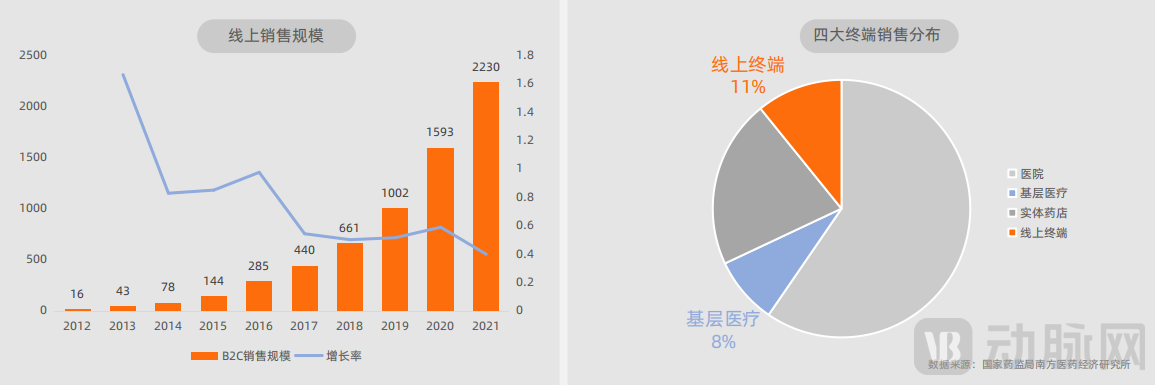
From the perspective of the structure of online pharmaceutical sales,OTC products have achieved major user coverage, while the prescription drug market continues to maintain rapid growth.
The OTC market is relatively easy for pharmaceutical e-commerce platforms to enter; therefore, in the early stages of development, it has been a key focus for major players seeking to expand their business scale. Today, the slowing growth rate of OTC products indicates that pharmaceutical e-commerce platforms have already reached the majority of OTC product consumers. The competitive landscape of the OTC drug market is gradually stabilizing, and future growth will be maintained at a steady pace.
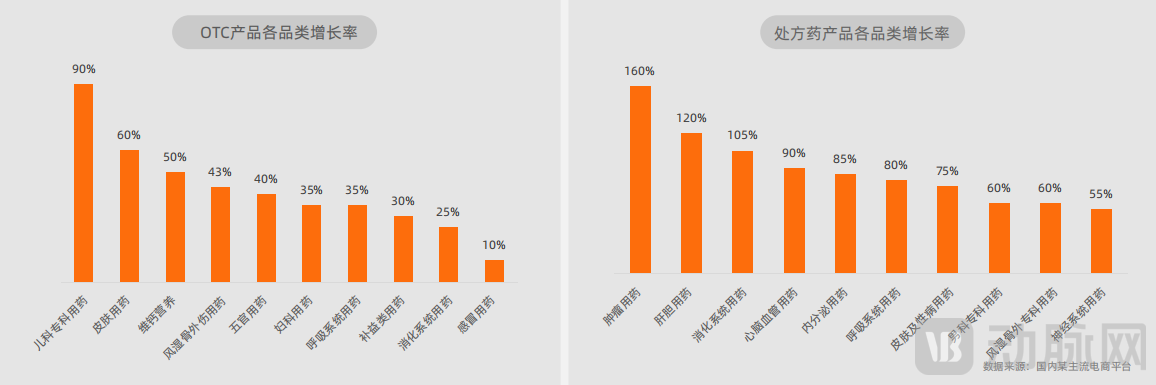
Following the explicit deregulation, online sales of prescription drugs have experienced sustained rapid growth, a momentum that continued into 2021. Prescription drugs have long held a dominant position in the overall pharmaceutical market. With the emergence of a patient-centric, professional service-oriented pharmaceutical retail model, the gap between online and offline medical services has narrowed significantly. The structure of the online pharmaceutical sales market is also converging with that of the offline sector, and prescription drugs will become the key driver for further growth in pharmaceutical e-commerce.
Amid the rapid growth of pharmaceutical e-commerce, demand for out-of-hospital pharmacy services is emerging.
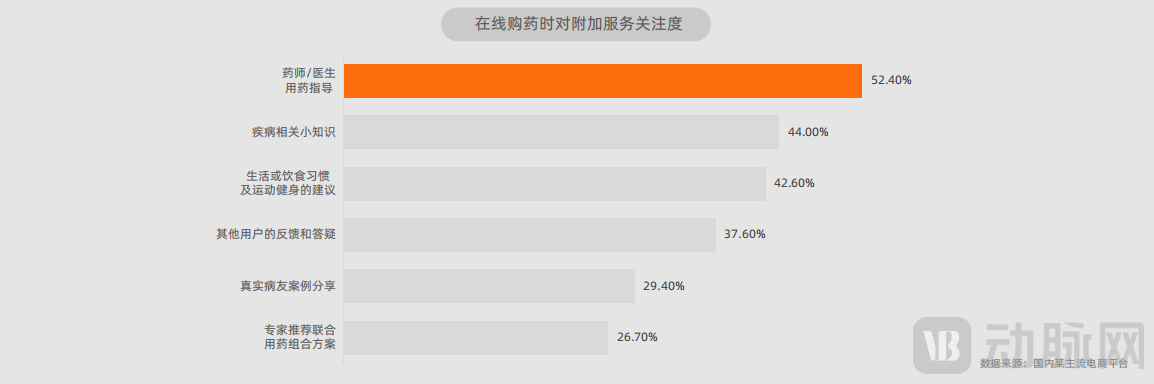
Survey data indicate that users consider a variety of ancillary services when purchasing medications through e-commerce platforms. Among these, the highest proportion of users (52.4%) pay attention to medication guidance provided by pharmacists or physicians. Prescription drugs have numerous contraindications; in addition to receiving medication instructions at the time of prescription issuance, users may later develop misunderstandings about proper use and require ongoing monitoring of therapeutic outcomes. Furthermore, users show considerable interest in disease-related knowledge and healthy lifestyle recommendations, which can also be addressed through out-of-hospital pharmaceutical care services.
Meanwhile,The COVID-19 pandemic has also driven up user demand for out-of-hospital pharmaceutical care services.
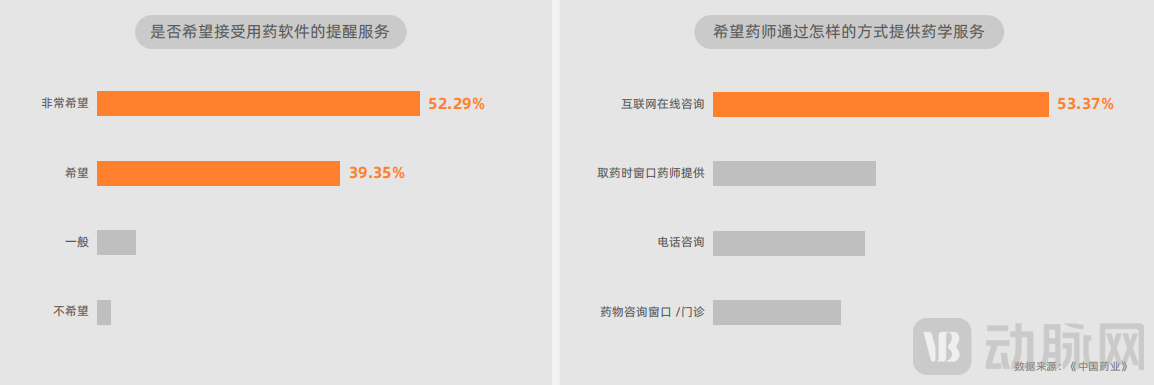
A survey conducted by West China Hospital of Sichuan University indicates that, due to the impact of the pandemic, patients have a strong demand for internet-based pharmaceutical services, far exceeding that for offline in-hospital pharmaceutical services. The survey data shows that 91.64% of patients wish to receive medication reminders via software, with 52.29% expressing a “very strong” desire for such features. Among the preferred modes of pharmaceutical care provided by pharmacists, online internet consultations accounted for 53.37%, significantly higher than the 25.88% for pharmacist services at medication pickup windows and the 20.22% for drug consultation windows or outpatient clinics.
Driven by demand, out-of-hospital pharmaceutical services have also ushered in diverse development opportunities.
At the policy level, multiple documents have progressed from supporting exploration to standardizing management, and ultimately to forming expert consensus, thereby ushering in broad development opportunities for out-of-hospital pharmaceutical care services.
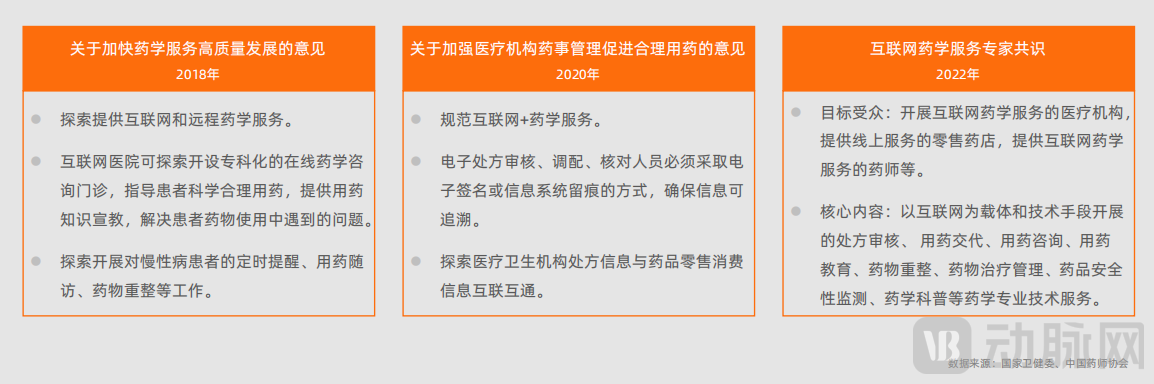
In 2018, the National Health Commission issued the "Guiding Opinions on Accelerating the High-Quality Development of Pharmaceutical Care Services," exploring the provision of internet-based and remote pharmaceutical services. In 2020, six departments, including the National Health Commission and the National Medical Products Administration, jointly released the "Guiding Opinions on Strengthening Pharmaceutical Affairs Management in Medical Institutions to Promote Rational Drug Use," which standardized internet-based pharmaceutical services. In 2022, the "Expert Consensus on Internet-Based Pharmaceutical Services," initiated by industry associations such as the Pharmaceutical Care Innovation Working Committee of the Chinese Pharmacists Association, was published. This consensus further affirmed the value of internet-based pharmaceutical services, as well as the value of out-of-hospital pharmaceutical care services provided by entities such as internet hospitals and online pharmacies.
In terms of social impact, the value of pharmacists' services will gradually become evident.
In 2022, China launched its first pilot program for charging pharmaceutical care services, marking a new milestone in the pricing policy for pharmaceutical medical services and signifying that pharmaceutical care, as an independent service output, has its value better recognized.
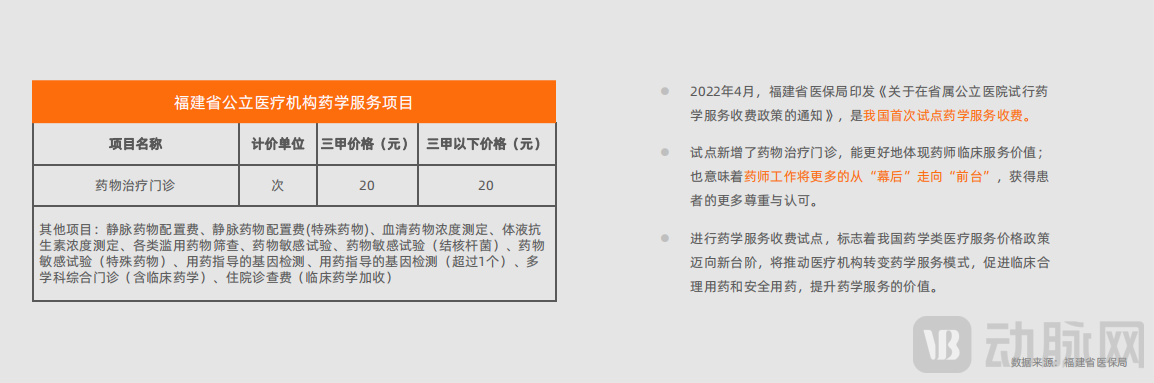
Pharmaceutical care is a vital component of medical services. However, in the past, pharmacists and their work largely remained “behind the scenes,” resulting in patients’ limited awareness of pharmacists and even less recognition or appreciation of their services. Nevertheless, providing pharmaceutical care directly to patients holds significant importance for promoting rational clinical drug use, ensuring medication safety, and improving the quality of pharmacotherapy. In July 2022, public healthcare institutions in Fujian Province began implementing fee-for-service models for pharmaceutical care, exemplified by “Medication Therapy Management Clinics.” This move brings pharmacists’ services to the “forefront,” fully demonstrating the recognition of the value of pharmacists.
At the industrial ecosystem level, the synergistic development of internet healthcare and pharmaceutical e-commerce has also created development opportunities for out-of-hospital pharmaceutical care services.
Internet healthcare provides a highly compatible development platform for out-of-hospital pharmaceutical services. In particular, the strong synergy between internet healthcare and pharmaceutical e-commerce has fostered the emergence of leading companies adopting the “medical + pharmaceutical” online model, thereby offering more comprehensive platform support for out-of-hospital pharmaceutical services.
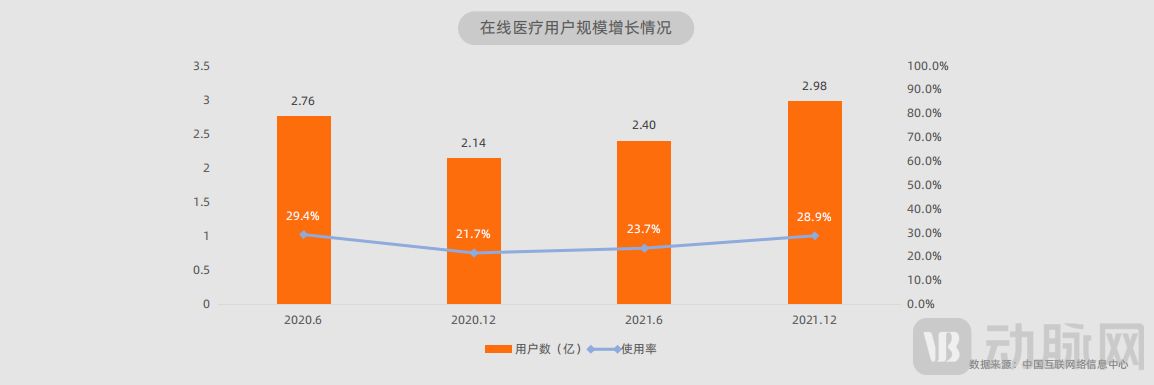
In addition to the rapid growth of pharmaceutical e-commerce mentioned earlier, internet healthcare has also accelerated its development since the outbreak of the pandemic. According to the 49th Statistical Report on China’s Internet Development released in 2022, by the end of 2021, the number of online medical users in China reached 298 million, accounting for 28.9% of the total internet population; this figure marks a new high since the report first published data on online medical users in 2020.
However,Current outpatient pharmaceutical services also face certain challenges, and the service model is in urgent need of innovation.
For instance, limited information sharing hinders pharmacists from obtaining comprehensive and accurate patient diagnosis and treatment data, thereby adversely affecting management services. Additionally, the homogenized and rigid management models result in low patient engagement. Meanwhile, due to the varying competence of pharmacists providing out-of-hospital pharmaceutical care, the quality of service fails to meet current patient needs. Furthermore, constrained by the nature of online communication channels, patients often lack sufficient trust in pharmacists and their services. These are critical issues that must be addressed in the future development of out-of-hospital pharmaceutical care.
From the perspective of the overall industry environment, opportunities, and challenges, refined management will become the development direction of outpatient pharmaceutical care services.
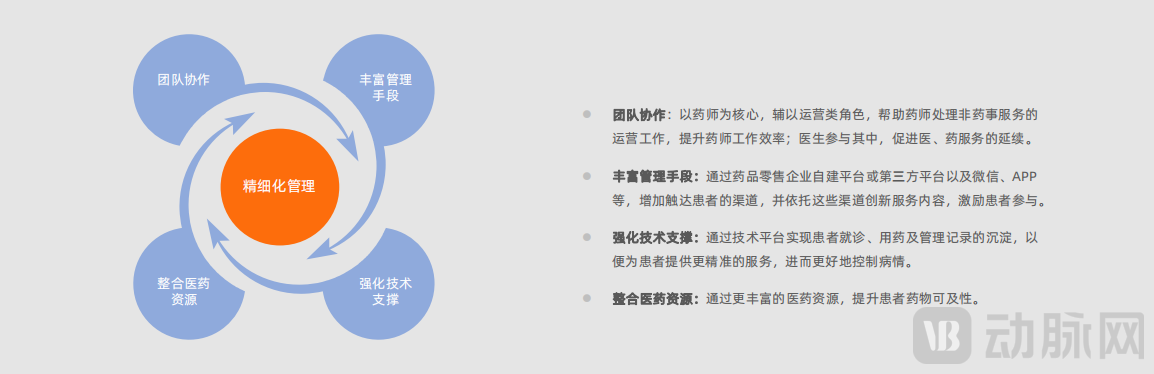
Specifically, innovation in out-of-hospital pharmaceutical care services requires team collaboration, with service roles extending beyond pharmacists. It also necessitates diversified management approaches; for instance, leveraging information platforms of pharmaceutical retail enterprises, WeChat, and mobile apps to expand patient outreach channels, innovating service content through these channels, and enhancing patient engagement. During service delivery, comprehensive diagnostic and treatment information as well as medication records should be accumulated on technical platforms to support more precise patient care. Meanwhile, pharmaceutical resources must also be integrated to improve patients’ access to medications while empowering other stakeholders.
Patients with a single disease have similar needs, allowing pharmaceutical care services to be provided based on disease types. The single-disease management center serves as the smallest organizational unit, integrating resources to deliver management services to patients, thereby meeting the requirements for refined management of out-of-hospital pharmaceutical care services.
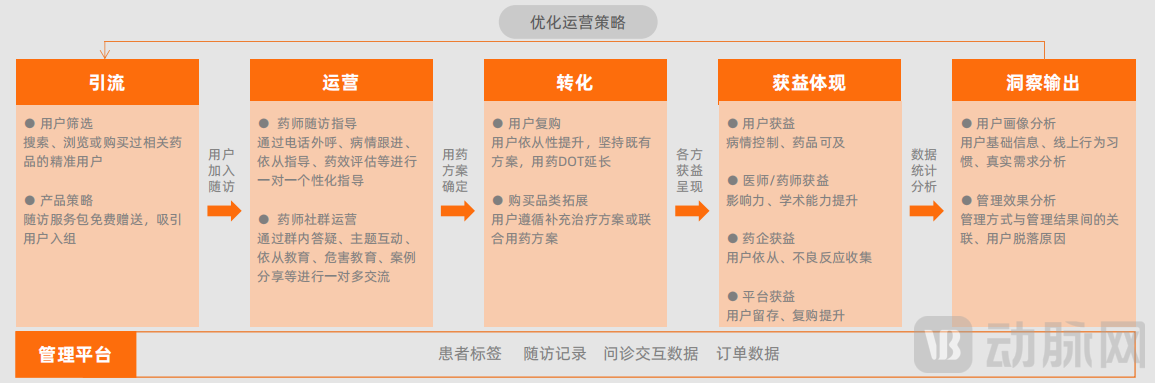
Single-Disease Management relies on a unified management platform, encompassing key stages such as user acquisition, operations, conversion, demonstration of benefits, and insight generation, thereby forming a closed loop. Specifically, data accumulated during the management of these stages—including patient tags, follow-up records, consultation interactions, and order information—enables centers to better understand user characteristics, grasp real-world needs and reasons for medication discontinuation, accurately evaluate management effectiveness, and dynamically optimize management strategies.
Follow-up and community engagement are the two core approaches through which single-disease management centers reach patients; however, due to variations in disease characteristics and patient needs, differentiated operational strategies must be developed for different conditions.
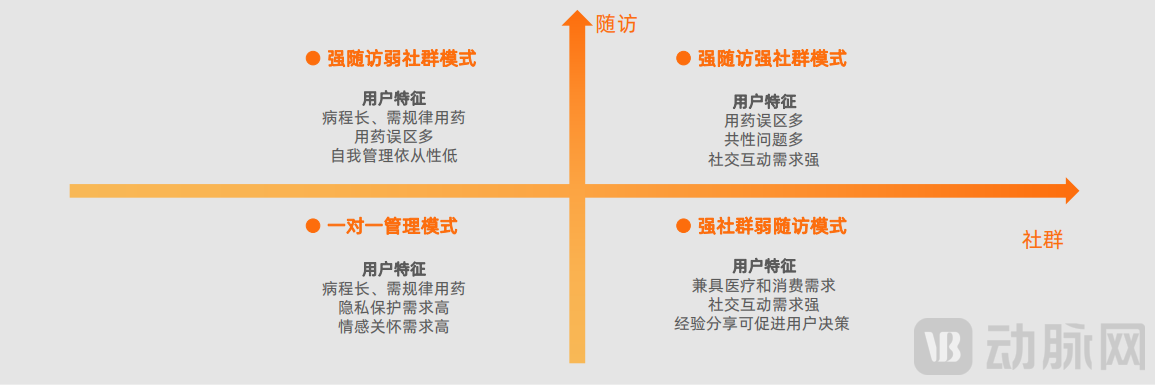
For instance, pediatric diseases require timely tracking of patients’ medication status through follow-ups and improved adherence via peer sharing and communication, making them suitable for a model with intensive follow-up and strong community engagement. For conditions such as diabetes and liver disease, where patient self-management adherence is low and medication misconceptions are common, timely external intervention is necessary, rendering them suitable for a model with intensive follow-up but weak community engagement. Weight loss and hair loss concerns possess both medical and consumer attributes; real-life case sharing and experience exchange significantly influence user decision-making, making these areas suitable for a model with strong community engagement but limited follow-up. Meanwhile, conditions requiring high levels of privacy protection, such as HIV, are best managed through one-on-one care.
Based on the aforementioned management model, all stakeholders involved in the Single-Disease Management Center can derive corresponding value.
Users' Multi-Level Needs Are Met
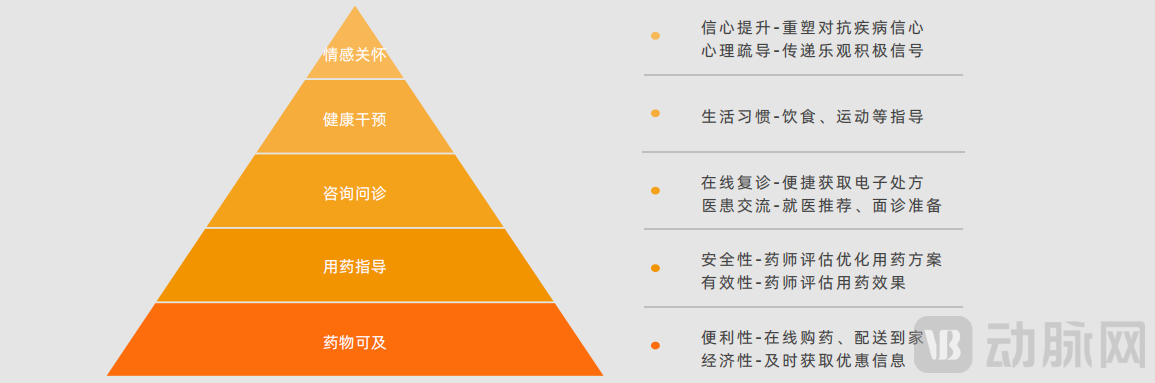
Under a differentiated management strategy, the services provided by the Single-Disease Management Center can meet users’ multi-level needs. At the most basic level, management services enhance medication accessibility through convenience and cost-effectiveness; meanwhile, pharmacists promptly evaluate therapeutic outcomes and optimize medication regimens to ensure the safety and efficacy of drug use. At other levels, the center also addresses users’ needs for follow-up consultations, healthy lifestyle guidance, and even emotional and psychological support.
Meeting the multi-level needs of patients is the most fundamental goal of a Single-Disease Management Center and the foundation for empowering other stakeholders.
Physicians and Pharmacists Achieve Professional Growth
In the Single-Disease Management Center, physicians and pharmacists serve as both service providers and recipients, particularly in terms of knowledge-based services. Regardless of their role, their ultimate benefits include enhanced personal influence and professional growth.
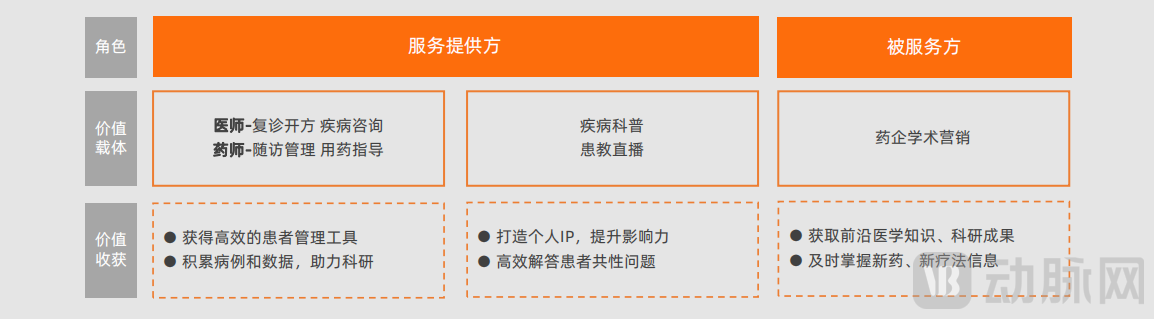
In the process of providing services such as follow-up consultations, longitudinal care management, disease education, and live-streamed patient education sessions, physicians and pharmacists can efficiently accumulate extensive case studies and disease-related data, thereby facilitating academic research and enhancing their professional influence. As recipients of these services, physicians and pharmacists can access cutting-edge medical knowledge and research findings through pharmaceutical companies’ academic marketing initiatives, enabling them to stay abreast of new drugs and novel therapies while meeting their own academic development needs.
Building Precise Digital Marketing Channels for Pharmaceutical Companies
Pharmaceutical companies fulfill the roles of product and knowledge provision in single-disease management, with their primary benefits deriving from precise digital marketing channels.
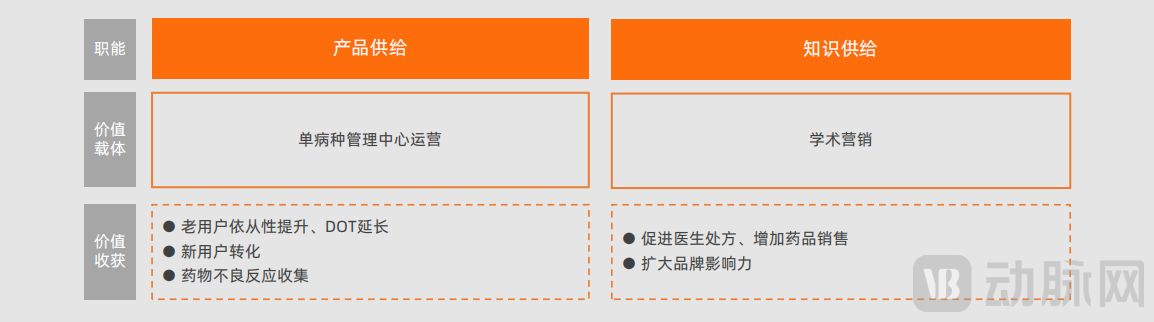
In terms of product supply, pharmaceutical companies can improve adherence among existing users, convert new users, and promptly collect data on adverse reactions to support post-marketing drug studies through operations implemented via single-disease management centers. In terms of knowledge provision, pharmaceutical companies engage in academic marketing to promote physician prescribing by providing updated and comprehensive pharmaceutical and medical knowledge, thereby increasing drug sales and enhancing brand influence. Since single-disease management inherently aggregates patients with similar medication needs and implements tiered management and refined operations for these patients, digital marketing channels under this model are more precise and efficient.
E-commerce Platforms for Pharmaceuticals Achieve Growth in Operational Performance
By meeting users’ multi-level needs through differentiated operations, single-disease management enhances medication adherence and platform stickiness, thereby driving higher purchase conversion rates and boosting platform performance.
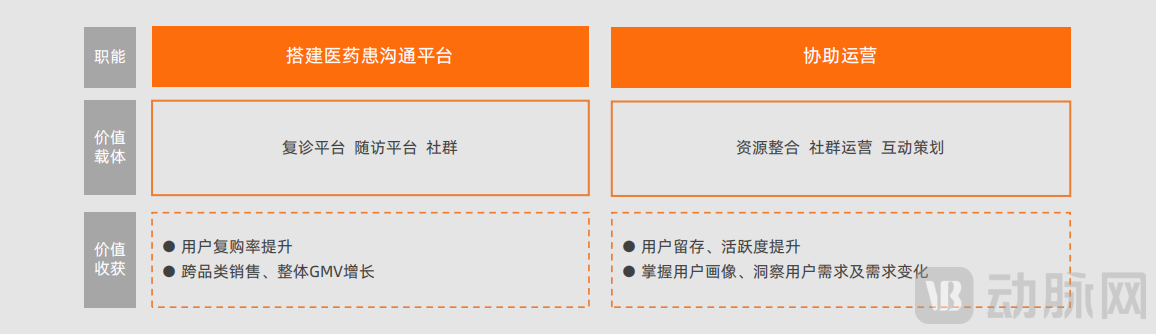
First, for users maintaining their existing medication regimens, improved adherence translates into higher repurchase rates. Second, for users adjusting their medication regimens, it generates purchase demand driven by medication switches and combination therapies. Through refined user operations, the platform has enhanced user retention. Consequently, overall, both user segments contribute to GMV growth.
Overall,A value system based on mutual empowerment among single-disease management and its key stakeholders is taking shape, wherein any adjacent stakeholder can create value for the other. This value system serves as the driving force for the sustainable development of single-disease management as a pharmaceutical care service model.
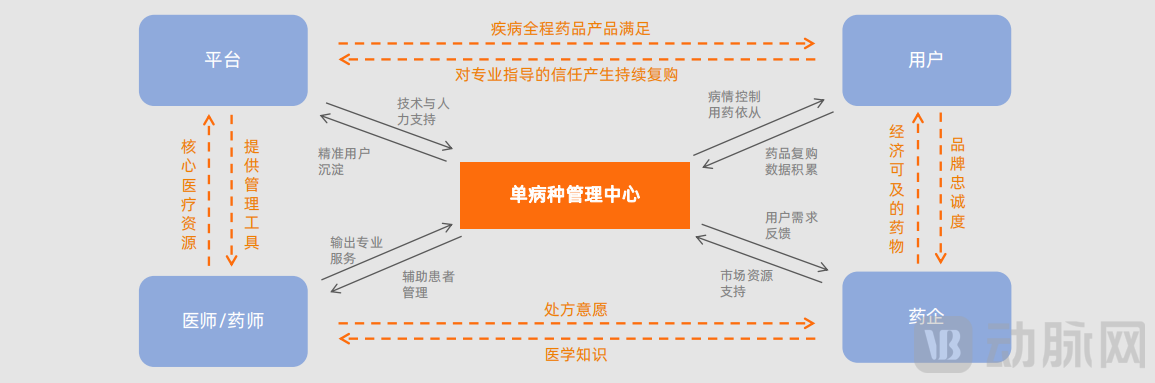
Within the ecosystem, the Single-Disease Management Center serves as the core vehicle, with the platform, users, physicians/pharmacists, and pharmaceutical companies as the primary stakeholders. The Single-Disease Management Center accumulates a base of precise users for the platform, assists users in disease control, supports physicians and pharmacists in patient management, and provides pharmaceutical companies with feedback on genuine user needs; in return, these stakeholders offer corresponding benefits. Furthermore, a mutual value chain is formed among these key participants.
Since the inception of the pharmaceutical e-commerce industry, physicians and patients have remained the two primary user groups on these platforms. The new single-disease management center model incorporates pharmacist follow-ups into the chronic disease management system, enabling more timely intervention in patients’ disease progression.
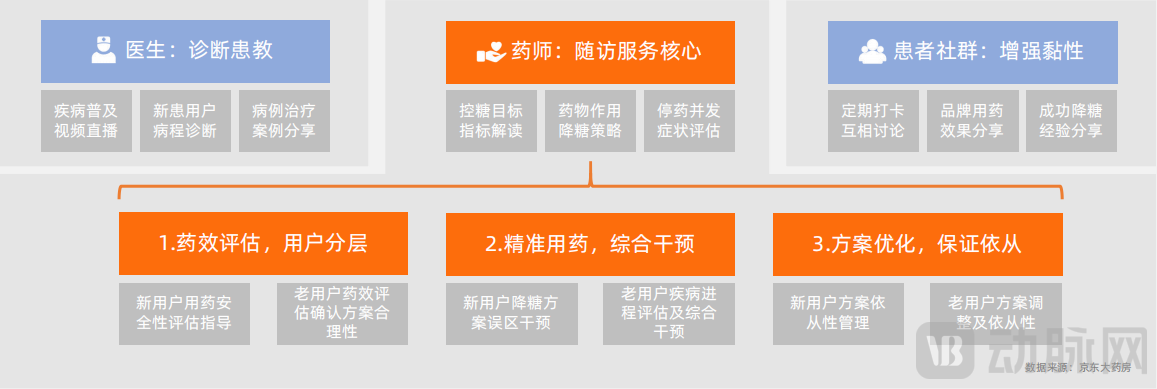
The clinical value of remote pharmacist follow-up is particularly evident in single-disease management centers characterized by intensive follow-up but weak community engagement. Pharmacist follow-up enables continuous monitoring of patients’ disease progression and medication adherence throughout the long-term management of chronic diseases, while also facilitating timely responses to issues arising during patients’ self-management.
This report takes the Diabetes Care Center under JD Pharmacy, which features in-depth pharmacist involvement, as a case study to analyze the application value of this model and the bridging role played by pharmacists within it.
Analysis based on data from the sample platform shows that,Overall, patient acceptance of remote pharmacist follow-up remains to be improved., during follow-up, fewer than half of the follow-up calls were successfully connected, and most of these were from patients who had undergone multiple follow-ups.
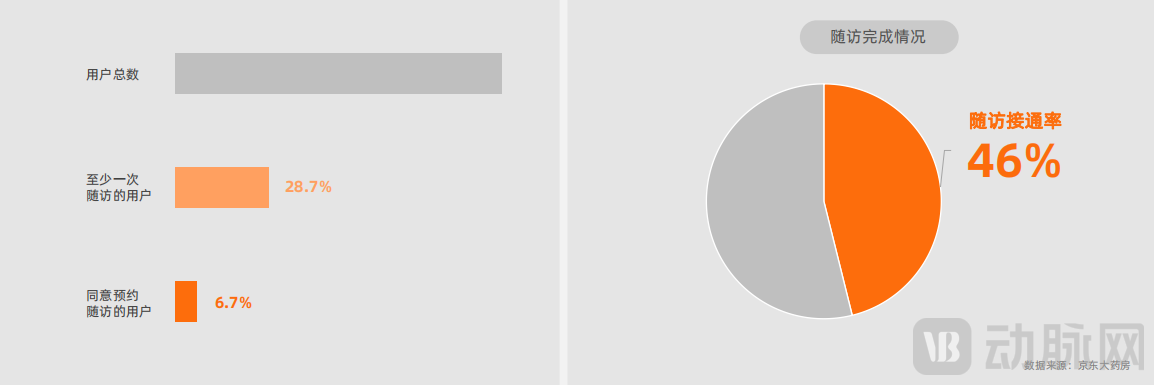
On the one hand, this fully demonstrates the necessity of implementing tiered management for patients with varying preferences and providing targeted services. On the other hand, for patients who have not previously undergone remote follow-up, this relatively novel model of healthcare delivery requires time to be understood and accepted. As remote follow-up is more deeply implemented in the future, patient acceptance is expected to continue rising, and it will likely become a standard component of chronic disease management.
Efficacy and safety are the two primary considerations for patients in chronic disease management.Therefore, during remote pharmacist follow-up visits, it is essential to help patients understand that such follow-ups can enhance the effectiveness of their glycemic control regimens while simultaneously ensuring medication safety.
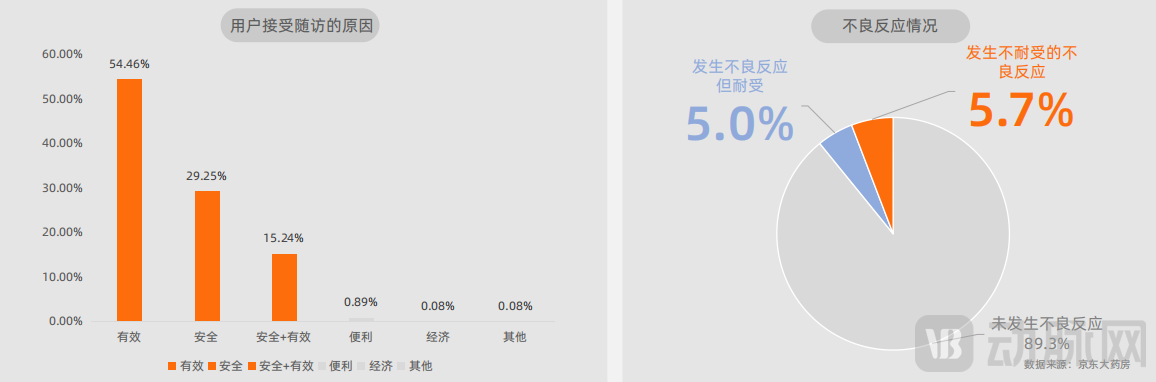
Medication safety is of paramount importance for patients. When patients experience intolerable adverse reactions during medication, the treatment regimen should be adjusted promptly to ensure that these adverse effects do not undermine their motivation for glycemic control. Remote pharmacist follow-up can help patients assess the relationship between occurring adverse reactions and medication use, optimize medication regimens, and simultaneously collect and report adverse reaction data.
Given the complex etiology of diabetes and the wide variety of pharmaceutical products,There are significant variations in medication regimens among different patients. Not only do the types of medications differ markedly, but there are also substantial differences in the administration methods and dosages of the same drug, tailored to individual patient conditions.
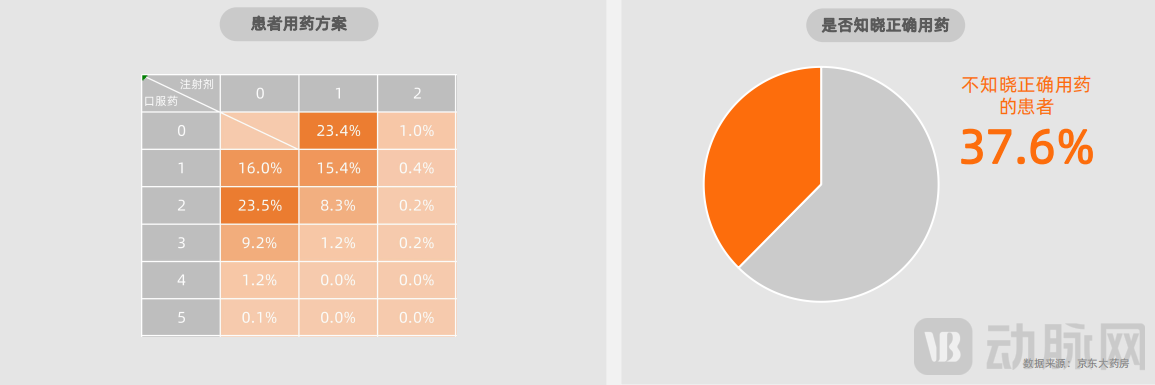
Most patients with diabetes use more than one medication for glycemic control during chronic disease management, with some even taking five different oral agents concurrently. In such scenarios, ensuring that patients are well-informed about proper medication use is particularly crucial. Follow-up data indicate that while the majority of patients clearly understand the correct usage of their medications, nearly 40% still commit medication errors. Pharmacist-led follow-ups can promptly identify and rectify issues arising during medication administration.
Among patients who underwent follow-up, adherence to blood glucose monitoring was poor.This poor adherence is reflected not only in patients’ testing intervals but also in the availability of blood glucose monitoring devices.
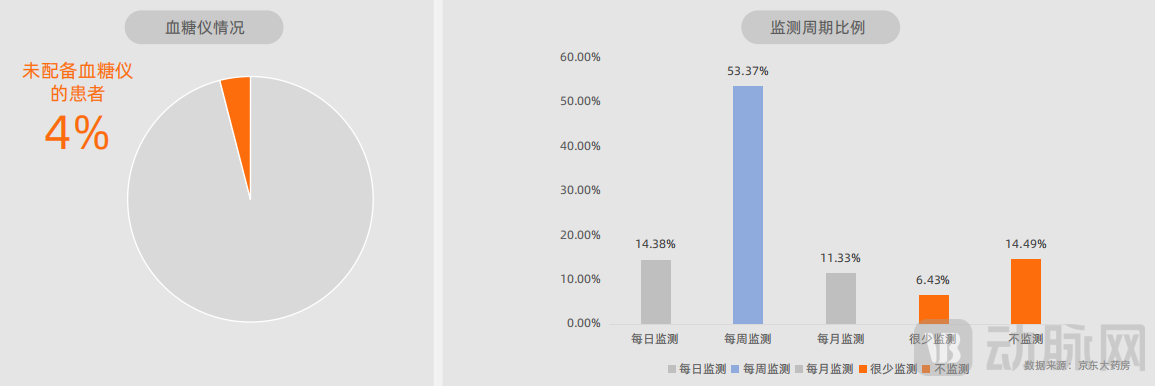
Blood glucose monitoring for patients with diabetes should ideally be conducted on a daily basis; however, in practice, the monitoring intervals for most patients are excessively long, with 20% of patients rarely or never monitoring their blood glucose levels. Pharmacist follow-up can serve as a reminder and warning to patients with poor adherence, demonstrating significant clinical value in the long-term management of diabetes.
Glucose-lowering medications plus blood glucose monitoring constitute the primary approach for glycemic control in the vast majority of patients; however, a small subset of patients does not use pharmacological agents as part of their glycemic management strategy.
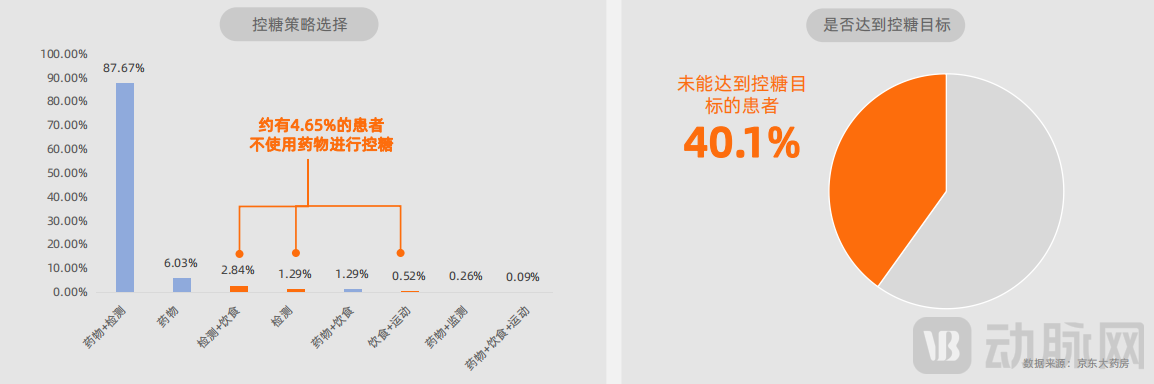
Establishing appropriate glycemic control targets can help patients manage chronic diseases with a greater sense of purpose; however, in practice, approximately 40% of patients fail to achieve these targets. This outcome may be attributed to unscientific goal setting, poor adherence during chronic disease management, or the failure to timely adjust glycemic control regimens in response to changes in the patient’s condition. Pharmacist follow-up visits can help identify the reasons for failing to meet targets through communication with patients and facilitate timely improvements.
Significant Variations in Overall Glycemic Control Among Patients Receiving Different Medication Regimens, this disparity is particularly evident among patients using GLP-1 receptor agonists and insulin, both of which are injectable agents.
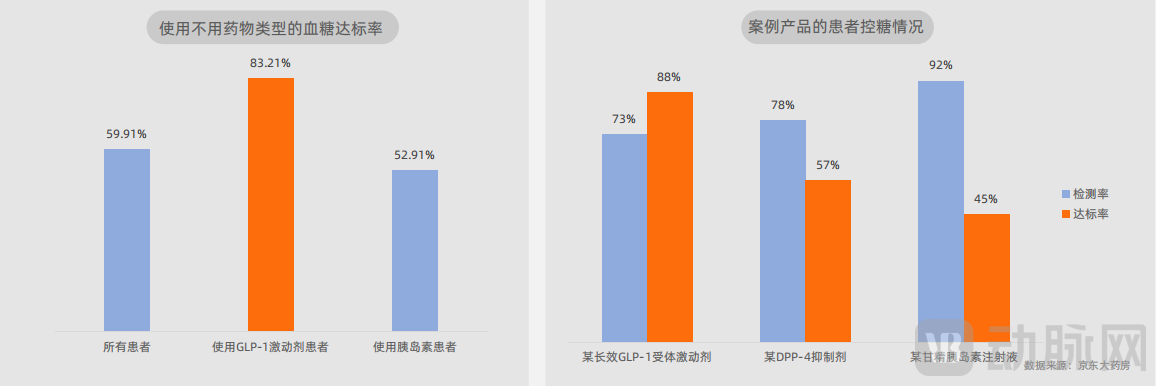
GLP-1 receptor agonists are commonly administered as long-acting formulations via once-weekly injections. This regimen offers high patient adherence and requires less frequent blood glucose monitoring, resulting in a lower testing rate but a higher rate of glycemic target attainment. In contrast, patients using insulin often present with more complex conditions and greater challenges in glycemic control, leading to a lower rate of target attainment. However, since insulin therapy necessitates regular blood glucose monitoring, these patients tend to maintain better testing habits.
In the course of diabetes management, it is essential to promptly adjust glycemic control regimens based on patients’ blood glucose control status. In traditional practice, patients were required to visit hospitals regularly to consult with physicians and modify their glycemic control plans. In this setting, the role of pharmacists was nearly equivalent to that of physicians.
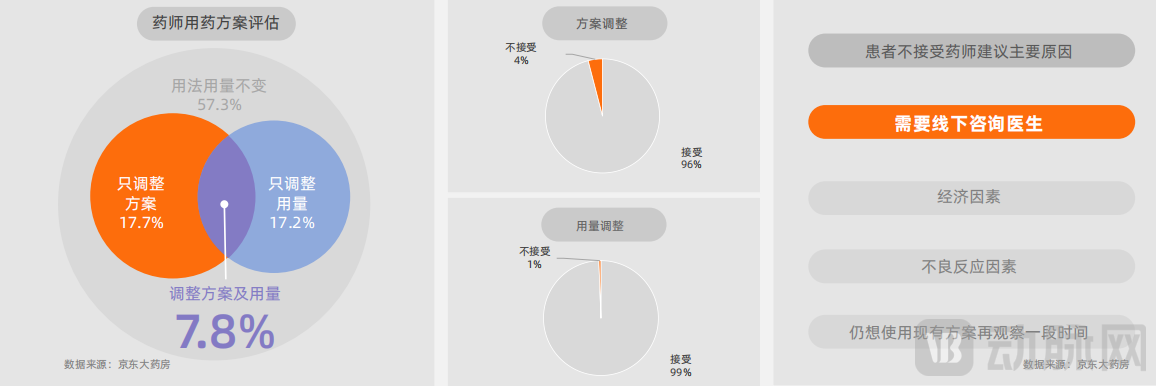
During online follow-up visits, pharmacists also recommend appropriate adjustments to patients’ glycemic control regimens based on the patients’ self-reported blood glucose management status. In this process,Most Patients Are Willing to Follow Pharmacists' Recommendations, some patients still harbor a degree of distrust toward pharmacist services and continue to opt for in-person consultations. However, as online follow-up efforts are further expanded, communication between pharmacists and patients becomes more frequent, allowing such distrust to be relatively easily addressed within a short period.
Amidst the continuous growth in transaction volume, increasingly urgent demand for pharmaceutical care services, and a more favorable external ecosystem, what development trends will emerge in the pharmaceutical e-commerce sector? These trends mainly encompass three aspects.
From a Focus on All Categories to Specialized Capabilities Across Different Scenarios
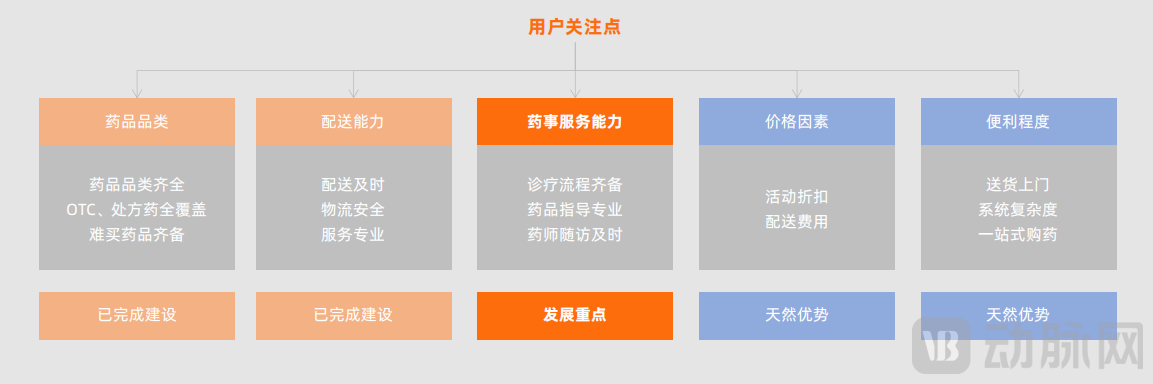
From the perspective of the core competencies required of pharmaceutical e-commerce as the fourth major terminal in the pharmaceutical distribution channel, the barriers it has established in terms of drug product categories and delivery capabilities are fully sufficient to meet users’ basic medication purchasing needs. Meanwhile, pharmaceutical e-commerce enjoys inherent advantages in purchasing convenience and pricing flexibility for certain drugs.
Given that the fundamental competencies are already in place, further enhancing the ability to empower users—namely, building pharmacists’ service capabilities—has become a key driver of growth in the new phase of pharmaceutical e-commerce. Moreover, after establishing these service capabilities, pharmaceutical e-commerce platforms must devote time and effort to user education and mutual trust-building. Therefore, it is foreseeable that the development of pharmaceutical care service capabilities will remain a central focus of the pharmaceutical e-commerce industry for a considerable period in the future.
Exploration in the Field of Single-Disease Management Will Become a Key Point in Deepening Pharmaceutical Care Services
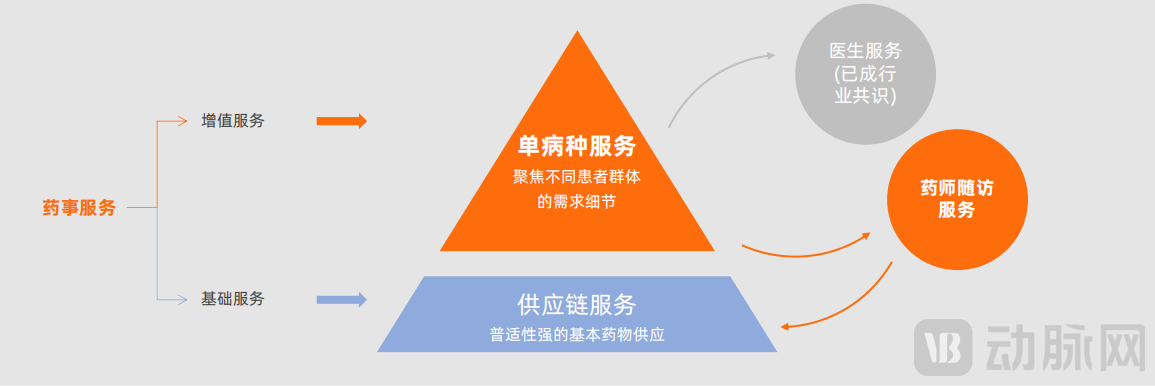
Purchasing medications is a relatively simple and uniform user need. However, when delving into pharmaceutical care services for patients, differences in disease types, age, and medication habits lead to varying demands for such services. In expanding pharmaceutical care services, e-pharmacy platforms must first understand the distinctions between pharmaceutical care and drug distribution, and differentiate their strategic approaches accordingly.
Establishing targeted single-disease service systems for specific patient populations is a primary strategic choice for pharmaceutical e-commerce platforms as they expand their pharmaceutical care services. Within these single-disease service frameworks, physician-related diagnosis and prescription processes have become industry standards. New service offerings are emerging in the form of long-term pharmacist follow-ups post-diagnosis and treatment, aimed at enhancing patient stickiness and attracting larger patient communities through social groups. These more targeted service components, which were difficult to achieve in traditional offline clinical settings, will dominate the future expansion of pharmaceutical e-commerce in the single-disease sector.
Chronic Disease Management to Become the Breakthrough Point for Specialization in Pharmaceutical E-commerce
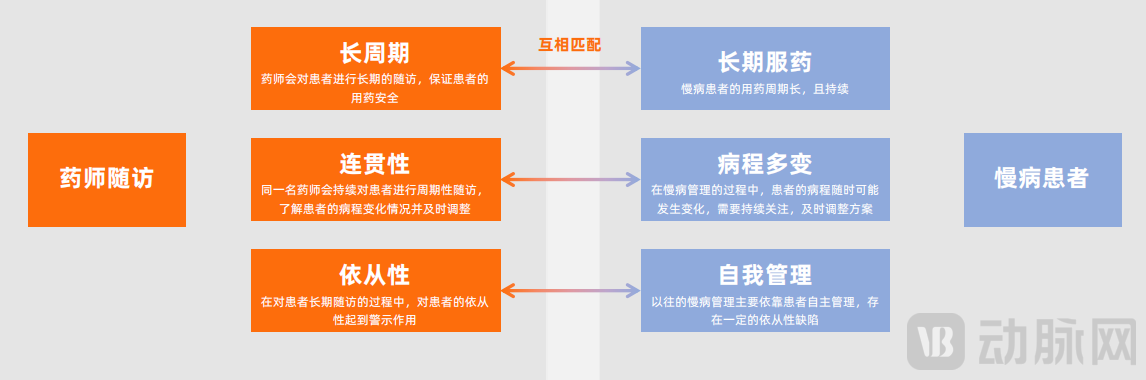
Patients with chronic diseases represent one of the most powerful consumer segments in the pharmaceutical market. Therefore, it has long become an industry consensus to prioritize this group as the primary target for expansion into single-disease specialties when building professional capabilities in pharmaceutical e-commerce.
The key characteristics of pharmacist follow-up are its long-term nature, continuity, and focus on adherence. These features align well with the needs of patients with chronic diseases, who require long-term medication, experience variable disease courses, and must engage in self-management. Consequently, as new models such as remote pharmacist follow-up become integrated into pharmaceutical e-commerce services, they are more likely to initially attract the attention of the chronic disease patient population. Therefore, amid the new wave of pharmaceutical e-commerce, the chronic disease sector will remain the most critical breakthrough area for the industry.
The above is an excerpt from the report. Scan the mini-program at the end of the article to read the full report for free: