

Intelligent Cell Preparation Tools Driving Quality Enhancement in CGT: Zhongbo Ruikang's Prospectus Highlights
In recent years, cell and gene therapies have achieved a series of breakthroughs in oncology treatment, propelling the entire cell and gene therapy industry into large-scale industrialization. In China, the successive approvals of two domestically produced CAR-T cell therapy products in 2021, coupled with the successful global launch this year of Legend Biotech/J&J’s BCMA CAR-T therapy, ciltacabtagene autoleucel, have significantly bolstered domestic industry confidence in the development of the cell and gene therapy sector, further intensifying enthusiasm for this therapeutic avenue.
Against this backdrop, Lingang United Company recently hosted the “Digital Jianghai Empowering the Future: Online Special Seminar on R&D and Process Quality Management of Cell and Gene Therapies” via online meetings and live streaming. The event attracted more than 700 participants from various sectors, including experts, scholars, entrepreneurs, and investors, to jointly discuss the development and opportunities in the cell and gene therapy industry.
Wei Dongbing, Founder of Sino-BiocanAs a distinguished guest at this conference, delivered a thematic presentation titled “The Value of Preparation Tools in Quality Enhancement,” primarilyFrom the perspectives of regulatory analysis for the commercialization management of cell and gene therapies, characteristics of their manufacturing processes, and discussions on the adaptation of manufacturing toolsThe participants jointly explored the value of preparation tools in quality improvement and introduced the pain points and opportunities in the cell therapy manufacturing process. Meanwhile, as the founder of Zhongboruijia Biotechnology (Shanghai) Co., Ltd., a company settled in Digital Jianghai, Wei Dongbing also shared the design philosophy and essence of the company’s intelligent tool family for cell preparation management.
To help readers better grasp the key highlights of the presentation, VCBeat has edited and organized Mr. Wei Dongbing’s insightful speech without altering its original meaning, for the benefit of our audience.
For upstream tools in the cell and gene therapy (CGT) sector, market demand is primarily divided into two segments: one originating from pharmaceutical companies and the other from hospitals. Stakeholders in these different segments prioritize distinct aspects of upstream tools. Pharmaceutical companies (including CGT developers and CGT CDMOs) place greater emphasis on tool cost, operational performance, production capacity, and cost-effectiveness. In contrast, hospital-based preparation centers are more concerned with whether the tools have received approval from the China Food and Drug Administration (CFDA), their ease of operation, and their potential to reduce personnel requirements.
From a regulatory perspective, definitions of cell therapy products vary across countries, and relevant regulatory frameworks differ by jurisdiction; however, all cell therapy products must comply with applicable regulatory requirements under varying conditions. Therefore,Tools are not for “self-indulgence”; they derive value only within specific usage contexts.
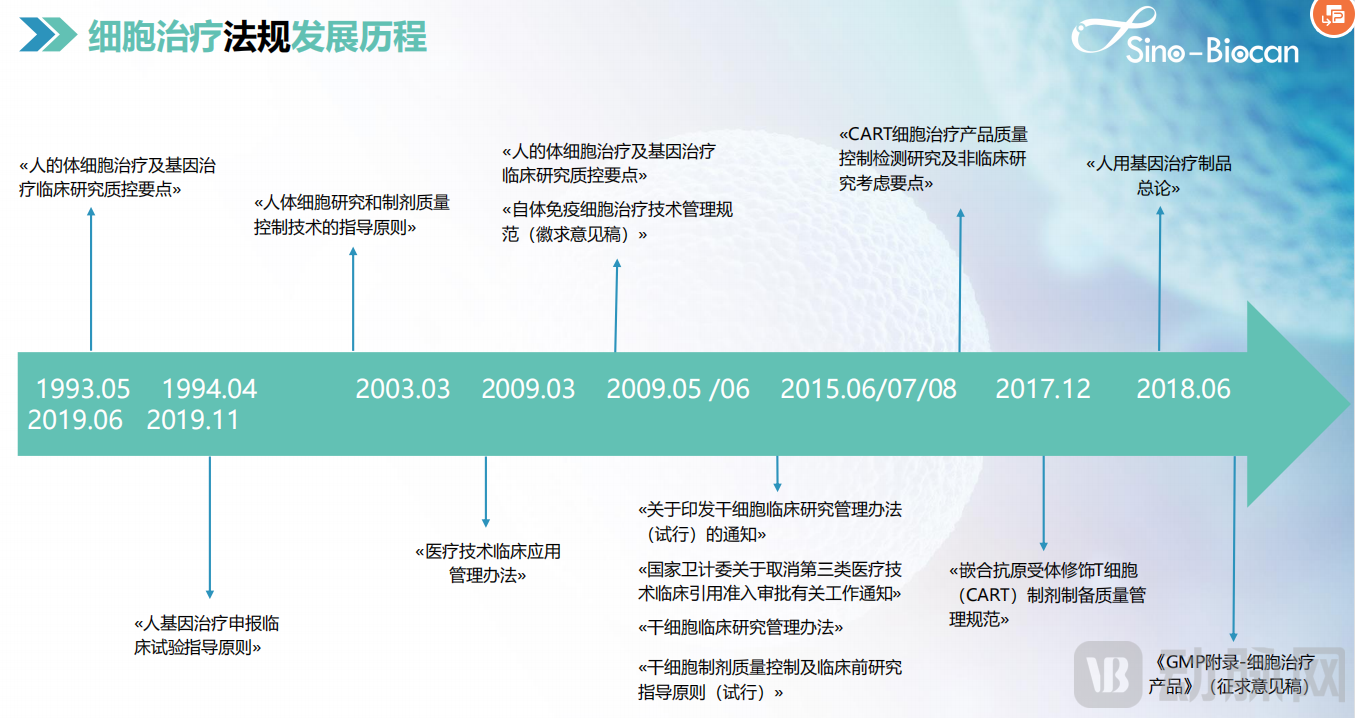
Development History of Cell Therapy Regulations in China
China’s regulatory framework for cell therapy drugs has evolved over nearly two decades. Particularly in the aftermath of the Wei Zexi incident, China’s regulations pertaining to cell and gene therapy drugs have become increasingly clear and stringent. Specifically, in China, somatic cells—including stem cells and immune cells—must be registered as pharmaceutical products, in accordance with the “Technical Guidelines for Research and Evaluation of Cell Therapy Products (Trial)” issued by the former National Medical Products Administration (NMPA) in 2017. This document prominently states that it applies toPharmaceuticalsHuman-derived live cell products undergoing R&D and regulatory submission; the manufacturing process of cell therapy products shall comply with the basic standards and relevant principles of the Good Manufacturing Practice for Drugs (GMP 2010).
Currently, China’s regulatory approval framework for cell therapies primarily adopts"Dual-Track System". First, in the form of cell-based drugs, clinical trials are conducted under the drug regulatory framework, with registration and market approval granted by the National Medical Products Administration (NMPA) and its subordinate departments. The other approach involves cell therapy technologies, which adhere to the relevant restrictive regulations issued by the National Health Commission (NHC) and its subordinate departments, enabling their clinical application within medical institutions. Of these two pathways, cell-based drugs fall under the jurisdiction of the NMPA, primarily targeting enterprises applying for clinical trials, with the goal of “drug market approval”; whereas cell therapy technologies are attributed to individual researchers and are under the jurisdiction of the Ministry of Health.
From the historical promulgation of regulations in the field of cell therapy drugs, we can observe that:The cell and gene therapy sector is an industry characterized by the frequent issuance and rapid updating of regulations.This is not unique to China; it is a global phenomenon.
Compared with the traditional pharmaceutical sector, the cell and gene therapy sector differs significantly in multiple aspects, including research and development, manufacturing, and regulatory oversight.
From the perspective of manufacturing processes, cell and gene therapies differ from traditional pharmaceuticals in four key aspects:On one hand, cell and gene therapies are personalized medicines characterized by small batch sizes and difficulties in automation. On another hand, significant inter-individual variability poses challenges to ensuring consistent product quality. Furthermore, the manufacturing process requires aseptic operations; as these are terminally non-sterilized products that cannot undergo sterile filtration, this represents the most significant difference between cell and gene therapies and traditional pharmaceuticals. Additionally, the production cycle for cell and gene therapies is lengthy. Taking CAR-T therapy as an example, its manufacturing process involves numerous and complex operational steps (approximately 70), extensive quality control testing (up to 25 steps), prolonged quality control duration (around 30 days), and stringent monitoring and traceability requirements (mandating full-process monitoring). Consequently, it faces exceptionally rigorous regulatory requirements.
Differences in the final quality of cell-based drug products are also reflected in variations in quality control parameters.Differences in quality control parameters for cell-based therapeutic products include variations in the cells themselves, donor variability, differences in acquisition methods, raw material variability, process variability, and differences in the final cell product; these variations collectively determine the distinctiveness of product quality control.
The quality management system for cell and gene therapy manufacturing processes also highlights the distinctions between cell and gene therapies and traditional pharmaceuticals.A review of the cGMP requirements for cell and gene therapies set forth by the FDA, EMA, and CFDA yields a compliant quality management system comprising six major systems: the Quality System (QA), Laboratory Control System (QC), Production System, Personnel and Organization System, Materials System, and Facilities and Equipment System.
We have extracted the requirements related to risk control in cell production processes from the "Draft for Comments": including the source of cell samples, the method of cell use and pretreatment of recipients, the time of cell exposure and culture, etc., all of which are related to the activity of cell products and are risk points in the process that we need to pay attention to.
Currently, the cell and gene therapy industry is characterized by all stakeholders advancing together and achieving mutual growth.The entire industry’s understanding of the risks and complexities associated with the research, development, and manufacturing of cell and gene therapies is gradually deepening and evolving.
In the drug application process for cell-based therapies, every stage presents significant challenges. For companies, successfully navigating each stage represents a major milestone. Here, we primarily discuss the manufacturing processes of cell-based therapies.
Everything can be viewed from two perspectives.Pain points in the manufacturing processes of cell-based therapies actually present opportunities for the research, development, and production of equipment and tools.Taking CAR-T as an example, the preparation of its manufacturing tools involves processes such as the isolation and sorting of raw cell bulk materials, reserve preparation, cell activation, transfection and modification, cell expansion, processing of cell bulk material, formulation and packaging of the cell bulk product, and quality control testing. Each step presents inherent pain points without exception, thereby creating opportunities for the development of corresponding tools and equipment.
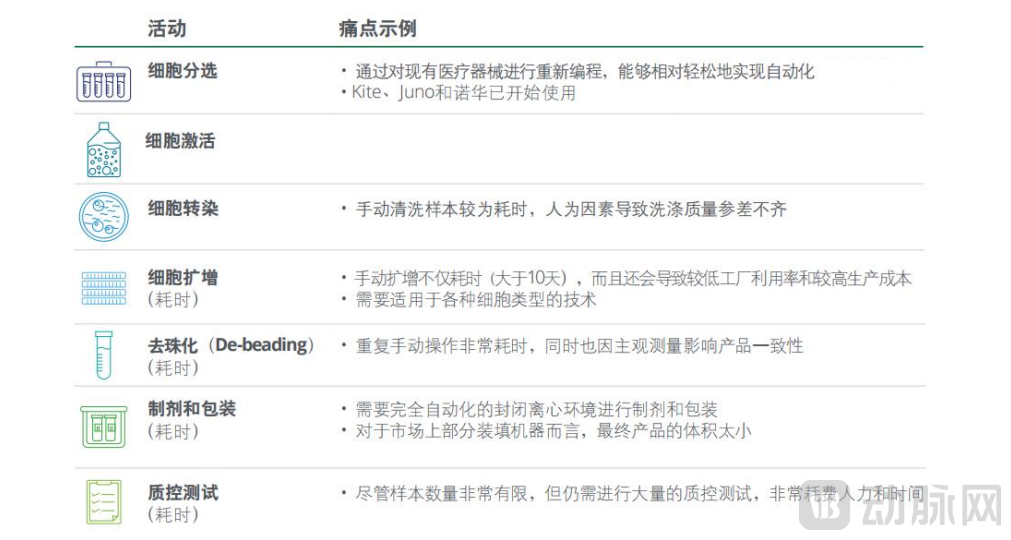
However, what we need to understand is that,Compatibility is key, yet this remains a critical pain point in the current industry. Due to the lack of domestically produced tools for cell manufacturing, China’s cell preparation equipment has long been monopolized by foreign companies. Chinese cell and gene therapy enterprises have been plagued for years by prolonged delivery lead times, high costs, and inadequate service support.Therefore, we must address the import monopoly on cell preparation tools and achieve domestic substitution.
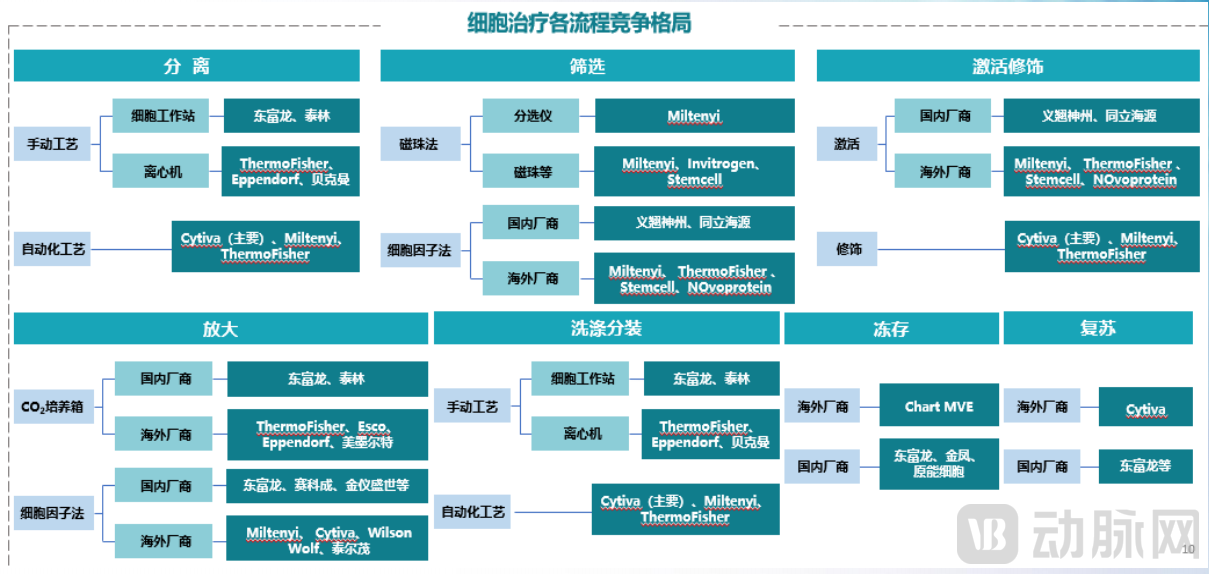
So, how do we develop domestically produced cell preparation tools that are fit for purpose? In fact, this process shares both similarities and commonalities with drug development.Identify key points and specific process requirements to complete the development of essential features for adaptive tools.
From the national regulations on the commercialization of cell and gene therapies, we can understand that key process requirements affecting quality include: some are related to closed systems, requiring a high degree of cleanliness and containment; some mandate extensive use of single-use technologies; some pertain to contamination control; some involve emergency measures for contamination prevention and control; while others relate to environmental conditions and the integrity of data records, ensuring they remain unalterable.
Regulatory requirements for key aspects of different process stages vary across different time periods.This requires us, as “tools,” to keep abreast of regulatory developments at all times and pay close attention to changes in the key risk management provisions outlined in regulations governing the development of cell-based therapeutics.
All the aforementioned factors, whether the stringent regulatory standards imposed by the state on cell and gene therapy drugs or the high difficulty and complexity of their manufacturing processes, have placed correspondingly high demands on the development of upstream tools.
The design philosophy of Sino-Biocan's cell preparation tools is"Family-style Management", aiming to develop a comprehensive solution for cell preparation tools for domestically produced cell and gene therapies, addressing the current pain points in the cell preparation tool industry.
Currently, the company has launched a family of cell preparation tools, covering equipment, consumables, and reagents. The product portfolio includes automated cell separation, automated cell culture, automated cell washing, automated programmed aliquoting of cell products, automated freeze-thaw recovery of cell products, a series of GMP-grade cell management consumables, and reagents related to cell preparation. Not only do Sino-Biocan’s CGT tools exhibit this familial characteristic, but we can also observe this trend in other industries. Many currently popular brands, such as Xiaomi, iPhone, Huawei, and even certain autonomous driving car manufacturers, are gradually adopting a family-oriented product strategy.
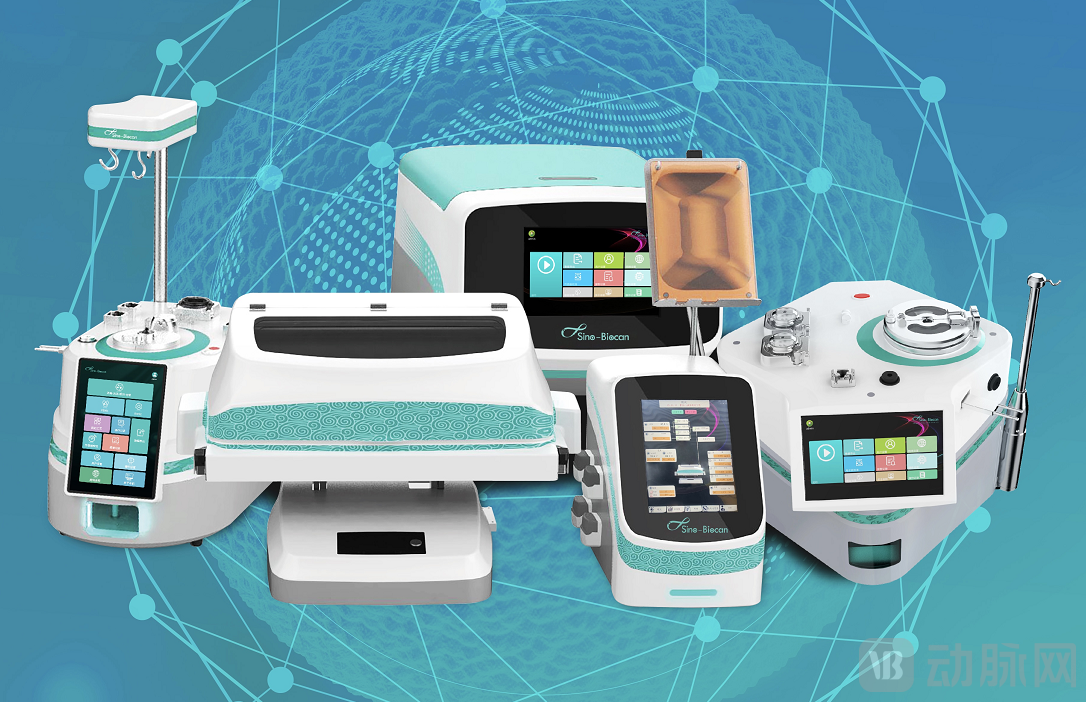
Currently, the cell and gene therapy industry is still in its early stages of development, and the upstream tools for this sector remain a relatively narrow specialized field; thereforeThe module’s flexibility is particularly well-suited to current industry demands.As previously mentioned, cell therapy drugs face challenges such as personalization, significant inter-individual variability, and difficulties in ensuring consistent product quality. Cell therapies vary from person to person and from sample to sample,Integrated tools and processes struggle to meet diverse requirements.
Therefore, we believe that the ideal cell preparation and production tool is one that replaces integrated, all-in-one solutions with a modular approach linking standard modules to customized configurations, thereby enabling rapid capacity expansion in compliance with current regulatory and customer requirements. This concept is highly prevalent in contemporary industrialization. Sino-Biocan aims to serve as a CDMO providing seamless connectivity tools for the cell and gene therapy industry.
Sino-Biocan aspires for the core attributes of its tools to embody the characteristics of familial integration, modularity, continuity, automation, closed-loop design, data-driven operation, intelligence, specialization, standardization, scalability, and customizability. This approach not only enhances supply capacity and accelerates production transition but also optimizes our supply chain, ultimately improving cost management. The essence of the company’s tools is grounded in in-depth regulatory research, sustained market engagement, and years of accumulated industry expertise. We believe that,Process tools enable quality realization, and the factory system serves as a crucial safeguard for the tool family. Tools give wings to quality.