

China's First Health Economic RCT in Cardiac Intervention Validates the Cost-Effectiveness of QFR Technology
QFR (Quantitative Flow Ratio), a comprehensive assessment system for wire-free physiological function (including FFR, microcirculation, etc.) and PCI surgical planning based on coronary angiography images, can non-invasively, quickly, and accurately assess coronary physiology, thereby accurately evaluating the degree of myocardial ischemia and guiding the optimization of interventional surgery strategies. It is an innovative Chinese technology regarded as having the potential to reshape the diagnosis and treatment process of coronary heart disease.
On November 4, 2021, “FAVOR III China”—a large-scale, blinded, randomized, sham-controlled clinical RCT evaluating the clinical outcomes of PCI in patients with coronary artery disease guided by QFR versus traditional coronary angiography—provided robust evidence for the superiority of QFR and was published in The Lancet, one of the world’s leading medical journals.
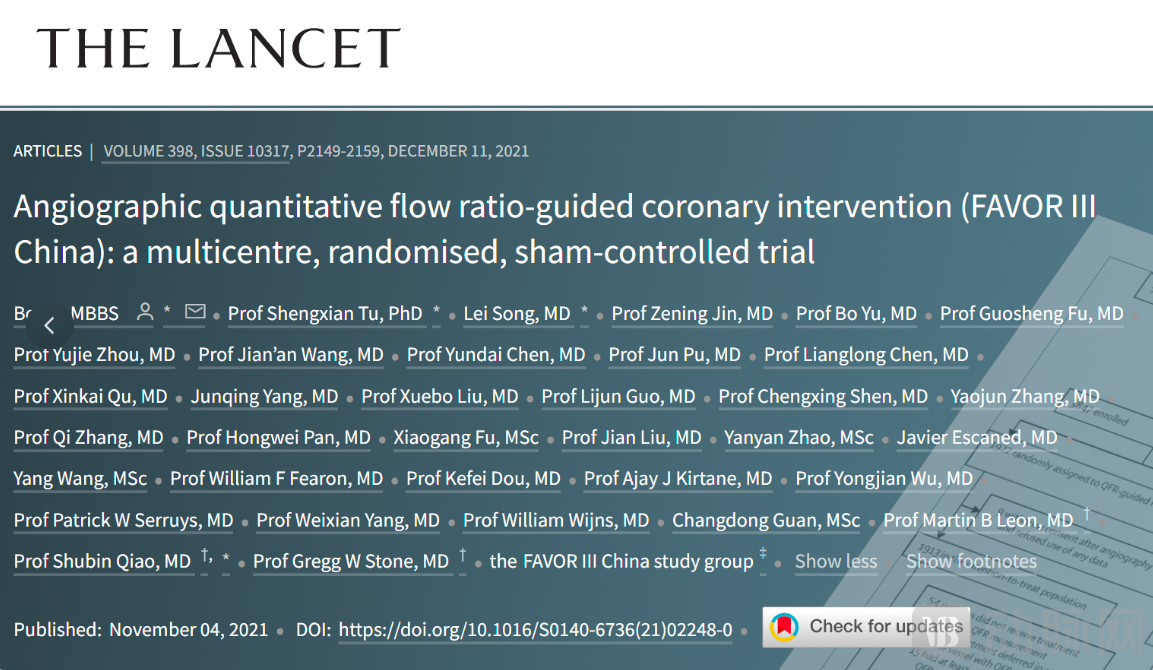
This trial demonstrated, through a large-sample study, thatCompared with angiography-guided PCI, QFR-guided PCI can significantly reduce the risk of adverse cardiovascular events at one year post-procedure by 35%; it also optimizes procedural strategy formulation, identifies lesions that do not require treatment, detects previously missed lesions, and effectively improves patient prognosis.
Yesterday, at the EuroPCR conference held in Paris, France, during the session on the latest global clinical trials, QFR’sHealth Economics Research FindingsAs a sub-study of FAVOR III China, conducted byProfessor Xu Bo, representing the research team from Fuwai Hospital, Chinese Academy of Medical SciencesMajor Announcement.
According to publicly available information,“FAVOR III China” Health Economics StudyInitiated by the National Center for Cardiovascular Diseases and Fuwai Hospital, Chinese Academy of Medical Sciences, with the participation of 26 Grade A tertiary hospitals across China, this study compared the health economic value of percutaneous coronary intervention (PCI) guided by the proprietary QFR system developed by Pulse Medical Imaging Technology (Shanghai) Co., Ltd. against that of conventional angiography-guided PCI.
The study results indicate that, compared with traditional angiography-guided PCI, QFR-guided PCI not only improves clinical outcomes for patients but also significantly reduces healthcare expenditures, with an estimated annual savings of approximately RMB 3 billion for China’s national medical insurance system.
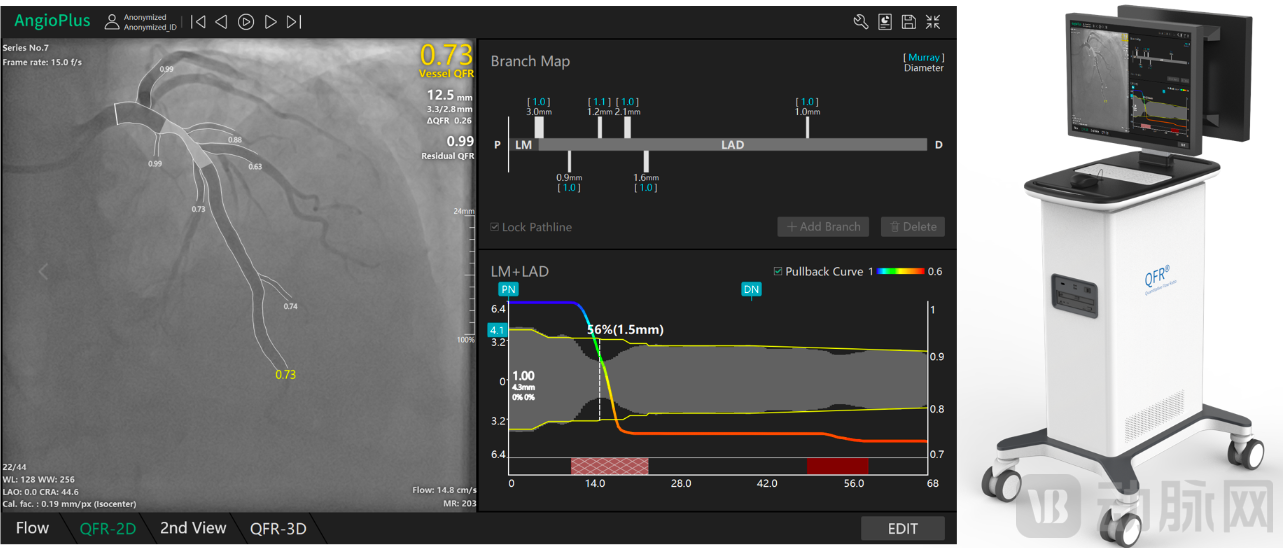
The FAVOR III China Health Economics Study is the world’s first health economics study on angiography-based FFR technology and the first such study in the field of cardiovascular interventional devices in China. Designed at the inception of the FAVOR III China trial, this study aims to evaluate the socio-health economic value of Pulse Medical’s proprietary QFR technology in guiding percutaneous coronary intervention (PCI) by analyzing clinical outcomes and medical expenditures during one-year follow-up.
This study included a total of 3,825 subjects, all drawn from the real-world population of Chinese patients with coronary heart disease (CHD), across 26 tertiary Grade A hospitals in 13 provinces and municipalities directly under the central government in China.
In the actual implementation, researchers randomly assigned all patients to two comparative groups (the QFR-guided group and the conventional angiography-guided group). They separately tabulated all costs incurred by each patient from initial hospital admission through one year post-procedure, including expenses related to all procedures, hospitalizations, medications, and major adverse cardiovascular and cerebrovascular events (such as myocardial infarction, repeat revascularization, stent thrombosis, cerebrovascular events, and major bleeding). The level of detail in this study is arguably the most comprehensive in the history of percutaneous coronary intervention in China.
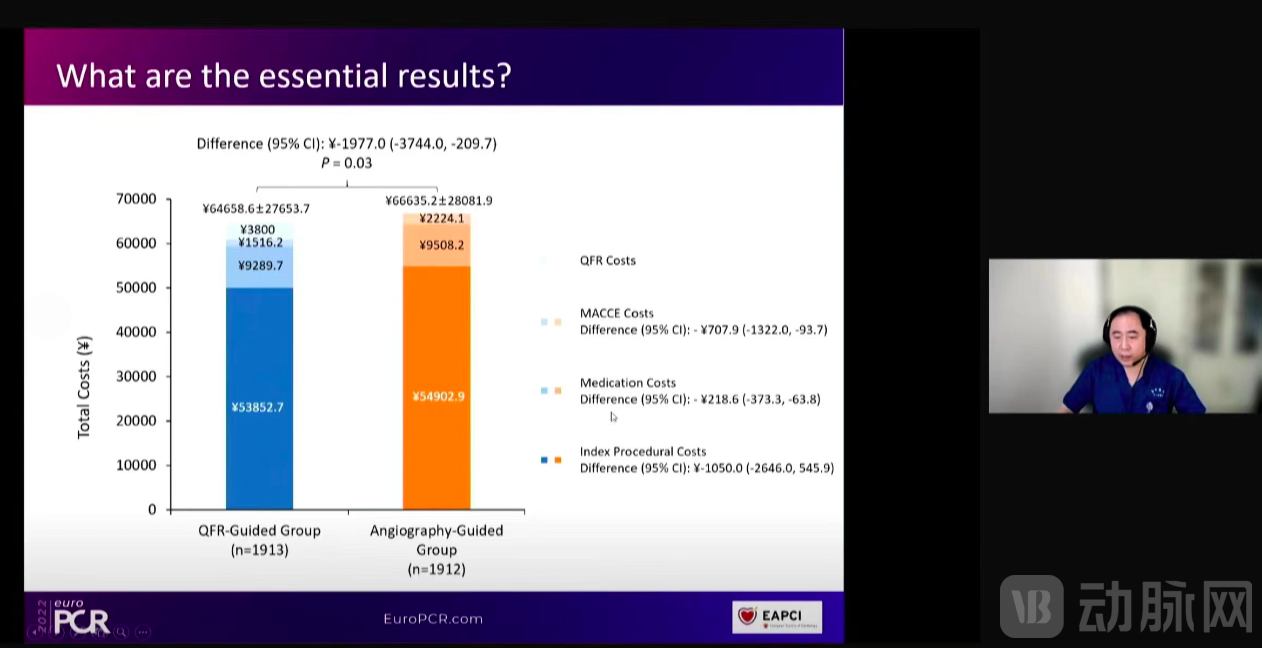
Key Study Findings:After adding the QFR examination fee to the total costs for patients in the QFR-guided group (although not actually paid during the trial), their one-year total expenditure was significantly lower than that of the coronary angiography-guided group (¥64,658.6 vs. ¥66,635.2), saving ¥1,977.9 per patient, with statistical significance achieved.Among these, the surgical and hospitalization costs, medication costs, and costs associated with adverse cardiovascular and cerebrovascular events in the QFR-guided group were all significantly lower than those in the angiography-guided group. In the data, the cost of the QFR procedure was calculated based on the charging standards in Beijing.
Based on these data, projections are made.Based on an annual volume of 1.5 million PCI procedures in China, QFR can save nearly RMB 2,000 per patient, resulting in total annual savings of over RMB 3 billion in national medical insurance expenditures. This figure does not include the substantial healthcare cost savings achieved by safely deferring unnecessary PCI procedures under QFR guidance.
Overall, the FAVOR III China series of studies have provided scientifically rigorous, comprehensive, and internationally high-level evidence-based medical proof that QFR-guided PCI not only improves clinical outcomes for patients but also reduces healthcare costs. Supported by an growing body of pivotal clinical evidence, Pulse Medical’s proprietary QFR—a simple, user-friendly computational coronary physiology technology that delivers clinical benefits—is poised for widespread clinical adoption. This will enable a broad population of patients with coronary heart disease in China to receive superior therapeutic outcomes while reducing treatment costs.
DRG, or Diagnosis Related Groups, is a management system that categorizes cases with similar clinical processes and comparable cost consumption into the same group (DRG), and establishes pharmaceutical and medical service payment standards on a per-group basis.
In recent years, the continuous advancement of Diagnosis-Related Group (DRG) policies has been driving hospitals to implement payment reforms. The aim is to achieve optimal diagnostic and therapeutic outcomes through the most cost-effective methods. In this context, the emergence of Quantitative Flow Ratio (QFR) is timely, aligning with national policy requirements. QFR not only enhances cost-efficiency in the diagnosis and treatment of coronary heart disease but also identifies and addresses gaps in clinical workflows, thereby improving patient outcomes and minimizing healthcare insurance expenditures as well as additional costs arising from missed or misdiagnoses.
To quantify the aforementioned advantages, the FAVOR III China health economics study also converted costs based on post-volume-based procurement stent prices and Diagnosis-Related Group (DRG) payment standards in China. The results showed that:The overall cost for the QFR-guided group remained significantly lower than that of the angiography-guided group, with an average saving of 1,656.0 yuan per patient. Even in a future where Diagnosis-Related Groups (DRGs) are fully implemented to optimize the healthcare payment system, the widespread adoption of QFR could still save the national medical insurance fund approximately 2.5 billion yuan annually.
Furthermore, by leveraging a recently published large-scale international study and converting costs according to contemporary European healthcare pricing systems, the results demonstrated that QFR-guided percutaneous coronary intervention (PCI) yields significant health economic benefits even under the European framework. This confirms that this Chinese-originated technology retains substantial clinical value on the international stage.
Overall, the application of QFR aligns precisely with the intent of DRG policies, meeting hospitals’ demand for maximizing health economic value amid the trend of healthcare cost containment.
Notably, this study did not include the population of over 3 million patients in China who underwent coronary angiography but did not receive PCI. For this large group,QFR assessment can promptly identify patients who require PCI but might be missed by angiography, thereby avoiding the medical costs associated with repeat procedures due to missed diagnoses; meanwhile, it allows for the safe deferral of unnecessary PCI, further helping health insurance schemes save on corresponding expenses. In the future, widespread adoption of QFR-guided optimization of interventional treatment strategies could potentially yield even greater savings for health insurance programs.
For a product to progress from research and development to commercial sales, it must secure multiple approvals from the Center for Medical Device Evaluation (CMDE), the National Healthcare Security Administration (NHSA), physicians, and hospitals. Therefore, while demonstrating health economic superiority and meeting national healthcare insurance policy requirements, QFR must also deliver benefits to other stakeholders involved in the clinical care process.
Let’s start with hospitals. With the widespread adoption of the DRG system, hospital revenue will shift from the previous fee-for-service model toReasonable Cost Control and Improved Service EfficiencyThe resulting surplus and rewards obtained from meeting various performance assessmentsAs previously detailed, under DRG-based cost containment, the improvement in medical efficiency and reduction in medical costs brought by QFR have increased hospital surpluses. In terms of performance incentives, the widespread adoption of QFR will also indirectly generate additional revenue for hospitals.
Specifically, by accurately identifying patients and lesions that truly require percutaneous coronary intervention (PCI) while deferring treatment for lesions that appear stenotic on angiography but do not cause severe ischemia, QFR helps ensure appropriate interventions are performed and reduces overtreatment. As a non-invasive tool, QFR also mitigates the infection risks associated with traditional invasive diagnostic procedures, guides the formulation of cost-effective and superior surgical strategies, improves triage efficiency, and lowers the probability of complications or adverse events resulting from unnecessary surgeries or missed diagnoses. Consequently, key performance indicators for public hospitals, such as the “incidence of complications in surgical patients” and the “surgical site infection rate for Class I incisions,” are expected to decrease, aligning with the National Health Commission’s vision for enhancing hospital quality.
Revisiting the Patient Perspective: Traditional functional assessments are invasive, subject to numerous limitations, and offer limited functionality, often leading to significant patient resistance. In contrast, QFR provides a non-invasive assessment that not only evaluates physiological function but also facilitates PCI procedural planning, offering intuitive and quantitative support for optimizing interventional therapy. With shorter examination times, lower costs, and minimal impact on patient health, QFR is more readily accepted by patients.
Based on current pricing, invasive FFR products generally cost over RMB 10,000 and are not yet widely included in the national medical insurance reimbursement list. In contrast, Pulse Medical’s QFR product, which is under study, evaluates lesions by assigning functional value to conventional angiography. This approach eliminates the need for invasive procedures and avoids the costs associated with high-value consumables. The out-of-pocket examination fee for patients is only about one-third of that for invasive testing, effectively alleviating the financial burden on patients and enabling more individuals to benefit from functional assessment.
Although Pulse Medical’s health economics research has scientifically elucidated the value of QFR to society as a whole, bridging the gap from R&D and academic settings to widespread adoption in individual hospitals often requires considerable time. Specifically, achieving broad adoption of QFR necessitates that the company sequentially secure market access, pricing approval, and inclusion in medical insurance reimbursement lists, while also building consensus among physicians. In this regard, Pulse Medical has already initiated efforts to navigate these various access pathways and has achieved certain results over the past few years.
In terms of regulatory approval, Pulse Medical currently has five approved products in its QFR series. These approved products cover the three major processes of preoperative planning for coronary intervention, intraoperative decision-making, and optimization of interventional surgery, which essentially means that Pulse Medical has passed the regulatory approval stage for key products.
Regarding pricing approval and medical insurance reimbursement access, Pulse Medical’s data leads the industry. Its QFR has obtained pricing approval in 11 provinces and municipalities, been included in the Category B medical insurance reimbursement list of one province, and incorporated into the National Technical Specifications for Medical Services.
Inclusion in expert consensus statements represents another objective condition facilitating the widespread adoption of QFR. According to Pulse Medical Imaging Technology’s 2022 IPO prospectus and recent academic literature, its QFR technology was included in 2022 in the “Guidelines for Percutaneous Coronary Intervention of Left Main Bifurcation Lesions in China” and the “Chinese Expert Consensus on Microcirculatory Protection Strategies During Emergency PCI for ST-Segment Elevation Myocardial Infarction.” Internationally, QFR has also gained recognition in Japanese expert consensus statements and is recommended in the official textbook on cardiac interventions published by the European Society of Cardiology.
In this regard, Academician Gao Runlin of the Chinese Academy of Engineering has stated: “QFR-guided PCI can reduce the number of patients undergoing interventional therapy, the number of vessels treated, the number of stents implanted, and the volume of contrast media used, while also shortening the duration of interventional procedures. On this basis, it can further reduce procedural complications, improve long-term patient outcomes, and decrease the incidence of myocardial infarction and repeat revascularization. QFR is simple and safe to use, facilitating the integration of coronary physiological assessment into routine clinical practice and further enhancing the clinical efficacy of PCI.”
Academician Ge Junbo, Member of the Chinese Academy of Sciences and Director of the Department of Cardiology at Zhongshan Hospital Affiliated to Fudan University, once commented: “The China-originated QFR technology can significantly improve the diagnostic efficiency for coronary artery disease and control medical costs. It enables clinicians to obtain coronary physiological indicators more conveniently and rapidly, thereby guiding them in formulating more precise interventional treatment plans—identifying which patients require intervention and which do not. Moreover, this technology is simpler and easier to implement, and it will certainly be applicable to the precision treatment of cardiovascular diseases in the future.”
Howard C. Herrmann, Professor, Associate Editor of NEJM Journal Watch, and Director of the Cardiac Catheterization Laboratory at the University of Pennsylvania, commented in an editorial in The New England Journal of Medicine (NEJM) on QFR and the FAVOR III China study: “Pre-PCI physiological assessment has become standard practice in interventional therapy. This innovative QFR technology can guide the optimization of PCI strategy formulation and improve clinical outcomes for patients. QFR is expected to be widely adopted in the future, integrating more seamlessly into routine interventional clinical practice.”
Overall, QFR has not only gained recognition from top domestic experts but also achieved significant international influence, boasting substantial market potential. As consensus gradually spreads from leading experts to every cardiologist, the era of widespread QFR adoption will arrive.