

Aoyin Insights: Organoid Industry Research Report
Authors | Li Lening, Fan Jiaqian, Xue Zhenhao, Xue Pengcheng
Graphic Design | Li Lening
Edited by Huang Zien
Organoids
A coveted contributor to CNS journals, they rapidly rose to prominence and were extensively covered by major media outlets:
In 2013, it was named by Science magazine asTop 10 Technologies of the Year;
In 2015, by MIT Technology ReviewOne of the Top 10 Technological Breakthroughs;
In 2018, it was named by Nature Methods2017 Methodology;
In 2019, it was hailed by The New England Journal of Medicine asHigh-Quality Preclinical Disease Models。
Table of Contents
1. Science Popularization and Market Size
2. Comparison of Organoids with Other Models
3. Industry Chain Analysis
4. National Policies Support Organoid Culture
5. Technological Development Trends in the Industry
5a. Microfluidics, as one of the core technologies in bioengineering, has achieved clinical translation
5b. AI combined with high-throughput automation empowers every stage of organoid development
5c. The hospital remains the sole legal source of samples for the biobank
6. Industry Competitive Landscape
7. Latest Scientific Research Advances
7a. Vascular organoids generated from 3D-printed microfluidic chips
7b. In Vitro β-Cell Organoids Offer a Promising New Approach for Islet Regeneration
7c. Brain Organoids Reveal High-Risk Gene Mutations in Autism and Their Consequences
8. Current Technical Bottlenecks
Organoids refer to tissue-like structures with defined three-dimensional (3D) architecture generated through in vitro 3D culture of adult stem cells or pluripotent stem cells. Although organoids are not true human organs, they can mimic the structure and function of real organs, closely recapitulating in vivo tissue organization and functionality, and can be stably passaged over long periods (hence also termed “mini-organs”).
Over the past decade, the development of organoids has been hailed as one of the most exciting advances in stem cell research. Although the term “organoid” was proposed as early as the 1980s, it was not until 2009 that a team led by Dutch scientist Hans Clevers successfully cultured Lgr5+ intestinal stem cells in vitro into three-dimensional structures featuring crypt-like and villus-like epithelial regions, known as small-intestinal organoids, thereby ushering in a new era of rapid advancement in organoid research.[1]。
In 2013, organoids were named one of the Top 10 Technologies of the Year by Science. In early 2018, organoids were recognized as the Method of the Year 2017 by Nature Methods. To date, organoids from various organs have been successfully established, including those derived from the small intestine, stomach, colon, lung, bladder, brain, liver, pancreas, kidney, ovary, esophagus, and heart. These encompass not only organoids from normal tissues but also those derived from corresponding tumor tissues.
In recent years, the number of publications involving organoid technology retrieved from PubMed under the search term “Organoids” has shown a steep upward trend, including numerous articles in top-tier journals such as Cell, Nature, and Science (CNS). China’s global ranking in the number of published organoid-related papers jumped from sixth place (2009–2019) to second place (2020), trailing only the United States. The accumulation of scientific research capabilities in China will accelerate the industrialization of organoid technology.
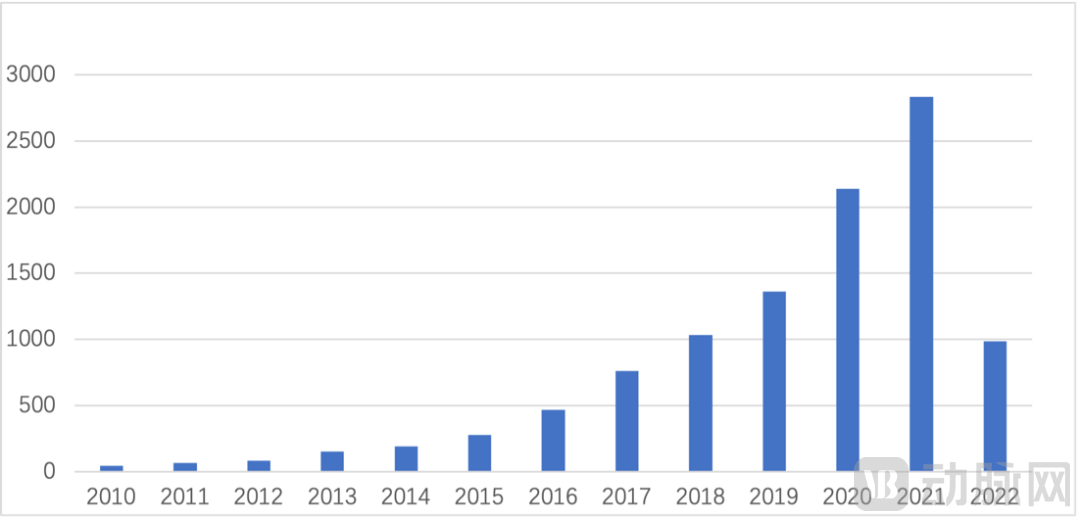
Annual Number of Published Papers on Organoids
Organoids can be derived from adult stem cells (ASCs), pluripotent stem cells (PSCs) (i.e., embryonic stem cells, or ESCs), or induced PSCs (iPSCs). The organoid culture system primarily consists of three key components: Matrigel, factors required to maintain the organoid niche, and factors required for differentiation. Matrigel contains collagen, laminin, fibronectin, and other components, providing a scaffold for the formation of the three-dimensional structure of organoids. The primary purpose of factors maintaining the organoid niche is to promote cell proliferation and inhibit apoptosis, among other functions. The commonly used Matrigel is produced by BD Biosciences in the United States.®, holding a relatively monopolistic position in the industry with higher prices. Matrigel can generate bioactive matrix materials similar to the basement membrane of mammalian cells, facilitating the attachment and differentiation of various cell types.
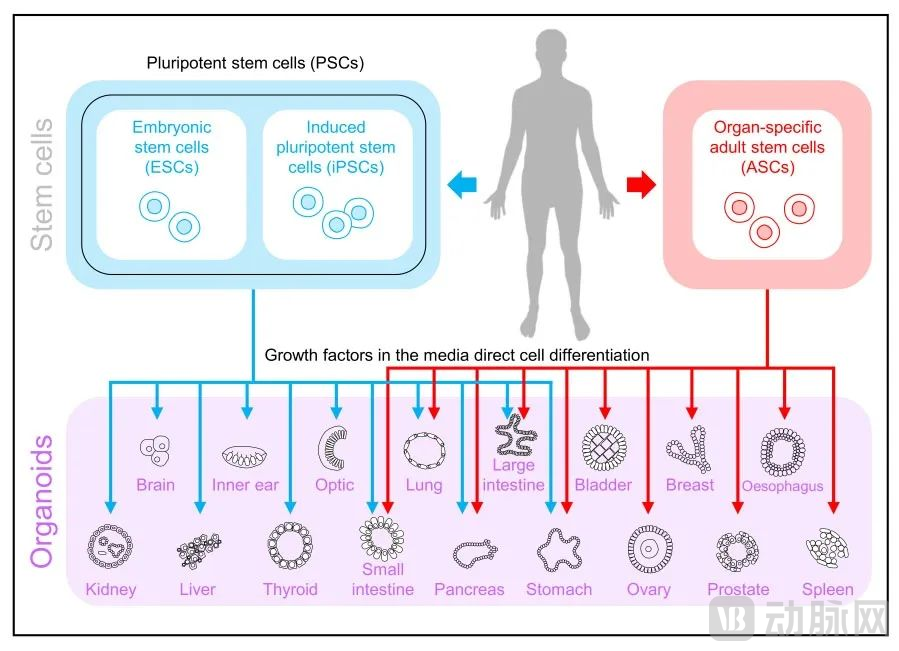
Two Methods for Obtaining Organoids[2]
As a tool, organoid technology holds broad application prospects in basic research and clinical diagnosis and treatment research, including developmental biology, disease pathology, cell biology, precision medicine, and drug toxicity and efficacy testing. This technology also offers significant potential for regenerative medicine by enabling autologous or allogeneic cell therapies through the replacement of damaged or diseased tissues with organoid cultures.
Applying organoid technology to clinical practice to guide medication and precision therapy represents the primary developmental direction of this technology in the near term. In fact, since 2016, organoid technology has been incorporated into clinical trials; as of September 2020, 63 clinical trials had been officially registered with the U.S. Food and Drug Administration (FDA). In China, 20 organoid-related clinical trials have been registered and approved by ethics committees since 2017, covering eight types of cancer. These studies have primarily focused on predicting the efficacy of chemotherapy regimens; however, emerging research is beginning to explore the application of immunotherapy in organoid models (e.g., PD-1 inhibitors at Changhai Hospital). Regarding the distribution of cancer types, current domestic research predominantly focuses on digestive system tumors, pancreatic tumors, and breast tumors.
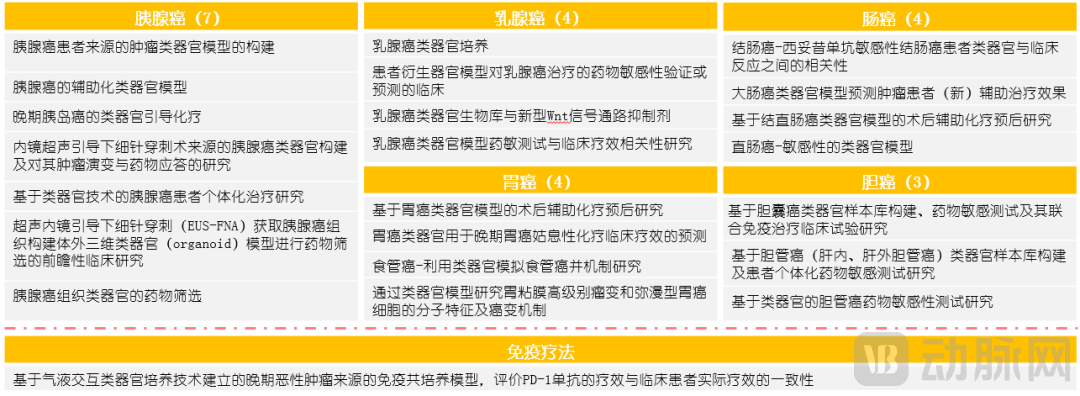
Cancer Types with ≥3 Organoid Clinical Trial Projects Launched Since 2017
Relevant reports indicate that the North American organoid market reached $291.39 million in 2019 and is projected to reach $1.40647 billion by 2027, growing at a compound annual growth rate (CAGR) of 21.7%. According to the latest data released by the World Health Organization, there were 18.1 million new cancer cases globally in 2018, with 4.29 million new cases in China, accounting for 23.7% of the global total. The number of new global cancer cases is expected to reach 29.5 million by 2040.[3] . The domestic organoid market is projected to exceed RMB 10 billion. With the continuous emergence of new drug pipelines and growing demand for personalized treatment from both clinical practitioners and patients, the market space will continue to expand.
Immortalized cell lines can be used to assess target binding and cell viability; however, 2D cell models have certain limitations in in vitro expansion. They tend to lose the genetic heterogeneity of the original tumor after passaging, are prone to dominant clonal selection, and exhibit low clinical relevance.
Patient-Derived Xenograft (PDX) models are tumor models established by transplanting human tumor tissues into immunodeficient mice. Major challenges include low engraftment success rates, high construction costs, prolonged development timelines, and significant limitations in throughput for drug screening. Furthermore, the tumor microenvironment in immunodeficient mice differs from that in humans, and the transplanted tumor tissues may undergo mouse-like evolutionary changes.
To be clinically applicable in oncology, drug screening models must meet three fundamental requirements: rapid turnaround time for drug sensitivity testing, high-throughput drug screening capacity, and accurate predictive performance. Organoids demonstrate significant advantages over other drug screening methods in all three aspects:
1. Fast Speed
High success rate and rapid culture speed in organoid construction. Typically, drug screening can be performed after one week of organoid culture. The entire process, from sample collection to issuance of drug sensitivity results, can be well controlled within two weeks.[4]。
2. High Flux
In terms of drug screening throughput, organoids enable the screening of multiple drugs on multi-well plates, with each drug tested at various concentrations and multiple experiments conducted in parallel.
3. Strong Clinical Relevance
The clinical relevance and predictive validity of organoids for cancer drug screening have been well substantiated in multiple studies. In a landmark study published in Science, Vlachogiannis G et al. demonstrated that ex vivo drug sensitivity testing using tumor organoids could guide clinical treatment. The team established organoid cultures from 110 tissue samples derived from 71 patients with metastatic gastrointestinal cancers and tested 55 anticancer drugs. The results showed that organoid-based drug screening achieved 93% specificity, 100% sensitivity, 88% positive predictive value, and 100% negative predictive value, demonstrating high clinical relevance.[5]。
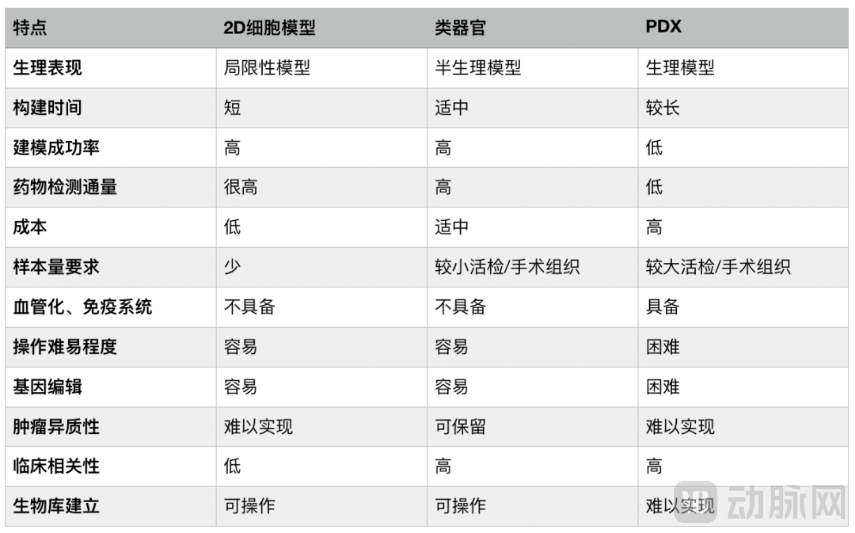
Comparison of Drug Screening Models (Source: China.com.cn Medical Channel)
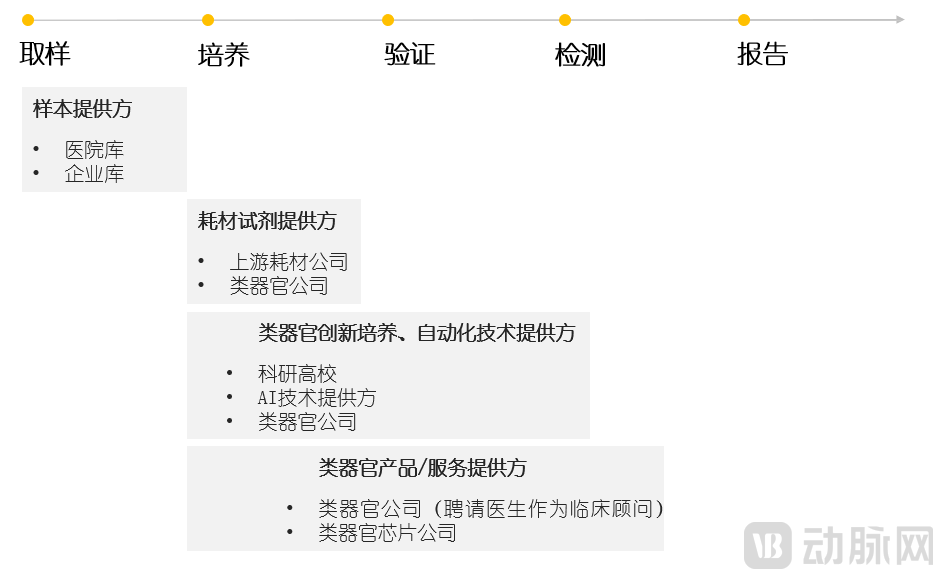
Organoid Industry Chain
Downstream customers for organoids are primarily categorized into three groups: research applications (universities/hospitals), clinical applications (hospitals/patients), and R&D applications (pharmaceutical companies/CROs). Certain human disease analyses are difficult to replicate using animal models, which also entail high cultivation costs, long timeframes, and low reproducibility. In contrast, organoid models can mimic normal tissues as well as tissues at various stages of carcinogenesis. Furthermore, their culture systems are simple and easy to operate, offering lower time and financial costs along with higher efficiency.
Current research applications of organoids are primarily focused on disease modeling and therapeutic response prediction. Numerous universities and hospitals, including the Chinese Academy of Sciences, Tsinghua University, Zhejiang University, Beijing Tiantan Hospital, and the First Affiliated Hospital of Zhejiang University School of Medicine, have already initiated relevant scientific studies. The advantages and potential of patient-derived organoid (PDO) technology over traditional approaches have gained recognition within the academic community. In 2019, the number of peer-reviewed articles containing the term “organoid” indexed in PubMed surpassed those related to patient-derived xenograft (PDX) models. Furthermore, by 2017, there were 20 organoid-related clinical trials registered in China that had received approval from ethics committees.
However, the growth of the organoid research market is expected to slow down in the future, with organoid service providers primarily generating revenue from the sale of reagents and consumables. As the research market further develops, academic and research institutions will establish and optimize their own platforms for culture and testing. Nevertheless, the highly customized demands of the research market make it difficult to provide standardized services.
Clinical applications are currently primarily focused on providing precision therapy for patients with mid-to-late stage cancer. Direct drug trial in patients is time-consuming, high-risk, and painful, particularly for tumor patients who lack effective pharmaceutical options and rely solely on chemotherapy, making it difficult to identify timely and effective solutions. Organoids can serve as patient surrogates for drug testing, thereby enabling precision medicine. Currently, organoid-based assessments mainly focus on chemotherapeutic sensitivity, while their future application in targeted therapy and immunotherapy holds greater potential.
Currently, hospitals such as Nanfang Hospital, Changhai Hospital, West China Hospital, and Fudan University Shanghai Cancer Center have already initiated corresponding clinical studies. The clinical market for organoids is still in its incubation stage: due to their absence from clinical guidelines, patient awareness and clinicians’ willingness to submit samples for testing remain limited. However, with the increasing clinical application of patient-derived organoids (PDOs), demand in the clinical market is expected to grow substantially under the trend toward precision medicine. Organoids hold significant value for patients, particularly for those with tumors lacking effective targeted therapies who must rely solely on chemotherapy, serving as an effective tool for achieving precision treatment.
The commercial applications of organoids primarily focus on new drug development and indication expansion. Currently, approximately 85% of preclinical drug candidates fail during clinical trials, resulting in substantial costs and losses. Organoids enable more comprehensive potency assessments in the preclinical stage, offering significant value in reducing later-stage drug development costs. In anti-tumor drug research and development, patient-derived organoids (PDOs) can reflect tumor heterogeneity through high-throughput, low-cost methods, effectively addressing the limitations of patient-derived xenograft (PDX) animal models. Serving as “patient avatars” in Phase 0 “quasi-clinical trials,” organoids can improve the success rate of clinical trials. Pharmaceutical companies abroad, including Roche and Eli Lilly, as well as domestic enterprises such as Simcere Pharmaceutical, Hengrui Medicine, Qilu Pharmaceutical, and WuXi AppTec (a CRO), are also actively involved in this field.
The organoid-based drug development market is still in its nascent stage, with pharmaceutical companies adopting a wait-and-see approach. Currently, the primary revenue stream for organoid companies comes from validation services. As organoids are not mandatory for new drug applications, pharmaceutical firms continue to follow an applicability-driven strategy. Moreover, limited technological maturity and sample inventory remain key concerns influencing decision-making. Nevertheless, it is undeniable that organoid technology significantly empowers pharmaceutical companies to enhance risk management, reduce costs, and improve efficiency, thereby holding substantial commercial value in the drug development market. Against the backdrop of prevalent “me-too” drugs, there is a surging demand among pharmaceutical companies to cut R&D costs, boost efficiency, and increase success rates. Consequently, their willingness to pay for the value delivered by organoid technologies is expected to be stronger compared to other markets.
Over the past two years, the Ministry of Science and Technology, the National Health Commission, and the Center for Drug Evaluation (CDE) have continuously introduced policies to deregulate the widespread application of organoids. Meanwhile, regulations on human genetic resources are gradually tightening. The organoid industry will develop in a policy environment that combines encouragement with standardization.
On January 28, 2021, the Ministry of Science and Technology issued the “Notice on Soliciting Comments on the 2021 Project Application Guidelines for Six Key Special Projects under the National Key R&D Program during the 14th Five-Year Plan,” which listed “malignant tumor disease models based on organoids” as one of the first batch of key special project tasks to be launched under the National Key R&D Program during the 14th Five-Year Plan.
On November 30, 2021, the Center for Drug Evaluation (CDE) of the National Medical Products Administration (NMPA) issued the Technical Guidelines for Non-clinical Research and Evaluation of Gene Therapy Products (Trial) and the Technical Guidelines for Non-clinical Research of Genetically Modified Cell Therapy Products (Trial) (1), marking the first inclusion of organoids in the guidelines for gene therapy and genetically modified cell therapy products.
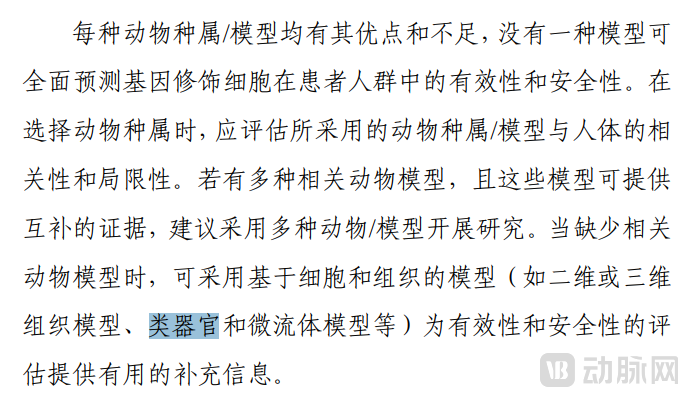
Excerpt from “Technical Guidelines for Non-clinical Research and Evaluation of Gene Therapy Products (Trial)”
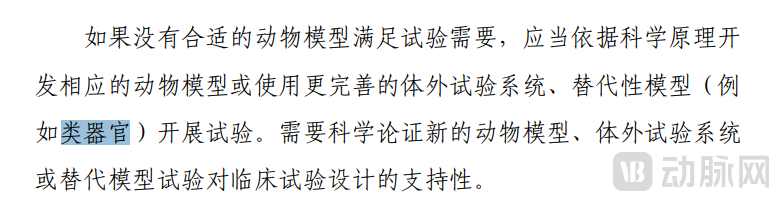
Excerpt from the Technical Guidelines for Non-Clinical Studies of Gene-Modified Cell Therapy Products (Trial)
In the clinical market, the state is promoting the implementation of Laboratory Developed Tests (LDTs) and Independent Clinical Laboratories (ICLs) to facilitate the translation of scientific research achievements into clinical applications. Hospitals may independently develop innovative in vitro diagnostic (IVD) reagents based on clinical needs for in-house use. Notably, hospitals in Shanghai’s Pudong New Area are permitted to pilot LDTs. The Shanghai Municipal Health Commission has implemented policies to encourage LDTs and third-party medical testing laboratories, supporting municipal healthcare institutions in taking the lead in establishing technology transfer offices for research commercialization, and encouraging healthcare institutions to engage third-party service providers for technology transfer services.
Currently, there are three main focal points in the technological development of organoids: organ-on-a-chip, AI-driven high-throughput automation, and organoid biobanks. Engineering solutions based on microfluidics and 3D printing will address existing limitations of organoids, facilitate the transition from R&D to commercial applications, and establish them as standardized tools. AI-driven high-throughput automation can be applied to sample quality control and the standardization of culture and usage processes, thereby improving success rates, optimizing and reducing manual labor time, and facilitating clinical application. Furthermore, the establishment of biobanks enables physiology-related drug screening, promoting the translation of scientific achievements into market applications.
1. Microfluidics, as one of the core technologies in bioengineering, has achieved clinical implementation
Compared with other technologies, microfluidic chips and 3D bioprinting address the current challenges of difficult material shaping, short modeling time, and small sample size, while their larger volume can meet the requirements of drug transport kinetics.
Microfluidic chips offer three technical advantages over traditional animal experiments:
(1) More cost-effective:Organ-on-a-chip systems are more cost-effective than traditional animal testing and, compared to conventional organoid culture assays, enable the measurement of a greater number of parameters using smaller amounts of cells or tissue;
(2) Better simulation of in vivo environments and responses:Capable of controlling cells and specific tissue structures, with the ability to achieve tissue vascularization and perfusion;
(3) Facilitates monitoring of health status and dynamics:Incorporate real-time tissue function sensors, such as microelectrodes or optical microscopy markers (e.g., fluorescent biomarkers).
Microfluidic chips are currently primarily used in research settings and still face technical challenges. The main challenges lie in three areas:
(1) Key Challenges in Integration Technology:Research Field: In China, membranes are widely used in scientific research; however, processing costs remain high. Many academic research institutions are attempting membrane integration, but with limited success. Commercial Field: Most systems rely on water flow and pressure within Petri dishes or Petri dish-like structures. The technical challenges associated with membrane-based structures exceed those of membrane integration and fabrication. Furthermore, integrating Petri dishes as part of a complete system poses significant difficulties.
(2) Low reproducibility:The regulation of drug administration concentration and the final sample collection cannot be well replicated in every experiment, resulting in low cost-effectiveness.
(3) Hardware Barriers:The main gap with foreign counterparts lies in the precision and durability of lithography machines.
2. AI Combined with High-Throughput Automation Empowers Every Stage of Organoid Development
Similar to other sectors, AI’s role in the organoid field is primarily to address automatable manual tasks through more efficient means, facilitating large-scale adoption and clinical application in the future. Current AI research hotspots are largely focused on the organoid culture stage, whereas integrating big data at the application end will unlock more disruptive commercial opportunities. In the future, intelligent solutions that integrate AI, automation technologies, and microfluidic chips into a unified software-hardware system will become the mainstream form of commercialized products.
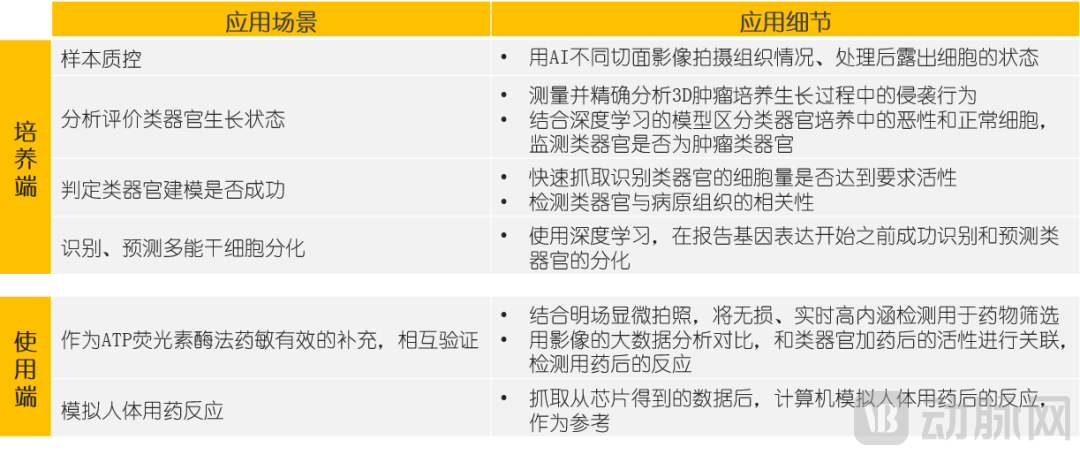 AI Research Hotspots
3. At present, hospitals remain the sole legal source of samples for biobanks, while multiple institutions have already begun establishing their own sample repositories.As the oversight by the Human Genetic Resources Administration Office of the Ministry of Science and Technology continues to strengthen, government involvement and regulation of biobanks will increase in the future.
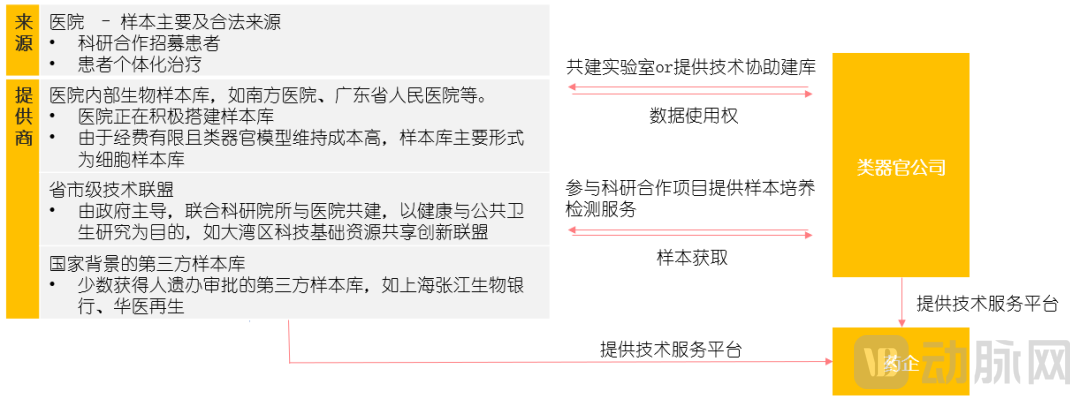
Biobank Industry Chain
The current challenges of Biobank are:
(1). The tissue samples in the biobank are limited; the current number of organoid models and the spectrum of cancers they cover are far less extensive than those of PDX models:
1a. The primary cancers stored are mainstream types: lung cancer, colorectal cancer, gastric cancer, and breast cancer; additionally, pancreatic cancer and head and neck cancer are also well-represented.
1b. Since organoid companies primarily obtain samples by providing drug sensitivity testing, the inventory of normal tissue organoids is very limited.
(2) The high cost of organoid model culture and maintenance, coupled with technological limitations. Organoids exhibit a high failure rate in revival and expansion, and the stability of cryopreservation requires further investigation.
Hubrecht Organoid Technology (HUB), founded by Hans Clevers, a pioneer in the field of organoids, is the earliest R&D center for organoid technology. The licensing of HUB’s technology facilitated the emergence of the first generation of organoid companies. Currently, most organoid companies operate under a collaborative model driven by the tripartite interaction among government, academia, and industry, adopting a hybrid business model that combines product sales with services. Leading companies applying organoids to drug screening must possess pan-cancer culture capabilities and achieve stability suitable for commercial translation. They are required to maintain stringent quality control and standardization systems, while moving toward automation in the instrumentation involved in culture processes and in identification and screening platforms.
In the field of organoids, China has witnessed a substantial surge in research output in recent years, particularly demonstrating strong momentum during 2019–2020. The number of published papers propelled China’s global ranking from sixth place (2009–2019) to second place (2020), trailing only the United States.
As shown in Table 5, the number of companies abroad specializing in organoids is relatively small. Many of these companies originally focused on stem cell-related businesses and later expanded into the organoid sector. Due to the aforementioned barriers, the number of domestic companies conducting tumor drug screening using organoids is also limited. However, those that have successfully secured financing (such as Ketu and Chuangxin) possess the capability to independently develop innovative organoid consumables. They hold proprietary know-how across all stages of organoid culture, and their progress in industrialization shows no significant lag compared to their international counterparts.
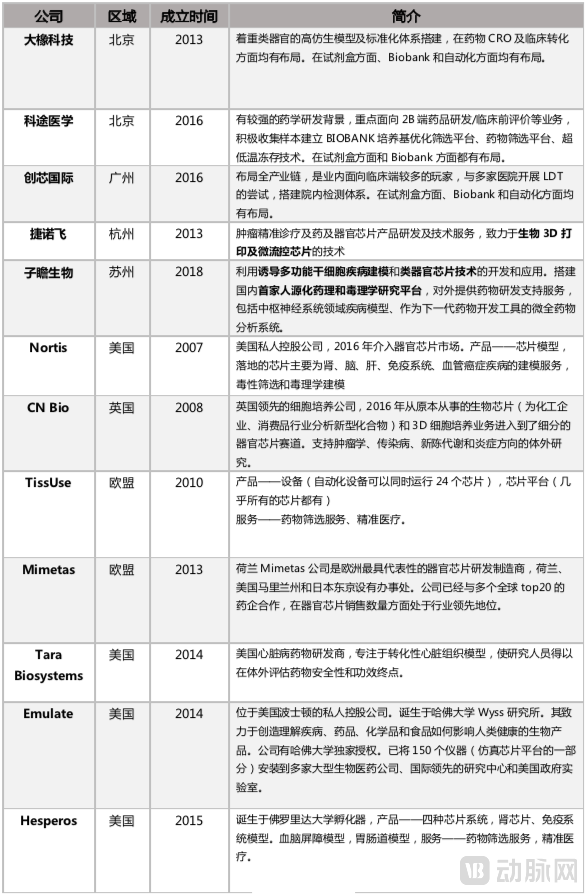
Organoid Companies in China and Abroad (Table 5)
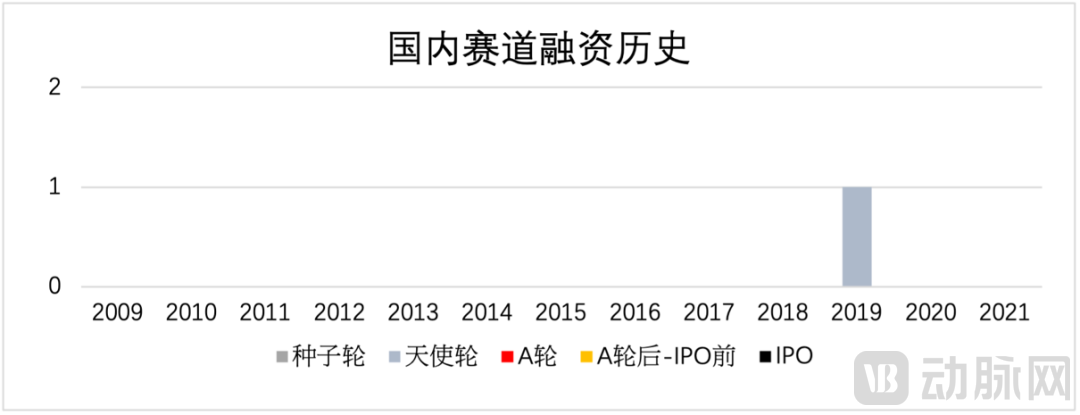
Financing History of the Domestic Sector
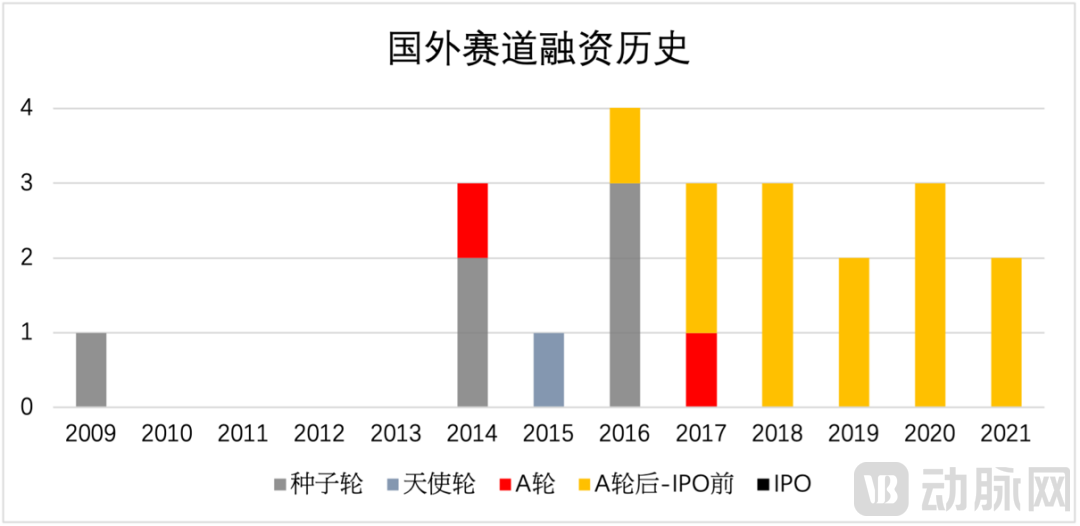
Overseas Sector Financing History
From the perspective of investment and financing frequency and amounts, the organoid industry as a whole remains in its early stages, with no centralized industrial cluster yet formed in China. Competition is just beginning; companies that possess core technological advantages and complete production chains, and that enter the market early, will enjoy first-mover advantages.
Another opportunity lies in the fact that well-established standards have not yet been developed within the industry, either domestically or internationally. Therefore, Chinese organoid companies and research institutions can actively participate in standardizing organoid technology and establishing application guidelines, thereby securing a leading position and greater influence in the industry in the future.[11]。
1. Vascular Organoids Generated from 3D-Printed Microfluidic Chips
In a paper published in Lab on a Chip on April 12, 2022, Idris Salmon and colleagues from the Bioengineering and Morphogenesis Laboratory of the Biomechanics Section, Department of Mechanical Engineering, KU Leuven, developed a method based on human pluripotent stem cells to generate organoids that interact with vascular cells in a spatially defined manner. This 3D printing-based platform is designed to be compatible with any organoid system, opening new avenues for understanding and manipulating the co-development of tissue-specific organoids and the vasculature.[8] 。
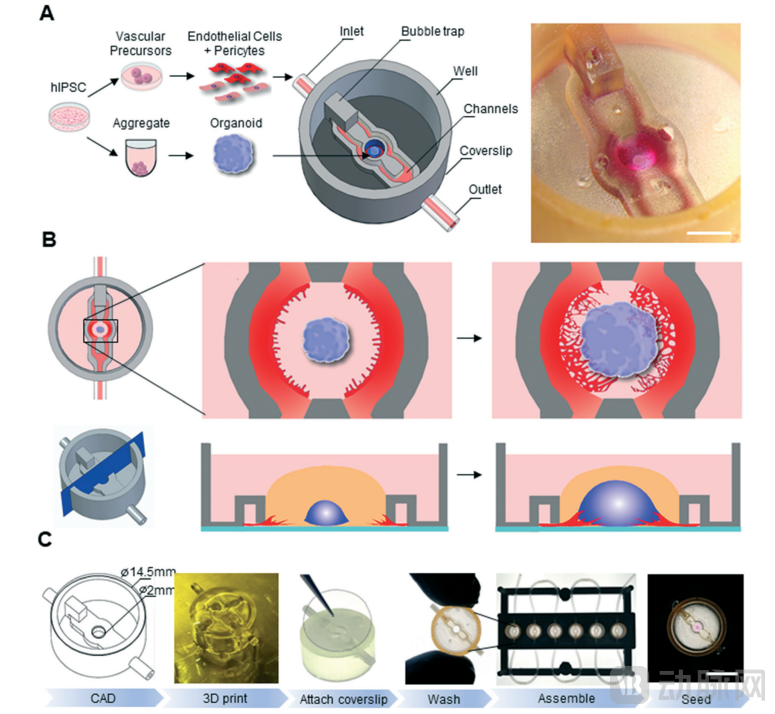
3D-Printed Microfluidic Platform for On-Chip Vascularized Organoid Cultures
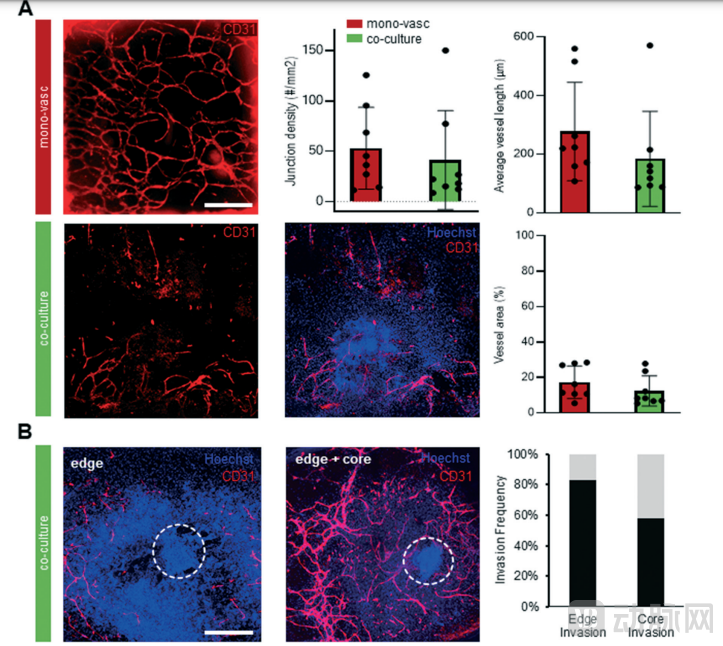
Characterization of Vascular Networks and Organoid Invasion in 3D-Printed Microfluidic Chips
2. In Vitro β-Cell Organoids Hold Promise for Novel Approaches to Islet Regeneration
In a paper published in Nature Protocols on April 8, Jingqiang Wang and colleagues isolated islet progenitor cells from adult mice, enabling the efficient generation and long-term expansion of functional islet organoids in vitro. The team achieved functional maturation of the islet organoids by extending the culture period and applying cyclic glucose stimulation. The resulting organoids were predominantly composed of β-cells, with small populations of α-, δ-, and pancreatic polypeptide cells. This approach provides a strategy for generating β-cells in vitro and offers an organoid model for studying islet regeneration and related diseases.[9]。
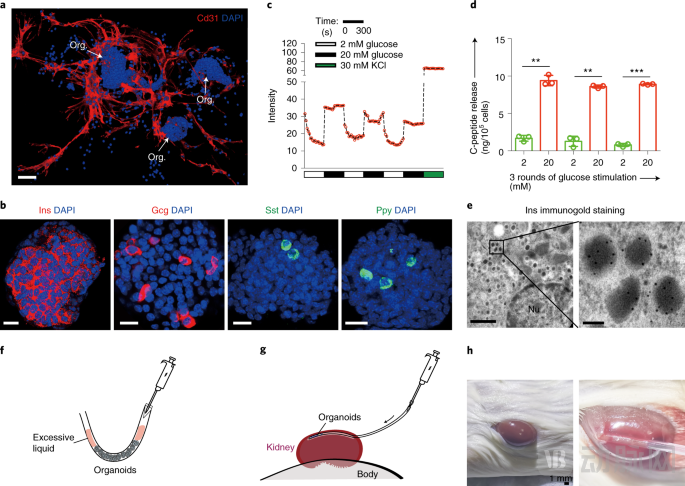
Characterization of In Vitro Islet Organoids and In Vivo Organoid Cells
3. Brain Organoids Reveal High-Risk Gene Mutations in Autism and Their Consequences
On April 5, 2022, the Institute of Science and Technology Austria (ISTA) identified mutations in high-risk autism genes and elucidated how these mutations disrupt critical brain developmental processes, leveraging miniature brain models to enhance our understanding of autism. Distinct from previous mouse-model studies, this research achieved significant breakthroughs using brain organoids. The findings indicate that CHD8 mutations disrupt the balance of neuronal production, leading to impaired brain development in patients.[10]。
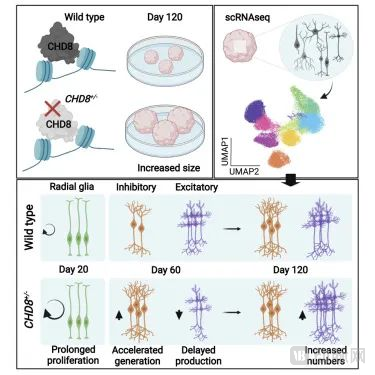
Control Experiment: Overgrowth of Mutant Organoids
The key technical bottleneck currently facing organoids is the inability to achieve synchronized growth in both volume and function. Addressing this challenge first requires resolving major underlying issues, including culture methods, vascularization, and quantitative research.
1. Vascularization.Currently, most organoids lack intrinsic vascularized structures. Consequently, as organoids increase in volume, they are constrained by hypoxia and the accumulation of metabolic waste, which can lead to tissue necrosis. Recent studies have constructed tumor organoids within a vascular endothelial cell microenvironment by co-culturing tumor cells and vascular endothelial cells on Matrigel to generate vascular structures, aiming to address the lack of vascularization in organoids.
2. Immunization.Challenges beyond vascularization also include simulating the interplay between tumors and the immune microenvironment. In 2019, Nature Protocols published a protocol for the co-culture of tumor organoids and immune cells, which can reflect and simulate certain features of the tumor microenvironment.[6] . Taking epithelial organoid and immune cell co-culture models as an example, the interaction between organoids and immune cells can be reshaped by methods such as adding activated immune cells to the culture medium, co-culturing with immune cells after digesting tissues into single-cell suspensions, and incorporating recombinant cytokines from the extracellular matrix (ECM).
3. Systematization.Compared with single organoids, the construction of organoid systems enables a more comprehensive and holistic evaluation of drug efficacy and potential toxicity. Currently, organoids can only assess the inhibitory effects of drugs on tumors, but cannot predict other side effects or safety risks in other organs and tissues. To address this issue, Skardal et al. constructed an organoid system comprising heart, lung, and liver organoids integrated into a closed circulatory system in 2017, aiming to comprehensively reveal drug toxicity and efficacy across different organs.[7]。
From the perspective of clinical application, it is difficult for organoids to perfectly replicate all functions of the primary tumor. Tumor tissue in the human body is a highly heterogeneous and complex entity; however, for key indicators used to predict drug sensitivity (such as cell inhibition rate), organoids only need to achieve a certain level of complexity to provide reliable results.
In terms of vascularization, if organoids are cultured for approximately two months without adequate nutrient supply, they will exhibit significant differences from in vivo organs. However, for drug screening purposes, it is sufficient for the organoids to grow into cellular spheroids in a suitable environment.
For example, if the focus of a drug study is to cross the blood-brain barrier, then the key aspect of brain organoid construction is to have a complete blood-brain barrier structure, while other features (such as the interaction between cells and surrounding blood vessels) may not be prioritized.
Vascularization, immune co-culture, and systematic implementation can further enhance the accuracy of clinical predictions using organoids. However, given key application factors such as turnaround time and cost, it is currently not feasible to incorporate all these conditions simultaneously. In the future, if these features can be achieved with controllable costs and timelines, organoid-based drug screening will be able to provide more accurate results.
References:
1. Sato, T., Vries, R. G., Snippert, H. J., van de Wetering, M., Barker, N., Stange, D. E., van Es, J. H., Abo, A., Kujala, P., Peters, P. J., & Clevers, H. (2009). Single LGR5 stem cells build crypt-villus structures in vitro without a mesenchymal niche. Nature, 459(7244), 262–265. https://doi.org/10.1038/nature07935
2. Regnard, G., & Hamers, S. (2020, May 28). Organoids: Definition, culturing methods, and clinical applications. CytoSMART. Retrieved May 7, 2022, from https://cytosmart.com/resources/organoids
3. World Health Organization. (2020, January 1). Cancer China 2020 country profile. World Health Organization. Retrieved April 18, 2022, from https://www.who.int/publications/m/item/cancer-chn-2020
4. Li, M., & Izpisua Belmonte, J. C. (2019). Organoids — preclinical models of human disease. New England Journal of Medicine, 380(6), 569–579. https://doi.org/10.1056/nejmra1806175
5. Vlachogiannis, G., Hedayat, S., Vatsiou, A., Jamin, Y., Fernández-Mateos, J., Khan, K., Lampis, A., Eason, K., Huntingford, I., Burke, R., Rata, M., Koh, D.-M., Tunariu, N., Collins, D., Hulkki-Wilson, S., Ragulan, C., Spiteri, I., Moorcraft, S. Y., Chau, I., … Valeri, N. (2018). Patient-derived organoids model treatment response of metastatic gastrointestinal cancers. Science, 359(6378), 920–926. https://doi.org/10.1126/science.aao2774
6. Cattaneo, C. M., Dijkstra, K. K., Fanchi, L. F., Kelderman, S., Kaing, S., van Rooij, N., van den Brink, S., Schumacher, T. N., & Voest, E. E. (2019, December 18). Tumor organoid–T-cell coculture systems. Nature News. Retrieved April 19, 2022, from https://www.nature.com/articles/s41596-019-0232-9/
7. Skardal, A., Murphy, S. V., Devarasetty, M., Mead, I., Kang, H.-W., Seol, Y.-J., Shrike Zhang, Y., Shin, S.-R., Zhao, L., Aleman, J., Hall, A. R., Shupe, T. D., Kleensang, A., Dokmeci, M. R., Jin Lee, S., Jackson, J. D., Yoo, J. J., Hartung, T., Khademhosseini, A., … Atala, A. (2017). Multi-tissue interactions in an integrated three-tissue organ-on-a-chip platform. Scientific Reports, 7(1). https://doi.org/10.1038/s41598-017-08879-x
8. Salmon, I., Grebenyuk, S., Abdel Fattah, A. R., Rustandi, G., Pilkington, T., Verfaillie, C., & Ranga, A. (2022). Engineering neurovascular organoids with 3D printed microfluidic chips. Lab on a Chip, 22(8), 1615–1629. https://doi.org/10.1039/d1lc00535a
9. Wang, J., Wang, D., Chen, X., Yuan, S., Bai, L., Liu, C., & Zeng, Y. A. (2022). Isolation of mouse pancreatic islet procr+ progenitors and long-term expansion of islet organoids in vitro. Nature Protocols. https://doi.org/10.1038/s41596-022-00683-w
10. Villa, C. E., Cheroni, C., Dotter, C. P., López-Tóbon, A., Oliveira, B., Sacco, R., Yahya, A. Ç., Morandell, J., Gabriele, M., Tavakoli, M. R., Lyudchik, J., Sommer, C., Gabitto, M., Danzl, J. G., Testa, G., & Novarino, G. (2022). CHD8 haploinsufficiency links autism to transient alterations in excitatory and inhibitory trajectories. Cell Reports, 39(1), 110615. https://doi.org/10.1016/j.celrep.2022.110615
11. Stem Cell Talk. (2021, April 14). Tumor Organoids: Surrogate Drug Testing with a Promising Future. China Healthcare. Retrieved April 19, 2022, from http://med.china.com.cn/content/pid/251936/tid/1026