

Panovision's Innovative Dual-Mode Intravascular Imaging System and Catheter Receives NMPA Approval
On May 18, 2022, the intravascular imaging system and disposable intravascular imaging catheter independently developed by Panovision (hereinafter referred to as the “dual-mode intravascular imaging diagnostic system and catheter”) received registration certification from the National Medical Products Administration (NMPA), marking it as the first dual-mode intravascular imaging diagnostic system and catheter in China.
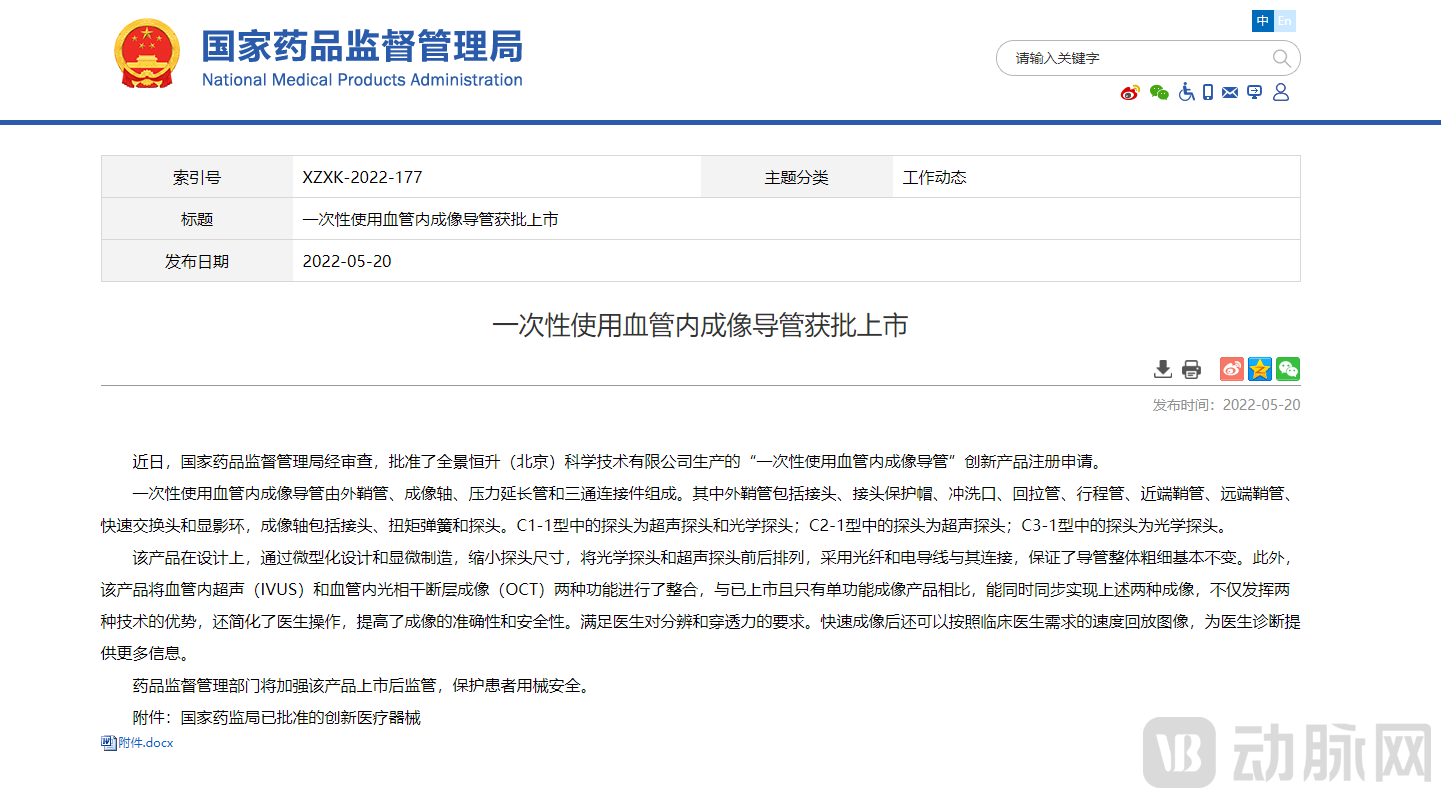
NMPA Screenshot
The intravascular imaging system and catheters that have received registration certification were jointly developed by Panovision and Professor Yu Bo’s team from the Second Affiliated Hospital of Harbin Medical University. This next-generation intravascular imaging system and catheter integrate existing IVUS and OCT technologies. Featuring an intelligent algorithm platform, breakthrough probe fusion technology, and superior image quality, the product offers a range of multimodal imaging methods and clinical diagnostic imaging solutions. It is designed to help operators comprehensively and accurately acquire intravascular ultrasound (IVUS) and optical coherence tomography (OCT) information, thereby facilitating precision medicine.

The Panovision S1 is configured with an all-in-one workstation, powered by a multi-core intelligent engine platform that delivers fast operating speeds and stable performance. It is equipped with a 21.5-inch color LCD flat-panel monitor specifically designed for medical imaging, with a resolution of ≥1920×1080, ensuring exceptional clarity for every frame of imagery.
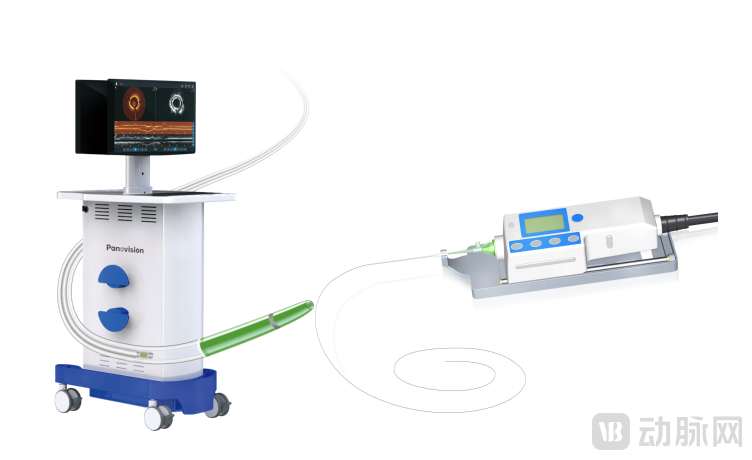
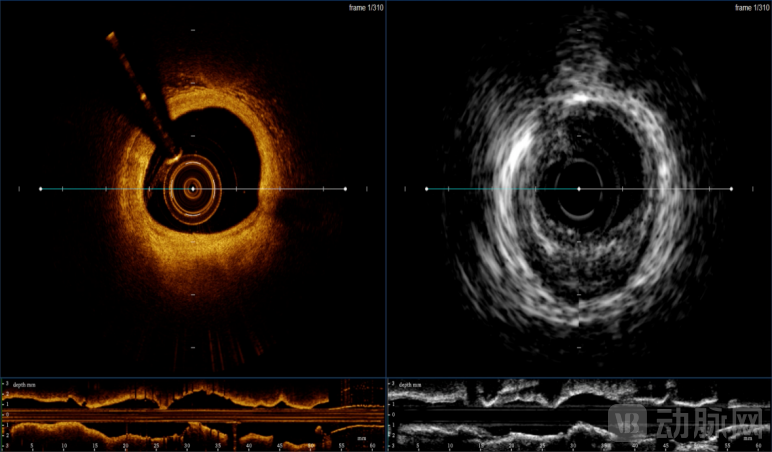
The S1 is equipped with manual and automatic measurement of lumen area, diameter, and length, and provides intelligent stent and lumen-assisted detection functions to aid in the analysis of stent malapposition. Its professionally designed, intuitive software interface enables seamless one-click switching between various functions for a smooth user experience. It features three imaging modes: physicians can choose IVUS or OCT dual-mode horizontal views or overlapping fusion views, as well as single-mode imaging. Furthermore, 3D vascular reconstruction with volume rendering technology offers a 360-degree panoramic view with multi-angle rotation and stretching capabilities, allowing clinicians to observe lesions from multiple dimensions.
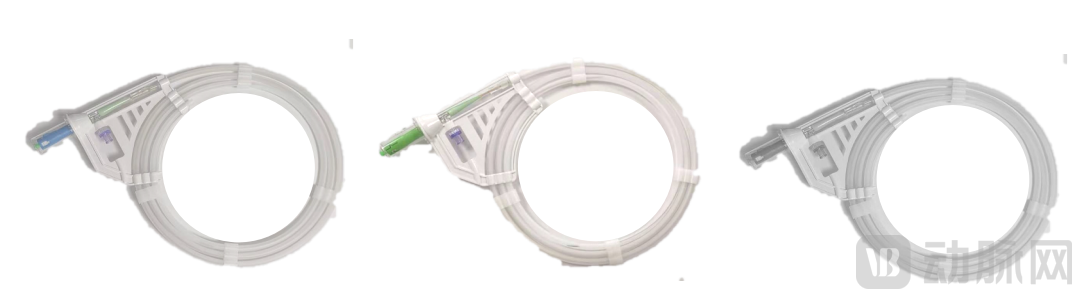
The approved product is equipped with three types of imaging catheters (C1-1 dual-mode catheter, C2-1 IVUS catheter, and C3-1 OCT catheter). Multiple imaging frame rates and pullback speeds allow for real-time adjustment by physicians during clinical procedures; the imaging frame rate ranges from 20 to 200 frames per second, and the pullback speed ranges from 1 mm/s to 40 mm/s. The maximum pullback distance of 150 mm ensures adequate longitudinal measurement capabilities.
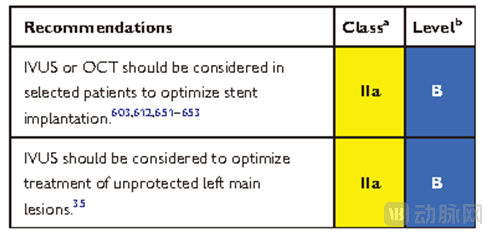
In the field of coronary intervention, intravascular imaging and physiological assessment are important means to optimize percutaneous coronary intervention (PCI). As early as in the 2018 European Society of Cardiology (ESC) guidelines, recommendations were given that IVUS or OCT can be used to optimize stent implantation in suitable patients (Class IIa, Level B), and it is also recommended to use IVUS for optimized treatment in patients with left main lesions (Class IIa, Level B) (1).
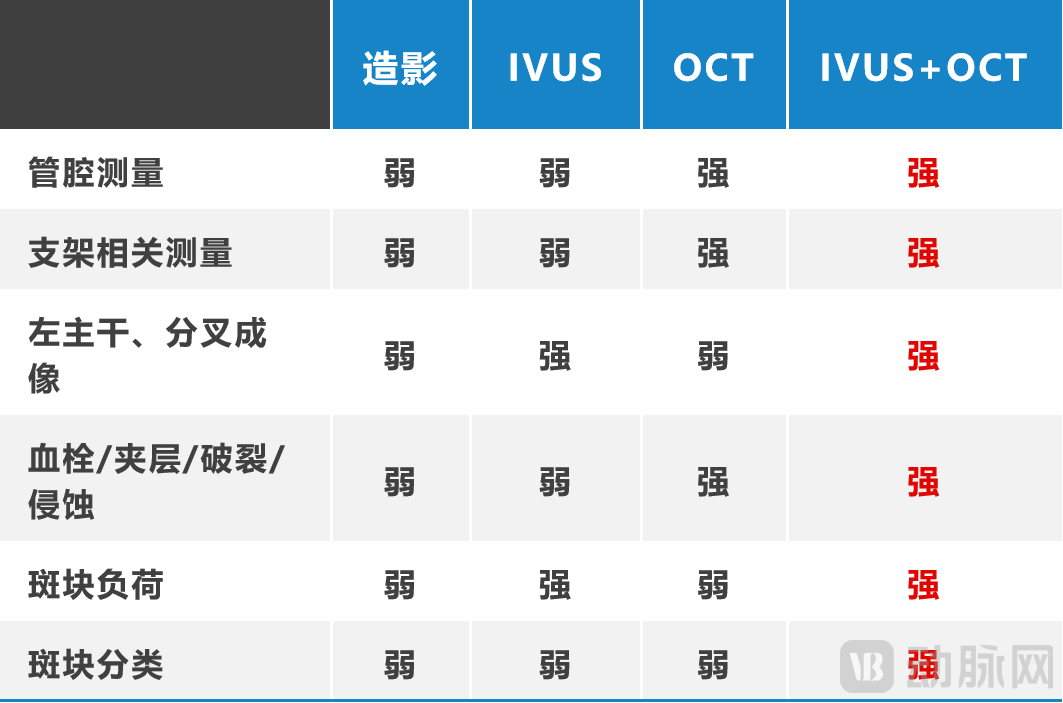
As the two primary intravascular imaging modalities in coronary intervention, both techniques have become indispensable adjuncts for interventional cardiologists. Each possesses distinct advantages and limitations: Optical Coherence Tomography (OCT) offers higher resolution, enabling superior analysis of plaque composition, but is limited by its shallow penetration depth; Intravascular Ultrasound (IVUS) provides greater penetration for deeper imaging, albeit with lower spatial resolution.
It is precisely for this reason that integrating the two enables physicians to comprehensively and accurately acquire luminal information, thereby facilitating precise, high-quality percutaneous coronary intervention (PCI).
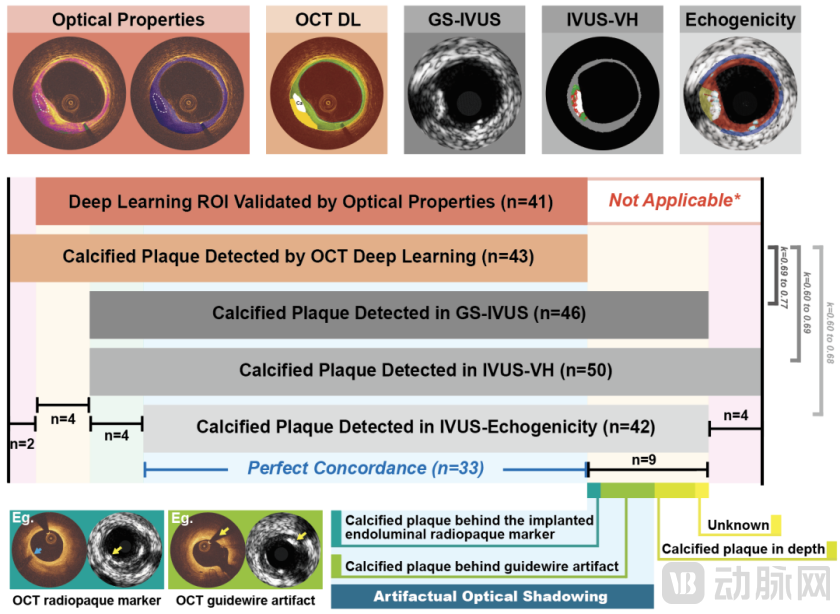
A recent study presented at the TCTAP conference also indicated that the comprehensive assessment provided by OCT and IVUS suggests the potential diagnostic value of combined IVUS-OCT catheters (2).
Panovision is a high-end medical device company dedicated to innovation, boasting a comprehensive product portfolio and an integrated therapeutic-diagnostic model. With a full-scale layout in the treatment of cardiovascular diseases, Panovision provides physicians with complete clinical solutions to facilitate precision medicine.
In the future, the Panorama Hengsheng S1 system and C-series catheters will provide operators with more precise intravascular imaging, facilitating efficient pre-, intra-, and post-procedural assessments for PCI. This advancement marks a true entry into the era of precision medicine, bringing significant benefits to patients worldwide.
References:
1. Neumann FJ, Sousa-Uva M, Ahlsson A, et al. 2018 ESC/EACTS Guidelines on myocardial revascularization. European heart journal 2019, 40(2): 87-165.
2. Jiayue Huang,Kai Ninomiya,Shengxian Tu,etal.CALCIFIED PLAQUE DETECTED ON OPTICAL COHERENCE TOMOGRAPHY WITH DEEP LEARNING AND CROSS-VALIDATED WITH OPTICAL AND ULTRASONIC SIGNALS: A COMPLEMENTARY APPRAISAL AND PREAMBLE TO THE USE OF COMBINED IVUS-OCT CATHETER.TCTAP A-050