

Akso Files IPO Prospectus: How Its Integrated Quality Management System Drives Efficiency and Compliance for Leading Chinese Pharma Companies
Akso
Researcher on Intelligent Quality Management Platform for Pharmaceuticals
Intelligent Quality Management Platform for Pharmaceuticals—The Origin of Akso Is Linked to the Founding Team’s Experience in Digital Transformation.
Ran Jun, Founding Partner and General Manager, told VCBeat: “A few years ago, the pharmaceutical company where one of Akso’s founders was employed underwent digital transformation and needed to procure an integrated platform that combined a GMP document management system, a training management system, and a quality management system. Unexpectedly, after evaluating numerous vendors both domestically and internationally, they failed to find a product that met their expectations.”
Among overseas vendors of digital quality management platforms, traditional players primarily offer on-premise solutions such as Trackwise and Documentum. In contrast, next-generation provider Veeva adopts an advanced public cloud SaaS deployment model, delivering an integrated quality management platform that overcomes the lengthy implementation cycles, high deployment costs, and poor user friendliness associated with legacy systems. Since its launch, it has gained favor among numerous top global pharmaceutical companies. However, its pricing is prohibitively high, with annual subscription fees often reaching millions or even tens of millions of yuan. Furthermore, with databases hosted overseas, the system suffers from slow response times and poses certain data security risks.
In simple terms,Constrained by factors such as the high cost of overseas products, slow response times, operational and maintenance risks, and data security concerns, domestic pharmaceutical companies are seeking advanced, cost-effective, domestically produced solutions.
Most domestic companies currently offering quality management systems are founded by teams with IT backgrounds. They lack a deep understanding of pharmaceutical GMP quality management scenarios, struggle to meet customers’ actual needs, and pose compliance risks. “It’s like selling agricultural machinery: if the manufacturer has no agricultural knowledge and doesn’t know how to farm, the machines they produce are likely to be ineffective,” explained Manager Ran.
In response to the urgent market demand for a compliant, cost-effective, and advanced next-generation digital quality management platform, Akso has assembled a team of top-tier AI, GMP, and CSV (Computer System Validation) experts. This team, possessing both business acumen and IT expertise, collaboratively developed Akso eGMP to align with the real-world needs of pharmaceutical enterprises. Leveraging the team’s extensive experience in IT and AI, along with their profound insights into quality management operations within the pharmaceutical industry, the Akso eGMP integrated quality management system has secured partnerships with several renowned domestic pharmaceutical companies—including Tasly Shengte, Xinhua Pharmaceutical, and Haimoni—within just one year of its launch.
Early-stage quality management ensured quality through inspection, constituting a reactive, post-event control approach. The second stage advanced quality management to the production process, requiring strict adherence to manufacturing processes and work instructions at every link. The third stage advocated that “quality is designed in,” enhancing product process robustness and quality levels from the design phase. The fourth stage leverages next-generation innovative technologies such as big data, AI, and cloud computing to further improve the compliance and efficiency of quality management.
Driven by different quality philosophies, pharmaceutical companies have varying demands for quality management solutions. Ran Jun stated, “Under the new conceptual framework, pharmaceutical companies’ demand for digital quality management systems focuses primarily on compliance, advanced capabilities, and configurability.”
First isComplianceThe pharmaceutical industry is closely linked to human health and subject to stringent compliance requirements. Even seemingly simple electronic signatures are governed by a comprehensive set of strict domestic and international pharmaceutical regulatory standards. Therefore, vendors must be well-versed in global pharmaceutical regulations, ensure compliance throughout product design and development, and possess the capability to analyze data, provide automated alerts, and proactively identify quality management risks.
Secondly,Product AdvancementsandConfigurabilityPharmaceutical clients have differentiated needs. According to the definition in GAMP 5, custom-developed solutions fall under Category 5 software, which carries significant regulatory compliance risks during official inspections; traditional software vendors often struggle to ensure the compliance of such custom-developed systems. In contrast, highly configurable Category 4 software products can meet client requirements through a modular, “building-block” approach. This not only reduces validation and maintenance costs for clients but also mitigates compliance risks. In fact, developing configurable Category 4 software demands higher technical capabilities and greater R&D investment than building custom Category 5 systems. Akso has remained committed to the pharmaceutical quality management sector over the long term, dedicating substantial resources to research and development to achieve a high degree of product configurability.
In terms of compliance, Akso holds ISO 27001 certification for its Information Security Management System and ISO 9001 certification for its Quality Management System, ensuring dual compliance in information security and quality management while meeting global regulatory requirements.
Akso's eGMP Quality Management Integrated System is based onNew-Generation SaaS Model, highly scalable, with a short deployment cycle, flexible configuration, and a low learning curve, enabling out-of-the-box usability. Meanwhile, the platform integrates a GMP document management system, a training management system, and a quality management system, achievingIntegrated Interconnectivity, break down information silos, effectively help pharmaceutical companies optimize quality processes, ensure compliance, and improve the efficiency of quality management.
Currently, the Akso eGMP QMS (Quality Management System), Akso eGMP DMS (Document Management System), and Akso eGMP TMS (Training Management System) have been successively launched, officially forming the Akso eGMP Integrated Quality Management System Suite.
After the product launch, it quickly attractedTasly Shengte, Xinhua Pharmaceutical, Haimoni...and other leading domestic pharmaceutical companies. These companies had typically spent one to two years evaluating multiple vendors or had brief collaborations with overseas manufacturers, yet failed to find satisfactory products. Upon learning about Akso’s eGMP Quality Management System, they rapidly advanced their collaboration.
Data shows that,Since the launch of Akso's eGMP quality management system, Tasly Shengte has seen a significant improvement in quality affairs efficiency, with an 86% increase.
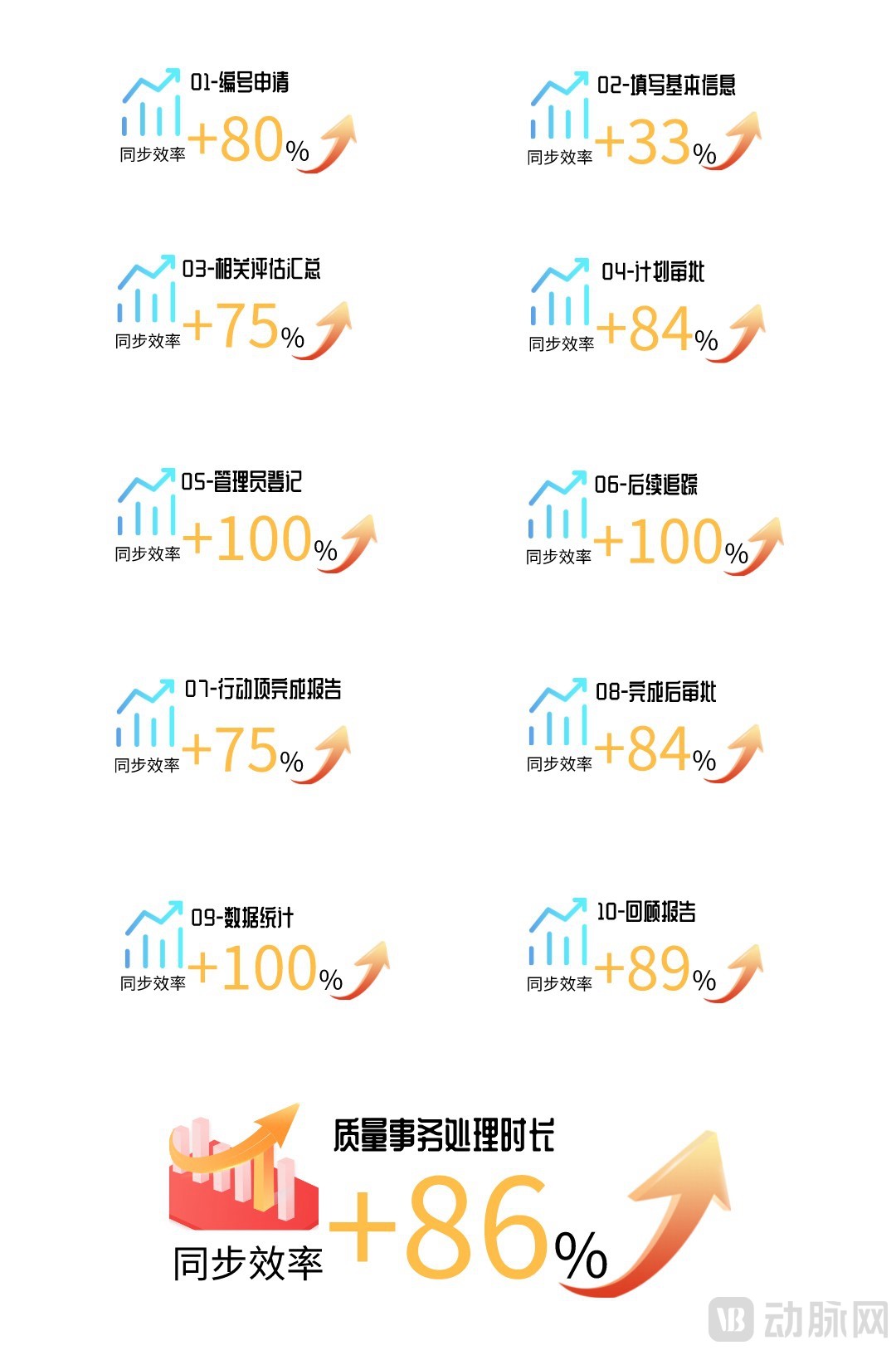
In September 2021, Tasly Shengte further collaborated with Akso to introduce an upgraded quality management system, along with document management and training management systems, successfully achieving integrated operation of the eGMP platform and completing the digital transformation of quality management.
In China, the digital economy has been elevated to a national strategic priority, with calls for the deep integration of digital technologies—such as the internet, big data, and artificial intelligence—with the real economy, so as to develop the digital economy and build a Digital China.
Specifically in the pharmaceutical sector, digitalization is rapidly penetrating every stage of drug research and development, manufacturing, and sales.Amid the backdrop of new infrastructure, smart factories, Industry 4.0, and Made in China 2025, digital transformation in the pharmaceutical industry is imperative.Currently, digital drug R&D, digital quality management, digital marketing, and digital supply chain are all hot niche sectors.
Although digitalization in the pharmaceutical industry has garnered significant attention and pharmaceutical companies are increasing their investments, the overall progress of pharmaceutical digitalization in China remains slow, with many processes still relying on manual and paper-based methods. This is particularly evident in quality management.Surveys show that over 90% of domestic pharmaceutical companies have not yet implemented quality management systems.
“It is certain that, judging from the regulatory trends of pharmaceutical authorities and the practices of industry leaders, the trend toward digital quality management is unstoppable. The scenario of rooms piled high with paper documents will soon disappear; enterprises that initiate the digital upgrade of quality management from offline to online earlier will gain a competitive advantage,” said Ran Jun.
Numerous large pharmaceutical companies have already incorporated the digital transformation of quality management into their strategic plans, and demand for digital quality management systems is poised to surge. Akso will continue to iterate its solutions and craft them with meticulous care, enabling Chinese pharmaceutical enterprises to adopt world-class digital quality management systems.