

Xiangya Hospital Psychiatric Specialty Alliance Launches to Advance Digital Mental Health and Industrial Upgrading
On May 21, 2022, byHosted by Xiangya Hospital of Central South University, organized by VCBeatThe “Inaugural Meeting of the Mental Health Specialty Alliance of Xiangya Hospital of Central South University and the First Forum on Medical Artificial Intelligence and Digital Healthcare Innovation” concluded successfully in Changsha, Hunan. Zhao Yang Doctor, Peking University Medical Brain Health, Shuyao Intelligence, Zheng’an Health, Xinjing Technology, Nuoer Medical, WeDoctor, Wangli Technology, and Yanghe Jingxiang provided pro bono support for the conference. Invited media outlets, including Hunan Satellite TV, Hunan Economic TV, Hunan International Channel, Science and Technology Daily, Changsha Evening News, and Hunan Daily, were also present at the event.

According to relevant statistical data, the overall prevalence of various mental and psychological disorders in China is 17.5%, affecting up to 250 million people. In general hospitals and various primary healthcare institutions, 25%–40% of patients with somatic diseases have psychological issues or comorbid psychological disorders. However, there is a severe shortage of psychiatrists in primary care hospitals across China, and many hospitals lack relevant departments altogether. Consequently, the majority of patients with psychosomatic disorders do not receive timely and effective diagnosis, treatment, or psychological intervention. Furthermore, the latest publicly available data show that there are only 1,650 specialized mental health institutions in China, and 80% of general hospitals do not have psychiatric departments, even though the number of outpatient visits for depression is increasing by at least 20% annually.
To address the current challenges in the field of mental health and psychology in China, and to implement the spirit of relevant documents such as the "Administrative Measures for Medical Consortia (Trial)" (Guo Wei Yi Fa [2020] No. 13) jointly issued by the National Health Commission and the National Administration of Traditional Chinese Medicine, as well as to practice the central government's requirements for public hospital reform, the Mental Health Center of Xiangya Hospital, Central South University, initiated the establishment of the "Xiangya Hospital, Central South University Medical Consortium Psychological Specialty Alliance." Within just one month, the alliance attracted more than 70 hospitals from both within and outside Hunan Province to join. The alliance was officially established on the day of the event, during which partnership plaques and appointment certificates were awarded.
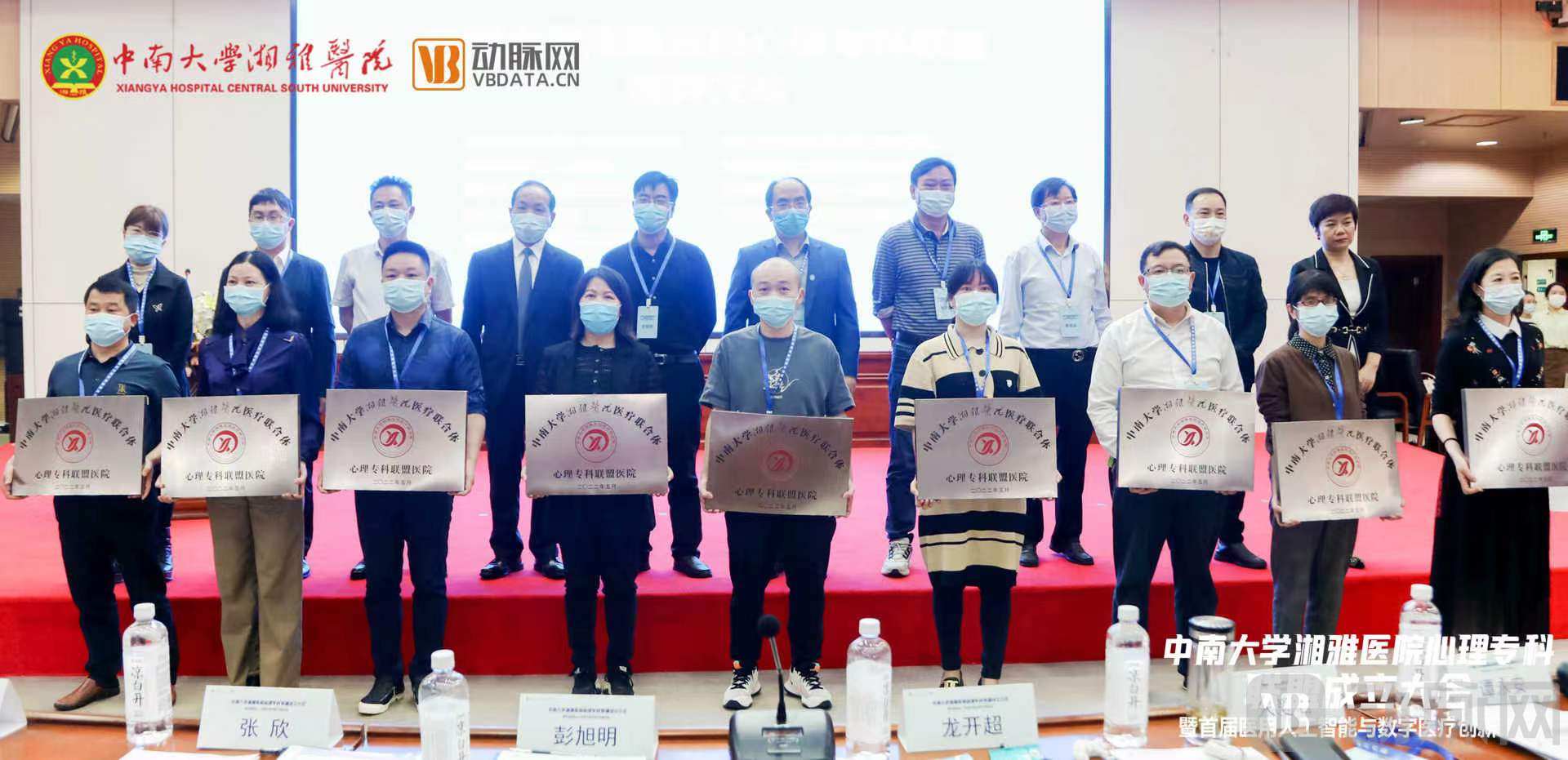
During the conference, leaders and experts including Long Kaichao, Deputy Director of the Hunan Provincial Health Commission; Peng Xuming, Deputy Director of the Hunan Provincial Medical Products Administration; Yuan Yonggui, Chairman of the Psychosomatic Medicine Branch of the Chinese Medical Association; and Zhang Xin, Party Secretary of Xiangya Hospital of Central South University, attended and delivered opening addresses. Qian Zhaoxin, Vice President of Xiangya Hospital of Central South University, and Hao Wei, Advisor to the Xiangya Hospital Psychology Specialty Alliance, served as invited moderators for the conference, jointly witnessing the inauguration of a new chapter for the Psychology Specialty Alliance.
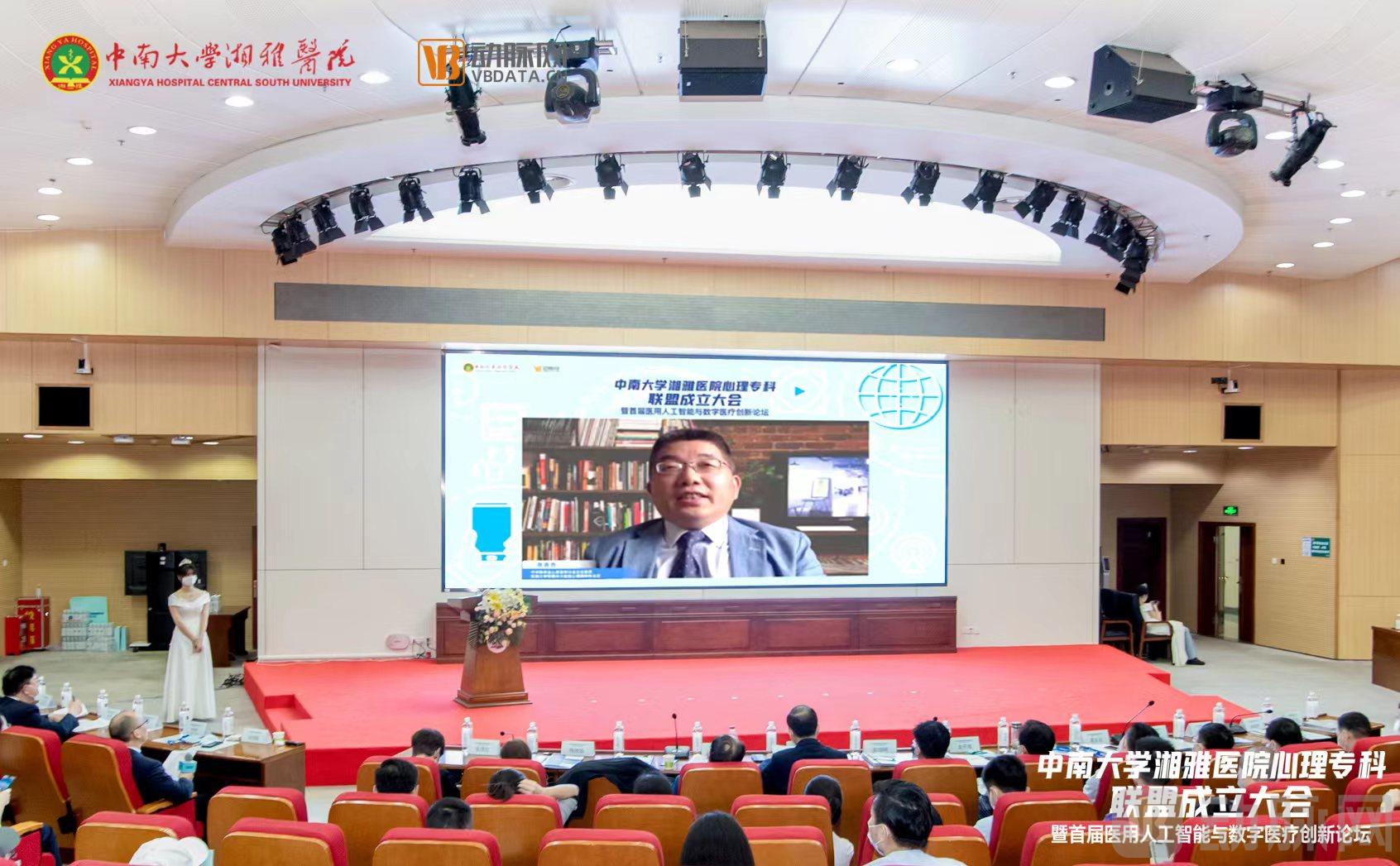
Yuan Yonggui, Chairman of the Psychosomatic Medicine Branch of the Chinese Medical Association, Director and Professor of the Department of Psychology and Psychiatry at Zhongda Hospital Affiliated to Southeast UniversityStated at the meeting: “As of today, the pandemic has entered its third year. In the face of prolonged and recurrent outbreaks, particularly under conditions of widespread community lockdowns and extended home quarantine, people are engaged not only in an epidemic containment battle against the virus but also in a psychological defense struggle against adverse emotional states.”
In this context, it is essential to explore fields related to the development of human brain intelligence and potential, leveraging digital auxiliary tools to enhance treatment efficiency and coverage. Developing artificial intelligence (AI)-driven digital psychotherapy represents a critical step toward smart healthcare, facilitating the precise diagnosis, treatment, rehabilitation, and prevention of brain diseases and mental psychological disorders.
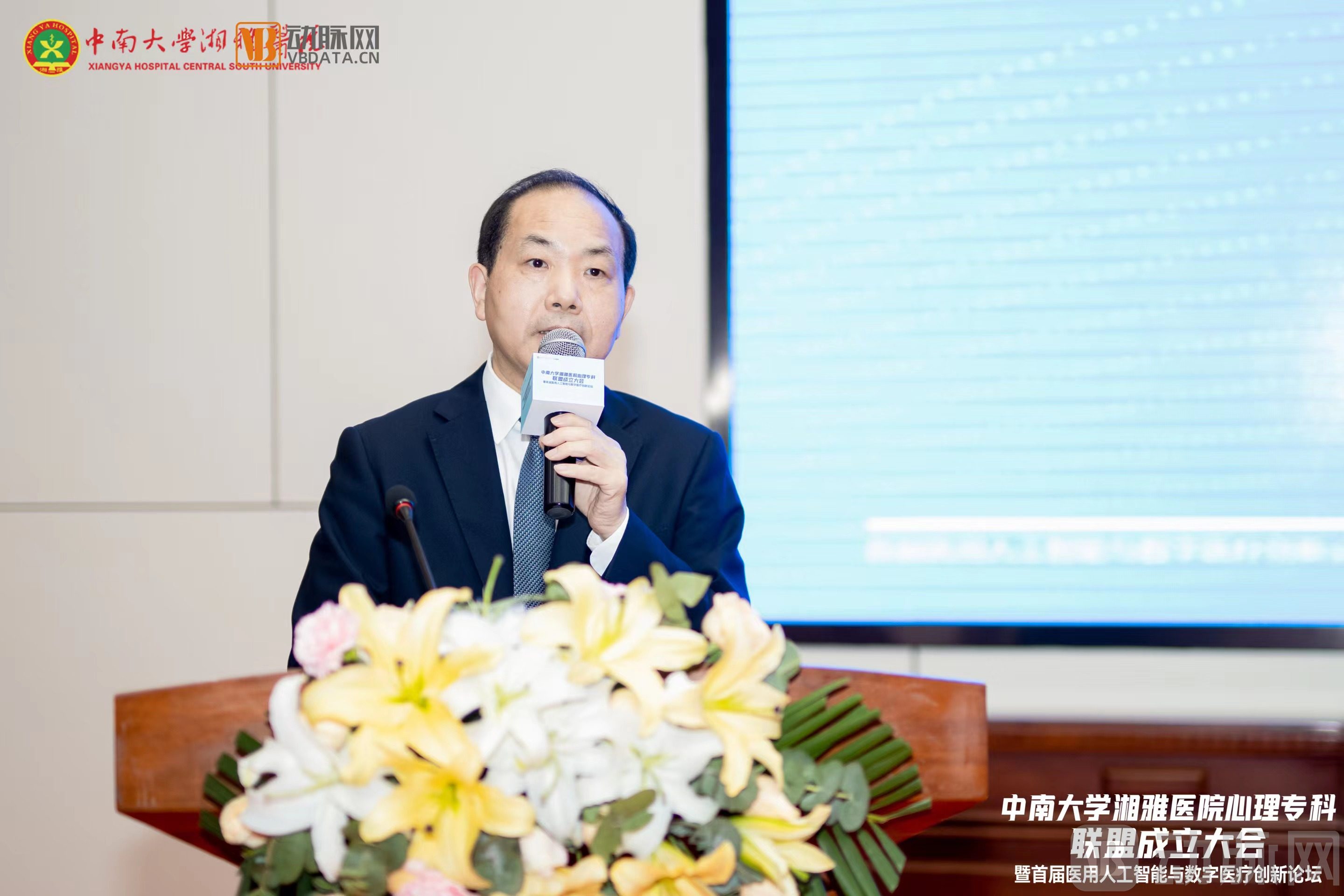
Zhang Xin, Party Secretary of Xiangya Hospital, Central South UniversityHe stated, “With our collective efforts, the establishment of the Alliance will undoubtedly further strengthen academic exchange and collaboration among members, achieve homogenization of clinical medical research and diagnostic and therapeutic techniques within the Alliance, and further advance clinical research, collaborative innovation, talent development, translation of scientific achievements, and promotion and application of technologies for mental and psychological disorders across regions within the Alliance, thereby contributing our due share to the building of a ‘Healthy China.’”
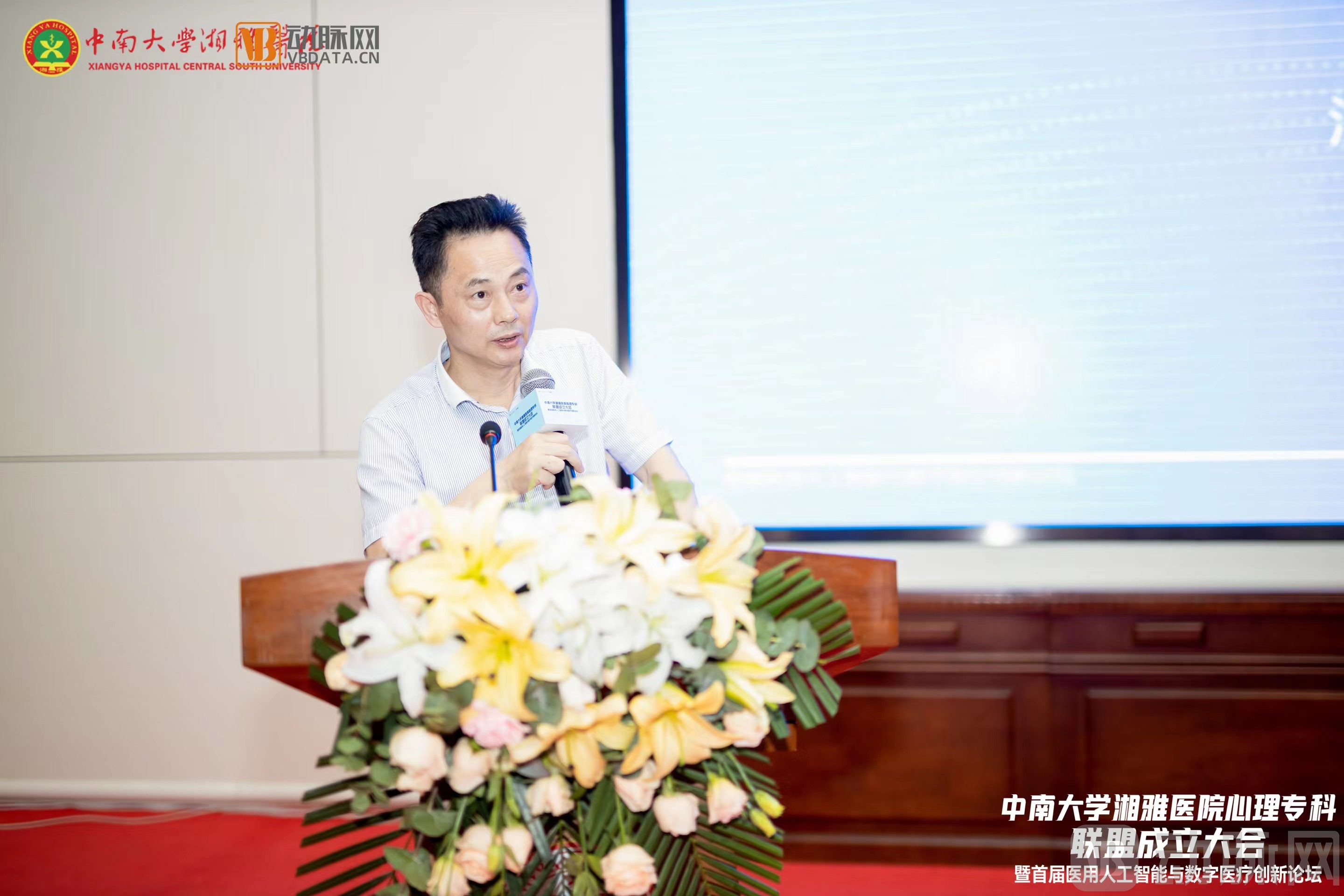
Zhu Aijun, Social Development Division, Hunan Provincial Department of Science and TechnologyWe believe that the most important aspect of people’s aspiration for a better life is a healthy physique. Judging by current trends, we need not only physical health but also integrated mind-body wellness, thereby becoming truly healthy, whole individuals with vibrant vitality.
Therefore, we hope that through the formation of this alliance and by fostering collaboration between mental health disorders and artificial intelligence, we can elevate our scientific research in the field of mental health to better serve the general public. I believe that with the joint participation of the medical institutions and scientific researchers present here, our goal of achieving physical and mental well-being will be realized more quickly, sooner, and more effectively.
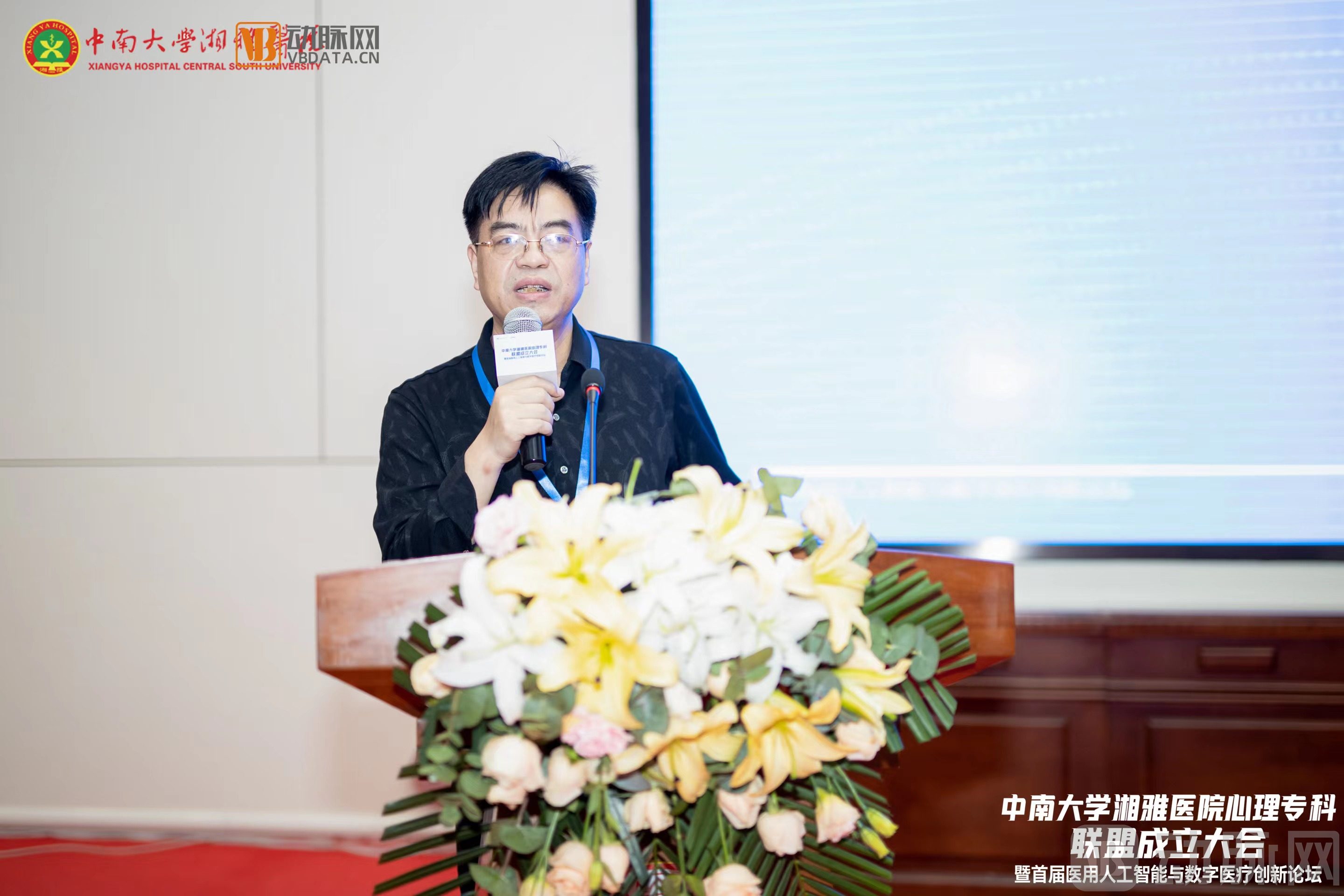
Peng Xuming, Deputy Director of the Hunan Provincial Medical Products AdministrationHe also attended the conference, stating at the event: “Having entered the 21st century, humanity can reach for the moon in the highest heavens and catch turtles in the deepest oceans; however, our understanding of ourselves, particularly in the field of brain science, remains preliminary and superficial. At this stage, we are facing three challenges.”
The first challenge lies in primary innovation, as there are relatively few original Chinese technologies and scientific achievements. The second challenge pertains to technological capabilities, requiring the mastery of various key technologies involved in life sciences. The third challenge is safety, as the diverse safety issues associated with biomedicine need to be addressed step by step.
Three challenges require collaborative efforts from all parties, and the National Medical Products Administration (NMPA) will fulfill its responsibilities by continuing to strengthen supervision, enhance regulatory oversight, ensure safety, and promote the industrial development of technologies across various sectors.
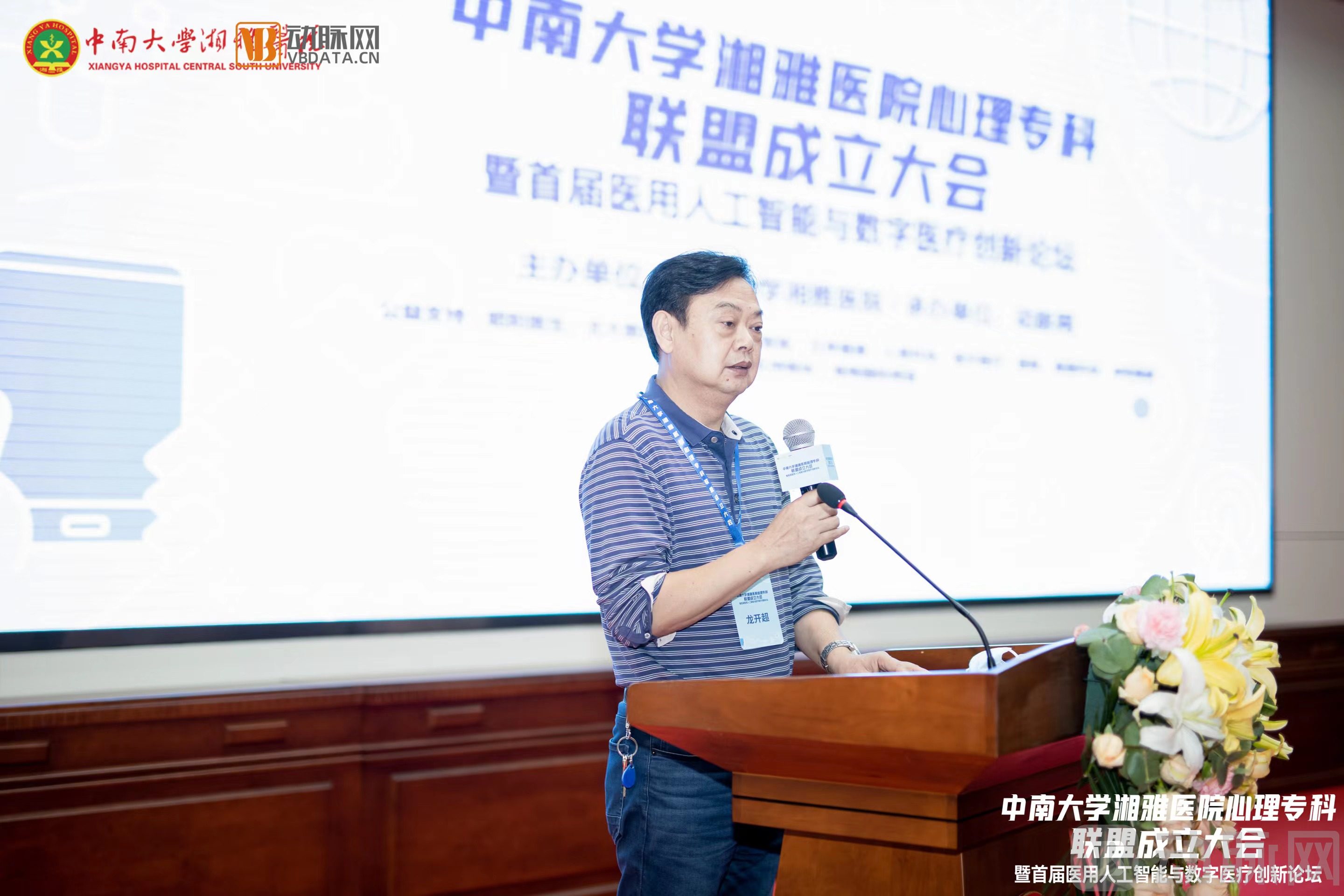
Deputy Director of the Hunan Provincial Health Commission, Long KaichaoIt was proposed that, with the aid of modern digital medical technologies, physicians’ scope of practice will no longer be constrained by geographic boundaries. Driven by digitalization, healthcare services will be able to benefit more patients and serve more families. The establishment of the Specialty Alliance has, to a certain extent, gathered a large pool of high-quality psychological specialists, enabling the alliance to fully leverage its professional advantages and deliver tangible benefits to the general public. Finally, Director Long expressed his hope that all participants would gain satisfying insights from this event and extended his best wishes for the complete success of the conference.
The Development of the Alliance Urgently Requires Joint Efforts from Multiple Parties
As a pilot unit for the high-quality development of public hospitals nationwide, a national regional medical center jointly established by the National Health Commission and the provincial government, a top-priority “guidance-category” candidate in the first batch of National Medical Center creation initiatives, and a pilot unit for establishing and improving modern hospital management systems, Xiangya Hospital has consistently focused on breakthroughs in key core technologies and actively extended its high-quality medical resources to regions with relatively scarce healthcare resources.
Leveraging the establishment of the alliance as an opportunity, Xiangya Hospital of Central South University will collaborate with member hospitals to deeply explore the application potential of new digital health technologies in mental and psychological care. The alliance will advance clinical research, collaborative innovation, academic exchange, talent development, and the promotion and application of appropriate technologies for mental and psychological disorders within the alliance and across regions. It aims to establish mechanisms for regional cooperation in clinical medical research, collaborative innovation, talent cultivation, translation of research findings, and tiered promotion and application of appropriate technologies. By exploring cooperative models for these initiatives within the alliance, it seeks to achieve homogenization of clinical medical research and diagnostic and treatment techniques among member institutions, enhance societal awareness of prevention, early diagnosis, and treatment of mental disorders, and contribute to the realization of the Healthy China strategy.
To date, the alliance has grown to include more than 70 member hospitals, comprising over 30 specialized psychiatric hospitals and more than 40 general hospitals. Its network spans more than 10 provinces across China, including Hunan, Jiangsu, Jiangxi, Henan, Guangdong, Guangxi, Anhui, Xinjiang, Inner Mongolia, and Guizhou. Representatives from each member institution attended the meeting in person to participate in alliance discussions.
In addition to the establishment of the alliance, the conference invited numerous distinguished guests, including government representatives, hospital delegates, and clinical experts. Notably, Zhu Aijun, Director of the Social Development Division of the Hunan Provincial Department of Science and Technology, and Tan Yong’an, Director of the Medical Device Division of the Hunan Provincial Medical Products Administration, delivered specialized presentations on “Reflections on Life and Health Technology Reform” and “Medical Research & Development and Product Registration,” respectively, providing guidance and support to further empower industry innovation.
Fang Yiru, Chief Physician at the Shanghai Mental Health Center; Sun Hongqiang, Professor in the Department of Psychiatry at Peking University Sixth Hospital; Huang Zhisheng, Tenured Professor in the Department of Artificial Intelligence at Vrije Universiteit Amsterdam, Netherlands; Jia Fujun, Director of the Guangdong Mental Health Center; Lin Zhaoyu, a full-time expert in forensic psychiatric judicial appraisal; Jia Meixiang, Chief Physician at Peking University Sixth Hospital; Jiang Kewen, Chief Physician in the Department of Child Psychology at the Children’s Hospital, Zhejiang University School of Medicine; Wu Daxing, Deputy Director of the Medical Psychology Center at Xiangya Second Hospital; Chen Jingxu, Director of the Bipolar Disorder Department at Beijing Huilongguan Hospital; and Zhan Kebin, Associate Chief Physician in the Department of Neurology at the Second Affiliated Hospital of University of South China. These experts provided in-depth analyses from multiple dimensions, including the application of digital technologies in real-world studies in psychiatry, management of patients with mental disorders, research on sleep and psychosomatic health, child rehabilitation, research on neurological diseases, psychological rehabilitation, and the diagnosis and treatment of conditions such as epilepsy.
At the conclusion of the conference, Professor Yang Fangru, Chairman of the Mental Health Specialty Alliance of Xiangya Hospital of Central South University and Director of the Center for Brain Science and Artificial Intelligence at Xiangya Hospital of Central South University, delivered the closing remarks. The Mental Health Center of Xiangya Hospital has long prioritized research in brain science and digital medicine. In November last year, it received official approval to establish the Xiangya Hospital Center for Brain Science and Artificial Intelligence. It is hoped that the establishment of the Xiangya Hospital Mental Health Specialty Alliance will build upon previous research efforts to further focus on clinical needs and explore effective digital diagnostic and therapeutic solutions for mental and psychological disorders. Through independent innovation, the alliance aims to continuously promote the implementation of new technologies for the diagnosis, treatment, rehabilitation, and prevention of mental disorders within the specialty, advance the development of efficacy evaluation metrics and digital predictive tools for mental and psychological conditions, and enhance domestic psychiatric research as well as the standards of clinical diagnosis and treatment of mental illnesses, thereby contributing to the Healthy China strategy and the goal of achieving mental well-being for all citizens.
The establishment of the Psychological Specialty Alliance can be regarded as a milestone in the development of psychiatric and psychological treatment. It will help promote the specialization and digitalization of psychiatric and psychological departments, while gradually extending high-quality experience and achievements from within the alliance to the broader community, thereby benefiting the general public.