Global Digital Therapeutics Report (2022): A Comprehensive Exploration of Industry Development and Innovation

WellDoc
Mobile Medical Service Provider for Diabetes Management
In recent years, digital therapeutics (DTx) have garnered significant industry attention and widespread recognition due to their unique advantages. As the earliest professional media organization to focus on DTx, VCBeat began covering this field in 2016 and has been committed to promoting its development through our distinctive approach. To date, VCBeat has published hundreds of articles on DTx and released the *White Paper on China’s Digital Therapeutics Industry (2021 Edition)* and *China Digital Therapeutics White Paper 2.0* in 2021, generating substantial influence and significantly advancing industry growth.
Undeniably, the digital therapeutics (DTx) industry has been growing at a pace far exceeding expectations. In line with this trend, VCBeat is officially releasing the "Global Digital Therapeutics Report (2022)" today. Jointly published by VCBeat and the Health Commission of Hainan Province, the report was developed with substantial support from industry partners. It was guided by the Digital Therapeutics Professional Committee of the China Association for Medical Devices Industry (CAMDI) and compiled through the collaborative efforts of dozens of institutions within the sector. The report aims to provide a comprehensive and timely overview of DTx developments and explorations both globally and in China, offering valuable references for the industry’s continued growth.
Currently, digital therapeutics (DTx) have garnered significant attention across the entire health and wellness industry. Pioneer regions are also exploring various approaches. For instance, Hainan Province was the first to incorporate “digital therapeutics” into its provincial development plan. The recent joint release of the Global Digital Therapeutics Report (2022) by the Hainan Provincial Health Commission and VCBeat further underscores Hainan’s consistent emphasis on digital therapeutics. Zhang Yuhui, Deputy Director of the Hainan Provincial Health Commission, stated, “Developing the digital therapeutics industry aligns with the central government’s requirements for innovative and high-quality development in Hainan. It is a crucial pathway for Hainan to accelerate the construction of a people-centered healthcare system and enhance the health and well-being of its residents, as well as a new engine for the high-quality development of Hainan’s health industry. Hainan will seize this historic opportunity to promote the clustered development of the digital therapeutics industry, thereby empowering the province’s healthcare advancement with smart technologies.”

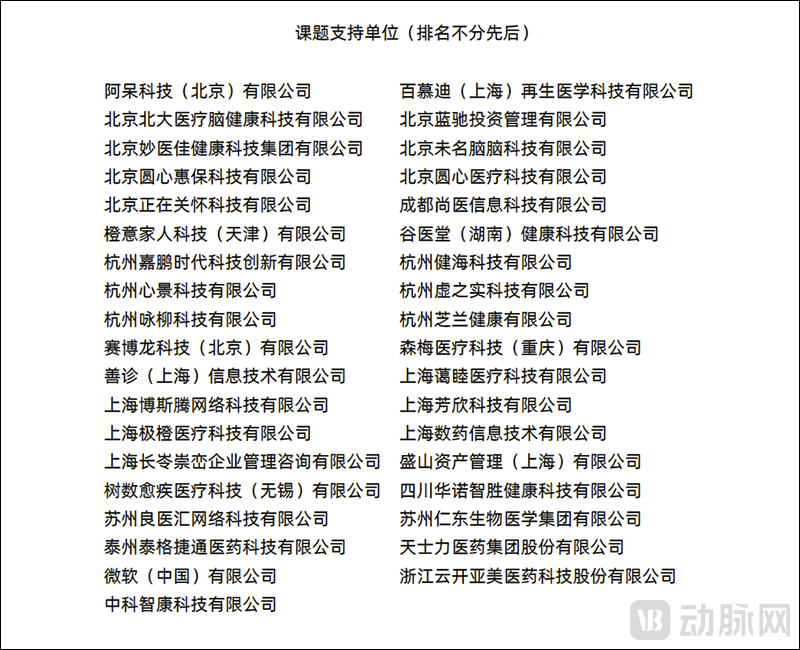
The report received strong support from industry partners.
The following is an excerpt from the main content of the report:
Leveraging advancements in digital technology, mobile applications are emerging as a form of medication—either as standalone interventions or in combination with traditional pharmaceuticals—thereby enabling more efficient and widely accessible treatment modalities. This is the essence of “Digital Therapeutics (DTx),” a sector currently garnering significant attention across the industry.
Based on the actual conditions in China, VCBeat has defined digital therapeutics as follows: Digital therapeutics are evidence-based therapeutic or interventional measures provided to patients. These interventions are driven by high-quality software programs, with their essence being the digitization of services, and their core function is to prevent, manage, or treat a specific disease. They can be used independently or in conjunction with medications, devices, or other therapies.
Broadly speaking, Digital Therapeutics (DTx), Digital Medicine, and Digital Health should theoretically exhibit a hierarchical inclusion relationship, i.e., Digital Health > Digital Medicine > Digital Therapeutics. Of course, depending on local circumstances, in regions where Digital Therapeutics has not yet been strictly defined, the definitions of these three concepts overlap to varying degrees.
Digital therapeutics is a recognized multidisciplinary field. In addition to software technology, it involves a wide range of digital technologies, such as wireless networks, sensors, microprocessors and integrated circuits, artificial intelligence, cloud computing and big data, and VR/AR/MR technologies. The empowerment provided by these digital technologies lays the foundation for the development of digital therapeutics products.
For instance, artificial intelligence is ubiquitous in digital therapeutics, empowering them through personalization, proactivity, and other dimensions. Meanwhile, digital therapeutics must also possess self-driven capabilities to effectively interact with patients, acting as a proxy for physicians to some extent, which likewise requires the support of artificial intelligence.
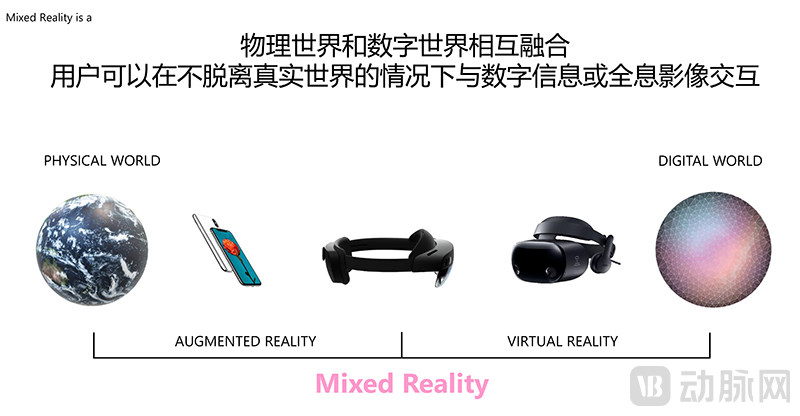
MR Combines the Features of VR and AR, Potentially Bringing New Perspectives to Digital Therapeutics
For another example, XR (extended reality), which encompasses VR (virtual reality), AR (augmented reality), and MR (mixed reality), offers advantages such as realistic immersion, intuitive effectiveness, high reproducibility, and suitability for remote therapy. Compared with traditional exposure therapies (e.g., in vivo exposure, imaginal exposure), virtual reality exposure therapy leveraging XR provides greater controllability, allowing pre-setting of intensity and session frequency, as well as more timely data acquisition. Thus, it can play a significant role in digital therapeutics for psychiatric and psychological disorders.
Furthermore, emerging cloud computing and low-code software development technologies can be introduced during specific periods and within specific processes to empower digital therapeutics. By utilizing visual drag-and-drop interfaces, low-code development further lowers the barrier to entry for software creation and significantly accelerates development speed. For instance, digital therapeutics can acquire artificial intelligence capabilities by integrating AI and chatbot modules; similarly, low-code platforms can optimize user experience across touchpoints in the “pre-hospital, in-hospital, and post-hospital” care continuum.
As an imported concept, digital therapeutics first emerged in the United States. With the rapid proliferation of smartphones and mobile internet during the 2010s, this nascent field initially took shape and began to flourish in the U.S. Researchers leveraged advanced technologies and devices to enhance clinical treatment, giving rise to two distinct types of digital therapeutics.
The first category comprises therapies that extend the value of traditional pharmacotherapy, such as providing medication adherence management and personalized treatment recommendations through companion software to help patients manage their conditions, including alerts for medication timing and dosage. The second category involves therapies that replace traditional medications, such as using tablets to deliver sensory stimulation for the treatment of insomnia or depression.
Between 2010 and 2017, several medical devices from companies such as WellDoc, Voluntis, and Propeller Health received FDA approval. These products either combined pharmaceuticals with sensors or leveraged software for chronic disease management. By today’s definitions, these approved products would indeed fall within the scope of digital therapeutics. However, due to the lack of a unified definition and understanding of digital therapeutics at that time, they did not generate significant attention.
2017 was a pivotal year for digital therapeutics. The field garnered industry-wide attention through two major events. One was the U.S. Food and Drug Administration’s (hereinafter referred to as the FDA) approval of Pear Therapeutics’ ReSET for substance use disorder and alcohol use disorder via the “De Novo” classification pathway for innovative medical devices, which attracted significant media attention and extensive coverage.
The second milestone was the establishment of the Digital Therapeutics Alliance (DTA) in October 2017. Following its formation, the DTA provided a clear definition of digital therapeutics and developed core principles and best practice guidelines for design, manufacturing, clinical validation, and regulatory oversight. As its members comprised the leading companies in the digital therapeutics industry at the time, these definitions, principles, and guidelines effectively became the de facto industry standards. This development served as a catalyst for the sector, playing a pivotal role in driving the subsequent rapid growth of the digital therapeutics industry.
In light of this, more countries and regions have begun to focus on digital therapeutics (DTx) and drive tangible progress in the field. European countries, represented by the United Kingdom, Germany, and Belgium, have followed suit by formulating corresponding industry-promotion measures. In 2018, the UK’s National Health Service (NHS) proposed a comprehensive framework to accelerate the adoption of digital therapeutics in the country, highlighting the need for preparedness in areas such as integrated app management platforms, compliant marketing claims, privacy and security guidelines, potentially included clinical guidelines, value-based incentives, and interoperability standards.
Belgium has also focused on mobile health and the digital therapeutics it encompasses, with plans to integrate mobile health applications into its healthcare system. Ultimately, dozens of apps were selected for a 6- to 12-month pilot evaluation, providing valuable insights for subsequent policy development.
Germany has established a dedicated fast-track approval process for digital therapeutics. The German Digital Healthcare Act, which came into effect in December 2019, serves as the legal foundation for the subsequent approval of digital therapeutics in Germany, marking the integration of patient-prescribed “apps on prescription” (i.e., digital therapeutics) into the healthcare system. In the supplementary regulatory framework, the Digital Health Applications Ordinance, Germany further stipulates the application procedures, requirements, and directory listing for digital therapeutics.
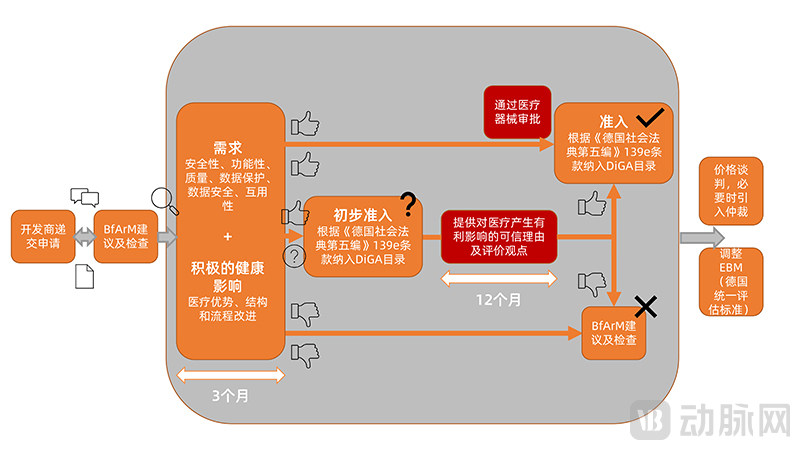
Germany Has Established a Fast-Track Approval Process for Digital Therapeutics
As digital therapeutics are in the early stages of development, their definitions and regulatory frameworks remain ambiguous. The vast majority of countries and regions worldwide, including the United States, have not yet established dedicated policies for digital therapeutics. Only a handful of jurisdictions have implemented specific policies to facilitate the practical application of digital therapeutics. Notably, besides Germany, which took the lead in enacting mandatory approval regulations for digital therapeutics, South Korea has also issued non-mandatory industry guidelines for digital therapeutics.
VCBeat’s research has found that digital therapeutics have begun to form initial industrial clusters. For instance, thanks to the presence of “Silicon Valley,” California is home to the largest number of digital therapeutics companies headquartered in the United States, underscoring the strong correlation between digital therapeutics and internet and software technologies. Furthermore, an industrial cluster has also taken shape along the U.S. East Coast, centered on New York and Boston—separated only by a river—demonstrating how finance and medical devices are fostering the agglomeration of the digital therapeutics industry.
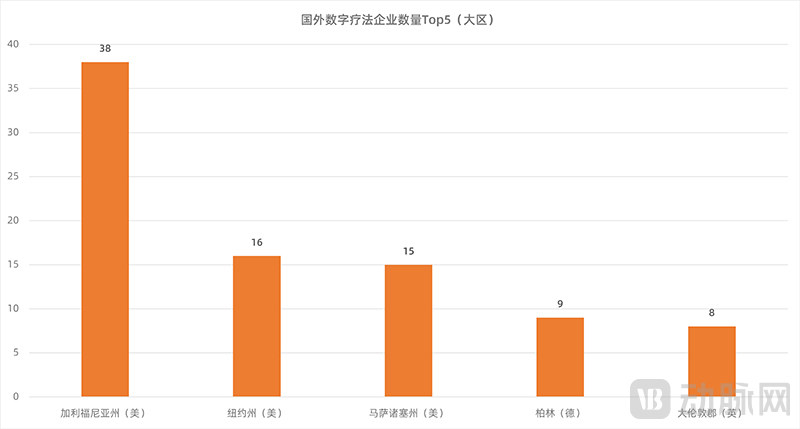
Foreign Digital Therapeutics Companies Have Begun to Form Industrial Clusters
In Europe, clusters of digital therapeutics companies have begun to take shape, centered in Berlin, Germany, and London, UK. These regions are also where each country’s finance, software, and internet industries are concentrated. Together with the East and West Coasts of the United States, they essentially constitute the global landscape of digital therapeutics.
Digital therapeutics are widely recognized to have substantial market potential in the future. The global digital health market was valued at $96.5 billion in 2020 and is projected to grow at a compound annual growth rate (CAGR) of 15.1% from 2021 to 2028. Alongside the rapid expansion of the digital health market, the global digital therapeutics market continues to rise. It is estimated that the global digital therapeutics market will reach $4.4 billion in 2021 and nearly $20 billion by 2028.
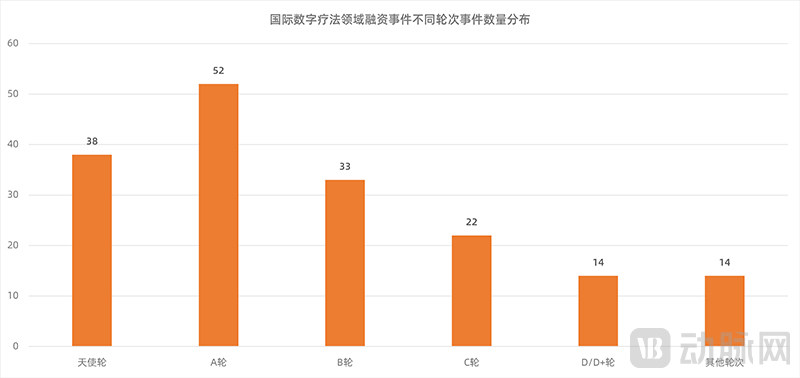
Most International Digital Therapeutics Projects Are in Early Stages
From 2019 to 2021, there were over 200 publicly disclosed financing events in the international digital therapeutics sector, with total funding approaching $10 billion. Analysis of the data reveals that most of these projects were at Series B or earlier stages, with Series A rounds significantly leading in number. This indicates that the majority of projects are in a phase of rapid development, reflecting a vibrant industry landscape with substantial capital requirements to support subsequent product innovation, market expansion, and other capabilities.
China’s digital therapeutics (DTx) industry has closely followed international developments. As early as 2016, domestic pharmaceutical companies began paying attention to and investing in DTx. Following the United States’ pioneering approval of a DTx product in 2017, China’s DTx sector gradually took off, with an increasing number of medical devices meeting the definition of DTx receiving regulatory approval. However, during this phase, the development of DTx in China remained relatively steady, without significant breakthroughs.
In 2021, the 5th Future Healthcare 100 Conference, hosted by VCBeat, held a Digital Therapeutics Innovation Forum. As one of the earliest forums in China dedicated specifically to digital therapeutics, it garnered significant attention. Leveraging VCBeat’s substantial influence in the digital health sector, numerous Chinese digital health companies began exploring digital therapeutics as their next major strategic direction.
Policymakers have also drawn inspiration from this and begun to take action. On January 25, 2022, the Hainan Provincial Health Commission released the “Hainan Province Digital Health ‘14th Five-Year’ Development Plan,” which listed “exploring pilot trials of digital therapeutics” as one of the key tasks for digital health development in Hainan Province during the 14th Five-Year Plan period. This marks the first time that digital therapeutics have been included in a provincial-level plan in China, reflecting recognition and promotion at the provincial level.
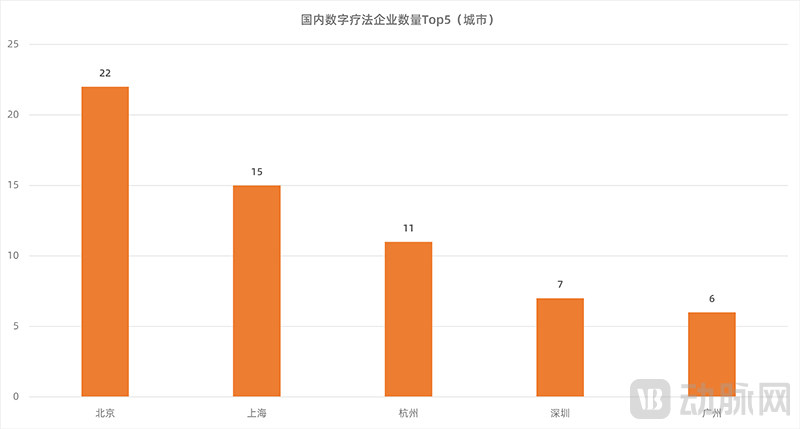
Domestic Digital Therapeutics Companies Are Gradually Exhibiting Characteristics of Industrial Agglomeration
An analysis of the clustering status of China’s digital therapeutics (DTx) industry reveals that the nascent domestic DTx sector is beginning to exhibit agglomeration trends. Notably, DTx companies are relatively concentrated in Beijing, Shanghai, and Hangzhou, reflecting the “software + internet” nature of digital therapeutics.
There is no doubt that China will be the key area for future investment in digital therapeutics. China’s digital growth in sectors such as e-commerce has already surpassed that of most Western countries. However, despite this rapid momentum, the digital therapeutics industry in China started relatively late, and business models capable of generating large-scale revenue have yet to mature, requiring further exploration and practical implementation.
According to data from VCBeat, a total of 33 transactions occurred in China’s digital therapeutics sector from 2019 to October 2021, involving 26 companies. Among these, 27 financing events had publicly disclosed amounts, with the total funding reaching approximately RMB 2.463 billion. Investment and financing rounds in China’s digital therapeutics sector were primarily concentrated at Series B and earlier stages, with Angel, Series A, and Series B rounds collectively accounting for 69.7%.
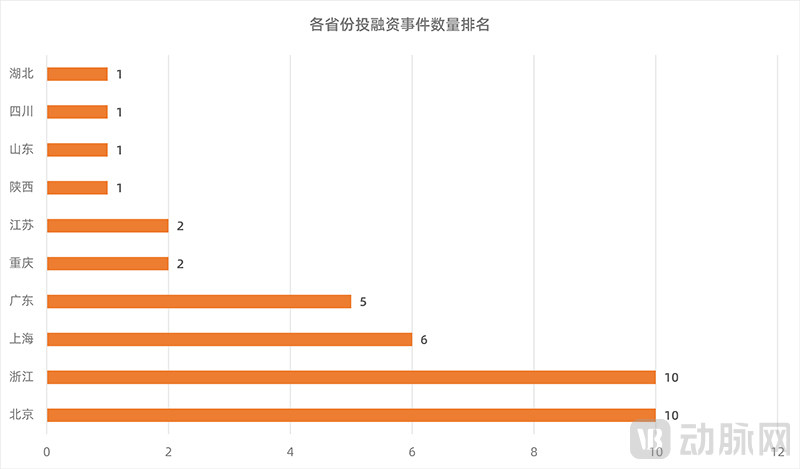
Number of Digital Therapeutics Financing and Investment Events in China in Recent Years
In terms of the scale of investment and financing in the digital therapeutics industry by individual provinces and municipalities, the regions with the most concentrated investment and financing activities in China’s digital therapeutics sector since 2019 are, in order, Zhejiang, Beijing, Shanghai, and Guangdong. It is evident that the development of digital therapeutics is highly correlated with local economic levels and technological capabilities.
“China’s No. 1 Province in the Digital Economy”: Zhejiang has recorded a cumulative total of 10 financing and investment events involving 7 companies, raising RMB 1.42 billion, accounting for more than half of the total. From the perspective of regional cluster development, the Yangtze River Delta region has been increasingly influential in the digital therapeutics industry in recent years, and is expected to form China’s largest healthcare digital therapeutics industrial cluster in terms of financing and investment scale.
Currently, China’s digital therapeutics (DTx) industry remains in an exploratory phase, with no clear definition of DTx established yet. There are also some divergences within the industry, primarily concerning whether all digital therapeutics require medical device approval. Of course, this is a normal phenomenon during the early stages of industry development. Nevertheless, under either the strictest or broader definitions, obtaining medical device certification lends greater credibility to digital therapeutics.
Currently, China’s definitions, scope of application, classification criteria, and technical review processes for digital therapeutics remain to be refined. Nevertheless, as a crucial component of digital health, digital therapeutics have gained global regulatory consensus, including among Chinese regulatory authorities. To further promote the development of digital therapeutics and clarify regulatory oversight, it is necessary to optimize or adjust existing regulatory frameworks or introduce specialized regulatory rules.
Currently, most digital therapeutics (DTx) products in China remain in the research and development phase. According to statistics from VCBeat, more than 20 medical devices that meet the definition of digital therapeutics have already received regulatory approval. Regulatory authorities are also paying close attention to digital therapeutics and have proposed certain conceptual frameworks; they may further clarify the concept and promote its development through guidelines and other measures when the timing is appropriate. Consequently, we have observed a significant acceleration in both the speed and volume of recent approvals.
Meanwhile, the report also provides a detailed introduction to representative cases of domestic digital therapeutics companies exploring the field, covering almost every aspect of digital therapeutics. Some have already obtained medical device approval and are exploring commercialization paths; others are in the clinical stage, striving to demonstrate the efficacy of digital therapeutics through evidence-based medicine; and still others are attempting to combine digital therapeutics with insurance payments or medications, contributing to expanding the influence of digital therapeutics.
Exploration may succeed or fail, but what matters is the courage to take that first step. For this reason, we do not intend to evaluate the success, failure, or effectiveness of existing applications; instead, we provide an objective description and record to showcase the industry’s explorations in digital therapeutics, offering references for targeted improvements within the sector.
Table of Contents
1. Overview of Digital Therapeutics
1.1 Definition and Core Characteristics of Digital Therapeutics
1.2 What Pain Points Do Digital Therapeutics Address?
1.3. Technology-Enabled Digital Therapeutics
2. Current Status of the Global Digital Therapeutics Industry
2.1 The Rise of Digital Therapeutics Worldwide
2.2. Policy Promotion of Digital Therapeutics Worldwide
2.3. Global Industrial Clustering of Digital Therapeutics
2.4. Global Digital Therapeutics Market Size Forecast
2.5 Analysis of Global Digital Therapeutics Business Models
2.6. Global Investment and Financing Analysis of Digital Therapeutics
2.7. Global Regulatory Approval Status of Digital Therapeutics
2.8 Global Digital Therapeutics Industry Organizations
2.9 Representative Global Digital Therapeutics Companies
3. Current Status of the Digital Therapeutics Industry in China
3.1 The Rise of Digital Therapeutics Exploration in China
3.2. Industrial Agglomeration of Digital Therapeutics in China
3.3. Forecast of the Potential Market Size for Digital Therapeutics in China
3.4 Analysis of Business Models for Digital Therapeutics in China
3.5. Analysis of Investment and Financing in Digital Therapeutics in China
3.6. Current Status of Digital Therapeutics Approval in China
4. Exploration of Enterprise Digital Therapeutics Applications
5. Brief Reflections on the Development of Digital Therapeutics in China
Scan the QR code to download the report for free.