

Clinical Mass Spectrometry Industry White Paper: A New Direction in Precision Diagnostics – Seven Technology Platforms Accelerating Clinical Adoption
The emergence of new theories and technologies in in vitro diagnostics (IVD) has driven the rapid development of clinical laboratory testing. With its high specificity, high sensitivity, and capability for multi-analyte simultaneous detection, clinical mass spectrometry has become one of the most dynamic and promising new technologies in the IVD field.
With the approval of dozens of clinical mass spectrometry instruments and kits, coupled with multiple financing rounds, clinical mass spectrometry is gradually revealing its potential to become the next golden track in the field of precision medicine. Currently, companies are making significant moves on technical platforms such as liquid chromatography-tandem mass spectrometry (LC-MS/MS), microbial mass spectrometry, nucleic acid mass spectrometry, and inductively coupled plasma mass spectrometry (ICP-MS). Meanwhile, numerous enterprises are actively positioning themselves in areas including instrument localization, point-of-care testing (POCT) adaptation, automation, and innovative applications of mass spectrometry.
To clarify the current development status of various clinical mass spectrometry technology platforms and identify innovative directions in this field, VCBeat has produced this report by interpreting relevant policies, conducting multi-dimensional analyses of technology platforms, surveying eight innovative clinical mass spectrometry companies and two investment firms, and interviewing 11 experts, industry representatives, and investors.
Key Conclusions:
Liquid chromatography-tandem mass spectrometry holds significant clinical potential and is being rapidly implemented, with domestic LC-MS/MS brands rising quickly.Liquid chromatography-tandem mass spectrometry (LC-MS/MS) is widely used in newborn screening for inherited metabolic disorders, vitamin testing, therapeutic drug monitoring, and hormone assays. With broad application scenarios, it has become a key niche sector of significant interest to clinical mass spectrometry companies, investors, and clinical experts. Characterized by mature clinical applications, numerous participating companies, and a wide array of instruments and reagents, LC-MS/MS represents the core segment of the clinical mass spectrometry market.
The application of microbial mass spectrometry in the market is mature, with a high degree of domestication of instruments.Microbial mass spectrometry is another key strategic focus for domestic companies, aside from liquid chromatography-tandem mass spectrometry. It enjoys high clinical recognition in the microbial identification market, features a high degree of instrument localization, and operates in a relatively mature market.
Innovative technology platforms such as nucleic acid mass spectrometry, inductively coupled plasma mass spectrometry (ICP-MS), mass spectrometry imaging, and quantitative protein mass spectrometry are rapidly expanding.In addition to the widely recognized clinical platforms such as liquid chromatography-tandem mass spectrometry (LC-MS/MS), microbial mass spectrometry, and gas chromatography-tandem mass spectrometry (GC-MS/MS), a variety of technological platforms tailored for diverse applications—including precision tumor diagnosis, trace element analysis, and protein quantification—are rapidly emerging, representing new growth drivers in the clinical mass spectrometry industry.
The trends toward domestic production, point-of-care testing (POCT) integration, and automation of clinical mass spectrometry instruments are accelerating.Clinical mass spectrometry is experiencing robust growth. Driven by policies accelerating the substitution of domestic products for imports, surging clinical demand for mass spectrometry analysis, and the expanding scope of its applications, the field is advancing toward instrument localization, point-of-care testing (POCT), and automation, thereby fostering the maturation of the clinical mass spectrometry market.
Clinical mass spectrometry offers significant advantages in sensitivity, specificity, and multiplexed analysis. In clinical testing, mass spectrometry can perform elemental analysis of trace elements and heavy metals; detect endogenous small molecules such as amino acids and steroid hormones; analyze biomacromolecules including nucleic acids and proteins; and monitor exogenous drug concentrations. It demonstrates clear superiority over traditional biochemical and immunoassay methods in terms of sensitivity, specificity, and the ability to simultaneously measure multiple analytes.
Based on the analytical workflow, a mass spectrometry detection system can be divided into five major components: the sample introduction system, ion source, mass analyzer, detector, and data processing system.
The fundamental components of a mass spectrometer can be configured and implemented in various ways, each with distinct characteristics and suitability for different sample types. Rational combination of these components enables precise detection of diverse biomarkers, thereby maximizing the advantages of mass spectrometry-based analysis.For example, gas chromatography-tandem mass spectrometry (GC-MS) is suitable for detecting urinary organic acids; liquid chromatography-tandem mass spectrometry (LC-MS) is suitable for detecting large and small organic molecules; matrix-assisted laser desorption/ionization time-of-flight mass spectrometry (MALDI-TOF MS) is suitable for detecting biological macromolecules; and inductively coupled plasma mass spectrometry (ICP-MS) is suitable for detecting trace elements in the human body.
Against the backdrop of iterative advancements in precision medicine technologies, expanding clinical demands, and the growing trend toward multi-omics, the policy and capital environments for clinical mass spectrometry continue to improve.
Intensive Policy Support
Policies Accelerate the Domestic Substitution of Mass Spectrometers.The "Guidelines for the Review and Approval of Government Procurement of Imported Products" (2021 Edition), jointly issued by the Ministry of Finance and the Ministry of Industry and Information Technology, clearly stipulates the proportion requirements for government agencies (public institutions) to procure domestically produced medical devices and instruments. Specifically, it mandates that 100% of automated mass spectrometry analysis systems must be domestically produced, and the procurement rate of domestic brands for high-performance liquid chromatography-tandem mass spectrometers (LC-MS/MS) must be at least 25%.
“Regulations on the Supervision and Administration of Medical Devices” No. 53 officially came into effect, accelerating the compliance of clinical mass spectrometry.On June 1, 2021, the latest version of the Regulations on the Supervision and Administration of Medical Devices, issued by the State Council, officially came into effect. Article 53 of these Regulations stipulates that for in vitro diagnostic (IVD) reagents for which no comparable products are yet marketed domestically, eligible medical institutions may, based on their clinical needs, independently develop such reagents and use them within their own facilities under the guidance of licensed physicians. This policy clearly delineates the boundaries between the IVD and Laboratory Developed Tests (LDT) models, establishing a framework prioritizing IVDs with LDTs as a supplement, thereby driving enterprises to accelerate their deployment of IVD products building upon the LDT model.
Continuous Improvement of Industry Standards for Medical Mass Spectrometry Drives Standardized Development of the Sector.Regulatory attention toward clinical mass spectrometry is rapidly increasing. Currently, three medical mass spectrometry-related standards are included in the recommended standards for the pharmaceutical industry, covering liquid chromatography-tandem mass spectrometers, matrix-assisted laser desorption/ionization time-of-flight mass spectrometers, and test kits for amino acid and carnitine detection. Standards for inductively coupled plasma mass spectrometers and gas chromatography-tandem mass spectrometers are currently under development.
Standards Related to Medical Mass Spectrometry

Data source: National Medical Products Administration, prepared by VCBeat.
Numerous expert consensus statements on clinical mass spectrometry provide comprehensive coverage.Expert consensus documents released in China have been primarily concentrated since 2019, garnering significant attention from the clinical community and undergoing continuous refinement. Currently, these consensus guidelines mainly focus on niche application areas that were established earlier, such as newborn screening for inherited metabolic disorders, therapeutic drug monitoring, and microbial identification. The primary emphasis is on the role of clinical mass spectrometry as a substitute for or complement to traditional methodologies.
Clinical Mass Spectrometry Guidelines and Expert Consensus in China
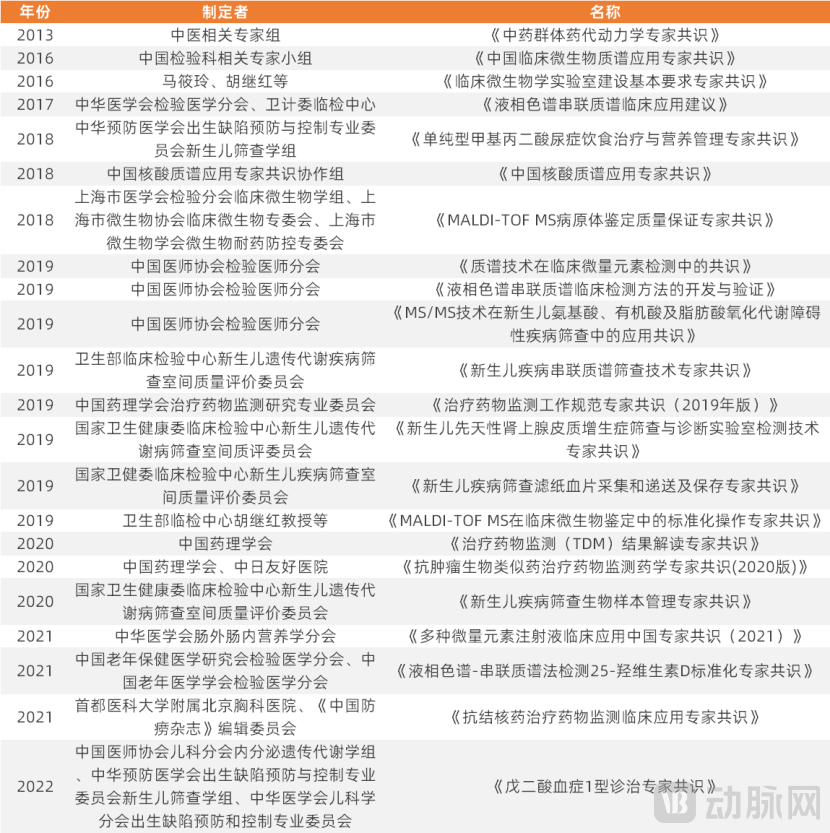
Source: Arterial Orange Database, compiled by VCBeat.
Furthermore, the expert consensus comprehensively covers core aspects such as the clinical application of mass spectrometry, laboratory development, and quality control, offering substantial guidance. In the future, greater attention will be directed toward high-potential areas, including hormone testing, neurological disease diagnostics, and oncology.
Multi-Omics Trends Become an Industry Accelerant
The Era of Life Omics Has Arrived: Clinical Mass Spectrometry Is Poised to Become a Routine Foundational Technology.In the era of genomics, gene sequencing technology has become a prominent technique. The onset and progression of diseases are complex, and single-omics approaches cannot address all challenges. Numerous studies have demonstrated significant limitations associated with relying on a single omics platform. Multi-omics holds substantial potential in elucidating pathogenic mechanisms, screening for disease biomarkers and therapeutic targets, as well as facilitating early diagnosis and treatment. Clinical medicine is rapidly transitioning toward integrated multi-omics analysis.
Omics studies involve complex samples, typically containing hundreds of thousands of compounds with low molecular abundance, which demands extremely high detection sensitivity and entails massive data analysis. The characteristics of mass spectrometry technology—multi-analyte detection, high sensitivity, high specificity, and high throughput—are well aligned with the development trends of multi-omics, holding great promise for playing a prominent role in the multi-omics era.
Taking the integrated application of genomics and proteomics as an example, variant sites identified in genomic studies can be rapidly validated and genotyped using nucleic acid mass spectrometry platforms, while protein variants discovered in proteomic studies can be quantitatively analyzed via quantitative protein mass spectrometry. The combined findings from these two approaches establish a complete evidence chain from “genotype to phenotype,” providing robust clinical laboratory data support for personalized precision diagnosis and treatment.
Single-Round Financings Frequently Exceed 100 Million Yuan as Star Investors Ramp Up Their Layouts
VCBeat has compiled investment and financing information within the clinical mass spectrometry industry. Statistical results show that a total of 25 companies completed 74 financing rounds, with the total amount exceeding RMB 2.3 billion.
The overall financing situation is quite substantial, and the clinical mass spectrometry sector is generally in an upward trend.From the perspectives of funding rounds, total financing amount, and investment institutions, clinical mass spectrometry is in a period of rapid growth. Multiple leading firms have continuously invested and strategically positioned themselves across various segments, making it one of the hottest tracks in in vitro diagnostics (IVD). As the industry comprehensively enhances its capabilities in clinical application development, front-end R&D, market expansion, and cost reduction, future financing performance is expected to be even more impressive.
Financing amounts and the number of financing events in the clinical mass spectrometry sector showed an upward trend, peaking in 2021.Since 2016, financing activities in the clinical mass spectrometry sector have begun to grow steadily. In 2021, the number of financing deals reached 17, with the total annual financing amount exceeding RMB 1.15 billion, marking the highest level in nearly a decade. In the first five months of 2022 alone, there were already nine financing deals totaling more than RMB 440 million. It is foreseeable that both the number and value of financing deals in the clinical mass spectrometry field will continue to experience robust growth in 2022.
Investment and Financing Trends in Clinical Mass Spectrometry, 2012–2021
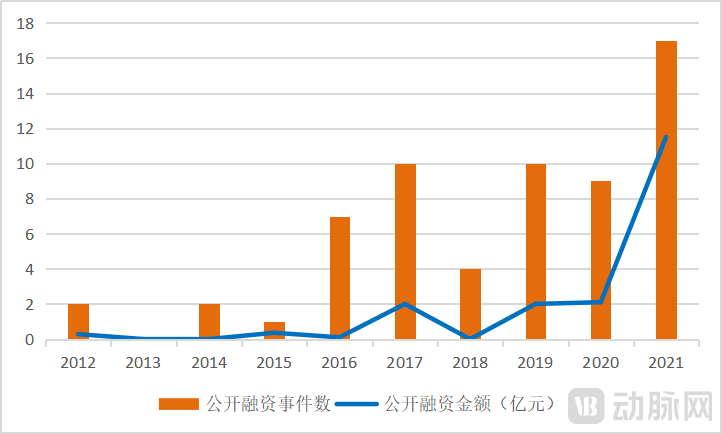
Data Source: Artery Orange Database, Produced by VCBeat.
Market Size Surpasses RMB 10 Billion, with Promising Potential Ahead
Driven by industry factors, VCBeat Research Institute calculated the market sizes of major segments within China’s clinical mass spectrometry sector in 2021. The results indicated that the market size for mass spectrometry-based newborn screening for inherited metabolic disorders was RMB 1.72 billion; the market size for microbial detection was RMB 2.05 billion; the market size for therapeutic drug monitoring was RMB 3.855 billion; and the market size for vitamin testing was RMB 1.754 billion.
Mass spectrometry is also applied in the fields of steroid analysis, thyroid hormone testing, protein and nucleic acid detection, and trace element analysis.In 2021, the overall market size of clinical mass spectrometry in China exceeded RMB 10 billion.
Market Size of Representative Clinical Mass Spectrometry Projects in China in 2021
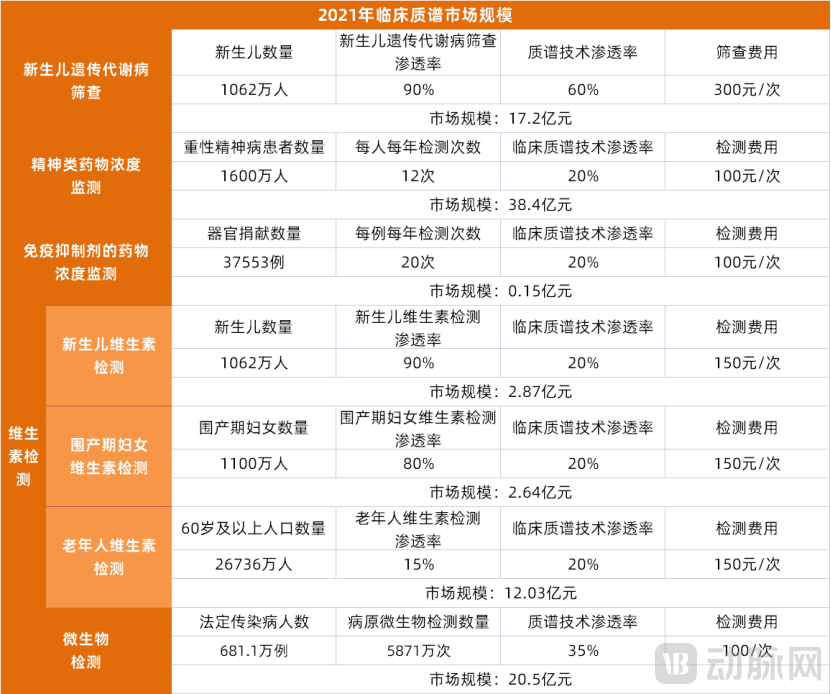
Data Sources: Artery Orange Database, Expert Interviews; Produced by VCBeat
The Market Size of Clinical Mass Spectrometry in China Will Grow Rapidly.China’s clinical mass spectrometry industry is in its early stages of development. As the penetration rate of routine clinical applications increases, and more emerging assays and technical platforms—such as endocrine hormones, catecholamines, pediatric medications, trace elements, pharmacogenomics, and toxicology analysis—are introduced into clinical practice, the Chinese clinical mass spectrometry market is poised for rapid growth. In particular, testing for Alzheimer’s disease, cardiovascular diseases, and tumors will become significant sources of incremental market growth in the future. With approximately 10 million Alzheimer’s patients and 330 million individuals with cardiovascular conditions in China, this vast potential patient population creates a blue-ocean market for the industry.
Clinical mass spectrometry comprises multiple technical platforms, including liquid chromatography-tandem mass spectrometry (LC-MS/MS), microbial mass spectrometry, gas chromatography-tandem mass spectrometry (GC-MS/MS), nucleic acid mass spectrometry, inductively coupled plasma mass spectrometry (ICP-MS), quantitative protein mass spectrometry, and mass spectrometry imaging platforms.
Among the various technical platforms, liquid chromatography-tandem mass spectrometry (LC-MS/MS), microbial mass spectrometry, and gas chromatography-tandem mass spectrometry (GC-MS/MS) are the most established, having been introduced into clinical practice earliest; their clinical value is widely recognized. Inductively coupled plasma mass spectrometry (ICP-MS) and nucleic acid mass spectrometry platforms demonstrate significant advantages in clinical applications and are rapidly maturing. In contrast, quantitative protein mass spectrometry and mass spectrometry imaging platforms remain in their infancy in the clinical setting, currently confined to the research stage.
Reference Chart for the Clinical Application Maturity of Various Technology Platforms
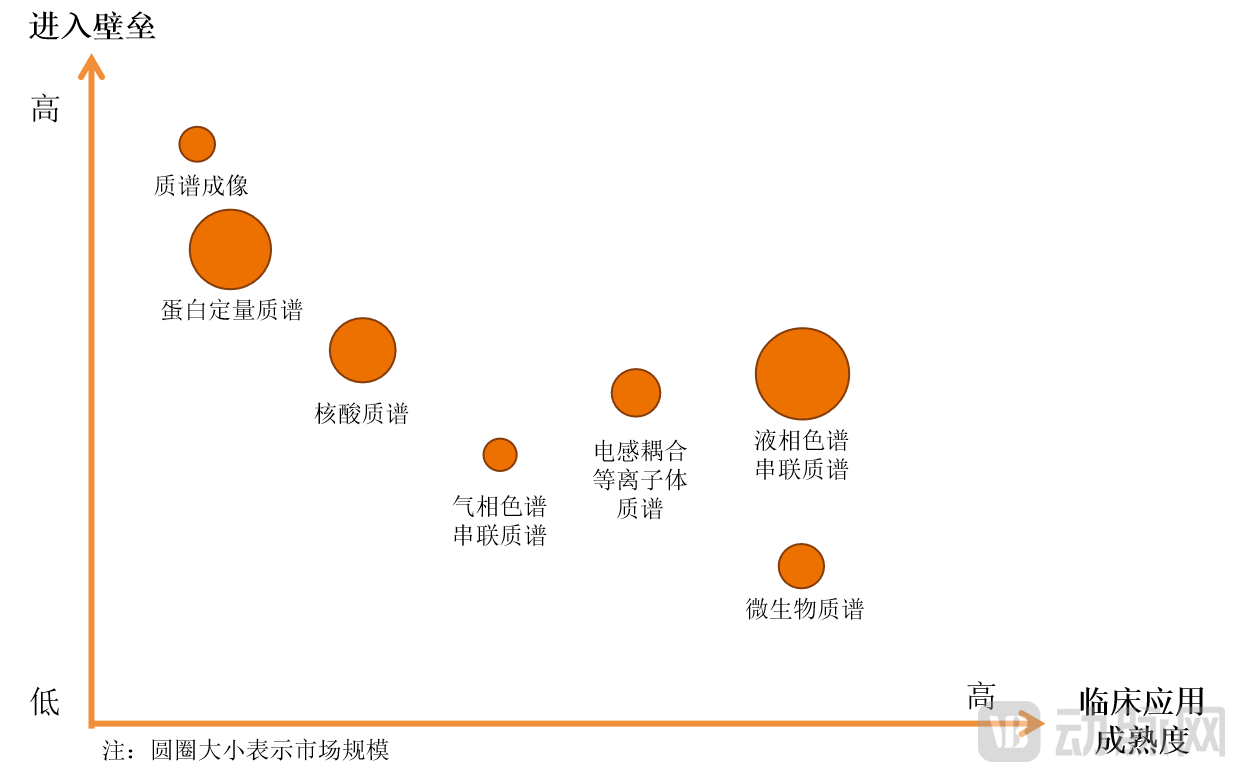
Data source: Arterial Orange Database, produced by VCBeat.
Liquid Chromatography-Tandem Mass Spectrometry Is One of the Most Mature Technical Platforms in Clinical Practice
Liquid chromatography-tandem mass spectrometry is the most commonly used type of mass spectrometer in clinical testing.Liquid chromatography-tandem mass spectrometry is primarily used in the biochemical and immunoassay testing markets, with a wide range of applications including newborn screening for inherited metabolic disorders, vitamin testing, therapeutic drug monitoring, and endocrine hormone analysis. It is also applicable to the detection of neurological diseases, cardiovascular diseases, tumors, and other conditions.
VCBeat conducted statistics on the procurement of mass spectrometers by hospitals in China. Liquid chromatography-tandem mass spectrometry (LC-MS/MS) was the most frequently purchased instrument type, accounting for 58% of the total. This was followed by matrix-assisted laser desorption/ionization time-of-flight mass spectrometry (MALDI-TOF MS), which accounted for 27% and is primarily used for microbial identification. Other instruments, such as inductively coupled plasma mass spectrometry (ICP-MS) and gas chromatography-tandem mass spectrometry (GC-MS/MS), represented a smaller share, totaling 15%.
12 Domestic Liquid Chromatography-Tandem Mass Spectrometry Instruments Approved; OEM Partnerships Are CommonThere are 12 liquid chromatography-tandem mass spectrometry (LC-MS/MS) instruments from Chinese clinical mass spectrometry companies that have received approval from the National Medical Products Administration (NMPA); however, most of these are imported instruments registered under OEM arrangements. Only a very small number of companies have initially achieved domestic production of LC-MS/MS instruments. Whether they can successfully replace imported products depends not only on technological capabilities but also on validation in the clinical market.
Collaborating with imported brands is the optimal solution for liquid chromatography-tandem mass spectrometry (LC-MS/MS) platforms at the current stage; priority should be given to resolving instrument-reagent compatibility issues to better serve clinical practice.Clinical practice prioritizes analytical performance and clinical value, requiring a one-stop solution encompassing instruments, reagents, and services, rather than standalone instruments. In other words, the primary mission for companies in the clinical mass spectrometry sector is not to break the import monopoly on instruments, but to serve clinical needs by leveraging high-performance imported instruments to provide reagents and technical services, thereby facilitating the clinical implementation of mass spectrometry analysis. In the future, these companies may either independently develop mass spectrometers or collaborate with domestic scientific instrument manufacturers to achieve domestic substitution of instruments, or even develop medical mass spectrometers better suited for clinical applications.

In the reagent segment, multinational life science instrument giants that dominate the mass spectrometry market have not entered the LC-MS/MS reagent space. Currently, only PerkinElmer’s non-derivatized kits for the simultaneous determination of multiple amino acids, carnitines, and succinylacetone (by tandem mass spectrometry) have received approval from China’s National Medical Products Administration (NMPA). Chinese companies are advancing more rapidly in the field of mass spectrometry reagents. In the future, in vitro diagnostics giants such as Roche and Abbott may also enter this market. At present,Instruments are a prerequisite for domestic enterprises to enter the market, while applications serve as the primary arena for establishing differentiated competitive advantages.。
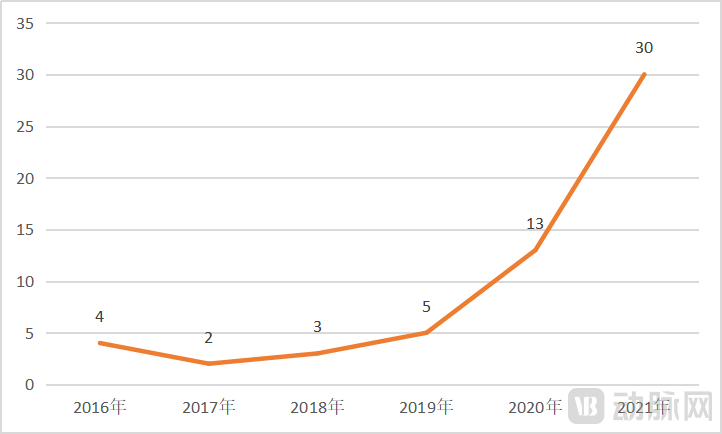
In 2020, the regulatory compliance of liquid chromatography-tandem mass spectrometry (LC-MS/MS) accelerated significantly, and the number of approved test kits in 2021 reached a record high.According to statistics, among Class II and III mass spectrometry reagents approved by the National Medical Products Administration (NMPA), liquid chromatography-tandem mass spectrometry (LC-MS/MS) products dominate, accounting for as high as 92%. In 2016, the NMPA approved four LC-MS/MS kits, marking the beginning of regulatory compliance for clinical mass spectrometry. After 2020, the approval rate for such reagents accelerated significantly. In 2021, companies intensified their investments in in vitro diagnostic (IVD) products, resulting in the approval of 30 kits. Multiple kits were the first of their kind to receive approval, reinforcing the industry’s recognition of the “IVD-focused, LDT-supplemented” model.
Timeline of Approval for Liquid Chromatography-Tandem Mass Spectrometry Kits
Data source: National Medical Products Administration; prepared by VCBeat.
It is worth noting that the clinical applications of liquid chromatography-tandem mass spectrometry are divided into two categories, one of which isRoutine testing applications,Upgrading existing methodologies, such as newborn screening for inborn errors of metabolism, therapeutic drug monitoring, and vitamin testing; the other category isBased on omics research, pioneer uncharted territories and innovate application scenarios,such as tracking the diagnosis and treatment of chronic diseases, and discovering tumor markers.
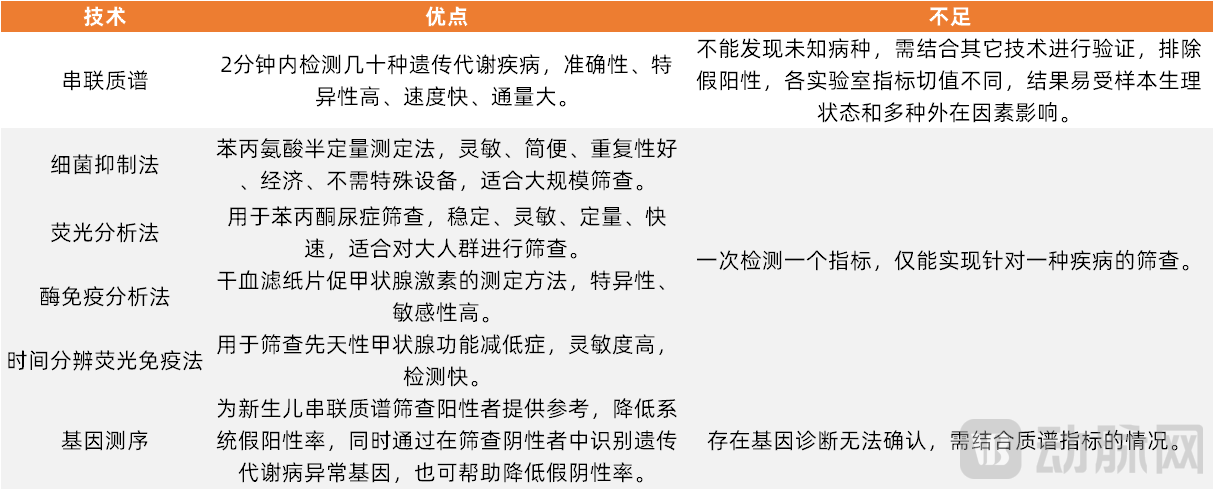
Among these applications, newborn screening for inherited metabolic disorders represents the most successful field for liquid chromatography-tandem mass spectrometry (LC-MS/MS). While conventional techniques can detect only one disease at a time, clinical mass spectrometry enables simultaneous detection of multiple conditions, including amino acid metabolism disorders, organic acid metabolism disorders, and fatty acid oxidation disorders. Currently, it can screen for nearly 50 diseases, offering significant advantages in multi-analyte testing with lower overall costs.
Comparison of Various Neonatal Screening Technologies
Data Source: Arterial Orange Database, Produced by VCBeat.
High Barriers to Entry in Newborn Genetic and Metabolic Disease Screening: Future Opportunities Lie in Domestic Substitution.In developed countries, liquid chromatography-tandem mass spectrometry (LC-MS/MS) has become a routine method. The American College of Medical Genetics and Genomics recommends using tandem mass spectrometry for screening 20 of the 29 primary target conditions and 22 of the 25 secondary target conditions. In China, recognition of the clinical application of mass spectrometry for newborn genetic metabolic disorder screening is rapidly increasing. However, as kits for newborn genetic metabolic disorder screening are classified as Class III medical devices, which pose significant regulatory hurdles for registration, only five kits from four domestic enterprises have been approved in China. Against the backdrop of accelerating import substitution, Chinese companies are poised to break PerkinElmer’s market dominance. Notably, Sinobio, acquired by PerkinElmer, obtained its registration certificate in 2022, further underscoring that import substitution is an inevitable trend.
In the vitamin testing market, liquid chromatography-tandem mass spectrometry is the recommended method for vitamin analysis.Conventional techniques, such as enzyme-linked immunosorbent assay (ELISA) and chemiluminescence immunoassay, are prone to cross-reactivity with vitamin analogs, leading to inaccurate test results. Furthermore, each vitamin requires a separate assay for detection. In contrast, liquid chromatography-tandem mass spectrometry (LC-MS/MS) offers high specificity, sensitivity, and reproducibility, enabling the simultaneous quantification of all vitamins in a single run, thus holding significant promise for broad clinical application.
Liquid chromatography-tandem mass spectrometry is the only method capable of distinguishing between vitamin D2 and D3 subtypes.The primary limitation of traditional immunoassays is their inability to distinguish between vitamin D2 and D3 due to the high structural similarity of their molecules. In the absence of separate quantification of serum vitamin D3 and D2 concentrations, indiscriminate vitamin D supplementation may lead to vitamin D toxicity or therapeutic failure. The "Consensus on Clinical Application of Vitamin D and Its Analogues" has stated that liquid chromatography-tandem mass spectrometry (LC-MS/MS) can differentiate 25(OH)D3, 25(OH)D2, and other substances with molecular structures similar to 25(OH)D.
Leveraging the capability of liquid chromatography-tandem mass spectrometry (LC-MS/MS) to distinguish between vitamin D2 and D3, numerous companies have focused their efforts on vitamin D testing, with multiple products already approved. In reality, vitamins exhibit synergistic effects in human physiological processes. For instance, folate, vitamin B6, and vitamin B12 jointly participate in homocysteine metabolism; deficiencies in these three vitamins can impair homocysteine metabolism, leading to its accumulation in the body and causing harm to both the fetus and the mother. Therefore,It is insufficient to focus solely on the levels of one or a few specific vitamins; instead, a comprehensive assessment of all essential vitamin levels in the human body should be conducted., ensuring adequate and balanced vitamin levels in the body. Next, liquid chromatography-tandem mass spectrometry should leverage its capability for multi-analyte detection to develop comprehensive pan-vitamin testing products.
Furthermore, promoting customized multi-vitamin combination testing products tailored to the actual needs of key departments such as pediatrics, geriatrics, and gynecology represents another new opportunity for enterprises.
In the therapeutic drug monitoring market, chromatographic and immunoassay methods currently dominate, while the penetration rate of mass spectrometry technology is rapidly increasing.The “Expert Consensus on the Interpretation of Therapeutic Drug Monitoring (TDM) Results (2019 Edition)” explicitly mentions the determination of drug concentrations in biological samples (blood drug concentration, urine drug concentration, and drug concentrations in other tissue fluids or homogenates), the measurement of drug-functional proteins (enzymes), and the detection of drug-related genes, recommending the application of liquid chromatography-tandem mass spectrometry for testing.
The number of drug types that can be detected by approved mass spectrometry-based therapeutic drug monitoring kits remains limited.In China, the drugs primarily subject to therapeutic drug monitoring (TDM) include antibiotics, immunosuppressants, theophylline derivatives, anti-tuberculosis agents, antineoplastic agents, psychotropic drugs, antiepileptics, antiarrhythmics, anticoagulants, amino acids, and pesticides/poisons. Currently, there are 17 mass spectrometry-based TDM kits approved by the National Medical Products Administration (NMPA). Among these, 10 kits are for immunosuppressants, 3 for antineoplastic agents, 2 for antiepileptics, 1 for antibiotics, and 1 for psychotropic drugs. There remains a gap in the variety of detectable drugs compared to other methodologies, indicating significant potential for further development.
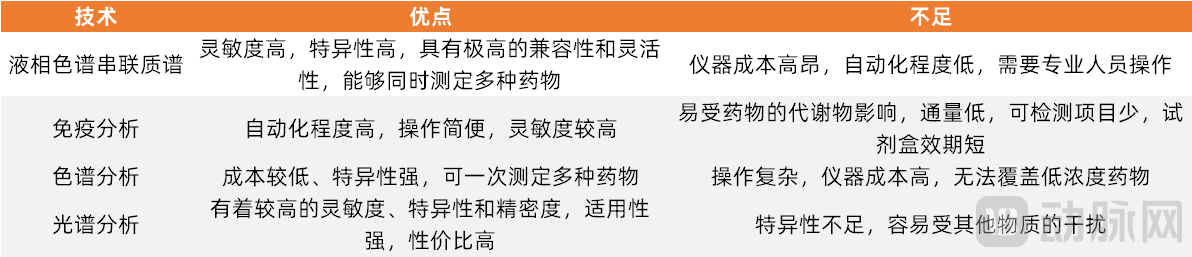
Liquid chromatography-tandem mass spectrometry is an advancement of chromatography, suitable for drugs with low in vivo concentrations.Previously, therapeutic drug monitoring (TDM) primarily focused on psychotropic drugs and immunosuppressants mandated by national regulations. In the future, with the widespread adoption of personalized medicine, a broader range of drugs will be included in monitoring programs. For novel targeted oncology agents, toxic substances, antibiotics, and cardiovascular drugs—which often exhibit low blood concentrations—traditional analytical methods struggle to achieve precise detection. Mass spectrometry, however, offers sensitivity at the pg/mL level and can detect a wide variety of drugs. Consequently, in the era of personalized treatment, the application of mass spectrometry in therapeutic drug monitoring is expected to increase rapidly.
Comparison of Clinical Drug Concentration Monitoring Technologies
Data Source: Artery Orange Database, prepared by VCBeat.
Liquid Chromatography-Tandem Mass Spectrometry and Nucleic Acid Mass Spectrometry Are Complementary, Empowering Precision Medication.Nucleic acid mass spectrometry enables pre-treatment testing by simultaneously genotyping multiple drug-related genes to facilitate optimal drug selection for patients, while liquid chromatography supports post-treatment monitoring to aid in dose adjustment and drug choice. Together, these two technologies establish a closed-loop system spanning pre- and post-treatment phases, thereby advancing personalized pharmacotherapy.
In addition to the upgrading of traditional methodologies,Multi-omics research centered on liquid chromatography-tandem mass spectrometry has become a key technological platform for the innovative discovery of biomarkers in disease screening, early diagnosis, treatment monitoring, and prognosis assessment.Leveraging the high-throughput capabilities of mass spectrometry and the comprehensive analytical power of big data technologies to discover novel biomarkers and explore innovative diagnostic applications.
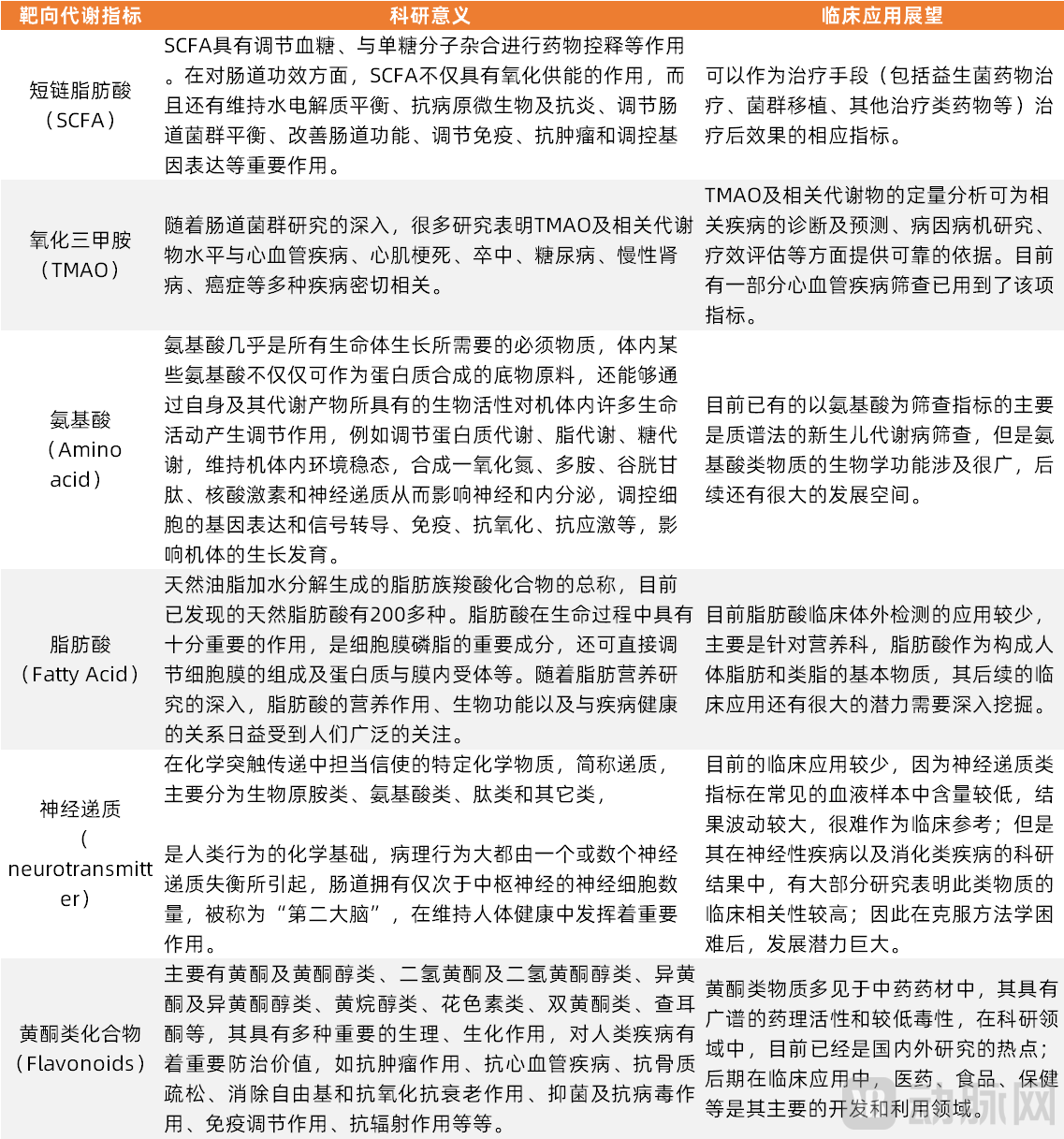
Metabolomics can play a pivotal role in the discovery and translational application of biomarkers.Existing research indicates that bile acids are associated with childhood asthma, liver cirrhosis, and inflammatory bowel disease. Trimethylamine N-oxide (TMAO) serves as a molecular biomarker for cardiovascular diseases, with its expression levels reflecting disease severity. Metabolomics is also widely applied in fields such as drug efficacy evaluation, environmental monitoring, food safety, and the study of various plant mechanisms. Examples include research on the relationship between metabolic changes and diseases (such as diabetes and obesity), studies on the link between gut microbiota metabolomics and health, and the detection and monitoring of environmental pollutants. Furthermore, liquid chromatography-tandem mass spectrometry (LC-MS/MS) can meet the demands of high-throughput analysis in proteomics.
Potential Targeted Metabolomic Biomarkers
Data source: Artery Orange Database, produced by VCBeat.
Liquid chromatography-tandem mass spectrometry can also meet the needs of high-throughput analysis and detection in proteomics.Proteins are a source of innovation in multiple fields, including disease diagnostic markers, new drug development, and the prevention, diagnosis, and treatment of infectious diseases. Through proteomic analysis, in-depth research into the complex and diverse structural functions, interactions, and dynamic changes of proteins will comprehensively reveal the essence of life phenomena at multiple levels, including molecular, cellular, and organismal levels. In proteomic studies related to major human diseases and in dynamic proteomics research on complex pathological processes, a series of major disease biomarkers and novel therapeutic targets have been identified. These findings have been published in top-tier journals such as Cell, Nature, and Science (CNS), covering studies on liver cancer, lung cancer, colorectal cancer, clear cell renal cell carcinoma, endometrial cancer, glioblastoma, and other conditions.
It is important to clarify that the competitors of liquid chromatography-tandem mass spectrometry (LC-MS/MS) technology platforms are never companies using the same type of technology, but rather all other methodologies, with which they engage in comparative analysis to achieve complementary advantages. Although LC-MS/MS has broad application scenarios and significant advantages, blind deployment should be avoided when selecting specific testing applications.
VCBeat Institute summarizes the strategic layout logic for liquid chromatography-tandem mass spectrometry (LC-MS/MS) testing applications:
For the existing market of routine testing applications, priority should be given to high-demand projects that require high sensitivity, specificity, and resolution, as well as multi-analyte panel testing, thereby achieving comprehensive coverage of these essential tests.Liquid chromatography-tandem mass spectrometry (LC-MS/MS) should primarily focus on small molecules. Since small molecules exhibit lower specificity, the advantages of mass spectrometry are significant; in contrast, protein detection via antigen-antibody reactions offers high specificity, making immunoassays sufficient. Furthermore, while traditional immunological and biochemical methods can only detect single analytes, the advantage of mass spectrometry in multi-analyte detection is unparalleled. Therefore, broad coverage across application fields should be achieved by building upon areas where there is a strong demand and clear competitive advantage.
For innovative application testing, emphasis should be placed on biomarker selection and assay turnaround time.Liquid chromatography-tandem mass spectrometry (LC-MS/MS) should prioritize the discovery of novel biomarkers at the protein metabolism level, particularly for diseases closely associated with acquired lifestyle factors, such as metabolic disorders, psychiatric conditions, and cardiovascular diseases. This approach will better leverage the advantages of LC-MS/MS. Meanwhile, no methodological approaches have yet been approved in innovative fields such as chronic diseases and oncology. Companies need to accelerate their R&D efforts to enable mass spectrometry-based methods to enter these untapped markets first and establish strong brand recognition among users.
Regarding commercialization strategies, a gradual transition should be made from the existing market for routine testing applications to the incremental market for innovative testing applications.Enterprises should initially prioritize mature, well-established clinical mass spectrometry assays with clear competitive advantages, such as newborn screening for inherited metabolic disorders, to facilitate instrument adoption in hospitals. This strategy ensures stable cash flow and increases the market share of their instruments within hospital settings. Concurrently, companies should invest in the development of innovative assays, leveraging their existing installed base to rapidly introduce novel diagnostic applications into hospitals, thereby transitioning from capturing existing market share to generating incremental growth.
Logical Framework for the Application of Liquid Chromatography-Tandem Mass Spectrometry (LC-MS/MS) Testing

Data Source: Arterial Orange Database, Produced by VCBeat
Microbial Mass Spectrometry Has a Very High Degree of Domestic Production in China
The clinical application of microbial mass spectrometry technology platforms has matured, with a very high degree of localization.Microbial mass spectrometry platforms are characterized by low cost, rapid turnaround, and exceptionally high accuracy, achieving identification rates of up to 95% for common pathogenic bacteria and yeasts, which has earned them widespread recognition in clinical practice. Based on matrix-assisted laser desorption/ionization time-of-flight (MALDI-TOF) mass spectrometers for qualitative detection, these platforms have relatively low sensitivity requirements, straightforward technical principles, and user-friendly operation. Furthermore, as microbial mass spectrometry consumes minimal reagents and consumables, the technology has achieved a high degree of localization in China.
Microbial mass spectrometry is highly dependent on the microbial identification database.Microbial mass spectrometry identifies microorganisms by obtaining their protein profiles and comparing them with reference spectra of known species in a database. Therefore, in addition to the intrinsic performance of the technology, the quality and size of the microbial spectral database directly impact the accuracy and success rate of identification. As more microbial mass spectrometry products gain regulatory approval, the construction of comprehensive microbial spectral databases has become a core competitive factor among companies.
Nucleic acid mass spectrometry is a key force driving the rapid development of precision medicine in China, following next-generation sequencing (NGS).
Mass spectrometry-based nucleic acid detection is a powerful tool for medium-throughput genetic testing, addressing the limitations of insufficient throughput in quantitative real-time PCR and the prolonged turnaround time of next-generation sequencing (NGS).Most genetic testing kits that currently employ methods such as PCR, Sanger sequencing, NGS, FISH, and gene chips, and have obtained registration certificates from the NMPA, can be implemented using nucleic acid mass spectrometry. With its differentiated advantages of multi-locus detection, high throughput, low cost, and rapid turnaround time, nucleic acid mass spectrometry will be a significant force continuing to drive the rapid development of precision medicine in China, following the advent of NGS.
Tests for genetic disorders and pharmacogenomics typically require the analysis of dozens of loci. Quantitative fluorescent PCR, with its low throughput and limited number of detectable loci, fails to meet these demands. While high-throughput technologies can analyze hundreds to thousands of loci, they are associated with long turnaround times and high costs. Mass spectrometry-based nucleic acid testing fills this gap by offering medium-throughput detection.
Comparison of Various Nucleic Acid Testing Technologies

Data Source: Arterial Orange Database, produced by VCBeat.
Nucleic acid mass spectrometry is widely used overseas, reflecting the high value of China's nucleic acid mass spectrometry market.In China, the application of nucleic acid mass spectrometry is in its early stages. Overseas, the MassARRAY nucleic acid mass spectrometry system was first deployed in 2000 and received FDA approval in 2014. Instruments, along with supporting reagents and consumables, have been developed for applications including pharmacogenomics, genetic diseases, oncology, non-invasive prenatal screening, and quantitative DNA methylation analysis. It has become a consensus overseas to utilize the MassARRAY nucleic acid mass spectrometry analysis system for providing clinical testing services in accessible pharmacogenomics (PGx) and precision medication. This approach has been widely adopted in areas such as psychotropic drugs, cardiovascular medications, analgesics and anesthetics, and antineoplastic agents.
Pharmacogenomics is a key application area of nucleic acid mass spectrometry.Nucleic acid mass spectrometry has been widely applied in overseas pharmacogenomics. PharmGKB, established by the NIH in 2000, collects the world’s most comprehensive research evidence on genotypes and clinical phenotypes related to pharmacogenomics, systematically categorizing this evidence. It is currently the most important pharmacogenomics database globally, with the Clinical Pharmacogenetics Implementation Consortium (CPIC) guidelines serving as the primary reference for clinical PGx applications. As of the latest update on May 18, 2022, PharmGKB included a total of 822 drug labeling annotations with PGx-related recommendations from drug labels worldwide, covering 426 drugs.
Currently, other U.S. companies with well-established development in the field of pharmacogenomics include OneOme, Admera Health, Assurex Health, and GeneAlign.
In China, the overall application of nucleic acid mass spectrometry is in its early stages, but its use in pharmacogenomics is developing rapidly. Hospitals such as the Molecular Diagnostic Center of Fuwai Hospital, Chinese Academy of Medical Sciences; Children’s Hospital of Fudan University; Shanghai Changzheng Hospital; The Third Xiangya Hospital of Central South University; Beijing Anding Hospital; and Beijing Tiantan Hospital have successively established centers for precision medication, enabling in-house PGx testing and the issuance of reports to guide clinical drug use.
There are few companies in China that have established a presence in the field of nucleic acid mass spectrometry.Similar to microbial mass spectrometry, nucleic acid mass spectrometry also relies on matrix-assisted laser desorption/ionization time-of-flight (MALDI-TOF) mass spectrometers for qualitative detection. While the technical barrier to entry is not particularly high, the industry is still in its early stages. Most approved MALDI-TOF mass spectrometers are indicated for microbial identification, with few instruments approved for nucleic acid testing.
Nucleic acid mass spectrometry systems require not only a robust mass spectrometry platform as their foundation, but also innovative capabilities in reagent development, validation, and manufacturing, along with PGx pharmacogenomic testing software to ensure effective application.The primary barrier to entry for nucleic acid mass spectrometry lies in patent restrictions surrounding foundational reagents for nucleic acid genotyping. This technology enables SNP detection, gene mutation analysis, DNA methylation testing, gene copy number variation identification, and validation of high-throughput sequencing results, with applications in hereditary diseases, pharmacogenomics, and precision oncology diagnostics. Furthermore, data interpretation constitutes a critical component of nucleic acid mass spectrometry systems. Pharmacogenomics (PGx) testing software automates the processing of sample-specific pharmacogenomic data, compares it against reference databases, and rapidly generates interpretive reports.
Inductively Coupled Plasma Mass Spectrometry Leads the Methodological Revolution in Trace Element Detection
Inductively Coupled Plasma Mass Spectrometry (ICP-MS) Technology for Clinical Detection of Trace Elements in the Human BodyResearch has demonstrated that both excessive and deficient levels of trace elements can lead to disease; for instance, zinc deficiency in infants and young children can impair growth and development. Therefore, trace element testing holds significant importance for the precise diagnosis and treatment of diseases. As clinical understanding of the relationship between trace element levels and diseases deepens, and as the range of elements of interest expands, the demand for multi-element analysis has further increased, along with higher requirements for analytical accuracy. Compared with other techniques for detecting human trace elements, Inductively Coupled Plasma Mass Spectrometry (ICP-MS) offers advantages such as higher sensitivity, a wider linear dynamic range, better stability, the ability to detect multiple elements, and the capacity to complete the analysis of dozens of elements within three minutes. Its application in developed countries in Europe and the United States has spanned more than 20 years. As the elemental analysis method recommended by the U.S. Centers for Disease Control and Prevention (CDC), ICP-MS is employed for clinical elemental analysis by globally recognized leading third-party medical testing laboratories, such as Quest Diagnostics and LabCorp.
Inductively Coupled Plasma Mass Spectrometry Holds Further Potential for Clinical Applications.Currently, enterprises with inductively coupled plasma mass spectrometry (ICP-MS) platforms are focused on the analysis of trace elements in the human body. In fact, in addition to the analysis of trace elements in the human body, ICP-MS can also be used for isotope analysis, elemental speciation and valence state analysis, labeled immunoassay, single-cell elemental analysis, and other clinical applications. A small number of companies are already attempting to expand the clinical application areas of ICP-MS.
Gas Chromatography-Tandem Mass Spectrometry Has a Narrower Scope of Clinical Application
Gas Chromatography-Tandem Mass Spectrometry and Liquid Chromatography-Tandem Mass Spectrometry Form a Complementary Relationship in the Newborn Genetic Metabolic Disease Screening Market.In 1966, Tanaka identified the first case of isovaleric acidemia using gas chromatography–tandem mass spectrometry (GC-MS/MS). Since then, GC-MS/MS has been applied in the newborn screening market for inherited metabolic disorders, enabling the diagnosis of organic acidemias through the detection of urinary organic acids and playing a role in the differential diagnosis of amino acid metabolism disorders. Compared with liquid chromatography–tandem mass spectrometry (LC-MS/MS), GC-MS/MS offers greater sensitivity and reliability for detecting inherited metabolic disorders involving organic acids. The combined use of GC-MS/MS and LC-MS/MS can effectively improve the accuracy and specificity of newborn screening for inherited metabolic disorders.
Due to the limited scope of clinical applications, upstream companies have not shown strong enthusiasm for deploying gas chromatography-tandem mass spectrometry.Given the unique position of gas chromatography-tandem mass spectrometry (GC-MS/MS) in newborn screening for inherited metabolic disorders, most healthcare institutions that have downstream capabilities in mass spectrometry analysis are equipped with GC-MS/MS instruments. However, because GC-MS/MS has long been limited to the detection of urinary organic acids, its application scope is restricted. In clinical practice, GC-MS/MS is utilized in approximately 5% of biochemical and immunological assays, while the remaining 95% rely on liquid chromatography-tandem mass spectrometry (LC-MS/MS). Consequently, upstream manufacturers of clinical mass spectrometry equipment show limited enthusiasm for developing GC-MS/MS platforms. Currently, the National Medical Products Administration (NMPA) has not approved any GC-MS/MS instruments.
Emerging technology platforms such as quantitative protein mass spectrometry and mass spectrometry imaging are in their infancy.
The market for quantitative protein analysis is vast, making matrix-assisted laser desorption/ionization time-of-flight mass spectrometry an emerging blue-ocean market.Proteins directly participate in cellular functions and are closely linked to the onset and progression of diseases. The correlation between proteins and diseases is reflected by their abundance; therefore, quantitative detection at the protein level enables more precise disease diagnosis. Traditional chemiluminescence immunoassays quantify proteins through antibody-protein binding. Mass spectrometry can overcome the limitations of chemiluminescence, such as its ability to detect only 10% of proteins, susceptibility of antibodies to interference, inability to distinguish protein variants, and insufficient detection accuracy, demonstrating significant potential to replace traditional technologies.
With the continuous advancement of mass spectrometry ionization techniques, interest in mass spectrometry imaging has surged.Mass spectrometry imaging (MSI) refers to the technique that couples in situ ionization sources with mass spectrometry. Through visualization imaging software, it renders detected mass-to-charge ratios as colors of varying intensities based on their abundance, thereby intuitively, rapidly, and conveniently displaying information such as the structural, spatial, and temporal distribution of molecules within cells or tissues. This technology is applied in scenarios including cancer diagnosis and treatment as well as drug development, offering advantages such as the elimination of staining or labeling requirements and the ability to simultaneously obtain in situ distribution data for dozens to hundreds of molecules. However, high costs and slow imaging speeds remain significant barriers hindering the translation of mass spectrometry imaging from research settings to clinical practice.
Summary of the Characteristics of Each Technical Platform

Data Source: Artery Orange Database, produced by VCBeat.
On the instrument side, driven by policies promoting domestic substitution, rising clinical demand, and intensified industry exploration of mass spectrometry applications in point-of-care diagnostics, localization and POCT integration have become the primary development trends for mass spectrometers.
Acceleration of Domestic Substitution for Mass Spectrometers
The domestic substitution of clinical mass spectrometers is a major trend.Due to hospitals’ inherent trust in imported products and the time lag between NMPA approvals for imported and domestically produced instruments, early mass spectrometer procurement by Chinese hospitals was dominated by imports. Against the backdrop of import substitution, domestic brands are developing unique advantages at the instrument level, and hospitals are expected to increasingly favor domestic brands in the future.
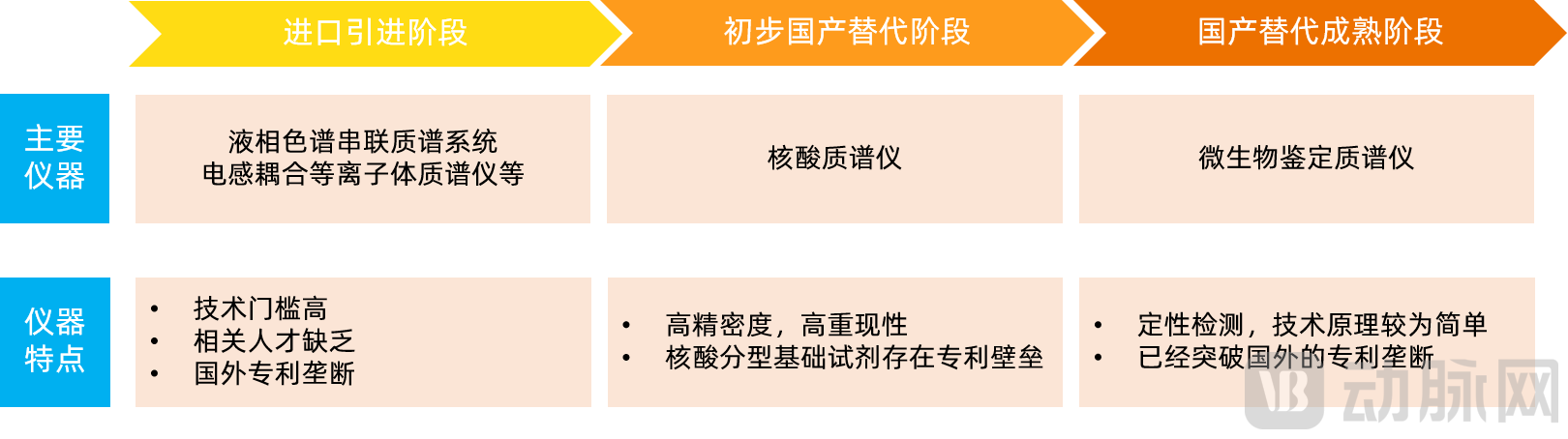
From the introduction of mass spectrometers, to OEM-based regulatory certification, and then to a high degree of localization of instrument manufacturing, ultimately achieving widespread domestic substitution in clinical settings—this is the common development path for diagnostic equipment in China.The current progress of domestic substitution for various types of clinical mass spectrometers can be divided into three stages:
Import Introduction Phase:Represented by liquid chromatography-tandem mass spectrometers, protein quantification mass spectrometry systems, and imaging mass spectrometry systems, these technologies feature extremely high technical barriers, making domestic substitution a distant prospect. Guoke Yigong and Puyu Technology have taken the lead in developing domestically produced liquid chromatography-tandem mass spectrometers; however, these instruments have not yet achieved widespread clinical adoption.
Initial Phase of Domestic Substitution:Represented by nucleic acid mass spectrometry, this field presents certain technical barriers. Except for a few manufacturers that have independently overcome patent obstacles to achieve fully self-developed instruments and reagents, the vast majority of manufacturers remain constrained by patent barriers in instrument research and development, manufacturing, and basic reagents for nucleic acid genotyping.
Mature Phase of Domestic Substitution:This is the ultimate goal for all clinical mass spectrometers: to achieve complete in-house research, development, and manufacturing, thereby thoroughly eliminating dependence on external suppliers, as exemplified by mass spectrometers for microbial identification.
Roadmap for the Domestic Substitution of Clinical Mass Spectrometers in China
Data Source: Artery Orange Database, produced by VCBeat.
Mass Spectrometers Will Accelerate Their Application in POCT Settings
POCT-Enabled Mass Spectrometers Emerge as a Hotspot.Traditional mass spectrometers are expensive, occupy a large footprint, and involve complex operations. As the clinical value of mass spectrometry increases, more of its potential is being uncovered, prompting the industry to develop point-of-care testing (POCT) devices. POCT mass spectrometers offer advantages such as rapid analysis, portability, compact size, and ease of use. However, compared with large-scale laboratory mass spectrometers, they suffer from limitations including insufficient sensitivity, restricted detection capabilities, and suitability only for qualitative analysis.
POCT mass spectrometers hold great promise for real-time analysis, capable of detecting volatile organic compounds (VOCs) and non-volatile organic compounds, enabling bedside monitoring in ICUs and clinical departments, such as anesthesia monitoring in operating rooms.
The primary approach to adapting mass spectrometers for point-of-care testing (POCT) is the miniaturization of core components, with MEMS micromachining technology warranting close attention.Miniaturization technologies for point-of-care testing (POCT) mass spectrometry have previously focused on improvements in sample introduction systems, ion sources, analyzers, and vacuum systems. By proportionally scaling down key components, these advancements have enhanced detection speed and reduced instrument footprint. The market already offers numerous compact mass spectrometers based on mature technologies such as ion trap, time-of-flight, and quadrupole systems. However, this technical approach has reached a bottleneck, making further significant improvements difficult to achieve.
MEMS mass spectrometry is a revolutionary technology for achieving point-of-care testing (POCT) in mass spectrometers. It integrates the core components of traditional mass spectrometers into a mass spectrometry chip, further reducing the size of key components such as the ion optical system and vacuum system. This approach simplifies the direct assembly of various components, minimizes redundant design, and significantly enhances integration levels. Moreover, considerable progress has been made in key MEMS mass spectrometry devices, including ion sources, mass analyzers, detectors, sample introduction techniques, vacuum gauges, and vacuum pumps. MEMS mass spectrometry is poised to become the core technology for POCT-enabled mass spectrometers.
Automation is a Key Strategic Focus for Enterprises
Clinical mass spectrometry automation is divided into two major phases: the early phase, which focuses on automated sample pre-processing; and the later phase, which achieves fully automated clinical mass spectrometry workflows.
Early Stage: Automation of Pre-analytical Sample Processing.Currently, after samples are loaded onto the instrument, subsequent mass spectrometry analysis and data processing are not complex; the bottleneck constraining efficiency improvement lies in the cumbersome sample pretreatment steps. Biological samples cannot be directly introduced into the mass spectrometer for analysis; they must undergo a series of sample pretreatment procedures to purify or clean up the samples, reduce matrix interference, and enhance sensitivity and accuracy. In response to sample pretreatment needs, several domestic companies have launched automated sample pretreatment platforms.
Later Stage: Automated Clinical Mass Spectrometry Pipeline.The value of automated platforms for pre-analytical processing is limited; total laboratory automation (TLA) represents the ultimate solution for clinical mass spectrometry testing. However, TLA has not yet been realized in clinical mass spectrometry. This is due to two main factors: first, technical limitations currently restrict TLA systems to analyzing only a small number of analytes; second, the test volume for individual clinical mass spectrometry markers is insufficient. Without adequate sample throughput, the implementation of TLA incurs prohibitively high costs.
Coexistence and Long-Term Development of the LDT and IVD Models
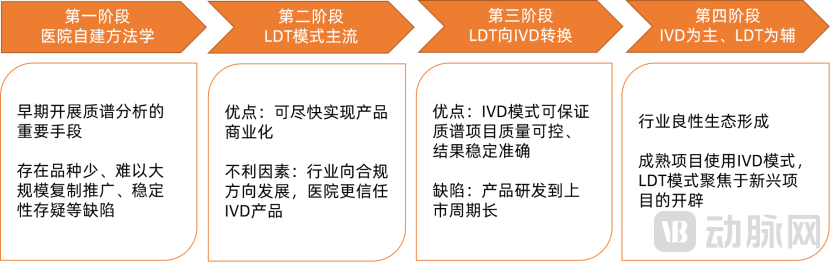
In terms of business model iteration, China’s clinical mass spectrometry industry has undergone a transition from hospital-developed methodologies, to the predominance of the Laboratory Developed Tests (LDT) model, and then to the rapid rise of the In Vitro Diagnostic (IVD) model. In the future, the IVD model will take the lead while the LDT model serves as a supplement, with both models coexisting over the long term.
Phase I: Hospital-Developed Methodologies.Prior to 2018, as the domestic clinical mass spectrometry industry was in its infancy with an immature supporting ecosystem, and imported manufacturers lacked the capability to develop assay kits, hospitals in China with a demand for mass spectrometry analysis had no choice but to purchase imported mass spectrometers and establish their own in-house methods. This approach suffered from drawbacks such as limited test menus, difficulties in large-scale replication and promotion, and questionable stability.
Phase II: LDT Model Becomes Mainstream, IVD Model Emerges.After the clinical mass spectrometry industry in China officially took off, companies in the sector actively engaged in a land grab by leveraging the Laboratory Developed Tests (LDT) model, which generates revenue through regional sample collection.
Phase III: The Rapid Rise of the IVD Model.A small number of enterprises pioneered the IVD model, which has now gained widespread industry recognition and is advancing rapidly. Compliance represents the first step toward standardization and regulated development within the industry. Domestic hospitals boast robust laboratory teams, resulting in limited demand for outsourced testing. The IVD model ensures controllable quality and stable, accurate results for mass spectrometry-based assays, thereby earning greater trust from hospitals.
Phase IV: IVD as the primary focus, with LDT as a supplementary component.This represents the ultimate stage for the healthy development of the clinical mass spectrometry industry. Mature projects adopt the IVD model, while the LDT model enables rapid service deployment when early-stage IVD products have not yet received approval, making it particularly suitable for innovative applications. The parallel operation of these two models strengthens the clinical mass spectrometry industry.
Especially in the new era of clinical laboratory testing driven by multi-omics integration, novel diagnostic pathways that combine omics tools such as genomics, proteomics, and metabolomics require a new “IVD + LDT” model to achieve rapid clinical translation.
Iteration of the Clinical Mass Spectrometry Business Model
Data Source: Arterial Orange Database, Produced by VCBeat.
The above is an excerpt of the main content of the report. The complete framework of the report is as follows. Scan the QR code to access the mini-program and read the full report for free.
Chapter 1: Covering Four Major Testing Fields, Clinical Mass Spectrometry Becomes the “Model Worker” of Diagnostic Testing
1.1 Emerging Technologies in Clinical Medicine: Driving Precision Medicine Forward
1.2 Diverse Types of Mass Spectrometry Instruments for Different Samples and Detection Needs
1.3 A Century of History, 10 Scientists Awarded the Nobel Prize
Chapter 2: Multiple Factors Drive Growth, Clinical Mass Spectrometry Shows Positive Development Trends
2.1 Intensive Policy Support, with Industry Standards and Registration Regulations Becoming Increasingly Comprehensive
2.2 Clinical Demand, Domestic Substitution, and Multi-Omics Trends Act as Industry Accelerants
2.3 Market Size Exceeds 10 Billion, with Promising Potential Ahead
2.4 Individual Financing Rounds Frequently Exceed RMB 100 Million as Star Investors Actively Deploy Capital
Chapter 3: Seven Major Technology Platforms Building the Clinical Mass Spectrometry Application Ecosystem
3.1 Liquid Chromatography-Tandem Mass Spectrometry is One of the Most Mature Technical Platforms in Clinical Practice
3.2 Extremely High Level of Domestic Production for Microbial Mass Spectrometry Technology Platforms
3.3 Nucleic Acid Mass Spectrometry Complements Fluorescence Quantitative PCR and NGS
3.4 Four Technology Platforms, Including Inductively Coupled Plasma and Gas Chromatography, Are Accelerating Their Growth
3.5 The Seven Major Technology Platforms Leverage Their Respective Strengths for Differentiated Applications
Chapter 4: Synergistic Innovation in Technology and Business Models—Platform-Based Enterprises as the Future Mainstream
4.1 Clear Trends Toward Domestic Production, POCT Adaptation, and Automation of Mass Spectrometry Instruments
4.2 Platform-Based Enterprises Offering One-Stop Solutions Lead Industry Innovation
4.3 Long-Term Coexistence and Development of the LDT and IVD Models
Chapter 5 Corporate Case Studies
5.1 Haosi Biotech: Bridging the Upstream and Downstream of Multi-Omics Research, with Strategic Layouts in Both High-End and Primary Care Sectors
5.2 Yingsheng Biology: Multi-Technology Platform, Multi-Application Field Layout
5.3 Pingsheng Medical: Unlocking the Potential of Clinical Mass Spectrometry Through Multi-Omics Research Innovation
5.4 Rongzhi Bio: A Pioneer in Protein Quantification and Mass Spectrometry Imaging
This report is part of the series for VCBeat’s 6th Future Healthcare 100 Conference, which will be held online from June 14 to 18, 2022. The report will be presented and released at the conference. Below is the QR code for downloading the full text of the report.

References:
CICC: “Mass Spectrometry: The Next Multi-Billion-Yuan Blue Ocean in Clinical Testing”
Shanghai Scientific and Technical Publishers, "Clinical Application of Liquid Chromatography-Mass Spectrometry Technology"
VCBeat: “Nearly RMB 1 Billion Raised in Half a Year, Clinical Implementation Challenges Remain Unresolved—Will This Sector Mature Within 3–5 Years?”
Instrument Information Network "Research Progress on MEMS Mass Spectrometry Technology"
Cinda Securities “Series Report on Laboratory Analytical Instruments: Mass Spectrometers (II): Industrial Upgrading and Domestic Substitution [Cinda Machinery · Special Research]”
Maywei Medicine: "Current Status and Future of Clinical Mass Spectrometry"
Guotai Junan: "Clinical Mass Spectrometry: The 'New Force' in In Vitro Diagnostics"
Chinese Pharmaceutical Journal “Survey on the Implementation of Therapeutic Drug Monitoring in Chinese Hospitals in 2018”