

Boao Lecheng Partners with Boston Scientific to Launch Yttrium-90 Glass Microspheres, Bringing Advanced Liver Cancer Therapy to Chinese Patients
On the afternoon of May 24, the “Yttrium Sets Sail: Inaugural Procedure Launches – Press Conference on the Clinical Treatment with Yttrium-90 Glass Microspheres under China’s First Batch of Special Access Permissions” was grandly held at the Boao Lecheng International Innovative Drugs and Medical Devices Exhibition.
Mr. Wang from Guizhou and Mr. Dong from Hainan became the first patients to receive treatment with yttrium-90 (Y-90) glass microspheres. The procedure was led by Academician Teng Gaojun of the Chinese Academy of Sciences and President of Zhongda Hospital Southeast University, and was jointly performed by the medical teams from Zhongda Hospital Southeast University, Hainan Cancer Hospital, and Boao Super Hospital. At a press conference held that afternoon, the expert team confirmed that both Y-90 glass microsphere treatments had achieved the intended therapeutic objectives.
This means that some Chinese patients with liver cancer will benefit from the “pilot and early access” policy in Boao Lecheng, enabling them to receive treatment with advanced international technologies right in Boao Lecheng, Hainan, without having to travel abroad. The application of this technology also fills another gap in cutting-edge techniques within China’s liver cancer treatment landscape, providing new options for precision therapy and multidisciplinary diagnosis and management of liver cancer.
At the event, numerous government officials, healthcare institution administrators, and industry leaders gathered to provide professional recommendations for the development of the Boao Lecheng International Medical Tourism Pilot Zone, while also offering insights on innovative medical services and the construction of healthcare management systems.
Academician Teng Gaojun of the Chinese Academy of Sciences, Jia Ning, Director of the Hainan Boao Lecheng International Medical Tourism Pilot Zone Administration, and Zhang Jun, President of Boston Scientific’s Greater China region, attended the conference.
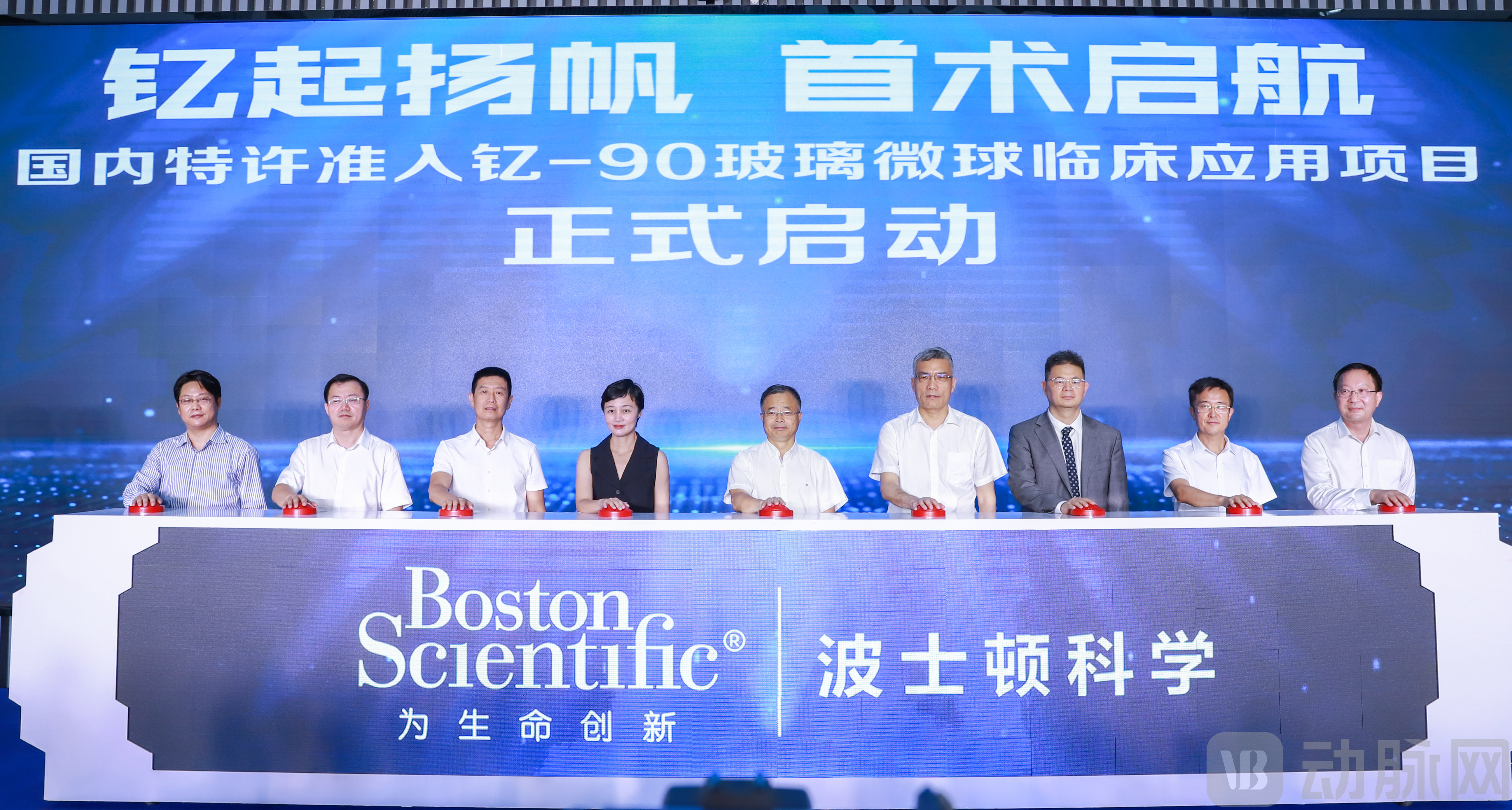
Launch Ceremony of the Clinical Application Project for the TheraSphere Yttrium-90 Glass Microsphere System
China is a country with a high incidence of liver cancer, where both the incidence and mortality rates remain persistently high. According to statistics, in 2020, there were 410,000 new cases of liver cancer in China, including 390,000 deaths, accounting for 50% of the global total.
Although surgical treatment, including surgical resection and liver transplantation, is currently the only approach capable of curing hepatocellular carcinoma (HCC) or enabling long-term survival, the insidious onset, rapid progression, and high rates of postoperative recurrence and metastasis characteristic of HCC mean that up to 70%–80% of patients in China are ineligible for surgical resection at initial treatment. Consequently, the five-year overall survival rate for HCC patients in China is only 14.1%. This represents the stark reality facing HCC treatment in our country.
Boston Scientific’s TheraSphere Yttrium-90 Glass Microsphere System (hereinafter referred to as “Y90 glass microspheres”) is used for selective internal radiation therapy (SIRT) of liver cancer. It is currently the only Y90 microsphere product approved by the U.S. FDA for the treatment of hepatocellular carcinoma, has been widely used internationally for over 20 years, and is recommended by numerous international guidelines as a key therapeutic approach for liver cancer.
The glass microspheres themselves contain Y-89, exhibiting stable performance, excellent sphericity, chemical inertness, and non-toxicity, with their physicochemical properties remaining unchanged after high-flux neutron irradiation. Due to their relatively high specific gravity, the microspheres tend to settle easily; however, the high radioactive activity per microsphere reduces the total number of microspheres required. This minimizes embolic effects on tumor vasculature and lowers the incidence of ectopic embolism caused by reflux.
The therapeutic principle of TheraSphere Yttrium-90 (Y-90) glass microspheres involves the implantation of highly radioactive Y-90 glass microspheres directly into the tumor, where they deliver continuous radiation to destroy tumor tissue. Due to the limited range of their radiation, damage to normal liver tissue and adjacent organs is minimized. Furthermore, this product enables “tailored” dosing of Y-90 glass microspheres for individual patients, facilitating personalized precision therapy.
TheraSphere Y-90 Glass Microspheres
On the morning of May 24, the clinical application of yttrium-90 (Y-90) glass microspheres, among the first batch approved under China’s special access program, was successfully performed at Boao Super Hospital within the Boao Lecheng International Medical Tourism Pilot Zone.
The surgery was led by Academician of the Chinese Academy of Sciences Teng Gaojun, President of Zhongda Hospital Affiliated to Southeast University, and jointly performed by the medical teams from Boao Super Hospital, Zhongda Hospital Affiliated to Southeast University, and Hainan Cancer Hospital.
“Both procedures were successful, with stable intraoperative vital signs and no adverse reactions.” Regarding the implementation of these surgeries, Teng Gaojun pointed out that the Yttrium-90 (Y-90) glass microsphere system for selective internal radiation therapy of liver cancer is currently the only Y-90 microsphere product approved by the U.S. FDA for the treatment of primary liver cancer, and it has been widely used abroad for over 20 years. The successful conduct of this compassionate-use procedure holds significant importance for the advancement of liver cancer treatment technologies in China.
Niu Huimin, Director of the Interventional Department at Hainan Cancer Hospital, stated, “During the implementation of the mainland’s first Y90 glass microsphere therapy, our hospital actively leveraged the strengths of its expert team and advanced diagnostic and treatment equipment. Through a multidisciplinary approach, we provided comprehensive care covering the entire process—from preliminary screening and assessment to surgery, postoperative monitoring, and follow-up—thereby ensuring the safety and efficacy of Y90 glass microsphere clinical treatment for patients. Moving forward, we will continue to collaborate with Boao Super Hospital, integrating resources across multiple campuses and disciplines to jointly establish a ‘Chinese model’ for Y90 microsphere therapy, thereby benefiting more liver cancer patients in China.”
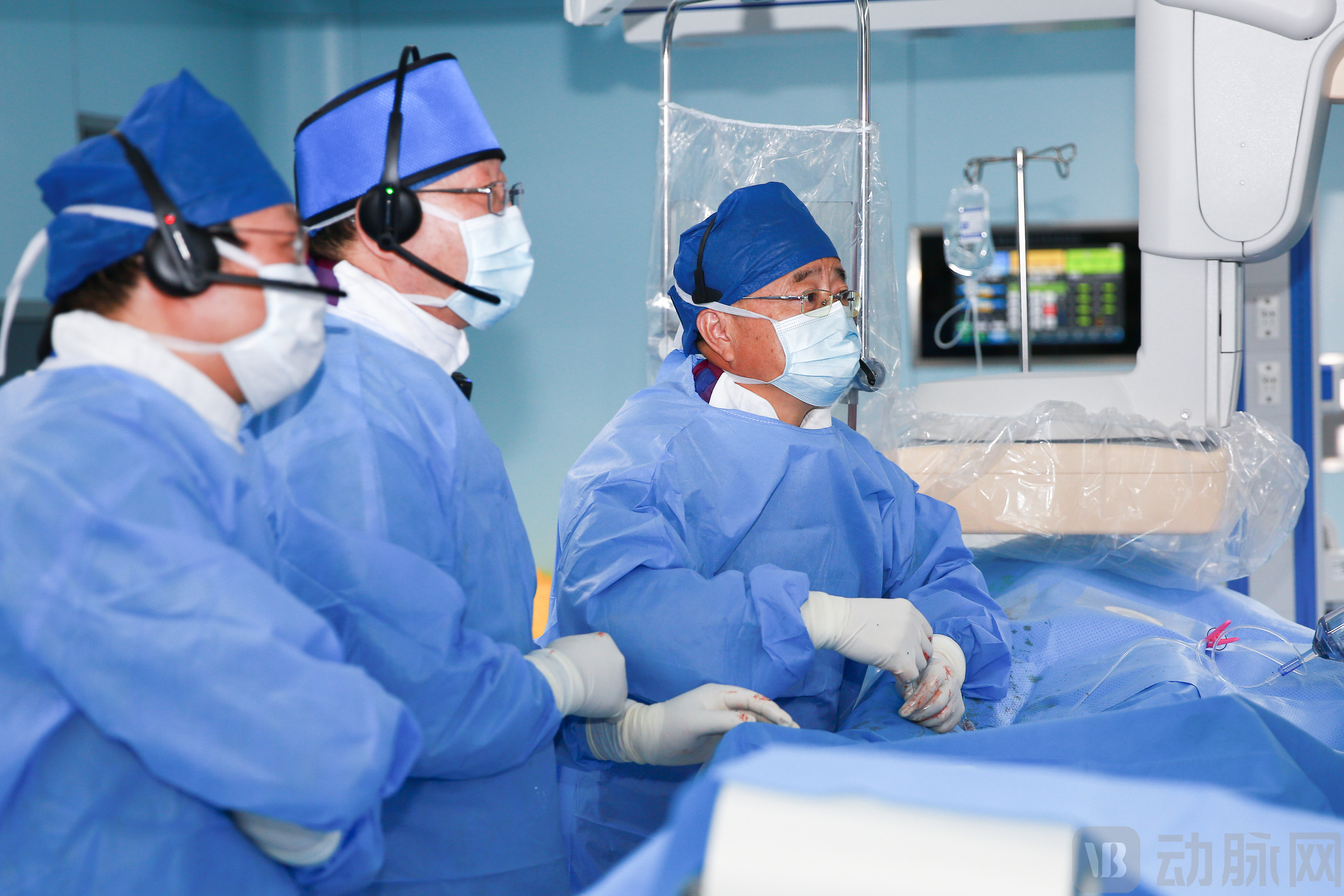
Teng Gaojun (far right), an academician of the Chinese Academy of Sciences and president of Zhongda Hospital Southeast University, who is leading the Y90 glass microsphere therapy procedure.
Recognizing the policy opportunities in Boao Lecheng, Boston Scientific established a strategic partnership with the Boao Lecheng Pilot Zone as early as November 2019. In January of the following year, as a key medical device enterprise partner for the Pilot Zone in real-world evidence (RWE) research, the company actively explored “pilot initiatives” and RWE studies, sequentially introduced multiple innovative products, and participated actively in pilot programs for the clinical application of real-world data.
Its water vapor therapy system and the single-use Rezūm Prostate Water Vapor Therapy Device, which were approved for market launch this March, are the third innovative medical devices in the Boao Lecheng Pilot Zone to gain approval from the National Medical Products Administration (NMPA) with the support of real-world study data.
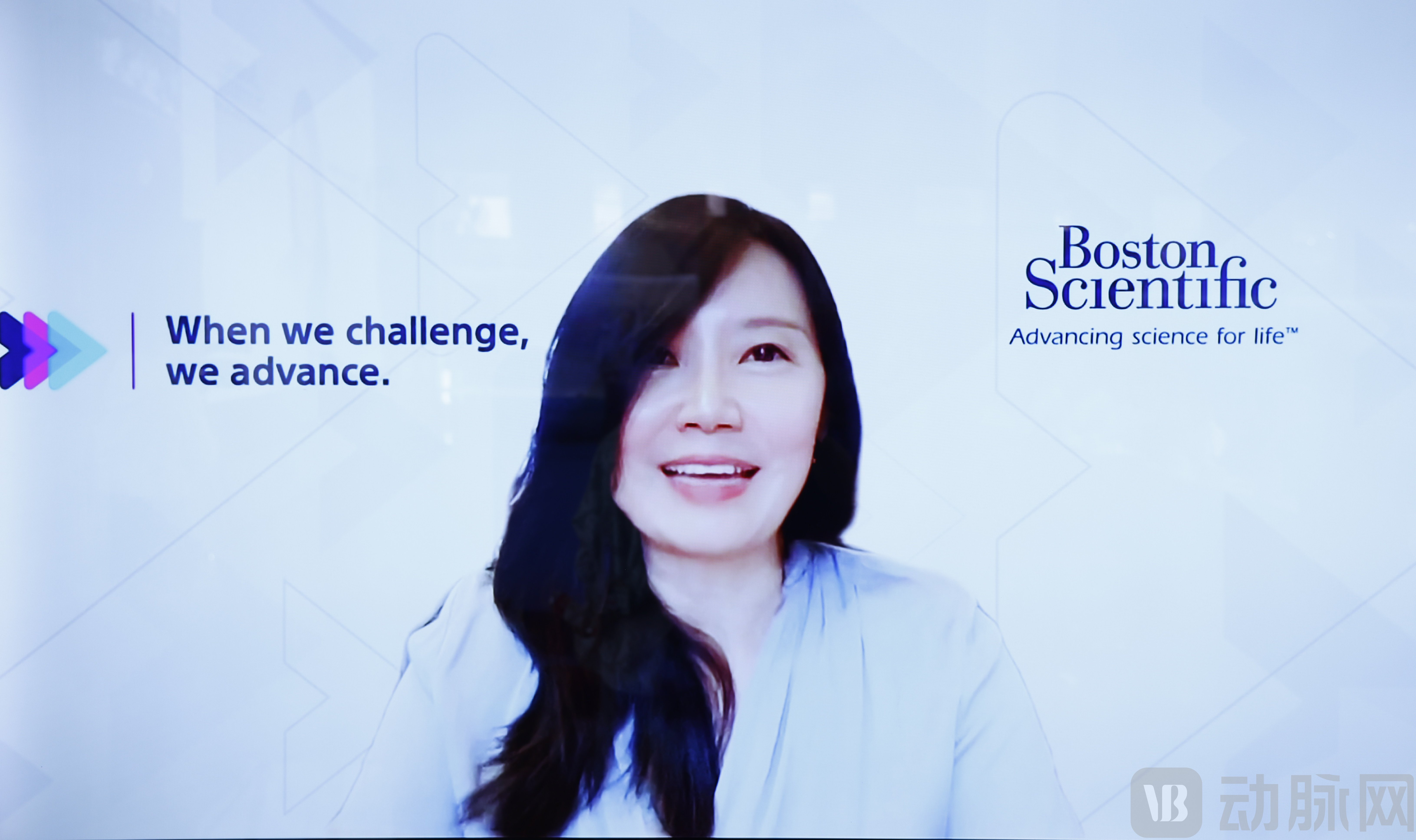
Zhang Jun, President of Boston Scientific Greater China
Zhang Jun, President of Boston Scientific’s Greater China region, stated, “Over the past two years, Boston Scientific has witnessed the Boao Lecheng Pilot Zone’s rapid transition from a ‘policy highland’ to a ‘platform highland.’ If our previous collaboration represented Version 1.0, the successful launch of the Y90 glass microsphere ‘pilot implementation’ project will usher in Version 2.0 of our partnership. Moving forward, we will further leverage multi-stakeholder synergy across industry, academia, research, healthcare, and government to implement more ‘first-in-class’ cases and explore additional effective innovations, thereby supporting the Lecheng Pilot Zone in becoming a world-class window for medical opening-up.”
According to Da Bo, Vice President of Boston Scientific China, the company will leverage pilot clinical data to conduct real-world studies and carry out multicenter clinical trials in China. These efforts aim to confirm the safety and efficacy of Yttrium-90 (Y-90) glass microspheres in the Chinese market, thereby further preparing for their domestic launch. In the future, Boston Scientific will rely on the Hainan Lecheng Pilot Zone to introduce more advanced technologies to China, benefiting Chinese patients.
Innovation and reform have always been the two main threads of Boao Lecheng’s development. According to Lv Xiaolei, Executive Deputy Director of the Boao Lecheng Administrative Bureau, Boao Lecheng has been able to maintain a continuous stream of innovative vitality mainly due to the following three aspects:
First, there is the synergistic force of reform. The reforms in Boao Lecheng were not driven solely by the Lecheng Administration Bureau; rather, they received strong support from relevant units such as the Hainan Provincial Medical Products Administration, the Hainan Provincial Health Commission, and Haikou Customs, as well as national ministries and commissions including the National Medical Products Administration and the National Health Commission. In the process of advancing these reforms, all parties reached a consensus and formed a joint force for change, which constitutes the most fundamental element of innovation in Lecheng.
Second, Boao Lecheng’s policy requirements are formulated by consulting enterprises, medical institutions, physicians, and patients to understand their needs. As is well known, these needs often represent bottlenecks, obstacles, and challenges within the industry or sector. Addressing these critical issues not only resolves specific pain points but also opens up new avenues for reform. In the past, patients requiring long-term treatment were unable to visit Boao Lecheng frequently or stay there for extended periods. However, two innovative reforms—the “Pilot First” policy and the Global Special Drug Insurance—have effectively improved both the accessibility and affordability of medications for patients.
Finally, through pharmaceutical and medical device policies, Boao Lecheng has established an industrial development platform capable of linking and aggregating resources from various stakeholders. For instance, this collaboration has received support from Boston Scientific, Academician Teng Gaojun’s team, and other parties. As a platform for industrial innovation, Lecheng leverages its platform and scale advantages to integrate diverse resources, fostering new innovations through multi-party collaboration and interaction.
As a “test field” for China’s health industry, Hainan Boao Lecheng will continue to exert efforts in the innovation of drugs and medical devices. We look forward to seeing more advanced drugs and medical devices, such as Yttrium-90 glass microspheres, registered and applied in China at an early date, so as to provide Chinese people with more and more advanced health treatment options.