

Biomarker Biotech Launches Domestic Single-Cell Microdroplet System DG1000, Advancing High-Throughput Sequencing Accessibility
Single-cell sequencing technology, also known as the “molecular microscope” and the “golden key” to probing cells.Studies have shown that the heterogeneity of gene expression and function in individual cells determines cell fate during development and is closely related to the pathogenesis of diseases.
Traditional cell research conducts omics analysis on entire cell populations at the average level of large cell cohorts, failing to reflect cellular heterogeneity. In contrast, single-cell sequencing performs sequencing of the transcriptome, and even the genome, at the individual cell level. By applying gene sequencing to the single-cell scale, it enhances sequencing precision and opens up new possibilities for the research, development, and application of biotechnology.
As a pioneering technology of the era, single-cell sequencing has become an indispensable tool in the field of life sciences and medicine, widely applied in numerous biomedical areas such as the tumor microenvironment, immunotherapy, animal embryonic development, and the pathogenesis and progression of cardiovascular diseases.Recognized by *Cell* as one of the disruptive technologies in the field of precision medicine.
In 2015, following the rise of high-throughput sequencing technologies dominated by droplet microfluidics and microwell plates, the microfluidic single-cell sequencing instruments and kits produced by the U.S. company 10x Genomics rapidly captured the international market, achieving a market share as high as 95%. This dominance has also become a critical “chokepoint” challenge for China’s single-cell sequencing sector.
Furthermore, high technical barriers, prohibitive costs, and challenges in sample preparation and storage have long severely constrained the large-scale application and development of single-cell technologies in China.
To break the long-standing foreign technological monopoly on single-cell reagents, consumables, and instruments, reduce the cost of single-cell applications, and make single-cell technology accessible to a broader research community, BioMarker (Beijing Biomarker Technologies Co., Ltd.; hereinafter referred to as “BioMarker”) officially launched its independently developed single-cell microdroplet system, the Baichuang DG1000, on May 25, 2022, leveraging years of accumulated innovative expertise.
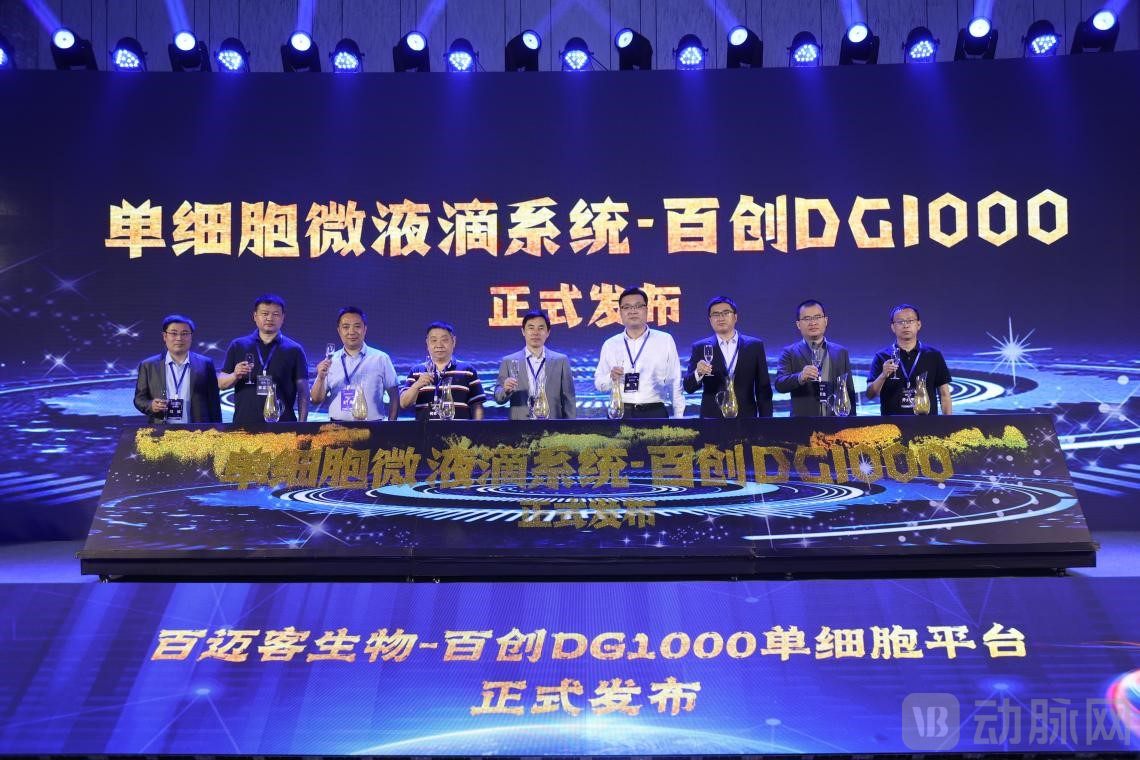
Press Conference Site
At the press conference, VCBeat interviewed the President of BioMarkerZheng HongkunMr. Xiao Zhengtao, a researcher at the School of Basic Medical Sciences of Xi’an Jiaotong University, and Mr. He Shunping, a researcher at the Institute of Hydrobiology of the Chinese Academy of Sciences, were granted an exclusive interview to gain deeper insights into the R&D background, technical principles, application scenarios, and the value for basic research and clinical medicine of the Baichuang DG1000.
After Four Years of Development, the Single-Cell Microdroplet System Baichuang DG1000 Is Officially Launched
Over the past few years, single-cell technology has been developing rapidly, whether in terms of technological innovation, expansion of application areas, or market growth rate.
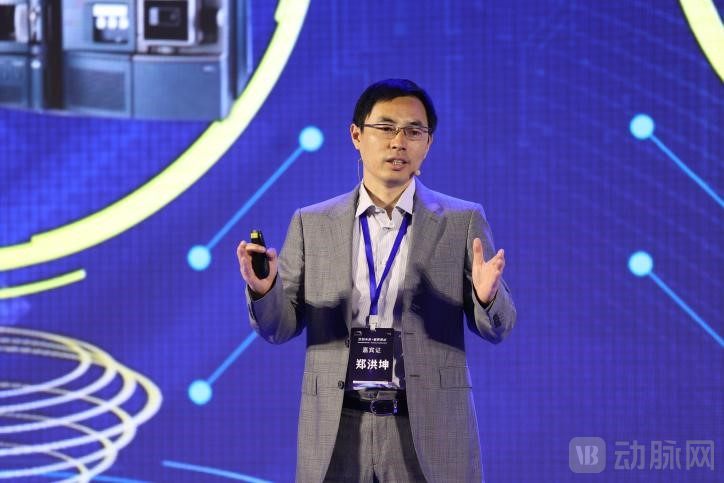
Zheng Hongkun, President of BioMarker
Mr. Zheng Hongkun, President of BioMarkerHe stated that previously, we analyzed samples at the tissue level, which precluded the differentiation of individual cellular states. Since its emergence, single-cell sequencing technology has advanced rapidly. However, its practical application faces several limitations: detection speed, the number of cells that can be analyzed, portability, and cost.
First, in terms of detection speed, single-cell analysis requires preserving the cells’ native state and completing the assay within the shortest possible time. Second, slow reaction kinetics can, to some extent, reduce the number of cells that can be analyzed. Furthermore, conducting tests in field-like environments necessitates deploying equipment on-site, thereby imposing requirements for portability. Finally, due to technological monopolies by foreign companies, costs have remained persistently high. Domestic substitution has helped lower costs to a certain degree, thereby broadening the scope of technological application.
The advantages of Baichuang DG1000 are,First, lightweight and portable.More than 1/3 smaller in size compared to traditional platforms, weighing 3.5 kilograms, the instrument is compact, lightweight, and portable.
Second, flexible sample loading. Traditional software chips generally adopt a fixed 8-channel configuration,Baichuang DG1000 features a 2×4 chip design, enabling flexible processing of 1–8 samples for rapid single-cell sequencing library preparation, while offering portability and reducing experimental costs.
Third, high speed. By leveraging technologies such as microfluidics, droplet encapsulation, and barcode labeling, high-throughput cell capture can be achieved. This enables the rapid formation of water-in-oil emulsions, thereby saving time for subsequent experiments.Runtime: Less than two minutes, minimize the duration of cell exposure to the environment to mitigate environmental impacts on cell status and reduce stress responses.
Fourth,Offers greater cell diameter compatibility, up to 60 μm.The channel's compatibility design enables accommodation of cells with larger diameters.
According to Mr. Zheng, the R&D team behind the Baichuang DG1000 comprises multidisciplinary experts spanning mechanical design, circuit design, embedded software development, and chemical reagents. “In the early stages, we devoted considerable time to building the team and achieved innovations across multiple dimensions. Starting in 2015, it took us two years to develop soluble hydrogel beads. More recently, we spent another two years completing the R&D of the hardware, software, and supporting chemical reagents,” said Mr. Zheng.
After four years of development, the Baichuang DG1000 is officially launched.This breakthrough ends the long-standing monopoly by foreign companies on single-cell sequencing reagents and instruments, which will reduce the cost of single-cell applications and make single-cell technology accessible to a broader research community.
The Ultimate Solution for Cell Heterogeneity Research
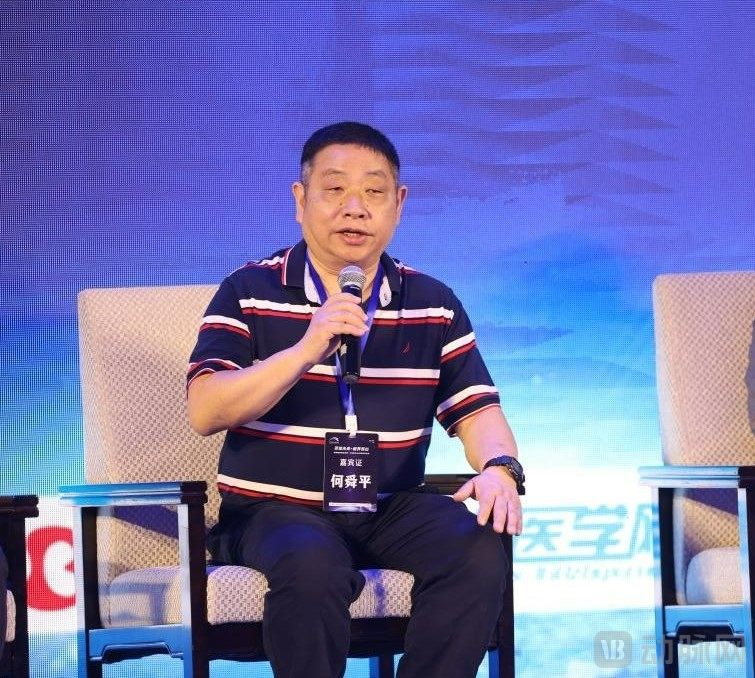
He Shunping, Researcher at the Institute of Hydrobiology, Chinese Academy of Sciences
Researcher He Shunping, Institute of Hydrobiology, Chinese Academy of Sciencesstated,Single-cell sequencing can be described as a revolution in sequencing. By leveraging single-cell technologies, researchers can clearly elucidate the developmental status of individual cells and their dynamic changes over time, thereby ushering biological research into a new era. Consequently, single-cell sequencing technology is of paramount importance and represents the ultimate solution in the evolution of sequencing technologies.
In the past, single-cell technologies were monopolized by foreign companies due to patents, pricing, and other factors. We aim to achieve domestic production in China, control costs, and promote the large-scale application of these technologies in basic medical research and clinical testing in China.
Baichuang DG1000 has broken the foreign technological monopoly, reduced the cost of single-cell applications, and resolved bottleneck issues.This will enable the widespread adoption of the technology, allowing more universities, research institutes, and healthcare systems to utilize it at a lower cost, thereby driving the continuous advancement of biological theories and applications.
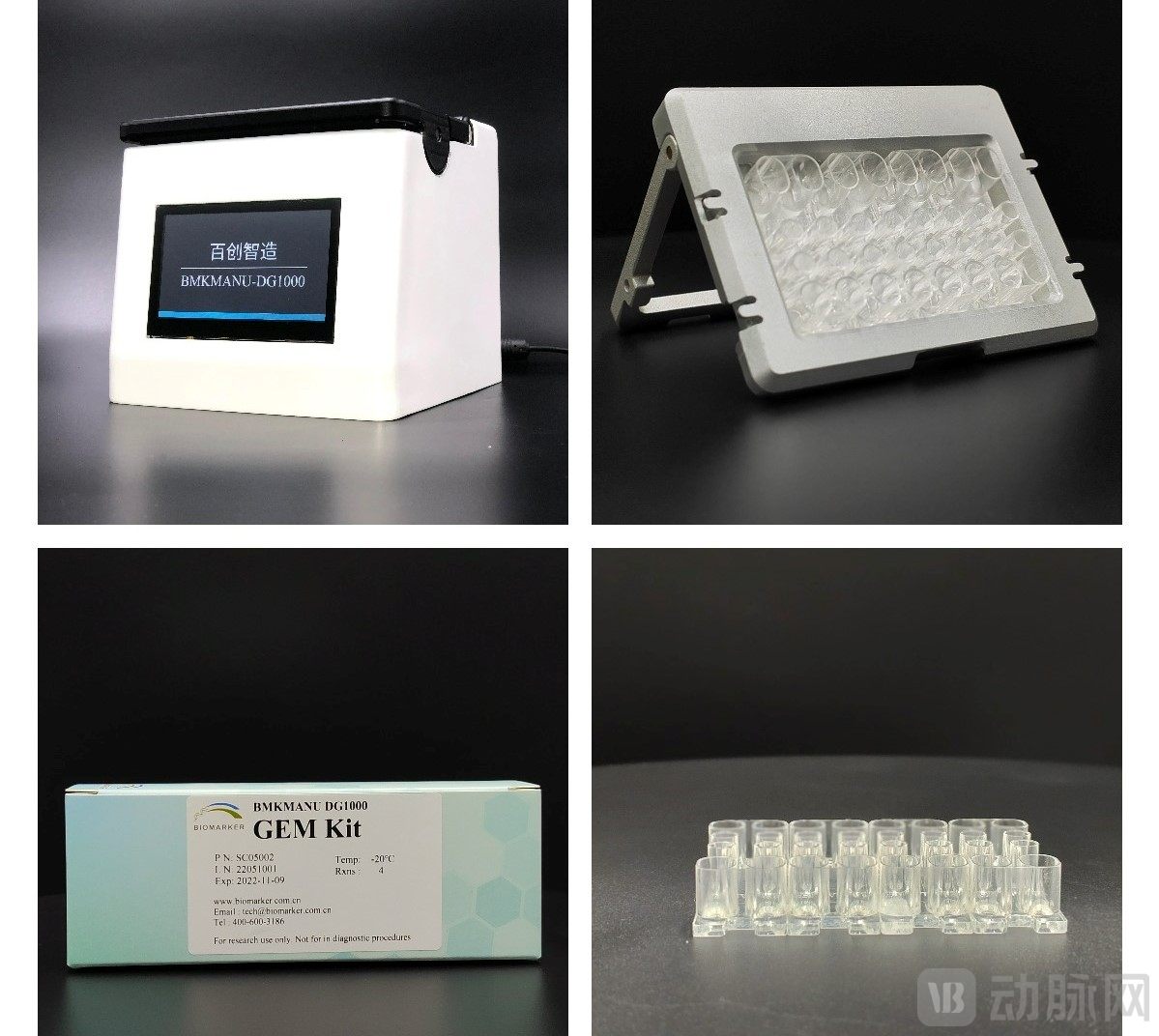
Baichuang DG1000 Single-Cell Microdroplet System
Addressing Accuracy and Cost Issues, with Broad Application Prospects
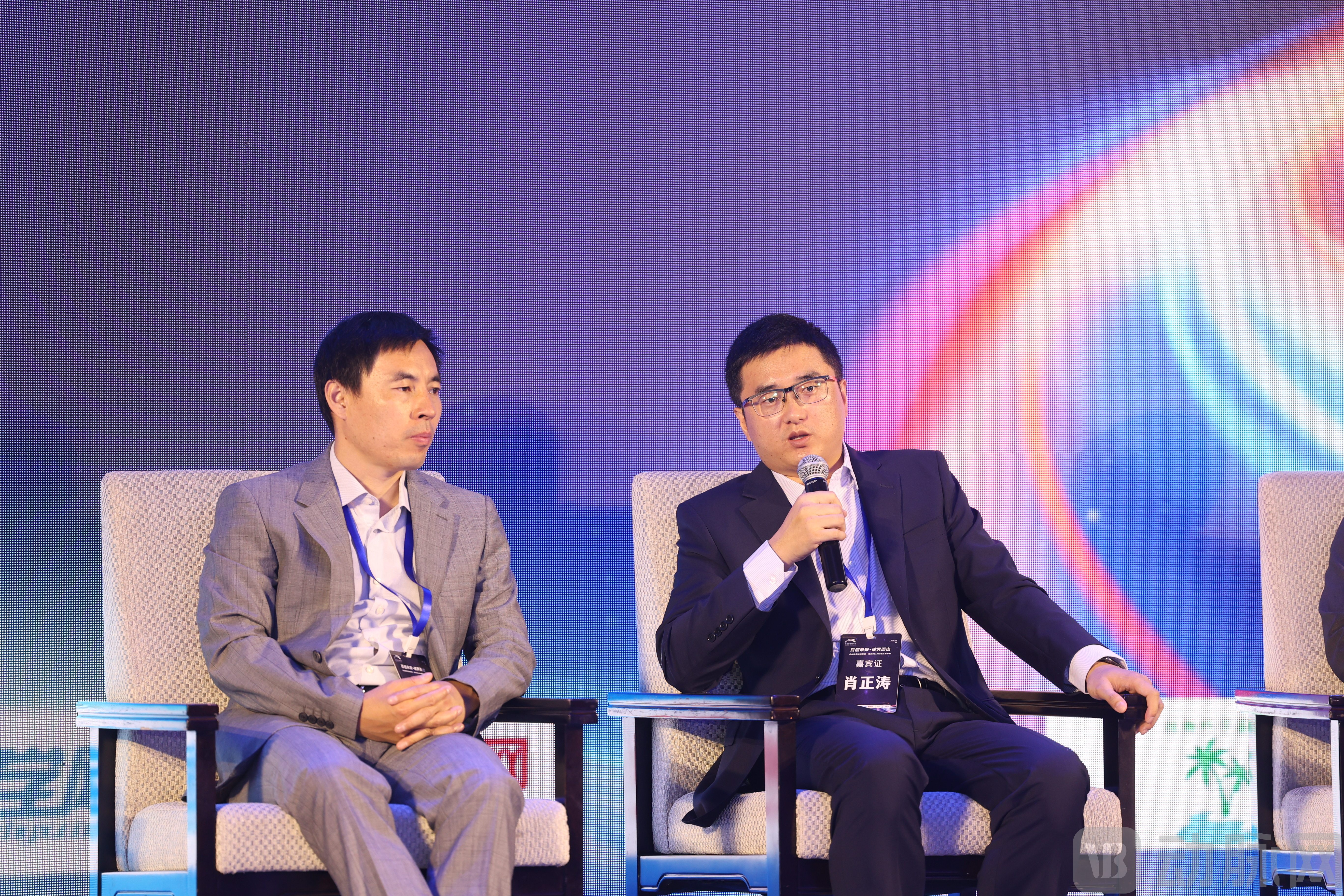
Xiao Zhengtao (far right), Distinguished Research Fellow, School of Basic Medical Sciences, Xi’an Jiaotong University
Xiao Zhengtao, a distinguished researcher at the School of Basic Medical Sciences, Xi’an Jiaotong University, stated,Both basic medicine and clinical medicine pay close attention to two key issues in the field of single-cell research,First is accuracy, second is cost. The Baichuang DG1000 precisely addresses these two critical issues.
To ensure accuracy, it is essential to maintain the freshness of the samples. The current industry standard dictates that the time interval between sample collection and testing should not exceed 48 hours. Beyond this timeframe, cell viability declines, and exposure to air along with external stimuli can adversely affect gene expression.
The Baichuang DG1000 offers rapid operation and is lightweight and portable, enabling us to bring the instrument directly into the laboratory for immediate testing upon sample collection. This minimizes cellular exposure to the external environment, thereby ensuring more accurate and real-time test results.
Secondly, the localization of single-cell technology has addressed our significant concern regarding costs. A small tissue sample contains tens of thousands of cells, each of which harbors tens of thousands of genes. Detecting tens of thousands of genes across tens of thousands of cells generates an enormous volume of data, resulting in high costs.
For a long time, single-cell technologies have been monopolized by foreign entities, with pricing power firmly in their hands, posing a significant constraint on our basic and clinical medical research. With the localization of these technologies, costs have decreased, enabling large-scale applications in both basic and clinical medicine and rapidly advancing scientific research and clinical practice in China.
Furthermore, given the variability in cell size, we aim to detect as many cells as possible. The Baichuang DG1000 offers superior compatibility and has resolved several challenges we encountered.
Currently, single-cell sequencing is primarily applied in clinical settings for the precise diagnosis and treatment of pathogenic cells in complex diseases, including cancer immunotherapy. In our oncology research, in addition to tumor cells, we place significant emphasis on elucidating the relationship between gene expression patterns and functional characteristics of other immune cell populations, thereby evaluating the therapeutic efficacy of immunotherapy against tumors.
What factors influence the activity of immune cells, and how do their gene expression profiles and microenvironment impact antitumor activity? To conduct such detailed investigations, single-cell technologies are essential.
Besides tumors, other diseases are the same.Ultimately, it is necessary to return to the molecular level to investigate the effects of drugs on cellular genes, signaling pathways, and metabolism after they enter cells. From this perspective, integrating BioMarker’s DG1000 with various mainstream detection and therapeutic modalities represents a significant future application scenario and a key development trend. Therefore, the application prospects for BioMarker’s DG1000 are extensive.
BioMarker, established in May 2009, has developed three core business segments—scientific services, a biological cloud platform, and intelligent manufacturing—based on the development and application of high-throughput sequencing and bioinformatics technologies.
Looking to the future, Zheng Hongkun stated,BioMarker will also gradually expand its business layout in intelligent manufacturing. We aim to develop more core technologies to drive the company’s growth. In the field of intelligent manufacturing, the focus will be on advancing single-cell technology and spatial omics technology. These two directionsThe first device has already been launched, and new intelligent manufacturing products will be rolled out successively this year. Over the next five to eight years, we will furtherIncrease investment in single-cell sequencing and spatial omics, continue to deepen the localization of core intelligent manufacturing technologies, and contribute to the advancement of scientific research and clinical testing in China.
Although China’s single-cell sequencing technology started relatively late, the industry is accelerating its technological development as more domestic companies expand their R&D investments to drive innovation and achieve breakthroughs, complemented by the continuous influx of capital and strategic deployments. It is anticipated that BioMarker will continue to innovate, accelerate the translational application of single-cell sequencing technologies in basic research, drug development, and clinical diagnosis and treatment, thereby promoting industrial growth and contributing to the nation’s strategic layout for the upstream segment of the gene industry.