

Baiying Group: A 16-Year Journey from Medical Device Park Operator to CDMO Specialist
If there were an entrepreneur with experience, tools, and talent in a hot sector, what would you advise him to do?
In fact, this question was answered two hundred years ago. In the mid-19th century, during the Gold Rush in the American West, countless people became gold prospectors. Among them, a group used their gold-digging shovels to dig for water instead, which they then sold to the fervent prospectors. Although they did not become overnight millionaires, they still amassed considerable wealth.
This group is known as the “water sellers,” a term that later came to refer to companies that, rather than taking risks in hot sectors, choose to serve those sectors in pursuit of “steady and stable” returns.
Returning to the initial question, Baiying (Shenzhen) Group is precisely such an enterprise, equipped with experience, tools, talent, and space. For the past decade or more, it has operated as a biopharmaceutical industrial park operator, and in recent years, it has expanded its offerings to include CDMO services for medical devices.
“Enhancing Industrial Park Competitiveness Through Industrial Chain Services” Included in Guangdong’s 14th Five-Year Plan for the Manufacturing Industry
In 2005, Baiying (Shenzhen) established its presence in Shenzhen. The choice of Shenzhen was no accident. While it is widely known today that Shenzhen boasts a highly developed electronics industry, few outsiders are aware that, built upon this robust electronics foundation, Shenzhen was once the birthplace of China’s high-tech medical device industry.
In the late 1980s, China’s first magnetic resonance imaging (MRI) scanner, first color Doppler ultrasound system, and first superconducting MRI unit were all unveiled in Shenzhen. The medical device industry in Nanshan District, Shenzhen, gradually took shape, spurring the subsequent rise of industries in Bao’an, Longgang, and other districts. By 2006, Shenzhen’s output value of medical devices accounted for approximately one-fifth of the national total.
Riding this favorable momentum and adhering to the business philosophy of “Landing Technology, Nesting Innovation,” Baiying’s “Nanshan Medical Device Industrial Park” officially opened in 2006, becoming one of the first medical device parks in China. Located in the overlapping area of the Shekou Free Trade Zone and the Qianhai Cooperation Zone in Nanshan District, Shenzhen, the park covers a land area of 13,000 square meters, with a gross floor area of 65,000 square meters.
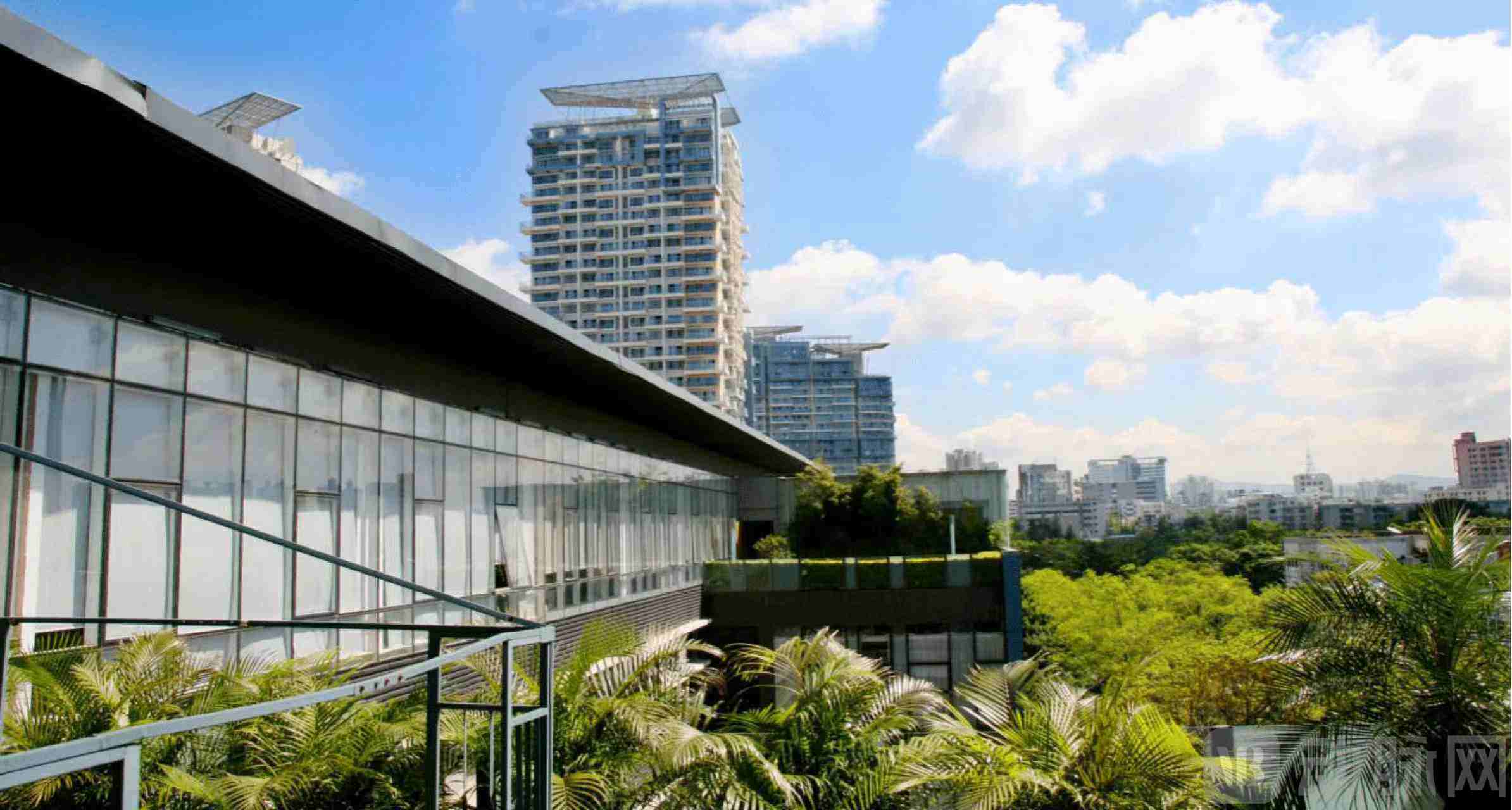
Exterior View of Nanshan Medical Device Industrial Park (Photo provided by the company)
At that time, various medical device outsourcing services in China were still in their infancy, and Baiying positioned itself as an operator of specialized themed parks for medical devices.
Operating an industrial park is no easy task. How can more startups be attracted to settle in the park? Providing office space for startups is the baseline requirement, while reducing costs for enterprises and offering incubation services to accelerate their growth are value-added advantages.
It is well known that the medical device industry is a highly attractive sector, yet bringing products to market is a capital-intensive endeavor for startups. Transforming a medical device from technology into a commercial product involves more than just proposing a concept; subsequent steps include recruiting R&D talent, constructing manufacturing facilities, and purchasing production equipment.
During the market launch of medical devices, startups typically face six major challenges and three high barriers: difficulties in financing, R&D, commercialization, manufacturing, sales, and regulatory compliance; as well as high thresholds for R&D, market access, and product sales channels.
A mature and experienced team can help companies “avoid common pitfalls,” but few startups possess such a team.
Thus, demand has given rise to services.
Nanshan Medical Device Industrial Park has proposed solutions to address various challenges. To alleviate financing difficulties, the park has introduced funding channels by attracting more enterprises through investment institutions and recommending these institutions to existing tenants. To tackle challenges in R&D and commercialization, the park has recruited R&D talent and collaborated with universities and medical institutions to establish a team of collaborative scientists and entrepreneurial mentors. To overcome production and sales hurdles, the park has built public technology platforms and public laboratories, while also connecting tenant companies with sales channels.
Initially, Mega Surplus launched this series of services to enhance the competitiveness of its industrial park, without proposing a clear business model. Later, the Mega Surplus medical device enterprise “incubator” gradually took shape. In 2018, Mega Surplus began exporting its industrial park operation services and officially commenced operations at the “Southwest University (Chongqing) Industrial Technology Research Institute.”
After 16 years of development, Mega Surplus has also gained government recognition. In 2021, the Nanshan Medical Device Industrial Park under Mega Surplus was included in the "14th Five-Year Plan for High-Quality Development of Manufacturing Industry in Guangdong Province" as a key platform for the development of Shenzhen's medical device industry.
Leveraging the Medical Device Registrant System, Mega Surplus Builds a CDMO Platform
As division of labor within the industrial chain becomes increasingly specialized, outsourcing has become an irreversible trend. In 2019, the National Medical Products Administration (NMPA) announced pilot programs for the Medical Device Registrant System in 21 provinces, decoupling medical device manufacturing from registration. This policy invigorated the entire medical device outsourcing industry, expanding outsourcing services from clinical trials and registration to include research and development (R&D) and production.
According to VCBeat’s estimates, there are approximately 200,000 medical device developers in China. Assuming a penetration rate of 1/10 for medical device R&D outsourcing services and an average customer transaction value of RMB 500,000, the market size amounts to RMB 10 billion, with a future annual compound growth rate exceeding 20%.
With its vast market potential and rapid growth, the medical device outsourcing industry exhibits all the characteristics of an emerging high-growth sector. Medical device parks can enter this field through various approaches, such as attracting CRO/CMO firms to set up operations or integrating outsourcing services into their existing incubation systems.
After more than a decade of accumulated experience in industrial park operations, Mega Surplus has developed a profound understanding of the growth trajectories of medical device enterprises and has amassed the talent, industrial innovation resources, and management expertise required throughout their development processes.
Having positioned itself at the forefront of the CDMO trend while boasting abundant industrial resources and extensive experience, Mega Surplus has keenly recognized the momentum of “leveraging favorable winds to soar to new heights.” In recent years, Mega Surplus has decided to upgrade its business by building a medical device CDMO platform, with customization serving as a new growth driver.
Executives at Shenzhen Mega Surplus Life Tech Co., Ltd. described the decision using the traditional Chinese concept of “favorable timing, advantageous location, and harmonious human relations.” The promulgation of the Medical Device Registrant System represented favorable timing; being situated in Nanshan District, Shenzhen—a hub for medical device innovation and a concentration of research institutes—provided an advantageous location; and access to talent, joint technology development platforms, and industrial foundational resources constituted harmonious human relations.
In the field of R&D outsourcing, the pharmaceutical industry developed earlier than the medical device sector, and pharmaceutical CRO giants have already emerged. Although there are lessons to be learned from their development models, R&D outsourcing for medical devices differs from that for pharmaceuticals. Medical devices require different equipment and supply chains across various sub-sectors, making it difficult to achieve a comprehensive, all-encompassing layout.
A relevant executive stated, “The entire medical device CDMO industry is still in its early stages of development, with immature business models. Various CDMO companies are conducting diverse explorations centered on R&D and manufacturing. While some enterprises may eventually achieve comprehensive, large-scale layouts, Baiying is currently prioritizing respiratory health and medical aesthetics as its key growth sectors, with plans to expand into ophthalmology and rehabilitation in the future.”
Leveraging the National Innovation Center and an in-house R&D team to build a platform for key generic technologies in the industry
According to Mega Surplus, the company provides enterprises with one-stop, full-lifecycle services, ranging from product definition, design and R&D, supply chain integration, and prototype trial production to the establishment of quality management systems and regulatory registration filings, with a particular focus on addressing engineering scale-up and supply chain challenges.
First, address the challenges of engineering implementation.
What Does "Engineering" Mean? A new medical device may appear "perfect" in its early design stages, but whether it can evolve into a mature product remains questionable. Products lacking robust engineering design often experience significant delays during clinical trials and market launch. The core task of engineering is to address regulatory approval and commercialization challenges during the research and development phase.
Medical device engineering requires interdisciplinary talent. Mega Surplus CDMO has established an in-house team of over 30 professionals, spanning R&D, project management, marketing, quality assurance, production, supply chain, human resources, legal, and finance departments. Core team members bring more than a decade of experience from renowned medical device companies. Furthermore, through collaboration with the National Center for High-Performance Medical Devices (National Innovation Center) to establish the Respiratory Health and Medical Aesthetics Innovation Base, it has developed robust capabilities in technological breakthroughs and resource coordination, achieving synergistic sharing of talent resources between both parties.
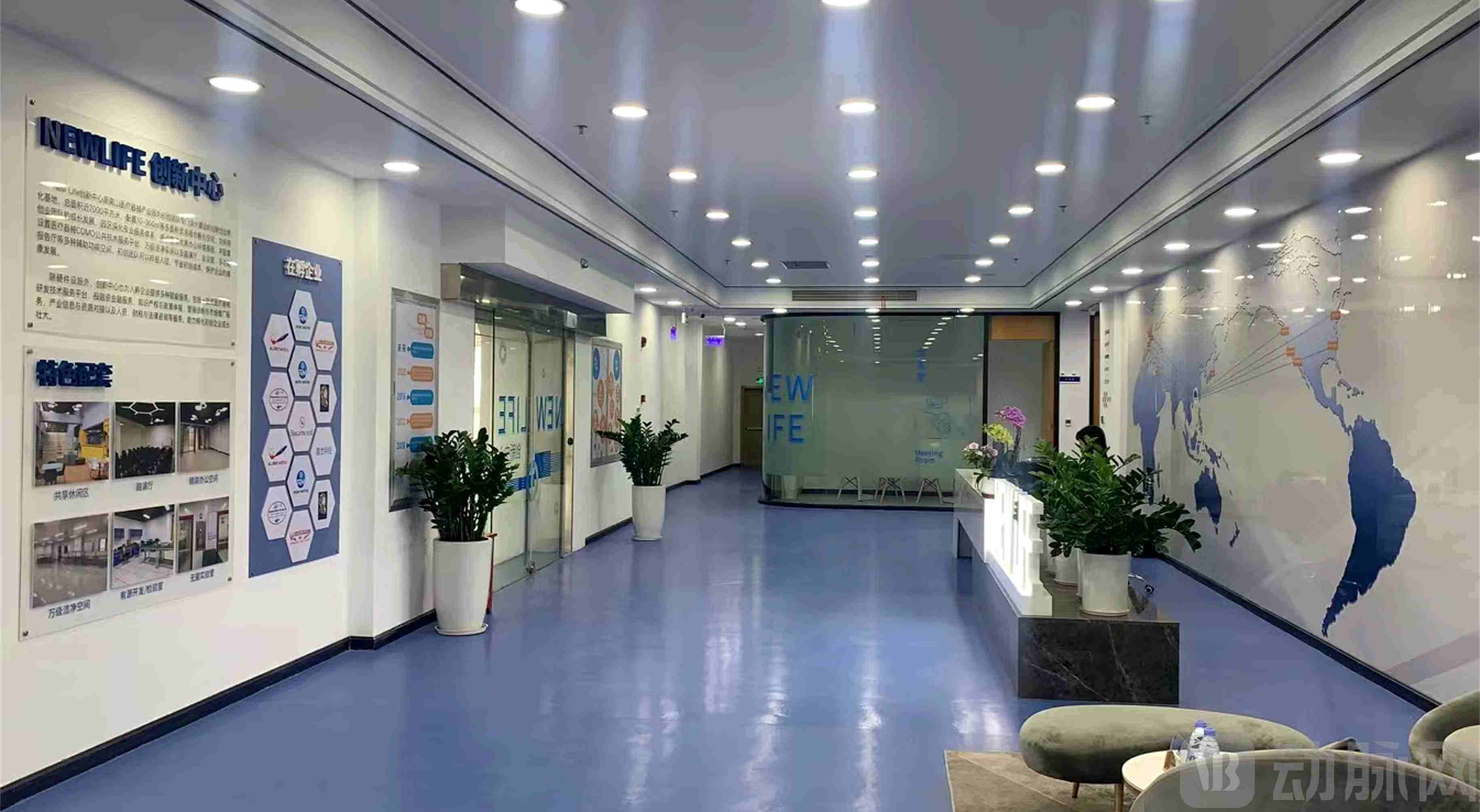
Interior View of Nanshan Medical Device Industrial Park (Photo provided by the company)
In terms of hardware facilities, Shenzhen Mega Surplus Life Tech Co., Ltd. has invested over RMB 20 million of its own funds into the CDMO platform, constructing a facility with an area of approximately 1,500 square meters. The facility includes specialized laboratory spaces such as a positive control room, a microbial limit testing room, a sterility testing room, and R&D/testing laboratories. It is equipped with electrical testing and physicochemical analysis instruments, capable of simultaneously meeting the validation requirements for electrical and physicochemical properties during the design and development process, as well as the full-spectrum R&D, inspection, and testing needs for sterile and implantable products, as well as active medical devices.
Mega Surplus is planning and constructing seven major engineering transformation platforms for common technologies in respiratory products. The platforms already established include the Respiratory Mechanics Monitoring Platform, the Turbine Control Platform, and the Constant Temperature Control Platform. Those currently under construction are the High-Concentration Oxygen Output Control Platform, the Proportional Valve Control Platform, the Basic Ventilation Control Platform, and the Voice Coil Motor Control Platform.
According to Mega Surplus, once the seven major platforms are established, they will be able to address more than 70% of the common technical challenges in the field of respiratory medical device technology. Mega Surplus also provides companies with pre-submission testing guidance and regulatory registration consulting services, and currently possesses clinical registration capabilities in China, the United States, and the European Union.
The engineering challenges have been resolved, followed by the supply chain issues.
Rome was not built in a day, and likewise, supply chain resources are not accumulated overnight. Over the past decade-plus of industrial park operations, Mega Surplus has amassed R&D supply chain resources encompassing medical institutions, testing agencies, research institutes, universities, capital firms, and intermediary service organizations, thereby establishing a complete industrial closed loop integrating “industry, academia, research, capital, healthcare, application, and intermediaries.” Its manufacturing supply chain resources include industrial design for medical devices, electronic components, mold production, materials, and GMP-compliant production spaces for pilot and small-to-medium scale trials.
Dual-Engine Drive: Park Operations and CDMO Platform
Currently, Mega Surplus’s clients fall into two categories. The first category comprises clients of its industrial park operation business, including government platform companies, industry-leading enterprises that build and operate their own parks, and real estate developers. For these key client segments, Mega Surplus provides investment promotion and operational services for biopharmaceutical industrial parks, construction services for collaborative innovation platforms in the biopharmaceutical sector, industrial planning and development of biopharmaceutical policy frameworks, incubator/accelerator operations, as well as technology innovation community services and training and exchange programs. Meanwhile, Mega Surplus offers tenant companies within its parks CRO/CDMO services, technology project application and intellectual property services, investment and financing solutions, matchmaking services for industry information and technological innovation resources, and marketing diagnostics and promotional services.
Another category comprises CDMO clients. In 2019, the implementation of the Medical Device Registrant System stimulated demand for CDMO services among downstream entities such as research institutions, researchers, universities, and hospitals. While these organizations possess a strong understanding of technological and clinical needs, they often lack access to engineering and pilot-scale platforms, making it difficult to translate innovative concepts into prototypes.
There are also distributors affected by the "Two-Invoice System"; these enterprises have sales channels but no products. The Baiying CDMO platform can provide product solutions for such companies.
In addition to the above two categories, CDMO clients also include small and medium-sized enterprises (SMEs), innovative companies, and traditional contract manufacturers. The Baiying CDMO platform features a nearly 200-square-meter Class 10,000 cleanroom compliant with GMP and ISO 13485 standards, as well as an active device pilot production workshop. These facilities can meet the needs of such registrants for small-scale prototype and pilot production of sterile and implantable products, as well as active medical devices.
According to Shenzhen Mega Surplus Life Tech Co., Ltd., the CDMO platform has currently undertaken orders for multiple products, such as spirometers, oxygen concentrators, dry eye disease treatment devices, and cell culture incubators.
In the future, Mega Surplus will adopt a “dual-wheel drive” strategy, simultaneously developing its industrial park operations and CDMO platform, with both businesses mutually reinforcing each other. Park resources will be leveraged to promote the growth of the CDMO platform, while supply chain empowerment will facilitate investment attraction for the park. Leveraging its expertise in operational management and investment incubation, Mega Surplus Group is capitalizing on the locational advantages of the overlapping Free Trade Zone and Qianhai Cooperation Zone, as well as the policy dividends from pioneering initiatives, striving to establish the Nanshan Medical Device Industrial Park as a key platform for the transfer and commercialization of medical technologies both domestically and internationally.