

Mirvie Submits IPO Prospectus for FDA Breakthrough-Designated cfRNA Platform Enabling Early Prediction of Gestational Age, Preterm Birth, and Preeclampsia

GV
Google's Investment Fund

General Catalyst
Venture Capital Firm

Mayfield Fund
One of the world's top venture capital firms.

Decheng Capital
Life Sciences Investment Firms

Khosla Ventures
Venture Capital Firms

Mirvie
Prenatal Blood Testing Platform

BlackRock
Financial Investment Company

Foresite Capital
Private Equity Investment Firm
Human genetic material is primarily located within cells, but small amounts of DNA and RNA also circulate in the blood, typically released by dying cells.In pregnant women, this substance originates from the fetus, placenta, and mother.。
MirvieBy leveraging machine learning and liquid biopsy technologies, a rapid, simple, and personalized blood test for pregnant women has been developed. This test willUsed to detect and prevent pregnancy complications, such as preterm birth, preeclampsia, and gestational diabetes.
On May 17, 2022, Mirvie announced the completion of a $60 million Series B financing round.This round of financing was led by Decheng Capital, with participation from BlackRock, Foresite Capital, General Catalyst, GV, Khosla Ventures, and Mayfield. To date, Mirvie has raised a total of $90 million, bringing the company’s valuation to$155 million。
At the beginning of this month, Mirvie's preeclampsia testing technology receivedFDA Breakthrough Device Designation. The funds raised in this round of financing will be used to support the10,000-Person Clinical Trial, providing significant support for the commercialization of Mirvie's detection technology.
In the United States, 15 million infants are born prematurely each year (MIT Technology Review. 02.27.2019),American scientist and bioengineer at the California Institute of Technology, Stephen QuakeHis daughter Zoe was one of them. Born a month early, she spent her first night in an incubator. Watching his daughter in the incubator and his wife, who had just undergone an emergency cesarean section, Quake began to ponder why childbirth could not be predicted more accurately. During Zoe’s junior year of high school, Quake announced that he had developed an RNA-based blood test for expectant mothers. By sequencing cell-free RNA circulating in maternal blood, Quake identified expression changes in seven genes associated with preterm birth, enabling the identification of women at risk of delivering prematurely and providing doctors and families with more time to prepare.
Such liquid biopsy technologies have been developed for many years in the field of early cancer screening.Dr. Maneesh Jain, who studied applied physics and genomics technology at Stanford UniversityIt took twenty years to commercialize liquid biopsy technology, during which time he served as the CEO of a company specializing in liquid biopsy for early cancer screening. In 2018, the two founders observed the disparities in “technology application” and “resource allocation” between the fields of oncology and pregnancy, leading them to establish aMirvie: A Platform Providing Pregnancy Health Support for Women Through Liquid Biopsy—Stephen Quake Serves as Chair of the Scientific Advisory Board, and Maneesh Jain Serves as CEO。
Michal Elovitz, a maternal-fetal medicine physician at the University of Pennsylvania Perelman School of Medicine, identified maternal blood proteins that predict the risk of preterm birth in pregnant women more than a decade ago., but the detection of a single protein'sThe method is relatively limited and not easy to promote., while Quake and Jain’s RNA detection technology piqued Elovitz’s interest. Coupled with years of clinical experience, during which Elovitz observed inaccurate interventions by physicians in managing pregnancy complications such as preeclampsia and gestational diabetes, she joined Mirvie in hopes of identifying the true underlying causes of these complications.Dr. Michal Elovitz currently serves as Chief Medical Advisor at Mirvie.。

Mirvie Co-Founder and CEO Maneesh Jain, Chief Medical Advisor Michal Elovitz, Co-Founder and Chair of the Scientific Advisory Board Stephen Quake
For thousands of years, understanding the timing and progression of pregnancy has been a topic of enduring interest. The ancient Greeks already provided detailed descriptions of the different stages of fetal development, and although modern biologists possess detailed cellular and molecular maps of fetal and placental development,Currently, there is no reliable molecular test for predicting gestational age.。
Blood Levels of Human Chorionic Gonadotropin (HCG) and Alpha-Fetoproteinrespectively used for detecting pregnancy status and fetal complications, however, both of these molecular testsNot suitable for determining gestational age. Estimating gestational age based on the pregnant woman's last menstrual period is highly inaccurate,Ultrasound ImagingIt is currently the gold standard for providing information on fetal development and gestational age, butResource-Scarce Regionsnot always affordable, andInability to Predict Spontaneous Preterm Birth。
Inaccurate gestational age assessment may lead to unnecessary labor induction and cesarean sections, thereby prolonging postpartum care and increasing medical costs.Current methods for estimating the due date typically assume normal fetal development and delivery, without accounting for the possibility of spontaneous preterm birth.. In fact, H. Blencowe et al. found through investigation that preterm birth affects approximately 15 million newborns worldwide each year. According to statistics from the U.S. Institute of Medicine, preterm birth is the leading cause of neonatal mortality and long-term complications in the United States, with two-thirds of preterm births being spontaneous.Although family history or risk factors can be used to infer the risk of preterm birth in pregnant women, their accuracy is limited. Clinically, methods such as ultrasound measurement of cervical length (CL) or detection of fetal fibronectin (fFN) in the cervix are available; however, these methods have low positive predictive values and issues with specificity.。
Dr. Stephen Quake’s teamA pilot study involving 31 healthy pregnant women found that cell-free RNA (cfRNA) corresponding to placental genes may provide accurate estimates of fetal development and gestational age throughout pregnancy. By measuring cfRNA transcripts in maternal blood, the Quake teamNine cfRNAs were identified for predicting gestational age: CGA, CAPN6, CGB, ALPP, CSHL1, PLAC4, PSG7, PAPPA, and LGLS14. This method offers accuracy in gestational age estimation comparable to that of ultrasound examination, but at a lower cost.Low.
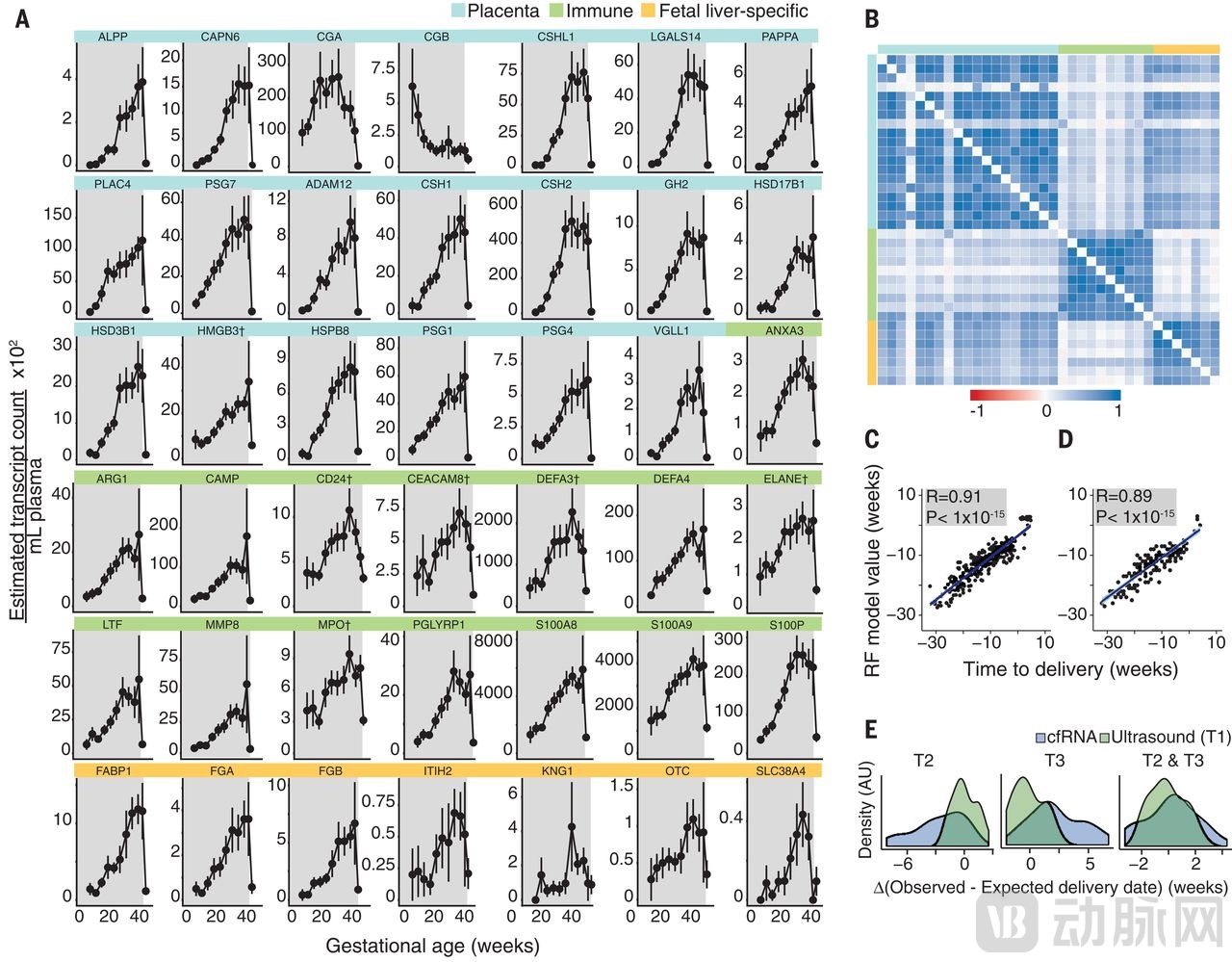
Application of cfRNA Measurement in Predicting Gestational Age
The first phase of the experiment completed the prediction of delivery time for full-term births. To identify cfRNA transcripts capable of predicting spontaneous preterm birth, the Quake team conducted further research on an additional 38 pregnant women known to be at risk of preterm delivery (those experiencing early contractions or with a prior history). All participating women delivered vaginally (25 term deliveries and 13 preterm deliveries).The Quake team performed sequencing (RNA-seq) on cell-free RNA (cfRNA) from plasma samples of these women and ultimately identified seven cfRNAs capable of identifying women at risk of preterm birth: CLCN3, DAPP1, PPBP, MAP3K7CL, MOB1B, RAB27B, and RGS18. These cfRNAs can accurately identify pregnant women at risk of spontaneous preterm birth two months before delivery.。
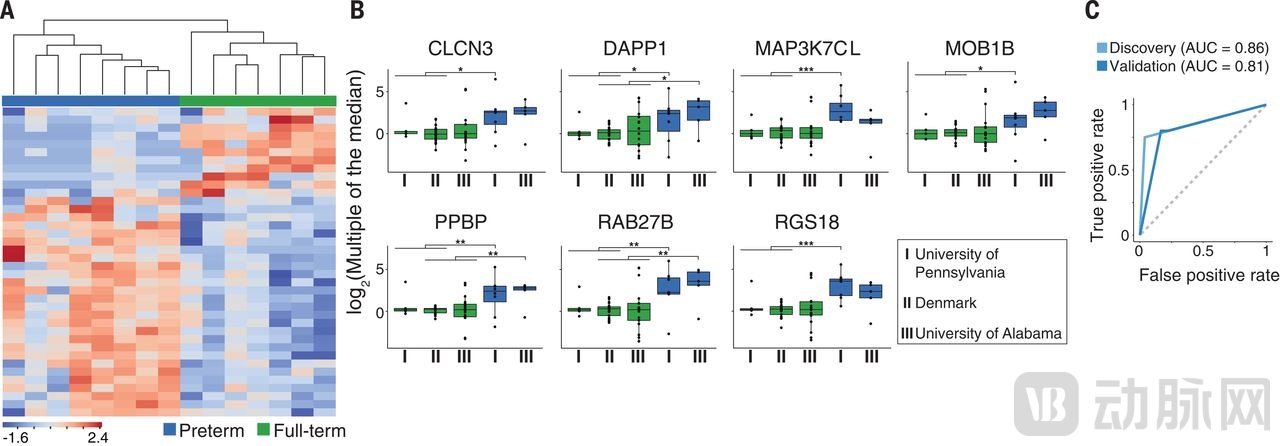
Application of cfRNA Measurement in Predicting the Risk of Spontaneous Preterm Birth
The Quake team’s research has demonstrated the utility of noninvasive blood tests in predicting gestational age and identifying the risk of preterm birth. Compared with existing methods, cfRNA-based testing offers broader applicability and lower costs.
Preeclampsia is a progressive, multisystem disorder unique to pregnancy. It is characterized by the new onset of hypertension and proteinuria after 20 weeks of gestation, or the new onset of hypertension with end-organ dysfunction, with or without proteinuria. The condition can progress persistently, severely affecting maternal and fetal health. Maternal morbidity and mortality rates continue to rise, with preeclampsia being a primary driver of this trend. However,Currently, it is difficult to identify at-risk pregnancies through pathophysiological methods before clinical manifestations appear. Physicians typically assess risk by inquiring about risk factors; however, a history of preeclampsia, as the primary risk factor, offers no predictive value for nulliparous women.。
Dr. Michal Elovitz Leads the TeamA study was conducted on 1,840 pregnant women of diverse ethnicities and 2,539 plasma samples. Using RT-qPCR analysis, the Elovitz team demonstrated that cfRNA transcripts deviating from the standard model can serve as key indicators for predicting preeclampsia before pathological changes occur. Notably, the cfRNA profile identifies risk solely through molecular mechanisms common to preeclampsia, excluding clinical variables such as race, body mass index (BMI), and obstetric history.
The Elovitz team identified seven cfRNAs capable of predicting preeclampsia: CLDN7, PAPPA2, SNORD14A, PLEKHH1, MAGEA10, TLE6, and FABP1.. These 7 cfRNAs for preeclampsiaSensitivity was 75%, and the positive predictive value was 32.3% (s.d., 3%), outperforming current state-of-the-art preeclampsia prediction methods.. This technology has currently obtainedFDA Breakthrough Device Designation, Mirvie will next launch a clinical trial involving 10,000 participants to improve detection efficiency, with the expectation of achieving new breakthroughs.
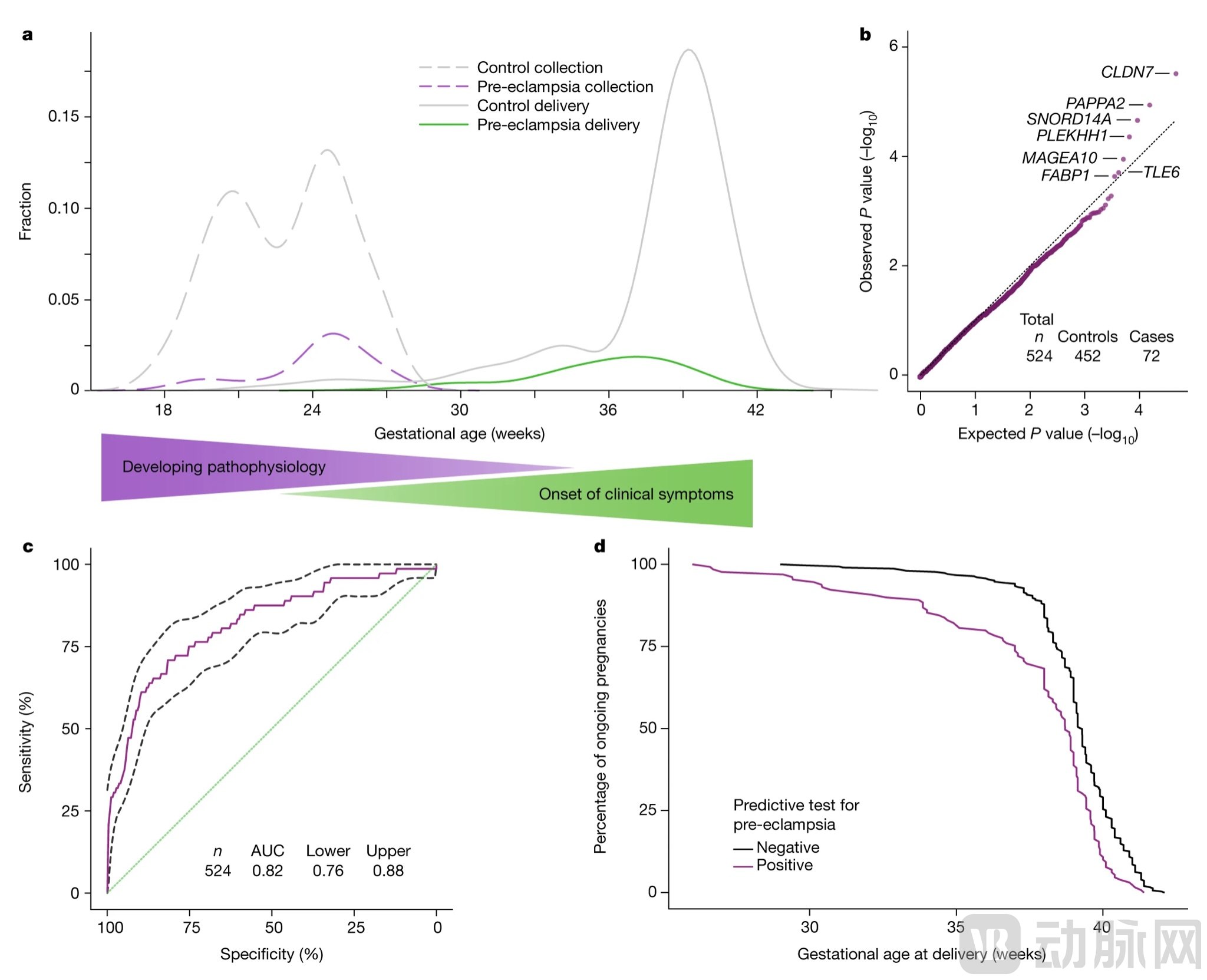
Characteristics and Model Performance of cfRNA in Predicting Preeclampsia
Mirvie integrates bioengineering, liquid biopsy, and clinical obstetrics and gynecology, leveraging its proprietary cfRNA testing technology to determine gestational age, assess the risk of preterm birth, and predict preeclampsia in pregnant women.Quake Team’s Blood Test Technology Named One of the 10 Breakthrough Technologies of 2019 by Bill Gates, with the cost of a single test not exceeding $10. Mirvie has created new opportunities for women in pregnancy health,Mr. Jain, the CEO, also stated that the company’s next step will be to achieve technological breakthroughs in addressing pregnancy-related conditions that may cause severe hemorrhage, such as gestational diabetes and placenta accreta.
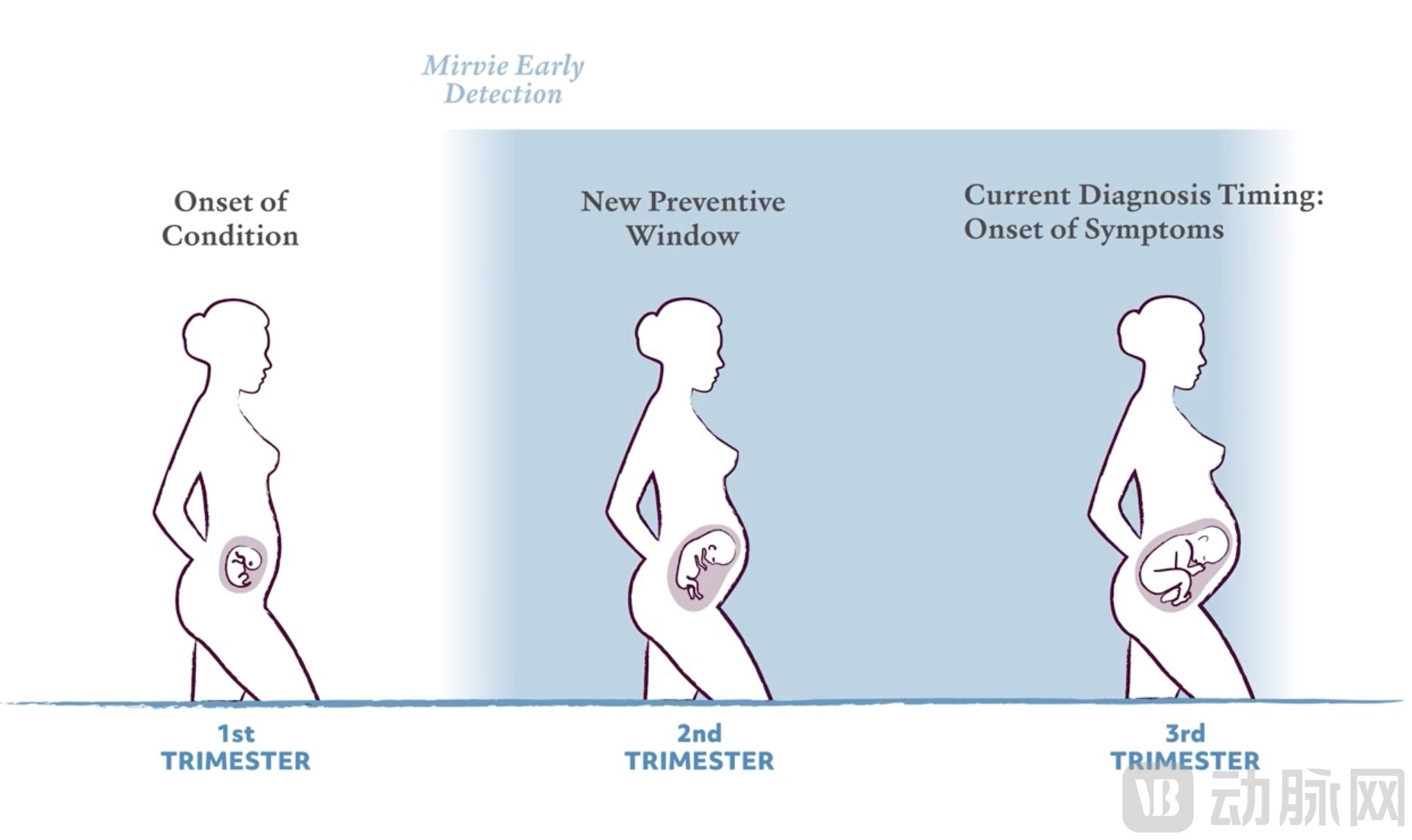
Mirvie RNA Platform Predicts Disease Onset Months in Advance Based on the Fundamental Biology of Each Pregnancy
“Many scientific research achievements in this field are not as advanced as those we have seen in areas such as cancer, which have consistently received substantial investment,” said Krishna Yeshwant, General Partner at GV (Google Ventures).This means that people can bring knowledge from these different fields into women's health.。”
Invasive prenatal diagnostic methods, such as chorionic villus sampling, amniocentesis, and percutaneous umbilical blood sampling, have revealed significant clinical drawbacks, including substantial maternal harm, high risk of miscarriage, and relatively late gestational timing for testing. Meanwhile, preeclampsia is diagnosed solely based on clinical manifestations or screened through medical history. These limitations are increasingly recognized by healthcare professionals and researchers in China.
POCT Clinical Diagnostic Device DeveloperSelenaImplementationAccurate identification of cell-free fetal cells/DNA in maternal peripheral blood, enabling the assessment of chromosomal or genetic abnormalities in the fetus through non-invasive prenatal testing (NIPT).。Aocheng BiotechIndependently DevelopedPlacental Growth Factor (PLGF) Test Kit Receives NMPA Approval, Marking a Breakthrough in Prenatal Screening for Preeclampsia in China。
The "Healthy China Action (2019-2030)," formulated by the National Health Commission and launched under the overall coordination of the Healthy China Action Promotion Committee established by the State Council, clearly states that China's maternal mortality rate is required to decrease to18/100,000and below and12/100,000and below; the prenatal screening rates reached respectively70% and aboveand80% and above. Then turn toThe Potential Market Size of Liquid Biopsy in China, Frost & Sullivan estimates that by 2030, the potential market sizes for cancer companion diagnostics, minimal residual disease monitoring, and early cancer screening and detection will be $4.5 billion, $15 billion, and $29 billion, respectively,The total addressable market is approximately USD 48.5 billion, equivalent to nearly RMB 340 billion.。
The increasingly mature clinical application and continuously expanding market share of cancer liquid biopsy technology in China offer hope for filling the gap in maternal liquid biopsy technology., but at present, the most important priority is to achieve “identification and detection of cell-free DNA and RNA in maternal blood.”Technological Breakthrough, maternal health needs more "attention."
References:
Ngo, et al. Noninvasive blood tests for fetal development predict gestational age and preterm delivery. SCIENCE. 2018. Source
Rasmussen, et al. RNA profiles reveal signatures of future health and disease in pregnancy. Nature. 2022. Source