

Biostage Advances Autologous Stem Cell-Based Organ Regeneration into Clinical Trials, Secures Nearly $80 Million in Funding

Biostage
Esophageal Implant Developer
According to statistics from the American Cancer Society, there are approximately 17,000 new cases of esophageal cancer annually in the United States, with more than 15,000 deaths each year. Some patients with esophageal cancer currently undergoEsophagectomyUndergo treatment,Primarily involves gastric pull-up or colonic interpositionTwo approaches. However, the procedure is technically challenging, entails high nursing costs, and is associated with severe complications; its 90-day mortality rate is as high as 19%.Congenital Esophageal Atresia in ChildrenThis surgical procedure is also required.
Worse scenarios arise from tracheal trauma, tracheal stenosis, or tracheal cancer.Tracheal Diseases. According to WHO statistics, approximately 8,000 patients in the United States and Europe face a high risk of death each year due to such organ conditions, but currently in clinical practiceNo effective organ transplantation or replacement options available。
byHarvard Biotechnology Co., Ltd.craftedBiostage, Inc., a Cell Therapy Bioengineering CompanyDeveloped a medical regenerative technology,Stimulating Organ Regeneration and Restoring Structural Integrity and Continuity Using Autologous Stem Cells, aiming to address life-threatening conditions such as cancer, infection, trauma, or congenital anomalies of the esophagus, trachea, and bronchi.
On May 13, 2022, Biostage, Inc. announced that it had secured $5.1 million in financing.. The proceeds from this financing will be used for the clinical development of an autologous cell-regenerated esophageal product, with relevant Phase I and Phase II clinical trials alreadyApproved by the U.S. FDA。To date, Biostage has secured a total of $78.186 million in financing.
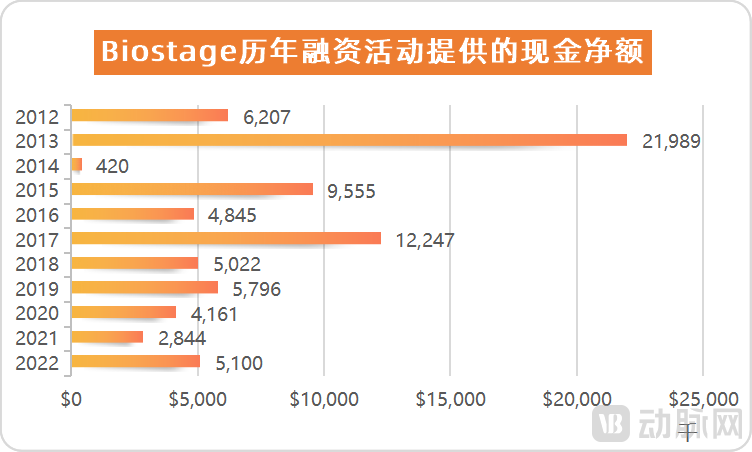
Net cash provided by financing activities of Biostage as of May 13, 2022
Biostage was incorporated on May 3, 2012, under the laws of Delaware as a wholly owned subsidiary of Harvard Bioscience, Inc., primarily responsible for its regenerative medicine business.Mr. David Green, a director of Harvard Bioscience, Inc., serves as its Chairman and Chief Executive Officer. On November 1, 2013, Harvard Bioscience, Inc. spun off its equity interest in the Biostage business to other shareholders,Biostage has since begun operating independently.
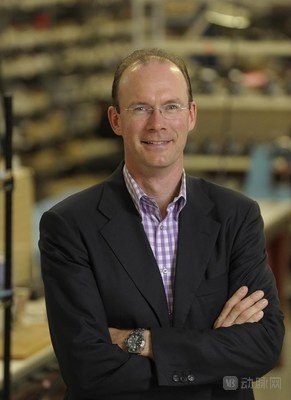
Mr. David Green
After becoming an independent company, Biostage continues to developBioreactorBusiness, Self-DevelopmentMaterials ScienceCapabilities, R&DSynthetic Vascular Stent, and established at the Holliston factoryCell Biology Laboratory. In mid-2014, the first generation of organ implants was developed. Through continuous reconstruction and improvement via animal studies and preclinical research, aCellframe: A Cell Regeneration Scaffold Product Harvested via the Oral CavityPreliminary shaping. Upon obtainingFDA ApprovalSubsequently, Biostage conducted preclinical studies with major medical centers, accumulating extensive trial data and experience.
In March 2020, the FDA approved Biostage'sThe First Clinical Trial: Phase I and II clinical trials in 10 patients.This clinical trial targets patients in the United States with esophageal cancer or esophageal injury., and upon obtaining approval from European and Asian regulatory authorities, it will also expand clinical trials to include patients in Europe and Asia.
Cellframe’s implantable products have now been renamed Biostage.TMImplant, whereinincluding esophageal implants, tracheal implants, and bronchial implants。
WithBiostageTMEsophageal Implant (BEI)as an example, it consists of aUltra-thin Plastic Fiber Tubular Hollow StentComposition and shape are identical to those of the esophagus. A few weeks before surgeryObtaining Patient Stem Cells via Adipose Tissue Biopsy, theseCell SeedingAfter stent placement, the device developed by Biostage was inserted."Incubate" in a bioreactor for 3-5 days. Then, the scaffold with attached cellsTransplantationinto the patient’s body to replace the resected esophagus or damaged tissue.
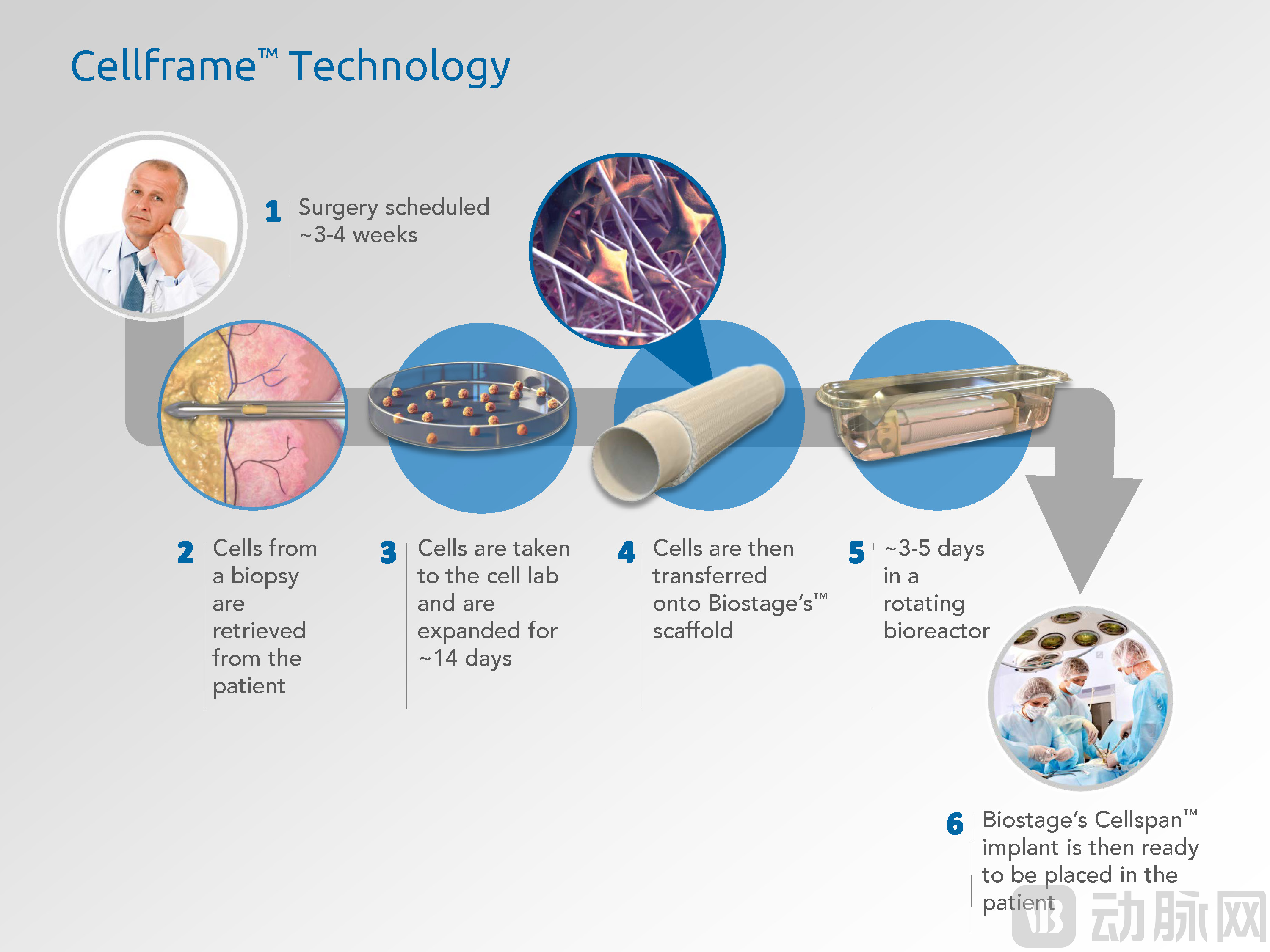
BiostageTMPre-Implantation In Vitro Culture Protocol for Implants
Under the guidance of the stent,The body's natural healing instinct stimulates cells to grow into tubular structures.。Approximately one month later, a fully bioengineered esophagus takes shape in vivo.. ApproximatelyThree months later, this tubular structure will undergo structural stratification,Presence of muscle tissue, mucus-secreting glands, and blood supply, a "Normal Esophagus”appears. At this point, the stent is no longer functioning, and the physician canRemove the stent via the oral cavity, eliminating the need for a second thoracotomy.
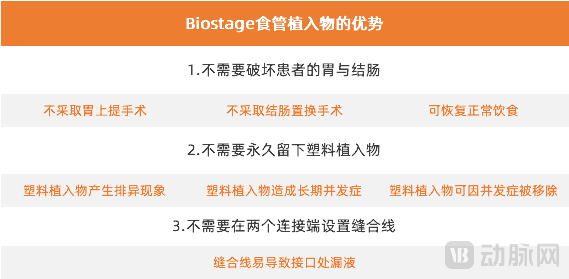
BiostageTMThree Major Advantages of Esophageal Implant Technology
In the aforementioned treatment regimen,Bioreactors and fiber scaffolds are manufactured in cleanrooms at the Holliston, Massachusetts facility., both manufacturing processes areFDA ApprovalFor clinical trials.Cell seeding was performed in the FDA-authorized human cell culture facility at The University of Texas Medical School.。
Currently, Biostage possesses7 Issued U.S. Patents,Two Granted Chinese Patents,Two FDA Orphan Drug Designations, with many more pending. These patents cover bioreactors, scaffolds, and surgical procedures.
Since its inception, Biostage has devoted nearly all of its resources toDevelop research projects, establish intellectual property rights, conduct business planning, raise operational funding, and provide administrative support。BiostageTMThe implant product series remains in the development stage, and regulatory authorities have not yet approved its sale anywhere in the world. Since its inception, the company has primarily funded its operations through proceeds from the sale of common and preferred stock.
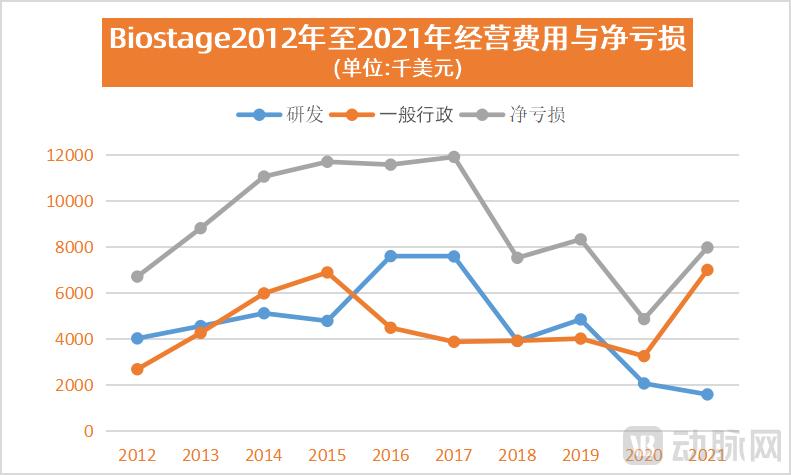
Biostage: Operating Expenses and Net Losses from 2012 to 2021
Biostage’s R&D activities are focused on three areas:Materials Science, Cell Biology, and Bioengineering. In the field of materials science, the company focuses on designingBiocompatible Organ Scaffolds, and evaluate its structural integrity and cell-seeding capacity. In the field of cell biology, the company focuses onDevelopment and Testing of Separation and Amplification Protocols, investigating cellular phenotypes and life cycles, and studying the effects of various cell types and concentrations,Evaluate the biocompatibility of scaffolds and test different cell seeding methods, and develop implantation experimental protocols. The company's engineering team designs and manufactures its proprietaryBioreactorand automatic seeders.
In 2016 and 2017, the company willComplete Product Transition from Non-retrievable Stents to Retrievable Stentstwo years, with cumulative R&D expenses amounting to approximately USD 16 million during this period.In 2017, Mayo Clinic completed BiostageTMFirst-in-Human Esophageal Regenerative Transplantation Using an Implant, and thenBiostage Esophageal Implant Study Conducted on 45 Pigs in Collaboration with Connecticut Children’s Medical Center. The regenerated esophagi in both studies exhibitedStructure and Function Identical to the Native Esophagus. After the FDA has approved clinical trials and established safety in adult patients, it can be used to treat infants with congenital esophageal atresia.
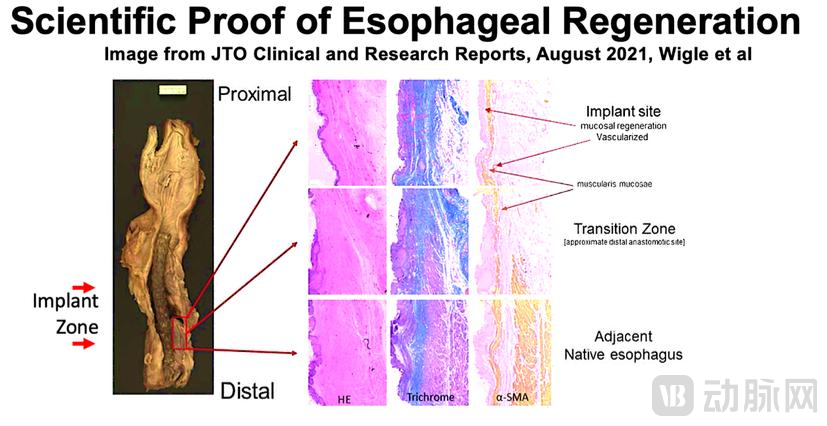
The First Biostage Case Completed in Collaboration with Mayo ClinicTMEsophageal Implant Transplantation Surgery
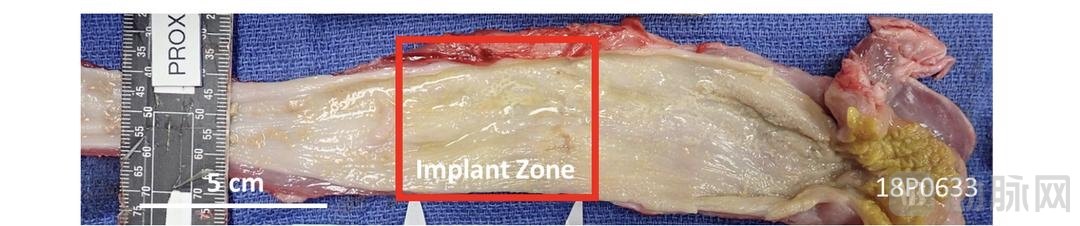
Connecticut Children's Medical Center Completes Biostage Piglet ProcedureTMGrowth of the Regenerated Esophagus 90 Days After Esophageal Transplantation
March 28, 2018Eunice Kennedy Shriver National Institute of Child Health and Human Development (NICHD) Joins Testing of Pediatric Version of Biostage™ Implant, and bear the corresponding project funding. This is one of the reasons why the overall marketing costs and net loss were significantly reduced that year. The collaboration with the institute continued until 2021.
Following the successful clinical surgery at Mayo Clinic in 2017, the scientific validity, safety, and feasibility of Biostage’s product gained corresponding recognition, prompting the company to accordingly reduce its R&D expenditures.After 2021, following the success of extensive preclinical studies and animal trials, the company began preparationsClinical TrialwithProduct Launch...matters, relevant administrative authorities have pointed out a significant increase.Mr. David Green, who left his position in 2015 due to a major traffic accident, rejoined Biostage in 2021.。
David’s return has injected confidence and momentum into Biostage, accelerating its expansion into international markets.Biostage Establishes Subsidiary in Hong Kong, China: Harvard Instrument Regenerative Technology Co., Ltd., also inUnited KingdomandGermanyEstablished a subsidiary. The Company plans to seek regulatory approval and comply with regulations concerning product safety, quality, manufacturing, and reimbursement processes, so that BiostageTMImplant product series are marketed in regions outside the United States.
Biostage's Product DevelopmentDiseases for which existing treatment regimens are reasonable and of low severity are not targeted., such as the regeneration of skin or cartilage, theyLife-saving medical solutions aimed at improvement, although technically more challenging, it can provide options for patients with poor or no available treatment regimensMore Significant Medical Benefits. The implant product series has currently received two FDA orphan drug approvals, granting the product7-Year Marketing Exclusivity Period, and technical products targeting such medical conditions can also benefit from accelerated approval pathways and greater financial support. Biostage later plansApplying for Orphan Drug Designation for Biostage’s Esophageal Implant in Europe, and will also be inStomach、Colon、Intestines and Other SitesDevelopment of regenerative implant products.
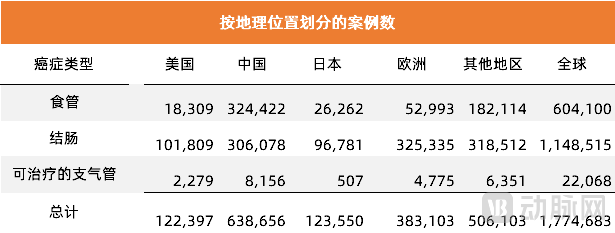
Number of Cases for Selected Cancers by Region in 2020 (Unit: Cases)
(Data source: Global Cancer Observatory database of the International Agency for Research on Cancer, World Health Organization)
According to data from the Global Cancer Observatory database of the International Agency for Research on Cancer (IARC) under the World Health Organization, there were over 600,000 global cases of esophageal cancer, more than 1 million cases of colon cancer, and approximately 22,000 cases of bronchial cancer in 2020. Biostage aims to save patients and extend their survival, improve quality of life, and reduce costs for patients and their families by lowering postoperative care expenses and recurrence rates through this innovative approach to restoring organ function. Based on the company’s research and estimates, BiostageTMImplant Series ProductsPriced at approximately $250,000 in the U.S. market。
The bio-regeneration industry is a technology-intensive sector characterized by the interdisciplinary integration of biology, medicine, materials science, and other fields. In China, bio-regenerative materials are classified as Class III medical device products.Facing challenges such as stringent regulatory oversight, rigorous approval requirements, and high technical barriers。Aesthetic Medicine, Ophthalmology, and OrthopedicsThis is currently a primary focus of regenerative medicine in China, with key technologies centered on cellular regeneration. Expanding the industry’s talent pool, accelerating breakthroughs in material technologies, and sustaining investment in innovative research are essential to propel Chinese biological regenerative materials beyond their early developmental stage. From achieving cellular regeneration to developing biomaterials with inductive regenerative properties, and from material replacement to organ regeneration, the demand for regenerative medicine remains robust, with steady growth and promising prospects.