

Junxin Medical: Building a Premium Oncology Care Brand through Precision Radiotherapy and Sino-US Expert Collaboration
“Don’t touch me, go away! I’m not getting treated anymore!”
“These words came from Ms. Xu (a pseudonym), a woman in her nineties. Due to the large size and foul odor of her facial tumor, Ms. Xu felt embarrassed and became resistant to the medical staff performing wound debridement. The healthcare providers had to patiently comfort and persuade her.”
Such “tug-of-war” occurred from time to time during Mrs. Xu’s treatment. However, as the treatment progressed and its benefits gradually became apparent, the medical staff observed not only changes in Mrs. Xu’s physical condition but also improvements in her mental well-being.
As her discharge approached, Mrs. Xu’s resistance toward the medical staff gave way to affection; she went from initially “pushing” them away to warmly “drawing” them close.
Mrs. Xu’s case is not an isolated incident.
“Providing patients with professional, high-quality medical care is the foundation for building trust between JUXINMED and its patients. The gratitude and support we receive from patients not only move us but also serve as the driving force that keeps us moving forward on this path,” Dr. Yang Jun, founder of JUXINMED Physician Group (hereinafter referred to as “JUXINMED”), told VCBeat.
Positioned as an international-level chain of precision oncology diagnosis and treatment institutions, JUXINMED boasts a team of nearly 50 Chinese and American oncology experts, along with over 200 full-time clinical staff (including physicians, technicians, and nurses) and operational personnel. Adopting a Chinese-American Multidisciplinary Team (MDT) consultation model, it provides patients with precision diagnosis and treatment characterized by precision radiotherapy and immunotherapy, offering comprehensive, one-stop services covering the entire cycle of cancer screening, diagnosis, treatment, and rehabilitation. Additionally, it provides technical services to renowned hospitals such as the Cancer Center of Foshan Fosun Chancheng Hospital and the International Cancer Center of Quanzhou Binhai Hospital in Fujian.
In 2002, Yang Jun studied in the United States under Luther W. Brady, a luminary in international radiation oncology.
Luther W. Brady is a Professor of Clinical Oncology at the American Cancer Society. He has served as president of several professional associations related to radiation oncology in the United States, including the American College of Radiology, the American Society for Radiation Oncology, and the American Board of Radiology. He has published more than 600 papers and co-edited the essential textbook for radiation oncology residents, Principles and Practice of Radiation Oncology, with Carlos A. Perez.
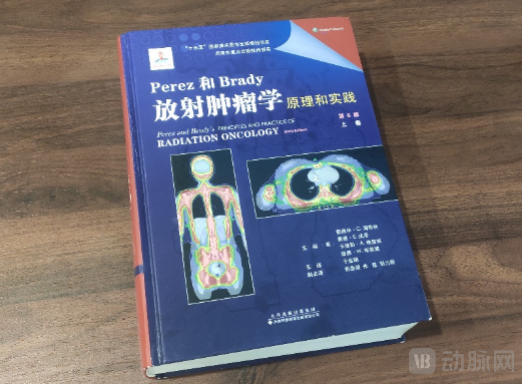
In 1999, in recognition of his outstanding contributions and achievements in the field of oncology, the American Medical Association awarded him the AMA Distinguished Service Award Gold Medal. That same year, the College of Physicians of Philadelphia also conferred upon him the Strittmatter Prize, one of the highest honors in the medical field.
andUnder the mentorship of Luther W. Brady, Jun Yang witnessed and participated in the rapid development of precision radiation therapy in North America, particularly Stereotactic Body Radiation Therapy (SBRT), during his academic training, and was among the first members of the international academic research community for CyberKnife.
In 2003, Dr. Jun Yang, who was working at the CyberKnife Center of Miami University, together with his mentor Luther W. Brady, founded the CyberKnife Center in Philadelphia. In its second year, the center rapidly grew to become one of the top ten institutions in the United States for delivering SBRT (Stereotactic Body Radiation Therapy). Over the following three years, the organization expanded to encompass eight cancer treatment centers.
Furthermore,From 2013 to 2020, Dr. Jun Yang also served as Chief Physicist at ALLIANCE ONCOLOGY, the third-largest specialized radiation oncology provider in North America, where he was responsible for overseeing technical and clinical research operations across its 34 radiation therapy centers and 16 CyberKnife systems in the United States.
Furthermore, since 2012, Yang Jun has served as a member of the editorial board of the Journal of Radiation Therapy; and since 2013, as a member of the editorial board of the Journal of Applied Clinical Medical Physics.
But these are merely a glimpse into Yang Jun’s professional and scientific research career.Associate Clinical Professor at Drexel University in the United States, Visiting Professor at Fudan University, drafter of the new TG135 (International CyberKnife Physics Quality Control Standards), drafter of the International Guidelines for Radiosurgery Physics Practice, Board Member of the International Radiosurgery Association, Chair of the Physics Committee of the Radiosurgery Association, and Board Member of the North American Radiosurgery Association (2013–2021)—these are also part of the true portrayal of Yang Jun’s career.
Yang Jun, who has been dedicated to the field of oncology treatment abroad for many years, has perceived the differences in cancer care between China and other countries:
For example, in the training of medical personnel, the training system for professionals in overseas oncology care services is relatively well-established, enabling them to rapidly achieve clinical competency; whereas domestic practitioners receive comparatively less comprehensive training, necessitating continued reinforcement of their skills upon entering the workforce.
“Especially since most practitioners in China have previously received training in conventional treatment methods, they still need to accumulate more practical experience in precision oncology therapies,” said Yang Jun.
In addition, there are relatively strict restrictions on the configuration of medical equipment in China, particularly for high-end, precision, and advanced devices. The shortage of such equipment has, to some extent, widened the gap in oncology treatment standards between China and other countries.
In terms of quality control and treatment standardization, the United States has established a relatively mature and comprehensive system. For instance, the Multidisciplinary Team (MDT) model is well-established abroad; whereas in China, although some medical institutions are piloting this approach, coordination among multiple disciplines remains insufficient during its practical implementation.
Moreover, the profiles of cancer patients differ between China and other countries. According to Yang Jun, many cancer patients abroad are diagnosed at early or early-to-intermediate stages, whereas a majority of patients in China present with intermediate-to-advanced or advanced-stage disease. Furthermore, the five-year survival rate for cancer patients in China is significantly lower than that in the United States.
According to the annual report of a private oncology hospital in China, the five-year survival rate for cancer patients in the country is only 40.5%, compared to 66.69% in the United States. Furthermore, over the past five years, the annual number of cancer-related deaths in China has risen from approximately 2.3 million in 2014 to about 2.6 million in 2018, with projections indicating that this figure will reach approximately 3 million by 2024.
These differences struck Yang Jun, who was still abroad at the time, with deep reflection: “New technologies with better efficacy in tumor treatment have emerged internationally, and I have accumulated clinical experience overseas. Why not return to my homeland to provide patients in China with the latest therapeutic options and high-quality medical services?” “This idea is actually quite simple, yet also quite challenging.”
The initial challenge lay in team building. In Yang Jun’s view, this was essentially a matter of trust. “Initially, people had doubts about JUXINMED’s capabilities and future prospects. It is only human to hesitate between pursuing one’s ideals and maintaining one’s current job. However, through repeated communications, JUXINMED’s philosophy, the professional backgrounds of its core team, and our sincerity ultimately inspired wave after wave of like-minded partners to join JUXINMED.”
Dr. Liangfu Han and Dr. Baodong Wang are two of them.
Dr. Han Liangfu is a member of the American Society for Radiation Oncology, an executive committee member of the Chinese Physicians’ Collaborative Group in Radiation Oncology, and vice chairman of the Radiation Therapy Professional Committee under the Anti-Cancer Associations of Shaanxi and Hainan Provinces. He previously served as a visiting physician in the Department of Radiation Oncology at Rush University Medical Center in the United States. Currently, he is the Vice President and Director of the Department of Radiation Oncology at Hainan Boao Evergrande International Hospital. Dr. Han possesses extensive clinical experience in the entire process of precision diagnosis and treatment of malignant tumors, along with many years of international experience in the management and operation of oncology hospitals.
Dr. Wang Baodong serves as Associate Chair of the Department of Therapeutic Radiology at Yale University, Chief Physicist, and Professor. He is an Oral Examiner for the American Board of Radiology in Medical Physics and Chair of the Physics Committee of the North American Radiosurgery Association. With 17 years of overseas experience in clinical practice and teaching in medical physics, he has published more than 70 papers and articles in SCI-indexed and other core journals, accumulating extensive experience in stereotactic radiosurgery for a wide variety of tumors.
It is evident that JUXINMED’s team comprises not only physicians with robust professional expertise and extensive clinical experience, but also multidisciplinary talents with years of experience in hospital management and operations, thereby ensuring the company’s medical quality and operational excellence.
Attracting talent is only the first step; the second challenge facing JUXINMED is how to cohesively integrate professionals from diverse backgrounds.
In response, JUXINMED has implemented regular training programs.
It is reported that every Thursday morning, JUXINMED conducts internal study and discussion sessions on the latest international research findings. Additionally, at 8:00 AM every Friday, JUXINMED invites U.S. oncology experts to deliver lectures on U.S. cancer treatment guidelines and real-world case studies, enabling team members to learn and apply these insights in practice.
“JUXINMED’s clinical protocols are aligned with the latest international standards. Currently, 95% of patients with common cancers such as breast cancer and lung cancer receive treatment strictly in accordance with these international guidelines,” introduced Yang Jun.
“Within the oncology healthcare services industry, the ability to adopt the Multidisciplinary Team (MDT) model is key to a company’s competitive success.” A relevant report by China Galaxy Securities on the oncology healthcare industry gave high praise to the MDT model.
Why Has the MDT Model Become One of the Internationally Recognized Most Advanced Concepts in Cancer Treatment?
Let us begin with the admission and management of traditional oncology patients.
In Chinese hospitals, the division of internal departments can lead to divergences and fragmentation in treatment philosophies among physicians. Consequently, to some extent, a patient’s treatment plan depends on the department in which they register. For instance, if a patient registers with the surgery department, they may undergo surgical treatment first; if they register with the internal medicine department, they may receive chemotherapy first. Seeking consultations across different departments may result in several different treatment proposals.
The disorganized admission process for oncology patients in Chinese hospitals has also led to a relative slowdown in treatment progress. In attributing the significant gap in five-year survival rates between Chinese and American cancer patients, the aforementioned report cited factors such as “disorderly patient admission and the lack of multidisciplinary team (MDT) models,” “low radiotherapy utilization during cancer treatment in China,” and “insufficient introduction of new drugs and therapies, coupled with delays in their inclusion in medical insurance reimbursement.”
In fact, the application of the MDT model not only improves the survival rate of cancer patients but also enhances hospital turnover efficiency and overall performance by reducing patient wait times and treatment duration.
Specifically, how does the MDT model actually work?
MDT Model, also known as the Multidisciplinary Team Diagnosis and Treatment Model, typically involves a fixed team of experts from various disciplines, including radiology, pathology, endoscopy, internal medicine, surgery, radiation oncology, and nutrition. Through regular, institutionalized discussions, this team provides one-stop services for patients and reaches a consensus on their treatment plans.
The core distinction between the MDT model and the traditional consultation model in China lies in the fact that the former has established institutional safeguards regarding timing, frequency, and participating members.
Specifically, the MDT model applies to all patients, requires relatively fixed participating members, and mandates regular meetings. In contrast, traditional consultations generally target only patients with complex, severe, or advanced-stage cancer; participation is more open, and meetings are convened on an as-needed basis without fixed scheduling requirements.
It is precisely because the MDT model has become an institutional requirement that the resulting treatment plans are more comprehensive and scientific, with the focus shifting from mere disease treatment to long-term survival. Therefore,Countries such as France, the Netherlands, and Belgium mandate the use of the MDT model, and the NCCN (National Comprehensive Cancer Network) guidelines in the United States also recommend the MDT model.
In China, although some hospitals are attempting to implement the multidisciplinary team (MDT) model, its effectiveness still lags significantly behind international best practices due to strained medical resources, institutional constraints, and inadequate incentives. Indeed, many physicians regard the MDT model as merely a promotional gimmick, citing non-standardized implementation and a lack of tangible benefits.
In this context, how does JUXINMED’s MDT model translate into practical implementation?
VCBeat has learned thatJUXINMED’s MDT model primarily consists of two tiers: first, conducting MDT consultations for all routine oncology patients seeking care; second, providing China–U.S. joint MDT consultations for patients with complex or refractory conditions and those with specific needs.
China-U.S. MDT Consultations for Patients with Complex Diseases and Cancer with Related Needs, Featuring Expert Teams from Renowned International Oncology Institutions.
For example, The University of Texas MD Anderson Cancer Center, Mercy Hospital affiliated with Thomas Jefferson University, Rush University Medical Center, Precision Oncology Physician Group, Pottstown Hospital, China-Japan Friendship Hospital, Qilu Hospital of Shandong University, Huashan Hospital Affiliated to Fudan University, and Sun Yat-sen University Cancer Center.
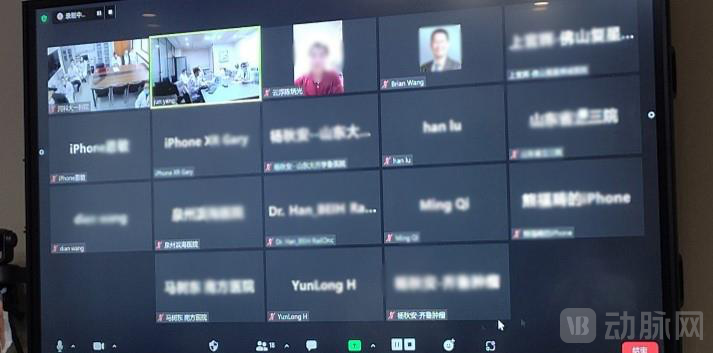
Furthermore, during the interview, Yang Jun emphasized that the key to the successful implementation of JUXINMED’s China-U.S. Multidisciplinary Team (MDT) consultations lies in regular scheduling, fixed team membership, and unified standards.
Specifically, the experts participating in the China-US multidisciplinary team (MDT) consultations at JUXINMED are permanent members rather than ad hoc invitees. The consultations are held every Tuesday at 9:00 AM. Case assessment criteria and treatment protocol development adhere to international standards and major oncology clinical practice guidelines, including those from the NCCN, ASCO, ASGE, JGES, and JGCA.
“In fact, JUXINMED conducts its China-U.S. multidisciplinary team (MDT) consultations every Tuesday at 9:00 a.m. For the U.S. experts, this means they must sacrifice their rest time to participate in these sessions. Moreover, the fees they charge are not high; indeed, all participants are driven by a sense of mission and compassion to help patients. The Chinese experts share the same commitment,” remarked Yang Jun with considerable emotion.
““JUXINMED’s most core competitive advantage is the team’s accumulated expertise in precision radiotherapy.” This was Yang Jun’s exact statement during the interview.
Radiotherapy, often referred to as the “scalpel-free scalpel,” is one of the common approaches in international oncology treatment. However, in China, due to issues such as insufficient radiotherapy equipment, limited adoption of radiotherapy technologies, and prevailing treatment concepts, there remains a significant gap in radiotherapy penetration rates compared with the United States.
According to the annual report of a private hospital, approximately 70% of cancer patients require radiotherapy at different stages of disease progression. In 2015, only 23% of cancer patients in China received radiotherapy, compared with 60% in the United States during the same period. By 2018, China had merely 2.5 radiotherapy devices per million population, whereas the figures for the United States and Japan were 14.2 and 8.7, respectively.
However, in the future, with the shift in treatment paradigms toward pharmacotherapy as the primary modality, along with advancements in radiotherapy equipment and techniques, the penetration rate and market share of radiotherapy are expected to gradually increase.
andGuided by therapeutic efficacy, JUXINMED has consistently advocated for the clinical application of radiotherapy and primarily provides precision radiotherapy solutions represented by SBRT (Stereotactic Body Radiation Therapy) technology.
This protocol delivers radiation with sub-millimeter precision, utilizing image-guided localization to track patients and target volumes in real time. It not only compensates for respiratory motion but also performs timely automatic corrections, enabling the treatment of tumors throughout the body.
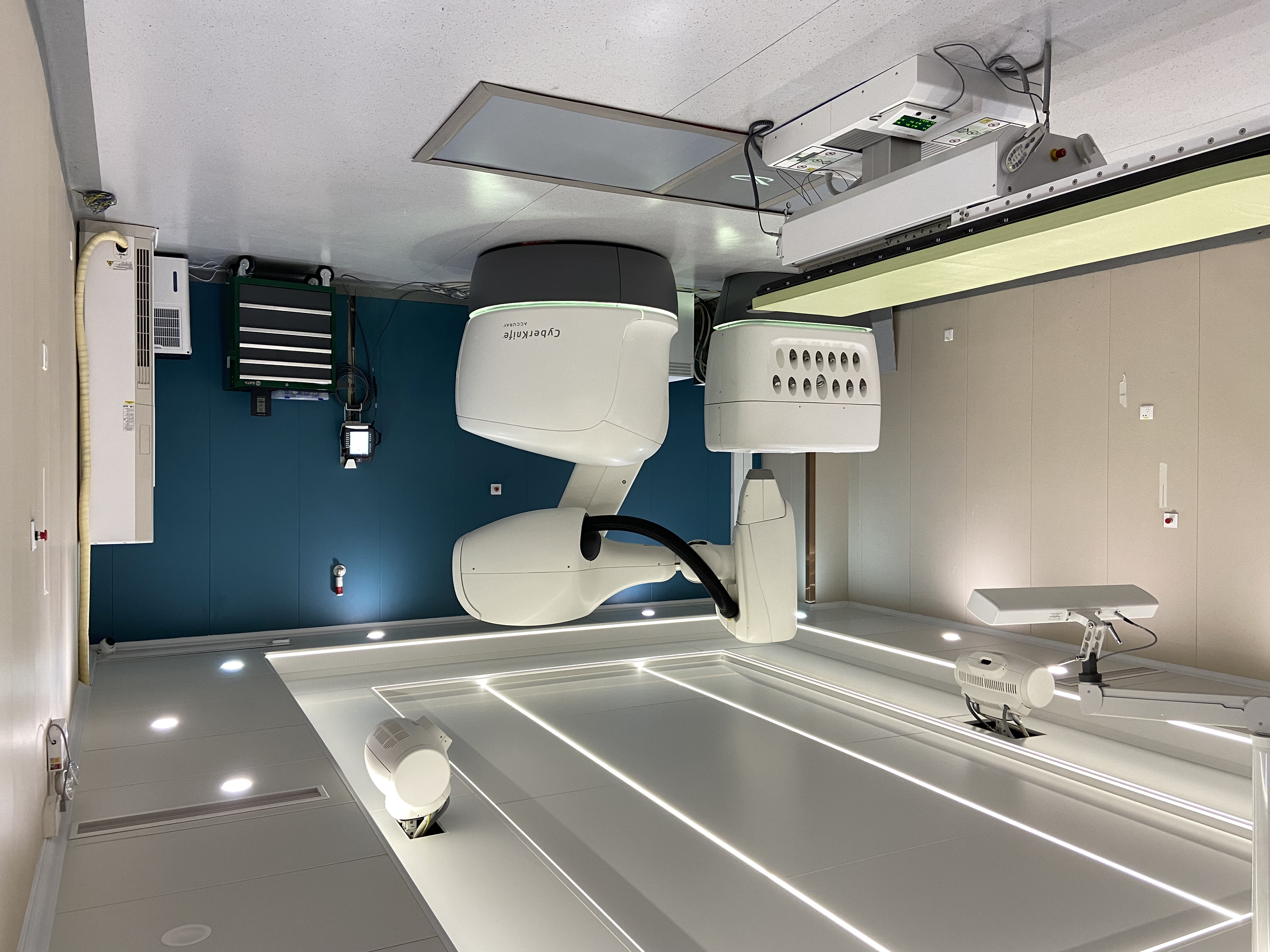
Furthermore, tumor tissue can be completely eradicated with just 1–5 sessions of Stereotactic Body Radiation Therapy (SBRT), making it the only systemic radiosurgery modality that comprehensively offers “no incisions, no pain, no bleeding, no anesthesia, and a short treatment course.”
Not only that, JunJUXINMED also excels in radiosurgical treatments, exemplified by the use of Varian linear accelerators and Accuray CyberKnife. These modalities are primarily indicated for conditions requiring high-precision treatment, such as brain tumors, lung cancer, liver cancer, and prostate cancer.
Furthermore, JUXINMED has been continuously conducting clinical research on new radiotherapy technologies, promoting the practical clinical implementation of radiotherapy techniques, particularly SCART technology. For instance, in 2022, the paper titled “SCART Radiotherapy Technology for the Treatment of Ultra-Large, Recurrent, and Refractory Solid Tumors,” submitted by JUXINMED, received the Best Paper Award at the Annual Meeting of the North American Radiosurgery Society in San Diego.
In addition to precision radiotherapy, JUXINMED also provides tumor immunotherapy and tumor treating fields therapy.
In the field of cancer immunotherapy, JUXINMED has established a CAR-T cell therapy center at the Foshan Chancheng Hospital Cancer Center and launched Fosun Kite’s CAR-T cell therapy program.
andTumor Treating FieldsIt is a therapy administered via portable, non-invasive medical devices. The mechanism involves applying low-intensity, medium-frequency alternating electric fields to the tubulin of proliferating cancer cells, thereby interfering with tumor cell mitosis and inducing apoptosis, which ultimately inhibits tumor growth.It is currently the recommended regimen for the treatment of glioblastoma in the U.S. NCCN Guidelines and by the National Medical Products Administration (NMPA).
“Tumor Treating Fields (TTFields) therapy is primarily used for the treatment of malignant gliomas. The survival rate for such patients was originally very low, at only about 5%, but if patients fully adhere to TTFields therapy, their five-year survival rate can increase to 30%,” stated Yang Jun. He noted that the Oncology Center of Foshan Chancheng Central Hospital is currently the only TTFields therapy center integrated into a hospital setting in South China, with patients demonstrating favorable treatment outcomes.
In addition to providing a range of advanced therapeutic technologies, JUXINMED is also committed to enhancing patients’ healthcare service experience by offering specialized premium services and introducing the international nursing navigation model.
In the nursing navigation model, the role of the nurse navigator is to integrate various resources from the perspective of patient needs, thereby providing patients with comprehensive services covering the entire process of hospitalization, treatment, and prognosis, including examinations, specialist appointments, and treatment assistance.
“Brand and quality remain the most critical elements in oncology medical services,” Yang Jun revealed to VCBeat. “In 2022, JUXINMED will add three new oncology centers to its service network; in 2023, it plans to launch six to seven new projects; and in the longer term, JUXINMED aims to serve more than 20 mid-to-high-end oncology institutions.”