Digital Intelligence-Driven Marketing as the Ultimate Goal of Transformation: 2022 China Pharmaceutical Digital Marketing Industry Report
Preface
Currently, from the perspective of the entire pharmaceutical marketing industry, digital pharmaceutical marketing in China remains in its early stages, with the industry still focused on data accumulation and existing customer retention. Meanwhile, during the digital transformation of pharmaceutical marketing, various stakeholders face many common challenges. Where do future growth opportunities lie for China’s digital pharmaceutical marketing industry? What is the industry outlook? How should capital be allocated? What highlights will emerge in this sector? How will the industry’s business model evolve in the future? To address these questions, VCBeat Research Institute surveyed nearly ten companies involved in digital pharmaceutical marketing and, combining these insights with its own research, has produced this report. The report aims to provide a comprehensive analysis of the digital pharmaceutical marketing industry from dimensions such as industry background, industrial analysis, opportunities and challenges, future trends, and typical case studies, thereby offering valuable insights to industry participants.
A Market Worth Hundreds of Billions, with a Positive Growth Trend
Amid continuously tightening policies in the pharmaceutical industry, digital marketing strategies have leveraged the pandemic to boost visibility and cultivate physicians’ habits of using digital tools. The traffic dividend is expected to persist, with the market size projected to exceed RMB 100 billion by 2030.
Market Penetration into Lower-Tier Cities, Rising Demand for Online Consultations, and Dual Focus on Online and Offline Services
The demand for primary healthcare is substantial, with a clear trend toward market penetration into lower-tier regions; the user base for internet-based healthcare continues to expand, highlighting prominent demand for online follow-up consultations. The integrated online and offline markets under this new business model will become a critical battleground for pharmaceutical companies’ marketing efforts.
Urgent Need to Enhance Out-of-Hospital Medication Management for Patients with Chronic Diseases; Digital Management and Treatment Are Poised to Deepen
Chronic diseases have topped the list of causes of death in China for many years, becoming the leading threat to the health and lives of Chinese residents. Among these, patients with chronic conditions require long-term, regular use of prescription medications. Currently, non-adherence to prescribed medication regimens has become one of the primary reasons why chronic disease patients fail to achieve expected treatment outcomes. In the future, continuous exploration of digital management and treatment solutions in this field will persist.
Technology Empowers Multi-Scenario Pharmaceutical Marketing; Industry Leaders May Emerge in the Next 3–5 Years
The platform-service sector has largely taken shape, with leading companies going public one after another. Retail-end pharmaceutical e-commerce players are intensifying their efforts to establish internet hospitals and will continue to enter the front-end marketing market in the future. Technology-enabled service providers that empower pharmaceutical companies with digital marketing solutions across multiple scenarios may see industry leaders emerge within the next three to five years.
(Note: The full report can be downloaded by scanning the QR code at the end of the document.)
Commercialization Background: Dual Macro- and Micro-Level Boosts Accelerate Digitalization
Policy Landscape: Policies are reducing pharmaceutical companies' gross margins, while compliance and anti-corruption efforts are continuously intensifying.
Policies targeting the pharmaceutical industry continue to intensify, with the most numerous and stringent measures focused on pharmaceutical marketing. The government is progressively deepening industry rectification efforts toward “strict regulation and compliance promotion,” aiming to shift pharmaceutical companies from past extensive sales models to compliant marketing practices, thereby achieving transparency and compliance in pharmaceutical marketing and ultimately reducing drug prices.
Traditional pharmaceutical marketing has primarily relied on offline channels, such as in-person visits by medical representatives and offline academic conferences, with a strong focus on securing hospital formulary inclusion. This approach has unfortunately fostered illicit practices such as kickback-driven sales. Furthermore, the existence of gray areas between pharmaceutical companies and hospitals has led to artificially inflated end-user drug prices, imposing a heavy financial burden on patients. At the national macro level, a series of policies have been introduced to regulate industry order, aiming to sever the chain of corruption in the pharmaceutical sector and eliminate the problematic practice of subsidizing healthcare services with drug profits. Consequently, compliant marketing practices have become an indispensable red line that all pharmaceutical marketing activities must adhere to.
Furthermore, under the pressure of a series of policies aimed at reducing drug prices—including volume-based procurement (VBP), national reimbursement drug list (NRDL) negotiations, the “two-invoice” system, registration of medical representatives, healthcare cost containment, and the consistency evaluation of generic drugs—pharmaceutical companies are compelled to lower prices for both multinational corporations’ products facing patent cliffs and domestically produced drugs with artificially inflated prices. This forces pharmaceutical enterprises of all types to seek more efficient and cost-effective marketing strategies. Taking volume-based procurement as an example, the first pilot round was launched in November 2018, resulting in the selection of 25 drug varieties with an average price reduction of 52% and a maximum reduction of 96%. Currently, the fifth round of VBP, which began in April 2021, has been completed, paving the way for comprehensive nationwide implementation in the future. The full rollout of the VBP policy has significantly compressed the profit margins previously enjoyed by domestic pharmaceutical companies, prompting them to actively pursue digital transformation in pharmaceutical marketing, thereby fostering the long-term development of China’s pharmaceutical marketing market.
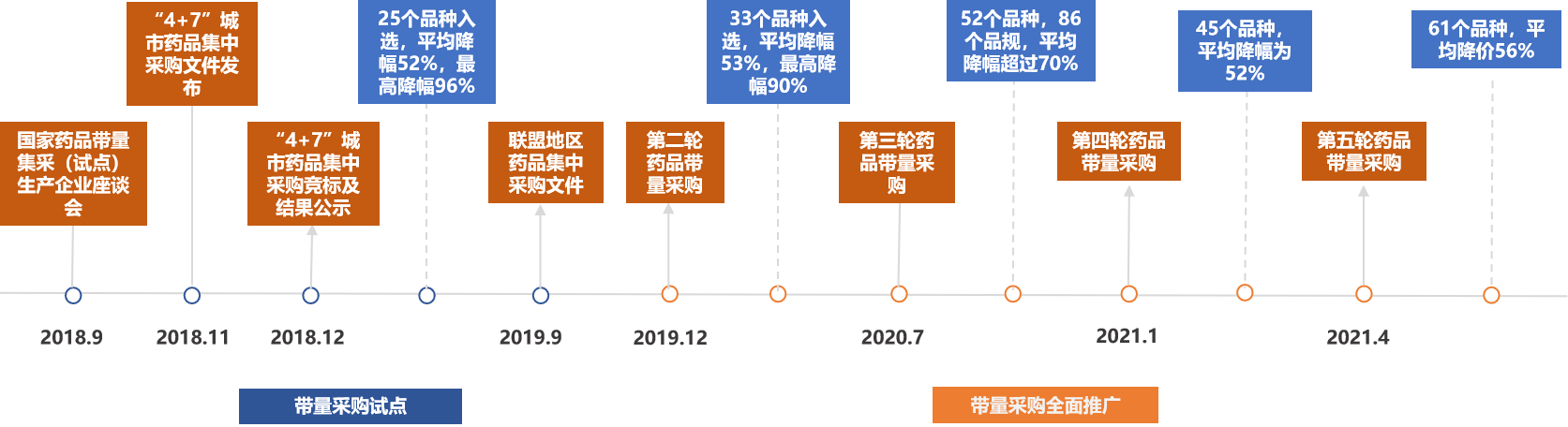
The Implementation History of the Volume-Based Procurement Policy
Data Source: Compiled from public information, charted by VCBeat.
Market Side: Habits formed during the pandemic and its recurring outbreaks have made proactive online learning a daily routine for physicians.
In early 2020, the COVID-19 pandemic served as a catalyst for the digital marketing market in the pharmaceutical industry. On one hand, the pandemic hindered offline interactions, restricted internal information exchange within pharmaceutical companies, limited offline academic activities, and obstructed the routine visits of medical representatives, thereby disrupting traditional marketing efforts. Consequently, there was an urgent need for pharmaceutical companies to leverage digital academic platforms. On the other hand, the pandemic accelerated the shift toward a new normal of online activities, sparking a boom in internet healthcare. Physicians have widely accepted the use of online platforms to access medical information and engage in academic exchanges. Relevant surveys indicate that 62% of physicians’ internet usage is dedicated to medicine-related activities, with an average weekly cumulative time of 15.2 hours spent on such online medical engagements. Since 2020, approximately 98% of physicians have watched medicine-related courses online, with this penetration rate showing little variation across hospitals of different tiers or among physicians with different professional titles. Physicians believe that online live broadcasts and webinars have the most significant impact on improving their work efficiency. Their acceptance and satisfaction with innovative digital marketing tools are gradually increasing, and they have developed the habit of acquiring information online.
The pandemic has served merely as an external catalyst for the trend toward online pharmaceutical marketing. Fundamentally, with the continuous development of mobile internet, physicians’ behavioral patterns have been progressively influenced and altered. Physicians are spending increasing amounts of time seeking medical information through digital channels. For them, information channels and platforms that offer greater accessibility, high visualization, and rapid update frequencies are more attractive. Although enthusiasm for watching live-streamed content among physicians has declined compared to last year as the COVID-19 situation improves and offline conferences resume, the average viewership remains higher than the pre-pandemic average. Moreover, whenever sporadic outbreaks occur, live-stream viewership consistently shows an upward trend.
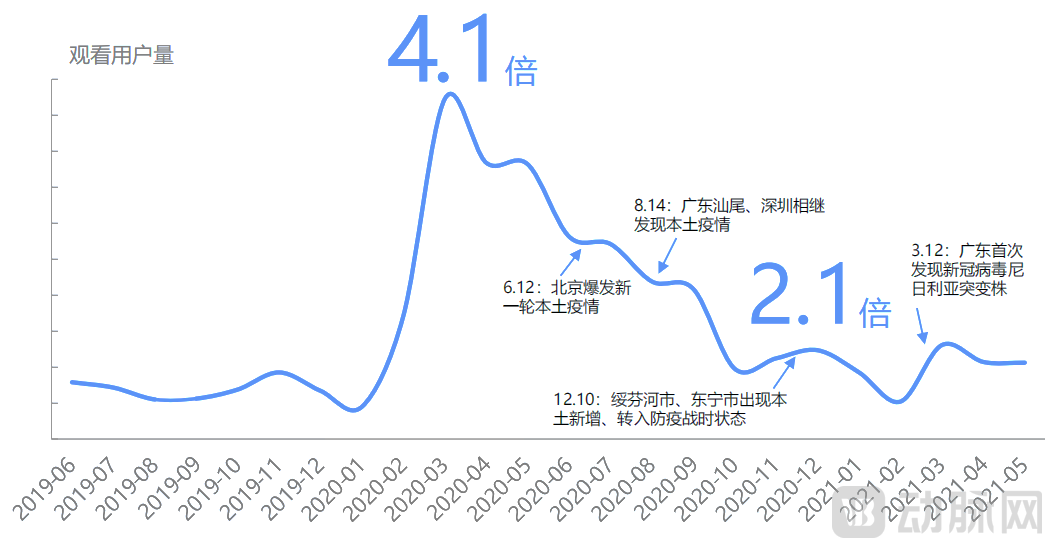
Trends in Physicians Watching Live Streams
Data source: Public information from a major platform; charted by VCBeat.
Industry Overview: The Resonance Between Prescription Drug Marketing Demand and Information Technology Development—An Inevitable Trend
Generally, the industry refers to the online marketing of prescription drugs as digital pharmaceutical marketing, excluding OTC drugs and health supplements.
Within China’s drug regulatory framework, prescription drugs may be featured in medical and pharmaceutical professional journals jointly designated by the health administrative department and the drug supervision and administration department under the State Council. However, advertising for prescription drugs is prohibited in mass media or through any other means targeting the general public. Consequently, prescription drugs have less flexibility in online marketing compared to over-the-counter (OTC) drugs, with a significantly narrower audience reach. Nevertheless, in terms of market size, OTC advertising and online marketing of prescription drugs are not comparable. Therefore, this study focuses on the digital marketing of prescription drugs.
The core of digital marketing in the pharmaceutical industry primarily refers to pharmaceutical companies leveraging digital systems to conduct virtual physician visits, online academic conferences, and analyses of the latest academic advancements, thereby promoting their prescription drug products through online channels to boost sales.
Previously, traditional marketing of prescription drugs primarily relied on offline visits by pharmaceutical representatives, industry conferences, and academic promotion. However, the impact of the pandemic has increasingly exposed the drawbacks of these conventional marketing approaches. The outbreak severed existing physical connections, rendering traditional pharmaceutical marketing methods nearly inoperable. Furthermore, driven by policy advancements, the model of pharmaceutical representative visits faces mounting compliance pressures. Meanwhile, with the rapid development of the internet and the emergence of digital tools, traditional marketing systems have gained new supplementary solutions.
The primary audience for digital marketing in the pharmaceutical industry consists of physicians and patients. Through online marketing channels, this approach aims to educate and influence both physicians and patients.
From the perspective of serving physicians, pharmaceutical companies’ adoption of digital tools for academic promotion and marketing primarily serves as a supplement to the traditional pharmaceutical sales representative visit model. By leveraging the advantages of low cost and diverse formats, these tools help establish more effective information communication platforms between pharmaceutical companies and physicians. Additionally, pharmaceutical companies can use digital tools to aggregate professional knowledge and resources, thereby creating academic hubs that directly serve physicians. From the perspective of serving patients, digital pharmaceutical marketing helps patients access critical information such as medication advice and channels for obtaining medications. Furthermore, pharmaceutical companies can utilize digital tools to deliver more comprehensive and effective patient education through targeted outreach, thereby improving patient adherence. This holds significant value for physicians, patients, and pharmaceutical enterprises alike.
Value Empowerment: Multiple Stakeholders Benefit from Digital Pharmaceutical Marketing
Digitalization in the healthcare sector is a win-win endeavor for all stakeholders. The initial step in digital transformation is to digitize pharmaceutical companies’ assets, paving the way for comprehensive digital transformation. Digital marketing service providers leverage “big data and cloud platforms” to develop innovative marketing strategies, helping pharmaceutical companies accelerate the digital transformation of their medical marketing efforts. This enhances their ability to reach physicians and patients, ultimately achieving pharmaceutical sales objectives.
Beneficiaries of Digital Marketing Services in the Pharmaceutical Industry: Primarily including pharmaceutical companies, medical representatives, physicians, and patients.
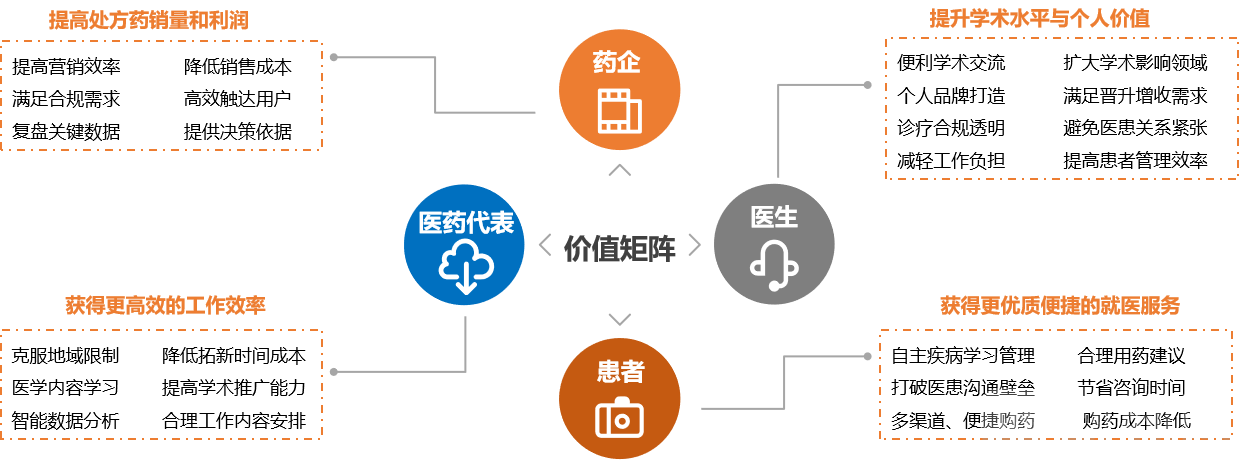
Value Matrix Provided by Digital Pharmaceutical Marketing
Data source: VCBeat Research Institute
Market Structure: Three Roles, Three Models
The industry primarily comprises three key stakeholders: users, providers, and beneficiaries. Correspondingly, three distinct business models have emerged, each with a clear functional positioning. These models are complementary and collectively drive the development of the industry.
Centered on the four key stakeholders—pharmaceutical companies, medical representatives, physicians, and patients—and tailored to the diverse digital marketing needs of pharmaceutical companies, marketing service providers can be categorized into three major types based on differences in service offerings and business models: technology-enabled service providers, platform-based service providers, and retail terminal-oriented service providers.
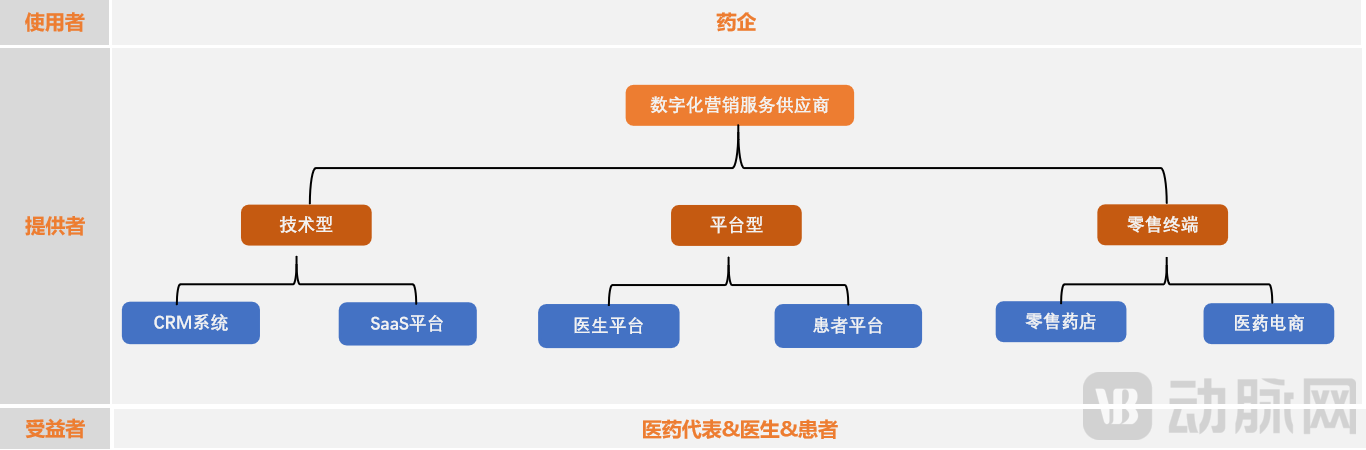
Industry Roles
Data Source: VCBeat
Technical Service-Oriented:Technical service providers focus on technology enablement, typically building internal management systems and private-domain traffic cloud platforms based on CRM and SaaS technical tools.
Platform Service Type:Mainly includes the Doctor Assistant Platform, Appointment and Consultation Platform, Health Management Platform, Rare Disease Communication Platform, and Traditional Chinese Medicine Knowledge Platform within the doctor & patient ecosystem.
Retail Terminal Type:It is mainly divided into retail pharmacies and pharmaceutical e-commerce, with the most common model being the B2C model of pharmaceutical e-commerce.
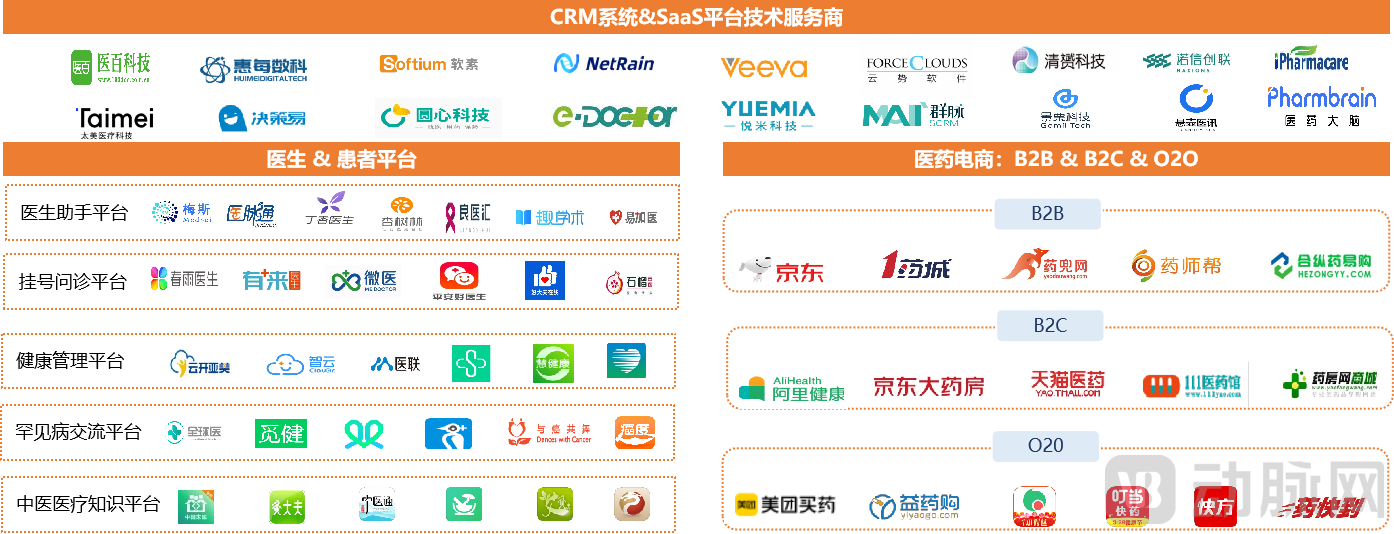
Enterprise Landscape of Digital Marketing Service Providers in the Pharmaceutical Industry
Data Source: VCBeat
Market Outlook: A Market Worth Hundreds of Billions with a Positive Growth Trend
Compared with the earlier development of pharmaceutical digitalization abroad, China’s digital pharmaceutical marketing started relatively late. Digital marketing began to enter the Chinese market around 2014. To enhance their competitiveness, some domestic pharmaceutical companies have actively pursued digital transformation, aiming to reduce costs, improve efficiency, and establish a solid foothold amid fierce market competition and stringent regulatory environments. For the entire domestic biopharmaceutical industry, companies must not only cope with market competition but also meet regulatory compliance requirements. Additionally, reflections on marketing practices prompted by the pandemic have further heightened pharmaceutical companies’ awareness of the importance of integrating online and offline channels, as well as the value of digital technologies in pharmaceutical marketing.
Driven by the resonance of the pandemic’s “black swan” event and advancements in digital marketing technologies, the pharmaceutical digital marketing industry has entered a golden period of growth.China’s pharmaceutical digital marketing market grew from RMB 1.5 billion in 2016 to RMB 15.2 billion in 2020. By 2022, the sector entered a new stage of development, with the market size expected to further increase to RMB 40.3 billion, reflecting a compound annual growth rate (CAGR) of 62.8% over the two-year period. Additionally, as the market gradually stabilizes and matures, the growth rate is projected to moderate while maintaining a steady upward trend. The market is forecast to continue expanding, reaching RMB 111.0 billion by 2025 and RMB 356.8 billion by 2030, with a CAGR of 33.9% from 2025 to 2030.
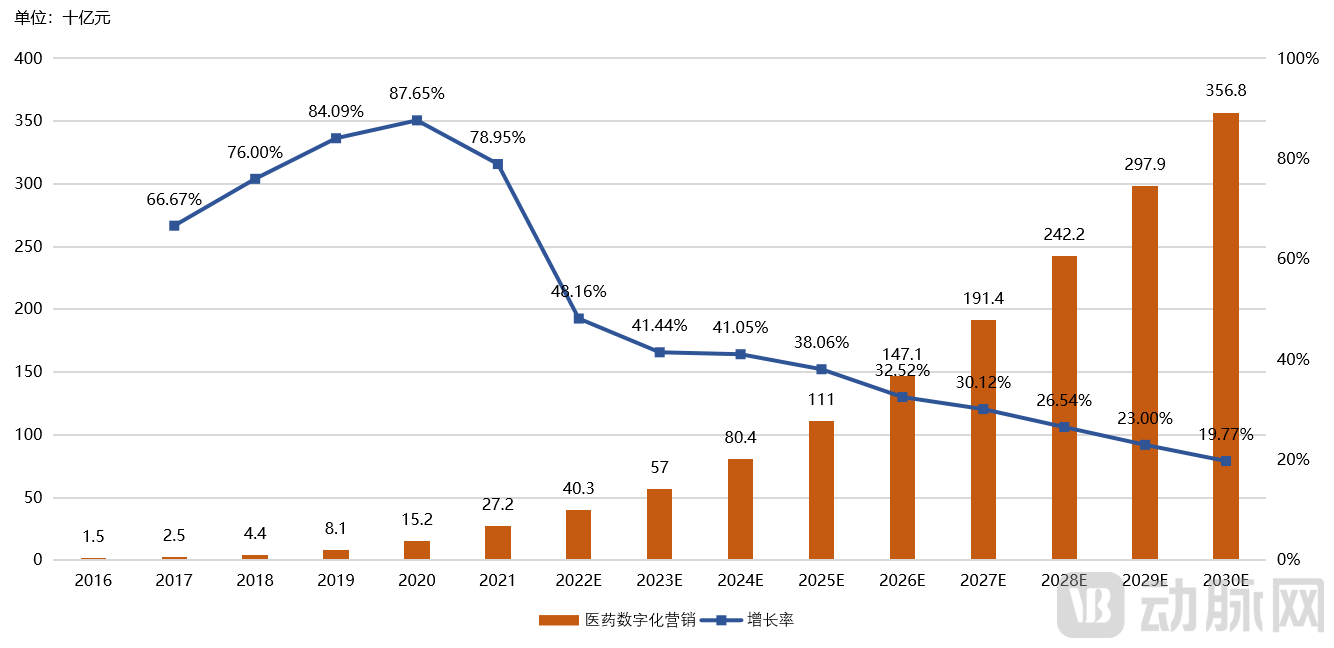
Market Size Trends in China's Pharmaceutical Digital Marketing Industry, 2016–2030
Source: Public information, compiled by VCBeat.
In recent years, many pharmaceutical digital marketing service providers have begun to explore digitalization. Since the outbreak of the epidemic in early 2020, the capital enthusiasm in the pharmaceutical digital marketing industry has been high, with many companies receiving large amounts of financing. According to a survey by VCBeat Research Institute, there are currently 30 marketing service providers in related fields. Since 2020, a total of 45 financing events have been completed, among which technology service enterprises had the most financing events, reaching 19, and one company has achieved an IPO listing; additionally, among platform-type and terminal-type enterprises, one and two companies respectively have also achieved IPO listings. With the vigorous development of the pharmaceutical digital marketing market in the future, various participating enterprises will welcome a new wave of development.


Statistics on Financing in the Pharmaceutical Digital Marketing Industry Since 2020
Data Source: VCBeat
Compared with traditional pharmaceutical marketing methods, precision digital marketing is more effective, breaking through temporal and spatial constraints to accurately and efficiently deliver information to nearly all physicians and patients who view the content. Furthermore, data indicates that pharmaceutical digital marketing campaigns leveraging precisely targeted online content can achieve average click-through rates (CTR) of approximately 20% to 40%. The average CTR refers to the average ratio of users who click on specific content to the total number of users to whom the content was delivered. These multifaceted advantages have driven a continuous increase in the penetration rate of pharmaceutical digital marketing within the overall healthcare marketing market. In 2018, China’s pharmaceutical digital marketing market accounted for only 0.8% of the entire healthcare marketing market (which primarily includes marketing and promotional activities targeting physicians, followed by those targeting healthcare consumers and hospitals).Following the trials of the pandemic, the penetration rate rose to 2.2% in 2020 and is projected to further increase to 11.2% by 2025, with digital marketing strategies expected to continue their positive trajectory.
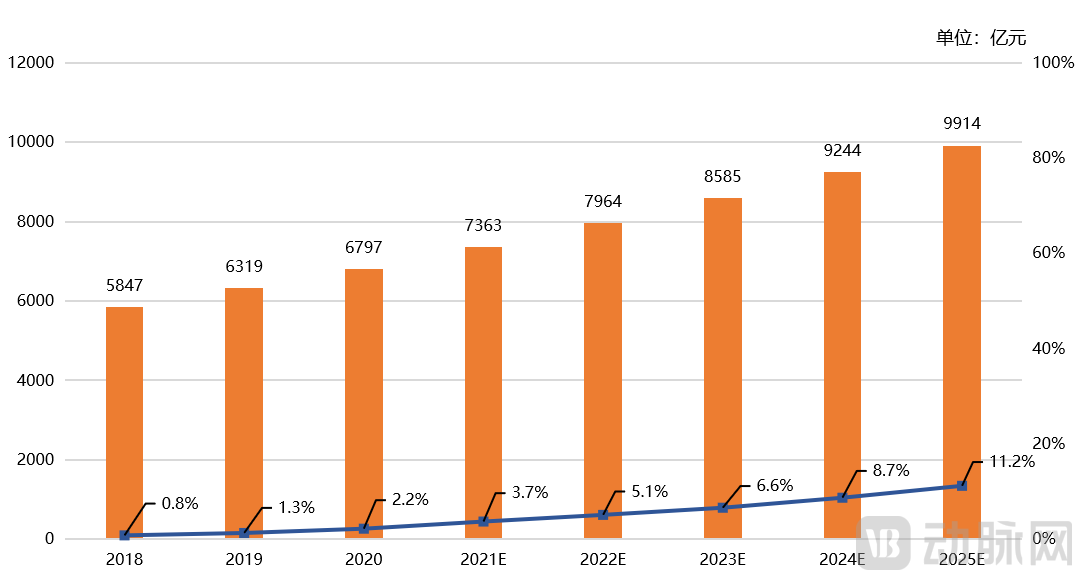
Trends in the Penetration of Digital Pharmaceutical Marketing into the Healthcare Marketing Market, 2018–2025
Source: Public data, compiled by VCBeat.
Currently, various marketing service providers are exploring and strategically positioning themselves, achieving significant success in the digital pharmaceutical marketing market.For example, digital solution developers provide one-stop, full-scenario, omni-channel marketing digital transformation solutions; virtual access vendors and online meeting providers offer supplementary digital solutions or meetings to enhance the connection between pharmaceutical companies and physicians; physician-patient platforms and pharmaceutical e-commerce platforms can conduct online marketing campaigns and sell prescription drugs. According to incomplete statistics, based on the 2020 marketing revenues of various representative service providers: professional physician platforms represented by Medlive and MedSci are estimated to have generated approximately RMB 900 million in revenue; physician-patient communication platforms represented by Haodf Online and Ping An Good Doctor are estimated to have generated revenues ranging from RMB 50 million to RMB 500 million; major digital solution developers such as Yibai Technology, Softsuave Technology, and Yunshi Software are estimated to have generated revenues ranging from RMB 50 million to RMB 300 million; virtual access vendors represented by Nuoxin Chuanglian and Qingyun Technology are estimated to have generated revenues ranging from RMB 50 million to RMB 100 million; major online meeting providers such as BizConf and eDoctor are estimated to have generated revenues ranging from RMB 100 million to RMB 500 million; and major pharmaceutical e-commerce platforms such as JD Health and AliHealth are estimated to have generated revenues ranging from RMB 50 million to RMB 500 million.
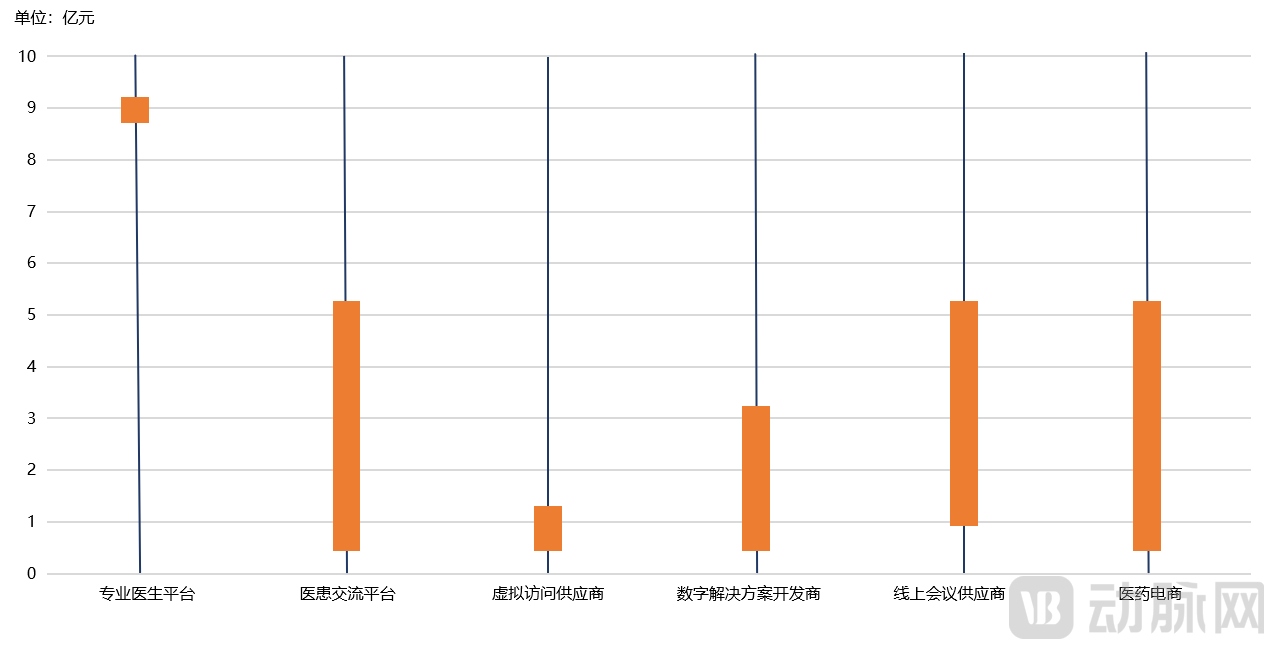
Candlestick Chart of Marketing Revenue Ranges for Representative Service Providers in 2020
Data source: Medlive’s prospectus; compiled by VCBeat
Pharmaceutical digital marketing service providers focus on various aspects of the pharmaceutical digital marketing market and possess competitive advantages in different fields.Among these, the platform-service sector has largely taken shape, with leading enterprises such as Medlive and MedSci emerging successively. Their business models have reached a state of relatively stable output. In the pharmaceutical e-commerce segment at the retail terminal, companies like JD Health, which originally focused solely on the final sales link, are now expanding upstream by establishing internet hospitals. Consequently, they are expected to enter the competitive landscape of front-end marketing in the future. For pharmaceutical companies, regardless of the digital marketing approach chosen, it is essential to establish their own traffic platforms as a foundational infrastructure.In the technology-driven sector, companies exemplified by Yibai Technology empower pharmaceutical firms’ digital marketing across multiple scenarios. Leveraging superior technological advantages and a profound understanding of application scenarios, they serve a diverse range of pharmaceutical clients. While helping pharmaceutical companies fully utilize their existing resources, these tech firms continuously update and iterate their marketing services through their ever-expanding data pools. This creates a multi-scenario, fully private-domain traffic information accumulation platform, enabling pharmaceutical companies to achieve more efficient operations and maintenance with reduced resource consumption. Similarly, Huimei Digital Science focuses deeply on providing personalized and precise services tailored to physicians. By integrating “CDP & CMS + SCRM systems + operational services,” it builds an omnichannel marketing cloud platform for pharmaceutical companies, facilitating data-driven, scenario-oriented synergy between online and offline marketing activities. Looking ahead, various technology service providers will continue to offer new perspectives and tools for the digital transformation of pharmaceutical marketing. In this track, leading enterprises are expected to emerge within the next three to five years.
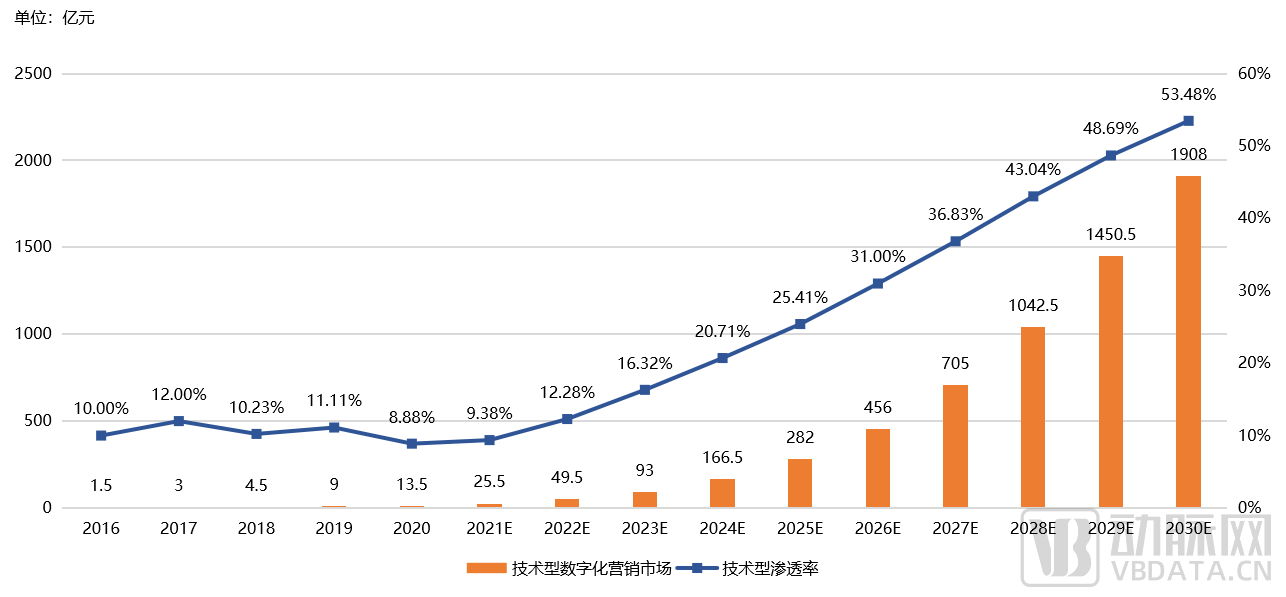
Trends in China’s Technology-Driven Digital Marketing Market, 2016–2030
Data Source: Calculated based on public data, predicted by VCBeat.
Driven by the advancement of modern digital information technology, digital marketing has effectively circumvented the challenges faced by traditional digital marketing methods—such as geographical limitations, uncontrollable outcomes, and high costs—thereby breaking through time and spatial constraints and enhancing marketing effectiveness. Catalyzed by the pandemic, the digital transformation of the pharmaceutical marketing industry, which might otherwise have taken three to five years, was accelerated and largely completed within approximately one year. Meanwhile, the advent of the post-pandemic era has objectively propelled digital pharmaceutical marketing into the spotlight, with digital marketing tools gradually evolving from a supplementary support to a primary driving force. In the long run, while the impact of the pandemic is undoubtedly temporary, the challenges it posed have accelerated the digitalization process in pharmaceutical marketing. Amidst the recent wave of innovation among pharmaceutical companies, policy and technological advancements have created favorable conditions for this transition, positioning digital innovation as a powerful driver for the pharmaceutical marketing industry.
Digital Marketing in Pharmaceutical Enterprises: Based on the varying degrees of integration between pharmaceutical companies and digital technologies, the digital transformation of marketing primarily encompasses four stages: Digital Collaborative Marketing, Embedded Marketing, Fully Integrated Marketing, and Digitally Intelligent-Driven Marketing.In the early stages of digital marketing, it generally served a supportive role, being utilized sporadically as a tool or tactical means. However, with advancements in modern informatization and intelligent technologies, the application of machine automation and artificial intelligence in medicine, education, and patient management has enabled real-time interaction between physicians and patients. Beyond reaching physicians through traditional offline channels, an increasing array of digital marketing methods is leveraging omnichannel approaches to help the pharmaceutical industry enhance marketing conversion efficiency. Meanwhile, digital marketing capabilities are being increasingly integrated and absorbed by marketing teams. Omniscene digital marketing platforms now support nearly all marketing activities, leading to transformations in pharmaceutical companies’ operational models and organizational cultures. Ultimately, this achieves comprehensive business drive through digitalization from a top-level design perspective, establishing a new automated and intelligent marketing framework—namely, the data-intelligent marketing operations system.
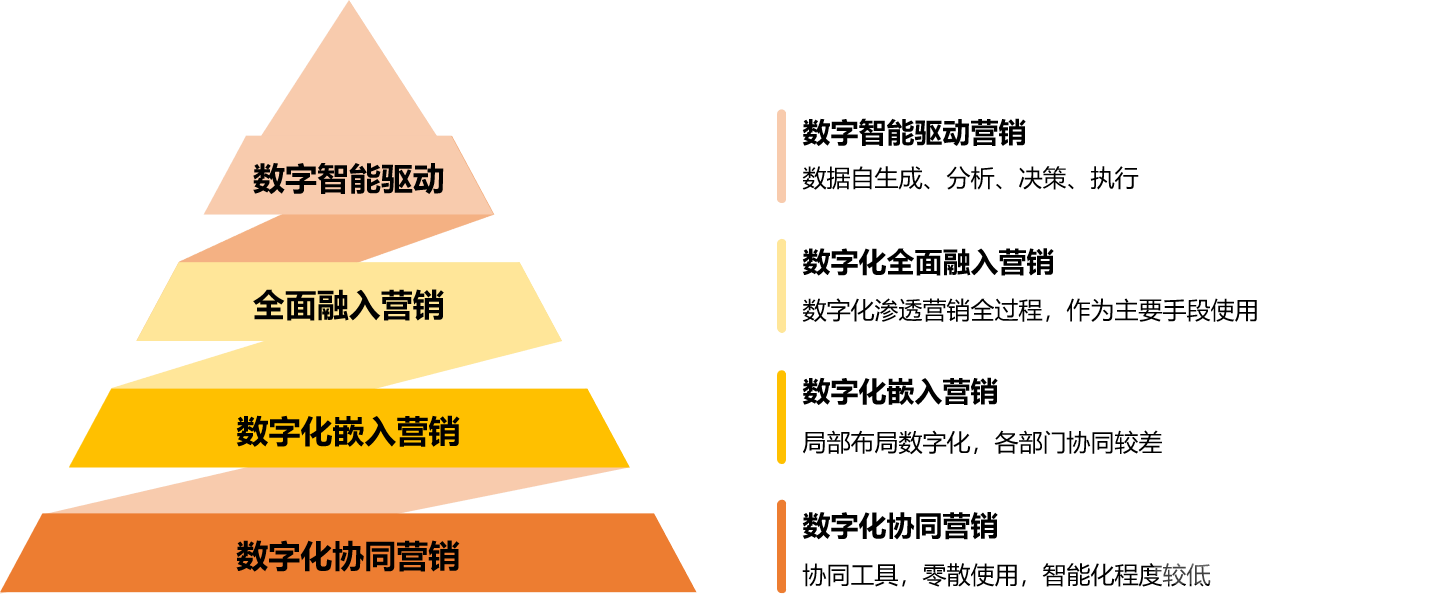
Digital Intelligence-Driven Marketing as the Ultimate Transformation Goal
Source: VCBeat Research Institute
Data-Intelligent Marketing Operations System: Online activities generate links, links generate data, and data generates intelligence, forming an endogenous cycle of intelligent data generation, data analysis, and data-driven decision-making.Digital transformation in marketing is a segment where pharmaceutical companies can achieve independent implementation and pioneering breakthroughs. This transformation can drive the digitalization of production operations and supply chains through reverse pressure. As pharmaceutical companies accelerate their digital marketing efforts, the digital marketing services industry is poised for explosive growth. Corporate marketing systems will shift from being personnel-centric (sales representatives) to data-operations-centric, establishing a new marketing operational framework characterized by data-driven decision-making, execution, and collaboration. Under this new digital marketing system, systems automatically record and aggregate customer data, which is then further dissected and analyzed using analytical tools to provide tailored insights and support at different stages of the marketing process. Digitalization is no longer merely a tool for marketing solutions; instead, it serves as the connective tissue linking all digital tools to deliver targeted and differentiated services to diverse customers. Data intelligence will play the primary role in decision-making, execution, and collaboration within marketing activities.
The above is an excerpt from the report. The complete framework of the report is as follows,
Scan the QR code to download the full report for free.

I. Industry Development Background
1.1 Policy Landscape: Policies Reduce Pharmaceutical Companies’ Gross Margins, While Compliance and Anti-Corruption Efforts Continue to Intensify
1.2 Market Side: Habits Formed During the Pandemic and Its Recurring Waves Have Made Proactive Online Learning a Daily Routine for Physicians
II. Industry Overview
2.1 Overview of Connotations: The Resonance Between Prescription Drug Marketing Needs and Information Technology Development—An Inevitable Trend
2.2 Value Empowerment: Multiple Stakeholders Benefit from Digital Pharmaceutical Marketing
2.2.1 Pharmaceutical Companies: Increasing Prescription Sales and Profits
2.2.2 Medical Representatives: Achieving Higher Work Efficiency
2.2.3 Physicians: Enhancing Academic Proficiency and Personal Value
2.2.4 Patients: Access to Higher-Quality and More Convenient Medical Services
2.3 Business Model: First-Class Technology, Two Major Platforms, and Three Types of Terminals
2.3.1 Technical Service-Oriented
2.3.2 Platform Service Model
2.3.3 Retail Terminal Model
2.4 Current Development Status: Digitalization Penetrates the Entire Pharmaceutical Marketing Chain
III. Opportunities and Challenges in Industry Development
3.1 Market Development Opportunities in Digital Pharmaceutical Marketing
3.1.1 Driven by the Demand for Innovation and Diversification in Pharmaceutical Product Portfolios
3.1.2 The Booming Development of Internet Healthcare and the Shift in Doctor-Patient Communication Habits
3.1.3 The trend of market penetration into lower-tier markets is evident, with the expansion of online and offline out-of-hospital markets
3.1.4 Out-of-Hospital Medication Management for Patients with Chronic Diseases Urgently Needs Improvement, with Digitalization Poised to Deepen Its Impact
3.2 Challenges Facing the Digital Pharmaceutical Marketing Market
3.2.1 Pharmaceutical companies exhibit limited thinking, and insufficient cognition leads to underinvestment
3.2.2 Data Silos Are Prevalent, Severely Hindering Insights into User Needs
IV. Insights into Industry Development Trends
4.1 Market Prospects: A Hundred-Billion-Yuan Market with Positive Growth Trends
4.2 Financing Trends: Since 2020, large-scale financing rounds have occurred frequently, with capital markets generally optimistic.
4.3 Competitive Landscape: Intensified Digital Penetration and Flourishing Diversity of Technologies and Platforms
4.4 Endgame Goal: Digital Intelligence-Driven Transformation of Pharmaceutical Digital Marketing
V. Case Analysis
5.1 Yibai Technology: A Service Provider of Digital Transformation Solutions for the Full Lifecycle of Pharmaceutical Marketing
5.1.1 Basic Introduction
5.1.2 Financing Information
5.1.3 Core Products
5.1.4 Collaboration Cases
5.2 Huimei Digital Technology: Developer of Omni-Channel, One-Stop Academic Empowerment Marketing Solutions
5.2.1 Basic Information
5.2.2 Financing Information
5.2.3 Core Products
5.2.4 Collaborative Cases
This report is part of the series for VCBeat’s 6th Future Healthcare 100 Conference, which will be held online on June 14, 2022. The report will be presented and released at the conference.