

2022 Digital Therapeutics Industry Research Report: Industry at an Early Stage, Commercial Prosperity Should Seize Opportunities from National Health Development — Case Studies of Enterprises in Three Key Therapeutic Areas
Since its formal inception in 2021, digital therapeutics (DTx) in China has experienced rapid development. To date, 87 companies in China have entered the DTx sector. Attention toward digital therapeutics is no longer confined to conceptual discussions.
This report reviews the development of 309 digital therapeutics (DTx) companies worldwide, summarizes the distribution of indications among Chinese DTx enterprises, their product approval progress, and the current state of regulatory framework construction in China compared with overseas markets. Furthermore, through case studies of seven representative companies across three major disease areas—ophthalmic conditions (amblyopia and myopia), chronic respiratory diseases, and cancer—the report conducts a systematic analysis of product functional details, clinical data, and commercialization progress. These efforts yield in-depth insights into the current status and future development directions of digital therapeutics in China.
The report mainly includes the following content:
1. Differences between China and overseas in the digital therapeutics industry regarding product indication distribution, product approval progress, and the current status of regulatory system development.
2. Which leading companies in China currently excel in the fields of ophthalmic diseases (amblyopia, myopia), chronic respiratory diseases, and cancer?
3. What are the clinical pain points in disease areas such as ophthalmic conditions (amblyopia, myopia), chronic respiratory diseases, and cancer? What favorable policies are in place? What are the product feature details, clinical data, and commercial progress of leading or representative digital therapeutics companies? What are the development characteristics and trend forecasts for these three key sub-sectors?
4. Reflections on the Development of the Digital Therapeutics Industry: What are the key conditions for digital therapeutics to take root and flourish commercially in China? Where do the development opportunities lie?
(Note: The full report can be downloaded by scanning the QR code at the end of the article.)
In 2021, the China Digital Therapeutics Alliance was established. The alliance not only brings together leading digital therapeutics companies, top internet healthcare enterprises, and large multinational pharmaceutical companies, but has also successively released the "White Paper on Digital Therapeutics 1.0" and the "White Paper on Digital Therapeutics 2.0." Additionally, it has held a series of forums on digital therapeutics in multiple cities. As a result, the concept of digital therapeutics has rapidly come into public view and gradually gained momentum. To date, 87 companies in China have entered the field of digital therapeutics, covering disease areas such as ophthalmology, mental disorders, behavioral and cognitive disorders, chronic respiratory diseases, and cancer.
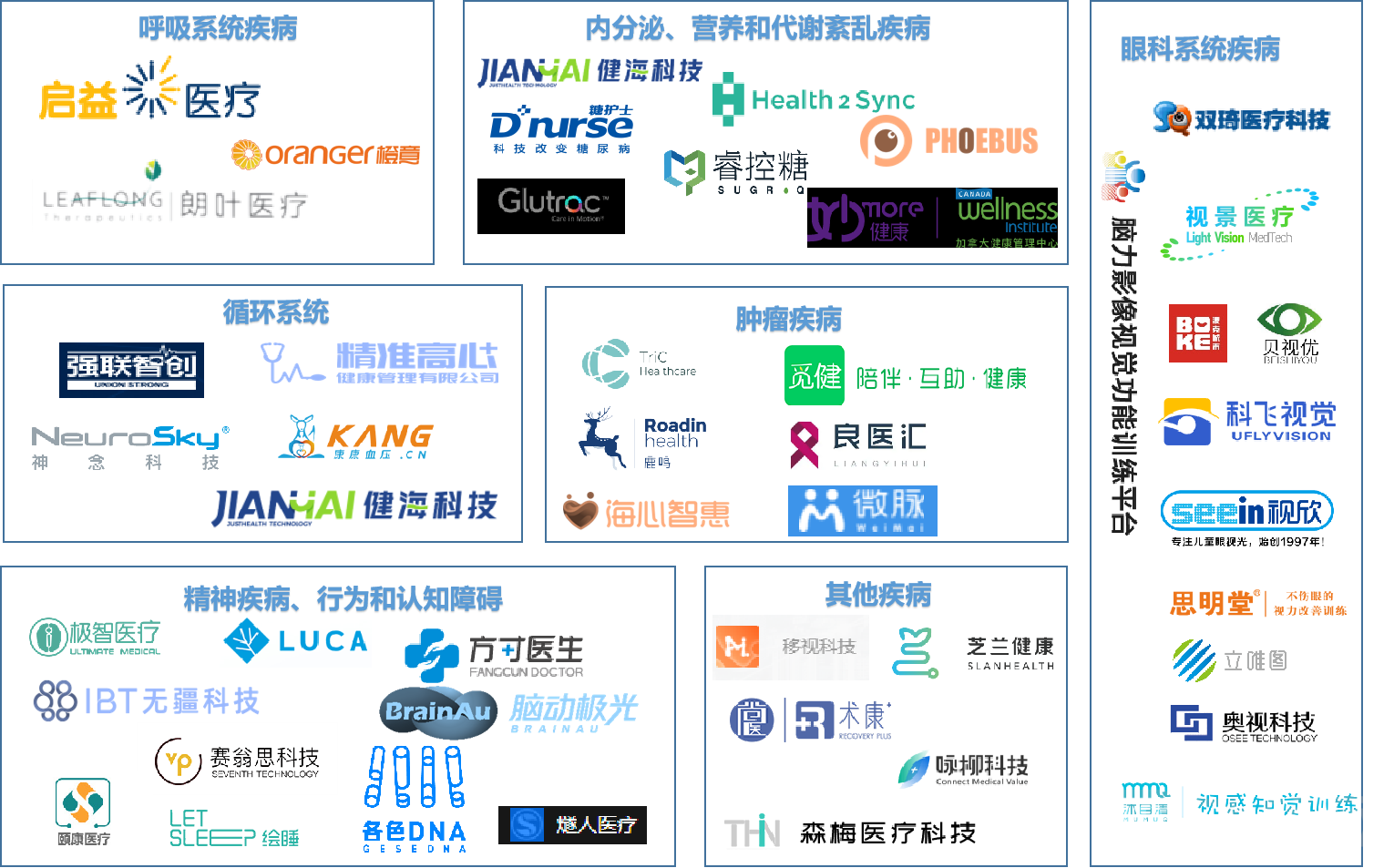
Landscape of Digital Therapeutics Companies in China
Source: Compiled from public information, VCBeat.
The top five therapeutic areas targeted by overseas companies are mental disorders (37%), endocrine, nutritional, and metabolic diseases (19%), behavioral and cognitive disorders (10%), neurological diseases (7%), and oncology (8%). In contrast, the top five therapeutic areas for domestic companies are mental disorders (33%), behavioral and cognitive disorders (24%), ophthalmic diseases (15%), endocrine, nutritional, and metabolic diseases (9%), and oncology (8%). It is evident that mental disorders represent the most popular field for digital therapeutics both domestically and internationally. However, regarding specific indications, nearly half of Chinese companies focus on sleep disorders, whereas over 50% of overseas companies concentrate on mental health conditions such as depression and anxiety. Cognitive impairments resulting from brain developmental or degenerative diseases are also a key focus for digital therapeutics globally. Nevertheless, many foreign companies additionally address neurological diseases caused by nerve damage, including assessment and rehabilitation following stroke and traumatic brain injury. Another significant difference in the development of digital therapeutics between China and other countries lies in ophthalmology. Digital therapeutics for ophthalmic diseases have been introduced to hospitals in China as medical software since 2010, boasting a development history of over ten years and establishing a stable commercial pathway, making it the most mature segment of digital therapeutics in China. In contrast, only 4% of foreign companies have entered the ophthalmology sector, with the FDA approving the first digital therapeutic for amblyopia, Luminopia One, in October 2021.
In terms of the breadth of indications, there is a certain gap between China and overseas markets. Overseas, key areas of focus include musculoskeletal pain and irritable bowel syndrome (IBS), with 12 companies actively engaged in each of these fields. Additionally, several companies have established a presence in the treatment of immune-mediated diseases such as rheumatoid arthritis and lupus erythematosus, as well as tinnitus and erectile dysfunction. In contrast, few Chinese companies currently operate in these aforementioned therapeutic areas.
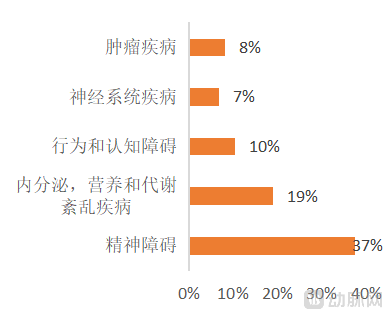
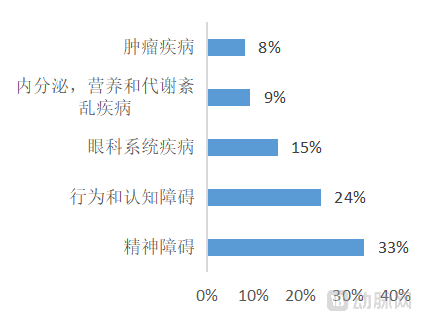
Distribution of Digital Therapeutics Indications: Overseas (Left) and Domestic (Right)
Source: Compiled from public information, VCBeat
As of now, China has approved 29 digital therapeutics (DTx) products, including 12 for vision training and 10 for behavioral and cognitive disorders. In 2022 alone, there were 12 approvals, comprising six products for cognitive impairment, three for vision training, and one each for PTSD, pulmonary rehabilitation, and metabolic syndrome. There were eight approvals in 2021 and six in 2020; in addition to vision training and cognitive rehabilitation products, these years saw the first approvals for products targeting hepatitis B transmission blockade and cardiopulmonary rehabilitation. This indicates that the approval process for digital therapeutics in China is accelerating, with an increasing diversity of covered indications.
According to the "Global Digital Therapeutics Industry Report" released by VCBeat, the U.S. Food and Drug Administration (FDA) has issued 52 medical device clearances for digital therapeutics products over the years, involving 23 companies. Among the 52 approved products, 33% target diabetes management, 15% target mental disorders, 13% target respiratory diseases, and 13% target neurological diseases. The specific indications covered include diabetes, asthma, chronic obstructive pulmonary disease (COPD), cancer, female pelvic floor disorders, irritable bowel syndrome (IBS), headaches, chronic lower back pain, post-traumatic stress disorder (PTSD), and substance abuse. In terms of approval sequence, diabetes was the initial focus for digital therapeutics approvals, followed closely by chronic respiratory diseases. Currently, products based on psychological intervention theories and neuroplasticity theories, targeting mental disorders, gastrointestinal diseases, and neurological diseases, are being approved intensively. Overall, the number of approved companies accounts for approximately 10% of the total number of digital therapeutics companies, which is closely related to the medical device approval cycle and the commercialization strategies of individual companies. In comparison, approved products in Germany are more targeted. As of December 2021, 24 products had been approved by the Federal Institute for Drugs and Medical Devices (BfArM) (including 18 products under temporary approval). Among these, 10 products target mental disorders such as anxiety, depression, and panic disorders, while the remaining products address conditions including tumors, tinnitus, headaches, cerebral hemorrhage, diabetes, and obesity. The diversity of products is also significantly higher than that in China.

Digital Therapeutics Products Approved in China
Source: Compiled from public information, VCBeat.
Abroad, healthcare regulatory authorities have standardized and promoted the development of the digital therapeutics industry by establishing and improving regulatory frameworks. In July 2017, the Center for Devices and Radiological Health (CDRH) under the U.S. Food and Drug Administration (FDA) released the Digital Health Innovation Action Plan, introducing new regulatory approaches for medical software. In August 2017, the FDA launched the Software Pre-Cert Pilot Program, which adjusted the approval process to accommodate the rapid update cycle of software, allowing selected companies to make minor changes to their devices without submitting a review application each time. In April 2020, to address chronic diseases and mental health issues during the pandemic, the FDA issued the Enforcement Policy for Digital Health Devices for Treating Psychiatric Disorders During the Coronavirus Disease 2019 (COVID-19) Public Health Emergency, waiving premarket review requirements for low-risk digital therapeutics targeting mental health conditions. In September 2020, the FDA established the Digital Health Center of Excellence (DHCoE) within CDRH to advance digital health innovation, including regulatory policy innovations and support in areas such as artificial intelligence algorithms, cybersecurity, clinical research, and real-world data. Similar to the United States, the European Medicines Agency (EMA) and the European Commission are exploring holistic solutions. In the United Kingdom, the National Institute for Health and Care Excellence (NICE), commissioned by the National Health Service (NHS), led the development of the Evidence Standards Framework for Digital Health Technologies, which outlines the evidence standards that digital health technologies, including digital therapeutics, should meet or develop.
In 2018, Belgium proposed mHealth Belgium, an initiative to design a tiered “pyramid” approval structure for medical apps. This structure comprises three levels: M1, approved by the Federal Agency for Medicines and Health Products (FAMHP) as CE-certified medical devices; M2, approved by the eHealth platform, requiring secure network connectivity; and M3, approved by the National Institute for Health and Disability Insurance (NIHDI), which requires clinical medicine and health economics evidence to qualify for reimbursement from the RIZIV/INAMI. In 2018, Germany began promoting legislation, and after 18 months of effort, the German Digital Healthcare Act (Digitale-Versorgung-Gesetz, DVG) came into effect on December 19, 2019. This act subsequently became the legal basis for the approval of digital therapeutics in Germany, marking the inclusion of prescription apps for patients into the statutory health insurance system. In October 2020, South Korea’s Ministry of Food and Drug Safety issued the Guidelines for the Evaluation and Approval of Digital Therapeutics (Industry Version), aiming to guide the scope and standards for the approval of digital therapeutics in South Korea.
China has not yet issued specialized regulatory documents for digital therapeutics. The regulatory approval of digital therapeutics still follows the existing approval framework for medical device software, including the 2017 edition of the Medical Device Classification Catalog, the Technical Review Guidelines for the Registration of Mobile Medical Devices, the Guiding Principles for Product Classification and Definition of AI-Based Medical Software, the Technical Review Guidelines for the Registration of Medical Device Software, and the Guiding Principles for Cybersecurity Registration Review of Medical Devices. At the implementation level, the National Medical Products Administration (NMPA) remains responsible for approving Class III medical devices, while local regulatory authorities handle approvals for Class II medical devices. Regions such as Hunan, Zhejiang, and Guangzhou have adopted a relatively proactive stance toward regulating these products. Consequently, approved products to date are predominantly focused on well-defined indications—such as vision training, cognitive impairment rehabilitation, and functional rehabilitation of other organs—that have clear interpretations within the classification catalog. In contrast, digital therapeutics targeting chronic diseases with adherence management as their core focus have seen slow progress in the development of approval frameworks.
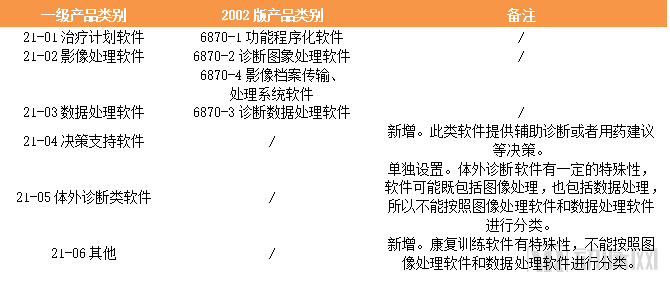
“Medical Device Classification Catalog (2017)” Explanation of Medical Software Classification
Source: Compiled from public information, VCBeat
Encouragingly, from the perspectives of economic development and healthcare industry upgrading, multiple local governments in China have attached great importance to digital therapeutics (DTx). In July 2017, Hangzhou Municipality issued the Several Opinions on Accelerating the High-Quality Development of the Biopharmaceutical Industry, which proposed supporting local medical institutions in participating in pilot programs for the procurement of DTx services. This became the first major policy document in China to explicitly support and promote the development of digital therapeutics. In December 2021, China’s first digital therapeutics industrial park—the Hangzhou Digital Therapeutics Industrial Park—was established in the Hangzhou High-Tech Zone. In January 2022, the Health Commission of Hainan Province released the 14th Five-Year Plan for Digital Health Development in Hainan Province, listing “exploring pilot trials of digital therapeutics” as one of the key tasks for digital health development during the 14th Five-Year Plan period. This marked the first time that digital therapeutics were included in a provincial-level plan. Overall, while local policies in China have taken the lead in promoting the development of the digital therapeutics industry, the independent regulatory status of digital therapeutics remains to be clearly defined. In 2021, the official WeChat account of the Center for Medical Device Evaluation (CMDE) published Regulatory Considerations on Digital Therapeutics, reflecting the national-level regulatory perspective on DTx development. It is believed that as China’s digital health regulatory system continues to improve, regulatory standards for digital therapeutics will gradually become clearer.
This report, grounded in clinical practice guidelines and pain points, employs case studies to focus on the most mature sector of digital therapeutics (DTx) in China—ophthalmology DTx—as well as DTx for oncology and respiratory diseases, which serve large patient populations with diverse disease management needs but remain in early stages of chronic care. The aim is to explore the practical value, development characteristics, challenges, and commercial potential of DTx products in the Chinese market.
Ophthalmic diseases represent a relatively mature segment for the development of digital therapeutics in China. Among these, digital therapeutic products designed for visual training and rehabilitation in patients with mild to moderate strabismus and amblyopia are the earliest to emerge and the most standardized. These visual training systems integrate theories and methods from neurobiology, psychophysics, and computer vision. By leveraging the plasticity of the brain’s nervous system and delivering various biological stimuli, they enhance visual function in children with amblyopia, featuring well-established medical principles and clear mechanisms of action.
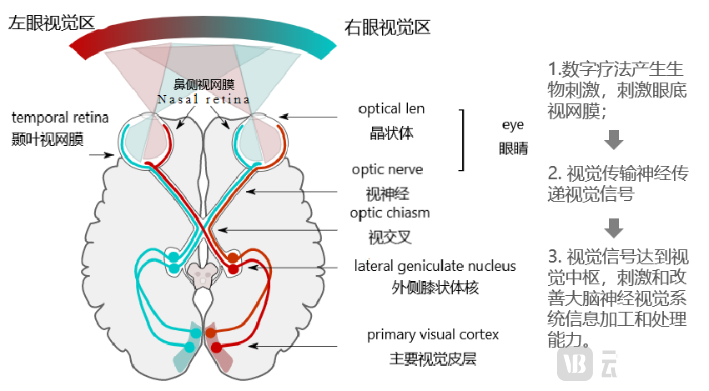
Principles of Digital Therapeutics Products for Amblyopia Training
Source: Compiled from public information, VCBeat.
Public records indicate that China’s first amblyopia training software was launched in 2000. To date, more than ten visual training software products have been approved as Class II medical devices (excluding products with expired approvals that have not undergone re-examination). The primary users of visual training software are children and adolescents, a demographic whose parents demonstrate high levels of attention and willingness to pay. Alongside the development of the ophthalmic medical service ecosystem—including eye hospitals, optometry centers, and ophthalmology clinics—the business model for amblyopia training products has evolved to prioritize hospital-based distribution, supplemented by other channels. Currently, the market landscape in this sector has begun to stabilize, with companies such as Shijing Medical and Jiacheng Shixin emerging as industry leaders due to their high-quality products, strong channel deployment capabilities, and robust commercial systems. In contrast, activity in the overseas ophthalmology sector has gained momentum over the past five years, giving rise to multiple visual training products based on artificial intelligence and VR technologies, such as AmblyoPlay® by AmblyoPlay and CureSight™ by NovaSight. To date, only one digital therapeutic product for amblyopia training, Luminopia One, has received FDA clearance.
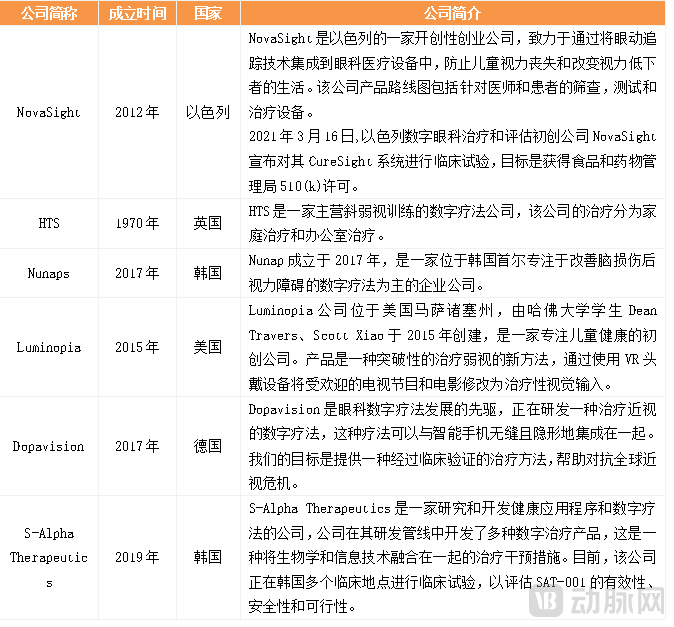
List of Global Digital Therapeutics Companies in Ophthalmology (Partial)
Source: Compiled from public information, VCBeat.
Digital therapeutics for chronic respiratory diseases represent a typical model within the broader category of digital therapeutics for chronic disease management. Although only about 5% of digital therapeutics companies worldwide are focused on chronic respiratory diseases, compared to 16% targeting endocrine and metabolic disorders, the field of digital therapeutics for chronic respiratory conditions has already achieved a certain level of maturity, as evidenced by financing trends, product offerings, and the development of leading enterprises.
In terms of financing activity, the digital therapeutics sector for chronic respiratory diseases witnessed a total of 15 financing rounds between 2020 and 2022, with 3 rounds in 2020, 6 in 2021, and 6 in 2022. The total disclosed financing amount reached approximately USD 157 million (excluding three rounds whose amounts were not disclosed).
In terms of product content, digital therapeutics for chronic respiratory diseases from various companies adhere to the guidelines for the diagnosis and treatment of chronic obstructive pulmonary disease (COPD) and bronchial asthma. They engage in differentiated competition by focusing on two key aspects: “adherence management” and “professional medical guidance.” Each product has its own emphasis, with functional modules covering symptom monitoring, patient education, rehabilitation training, patient diaries, remote doctor-patient interaction, and early warning of acute exacerbations. Supporting hardware includes electronic peak flow meters, lung function monitors, smart inhalers, and breathing trainers. More than half of the companies offer products with single functionalities, while the rest provide products or pipelines that cover multiple functions simultaneously.
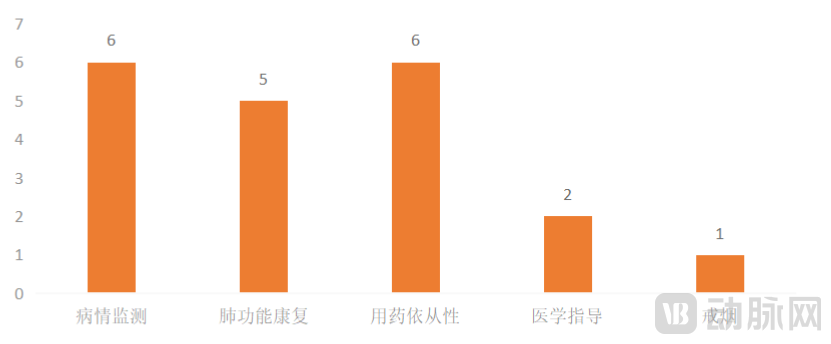
Global Distribution of Functional Features in Digital Therapeutics for Chronic Respiratory Diseases
Source: Compiled from public information, VCBeat.
From the perspective of leading enterprise development, Propeller Health, a US-based company founded in 2007, completed its Series D financing round in 2018, achieving cumulative funding of $66.9 million, and was acquired by the medical device company ResMed in 2019. Propeller Health’s operations now span Europe, the Americas, and Asia, with over 70 commercial projects implemented, covering 100,000 users across 16 countries. The company has obtained nine FDA clearances for Class II medical devices, as well as Class I device certifications in the European Union and Canada. It has established stable partnerships with major pharmaceutical companies such as AstraZeneca and Novartis, paving a sustainable commercial pathway and gaining recognition from medical device manufacturers for its value.

List of Global Digital Therapeutics Companies for Chronic Respiratory Diseases (Partial)
Source: Compiled from public information, VCBeat.
In recent years, digital therapeutics for cancer management have gained unprecedented momentum. This report reviews 25 global companies specializing in digital therapeutics for oncology, approximately 13 of which were established after 2017. The year 2018 marked the peak period for the founding of such companies, with five new enterprises launched that year. In terms of financing, there have been 25 funding events in the field of digital therapeutics for cancer management from January 2020 to the present, involving 13 companies and totaling $257 million (seven of these funding rounds did not disclose specific amounts and were counted as $0). Currently, the leading company, Voluntis, went public in May 2018 at an offering price of £14 per share.
In terms of product offerings, nearly two-thirds of companies have developed solutions for managing adverse reactions in cancer care. These solutions leverage authoritative oncology diagnosis and treatment guidelines, patient clinical data, and machine learning algorithms to build artificial intelligence analytical models. By analyzing symptom data collected via electronic Patient-Reported Outcomes (e-PRO), these models rapidly identify patients with urgent or severe conditions and predict the occurrence of adverse events, as exemplified by Kaiku Health and ScientificMed. Another one-third of companies provide psychological support to cancer patients based on Cognitive Behavioral Therapy (CBT) principles and gamification, such as Xploro and Prosoma. Meanwhile, Tired of Cancer offers a digital therapeutic solution specifically targeting cancer-related fatigue management.
In terms of commercial promotion, cancer management is closely linked to innovative drugs. Digital therapeutics products, particularly those targeting specific molecular targets or managing adverse reactions associated with certain drug classes, can not only effectively reduce the discontinuation rate of anticancer medications and improve patients’ quality of life, but also collect detailed real-world patient data to facilitate drug development. This area has become a key focus in the digital transformation strategies of multinational pharmaceutical companies. For instance, companies such as Voluntis and Kaiku have adopted collaborations with pharmaceutical firms to co-develop digital therapeutics for specific cancer types or for managing adverse reactions to particular drugs as their primary commercialization strategy, establishing partnerships with multiple multinational pharmaceutical corporations including Roche, Bristol Myers Squibb (BMS), and Novartis.

List of Global Digital Therapeutics Companies for Cancer Management (Partial)
Source: Compiled from public information, VCBeat.
The above is an excerpt of the main content of the report. The complete framework of the report is as follows:Scan the QR code to download the full report for free.

Chapter 1 Industry Overview: Digital Therapeutics in China Rapidly Take Off, Showing Significant Differences from International Development
I. Mental disorders are the most popular area of focus for enterprises both domestically and internationally, but there are significant differences in overall indication layouts.
2. Domestically approved products are concentrated in the fields of ophthalmology and cognitive disorders, whereas overseas markets prioritize products for chronic disease management and mental disorders.
III. Local governments in China have taken the lead in implementing industrial development policies, while the construction of approval and regulatory systems has lagged behind
Chapter 2: Tracking the Current Development Status of Digital Therapeutics in China Across Three Major Fields
I. Ophthalmic Diseases: The Initial Application Area of Digital Therapeutics, Now Integrated into China’s Healthcare System
(I) Overview of Amblyopia and Myopia
(II) The large patient population and high incidence rate cause severe harm and impose a substantial economic burden.
(3) Compliance issues affect the efficacy of traditional amblyopia treatment; while myopia management options are diverse, each has its limitations.
(4) Ophthalmic digital therapeutics have been developed for many years and have become standard medical equipment in healthcare institutions.
(V) Low Detection Rates and Limited Awareness of Intervention Constrain Industry Development, While Policy Drivers Will Propel Market Takeoff
(VI) New technologies drive product diversification, while policy support facilitates commercial channel expansion and attracts a wide range of enterprises to enter the market
(VII) Case Analysis
II. Chronic Respiratory Diseases: A Typical Product for Managing Common Chronic Diseases, with Adherence Management as Its Core
(I) Overview of Asthma and Chronic Obstructive Pulmonary Disease
(2) The number of patients exceeds 100 million, with mortality ranking second only to cardiovascular diseases and cancer, imposing a heavy economic burden.
(3) The level of disease control is not optimistic, with the key issues being low rates of early diagnosis, poor patient adherence to self-management, and insufficient medical guidance.
(4) Strengthening primary-level disease prevention and control capabilities, and exploring technologies and models for disease health management, have become key priorities in the prevention and control of chronic respiratory diseases
(V) The global field of digital therapeutics for chronic respiratory diseases has achieved a certain level of maturity, with rich and diverse product innovations.
(6) Most domestic companies' products are in the clinical trial stage, with B2G2C likely to become the primary business model.
(VII) Case Analysis of Digital Therapeutics for Chronic Respiratory Diseases
III. Cancer Management: A Field with High Technical Barriers, Where Launched Products Have Narrow Entry Points and Simplified Functions
(I) Overview of Cancer
(II) Cancer incidence continues to rise, with annual deaths in China reaching 3 million, leading to a rapidly growing economic burden
(3) Insufficient early detection of cancer, difficulty in curing mid- to late-stage cancer, and significantly shorter survival rates in China compared to developed countries
(4) Coexisting with cancer is becoming increasingly common, and patient management supported by the MDT model will be the best practice
(V) Cancer prevention and treatment have received significant attention, with the MDT (Multidisciplinary Team) diagnosis and treatment model and whole-course disease management becoming key to improving the quality of oncology care.
(6) Growing Momentum for Digital Therapeutics in Cancer Management: Leading Companies Have Established Extensive Collaborations with Multinational Pharmaceutical Firms
(7) One digital therapeutic product for cancer management has received regulatory approval in China, with the overall sector remaining in a relatively early stage of development.
(VIII) Case Analysis of Digital Therapeutics for Cancer Management
IV. Tracking Three Major Fields: Varying Levels of Development Across Segments; Commercial Progress Depends on Policy Implementation
(1) The ophthalmology sector is the most mature, with its clinical value and presentation methods widely recognized; market competition still hinges on channel distribution capabilities.
(II) Representative of the General Chronic Disease Management Sector: The Lagging Domestic Approval System Impacts Sector Development, While the National Standardized Diagnosis and Treatment Program for Respiratory Diseases May Propel Industry Progress
(3) Companies in the cancer management sector have achieved modest success in both financing and product approvals; however, due to the high barriers in critical illness management, the development of tiered diagnosis and treatment systems may emerge as a breakthrough for commercial promotion.
Chapter 3 Development Outlook: The Industry Is in Its Early Stages, and Commercial Prosperity Should Seize the Opportunities Presented by the National Development of Healthcare