

Targeted Protein Degradation: The Next Golden Age of Small Molecule Therapeutics
The development of the pharmaceutical industry has always followed a spiral upward trajectory. In recent years, as biologics have captured significant attention, small-molecule drugs require new technological advancements to spur their next wave of industrial growth. Protein degradation technologies, represented by PROTACs and molecular glues, have emerged at this opportune moment. They have not only ignited a new trend in small-molecule drug development but also extended their influence into broader areas of the pharmaceutical sector.
Based on this, VCBeat has authored"Targeted Protein Degradation: The Next Golden Age of Small-Molecule Drugs", and will focus on answering the following questions in the report:
1. Why has the field of small-molecule degraders experienced a resurgence in recent years?
2. What is the level of development and maturity of the key technologies?
3. Which domestic and international companies are poised to make significant strides in this field?
4. Which leading products have gained a first-mover advantage in this wave?
5. How should capital maintain a clear-headed approach to assessing the future development of industries?
To clarify the aforementioned issues, VCBeat Institute conducted extensive research within the industry and, in conjunction with its own research efforts, attempted toIndustry Overview, Technological Pathways, Development Opportunities and Challenges, and Future Trend Analysis...and other dimensions to comprehensively analyze the field of protein degradation, aiming to provide valuable industry insights for stakeholders and participants.
(Note: The full report is available atScan the QR code at the end of the article to download)
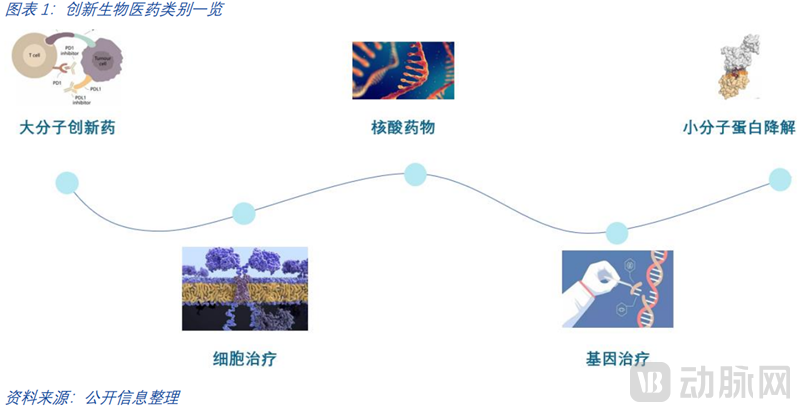
Targeted protein degradation represents the cutting-edge breakthrough in small-molecule therapeutics. The biopharmaceutical industry has evolved through large-molecule innovative drugs (such as monoclonal antibodies, bispecific antibodies, and antibody-drug conjugates), cell therapies (e.g., CAR-T), nucleic acid therapeutics, gene therapy, and small-molecule protein degraders, with novel druggable mechanisms continually emerging. Innovations in technological platforms are enabling new drug candidates to overcome the bottlenecks of traditional druggable mechanisms, while also presenting new challenges, ultimately leading to the development of novel therapeutics with superior clinical efficacy.
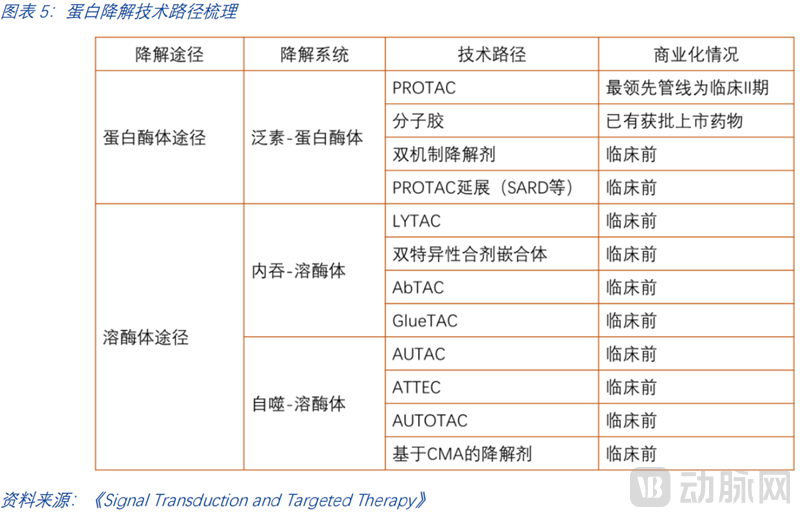
Targeted protein degradation leverages the two naturally occurring protein degradation systems in the human body—the ubiquitin-proteasome system and the lysosomal system—to achieve efficient and precise degradation of disease-causing proteins. Based on these two major protein degradation systems, multiple technological approaches have been developed, with research advancing into clinical trials; the most well-known among these are PROTACs and molecular glues.
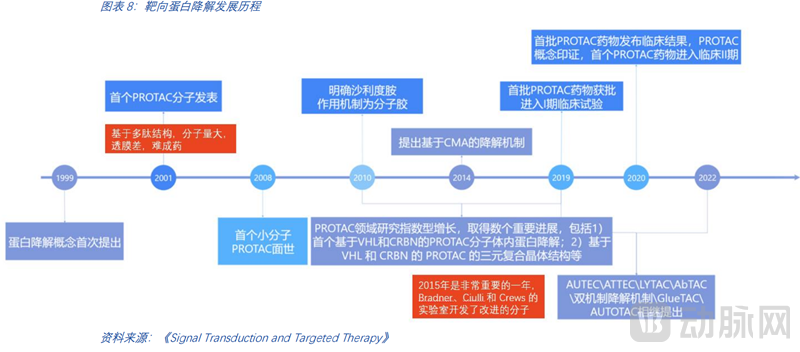
Nowadays, PROTAC has transitioned from academic research to rational design, entering the post-proof-of-concept era. Other technological approaches remain in the early exploratory stage. The development of small-molecule protein degraders, represented by PROTACs, has spanned more than two decades. The concept of protein degradation was first proposed in 1999, followed by a milestone advancement in 2015 with the development of improved molecules during early preclinical studies. The first clinical trials were initiated in 2019.
In the field of protein degradation, PROTACs have demonstrated significant commercial value as basic research and clinical trials continue to advance. PROTACs offer three major advantages: they hold promise for overcoming drug resistance, enabling the targeting of previously “undruggable” proteins, and achieving “best-in-class” status, making them an ideal modality for anticancer drug development. PROTACs are being extensively explored worldwide, with potential indications spanning a broad range. They have shown remarkable efficacy in combating cancer, and have also exhibited therapeutic potential in immunological diseases, viral infections, and neurodegenerative disorders.
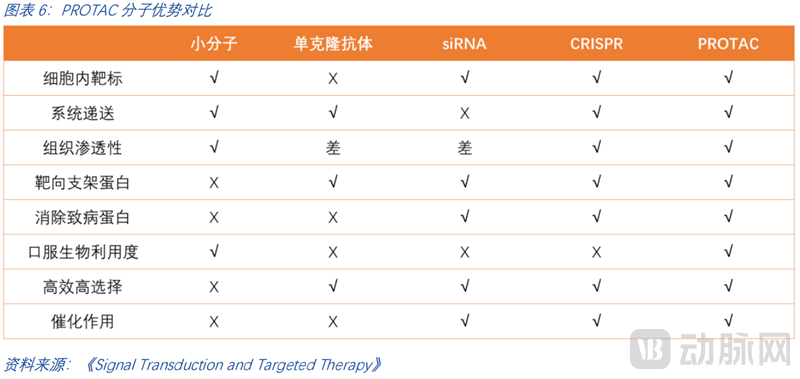
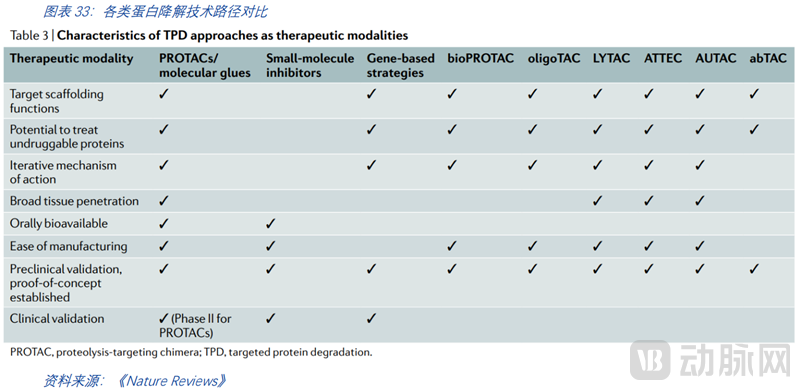
In addition to the three most significant advantages mentioned above, PROTACs also demonstrate notable overall superiority when compared horizontally with other drug modalities, such as monoclonal antibodies, nucleic acid drugs, and DNA-based therapeutics. First, PROTACs leverage the proteasome system to degrade intracellular targets, whereas monoclonal antibodies struggle to target intracellular proteins. Second, PROTACs allow for systemic delivery, while the delivery of RNA-based drugs remains challenging. Third, PROTACs exhibit certain tissue permeability. Fourth, they can target scaffold proteins, thereby achieving better inhibition of tumor metastasis and related processes. Fifth, PROTACs can eliminate pathogenic proteins, whereas traditional small-molecule drugs merely inhibit protein activity. Sixth, PROTACs are orally bioavailable, potentially improving patient compliance and drug accessibility while reducing the burden of administration. Seventh, PROTACs possess high selectivity. The ubiquitination process mediated by PROTACs requires stable binding between the target protein and the E3 ligase, which enhances precise protein selection. For instance, the multi-kinase inhibitor Foretinib exhibits potent inhibitory activity against over 100 kinases (poor selectivity), whereas a Foretinib-based PROTAC molecule can bind to 54 kinases (improved selectivity) but ultimately degrades fewer than 15 kinases (significantly enhanced selectivity). This potential high selectivity reduces drug-related toxicity and side effects, substantially improving patient tolerability. Eighth, PROTACs exhibit catalytic properties; the PROTAC molecules can be recycled repeatedly, meaning that low doses have the potential to achieve effective degradation, thereby reducing potential toxic side effects caused by drug accumulation.
PROTACs also face unresolved challenges. The first is the unclear pharmacokinetics (PK) and pharmacodynamics (PD). Since PROTACs function in a catalytic manner, traditional methods cannot accurately assess their PK and PD properties. Although abundant in vitro and rodent PK data are available for PROTACs, data from higher species and humans remain scarce. Therefore, more research is needed, particularly the construction of databases from higher animal models, to establish PK/PD evaluation systems for PROTACs, thereby enabling the development of better predictive models for oral in vivo performance. Upon entering the human body, as with any exogenous molecule, the first challenge for PROTACs is crossing the cell membrane. The molecular weight and the number of hydrogen bond donors and acceptors of PROTACs are often higher than those of inhibitors, with the excess attributable to the linker and ligands. Cellular permeation must compete with efflux mechanisms (a common issue for many large molecules), making molecular properties and cellular permeability an important area of research. Despite this initial hurdle of traversing the cell membrane, many PROTAC molecules can enter cells and achieve sufficient concentrations to effectively deliver the desired activity and function.
PROTACs consist of three components: a target protein ligand, a linker, and an E3 ligase ligand. However, these tripartite molecules suffer from poor druggability, high molecular weight, and low membrane permeability, failing to adequately comply with Lipinski’s Rule of Five. Moreover, there is a lack of efficient screening methods for such tripartite structures. By systematically varying and combining each of the three components, a comprehensive PROTAC library encompassing all possible combinations can be generated.
The greater the variety of E3 ligands, protein ligands, and linkers, the more challenging the synthesis of PROTACs becomes. This represents a significant engineering hurdle in practice. After more than a decade of accumulation, the scientific and industrial communities have developed thousands of PROTAC molecules. In 2020, Professor Hou Tingjun’s research group at Zhejiang University established the first online PROTAC database (PROTAC-DB). As of April 2021, the database contained data on over 200 targets, comprising 2,258 PROTACs, 275 protein ligands, 68 E3 ligands, and 1,099 linkers. In contrast, the number of E3 ligases currently utilized is extremely limited, with even fewer employed in clinical settings (only VHL and CRBN). Given that there are more than 600 E3 ligases in the human body, expanding the application of E3 ligases in PROTAC design remains a topic requiring further exploration.
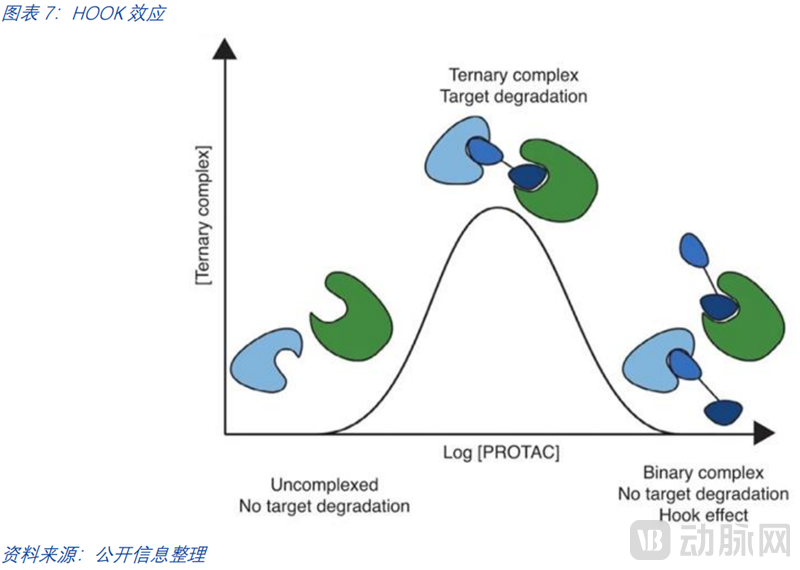
Challenges of PROTACs extend beyond the molecules themselves, with many details in the degradation process yet to be empirically elucidated. Despite significant advancements in the PROTAC field, our understanding of the degradation mechanism, degradation specificity, and off-target effects remains incomplete. The formation of the ternary complex during degradation also presents challenges; at high PROTAC concentrations, the hook effect occurs, whereby PROTACs form binary complexes with the target protein and the E3 ligase separately, rather than assembling into the required ternary complex.
The three essential components for constructing a PROTAC are the E3 ligase, the linker, and the protein ligand.
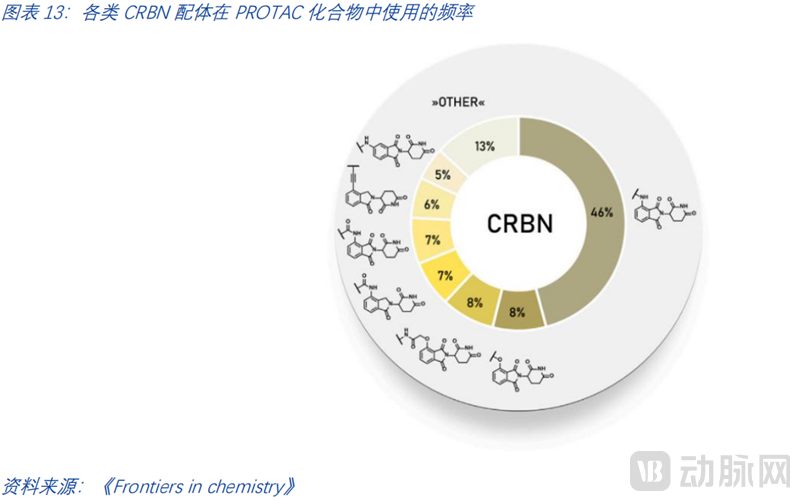
E3 ligase ligands are the most critical components of PROTACs. Most PROTACs still utilize CRBN or VHL as the E3 ligase. There are three commonly used classes of CRBN ligands: pomalidomide-based ligands, 4-hydroxyphthalimide-based ligands, and lenalidomide-based ligands. According to statistics from the PROTAC-DB, the frequency of various CRBN ligands used in PROTAC compounds as of 2021 is shown in the figure below.
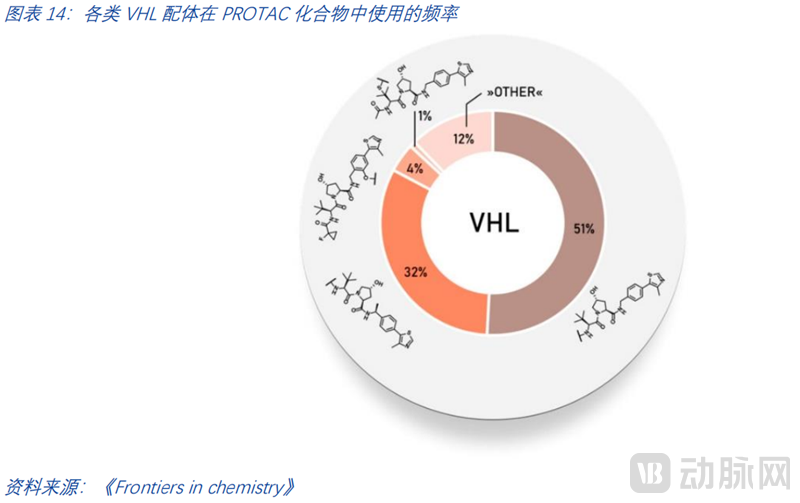
According to PROTAC-DB statistics, as of 2021, the frequency of various VHL ligands used in PROTAC compounds is shown in the figure below.
The protein ligand in PROTAC molecules is used to bind the target protein. This ligand needs to have a certain affinity for the target protein, so most current ligands employ small-molecule inhibitors of the target protein. Notably, the affinity requirement of the ligand for the target protein is not high; PROTACs with relatively weak binding can still achieve high degradation efficiency against the target protein.
The function of the linker is to connect the E3 ligase and the target protein ligand. The design of the linker affects the stability of the E3:PROTAC:target protein complex, thereby influencing the degradation efficiency of the target protein. Commonly used linkers include PEG, among others. Factors such as linker length, the attachment sites on the ligands, and the chemical structure of the linker all impact PROTAC degradation efficiency. While structural biology and computational studies can facilitate more rational PROTAC design, there is currently a lack of theoretical guidance for linker design and synthesis. Consequently, linker construction remains a labor-intensive task.
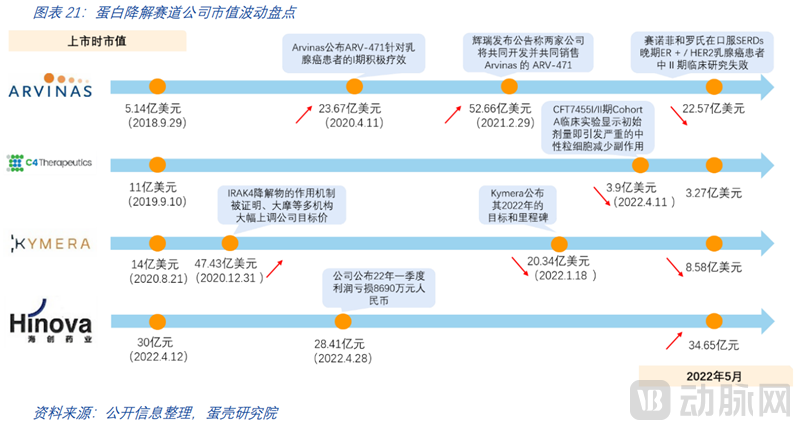
Approximately 20 companies in China have developed and deployed PROTAC pipelines, with nearly half of them entering the field around 2018. HaiChuang Pharmaceuticals is a representative company in the PROTAC sector and has recently gone public. Numerous overseas companies are also engaged in PROTAC development, with Arvinas, C4 Therapeutics, and Kymera Therapeutics being representative first-tier companies, all of which are publicly listed.
An analysis of the distribution of companies in China developing PROTACs reveals that most small and medium-sized enterprises (SMEs) were established in 2017–2018, a period marked by exponential growth in PROTAC research. Subsequently, in 2019, the first PROTAC drug, ARV-110, entered clinical trials. Currently, major domestic pharmaceutical companies are gradually initiating their layouts in PROTAC technology, with firms such as BeiGene and Jiangsu Hengrui Medicine actively engaging in the PROTAC sector. Overseas, numerous SMEs focus on or prioritize the PROTAC field, and several of these companies have already gone public. Nearly ten large pharmaceutical companies, including Bayer, have also entered the PROTAC arena.
How to Evaluate a Protein Degradation Company?The most advanced clinical pipelines of companies in the targeted protein degradation sector are currently in Phase I/II clinical trials (refer to the comprehensive pipeline overview below). At this stage, strategies vary across companies, reflecting differing considerations of scientific and commercial risks. Regarding scientific risk, revisiting the “event-driven” nature of protein degradation reveals that a specific compound is required to ubiquitinate and tag the target protein. This involves three key aspects: First, the selection of pathways and targets (whether well-validated, insufficiently validated, or entirely novel), which entails varying levels of risk. Second, the choice of technological approach based on the selected target; there is significant divergence in the maturity of different technical platforms, necessitating careful assessment of advances in basic research (such as publications and patents). Third, the company’s talent pool under the chosen technological route. Addressing several key druggability challenges in protein degradation—such as understanding E3 ligases and designing linkers—requires whether the company possesses relevant technological platforms capable of systematically completing screening and synthesis, as well as the team’s execution capability and resource allocation.In terms of commercial risk, the indicated indications and whether the therapy is positioned as a last-line treatment significantly impact its commercial value.
VCBeat has briefly reviewed the leading companies in the field of protein degradation. Although these companies differ in their choices of targets and pathways, they generally possess their own drug development platforms capable of systematically screening and synthesizing compounds, with a primary focus on E3 ligases.
Arvinas is the undisputed leader in the field of protein degradation. Founded in 2013, Arvinas was established by Professor Craig M. Crews of Yale University, who first proposed the concept of PROTACs. The company’s current target portfolio is relatively conservative; its first two drugs to enter clinical trials target the estrogen receptor (ER) and androgen receptor (AR), both of which are highly validated targets. Arvinas develops its drug pipeline through collaborations with other companies. It has entered into partnerships with several pharmaceutical giants, including Pfizer, Genentech, and Merck & Co.
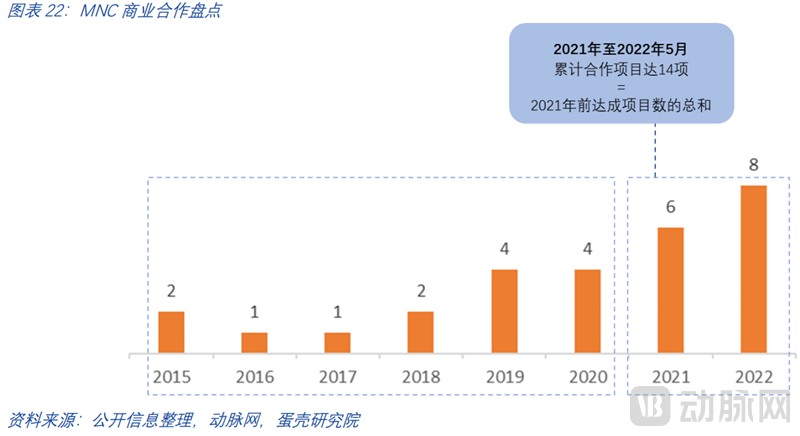
As of May 2022, major international pharmaceutical companies and leading TPD firms had established multiple collaboration projects valued at over $100 million each. The depth of these partnerships and the substantial financial commitments reflect the sustained optimism of big pharma toward this therapeutic area. Although multinational corporations (MNCs) began their strategic布局 in the protein degradation field as early as 2015, the sector did not gain significant momentum until 2021.
Since 2021, multinational corporations (MNCs) have entered into 14 collaborative projects in the protein degradation sector, a figure equal to the total number of deals closed prior to 2021. In the past year alone, the disclosed value of these collaborations has exceeded $6 billion, with an average of one new partnership announced per month. Pharmaceutical companies’ investment and collaboration targets have also expanded from a few representative leading players in the field to include more startups with specialized expertise in niche areas.
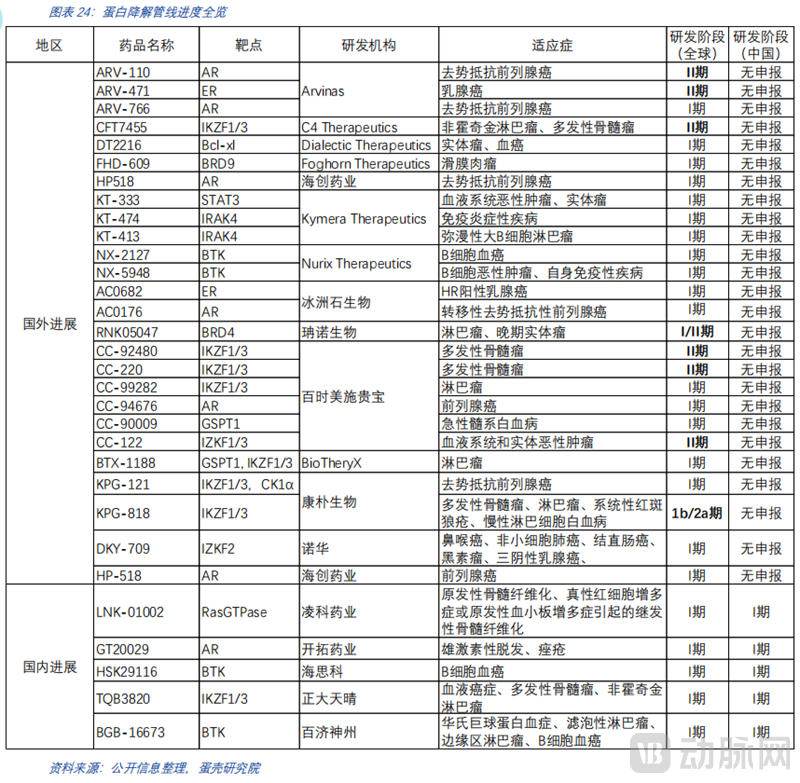
As of May 2022, incomplete statistics indicate that there are approximately 31 protein degraders in clinical development worldwide. The targets entering clinical trials show a high degree of concentration. Target selection largely focuses on those with established clinical validation, reflecting a relatively robust strategy. In terms of pipeline development and R&D models, the landscape is primarily driven by in-house research at innovative biotech companies, alongside collaborations with large pharmaceutical firms.
How Will Targeted Protein Degradation Evolve Over the Next 20 Years? Craig Crews, the Proposer of the PROTAC Concept, Outlines Four Directions: First, defining and elucidating the types of targets most suitable for clinical degradation; second, expanding the landscape of E3 ligases to enable precision therapy; third, extending therapeutic applications beyond oncology; and fourth, clinically validating protein degradation modalities other than molecular glues and PROTACs.
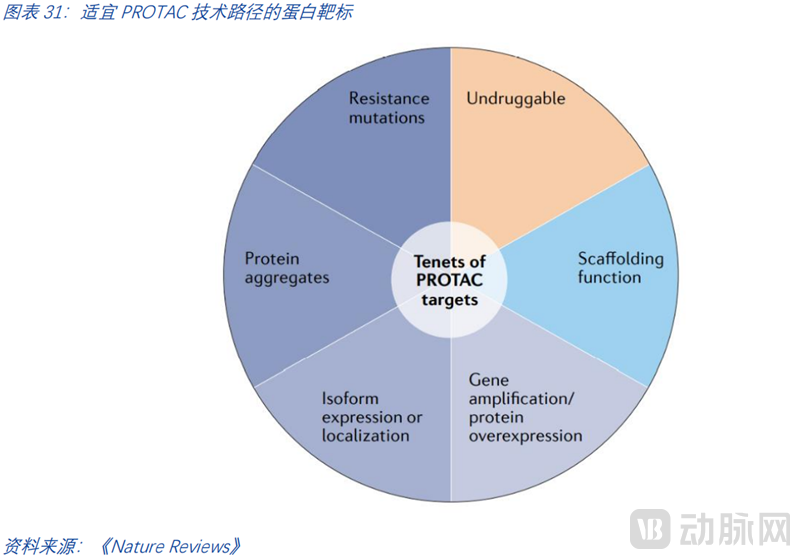
Identifying the Most Suitable Targets. The characteristics of targets amenable to PROTAC technology can be categorized into four classes. The first class is “undruggable.” As previously mentioned, the first wave of degraders targeted classic druggable proteins that have been extensively validated in clinical settings. The “PROTACization” of these targets has effectively demonstrated the efficacy and potential superiority of the PROTAC approach (shifting from mere inhibition of protein function to actual protein degradation). However, the most promising future lies in targeting proteins that are difficult to drug using existing technological pathways. The second class involves proteins whose expression deviates from the natural state, such as overexpression, mutations, aggregation, or isoform expression. The third class comprises scaffold proteins. The fourth class includes targets that have developed resistance to existing therapies.
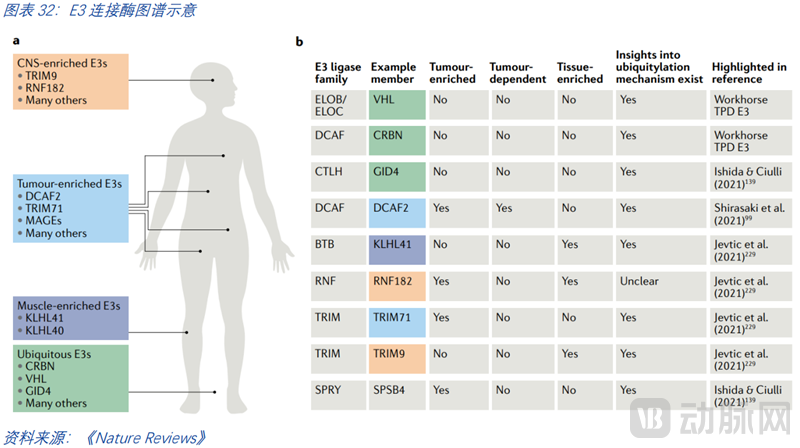
Expanding the Landscape of E3 Ligases. It is an inevitable trend to expand the repertoire of available E3 ligases. Although there are over 600 E3 ligases in the human body, only two (CRBN and VHL) are currently used in clinical settings, with merely five or six commonly employed. The emergence of new E3 ligases is a matter of when, not if. From the perspective of specificity, E3 ligases can be categorized into several classes. First, there are widely used ligases, which exhibit varying degradation efficiencies; based on their structural characteristics, more suitable ligases for PROTACs can be identified. Second, there are specific ligases; many ligases demonstrate tissue and cell specificity, being either enriched or essential in tumors. Identifying such ligases holds promise for achieving precise cancer therapy. Third, there are highly enriched ligases; the advantage of this class lies in the difficulty for tumor cells to develop resistance to PROTAC drugs through ligase mutations. However, the actual clinical efficacy of this approach remains to be validated.
Expanding Therapeutic Applications Beyond Oncology. The development of indications can be categorized into three areas: first, inflammation and immunology; second, neurological and neurodegenerative diseases; and third, antiviral therapies. As previously outlined in Section 4.2 (Distribution of Indications), frontier advancements in each of these areas have been summarized. With ongoing research and clinical progress, more indications suitable for drug development via protein degradation will emerge.
Expanding Modalities of Protein Degradation. Although PROTACs hold promise as a significant approach for degrading proteins with specific characteristics, some proteins lack the small-molecule binding sites required by this method. Nevertheless, these targets can still be degraded by other PROTAC-like approaches, including biologic PROTACs and hybrid PROTACs. Other classes of heterobifunctional molecules also warrant exploration; these molecules leverage lysosomal rather than ubiquitin-proteasome mechanisms to degrade target proteins, each exhibiting distinct features compared with other targeted protein degradation (TPD) modalities and small-molecule inhibitors. Ubiquitin-proteasome pathway–based approaches, represented by PROTACs and molecular glues, primarily act on intracellular proteins; therefore, the degradation of membrane and secreted proteins requires further exploration and clinical validation.
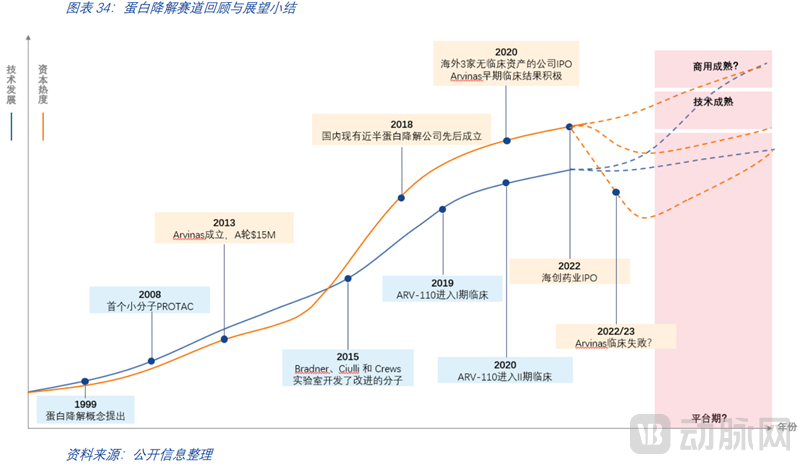
Prior to 2015, targeted protein degradation was little known, and capital involvement in the field was minimal. Following the release of improved molecular prototypes in 2015, interest in protein degradation surged rapidly. Both academic research and industry channels have poured substantial resources into this area, leading to the rapid emergence of numerous protein degradation companies. A review of the landscape among Chinese companies reveals that nearly half of the outstanding small-molecule innovative drug firms were established around 2018. In 2020, three overseas companies—C4 Therapeutics, Kymera Therapeutics, and Nurix Therapeutics—completed their initial public offerings (IPOs), despite none of them having clinical-stage assets at the time. In 2022, HaiChuang Pharmaceuticals, the first company focused on protein degradation in China, went public. Since 2015, capital enthusiasm in the protein field has outpaced technological progress, which has incubated more high-quality companies and accelerated the advancement of cutting-edge technologies. The first-in-class drug ARV-110 is currently undergoing Phase II clinical trials. It is foreseeable that the future development of the protein degradation field will largely depend on the clinical outcomes of these pioneering drugs. Regardless of the eventual trajectory, it is certain that the tremendous success of any field and its underlying disruptive technologies are inseparable from years of accumulated research and countless setbacks and failures.
Meanwhile, the supporting supply chain for small-molecule drugs is highly mature, with few participants and a favorable competitive landscape. In contrast to other innovative drug sectors characterized by high manufacturing complexity and intense competition, protein degradation therapeutics are poised for faster and more robust development. Although specific technical approaches may not yield significant breakthroughs in the short term, the know-how accumulated during this process will build up over time, ultimately unleashing remarkable potential.
Over the past two decades, continuous advancements and accumulation in protein degradation modalities have unlocked significant therapeutic potential for diseases. As we conclude, let us look forward to the next twenty years of innovation in protein degradation.
The above is an excerpt of the main content of the report. The complete framework of the report is as follows:Scan the QR code to download the full report for free.:

1. Industry Overview: The Next Golden Age of Small-Molecule Drugs
1.1 Industry Overview: The Frontier of Small-Molecule Drugs
1.2 Technical Overview: Over 10 Technological Pathways for Protein Degradation
1.3 Industry Advantages: An Ideal Approach to Developing Anticancer Drugs
1.4 Industry Challenges: Significant Hurdles in Developing Triple-Conformation Drugs
1.5 Development History: The First 20 Years of Accumulation, the Next 20 Years of Results
1.6 Policy Support: Explicitly Supported in the 14th Five-Year Plan
2. Technology Overview: PROTACs and Molecular Glues Are Relatively Mature
2.1 PROTAC Drug Development: Hijacking the Intracellular Protein Degradation System
2.2 PROTAC Deconstruction: E3 Ligase Ligands Are Key
2.3 Molecular Glue Drug Development: Lack of Rational Design
2.4 LYTACs and Other Drug Candidates: Still in Early Exploration
3. Industry Landscape: Approximately 20 domestic companies are participating
3.1 Company Overview: Nearly Half of Domestic Companies Entered the Sector Around 2018
3.2 Brief Analysis: Severe Market Cap Volatility Among Leading Companies
3.3 Commercial Progress: The sector’s true surge began in 2021
4. Pipeline Clinical: Potential Best-in-Class
4.1 Clinical Results: PROTAC Demonstrates Safety and Efficacy
4.2 Indication Distribution: Concentrated in the Oncology Field
4.3 Pipeline Overview: A Total of 31 Programs
5. Corporate Case Study: Finding Certainty Amidst Uncertainty
5.1 Arvinas: Balancing Innovative Exploration with Commercial Value
5.2 C4 Therapeutics: A Pioneer in the Exploration of Molecular Glue Precursors
5.3 Haichuang Pharmaceutical: China’s First Protein Degradation Stock
6. Trend Insights: Capital Heat Outpaces Technological Progress
6.1 Technology Trends: Starting with the Definition of Targets More Suitable for Degradation
6.2 Capital Trends: Clinical Trials in 2022/23 Are Crucial
This report is part of the series for the 6th Future Healthcare 100 Conference hosted by VCBeat, which is being held online from June 14 to 18, 2022. The report will be presented and released at the conference.