

Breaking Through with Digital Marketing: Exploring the Second Growth Curve in Pharmaceutical Commercialization
A review of the historical development of China’s pharmaceutical industry since 1990 reveals that, following the phase of supporting and fostering pharmaceutical enterprises (1990–2005) and the period of regulatory guidance and standardization for the industry (2006–2016), the current policy cycle (2016–2030) is likely focused on enhancing the efficiency of healthcare resource utilization. Whether through the regional restructuring of healthcare resources (such as tiered diagnosis and treatment) or the “cage-changing-for-birds” strategy in medical insurance policies (such as volume-based procurement), these developments signal the new normal and emerging opportunities brought about by this round of transformation. Consequently, new business models leveraging various technological means to improve or optimize the efficiency of healthcare resource utilization have rapidly emerged.
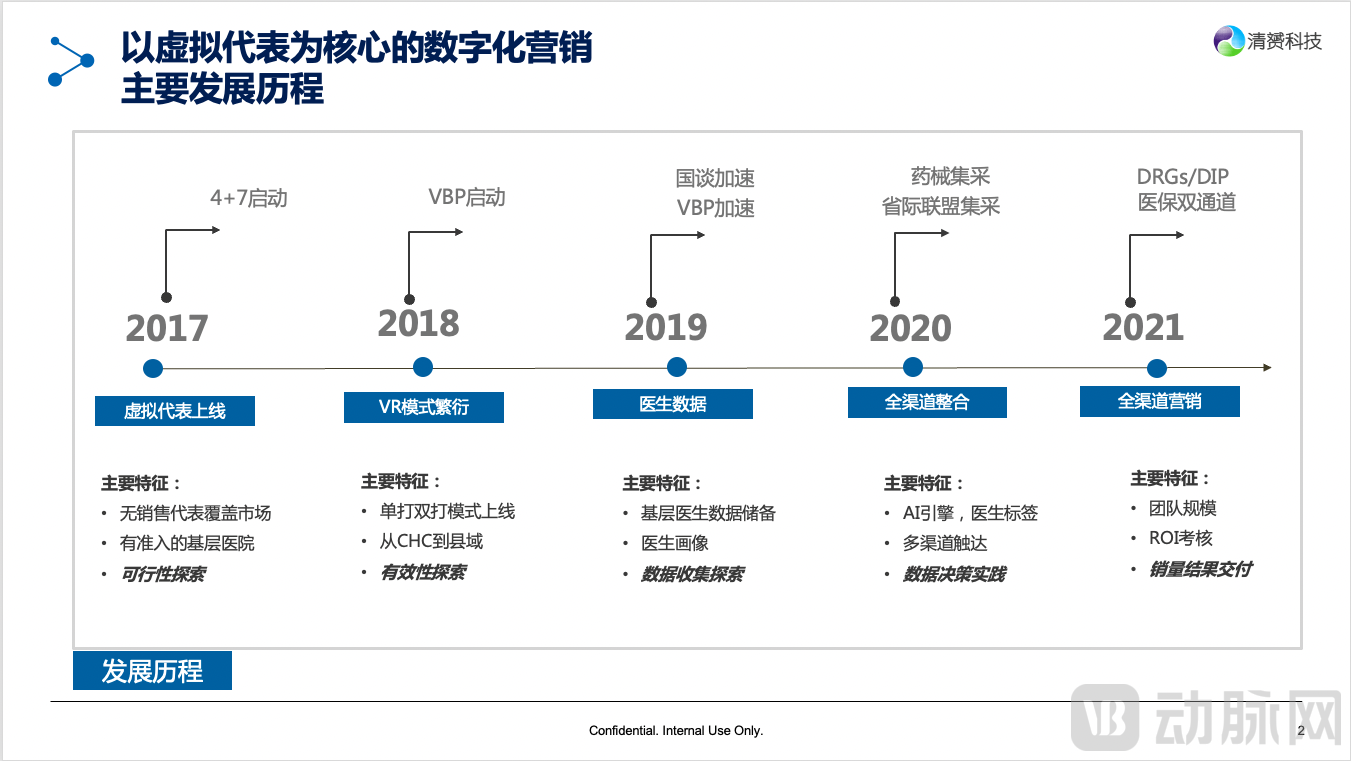
Digital marketing centered on virtual representatives is a typical example of this wave of efficiency-driven business models. Since its initial foray into the pharmaceutical marketing market in 2017, it has evolved by 2021 into an omnichannel digital marketing model integrating online and offline channels, aligning with the developmental trends of overall market demand. This trend continues to evolve and advance. From a marketing perspective, mere efficiency improvement is far from sufficient; it is essential to address the core essence of marketing—sales growth. Just as providing tools alone is inadequate, it is necessary to deliver tangible results achieved through the use of these tools.
Breaking Through with Digital Marketing: Exploring the Second Curve of Pharmaceutical MarketingThe so-called breakthrough in digital marketing, which involves exploring the second curve of pharmaceutical marketing, refers to actively investigating marketing models for the primary healthcare market through new, integrated online-to-offline (O2O) digital marketing approaches, thereby continuously capturing the growth dividends from this previously underpenetrated market segment. Realizing value in marketing growth requires a full integration of the distinctive characteristics of the healthcare market and the digital logic of current communication technologies.
In the long term, the trend toward the separation of prescribing and dispensing in China’s pharmaceutical market is firmly established, while the realization of full-circulation drug distribution is gaining significant momentum. Consequently, the two pillars of the overall marketing model—the physician side and the patient side—will inevitably undergo continuous practical testing amid the evolution of this new paradigm. Qingyun Technology focuses on exploring transformations on the physician side, concentrating on value realization for physicians, enterprises, and platforms. Achieving marketing growth requires a thorough integration of the marketing characteristics of the healthcare market with the digital logic of current communication technologies. This integration can be interpreted from the following two dimensions:
Personalized Academic Needs of Physicians Are the Core Touchpoint
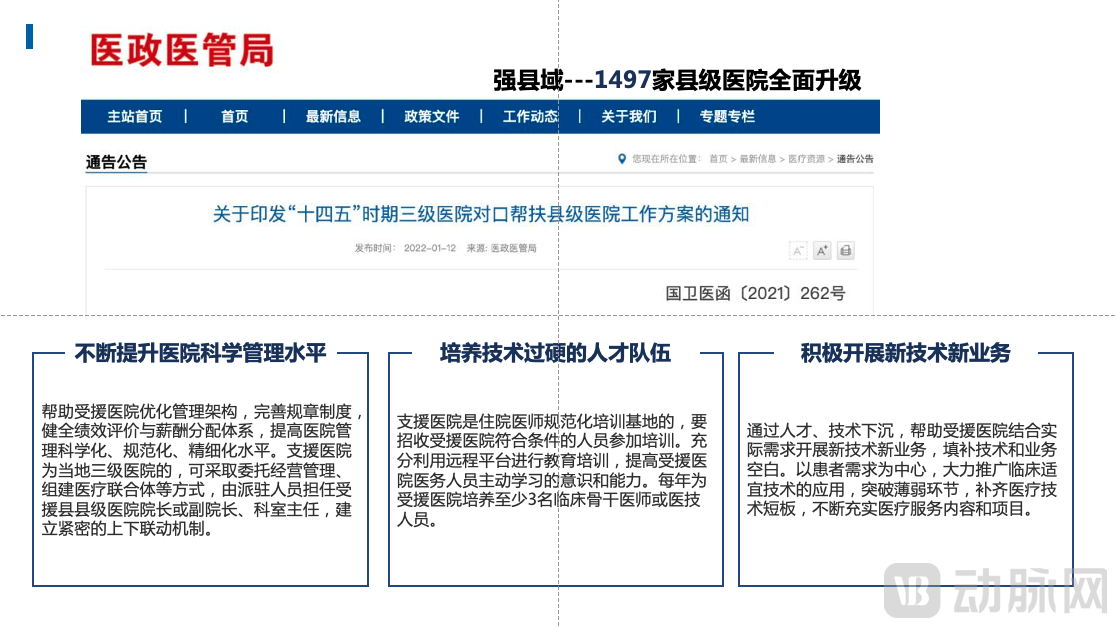
Qingyun Technology’s vision is to empower clinicians with high-quality treatment regimens through innovative medical communication technologies, thereby benefiting a broad patient population. In the healthcare market, addressing the limitations in clinical diagnostic and therapeutic capabilities among primary care physicians in China is a critical component for comprehensively improving the health status of the Chinese population. With clear national policy guidance, an omnichannel marketing platform centered on virtual representatives can leverage these policies to fully utilize technological expertise and integrate diverse academic resources—including those from multinational pharmaceutical companies—thereby making personalized academic empowerment for physicians possible.
This level of personalization is not conjured out of thin air; it requires the substantial accumulation of objective data, structured through tagging, and the application of machine learning to uncover patterns. Only with sufficient personalization, precise content, and effective reach can we ensure that what physicians see is what they get, and what they get is what they need. This approach ensures the long-term sustainability of platform operations and drives genuine product conversion. From a marketing perspective, robust customer segmentation inevitably enhances efficiency. Advances in technology platforms and data accumulation have made hyper-personalization (“a thousand faces for a thousand people”) possible. By integrating professional expertise with data engines, we can address physicians’ personalized academic needs, thereby capturing the core touchpoints for marketing growth.
The Marketing Characteristics at the Grassroots Level Determine the Diverse Forms of Offline Teams
After several years of adaptation to volume-based procurement (VBP), this new product lifecycle has been widely embraced by most enterprises and brands. Following years of focus on team optimization and structural adjustments, we must still calmly address the challenges of sustaining or accelerating growth faced by these enterprises and brands. With accelerated regulatory approvals and faster national reimbursement negotiations, how can insurance-covered products rapidly expand into the primary care market to create a new growth curve? After the natural selection of various marketing models, digital omnichannel marketing appears to be the only viable path. This is primarily due to its rapid physician coverage, high efficiency in physician engagement, and sustainable resource allocation. But what exactly is the growth-driving power of this model? Or, more specifically, how should the integrated online-offline marketing model we have long been exploring be operated to achieve optimal results?
Qingyun Technology is attempting to provide some answers through practice: for instance, the integration of online and offline channels has evolved beyond mere collaboration between online and offline representatives. The personalized variations in primary healthcare necessitate that offline capabilities be delivered by diverse functional teams. In Qingyun’s current omnichannel marketing operations, the offline team comprises commercial teams, regional marketing teams, key account teams, as well as teams from commercial companies and regional agencies. This allocation of resources is entirely determined by diverse market factors, including market potential, product access status, market concentration, and prescription characteristics of the products. The further refined segmentation of digital marketing models results from combining physicians’ clinical academic needs with product marketing features. It corresponds to the data flow within an interconnected online-offline system, whereas business flows have different granularity requirements and circulation logic. However, such marketing practices better leverage the strengths of extensive online coverage and precise offline conversion, enabling us to stay closest to physicians and their needs. This may well represent the true advantage of technology-driven approaches.
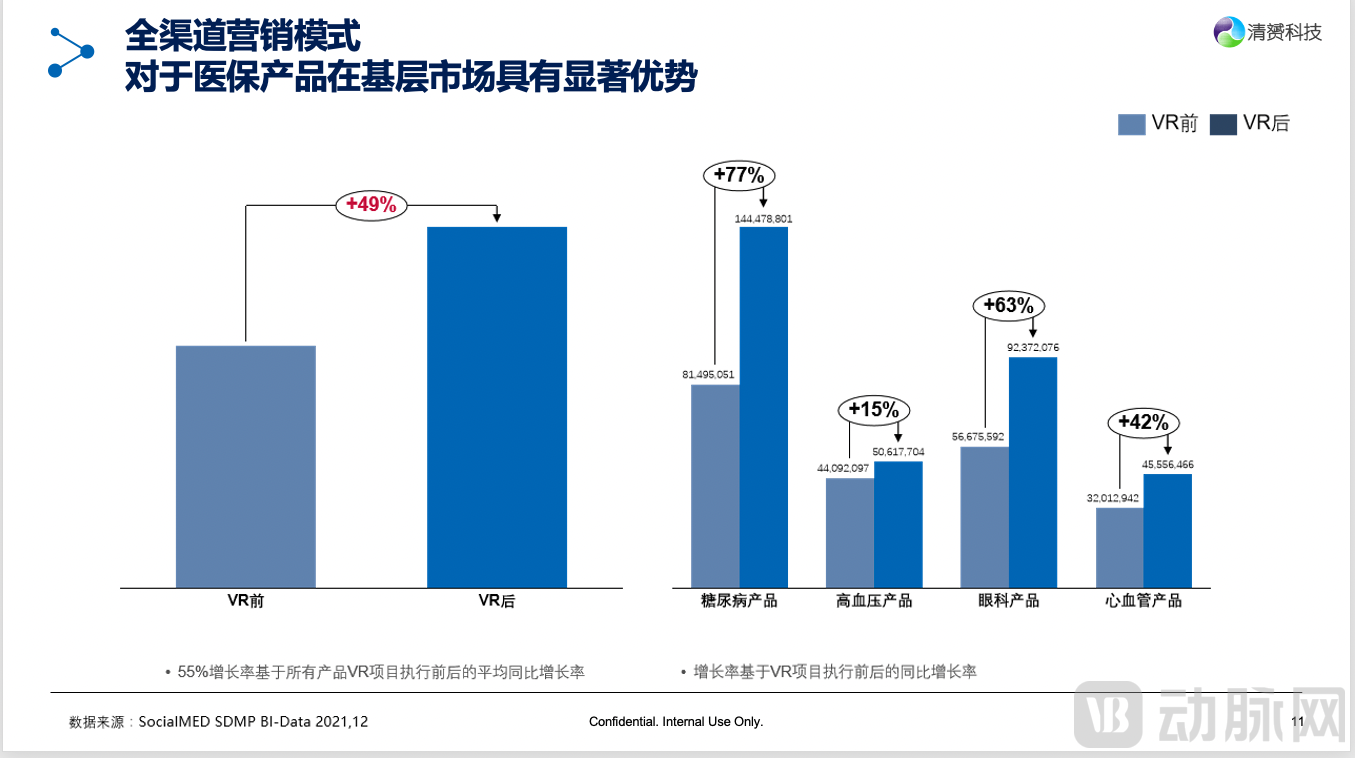
In short, new technologies have limited value until they enable more advanced business models. Our capacity-building efforts should focus on higher-order cognitive tasks—leveraging human expertise alongside technological tools to accumulate and generate data, thereby uncovering patterns. Only through extensive and thorough practice can the advantages and value of digital marketing models be fully realized. It is only through such practice that we can truly build a data-driven omnichannel marketing platform, successfully break through the current status quo, and create a new curve of growth.