

ExCell Bio Files IPO Prospectus: Driving Localization of FBS, Serum-Free Media, and Assay Reagents to Build the 'Chinese Core' for Cell Culture
Having entered the life sciences field 32 years ago, embarked on entrepreneurship 24 years ago, and persisted in independent research and development for 16 years, we have weathered all kinds of hardships along the way.Chen Xu, Founder of ExcellAlways remain optimistic about the industry. “I feel the vibrant vitality of China’s life sciences industry and witness the rapid advancements in technology. The field of life sciences holds very broad prospects.”
Looking back through the annals of time, Chen Xu’s choices have evolved, yet the motto “to develop biological reagents by Chinese for Chinese, serving China’s own life science endeavors” has consistently guided him. From Jitai Biology, which distributed foreign products, to Excell, focused on independent research and development; from a practitioner of national brands to a pioneer in creating the “Chinese core” for cell culture, Chen Xu has remained true to his original aspiration, forging ahead on the path toward the domestication of key upstream raw materials in the biopharmaceutical industry.
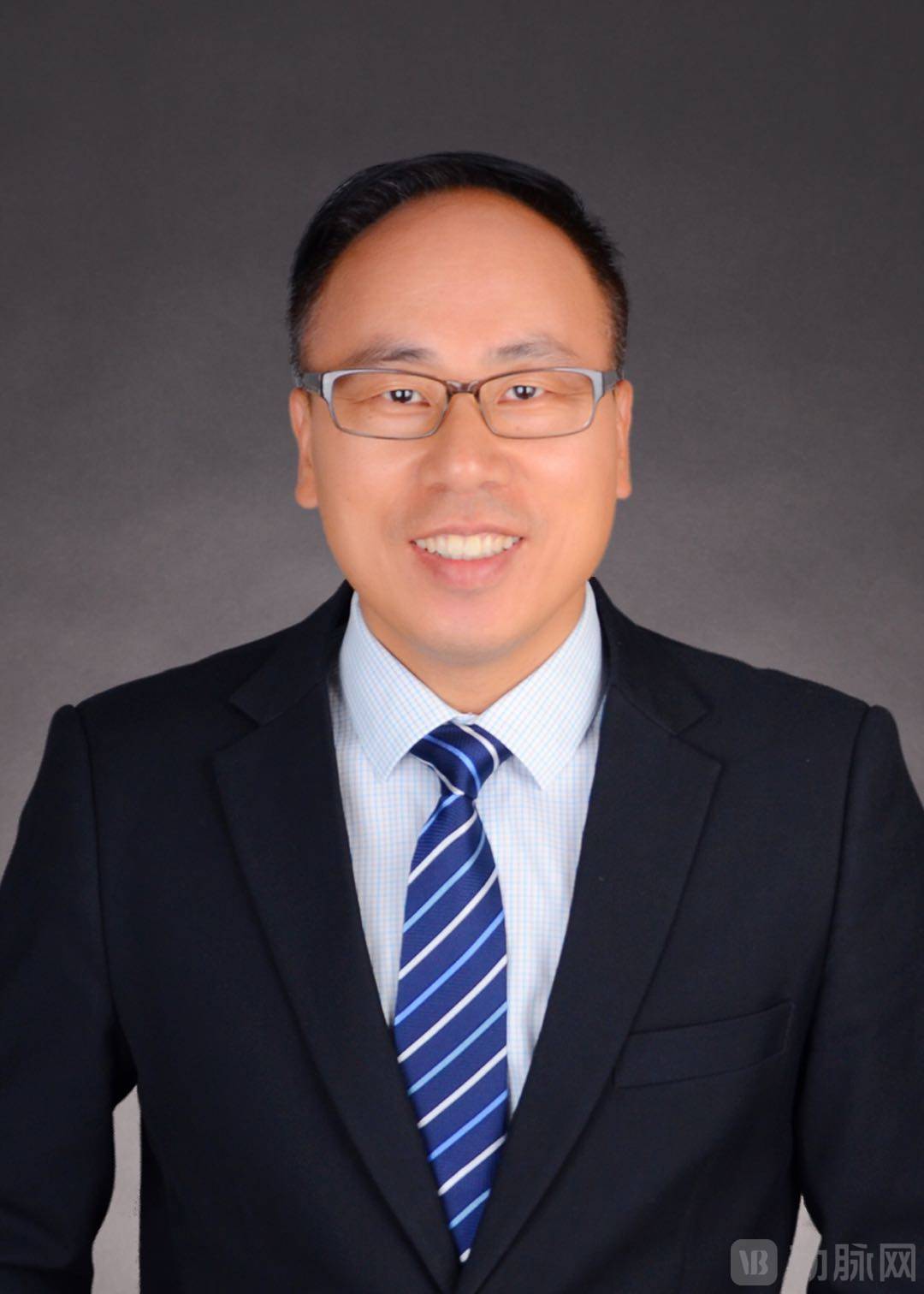
Chen Xu, Founder of Excell
With Aspirations, Stepping into the Upstream of Biopharmaceuticals
In 1990, Chen Xu graduated from the Department of Biology at Nankai University and joined Pharmaceutical Factory No. 132 to work in the technical field of chemical active pharmaceutical ingredients (APIs).
Three years of experience in drug R&D made Chen Xu realize that the upstream sector of biopharmaceuticals features a wide variety of categories, rapid technological iterations, and high demands on processes and professional expertise. Chen Xu firmly believes that the future of the upstream biopharmaceutical sector holds immense promise.
Driven by a passion for life sciences from his student days and an understanding of the upstream biomedical sector gained through drug R&D experience, Chen Xu joined Huamei Biology in 1993, formally entering the field of upstream tools for biomedicine.
At China’s earliest biological reagent company, Chen Xu spent six years honing his skills across multiple roles—from technology and sales to international export business and management. This journey allowed him to accumulate extensive practical experience in every aspect of corporate operations and achieve notable success. During this period, he tripled the sales revenue of the Shanghai branch and built a substantial network of professional contacts, laying a solid foundation for his future entrepreneurial ventures.
The founding of Jitai Bio was, in fact, driven by customer needs. At the time, Chen Xu, in his early thirties, held high hopes and aspirations for the future of biopharmaceuticals and was eager to showcase his talents within the industry. However, as a joint venture, Huamei faced significant divergences in philosophy between its Chinese and foreign partners, with internal conflicts becoming increasingly pronounced and hindering the company’s further development. Over the course of several years, Chen Xu began to consider leaving.
After leaving Huamei, Chen Xu founded in 1998Jitai Biology: Starting with the distribution of foreign products, it introduces international biological reagents, consumables, and instruments to meet the growing needs of China’s life science development.。
“At that time, unlike today, there was no venture capital; we had to raise funds on our own to establish the company,” recalled Chen Xu. Back then, China’s biopharmaceutical industry was still in its infancy, requiring the large-scale import of high-quality reagents, consumables, and equipment from abroad to drive domestic industrial development. For Chen Xu, this was a mission-driven endeavor that also met customer needs.
Lacking capital, Chen Xu borrowed 20,000 yuan from friends as seed funding. Without an office, he rented a one-room apartment and worked from home. With no proprietary products, Jitai Bio started out as a distributor, leveraging its early customer base to achieve annual sales of 5 million yuan in its first year of operation.
Even now, Chen Xu remains deeply reflective when recalling that period. The early accumulation of market presence and professional networks, combined with the team’s relentless efforts, laid a solid foundation and built substantial momentum for Jitai. The company subsequently secured distribution rights for more than 200 international brands, earning it industry recognition as the “Walmart” and “Whampoa Military Academy” of the life sciences sector. Chen Xu himself is often referred to by many industry insiders as the “Headmaster.”
From 1998 to 2008, a decade that witnessed the emergence and awakening of China’s biopharmaceutical industry, Jitai Biological grew from its founding into a robust enterprise. Expanding from a three-person startup team to a 200-strong workforce with a nationwide network, and scaling its annual revenue from an initial RMB 5 million to over RMB 200 million, Jitai Biological has firmly established itself as the industry leader by deeply rooting its operations in the niche segment of upstream life science tools.
From Agency to In-House R&D: Navigating a Painful Transition
By the time Jitai Biology marked its tenth anniversary, it had emerged as the leading domestic distributor of upstream life science products. However, during its distribution operations, the company often found itself constrained by European and American manufacturers due to a lack of bargaining power. This challenge was not unique to Jitai but reflected a broader predicament facing China’s biopharmaceutical industry.
Driven by a strong sense of responsibility and mission to advance China’s biopharmaceutical industry, Chen Xu resolutely embarked on a transformation journey by founding Excell Biotech, with the aim of producing upstream reagents, consumables, and raw materials that feature independent intellectual property rights and meet customer needs.
The transition was painful. First, disagreements began to emerge within the management team, accompanied by a lack of understanding, leading some members to leave midway. “They would wonder, ‘If acting as an agent is profitable and Jitai has already built a strong reputation, why is it necessary to develop proprietary products?’” To facilitate the transformation, senior executives held countless meetings, engaging in intense discussions over the course of three years about the company’s future direction.
From the perspective of industrial development patterns,For China's biopharmaceutical industry to develop, it must have its own raw materials and reagent products.From the company’s perspective, building a great enterprise requires innovation and independent intellectual property rights. Driven by this determination, Chen Xu decided to burn his bridges, focus on independent research and development, and press forward without hesitation.
Having overcome the first hurdle, the team now faced the challenge of selecting the right product. Guided by Chen Xu and his team’s expectations for cell biotechnology, and drawing on the development trajectory of life sciences abroad, the team believed that,Life sciences are inseparable from cells, cells cannot survive without nutrients, and serum is an inevitable topic.
Excell chose fetal bovine serum as its first product.“Select fetal bovine serum, penetrate the market, become the number one in China, and achieve high-quality import substitution with domestically produced alternatives—this is our goal for the first phase.”
Once the product has been selected, where can one find the right talent? “Independent R&D differs from distribution; the required resource capabilities are distinct. R&D demands robust research, development, and manufacturing capabilities, whereas distribution relies on strong marketing prowess. To build the previously lacking capabilities in R&D, manufacturing, and quality assurance, the company invested substantial resources and, through concerted efforts, established dedicated R&D and quality teams,” said Chen Xu.
Finally, there is the issue of funding. R&D, equipment, and facilities all require capital investment. To support research and development, the team began to vigorously develop Excell (Suzhou Yikesai Biotechnology Co., Ltd.) starting in 2013. They purchased land in Suzhou to establish the Taicang R&D Center, reinvesting all profits earned from their distribution business into building manufacturing plants and conducting R&D, demonstrating a resolute, “burn-the-boats” commitment.
“We cut back on our agency business, and sales declined accordingly. For a period, we even operated at a loss and had to borrow money to sustain R&D. As you know, we had been profitable since our inception, so the sudden shift into losses was difficult to accept,” recalled Chen Xu. Fortunately, the challenges encountered during the transition were ultimately resolved one by one.
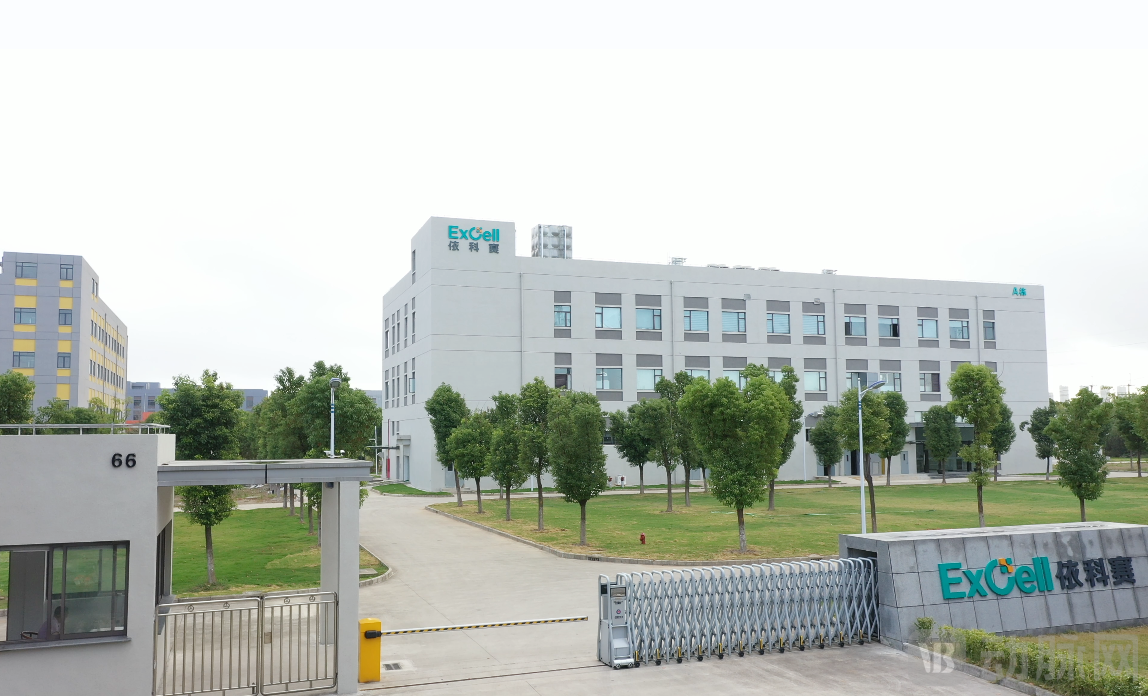
Excell Today
As of now, Excell'sSales of in-house biological products now account for approximately 70% of total revenue, with fetal bovine serum initially achieving domestic substitution., having accumulated a client base of thousands of renowned enterprises and R&D institutions, covering fields such as biopharmaceuticals, cell therapy, CRO/CDMO, and scientific research. It has established stable cooperative relationships with well-known companies including WuXi AppTec, BeiGene, Innovent Biologics, 3SBio, Fosun Kite, CARsgen Therapeutics, Vcanbio Cell & Gene Engineering Corp., Joinn Laboratories, and Bio-Thera Solutions.
Fetal Bovine Serum Initially Achieves Domestic Substitution, Serum-Free Media Emerges
As one of the seven strategic emerging industries prioritized for national support, China’s biopharmaceutical sector and its related supporting industries have witnessed vigorous growth over the past decade. The localization of core upstream raw materials represents both an inevitable trend of the times and a national imperative, offering vast market potential in the future.
However, 80% of the upstream raw material market is dominated by foreign companies, resulting in a chronic state of strategic vulnerability. The outbreak of the COVID-19 pandemic has thrust this dependency on external suppliers for upstream materials into the spotlight. Furthermore, the Sino-US rivalry has heightened industry awareness of the critical importance of vigorously developing domestic core pharmaceutical raw materials.
“Given that imported materials still dominate the supply of many biopharmaceutical raw materials, we must accelerate the pace of domestic substitution,” said Chen Xu.
The core raw materials in the upstream biopharmaceutical sector mainly fall into six categories, among which cell culture media and serum are the most critical, as they determine both the quality and the cost of pharmaceutical products.Excell’s flagship products are fetal bovine serum, serum-free culture media, and identification reagents.
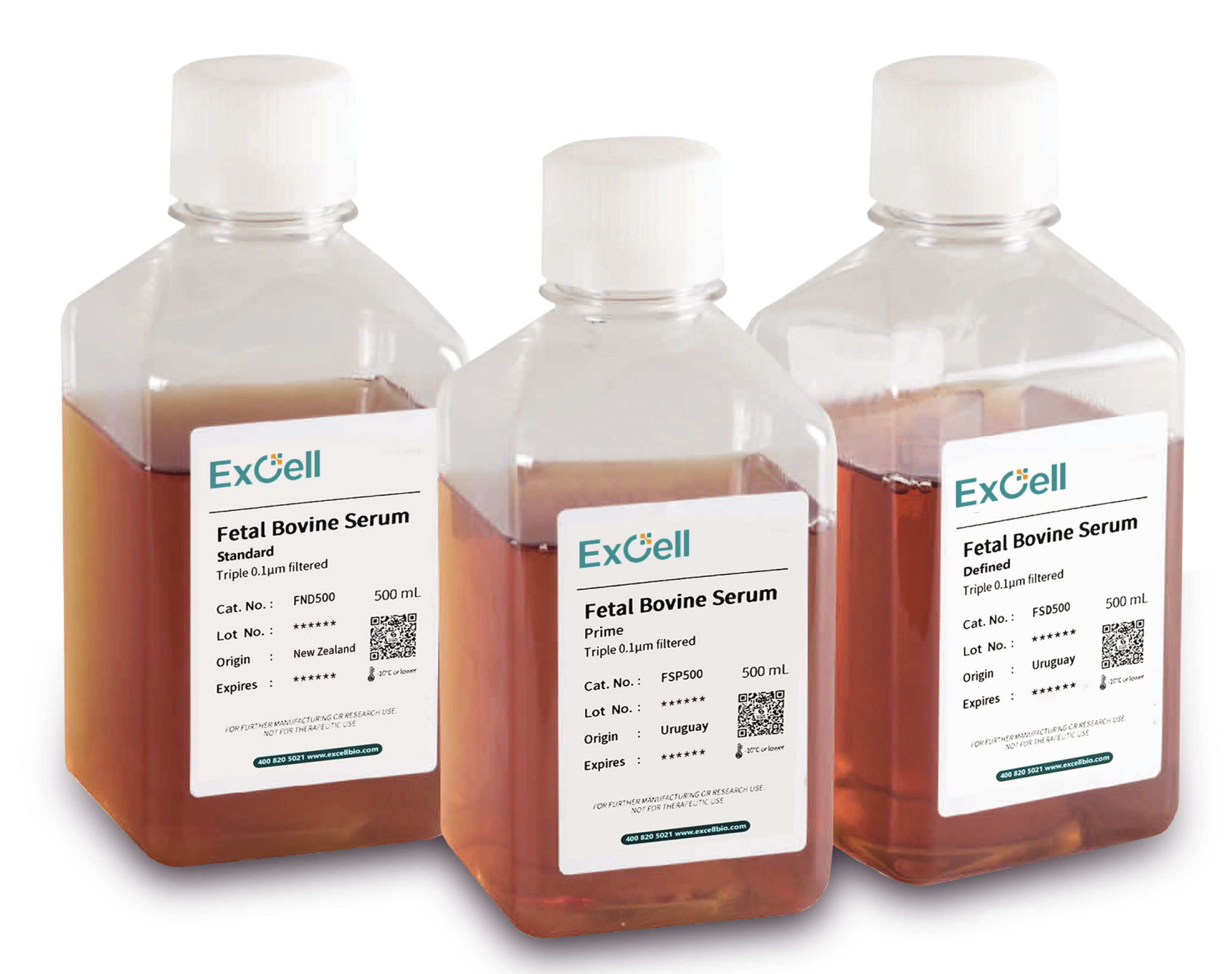
Excell's Serum Products
Excell’s fetal bovine serum, first of all,Excellent value for money, with product performance on par with foreign counterparts yet priced 30% lower. Second,Stable supply chain with minimal batch-to-batch variation, has gained recognition from numerous pharmaceutical companies, CDMOs/CROs, and university research institutes in China. Third, it can provideCustomized Services, precisely providing suitable serum products to customers. Currently, Excell fetal bovine serum has become the brand with the largest market share among similar product lines in China.
As Excell’s first flagship product,Fetal bovine serum has also helped Excell secure multiple first-place rankings.For instance, Excell is the first Chinese domestic enterprise to join the International Serum Industry Association (ISIA), and also the first Chinese domestic enterprise to own fetal bovine serum companies in China, Australia, and Uruguay, as well as to hold both a manufacturing license and an export license in Uruguay.
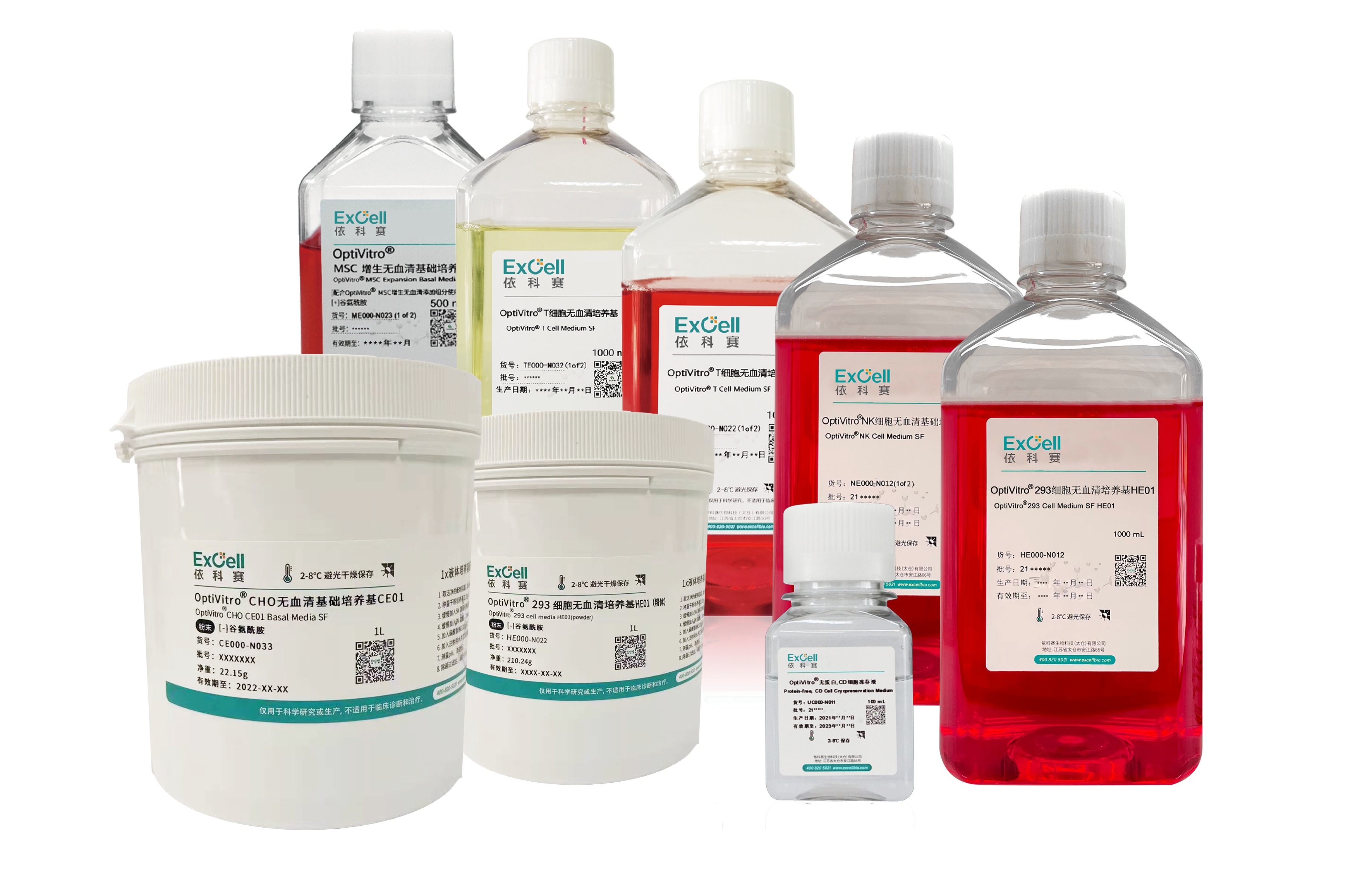
Excell's Serum-Free Culture Media
Excell’s commercially available serum-free products include serum-free media and feed supplements for CHO cells, serum-free media for T cells, serum-free media for NK cells, serum-free media for HEK293 cells, serum-free expansion media for MSCs, and serum-free cell cryopreservation solutions.
Currently, Excell isDomestic Companies with a Relatively Rich Pipeline of Serum-Free Culture Media Products. In terms of performance, customer trial feedback indicates that data performance rivals or even surpasses that of foreign brands. Regarding production capacity, the GMP workshop for dry powder and liquid culture media is scheduled to commence operations in the third quarter of 2022,Annual production capacity of nearly 10 million liters, capable of meeting the demands of large-scale industrial production. In terms of quality systems, the product meetsISO 13485 Quality Management System Certification and GMP System Requirements, and is also submitting registration applications to the FDA.
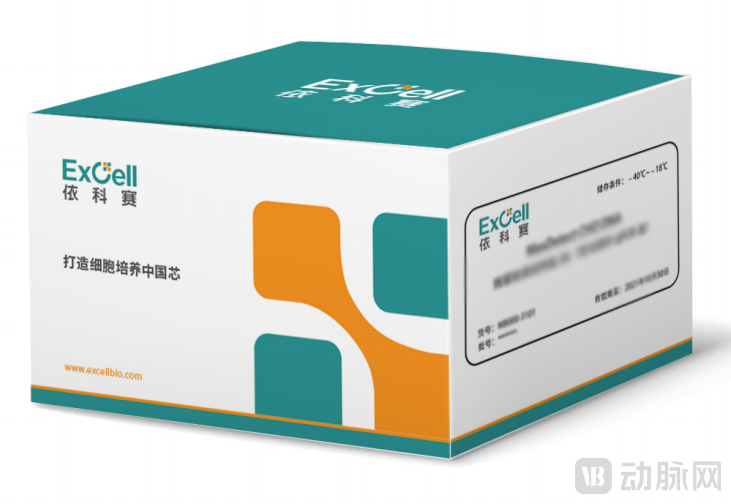
Excell's Identification Kit
Currently, 90% of the market in the field of identification reagents is monopolized by foreign companies.Excell has chosen to position its identification reagents as one of its three flagship product lines, aiming to fill the market gap in China.“Excell is currently the company in China with the most comprehensive portfolio of reference reagent products, featuring clear traceability, consistent performance, and stable supply.”
The three major product lines form three categories of industry-specific solutions, targeting the biopharmaceuticals, cell and gene therapy (CGT), and stem cell therapy sectors by providing key raw materials across the entire workflow. From R&D and manufacturing to quality release, each stage is supported by corresponding key raw materials, reagents, and customized products. This addresses accessibility challenges in the biopharmaceutical industry, ensures supply chain stability, keeps costs controllable, and accelerates industry development.
From Inbound to Outbound: Excell Aims to Become a Global Enterprise
Chen Xu believes that domestic substitution is inevitably the future trend, regardless of the presence of COVID-19 or the Sino-US strategic competition. “These factors have merely accelerated this process. There remains significant potential for the domestic substitution of upstream raw materials in the biopharmaceutical industry over a considerable period.” However, several obstacles still need to be overcome to truly achieve domestic substitution.
First, quality that rivals or even surpasses international products; second, stable supply and delivery; third, cost controllability; and finally, customized services to keep pace with the rapid evolution of biotechnology.
So, how can these barriers be overcome? Chen Xu stated that, first, greater breakthroughs in independent innovation are needed to surpass existing performance standards for cell culture media; second, strict adherence to product quality systems is essential to ensure consistent performance stability; and third, the quality of raw materials and supply chain security for the products themselves must be guaranteed.
Excell has undertaken extensive work centered on these breakthroughs.In terms of performance, Excell has established professional R&D teams for reagents and culture media, with annual R&D investment accounting for more than 10% of total sales. In terms of quality systems, the company has set up a dedicated quality management team to focus on building a robust quality management platform. Furthermore, Excell places great emphasis on the security of its raw material supply chain, having established a comprehensive system for raw material management and secure sources of alternative supplies.
“To provide customers with supply chain security guarantees, we must also ensure the security of our own raw material supplies. Excell implemented its second-source supplier program last year to safeguard raw material availability, thereby providing customers with a stable, high-quality, and uninterrupted supply of core upstream raw materials,” said Chen Xu.

Throughout its journey, Excell has remained steadfast in its mission, striving to become a leading enterprise in cell culture and identification reagents in China and Asia. It is committed to achieving full domestic production of fetal bovine serum, serum-free media, and identification reagents, thereby addressing the critical bottleneck issues facing key raw materials in China’s biopharmaceutical industry.
Beyond the sense of mission to build a national brand and promote the domestic substitution of key upstream raw materials, Chen Xu is also driven by a sense of achievement. “When I worked as an agent, introducing reagents, consumables, and equipment into China, I found fulfillment in seeing scientists use our products for their research—watching them grow from doctoral candidates to professors, and even to academicians. This recognition gave me a profound sense of accomplishment.” “After founding Excell, we localized the production of fetal bovine serum, helping enterprises address the issue of unstable serum supply and even saving them millions in costs. Creating such value has also been a source of great satisfaction for me.”
“Entrepreneurship is a journey of arduous struggle, as well as one of triumphant growth. ‘Starting a business is not easy, and building a great enterprise is even harder. It requires luck, but more importantly, it demands that entrepreneurs possess a strong sense of mission and responsibility, ambitious ideals and goals, and unwavering perseverance to tackle the challenges facing the industry and create value for both the sector and society,’ said Chen Xu.”
In the future, Excell aims to become a globally influential leader in core raw materials for biopharmaceuticals and life science tools, enabling Chinese biopharmaceutical raw materials to benefit biopharmaceutical companies and the life sciences community worldwide.