

AI-Powered Clinical Decision System for Personalized Chemotherapy in Colorectal Cancer Receives Breakthrough Validation at ASCO 2026
“Currently, many conventional chemotherapy regimens lack precision. In a few years, guiding medication based on AI-derived predictions of drug efficacy may become part of clinical practice. If a portion of the substantial financial and material resources devoted to drug development were redirected toward the clinical guidance of targeted cancer therapies and chemotherapy agents, more existing cancer patients would benefit more rapidly,” said Lu Xinghua, Tenured Professor in the Department of Biomedical Informatics at the University of Pittsburgh.
In the field of new drug development, a long-standing adage holds that it takes “ten years and one billion dollars” to bring a new drug to market—on average, more than ten years and over $1 billion in R&D expenditures. While successfully developed new drugs have indeed benefited some patients, pinning all hopes for curing diseases solely on new drug development is, for most patients, akin to “quenching thirst by thinking of plums”—a futile gesture that offers little real relief.
Professor Lu Xinghua added,“Precise clinical application of chemotherapy and targeted therapy drugs can better maximize the efficacy of existing, successfully developed anti-tumor medications, enabling individual cancer patients to benefit and improving the overall benefit rate for the entire cancer patient population.”
The latest project led by Professor Lu Xinghua, Professor Sun Min, and Professor Katherine Pogue-Geile from the University of Pittsburgh School of MedicineA Machine Learning (ML) Signature for Predicting Oxaliplatin and Bevacizumab in NRG Oncology/NSABP C-07 and C-08 [Validating an Artificial Intelligence (AI) Clinical Decision System to Infer the Role of Oxaliplatin in Guiding Adjuvant Therapy Efficacy for Colon Cancer], which is precisely the research on how to accurately apply oncology therapeutic drugs.
At the American Society of Clinical Oncology (ASCO) Annual Meeting held this June, the research team presented their latest findings.Studies have shown that this system can accurately predict the efficacy of oxaliplatin and bevacizumab in adjuvant therapy for patients with colorectal cancer. This is currently the only AI method proven by large-scale clinical trial data to predict chemotherapy drug efficacy, i.e., whether a patient will benefit (or not benefit) from a specific chemotherapy agent.In the future, if widely adopted in clinical practice, this system or similar AI-based approaches will significantly enhance the efficacy of adjuvant therapy for colorectal cancer and substantially reduce overtreatment and its associated unnecessary toxic side effects caused by current treatment regimens.
As industry practitioners increasingly turn their attention to AI-driven drug discovery, the release of these research findings points to a new direction for the medical application of AI—making it clear to more professionals that AI’s potential extends far beyond pharmaceuticals.Applying artificial intelligence to clinical medication decision support can deliver more intuitive and tangible value to the majority of patients, including those with existing cancer diagnoses.
"One-Size-Fits-All" Approach to Adjuvant Chemotherapy in Colorectal Cancer Patients
AI-Assisted Decision-Making Precisely Enhances Drug Efficacy in Individual Patients
Why were colorectal cancer patients selected as the study population? This is related to the current status of colorectal cancer patients and clinical medication practices.
On one hand, the mortality rate from colorectal cancer malignancies remains high, and the number of new cases worldwide continues to rise.
From a Chinese perspective, the 2021 China Health and Health Statistical Yearbook shows that among the top ten malignant tumors by mortality rate in China, colorectal cancer rose from the 6th position in 1973 to the 5th position in 2004–2005, with deaths due to colorectal cancerThe proportion of patients has increased to a certain extent.According toData published in the Chinese Journal of Cancer in 2021 showed that the mortality rate from malignant colorectal cancer (in 2009) ranked third, following lung cancer and gastric cancer.
Globally, the International Agency for Research on Cancer (IARC) of the World Health Organization projected in July 2021 the global burden of related cancers over the next 50 years. The number of new colorectal cancer cases is expected to rise from 1.8 million in 2018 to 4.7 million in 2070. Among all cancers, colorectal cancer is anticipated to have the largest increase in incident cases.
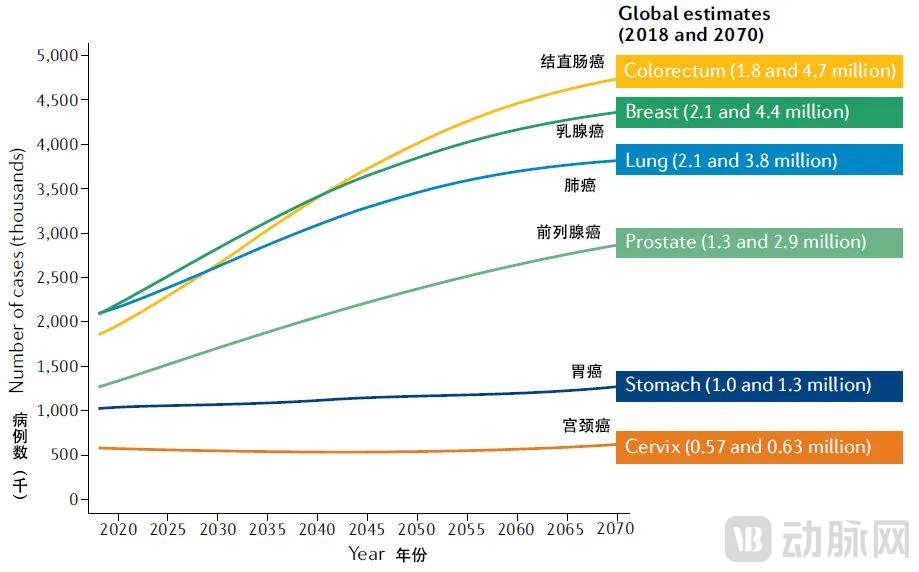
On the other hand, the ever-growing population of colorectal cancer patients is faced with a situation in which the use of generic adjuvant chemotherapy regimens leads to overtreatment and its associated toxic side effects for many patients.
Patients with early-stage colorectal cancer typically receive further adjuvant chemotherapy after surgical treatment. The currently globally standardized neoadjuvant regimen is a combination chemotherapy consisting of fluorouracil + leucovorin (FULV) plus oxaliplatin, collectively known as the FOLFOX regimen.
Compared with surgery alone, adjuvant chemotherapy with the FULV regimen can reduce the 5-year recurrence rate from approximately 50% to approximately 32%. The addition of oxaliplatin further reduces the recurrence rate to approximately 28% (an average reduction of 5 recurrent cases per 100 patients). Currently, the FOLFOX regimen is included in clinical guidelines as the standard adjuvant chemotherapy for patients with colorectal cancer after surgery. However, oxaliplatin itself causes persistent and severe neurotoxic side effects in more than 90% of patients. For patients, adopting the FOLFOX regimen containing oxaliplatin offers an approximately 5% probability of avoiding recurrence, but carries a 90% probability of experiencing neurotoxicity, indicating a significant imbalance between the risks borne by patients and the benefits received.
In clinical practice, although oncologists strive to provide optimized medication regimens for patients, there are currently no available tools to help physicians determine whether individual patients will benefit from specific chemotherapy agents. While the FOLFOX regimen is undergoing continuous upgrades and improvements to better reduce toxicity and side effects in patients, it has not fundamentally resolved the dilemma faced by clinicians: the lack of corresponding “biomarkers” for chemotherapy drugs prevents the realization of precision medicine.
The solution proposed by the research team at the University of Pittsburgh—identifying genes involved in pathogenesis through causal analysis, leveraging artificial intelligence to construct eigenvalues that reflect individual tumor pathogenic mechanisms, and using AI methods to predict individual tumor responses to chemotherapeutic agents—can address the current clinical dilemma where oncologists lack effective strategies for chemotherapy selection.
The research team validated the clinical utility of the AI system using large-scale Phase III clinical trial data (NSABP C-07 and C-08; N=1,284). Approximately half of the patients (N=526) were identified by the AI as belonging to the oxaliplatin-adapted group. In this group, the 8-year recurrence rate decreased from 38.4% with FULV therapy to 27.2% with FOLFOX therapy. For the non-adapted group (N=539) identified by the AI system, treatment with FULV alone yielded the best outcomes in the cohort (8-year recurrence rate: 26.8%), and the addition of oxaliplatin provided no therapeutic benefit (8-year recurrence rate: 28.3%)."These results indicate that oxaliplatin constitutes overtreatment for patients in the non-adapted group. Therefore, avoiding the use of oxaliplatin in this patient population can prevent the toxic side effects associated with overtreatment while maintaining a favorable prognosis."
For the treatment of advanced colorectal cancer, bevacizumab is typically added to the FOLFOX regimen; however, in the adjuvant setting, large-scale clinical trials (NSABP C-08) failed to demonstrate its efficacy in the overall population. When this system was applied to the C-08 data, patients in the oxaliplatin-adapted group also showed a favorable response to bevacizumab. Comparing the control group (FOLFOX) with the treatment group (FOLFOX + Bev), the 8-year recurrence rate decreased from 28% to 16%. This suggests that the application of FOLFOX + Bev in this patient subgroup may further reduce recurrent cases by 40%.
This also means that the system can accurately predict the efficacy of oxaliplatin and bevacizumab for individual patients. For the millions of new colorectal cancer cases diagnosed globally each year, the system will help achieve better clinical outcomes (lower recurrence rates) and significantly reduce unnecessary overtreatment and its associated toxic side effects.
Clinical Application Guidance for Adjuvant Therapy Medications in Patients with Colorectal Cancer
Leading the Wave of AI-Driven Precision Clinical Medication Decision-Making
For Professor Sun Min and Professor Lu Xinghua, this project has two innovative aspects.One is the innovation in treatment regimens for patients with colorectal cancer; the other is the application of AI to assist clinical decision-making in chemotherapy drug selection.
First, the breakthroughs in treatment regimens for colorectal cancer patients are closely related to this research project itself. Compared with studies by peers in the industry, the highlights of this research are mainly reflected in the following aspects:
First, the advantage in terms of the number of enrolled patients.This study incorporated enrollment data from over 1,200 clinical trial participants, a sample size rarely seen in previous studies of similar nature. The large dataset enhances the credibility of the results. Furthermore, improving treatment efficacy for colorectal cancer, a common malignancy, will enhance the quality of life for many patients.
Second, this system is currently the only “predictive biomarker” in the field of colorectal cancer, whereas most previous systemic indicators have utilized “prognostic biomarkers.”The distinction lies in the fact that “predictive biomarkers” can predict whether a patient will respond to (or benefit from) a specific drug. Such markers serve as the optimal indicators for guiding precision medication. In contrast, “prognostic biomarkers” are used to predict whether patients stratified by these markers exhibit different outcomes when receiving the same treatment. However, this type of biomarker cannot determine whether the difference in prognosis stems from varying patient responses to the treatment. At times, prognostic biomarkers may detect signals unrelated to treatment response; in such cases, the differences in prognosis between patient groups persist regardless of the treatment administered.
In the interview, Professor Sun Min and Professor Lu Xinghua pointed out that this project will integrate causal methodology, Bayesian causal networks, and machine learning to identify mutational pathogenic factors in colorectal cancer tumor genes through causal inference algorithms, thereby discovering biomarkers that reflect cellular functional status. This system can greatly simplify the genetic data requiring identification and enable predictions of patient response to drugs, clearly informing clinicians whether a specific drug will truly benefit the patient.
More importantly, discussions on precision oncology have historically been confined to targeted therapies.However, targeted therapies have certain limitations. Overall, the proportion of patients who benefit from targeted drug therapy within the framework of gene-driven precision oncology remains low. The majority of cancer patients still require chemotherapy. Numerous large-scale pharmacogenomics studies based on cell lines or organoids have demonstrated that most cancer cells can be inhibited or killed by various chemotherapeutic agents. Clinically precise guidance for chemotherapy drug selection would yield greater benefits for patients. Nevertheless, challenges persist regarding how to match each tumor type with an effective therapeutic agent.
This study by the University of Pittsburgh confirms the feasibility of using AI for clinical chemotherapy decision support.“This underscores the value and significance of our research. ‘By leveraging large-scale clinical trial data, we have demonstrated that artificial intelligence can be used to identify suitable patient populations for chemotherapy drugs. If this precedent holds, practitioners can be confident that AI-guided approaches can also be applied to other clinical medications. In the future, the entire field of chemotherapy may undergo a significant transformation,’ said Professor Sun Min.”
The two professors concluded, “In the context of adjuvant chemotherapy for colon cancer, determining which drugs are effective or ineffective according to current guidelines remains a relatively unique clinical scenario. In the future, research in the pharmaceutical field will focus on how to combine different drugs for individual patients to maximize therapeutic efficacy while minimizing toxic side effects. The emergence of even one successful case in AI-guided clinical medication for cancer treatment would signify a breakthrough and open new avenues, ultimately benefiting countless patients.”
It is reported that,Currently, the team is also conducting scientific research collaborations with Beijing Meizhong Airui Cancer Hospital and other cancer centers., and promote the development of AI in the field of clinical decision support.
Brief Biographies of the Two Professors
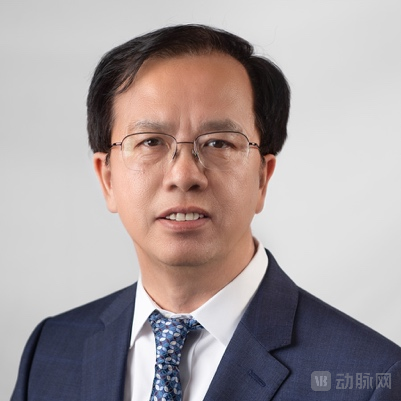
Professor Lu Xinghua is a tenured professor in the Department of Biomedical Informatics at the University of Pittsburgh. He previously served as the project lead for the U.S. National Big Data to Knowledge (BD2K) Center. Professor Lu possesses extensive biomedical research experience spanning basic science, clinical practice, artificial intelligence, and informatics; he also has rich experience in translating academic achievements into industrial and commercial applications. HisResearch findings have been published in leading journals across multiple disciplines. ItsThe research group primarily develops artificial intelligence methods to advance basic research, translational medicine, and clinical decision support. Currently, the group applies causal methodology, Bayesian causal networks, and deep learning to basic and translational cancer research. The group has previouslyReceived funding from multiple NIH grants; also awardedUPMC(Funded by the academic medical center affiliated with the University of Pittsburgh School of Medicine) to develop AI-powered products for guiding cancer immunotherapy.
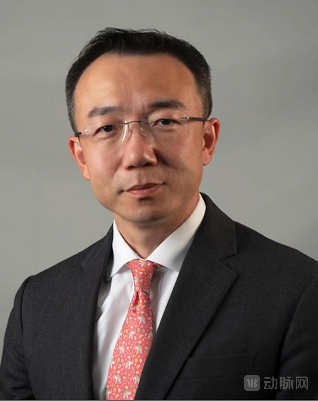
Professor Sun Min,Doctor of Medicine (MD) 、Ph.D. in Biology; Assistant Professor, University of Pittsburgh School of Medicine;Oncologist and Hematologist, UPMC.Professor Sun Min currently represents UPMC atBeijingServed as Chief Medical Officer for the US-China iCancer Hospital project.With over two decades of experience in clinical practice and research in oncology, he has extensive expertise in breast cancer, gastrointestinal tumors, and other common malignancies. He is currently board-certified by the American Board of Internal Medicine in Hematology and Medical Oncology.
Supplementary Introduction: About Beijing Meizhong Airui Cancer Hospital (hereinafter referred to as “Meizhong Airui”)
US-China Airui is committed to advancing cutting-edge technologies in oncology diagnosis and treatment. It has established an in-depth collaboration with UPMC (the academic medical center affiliated with the University of Pittsburgh School of Medicine) to jointly establish an international telemedicine consultation center, formulating combined diagnostic and therapeutic plans for patients. The US-China Airui Drug Clinical Trial Institution was established in January 2021, completed its initial filing with the National Medical Products Administration’s Drug Clinical Trial Institution (GCP) registry in August 2021, and passed the on-site inspection in November 2021. It is qualified to undertake Phase I, II, III, and IV clinical trials of anti-tumor drugs, with research primarily focused on the treatment of solid tumors. Currently, US-China Airui has reached a preliminary cooperation agreement with the inventing institution regarding research on AI systems guiding clinical decision-making.