

Challenges and Future of CGT: Insights from the 2022 Future Healthcare 100 Summit
On June 14, 2022, the 6th Future Healthcare Top 100 Conference, themed “China Stories,” kicked off. The conference analyzed industry hotspots from five dimensions—policy orientation, technological frontiers, capital perspectives, industrial innovation, and market demand—interpreted development trends in the future healthcare industry, and promoted transformative changes in the innovative healthcare sector.
Spanning five days, this year’s conference features over 200 distinguished guests from the healthcare and medical sectors. It includes two days of main forums and more than 20 themed sessions in specialized fields, comprehensively covering nucleic acid therapeutics, cell and gene therapy, innovative small-molecule drugs, ITBT (Information Technology–Biotechnology), digital therapeutics, life science tools, personalized diagnosis and treatment, AI-assisted diagnostics, cardiovascular diseases, ophthalmology, brain science, health management and health insurance, Internet-plus smart hospitals, assisted reproduction, rehabilitation robotics, and digital marketing for pharmaceutical companies.
Cell and Gene Therapy, hosted by VCBeat, VB100, and VCBeat New Medicine, and co-hosted by Legend CapitalThe forum was held online on the afternoon of June 14. The event invited leading enterprises and investors from this niche sector to focus on discussing the current application status of innovative technologies in the cell and gene therapy industry, sharing insights into industry development and future trends, thereby providing support for the advancement of the cell and gene therapy sector.
The following is a summary of the viewpoints presented by speakers at the Cell and Gene Therapy Forum, with edits made to preserve the original meaning.
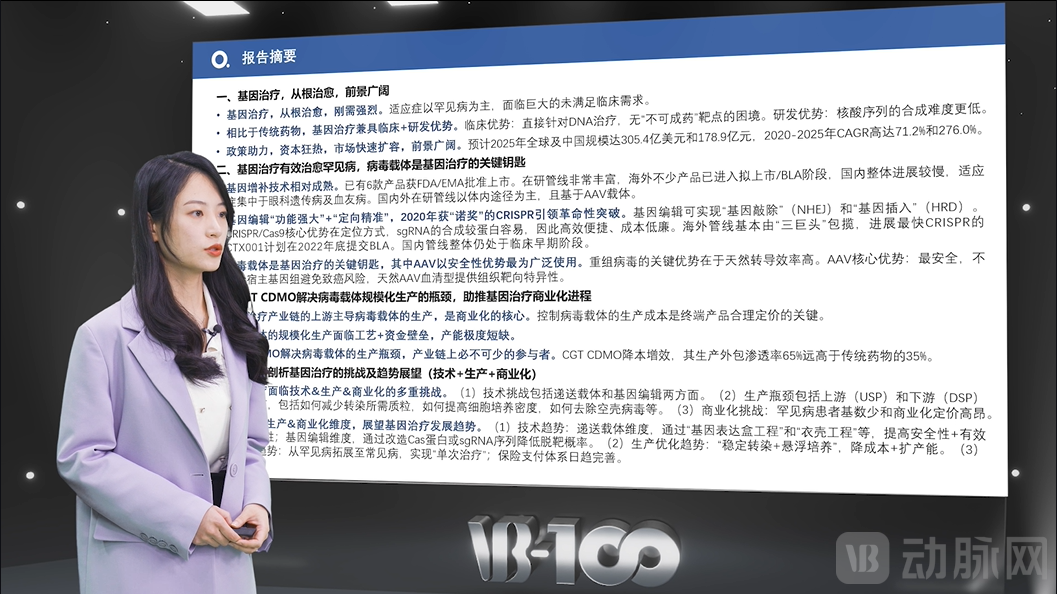
Wan Yuxi | Senior Researcher, VCBeat Institute
Concurrent with the Cell and Gene Therapy Forum, VCBeat released the industry report “Gene Therapy: Curing at the Root, The Future Is Here.” The main contents of this report are as follows:
The prospects for gene therapy are broad, primarily based on the following three points.First, the indications for gene therapy are predominantly rare diseases, which face a substantial unmet clinical need. Second, gene therapy directly targets DNA, thereby circumventing the challenge of "undruggable" targets at the protein level; furthermore, the lower complexity of nucleic acid synthesis confers both clinical and R&D advantages. Third, the sector is being propelled by supportive policies, fervent capital investment, and rapid market expansion.
Gene therapy can effectively cure rare diseases, and viral vectors are the key to gene therapy.Gene therapy primarily encompasses two major technical pathways: gene augmentation and gene editing. Gene augmentation technology is relatively mature, with six products already approved for market entry by the FDA and EMA. Many overseas products have entered the pre-launch or Biologics License Application (BLA) stage; however, the progress of domestic augmentation pipelines has been slower, with indications concentrated on ophthalmic genetic disorders and hemophilia. In contrast, gene editing technology combines “high potency” with “precise targeting.” The CRISPR technology, which won the Nobel Prize in 2020, has led to revolutionary breakthroughs, with overseas pipelines largely dominated by three key players: CRISPR Therapeutics, Intellia Therapeutics, and Editas Medicine. Viral vectors serve as the critical delivery mechanism for gene therapy, among which adeno-associated virus (AAV) vectors are the most widely used due to their superior safety profile.
CGT CDMOs can address bottlenecks in the large-scale production of viral vectors, thereby accelerating the commercialization of gene therapies.The upstream segment of the gene therapy industry chain, which dominates viral vector production, is central to commercialization; controlling the production cost of viral vectors is key to reasonable pricing of end products. However, the scaled-up manufacturing of viral vectors faces dual barriers in process technology and capital, resulting in severe capacity shortages. Cell and Gene Therapy (CGT) Contract Development and Manufacturing Organizations (CDMOs) provide solutions to address these viral vector production bottlenecks, making them indispensable participants in the industry chain.
A Three-Dimensional Analysis of the Challenges and Future Trends in Gene TherapyGene therapy faces multiple challenges in technology, manufacturing, and commercialization. Technical challenges encompass both delivery vectors and gene editing. Manufacturing bottlenecks span upstream and downstream processes, involving specific issues such as reducing the amount of plasmid required for transfection, increasing cell culture density, and removing empty viral capsids. Commercialization challenges are characterized by a small patient base for rare diseases and high pricing. Despite these hurdles, the industry is actively seeking solutions. On the technical front, safety, efficacy, and durability are being enhanced through “gene expression cassette engineering” and “capsid engineering,” while off-target effects in gene editing are being minimized by modifying Cas proteins or sgRNA sequences. In terms of manufacturing optimization, costs are being reduced and production capacity expanded through “stable transfection combined with suspension culture.” Regarding commercialization, indications are expanding from rare diseases to common conditions to enable one-time curative treatments, and insurance reimbursement systems are progressively improving.
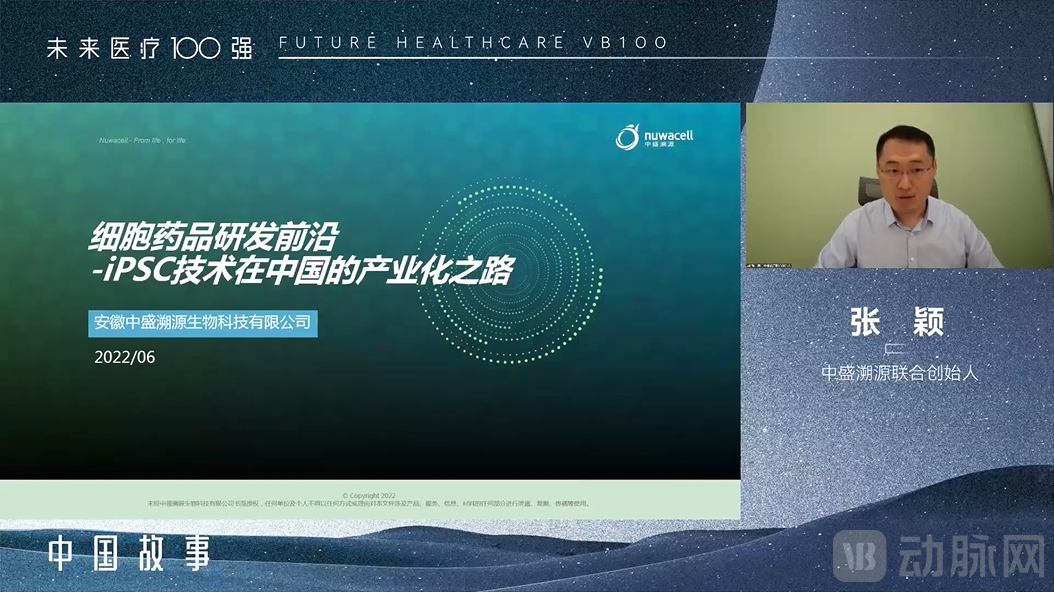
Ying Zhang | Co-founder of Zhongsheng Suyuan
iPSCs offer numerous unique advantages as materials for drug development, such as unlimited production capacity, the need for only a small number of donor cells for preparation, ease of genetic editing, and clear intellectual property rights.
Over the past five years, the development of iPSC-derived cell therapy products has been remarkably rapid worldwide, with major activities concentrated in Japan, the United States, and Australia. In the United States, clinical trials of iPSC-based therapies are primarily driven by companies, with participation from research institutions and hospitals conducting Investigator-Initiated Trials (IITs). The companies that have attracted the most attention are Fate Therapeutics and BlueRock Therapeutics. In Japan, the focus is on IITs, which enable rapid clinical validation of the efficacy of functional cell products and assessment of their potential for drug development. Australia adopts a hybrid model combining IITs and Investigational New Drug (IND) applications, with Cynata Therapeutics as the key player.
The number of companies developing iPSC-derived cell therapy products has surged. In China alone, at least 10 to 20 new enterprises have been established and secured corresponding financing within the past year. However, the development of iPSC-derived cell therapy products in China still faces certain barriers and constraints. First, there is a lack of core intellectual property. Second, breakthrough technologies are scarce; currently, the majority of cell therapy products are still based on primary cells or developed through license-in arrangements. Third, reagents and consumables remain dependent on imported supplies from foreign manufacturers. Fourth, there is a shortage of production instruments and equipment, or reliance on imported alternatives.
Zhongsheng Suyuan has established three distinct cell-type platforms, including iPSC-derived mesenchymal cells, iPSC-derived neural cells, and iPSC-derived NK cells. In terms of super donors, Zhongsheng Suyuan generated the first iPSC line from a Chinese super donor. To date, it has successfully prepared and stored more than 30 super-donor iPSC lines. Based on full HLA matching at five loci, these lines are estimated to cover at least 20% of China’s population, equivalent to 300 million people.
Zhang Ying believes that the path toward industrialization of cell therapy products derived from induced pluripotent stem cells (iPSCs) is promising. However, companies developing cell therapy products must first address their own intellectual property and core technology issues. Therefore, he recommends collaboration across various sectors to advance the localization of raw materials in China, ensure supply chain security, and maintain batch-to-batch consistency. He also hopes that downstream manufacturers of production tools will keep pace with the demands of cell therapy product development, enabling more efficient and rapid development of world-leading production equipment.
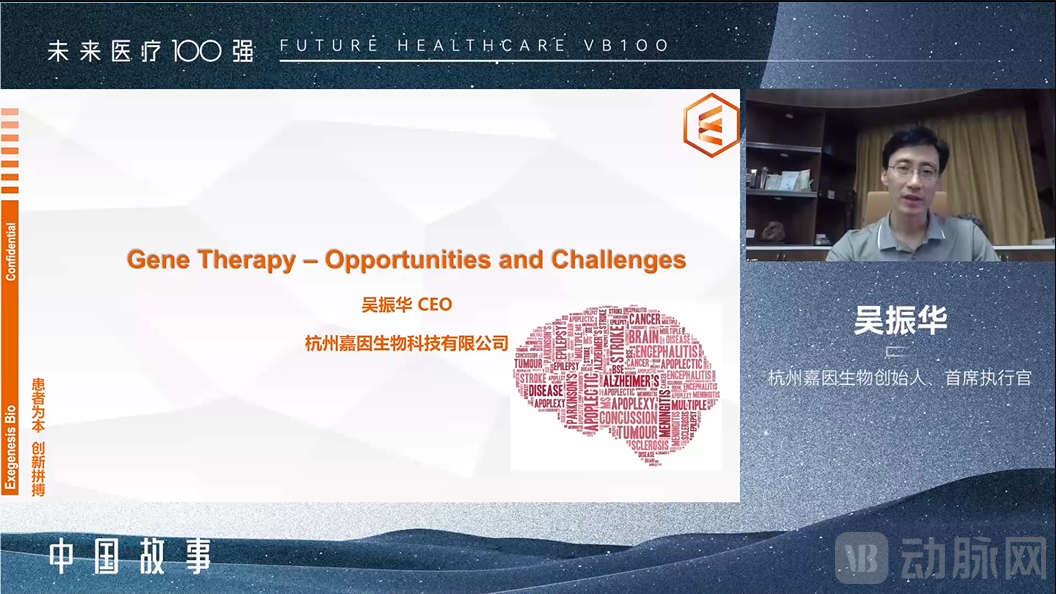
Wu Zhenhua | Founder and CEO of Hangzhou Jiayin Biotechnology
Since the formal proposal to use gene therapy as a means of treating human genetic diseases in 1972, gene therapy has undergone approximately 50 years of development.
The true golden age of cell therapy has arrived. To date, eight gene and cell therapy drugs have received marketing approval, with gene therapy research spanning metabolic disorders, neurological conditions, cancer, ophthalmology, hematology, and other fields. Most gene therapy drugs have achieved partial or relatively robust clinical validation across more than 200 diseases. Consequently, Dr. Scott Gottlieb, former Commissioner of the U.S. Food and Drug Administration (FDA), predicts that the FDA will approve 10 to 20 cell and gene therapy products annually by 2025.
Clinical Research on Gene Therapy for Neurological Disorders Has Undergone Significant Changes Compared to the Past.
1. Nearly all major international pharmaceutical companies have begun to enter the field of gene therapy;
2. Increasing attention is being paid to genetic disorders, such as Huntington's disease, amyotrophic lateral sclerosis, and Rett syndrome;
3. AAV2 is no longer the predominant serotype; AAV9 has gradually assumed a dominant role, and novel serotypes such as AAVrh.10 and AAV9 variants are also beginning to be utilized.
4. The genes delivered are no longer predominantly neurotrophic factors; an increasing number of genetics-related genes are being delivered;
5. Delivery methods are no longer dominated by intracranial injection; intrathecal and intravenous administration are increasingly adopted.
Gene therapy represents a major highlight for the future of the entire pharmaceutical industry, yet it faces a series of challenges, including low delivery efficiency, potential toxicity risks, and the need for further validation of long-term efficacy. Wu Zhenhua expressed his firm belief that these obstacles will be gradually overcome in future research.
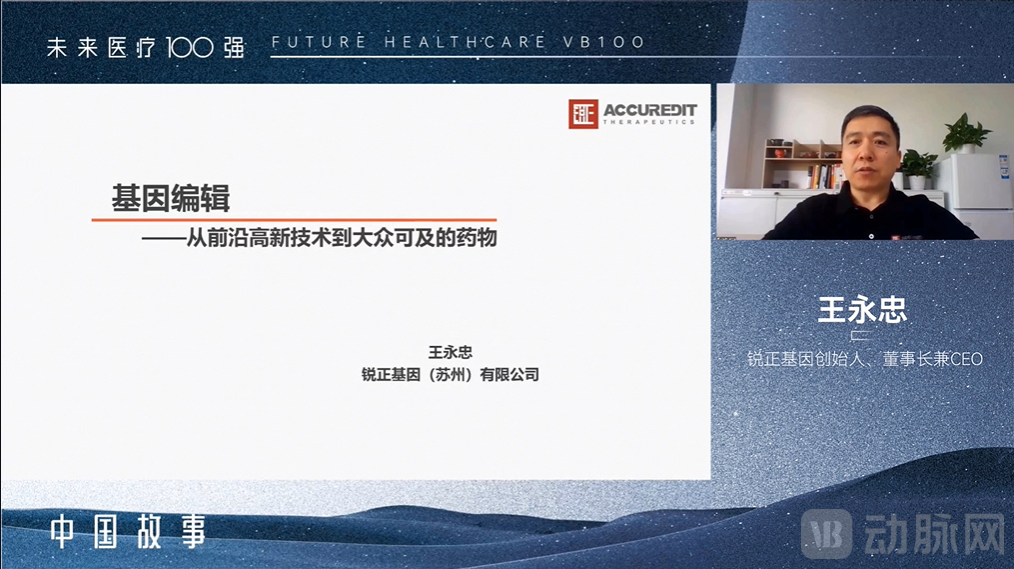
Wang Yongzhong | Founder, Chairman and CEO of Ruizheng Gene
Cell and gene therapy (CGT) faces the widespread challenges of limited and concentrated targets, as well as high costs, making successful commercialization difficult to achieve.
In this context, seizing opportunities in the cell and gene therapy (CGT) sector requires a differentiated strategic approach: first, differentiation in targets and strategies; second, differentiation in efficacy, with products capable of achieving long-term effectiveness or even one-time cures; and third, cost reduction to ensure affordable pricing and facilitate commercialization. RayzeBio’s positioning is built upon these three pillars of differentiation: focusing on intracellular targets to address diseases before protein production occurs; demonstrating a clear mechanism of action (MOA) with the potential to cure diseases; and achieving lower costs to enable product commercialization and return on investment.
Industry reports indicate that the CRISPR-based gene editing technology market could reach $10.8 billion by 2030, equivalent to over RMB 70 billion. Based on the current progress of global R&D pipelines, gene editing products will remain in the market introduction phase before 2030. The primary advantage of gene editing therapies is their long-lasting efficacy, potentially offering a one-time cure; however, because gene editing permanently alters patients’ genes, concerns about long-term effects remain the greatest source of apprehension. Both aspects require extended periods for verification. Given these factors, during the market introduction phase—while the therapeutic advantages are gradually becoming more apparent and safety concerns are being progressively alleviated—the release of market potential is expected to be relatively limited. Even so, the market size will still exceed RMB 70 billion. It can thus be inferred that after the market introduction phase ends in 2030, as time progresses, the long-term efficacy and safety of gene editing products will be fully validated, leading to rapid market expansion and highly explosive overall growth.
Regarding the current landscape of gene editing both domestically and internationally, several key trends are evident. First, the primary technical approaches are ex vivo cell editing and virus-delivered gene therapies. Second, therapeutic targets are concentrated in a limited number of areas, such as ophthalmology and hemoglobinopathies like thalassemia and sickle cell disease. Third, core teams predominantly originate from research institutions. However, for gene editing companies to achieve success, it is essential to integrate expertise in the development, industrialization, and commercialization of innovative drugs across their entire lifecycle, along with comprehensive corporate operational experience.
Compared with ex vivo gene editing, Wang Yongzhong believes that in vivo gene editing holds greater strategic advantages. It can address diseases at their root cause across a broader range of targets, offering the potential for long-lasting or one-time cures. Furthermore, it enables efficient platform-based development, accelerating product rollout and reducing costs, thereby achieving commercial success.
How In Vivo Gene Editing Companies Can Build Competitive AdvantagesWang Yongzhong believes that efforts should be focused on five key areas: First, a core team with proven, full-cycle project and enterprise operational success experience is essential. Second, highly efficient and specific gene editing and delivery technologies are required. Third, a competitive product pipeline is necessary. Fourth, an end-to-end comprehensive technology platform must be established. Fifth, a low-cost industrialization platform is needed to facilitate project development and efficient translation, thereby enabling successful commercialization of products and thoroughly addressing the issue of patient accessibility.
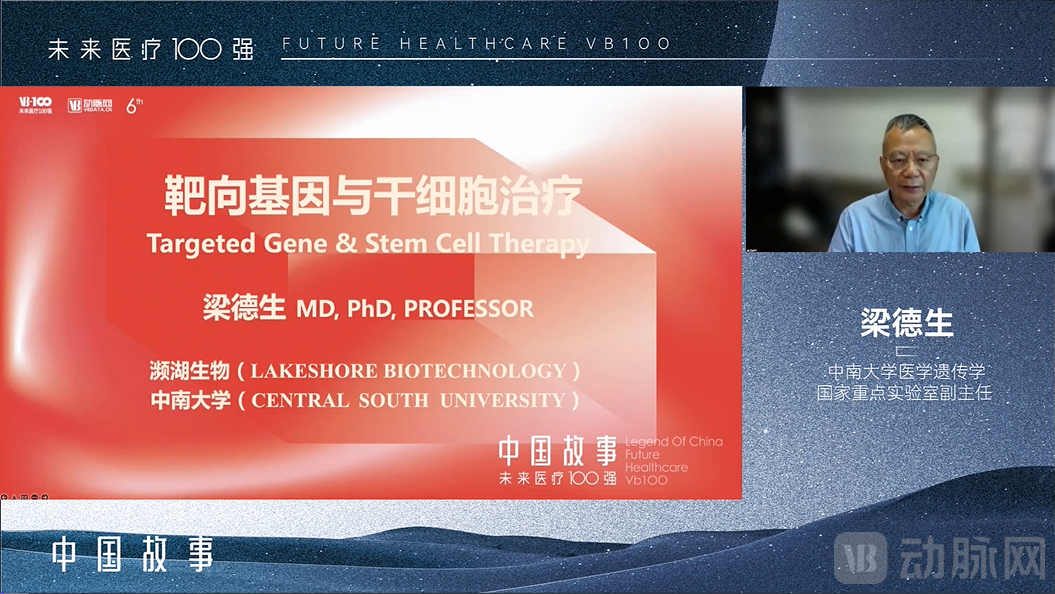
Liang Desheng | Chief Scientist at Binhu Bio, Deputy Director of the State Key Laboratory of Medical Genetics at Central South University
Common cell therapy strategies are generally referred to as ex vivo (ex vivo delivery), which involves extracting the cells requiring treatment from the patient, genetically modifying them, and then reinfusing them back into the patient. CAR-T therapy is a typical example. However, this therapeutic approach is personalized, characterized by high cellular heterogeneity, low proliferative capacity, and limited controllability of risks. Liang Desheng believes that the international trend is shifting toward off-the-shelf (also known as universal) allogeneic cell therapy strategies. This approach can meet the treatment needs of a large patient population, offering high cellular uniformity, highly controllable production processes, lower costs, and scalable manufacturing.
However, off-the-shelf products carry a potential risk of immune rejection, which may consequently reduce the duration of therapeutic efficacy. Binhu Bio is dedicated to developing universal targeted cell and gene therapy products, focusing on currently incurable conditions such as cancer, autoimmune diseases, and genetic disorders.
Binhu Bio primarily focuses on gene-modified stem cell therapy, with a particular emphasis on targeting solid tumors. The greatest challenge in treating solid tumors lies in the tumor microenvironment, which serves as the internal milieu for tumor initiation and progression. Currently, the primary approach to modulating the tumor microenvironment is immune cell therapy, whereas Binhu Bio employs a mesenchymal stem cell (MSC) strategy.
Mesenchymal stem cells (MSCs) are characterized by low expression of human leukocyte antigens, robust proliferative capacity, non-tumorigenicity, the ability to home to tumor tissues, low immunogenicity, and unique immunomodulatory effects. Binhu Bioengineers MSCs derived from pluripotent stem cells by integrating chimeric antigen receptors (CARs) or specific immune modulators and cytokines via gene editing technologies. These engineered MSCs, carrying designated factors, are then administered in vivo to remodel the tumor microenvironment, with the ultimate goal of achieving tumor cure.
Genetic modification is a crucial component. Over more than two decades of independent innovative research, the Binhu Biologics team has focused on addressing key challenges related to gene targeting sites and vectors. Binhu Biologics has identified the rDNA region as a safe, effective, and stable site for gene targeting, which not only offers high targeting efficiency but also enables the simultaneous integration of multiple genes, thereby facilitating the management of common multifactorial diseases. Furthermore, Binhu Biologics employs its proprietary single-strand artificial nucleases to enhance targeting efficiency while significantly reducing off-target risks.
In terms of the safety of therapeutic cells, Binhu Bio has established a high-standard in vitro screening system and controlled the residual iPSC content in iPSC-derived MSCs to <0.001%, which is far below the 0.01% standard stipulated by the National Medical Products Administration (NMPA).
Binhu Biologics has established multiple product pipelines, covering disease areas such as non-small cell lung cancer, hemophilia, and autoimmune diseases.
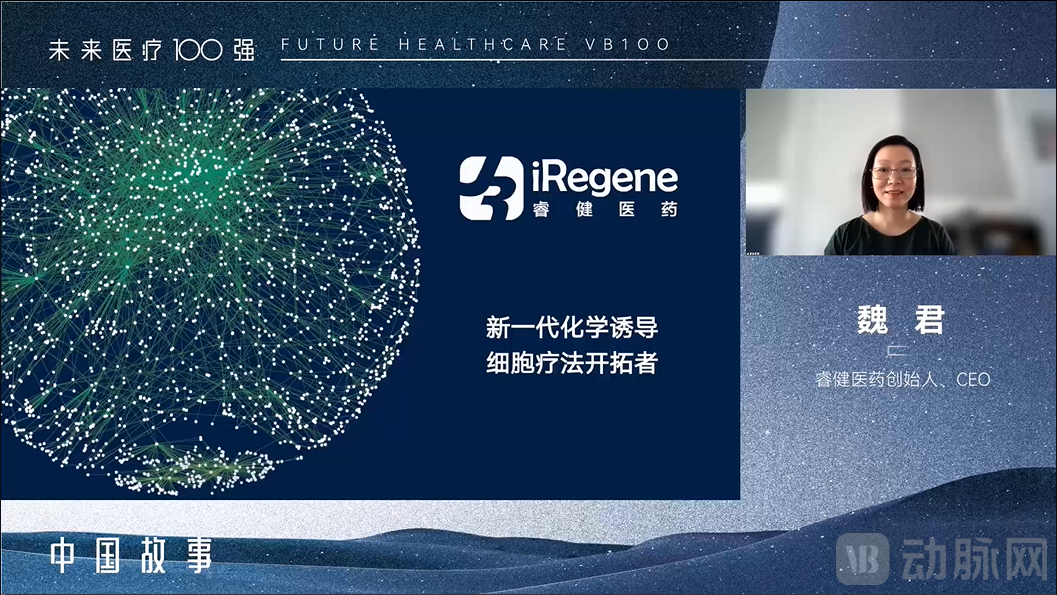
Wei Jun | Founder and CEO of Ruijian Medicine
Ruijian Pharma is dedicated to redefining cellular functions through chemical modulation, possessing a fully proprietary, end-to-end chemically derived cell platform.
Within cells, there must be genes that determine the expression of specific traits. The first step taken by Regend Therapeutics is to decode the determinants that enable cells to acquire specific properties, namely, to identify these “switch” genes. Subsequently, the company seeks small chemical molecules capable of regulating these genes in vitro. Building on these two platforms, Regend Therapeutics develops a new generation of chemically induced cell therapies. This novel chemically induced approach offers higher product purity, lower tumorigenic risk, and reduced production costs. It also represents an effective method for achieving efficient cell conversion within industrial-scale manufacturing systems.
Chemical induction is a systematic engineering process that spans from identifying source genes and validating targets to screening chemical small molecules. To this end, Ruijian Pharmaceuticals has built a proprietary, one-stop platform comprising iReMeta (an AI-assisted data mining platform), iReChem (a library of chemically induced small-molecule compounds), iReXam (a functional validation platform for small-molecule compounds), iReDita (a gene-editing functional expansion platform), and iReCena (an engineered exosome and miRNA expansion platform). Thus, Ruijian develops next-generation therapeutic products centered on the core technology of chemical induction.
Ruijian’s pipeline covers the central nervous system, ophthalmology, metabolism, and other fields. Its first indication targets moderate-to-severe Parkinson’s disease, having already demonstrated significant improvement in preclinical studies, with notable alleviation of Parkinsonian symptoms in primates within four weeks. The Center for Drug Evaluation (CDE) accepted Ruijian Pharmaceuticals’ Investigational New Drug (IND) application for its Parkinson’s disease candidate, NouvNeu001, in late April this year. Ruijian Pharmaceuticals aims to initiate Phase I clinical trials in the third quarter of 2022.
Ruijian Medicine’s first indication in the ophthalmology field is diabetic retinopathy. The company has completed third-party pharmacological and efficacy validation and plans to submit an Investigational New Drug (IND) application through simultaneous filings in China and the United States in 2023.
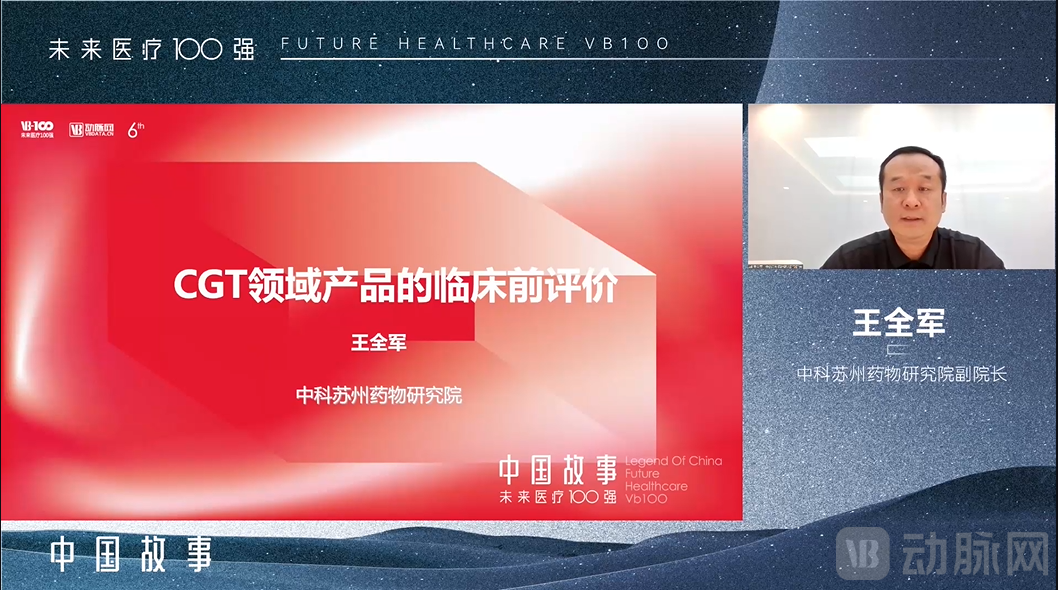
Wang Quanjun | Vice Dean, Suzhou Institute of Chinese Academy of Sciences for Drug Research
A review of the history of new drug development reveals that the industry has undergone several waves of innovation, progressing from small-molecule chemical drugs to large-molecule biologics, and further to cell and gene therapies. As the structural complexity of drugs has increased, so too has the difficulty of developing new therapeutics.
Cell and Gene Therapy (CGT) is an approach that utilizes gene therapy vectors to transduce exogenous therapeutic genes into cells, thereby altering the original gene expression of the cells and treating myopathies through the transcription and translation of these exogenous genes. CGT is primarily categorized into cell therapy and gene therapy. An analysis of market penetration rates, landmark events in pharmaceutical R&D, policy developments, and technological advancements reveals that pharmaceutical innovation is transitioning from biologics to CGT.
The focus of this presentation is on the non-clinical evaluation studies for Cell and Gene Therapy (CGT) products. Given the wide variety of CGT products, along with differences and uncertainties in their therapeutic mechanisms, intrinsic biological behaviors, and clinical applications, the research and evaluation of each product should adhere to the principle of “case-by-case analysis,” with reference to relevant domestic guidelines and ICH principles.
Wang Quanjun’s presentation was primarily divided into three sections: pharmacodynamic studies, pharmacokinetic studies, and safety studies. The endpoints for pharmacodynamic assessment included short-term effects or long-term outcomes that may indicate potential efficacy. The focus of the pharmacokinetic studies encompassed cell viability, proliferation and differentiation capacity, in vivo distribution/migration, and related functional assessments in animal models. Safety studies, a key component of Investigational New Drug (IND) applications, mainly addressed risks associated with vectors, on-target and off-target effects of gene editing, and other potential risks inherent to gene editing technologies.
In addition, the non-clinical evaluation of CGT products also includes requirements for test articles, animal species selection, route of administration and analytical methods, as well as the estimation of the first-in-human (FIH) dose.
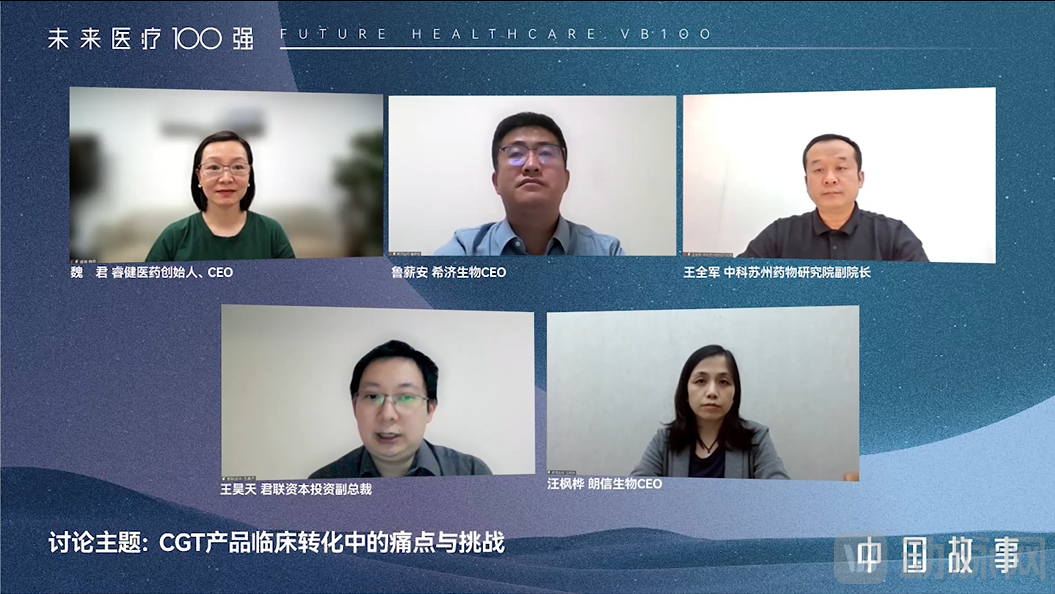
During the roundtable discussion,Wang Haotian, Vice President of Investment at Legend CapitalAs the moderator, I engaged in a discussion with four distinguished guests—Wang Quanjun, Deputy Director of the Suzhou Institute for Drug Research of the Chinese Academy of Sciences; Lu Xin’an, CEO of Xiji Biologics; Wang Fenghua, Co-founder of Langxin Biologics; and Wei Jun, Founder and CEO of Ruijian Pharma—on the pain points and challenges in the clinical translation of CGT products.
Wang Fenghua, CEO of Langxin BiopharmaHe stated that the development cycle for a single drug at many gene therapy companies has already exceeded ten years, yet they have not obtained New Drug Application (NDA) approval. New drug development requires undergoing numerous steps and providing substantial amounts of reliable data. However, as product developers, investing significant human, material, and financial resources over an extended period demands sufficient confidence and patience to move forward.
Lu Xin'an, CEO of Xiji BioIt was stated that the drug payload of Cell and Gene Therapy (CGT) products is immense, far exceeding the traditional definition of a single molecule. Taking CAR-T as an example, if an antibody-based drug were the size of a football field, a CAR-T therapy would be comparable in scale to the entire Eurasian continent. Therefore, unlike the linear R&D model of conventional drugs, the development logic for CGT products follows a spiral upward trajectory: first, clinical needs are identified to establish Version 1.0 quality standards; then, a manufacturing process is developed based on these standards. Once the process is established, preclinical and clinical evaluations can proceed. However, the introduction of new elements or modifications to the manufacturing process may significantly impact efficacy or safety. Consequently, quality standards and processes must be iterated to Version 2.0 based on feedback from clinical data. Thus, CGT drug development is essentially a process of continuous restarting and spiral advancement.
Faced with pain points and challenges, everyone is actively thinking about response strategies.On How to Conduct Preclinical Evaluation Efficiently and Effectively, Wang Quanjun, Deputy Director of the Suzhou Institute for Drug Research, Chinese Academy of Sciences, proposed several solutions:
1. It is essential to establish a robust top-level design, including the selection of indications and formulations, to ensure smooth subsequent R&D progress and avoid mid-course changes.
2. The selection of the project leader is critical. New drug development involves numerous stages; if communication and processing are efficient at each stage, the project will advance more rapidly.
3. Quality control processes must be finalized in advance; any subsequent changes to these processes will significantly complicate the assessment of drug efficacy and safety. 4. Foundational details must be meticulously addressed, including the selection of CROs with experience in the CGT field, clear definition of animal model selection, and considerations for dose design variability.
Wei Jun, Founder and CEO of Ruijian Medicine, offered several insights on addressing the preclinical challenges facing iPS cell-derived products.. In terms of preclinical evaluation, the selection of appropriate animal species for model construction is critical; the most straightforward approach is to use primate models, which are phylogenetically closest to humans. Regarding product development, the entire R&D process for cell and gene therapy (CGT) drugs follows a spiral upward trajectory. For instance, before advancing a candidate pipeline into animal studies, if the product purity is insufficient, what methods should be employed to further enhance it? In other words, your R&D strategy must align with your product development logic. If an initial approach proves suboptimal, a superior alternative should be adopted to advance progress in a gradual, spiral manner. Furthermore, when formulating preclinical protocols, the input from clinicians must not be overlooked.