

New Horizons in Nucleic Acid Therapeutics: Emerging Modalities and the Future of Extrahepatic Delivery Systems
Therapies such as mRNA, siRNA, antisense oligonucleotides, and RNA activation (RNAa) are infusing the nucleic acid drug sector with new possibilities for treating human diseases. Amidst this trend of emerging opportunities, delivery systems have become a critical component in ensuring the efficacy of nucleic acid therapeutics. As the nucleic acid drug industry in China remains in its early stages of development, which new modalities are coming to the forefront? Furthermore, what progress has been made in extrahepatic delivery systems, a area of significant interest within the industry?
June 14, 2022 marked the first day of the “6th Future Healthcare Top 100 Conference.” At the Nucleic Acid Drug Innovation Development Forum, co-hosted by Hillhouse HCare in the morning, leading enterprises and institutions in the field gathered together. Numerous industry experts convened to discuss and provide forward-looking insights on market prospects, technological advancements, and future development opportunities related to various types of nucleic acid drugs, delivery technologies, and RNA-targeting therapies.
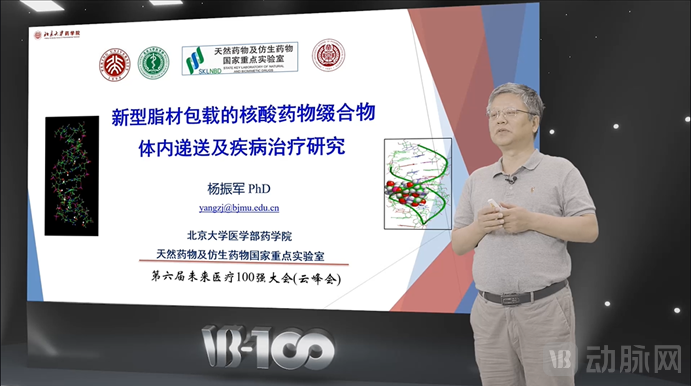
Yang Zhenjun, Professor at Peking University, Doctoral Supervisor, and Former Deputy Director of the Department of Medicinal Chemistry:
Research on In Vivo Delivery and Disease Treatment of Novel Lipid-Encapsulated Nucleic Acid Drug Conjugates
In the past two years,mRNAThe advent of vaccines has played a significant role in disease prevention and control. Advances in delivery technology,Enabling nucleic acid drugs to potentially replace antibody drugs in disease treatment to a certain extent.
After more than a decade of development, nucleic acid therapeutics have garnered increasing attention. Mechanistically, they can be categorized into two major classes: one includes mRNA with sequence-specific targeting, as well as technologies such as small interfering RNA (siRNA) and antisense oligonucleotides for gene silencing or gene editing; the other comprises nucleic acid aptamers, which target specific molecules through their three-dimensional structures to intervene in and treat diseases.
After years of effort, several antisense oligonucleotide drugs have been approved. The maturation of this technology has created opportunities to expand the indications for nucleic acid therapeutics. However, it is important to note that delivery vectors remain a key bottleneck in this field. Although structural modifications have improved the in vivo stability of these drugs, the lack of effective plasmid formation means that in vivo dosing concentrations remain relatively high.
Currently, GalNAc conjugates have extended the in vivo duration of action of antisense nucleic acids to some extent and have demonstrated significant therapeutic efficacy in siRNA drugs. Notably, for highly prevalent conditions such as hypercholesterolemia, studies have shown that a single dose can provide therapeutic effects lasting two to three months. In Phase II clinical trials of anti-hepatitis B drugs, a regimen of two injections administered within the first two weeks has yielded therapeutic effects sustained for four to six months.
GalNAc enables stable, high-affinity binding in siRNA conjugates, and the resulting crystalline structure underpins their prolonged in vivo efficacy. Following subcutaneous administration, hepatic bioavailability reaches 30%, while 70% is cleared via renal metabolism within the first 10 hours, with no distribution to other tissues. This pharmacokinetic profile imposes limitations on the application of GalNAc conjugates. These conjugates enter cells via the asialoglycoprotein receptor (ASGPR) on hepatocytes; however, ASGPR expression is relatively low on hepatocellular carcinoma cells and other cell types. Consequently, their applicability in liver cancer and other tissues remains uncertain. Moreover, although other delivery technologies are facilitating the development of siRNA therapeutics, there is currently no well-established momentum for treating diseases in non-hepatic tissues.
Professor Yang Zhenjun is dedicated to research on the druggability of siRNA and mRNA. Addressing current challenges, he has employed novel nucleolipids with independent intellectual property rights, combined with cationic lipids, to encapsulate nucleic acid therapeutics. His team has achieved new progress in the intravenous delivery of siRNA and its antisense strand 5'-conjugates, as well as in the intramuscular delivery of mRNA-based COVID-19 vaccines.
Professor Yang Zhenjun stated that the team possesses low-toxicity, high-efficiency neutral lipid materials, which, when combined with their self-developed cationic lipid materials and optimized for ratio, enable a certain degree of targeted delivery of various functional nucleic acids to different organs and tissues in vivo. This novel formulation not only facilitates delivery to extrahepatic tissues, including the pancreas and lungs, but also raises the possibility of its future application in treating brain diseases by crossing the blood-brain barrier.
Hu Rongkuan, Founder and CEO of Xingrui Pharma:
Targeted Delivery: The Backbone of mRNA Drug Development
Currently, more than 100 COVID-19 vaccine candidates worldwide have entered clinical trials, which can be categorized into three types: traditional inactivated vaccines, recombinant protein vaccines, and nucleic acid vaccines. Among these, mRNA vaccines have garnered significant attention. To date, two mRNA vaccines have been approved for use globally: the products developed by Pfizer/BioNTech and Moderna, both of which have demonstrated high efficacy and favorable safety profiles.
Meanwhile, mRNA technology has generated substantial commercial value, further driving the development of the entire nucleic acid drug industry. In China, the mRNA sector has entered a phase of intense strategic deployment. Preliminary estimates indicate that there are currently nearly 100 mRNA startups in the country. As of 2021, more than ten mRNA companies had collectively secured nearly RMB 10 billion in investment.
The underlying logic is that mRNA, as an advanced technology, boasts broad application prospects. Beyond well-known infectious disease vaccines, it can be developed into tumor vaccines, facilitate intracellular cell therapy and gene editing, serve in protein replacement therapy, and even be used for antibody expression in the future. All these applications rely on mRNA delivery technologies, particularly the lipid nanoparticle (LNP) delivery system.
It is evident that the development of the entire mRNA industry closely mirrors the trajectory of lipid nanoparticle (LNP) delivery systems. In a sense, mRNA has propelled LNP to prominence, while LNP has enabled mRNA to shine. To date, LNP remains the cornerstone of mRNA industrialization.
Many startup biotech companies are focusing on the research and development of lipid nanoparticles (LNPs), primarily pursuing two strategies: one involves structural modification, particularly of cationic lipids; the other involves formulation screening, optimizing delivery efficiency by adjusting the ratios of different lipids.
Currently, the development of lipid nanoparticle (LNP) delivery systems across the industry is characterized by homogeneous competition. Traditional LNP delivery platforms are predominantly liver-targeted and face significant patent barriers. Although two mRNA vaccines and one siRNA therapeutic have been approved, conventional liver-targeted LNP technology continues to constrain the development of the mRNA industry, representing a key bottleneck in the application of mRNA delivery technologies. Consequently, breaking through the limitations of liver targeting to achieve extrahepatic delivery has become a major focus for many mRNA companies.
StarRay Pharma is committed to developing innovative mRNA therapeutics guided by unmet clinical needs. Here, Hu Rongkuan introduces the original scientific achievements of Dr. Cheng Qiang, the founding scientist of StarRay Pharma.
Dr. Cheng pioneered the addition of molecules with varying charges to the traditional four-component LNP formulation. The results revealed that the incorporation of positively charged molecules led to luciferase expression in the lungs; negatively charged molecules resulted in specific luciferase expression in the spleen; and neutral molecules caused LNPs to accumulate in the liver, where luciferase was expressed.
Through extensive research, Starry Pharma has discovered that incorporating charged molecules of varying types enhances the universality of organ-targeting expression in lipid nanoparticles (LNPs). Further investigation enabled Starry Pharma to elucidate the underlying mechanism: LNPs form a protein complex in the bloodstream, known as the “protein corona,” which may determine their organ-targeting specificity.
Based on these studies, Starry Pharma has conducted early-stage screening efforts. Through combinatorial chemistry, the company is modifying cationic structures on one hand, and adding a fifth component to traditional lipid nanoparticles (LNPs) on the other, thereby screening for LNP delivery systems with distinct organ-targeting capabilities. To date, the company has established libraries comprising thousands of cationic compounds as well as a library of fifth-component compounds.
Wang Weimin, CEO of Shengyin Biologics:
RNAi:The Emerging Therapeutic Modality
The discovery of the RNAi mechanism holds significant importance in biological gene research and drug development, as it offers the possibility of targeting previously “undruggable” targets. It is well known that druggable targets for small-molecule drugs and antibody-based therapeutics constitute only a small fraction of the entire genome, whereas, in principle, RNAi can silence any gene within the genome.
Although RNA interference (RNAi), as a platform technology, enables modular drug discovery and significantly shortens the development cycle, holding immense therapeutic potential, its journey toward clinical translation has experienced over two decades of ups and downs.
Wang Weimin divided the entire development history into several distinct periods. Since the discovery of RNA interference (RNAi) in the 1990s, the field entered a period of excessive hype from 2000 to 2008 that did not align with the actual circumstances at the time. The first two companies established were Alnylam and Sirna.
Following the 2006 Nobel Prize awarded for this discovery, many multinational pharmaceutical companies, including Novartis, Takeda, and Roche, entered the field. The most landmark event during this period was Merck & Co.’s $1.1 billion acquisition of Sirna. Alnylam, together with its partners, developed the LNP delivery platform, further advancing the field.
From 2009 to 2013, the RNAi field entered a dark period. During this time, many large multinational pharmaceutical companies withdrew from the sector. The primary reason was the realization that developing delivery systems was not as easy as initially anticipated; early LNP technology and local administration methods alone were insufficient to overcome the challenges of developing RNAi therapeutics or to realize their significant therapeutic potential. However, during this period, Merck and Alnylam did not give up. They continued to develop various delivery platforms, not only improving the efficiency of LNP delivery systems but also pioneering platforms such as polymer conjugates and simple conjugates.
It was not until around 2013, when Alnylam achieved a breakthrough in its GalNAc liver-targeted conjugate delivery platform, that the RNAi field truly experienced rapid development. Wang Weimin refers to this period as the “RNAi Renaissance.”
Following Alnylam, Dicerna and Arrowhead also developed their own GalNAc-based liver delivery platforms. After 2018, several RNAi therapeutics received FDA approval, marking the true realization of druggability in the RNAi field.
A review and analysis of this history clearly reveals a pattern: the fluctuations in this field are directly and positively correlated with the development of delivery systems.
Why Do Delivery Systems Have Such a Critical Impact on the Druggability of RNAi? The primary reason is that the mechanism of RNA interference (RNAi) functions intracellularly. Small interfering RNA (siRNA), as the trigger for RNAi, is a highly charged and unstable molecule that cannot penetrate the cell membrane on its own; therefore, it must rely on delivery systems to transport it into cells. Furthermore, once delivery systems enter the bloodstream, they must overcome barriers such as the cell membrane. Consequently, the development of effective delivery systems has become the most critical challenge in translating RNAi therapeutics into viable drugs.
In the development of delivery platforms, Saint Gene Biotech primarily focuses on conjugate-based delivery systems that can be engineered in a modular format to help overcome extracellular and intracellular delivery barriers. The company has divided this delivery platform into three distinct modules: a targeting ligand module, a delivery enhancer module, and a module for sequence-specific and site-specific chemical modifications. Based on observational and experimental data, Saint Gene Biotech believes that its GalNAc-conjugated delivery platform can achieve best-in-class performance. With this delivery platform, the company has established an RNAi drug development engine specifically targeted at the liver.
For extrahepatic delivery platforms, Shengyin Biopharma has adopted a medicinal chemistry SAR (Structure-Activity Relationship) approach to develop new delivery systems. When targeting a specific cell type and its receptor, the company screens diverse classes of molecular libraries, then leverages its in-house medicinal chemistry expertise to conduct rational SAR design. This involves synthesizing numerous conjugate compounds and performing iterative in vitro and in vivo validations, thereby enabling the rapid establishment of Shengyin Biopharma’s extrahepatic delivery platform.
Li Longcheng, Chairman and CEO of Zhongmei Ruikang:
RNAa:A Unique Drug Platform for Targeted Activation
of Therapeutic Genes
From multiple dimensions of the entire drug development process, the demand for gene activation therapies represents a significant unmet clinical need.
First, from the perspective of traditional drug development platforms, more than 1,000 small-molecule drugs and over 200 large-molecule drugs have been approved for market launch. These two classes of drugs, which target relatively well-defined mechanisms, currently address less than 4% of the total number of protein targets. The remaining proteins are largely considered undruggable or difficult-to-drug targets. Therefore, breaking through to new targets remains a significant challenge for traditional pharmaceutical platforms.
Second, the vast majority of large-molecule and small-molecule drugs exert their effects by inhibiting target proteins. In reality, disease treatment often requires an additive approach—supplementing or activating genes. This is because nearly all monogenic diseases are caused by genetic mutations; therefore, developing gene-targeted agonists using these two traditional platforms is highly challenging and associated with low success rates.
Currently, promising small nucleic acid drugs offer new therapeutic options; however, they primarily function by targeting mRNA to exert inhibitory effects. How, then, can gene activation be leveraged to treat diseases caused by protein deficiency? Developers need to promote the production of more mRNA at the most upstream level of gene expression—namely, the transcriptional level—to ultimately yield greater amounts of functional proteins. RiboLife Sciences is developing RNA activation technology that uses double-stranded small activating RNAs (saRNAs) to target and upregulate the transcription of endogenous genes.
The mechanism of RNA activation, in simple terms, involves Zhongmei Ruikang delivering input signals to cells using double-stranded RNA (dsRNA), thereby leveraging intracellular mechanisms to produce increased amounts of protein. This mechanism has a fundamental prerequisite and requirement for the target gene: the target gene must possess at least one intact allele. To activate a specific therapeutic gene, it is necessary to design and identify a target site within the regulatory sequence of that gene, and then synthesize dsRNA complementary to this target. Upon entering the cell, the dsRNA binds to AGO proteins in the cytoplasm, subsequently translocates into the nucleus, and binds to the corresponding target site on the DNA. At this stage, the AGO protein recruits the transcription-associated RITA complex, which facilitates transcriptional elongation during the transcription process.
Currently, Zhongmei Ruikang’s RNA activation (RNAa) technology has achieved positive research progress in preclinical studies for non-muscle-invasive bladder cancer and spinal muscular atrophy projects.
In addition, Zhongmei Ruikang has developed a unique SCAD (Smart Chemistry-Aided Delivery) system, as well as an upgraded eSCAD delivery system. Based on chemical modification and conjugation technologies, this novel small nucleic acid delivery platform enables effective extrahepatic tissue delivery. It achieves broad tissue distribution, efficient cellular uptake, and prolonged in vivo efficacy, while ensuring a strong safety profile and facilitating straightforward process scale-up and manufacturing. Currently, Zhongmei Ruikang has completed comprehensive preclinical development of SCAD and will conduct delivery studies in the lungs and eyes.
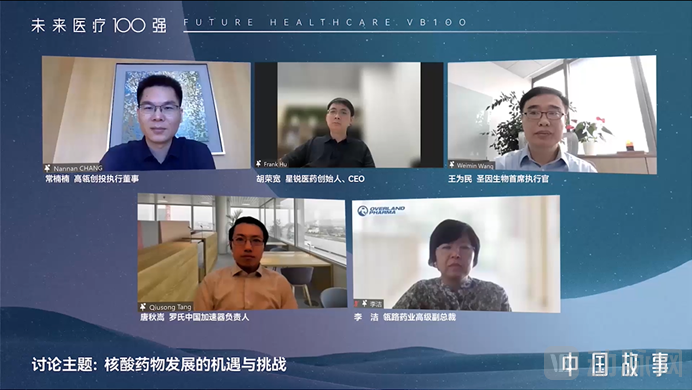
During the roundtable forum session,Chang Nannan, Executive Director of Hillhouse VenturesAs the moderator, I engaged in a discussion with Hu Rongkuan, Founder and CEO of Starry Pharmaceutical; Wang Weimin, CEO of Shengyin Bio; Tang Qiusong, Head of Roche China Accelerator; and Li Jie, Senior Vice President of Linglu Pharma. Together, we explored the opportunities and challenges facing the future development of nucleic acid therapeutics, with each guest sharing insights drawn from their respective areas of expertise.
Wang Weimin, CEO of Shengyin BiologicsIt is believed that oligonucleotide therapeutics possess distinct competitive advantages in the market for treating common diseases, compared to small-molecule drugs and biologic agents such as antibody-based therapies. First, the oligonucleotide field enables targeting of targets traditionally considered “undruggable.” Second, oligonucleotide technology serves as a platform technology, allowing new drugs to be developed in a modular fashion, thereby shortening the R&D cycle. Furthermore, oligonucleotide drug development technologies are relatively mature, enabling long-acting pharmacological effects; a single injection may provide therapeutic efficacy for six months to a year, which reduces dosing frequency and improves patient adherence. In addition, oligonucleotide therapeutics target mRNA via specific sequences, conferring high specificity, and their favorable safety profile with low toxicity has been consistently validated in ongoing clinical trials. Overall, the clinical development success rate and translation efficiency of oligonucleotide therapeutics are expected to be relatively high.
Tang Qiusong, Head of Roche China AcceleratorThis article explores the future development prospects of nucleic acid therapeutics from the perspective of multinational pharmaceutical companies. He believes that regardless of whether they are small-molecule drugs, large-molecule biologics, or RNA-based therapeutics, it is essential to identify appropriate targets and corresponding indications, selecting the most suitable treatment modality based on patients’ clinical needs. Roche has made strategic investments and conducted trials in areas such as antisense oligonucleotides (ASOs), small interfering RNA (siRNA), messenger RNA (mRNA), and small-molecule drugs targeting RNA. The company is closely monitoring nucleic acid therapeutics for central nervous system disorders, pulmonary diseases, and ophthalmic conditions. Among these, small-molecule drugs targeting RNA may emerge as a promising direction for future development. Taking spinal muscular atrophy (SMA) as an example, Novartis’s gene therapy Zolgensma is priced at over $2 million. In contrast, treating this rare disease with small-molecule drugs targeting RNA could cost approximately $100,000 per year, requiring only once-daily oral administration. This approach offers significant advantages in terms of both patient adherence and affordability.
Tang Qiusong noted that Roche has made various attempts and strategic investments across different types of nucleic acid therapeutics. In addition to collaborative development, Roche’s current early-stage incubation and acceleration initiatives aim to share its early R&D experience and translational capabilities in diverse therapeutic modalities and nucleic acid drug platforms with startups.
Hu Rongkuan, Founder and CEO of Xingrui PharmaThis article discusses the research and development progress of extrahepatic delivery systems for nucleic acid therapeutics. Currently, companies both in China and abroad have begun to strategize in the field of extrahepatic delivery. Although intrahepatic delivery technologies are relatively mature, extrahepatic delivery has not yet been extensively validated in clinical settings. While mRNA vaccine technology is comparatively advanced, it is well known that the applications of mRNA extend far beyond vaccines. Novel therapeutic approaches utilizing mRNA for cell therapy, protein replacement, gene editing, and in vivo antibody expression are currently under exploration. These emerging application areas require breakthroughs in extrahepatic delivery systems or organ-specific targeting. In the future, mRNA delivery for diseases affecting the respiratory system and the central nervous system (CNS), among others, will particularly depend on advancements in extrahepatic delivery platforms.
Li Jie, Senior Vice President of Linglu PharmaSeveral recommendations were shared from a regulatory perspective regarding the clinical research management of nucleic acid-based drugs. As clinical research constitutes a vast and systematic engineering endeavor, sponsors must not only thoroughly understand the characteristics of the product itself and the preclinical data accumulated but also effectively coordinate the work of investigators and various clinical research institutions. Only by generating comprehensive data on the product’s efficacy, safety, and quality controllability can sponsors submit an application for market approval.
During the preclinical stage, it is essential to fully understand the regulatory technical requirements for both preclinical studies and clinical trials. At the stage of submitting an Investigational New Drug (IND) application, researchers with comprehensive expertise should be selected to collaboratively develop the study protocol; ideally, they should be capable of systematically supporting Phase I, Phase II, and pivotal clinical trials. Furthermore, adequate communication with relevant regulatory authorities must be maintained during the IND submission process and at every key milestone throughout the clinical development phase. Meanwhile, during clinical trials, highly experienced Contract Research Organizations (CROs) and Contract Development and Manufacturing Organizations (CDMOs) should be engaged to ensure the supply of clinical trial materials and to prepare for future commercial manufacturing.