

The 6th Future Healthcare 100 Summit Unveils 'Chinese Stories' Amid Global Challenges
From June 14 to 18, 2022, the “6th Future Healthcare 100 Conference,” hosted by VCBeat, convened as scheduled in the cloud. This marked the first time the Top 100 Conference was held entirely online, representing a new initiative undertaken by us and a bold decision made in response to the severe COVID-19 situation in China.
Centered on the theme of “China’s Story,” this conference analyzes hot topics and future development trends in the medical and health industry from five dimensions—policy orientation, technological frontiers, capital perspectives, industrial innovation, and market demand. It aims to drive transformative change in the innovative healthcare sector, consolidate core industry forces, and build a comprehensive communication and matchmaking platform covering the entire medical and health industry chain.
On the first day, the “China Story” Trends Summit featured three major segments: “Global Challenges and the Future of Healthcare,” “The Soil for Innovation,” and “In China for Global.” Below are the key highlights from the guest speeches at the main forum on the 14th, curated by VCBeat:
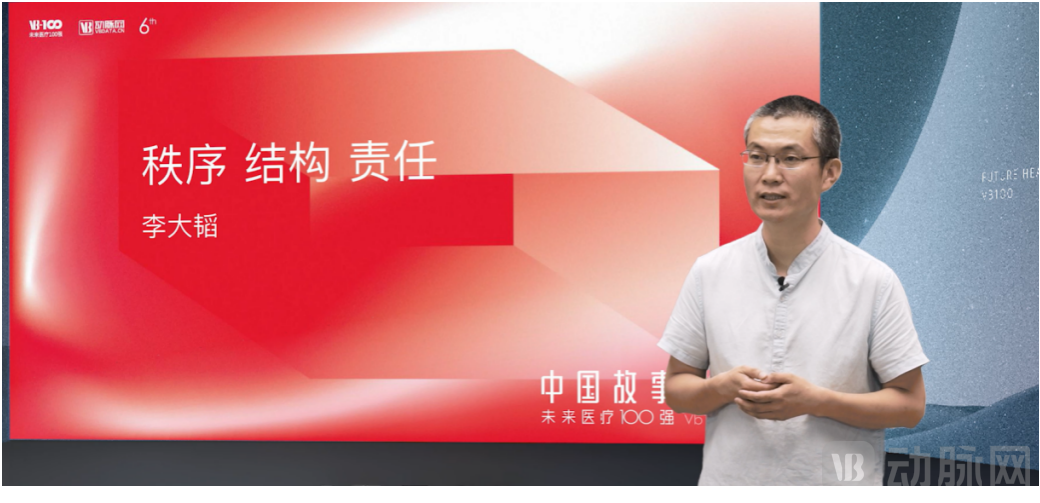
Li Datao, Founder of Danhuang Technology
For founders and entrepreneurs, the most critical imperative this year may be to understand and embrace external changes.Li Datao, Founder of Eggshell TechnologyWe have shared our team’s consensus and practical experiences regarding industrial transformation, placing our trust in the new paradigm and in the land’s inherent capacity for self-adjustment. On this basis, we have established a systematic research framework grounded in local Chinese practices to delineate the intrinsic changes occurring during the formation of new structures. From our current vantage point, we extend our inquiry in two directions: one looks back to the past to seek answers, while the other moves forward into the future, drawing lessons from history to enrich what lies ahead. We believe that the stories unfolding in China will not only achieve commercial success in the conventional sense but also offer our own solutions to global common challenges through their unique managerial practices.
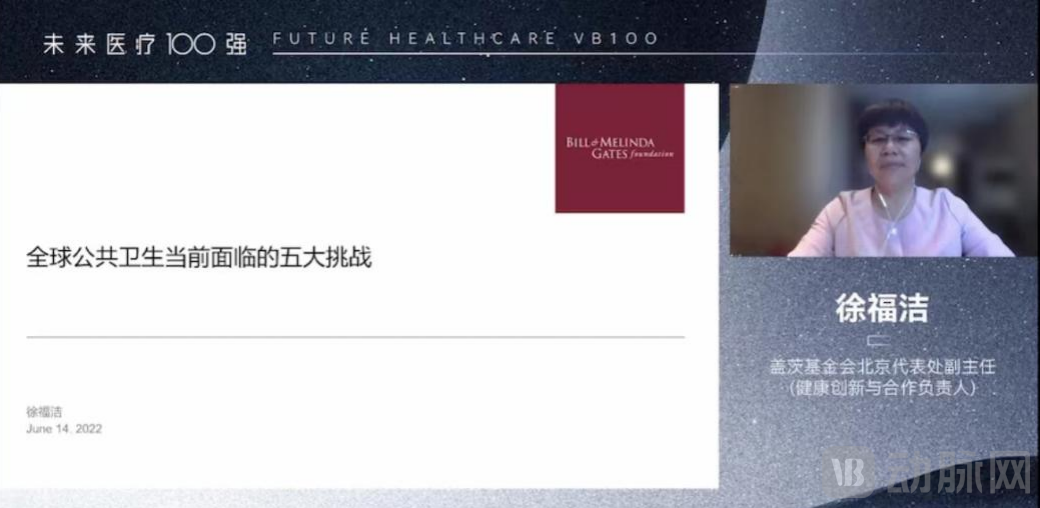 Xu Fujie, Deputy Director of the Bill & Melinda Gates Foundation Beijing Representative Office (Head of Health Innovation and Partnerships)
Xu Fujie, Deputy Director of the Bill & Melinda Gates Foundation Beijing Representative Office (Head of Health Innovation and Partnerships)Delivered a keynote address titled “The Five Major Challenges Currently Facing Global Public Health.” She pointed out that global public health is currently confronting five major challenges: market failures in the commercial sector and insufficient investment in public health; the severe burden of disease worldwide; improving access to global health products; enhancing risk awareness and balancing priorities; and attracting top-tier talent to address global health issues through innovation. The Bill & Melinda Gates Foundation’s vision is to enable all people to lead healthy, productive lives and to ensure equal value for every life. The Foundation’s philosophy is to leverage catalytic philanthropy by partnering with governments and the private sector to provide sustainable solutions for underserved populations.
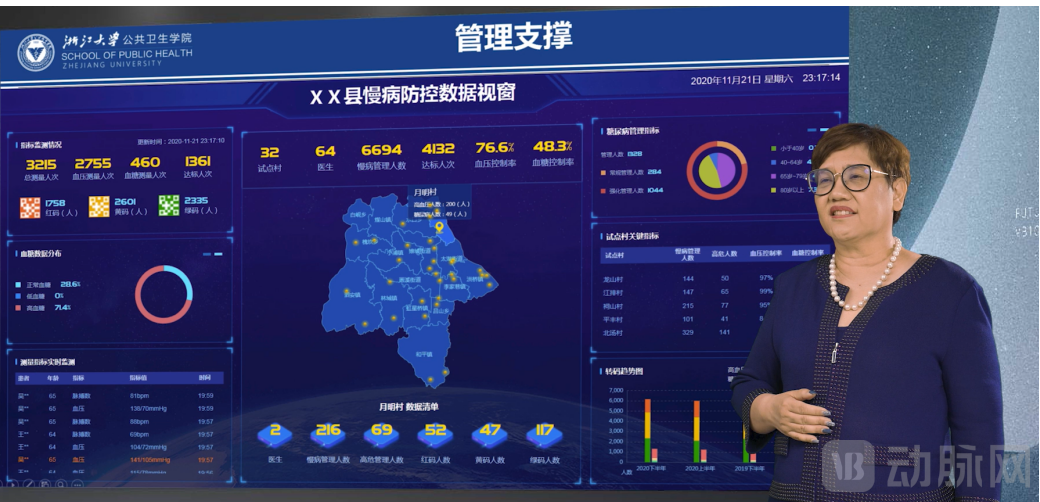 Wu Xifeng, Dean of the School of Public Health at Zhejiang University and Vice President of the Second Affiliated Hospital of Zhejiang University School of Medicine
Wu Xifeng, Dean of the School of Public Health at Zhejiang University and Vice President of the Second Affiliated Hospital of Zhejiang University School of MedicineShe delivered a keynote address titled “Digital Intelligence-Empowered Public Health Research.” She pointed out that digitally empowered large-scale population cohorts serve as the core foundation for clinical medicine, translational medicine, and public health research in the new era. Big data-driven public health research has played a pivotal role in the prevention and control of both infectious and chronic diseases. Furthermore, big data enables research on the relationships between diet, physical activity, and cancer; the development of innovative clinical diagnostic technologies; the comprehensive integration of evidence-based artificial intelligence tools into risk prediction models; environmental health studies; strategies to address the challenges of aging; research on psychological cognition and behavioral health; and multi-angle interventions based on individual health profiles, thereby achieving health management across the entire population and throughout the life course.
Expert Dialogue: International Practices in New Drug Development and China’s Experience
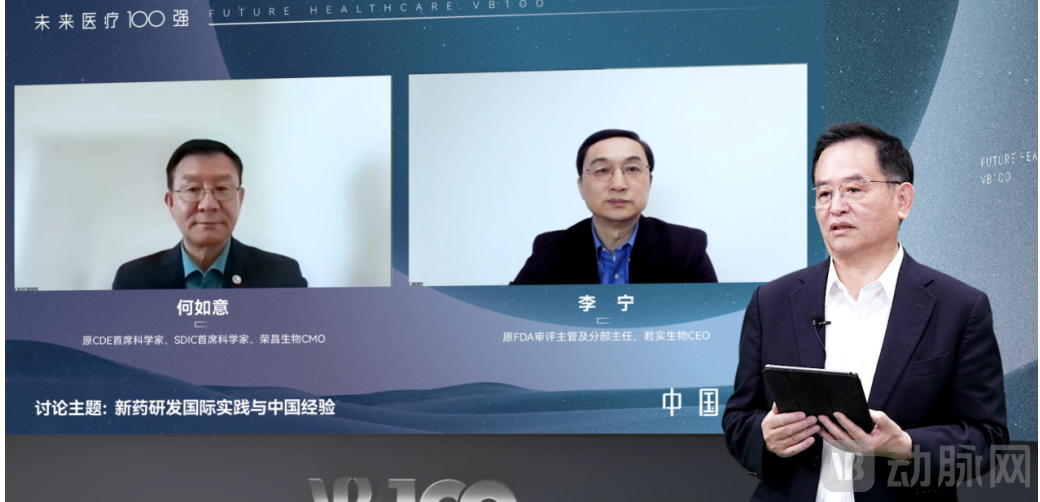 Moderator: Du Tao, Chairman of the Board of Directors of Egreen Pharma, Former Senior Review Officer at the FDA, and Chairman of the Society of FDA Experts
Guests: He Ruyi, Former Chief Scientist at the CDE, Chief Scientist at SDIC, and CMO of RemeGen; Li Ning, Former FDA Review Division Director and Branch Chief, and CEO of Junshi Biosciences
In recent years, the Center for Drug Evaluation (CDE) has issued numerous policies to promote the development of innovative pharmaceuticals in China. The most significant among these are policies encouraging new drug research and development (R&D) and regulatory communication, including mechanisms such as Fast Track designation, Breakthrough Therapy designation, Conditional Approval, and Priority Review. For innovative pharmaceutical companies, these policies have substantially shortened the review and approval timeline for novel drugs. Furthermore, China’s accession to the International Council for Harmonisation of Technical Requirements for Pharmaceuticals for Human Use (ICH) signifies that its drug regulatory system has been genuinely integrated into the internationally recognized regulatory framework, thereby facilitating the internationalization of Chinese innovative pharmaceutical enterprises. However, to successfully enter mature international markets such as the United States, companies must fully consider the technical and clinical requirements outlined in U.S. Food and Drug Administration (FDA) guidance documents. It is also crucial to recognize that the final decision-making authority for approval rests with the FDA’s review team; therefore, companies should not place blind trust in various expert advisory committees. Additionally, whether for PD-1 inhibitors or other products undergoing clinical trials in the United States, early regulatory communication should be initiated to clarify the strategic direction of the project.
Since 2016, the number of Investigational New Drug (IND) applications and clinical trials for new drugs in China has increased significantly. This growth is not limited to small-molecule drugs but also extends to large-molecule drugs, CAR-T therapies, bispecific antibodies, gene therapies, and mRNA technology research. This indicates that the development of innovative drugs in China is still in a foundational stage, where a “Follow-up” strategy can reduce R&D risks and improve success rates. Over the next five years, we are likely to see the emergence of a batch of “Me-only” drugs independently developed by Chinese enterprises. Furthermore, well-executed “Me-too” drugs can surpass First-in-Class (FIC) products. The key lies in internationalization: Chinese innovative pharmaceutical companies must establish sufficient advantages in specific fields to attract partners. At the same time, developing “Me-only” drugs is essential; innovative drug companies must pursue genuine innovation to address unmet needs and fill market gaps. International expansion should be based on voluntary acceptance by others rather than exclusion, which is a core principle.
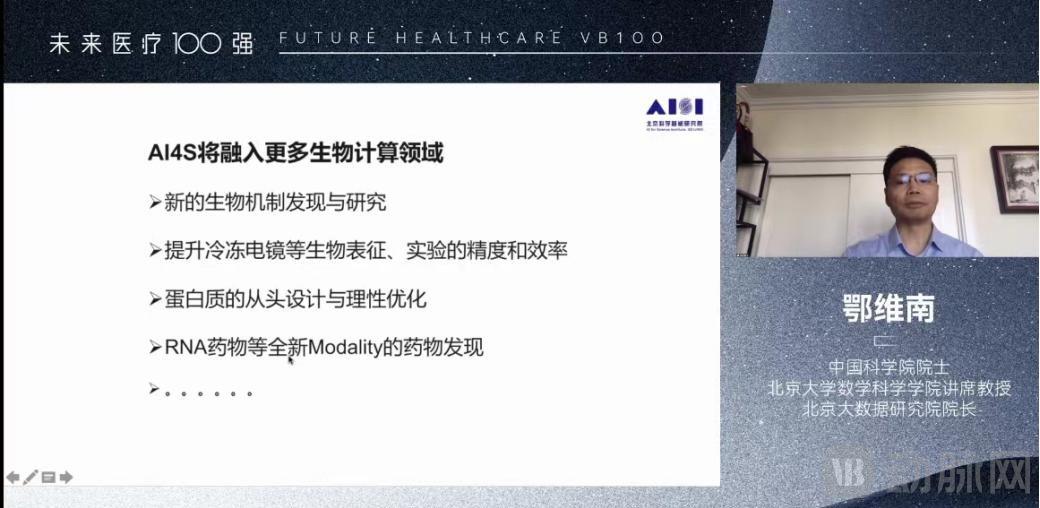 Academician of the Chinese Academy of Sciences, Chair Professor at the School of Mathematical Sciences, Peking University, and Dean of the Beijing Institute of Big Data Research: E Weinan
Academician of the Chinese Academy of Sciences, Chair Professor at the School of Mathematical Sciences, Peking University, and Director of the Beijing Institute of Big Data Research, E WeinanHe delivered a speech titled “New Opportunities Brought by AI for Science to Biological Computing.” He pointed out that AI for Science represents a new paradigm in scientific research, capable of systematically addressing the engineering challenges associated with scientific principles. Its essence lies in using AI to first learn underlying scientific principles and then further solve related practical problems. AI for Science can help address core issues in the drug discovery process, such as evaluating drug–target affinity. Among these tools, Uni-Sequence is a fundamental instrument that can reshape early-stage drug development workflows. Overall, AI for Science will transform the drug development process through intelligent and automated R&D, and will become increasingly integrated into broader areas of biological computing in the future.
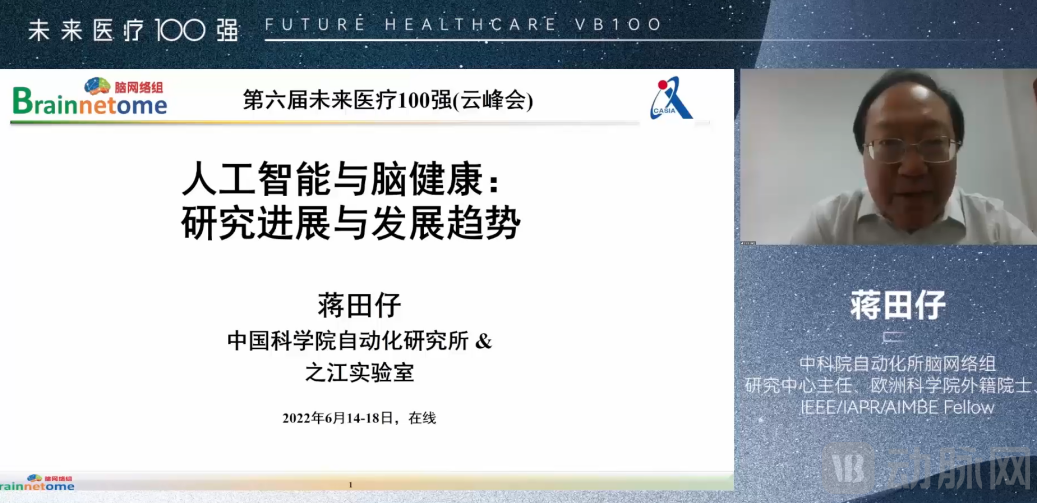 Director of the Brain Network Group Research Center at the Institute of Automation, Chinese Academy of Sciences, and Foreign Member of Academia Europaea,
IEEE/IAPR/AIMBE Fellow Tianzi Jiang
Tianzi Jiang, Director of the Brainnetome Center at the Institute of Automation, Chinese Academy of Sciences; Foreign Member of Academia Europaea; Fellow of IEEE/IAPR/AIMBEDelivered a keynote speech titled “Artificial Intelligence and Brain Health: Research Advances and Development Trends.” He shared insights on the general landscape of the integrated development of AI and brain health, AI-enabled protection of brain function, connectome atlas-guided precision diagnosis and treatment of brain disorders, and prospects for future applications of AI in healthcare. He pointed out that current diagnosis and treatment of neurological diseases face multiple challenges, including monitoring, imaging, and analysis of brain function. He emphasized that research at the intersection of “brain science + artificial intelligence”—such as innovative medical devices for AI-enhanced brain function monitoring, multimodal intelligent assessment of brain function, and connectome atlas-guided precision diagnosis and treatment of brain disorders—is key to overcoming these bottlenecks.
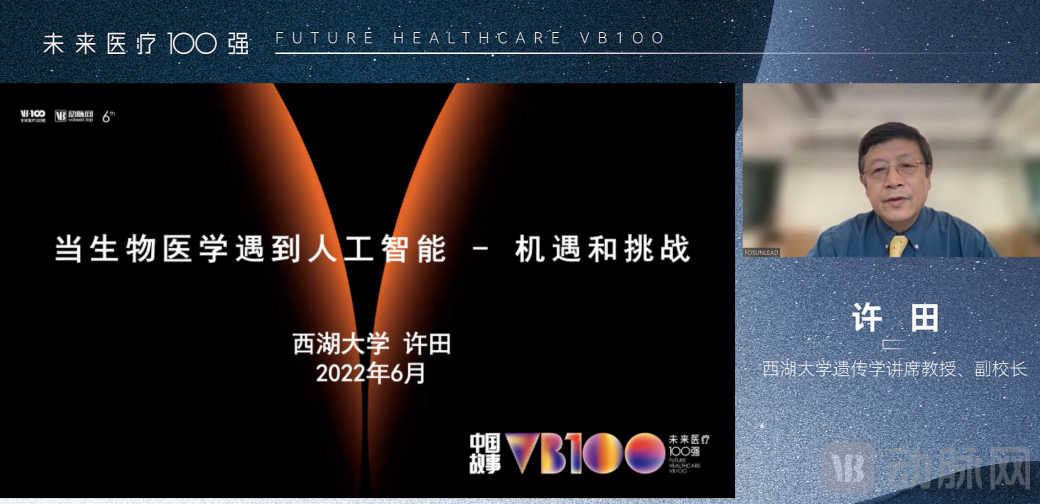 Xu Tian, Chair Professor of Genetics and Vice President of Westlake University
Xu Tian, Chair Professor of Genetics and Vice President of Westlake UniversityDelivered a keynote address titled “When Biomedicine Meets Artificial Intelligence: Opportunities and Challenges.” He presented his endeavors in basic research and the translation of scientific achievements, spanning from Yale University to Westlake University. Notably, the Roseberg Transformer, which he spearheaded, has incubated four AI companies: one is the world’s first intelligent drug discovery company, while the other three have developed the world’s first handheld ultrasound device, portable magnetic resonance imaging (MRI) scanner, and protein sequencer, respectively. The Xu Tian Laboratory at Westlake University focuses on fundamental neurobiological research in measurement and consciousness using artificial intelligence technologies, aiming to achieve research breakthroughs and provide insights for future applications integrating biomedicine with AI.
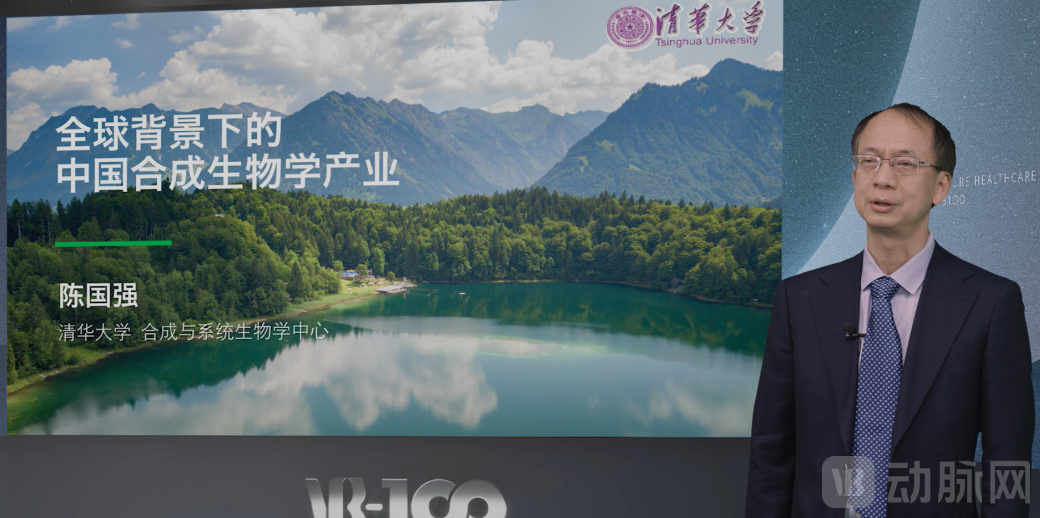 Chen Guoqiang, Professor at Tsinghua University and Director of the Center for Synthetic and Systems Biology
Chen Guoqiang, Professor at Tsinghua University and Director of the Center for Synthetic and Systems BiologyDelivered a keynote speech titled “China’s Synthetic Biology Industry in a Global Context.” He provided a comprehensive overview covering the concept of synthetic biology, the industrial landscape, technological outlines, application areas, and future prospects. He pointed out that numerous representative companies have emerged in niche segments of synthetic biology, which will exert a sustained and long-term impact on the global socio-economy. He also outlined the direction for the internationalization of China’s synthetic biology sector, highlighting the advantages and development trends of industrial biotechnology. Furthermore, synthetic biology boasts extensive applications, such as medical implant materials, addressing food security challenges, and environmental improvement. China’s industrial biomanufacturing capabilities are leading globally. Next-generation industrial biotechnology (NGIB) will enable China’s biomanufacturing to achieve greater cost-effectiveness compared to chemical manufacturing, bringing the vision of “lucid waters and lush mountains” closer to realization.
Roundtable with Industry Leaders: Investing in the Future of Healthcare—How to Foster the Emergence of World-Class Innovative Enterprises?
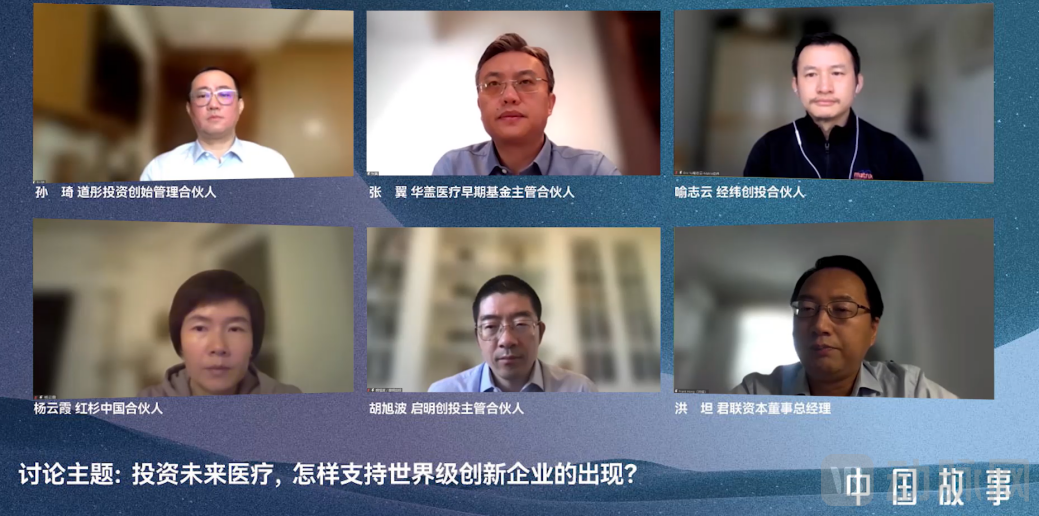
Host: Sun Qi, Founding Managing Partner of Daotong Investment
Guests: Hong Tan, Managing Director at Legend Capital; Hu Xubo, Managing Partner at Qiming Venture Partners; Yang Yunxia, Partner at Sequoia China; Yu Zhiyun, Partner at Matrix Partners China; Zhang Yi, Managing Partner at Huagai Medical Early-Stage Fund
World-class enterprises are not built overnight. They require integration into the global ecosystem, worldwide technological leadership, the cultivation of a world-class talent team, adaptation to global business culture, the courage to pioneer accessible technologies, and the achievement of world-class commercial success. All companies with the potential to become industry leaders have first accumulated substantial potential and kinetic energy. Sometimes this accumulation occurs in a unified manner, while at other times it takes place in various sectors, each gathering strength independently, ultimately achieving breakthroughs through sustained effort.
However, China currently has far too few world-class innovative enterprises, which provides a strong impetus for investment institutions to support and assist Chinese world-class innovators and their products. In response, investment firms must continuously enhance their capabilities to support innovation, offering comprehensive assistance such as post-investment services and value-added services. Investing in world-class innovative projects entails substantial risk; therefore, fostering world-class innovation requires not only courage from investment institutions but also, more critically, robust resource allocation capabilities, including strong financial capacity. Meanwhile, venture capital and private equity firms are eagerly anticipating greater policy倾斜 (tilt) and support from the state.
Furthermore, on top of capabilities, there must be a consciousness that supports innovation. Policy is a national initiative, innovation is the responsibility of enterprises, and supporting innovation—especially world-class innovative enterprises—is the mission of frontline investment institutions. In the current environment of increasingly fierce competition, comprehensive business costs such as labor, environmental, energy, and land costs are rising. Chinese manufacturing has been advancing rapidly globally, but the cost advantage it relied upon is gradually diminishing, while its technological advantage has not yet been fully established. At the same time, corporate globalization faces challenges amid tightening global external demand. Only through innovation and reform can China navigate out of its current predicament. How can we break through this impasse? It requires concerted efforts from all stakeholders. Regarding the current sharp decline in corporate valuations and the cooling investment climate, although it is difficult to predict when conditions will improve in the short term, the present moment nonetheless represents a favorable investment phase for the next decade; thus, one should still actively position oneself to seize high-quality investment opportunities.
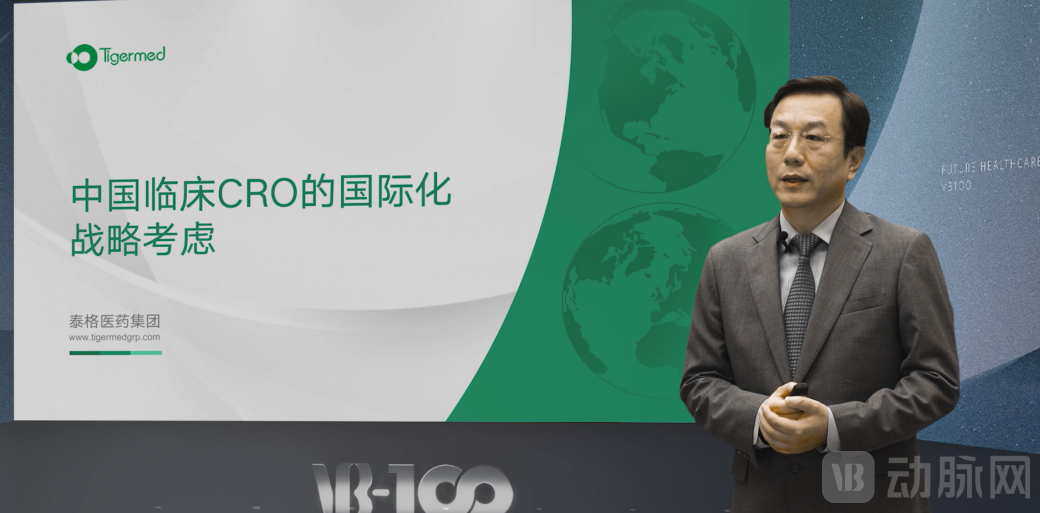 Co-President of Tigermed, Wu Hao
Wu Hao, Co-President of TigermedDelivered a keynote speech titled “Strategic Considerations for the Internationalization of Chinese Clinical CROs.” He pointed out that the growth trend in the number of clinical trials in China is expected to remain positive over the next two to three years. Chinese innovative pharmaceutical companies are expanding globally and have gained recognition from overseas regulatory authorities, leading to a continuous increase in the number of international multi-center clinical trials initiated by Chinese pharmaceutical enterprises. In line with this trend, clinical CROs must adopt internationalization strategies to enhance their competitiveness. As the only Chinese clinical CRO ranked among the top ten globally, Tigermed has implemented a three-step internationalization strategy: empowering Chinese clients to expand overseas, serving local innovative enterprises and projects in various countries abroad, and elevating its international standing to become a truly global CRO. Additionally, Wu Hao shared Tigermed’s future growth strategies and considerations for its global clinical business.
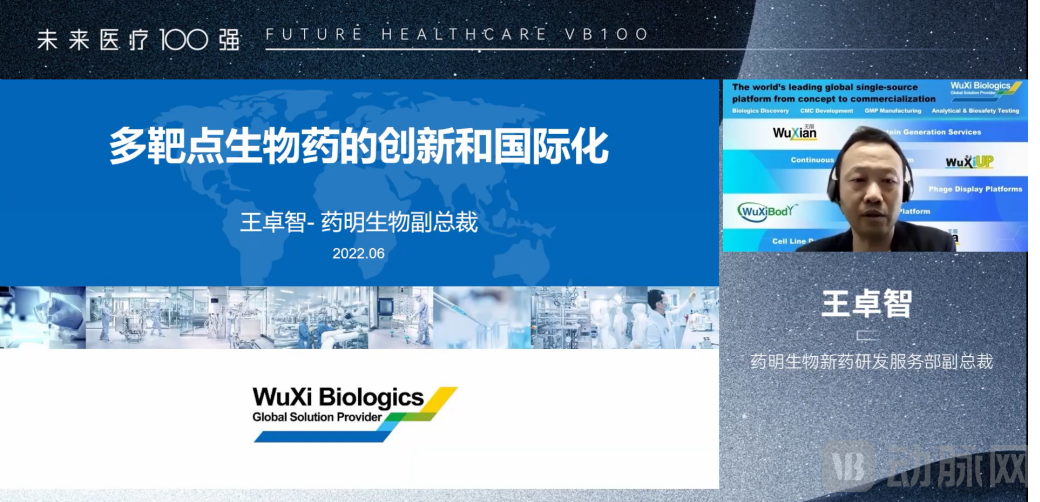 Wang Zhuozhi, Vice President of the New Drug Research and Development Services Department at WuXi Biologics
Wang Zhuozhi, Vice President of WuXi Biologics' New Drug Research and Development Services DepartmentHe delivered a speech titled “Innovation and Internationalization of Multi-Target Biologics.” He pointed out that multi-target biologics represent a major industry trend, and shared insights on the global R&D landscape, market analysis, and future trends in this field, citing antibody-drug conjugates (ADCs), multispecific antibodies, and CAR-T therapies as examples. Furthermore, Dr. Wang introduced WuXi Biologics’ corresponding technology platforms: the WuXiBody bispecific antibody platform enables clients to rapidly advance from project initiation to clinical development, while the SDArBody platform supports multispecific antibody projects. Additionally, its integrated CRDMO model, characterized by robust execution capabilities and compliance with international standards, can help innovative pharmaceutical companies accelerate both innovation and global expansion.
Dialogue: Digitalization Leads Medical Technology, Globalization Wins the International Market
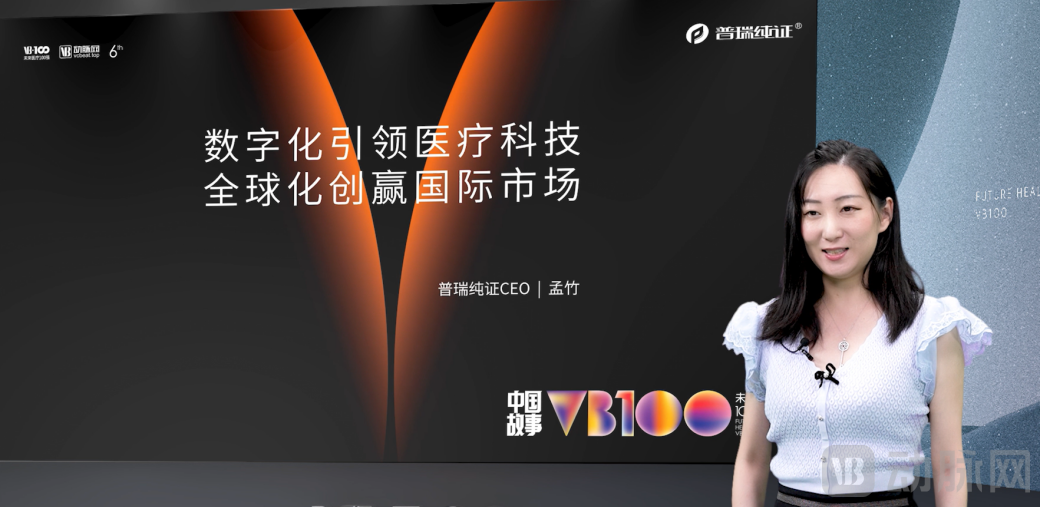 Meng Zhu, CEO of PureDiagnostics
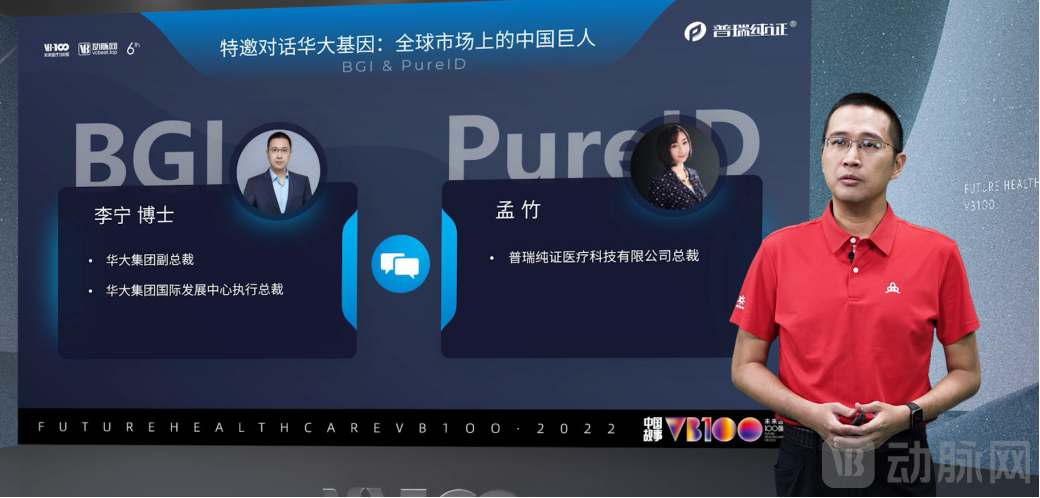 Li Ning, Vice President of BGI Group and Executive President of the International Development Center of BGI Group
Meng Zhu, CEO of PureCertPrior to the dialogue, an overview was shared covering global healthcare market and research trends, pain points for Chinese medical device companies expanding overseas, and PureCert’s global digital CRO solutions. The discussion session featuredLi Ning, Vice President of BGI Group and Executive President of the International Development Center of BGI Group, jointly exploring Chinese giants in the global market. Li Ning stated that, with the support of Purui Chunzheng’s technology and its global partner database, BGI Genomics has significantly improved its qualification compliance and registration efficiency worldwide, accelerating the integration and development of localized ecosystems. Meng Zhu added that the medical device industry possesses a solid foundation in informatization, making the digital transformation for regulatory compliance an urgent priority, and shared insights into the development of Purui Chunzheng’s world-leading intelligent global regulatory platform.
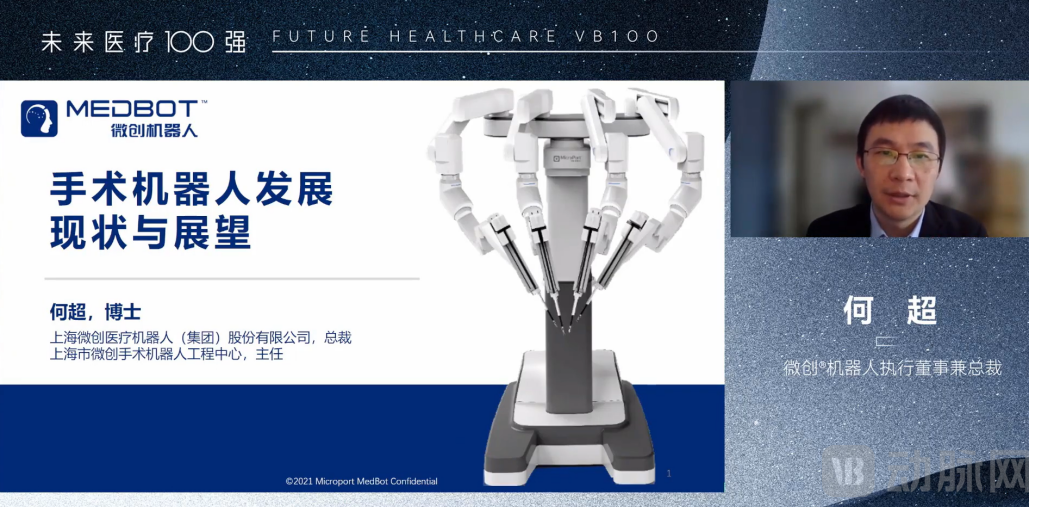 Minimally Invasive®He Chao, Executive Director and President of Robot
Minimally Invasive®He Chao, Executive Director and President of RobotHe delivered a keynote address titled “Current Status and Prospects of Surgical Robot Development.” He shared insights into the historical evolution, classification, industrial and technological trends, and policy environment surrounding surgical robots. Among the key technological trends are minimizing surgical trauma, surpassing physiological limits, and integrating medical information, with autonomous surgery representing the ultimate goal. According to He Chao, MicroPort MedBot covers five rapidly growing “golden tracks” in the surgical robotics sector, including laparoscopic, orthopedic, pan-vascular, natural orifice, and percutaneous puncture procedures. Currently, MicroPort MedBot is assembling an experienced team and carefully planning its marketing strategies in preparation for imminent commercialization. The company has positioned itself to serve the global market and has established corresponding strategic layouts.
 Jiang Wei, Chief Strategy Officer, BD Greater China
Jiang Wei, Chief Strategy Officer, BD Greater ChinaHe delivered a keynote speech titled “Innovating for Quality and Affordability in China, Serving Patients and Healthcare Providers Worldwide.” He pointed out that unmet needs, policy support, capital markets, and talent advantages are the four major drivers of medical innovation in China. Meanwhile, the Chinese medical device market is experiencing rapid growth, with China’s innovation model evolving from “Me-too” to “Best-in-Class” and “First-in-Class.” The launch of domestically developed innovative products is accelerating, with these products upgrading from “first in China” to “first globally.” Among these, in vitro diagnostics, cardiovascular devices, and surgical procedures are hotspots for private equity (PE) and venture capital (VC) investment. Although the overall development of medical devices still faces a series of challenges, including market saturation, healthcare expenditure controls, and capital market uncertainty, China’s healthcare industry will continue to mature and innovate, playing a greater role and exerting a more significant impact in the global medical device industry.
 Wu Shu, Vice President of Product Development Platform at Legend Biotech
Wu Shu, Vice President of Legend Biotech's Product Development PlatformHe delivered a keynote speech titled “Chinese Innovation, Serving the World: Insights from the Global Launch of the First Innovative Cell Therapy Drug.” He shared the historical development of cell therapy technologies, the significant challenges in their development, and various win-win collaboration models adopted by domestic cell therapy companies. In response to the substantial unmet clinical needs in multiple myeloma, Legend Biotech employed flexible clinical research strategies, developed innovative multi-epitope target designs, collaborated with its partner Janssen to explore global markets, and established a robust and scalable global cell supply network, thereby accelerating the company’s growth. Faced with intense homogeneous competition and uncertain market affordability, Chinese enterprises urgently need innovation and breakthroughs. Meanwhile, innovations in China’s regulatory framework have also accelerated clinical research, providing fertile ground for Chinese companies to innovate and achieve breakthroughs.
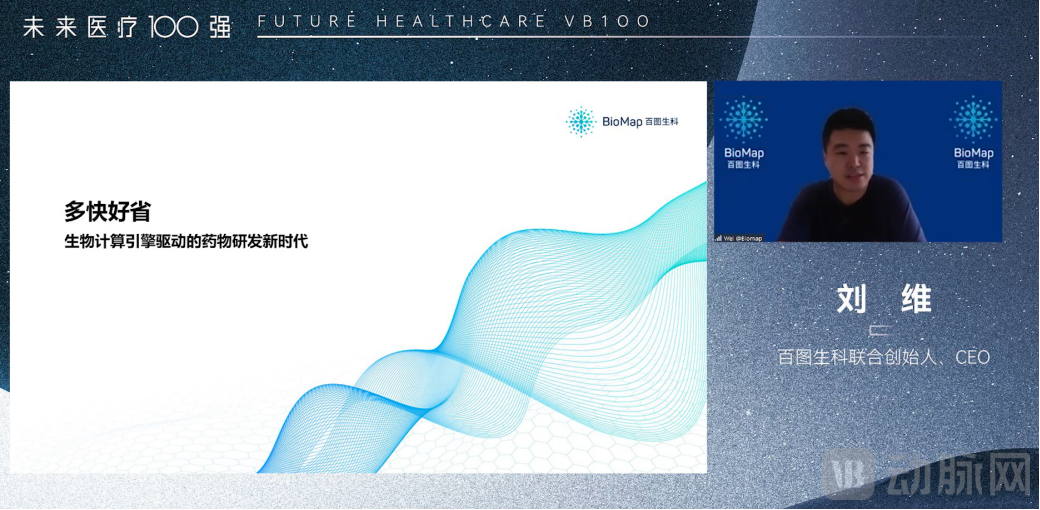 Liu Wei, Co-founder and CEO of Biotope
Liu Wei, Co-founder and CEO of BiotopeHe delivered a keynote speech titled “More, Faster, Better, and Cost-Effective: A New Era of Drug Development Driven by Bio-Computing Engines.” He outlined the prospects for the era of drug development powered by bio-computing engines, explained how these engines empower the pharmaceutical R&D industry, and discussed the transformative impact they can have on the business models of biopharmaceutical companies. Specifically, the capabilities of bio-computing engines support efficient modeling, enabling large-scale parallel predictions, global optimization, and high-throughput validation. This enhances the efficiency of new drug development, reduces R&D costs, and helps achieve above-average performance in drug design, truly realizing the goals of “more, faster, better, and cost-effective.” In the near future, Baidu Life Sciences will announce a new phase of its Excellence Developer Program to promote the highly efficient development of more First-in-Class (FIC) drug R&D projects.
Dialogue: The Innovative Path of Chinese Pharmaceutical Companies Expanding into Southeast Asia
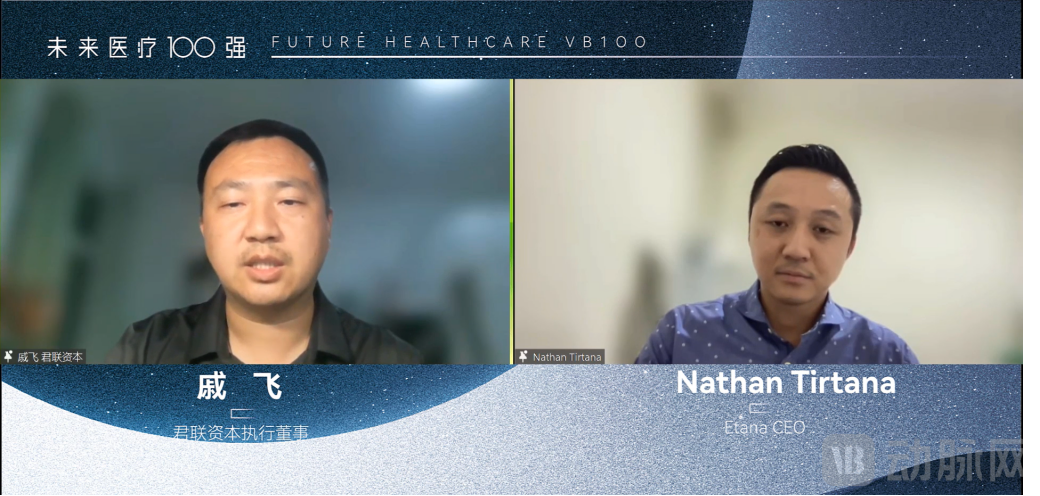 Legend Capital Executive Director Qi Fei (left), Etana CEO Nathan Tirtana
Beyond the traditional core markets of Europe and the United States, Chinese pharmaceutical companies expanding overseas have another important pathway: entering emerging markets along the “Belt and Road” Initiative, with Southeast Asia serving as the most critical first stop. Legend Capital began focusing on the Southeast Asian market in 2019 and completed its investment in the Indonesian biopharmaceutical company Etana in 2020. The healthcare market in Southeast Asia is undergoing rapid development. Taking Indonesia as an example, the country only established its national health insurance system a decade ago, which significantly encouraged citizens to seek medical care at public hospitals and rapidly spurred substantial market demand. However, due to the medical community’s limited awareness of innovative drugs and therapies, there is a significant mismatch between the high demand for high-quality medical services and the limited supply, indicating that the market still requires education and cultivation. As the most populous country in Southeast Asia, Indonesia has long lacked mid-to-high-end medical services, with many products in urgent need of upgrading. Consequently, the government has vigorously encouraged and supported local pharmaceutical enterprises.
However, from an innovation perspective, Indonesia resembles China’s development stage two decades ago, with its oncology market remaining largely untapped. As a key emerging economy, Southeast Asia is poised to become a critical battleground for Chinese pharmaceutical companies expanding overseas in the next three to five years, with Indonesia being an indispensable market. To succeed in Southeast Asia, companies must first navigate relationships with government bodies such as the Ministry of Health and the National Agency of Drug and Food Control (BPOM), while also cultivating strong ties with physicians. Beyond market access capabilities, robust production and sales competencies are essential. In 2021, Etana entered into a partnership with Innovent Biologics and is currently actively seeking additional collaborative partners among innovative Chinese enterprises in the oncology and vaccine sectors to achieve mutual benefits and win-win outcomes.