

15 Industry Leaders Gather at Future Healthcare Leadership Summit to Showcase China's Innovation Narrative
On June 15, the second day of the Top 100 Future Healthcare Conference, momentum continued to build. During the Leadership Summit, VCBeat brought together “leaders” from the biopharmaceutical, medical device, and in vitro diagnostics (IVD) sectors to discuss how Chinese biopharmaceutical companies can achieve innovative transformation amid current industry conditions; how healthcare enterprises can address the challenge of uneven distribution of medical resources across China; and how domestic companies can expand onto the global stage.
In recent years, China has successively introduced a series of policies to encourage domestic innovation and promote the development of primary healthcare. In May 2022, the General Office of the State Council issued the "14th Five-Year Plan for National Health," which highlights principles such as prioritizing prevention and strengthening primary care, improving quality and promoting equity, and driving reform, innovation, and systemic integration. This direction reflects the collective efforts of Chinese enterprises. As bellwethers of industry development, industry leaders’ insights and strategic layouts will drive the sector to articulate a new “China story.”
Below are the key highlights of the speakers' views compiled by VCBeat:
Xie Xin: "Strategic Transformation of China Biopharma"
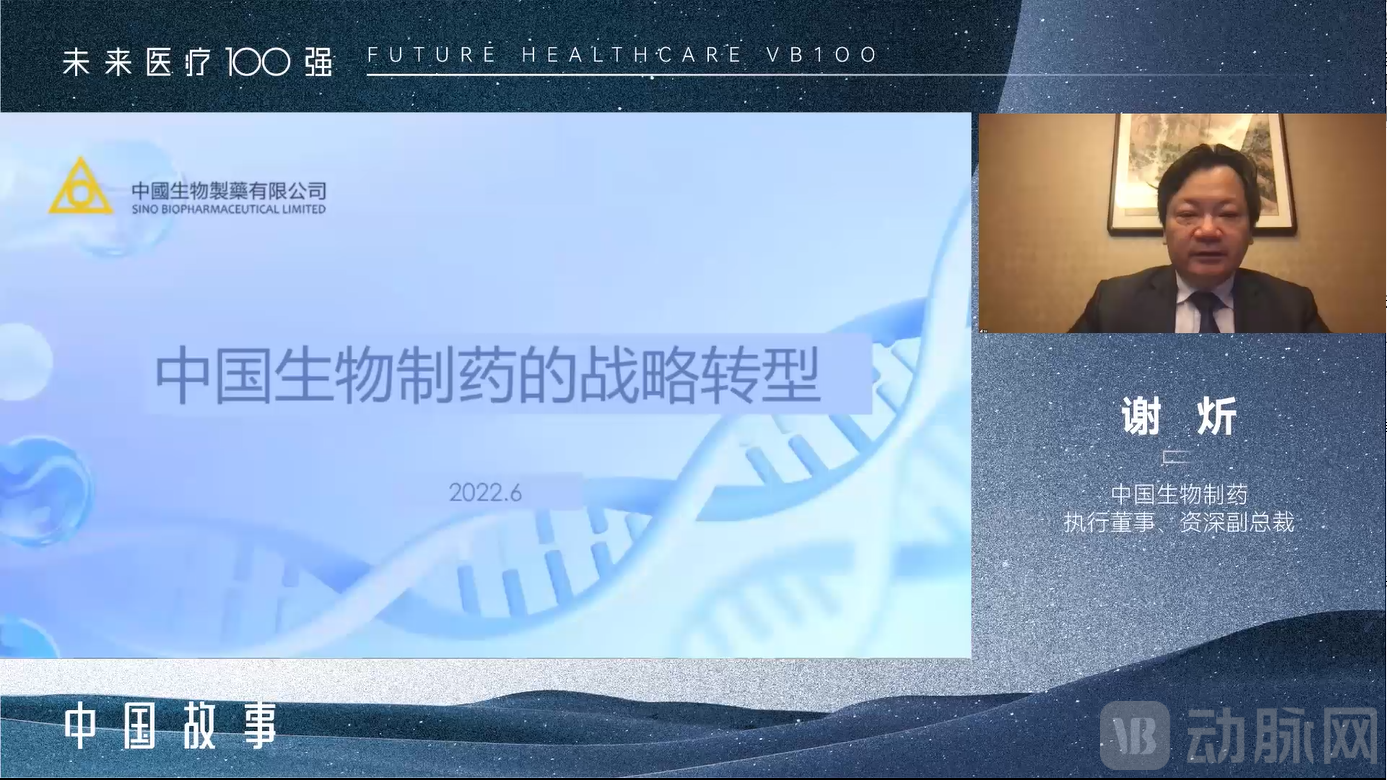
Xie Xin, Executive Director and Senior Vice President of Sino Biopharmaceutical
Centralized procurement policies and national reimbursement negotiations are significant factors influencing China’s biopharmaceutical industry. If companies can achieve independent production of active pharmaceutical ingredients (APIs), enhance product quality, reduce costs, and improve production efficiency, centralized drug procurement will also yield positive impacts. In response to the influence of medical insurance negotiations on the biopharmaceutical sector, Chinese biopharmaceutical companies have adopted strategies such as expanding product indications and increasing the scale of drug acquisitions. Meanwhile, to cope with price reductions for domestically developed innovative drugs, they must also balance the development of generic drugs. Given China’s per capita income levels, the majority of the population participates in the national medical insurance system and requires affordable generic drugs with proven efficacy. Therefore, a dual strategy that balances the development of both innovative and generic drugs better aligns with China’s national conditions. In the future, the growth momentum of Chinese biopharmaceutical companies will stem from the market launch of their innovative drugs and their international expansion.
Li Shengli: “Unleashing the Fosun Ecosystem Multiplier Effect to Build a Medical-Grade Health Ecosystem”
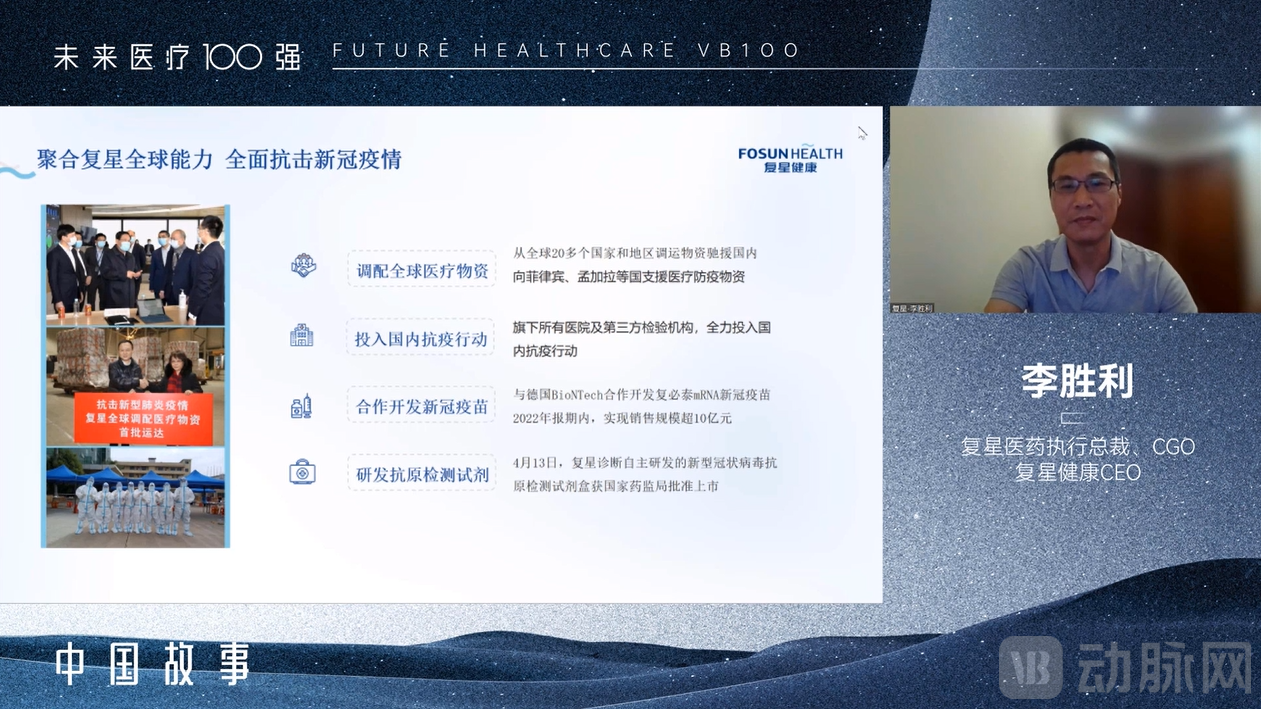
Li Shengli, Executive President and Chief Growth Officer (CGO) of Fosun Pharma, and CEO of Fosun Health
Since the outbreak of the pandemic, internet healthcare has flourished, demonstrating significant potential for online-offline integration through services such as home delivery of medications and in-home medical care. While the pandemic will eventually pass, the upgrade in healthcare consumption remains an irreversible trend. Both private and public healthcare sectors must address the uneven distribution of medical resources in China, alleviate the burden on patients, and implement comprehensive whole-course disease management.
Fosun Health prioritizes the development of medical-grade capabilities to achieve full-course disease management, building a one-stop internet healthcare platform that provides comprehensive coverage of medical care, pharmaceuticals, and insurance. Fosun Health delivers integrated online-to-offline (O2O) healthcare services by establishing an online internet platform and extending its reach to offline medical institutions, offering services such as hospital visits, online follow-up consultations, and family doctor care. Leveraging its integrated O2O platform, Fosun Health also provides pharmaceutical and medical device products, health management, and insurance services, thereby creating a medical-grade, all-scenario, one-stop health ecosystem.
Liu Jian: "Empowering Source Innovation to Build China's Biopharmaceutical Innovation Ecosystem"
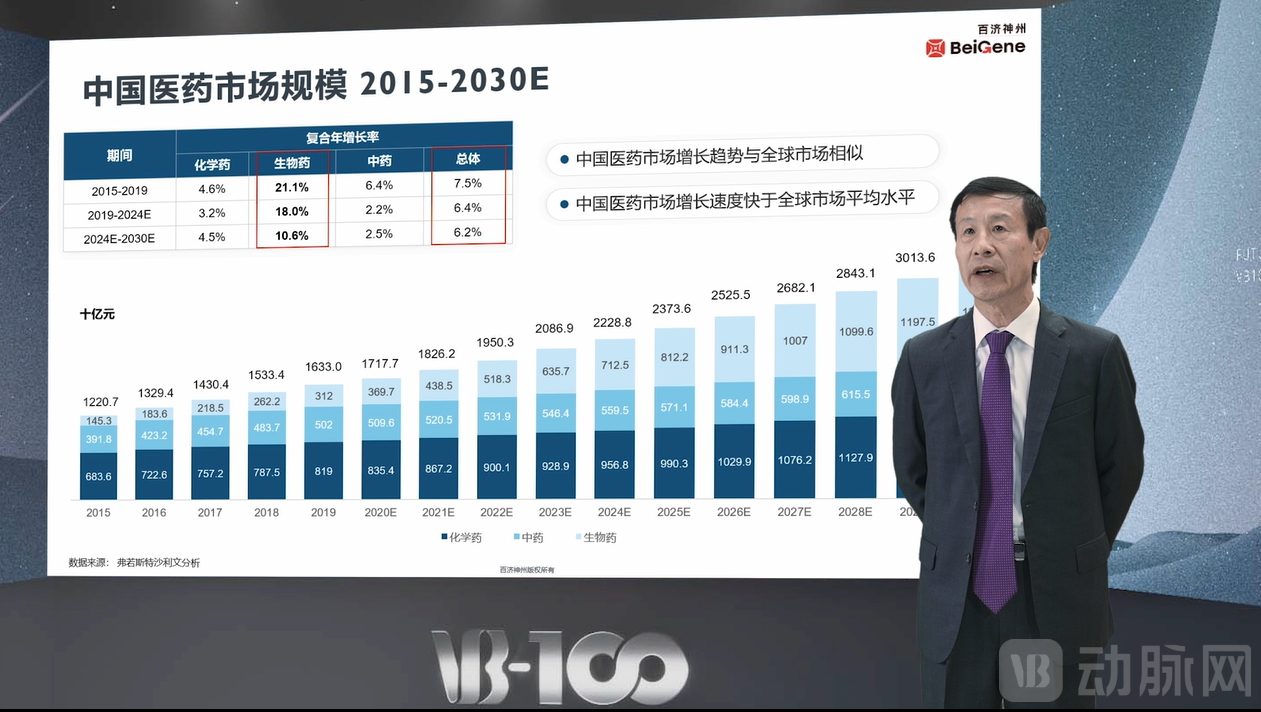
Liu Jian, CEO of BeiGene Bio-Island Innovation Center and Chairman of BeiGene Biopharmaceutical Co., Ltd.
Data indicates that between 2015 and 2030, the Chinese pharmaceutical market will grow at an annual rate of 6%–7%, with the biopharmaceutical segment expanding at a faster pace of 10%. From a macroeconomic perspective, we believe three key factors will continue to drive the long-term development of China’s pharmaceutical market: first, domestic economic growth will boost household purchasing power, thereby increasing demand for pharmaceuticals and healthcare; second, an aging population will intensify rigid demand for medical services and pharmaceutical products; and third, technological advancements, particularly improvements in diagnostic capabilities, will spur greater demand for disease diagnosis and treatment.
In the first phase, China’s innovative drug industry achieved remarkable leapfrog development from scratch. However, in the long run, its sustained growth still faces two major challenges: weak original innovation and fragmented industrial development. The former is mainly manifested in the fact that the amount of capital and the number of transactions in seed and angel rounds—used to support the commercialization of basic research findings and the incubation of concept-stage projects—are far lower than those in developed countries. Due to insufficient confidence and limited investment by institutional investors in early-stage pharmaceutical companies, these firms suffer from inadequate innovation capacity and intensity, resulting in a lack of original innovation.
The latter is mainly characterized by a disconnect between basic research and process development, clinical studies, and commercialization. A systematic, integrated ecosystem and industrial chain have yet to be formed, which not only results in the waste of social resources but also prolongs the cycle of innovation and drug development. We remain long-term bullish on the development of the pharmaceutical innovation industry and hope to collaborate with industry stakeholders to address these bottleneck issues, laying a solid foundation for the rapid growth of innovative drugs in the next cycle.
Li Hong: “Total Solution for Non-viral CRISPR Gene Editing—from R&D to Clinic”
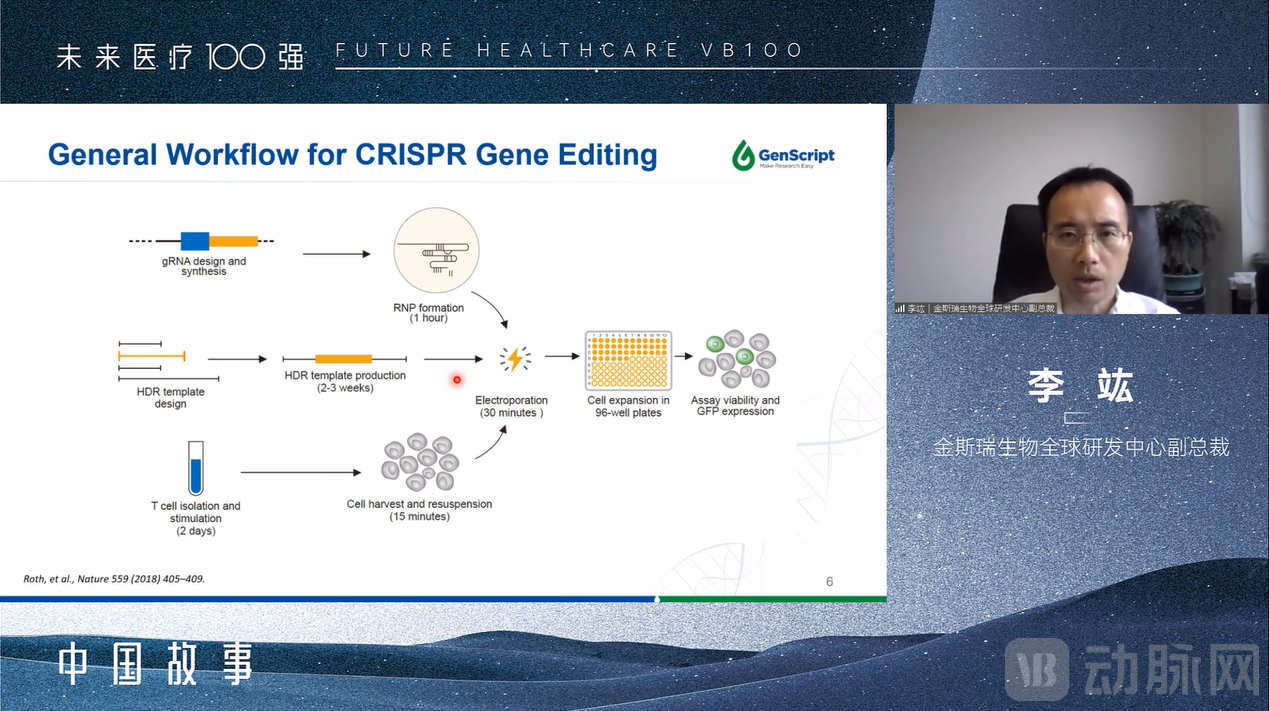
Li Hong, Vice President of Global R&D Center, GenScript Biotech
Both gene therapy and cell therapy involve the process of gene editing. Gene-editing tools have undergone three generations of development—meganucleases, ZFNs/TALENs, and CRISPR/Cas9 nucleases—with CRISPR having become the mainstream approach in the field of gene editing in recent years. GenScript offers comprehensive solutions for the CRISPR gene-editing process, including Cas9 proteins, sgRNAs, and DNA payloads for HDR, along with customized services. In the area of sgRNA, GenScript provides end-to-end services spanning from early-stage drug discovery to clinical trials.
Shen Ziyu: "Development and Innovation in the ICL Industry"
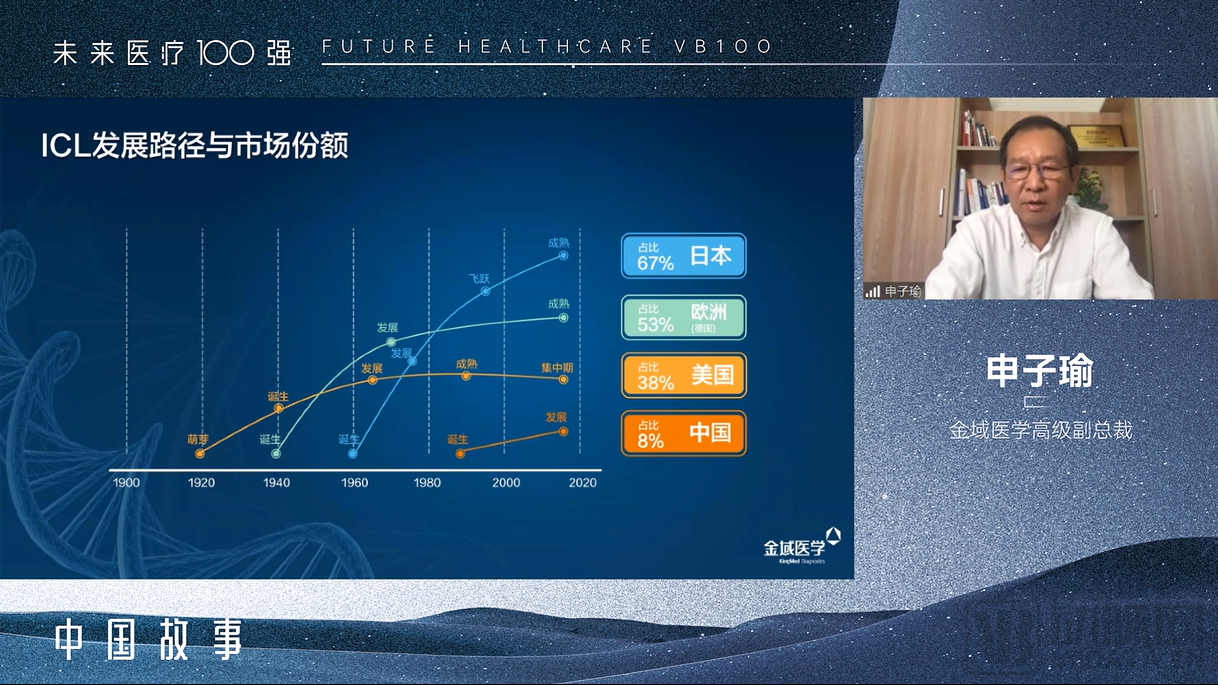
Shen Ziyu, Senior Vice President of KingMed Diagnostics
In recent years, the Chinese government has successively introduced favorable policies for third-party medical testing. The 13th Five-Year Plan for Health and Wellness and the National Healthcare Service System Plan have respectively proposed to “vigorously develop third-party services and guide the development of specialized medical testing centers and imaging centers” and to “support the development of specialized medical testing and imaging institutions, gradually establishing mechanisms for the shared use, sharing, and joint management of large-scale equipment.” Meanwhile, medical diagnostic technologies continue to advance, evolving from manual operations to semi-automated and fully automated systems, trending toward intelligence and portability. The emergence of high-throughput sequencing has brought significant development opportunities to the third-party testing industry.
Third-party medical laboratories serve as a valuable complement to healthcare resources. KingMed Diagnostics describes its strategy as “reaching for the sky while staying grounded.” “Reaching for the sky” refers to providing advanced technologies to large tertiary hospitals to aid in the diagnosis of complex and difficult cases, while “staying grounded” entails delivering comprehensive medical testing resources and technologies to primary care institutions, thereby promoting the equalization of medical services. Third-party medical testing is accessible to all healthcare institutions, offering tailored services to meet diverse needs. This model helps reduce healthcare costs through economies of scale and minimizes redundant social investment.
Yu Suhua: "Riding the Winds and Waves, Setting Sail Overseas—The Internationalization Path of Domestic Medical Device Enterprises"
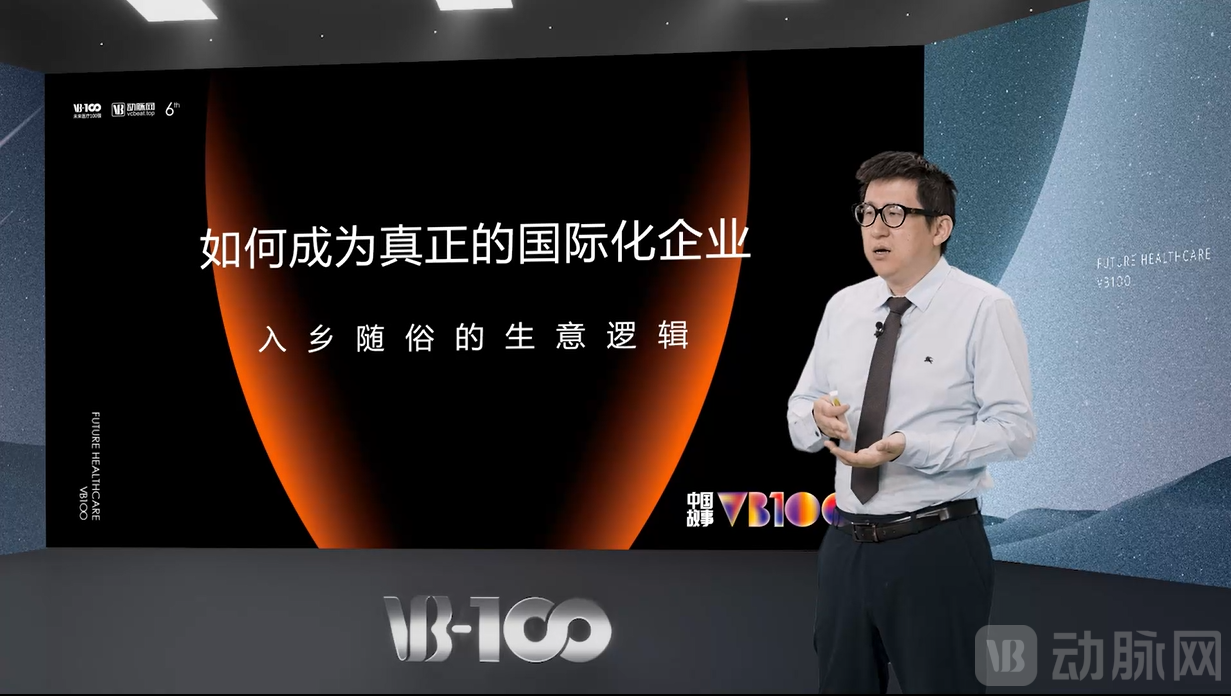
Yu Suhua, General Manager of the Cardiovascular and Cerebrovascular Business Division at Blue Sail Medical and CEO of Blue Sail Biosensors
Adhering to the business logic of “when in Rome, do as the Romans do” is the foundation of internationalization. To better conduct business abroad, it is essential to fully understand foreign markets, business models, commercial logic, and even local business customs. “Local Made” + “Local Sale” + “Local Support” = “Local Understanding.”
For high-tech products, especially Class III implants, foreign customers remain skeptical of Chinese manufacturing. Therefore, domestic companies seeking to capture overseas markets in the high-end manufacturing sector should first consider establishing factories abroad to achieve local production. Local sales are the most critical component of internationalization, requiring companies to tailor direct sales or distribution models based on regional conditions.
Next is local support, which mainly encompasses four areas: R&D, clinical affairs, regulatory affairs, and supply chain and IT systems. Simply selling products to distributors without follow-up services may be feasible for low-value consumables, as these are primarily price-driven and easy to use. However, for Class III high-risk implantable medical devices, companies need to assist physicians in learning how to use the devices and address clinical challenges.
Cai Lie: “Peijia Medical’s Innovation and Internationalization Outlook”
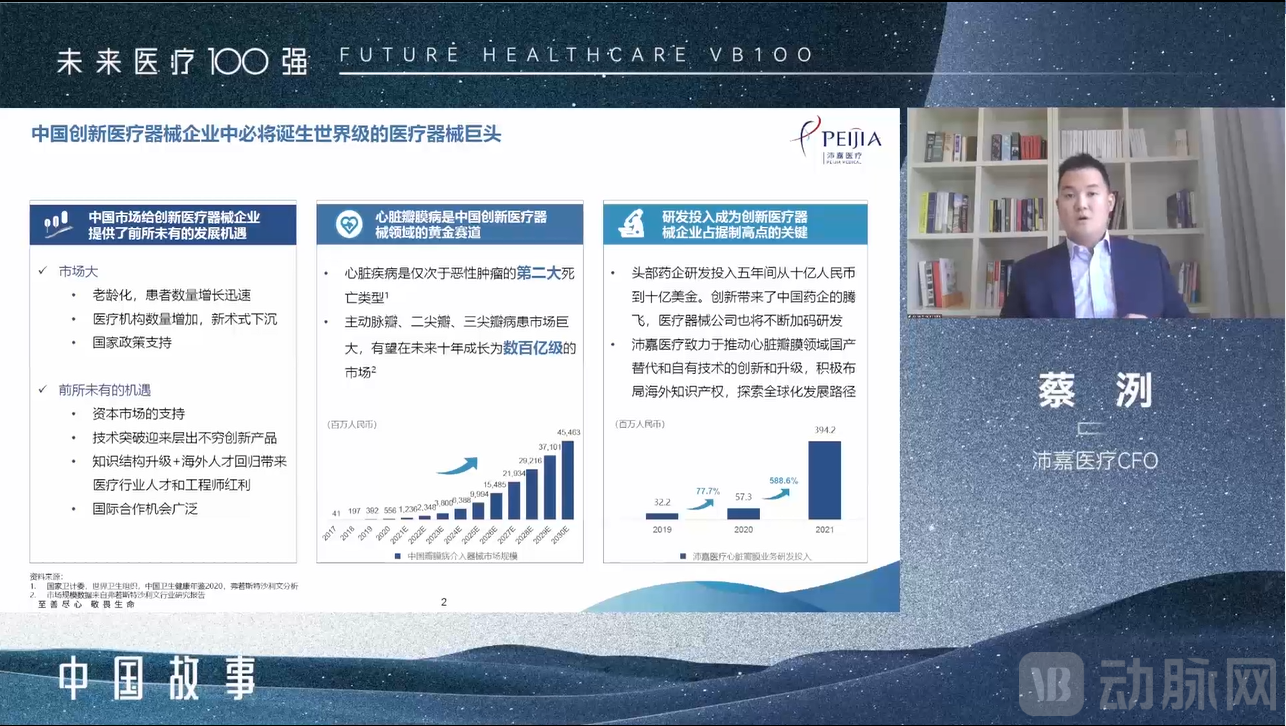
Peijia Medical CFO, Cai Lie
Chinese innovative medical devices are inevitably going global. However, "me-too" products face significant patent risks when expanding overseas. Companies must invest heavily in commercialization abroad, yet the limited profit margins from homogeneous products fail to offset these substantial costs. Furthermore, distribution channels and brand influence are dominated by international giants, making it difficult for domestic enterprises to penetrate the market, as the recognition of Chinese-made products remains low. Most foreign patients, covered by insurance, exhibit low price sensitivity toward domestic brands. Consequently, high-value consumables based on "me-too" innovations have never truly broken into the regulated markets of Europe and the United States. While opportunities may exist in third-world markets, the return on investment is not particularly attractive.
Only when domestic enterprises possess innovative technologies and products that can compete with overseas counterparts in terms of performance will they have global competitiveness. This requires companies to devote themselves to research and development (R&D) and innovation, continuously increase R&D investment, and address unmet clinical needs, thereby achieving successful global expansion. Drawing on the internationalization path of Chinese pharmaceutical companies, medical device enterprises need to have one or more innovative products, coupled with self-built commercialization teams, to gradually achieve a balance between investment and returns. However, in the early stages, they will first realize international cooperation through license-in or license-out models.
Wang Jinsong: “Biological Macromolecule Platform ‘5G Technology’ Leading the Development of the Innovative Drug Industry”
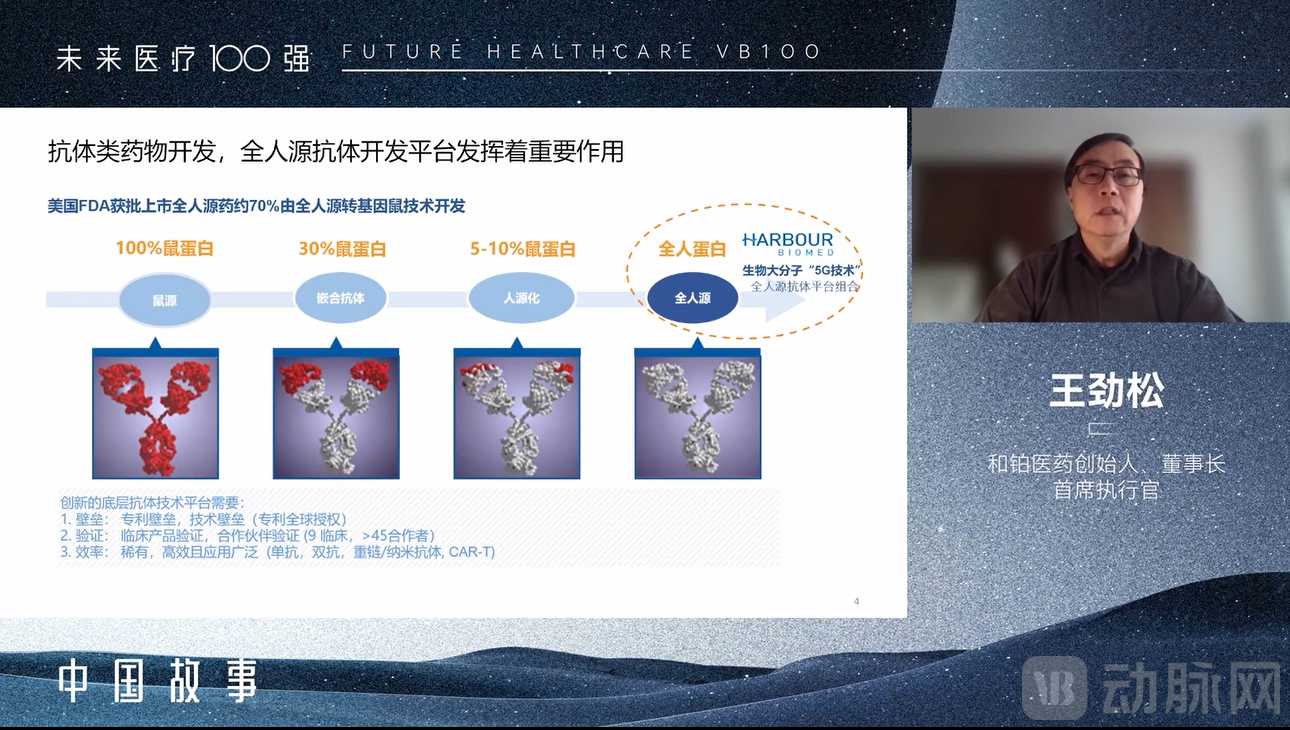
Wang Jinsong, Founder, Chairman, and CEO of Harbour BioMed
Over the past decade, tumor immunotherapy has made significant strides, providing a cohort of patients with novel treatment regimens that have extended survival and improved quality of life. However, 70%–80% of patients remain unresponsive or develop drug resistance, underscoring a substantial unmet need for new therapeutic options. Advances in core technologies are driving novel drug development, with platforms such as monoclonal antibodies, bispecific antibodies, and antibody-drug conjugates (ADCs) significantly propelling the creation of new medicines.
In recent years, fully human antibodies have gradually become the mainstream of antibody development technology. Approximately 70% of fully human drugs approved by the U.S. FDA were developed using fully human transgenic mouse technology. Harbin Pharmaceutical Group’s “5G Technology” for biological macromolecules can overcome obstacles such as high risk, long development timelines, and low efficiency encountered in previous monoclonal antibody development. It will become the mainstream foundational technology for new drug development across the entire biopharmaceutical industry, especially in the large-molecule sector.
Jiang Xiaodong: "China's Innovative Medical Services on the Path to Common Prosperity"
Jiang Xiaodong, Managing Partner at Changling Capital
China’s rapid population aging, coupled with the relatively slow growth of medical service resources, has led to severe supply shortages across the entire healthcare industry. The core issue facing China’s healthcare sector is not rapidly rising prices, but rather accessibility challenges stemming from the imbalance between supply and demand.
The "14th Five-Year Plan" for National Health, issued by the State Council, emphasizes improving the quality of health service supply, accelerating the expansion of high-quality health resources and their balanced regional distribution, and continuously enhancing the equity and accessibility of basic medical and health services. Equity here does not mean demanding absolute equality in medical investment and outcomes under all circumstances; rather, it aims to achieve a dynamic balance between rapidly growing health needs and effective supply through development, ensuring that all citizens, regardless of wealth or poverty, can enjoy timely and effective medical services.
In the face of a surge in medical demand driven by rapid population aging, China’s healthcare services, advancing toward common prosperity, must find the fulcrum for rebalancing supply and demand through continuous innovation. Three core innovative pathways to achieve this rebalancing are: continuously expanding effective supply, transforming the cost structure on the supply side, and reshaping the demand curve through prevention.
Zhang Lizhong: “Digital-Driven Leadership in the High-Quality Development of Next-Generation Smart Hospitals”
Zhang Lizhong, Chairman of Sino-Health Technology Co., Ltd.
The connotation of smart hospital construction has become more extensive and enriched. Under the digital-driven development model, the focus of next-generation smart hospital construction lies in the interoperability, mutual recognition, and continuous acquisition of medical data. The key elements include: closed-loop process accessibility, data interconnectivity, trustworthy data standards, and intelligent data applications.
ECareHealth has developed IoT applications covering the entire medical workflow based on a common open IoT platform, enabling extensive acquisition of medical data in a closed loop from in-hospital to out-of-hospital settings. As healthcare system reforms deepen, ECareHealth has built a cloud-based microservices ecosystem platform, utilizing core standardized service components to address challenges in data standardization, normalization, and interoperability. Furthermore, by integrating blockchain technology with digital-driven strategies, ECareHealth has established a secure and trusted medical data exchange system on its self-controlled blockchain platform. This facilitates secure sharing and interaction of cross-institutional and cross-regional healthcare big data, providing robust data security guarantees for the development of digitally driven smart hospitals. ECareHealth’s independently developed AI cognitive engine, TinkGo, empowers intelligent data utilization and creates digital twins for end-to-end closed-loop management of specialized and single-disease diagnosis and treatment based on artificial intelligence.
Sichuan Medwin will continue to promote the interoperability, standardization, and trustworthiness of health and medical data, drive the digital and intelligent transformation of next-generation smart hospitals, empower the construction of a digital healthcare ecosystem, and contribute to the high-quality development of China’s healthcare sector.
Li Tiantian: "Striving for Excellence—Walking with Health"
Li Tiantian, Founder and Chairman of DXY
The big health industry holds immense potential. According to the “Healthy China 2030” Plan and the “Report on Market Prospects and Investment Strategy Planning for China’s Health Service Industry (2017–2022),” the scale of health services is projected to reach RMB 16 trillion by 2030. In 2019, DXY’s vision shifted from “More Health, Less Disease” to “More Health, Better Life.” This four-character change signifies a strategic repositioning for DXY. If the medical and health industry is likened to a river, DXY is moving upstream from a disease-centered approach at the downstream end to a health-centered approach at the upstream end, which entails lower risk, less regulation, and higher frequency.
With the onset of the pandemic, national health literacy has improved, leading to a significant decline in the incidence of infectious diseases. According to the "2022 National Health Insight Report" released by DXY, individuals reported an average of 4.8 health issues over the past year, with emotional concerns such as anxiety and depression consistently ranking first, while eye-related problems have been on the rise. To maintain or improve their health, acquiring health knowledge and adopting healthy lifestyles have become the most common actions taken by the public. The primary drivers for online medical consultations are time savings and rapid response times. Patients primarily value physicians’ academic backgrounds and their affiliated hospitals, highlighting the growing prominence of individual physician branding. Meanwhile, physicians who already offer online consultations are not satisfied with their current outpatient volumes and are willing to devote more time to online services. There is substantial room for growth in online consultations; high patient volumes and considerable income from online services are the main factors attracting physicians to use platforms for online practice.
Dingxiangyuan adopts a “D+C” dual-core driven strategy, empowering the professional growth of Chinese physicians through academic exchange, continuing education, medication guidance, and career development support, while providing health-related content, products, and services to patients and the general public, serving as a guide for healthy living.
Wang Hang: "The Next Key Point in Internet Healthcare"
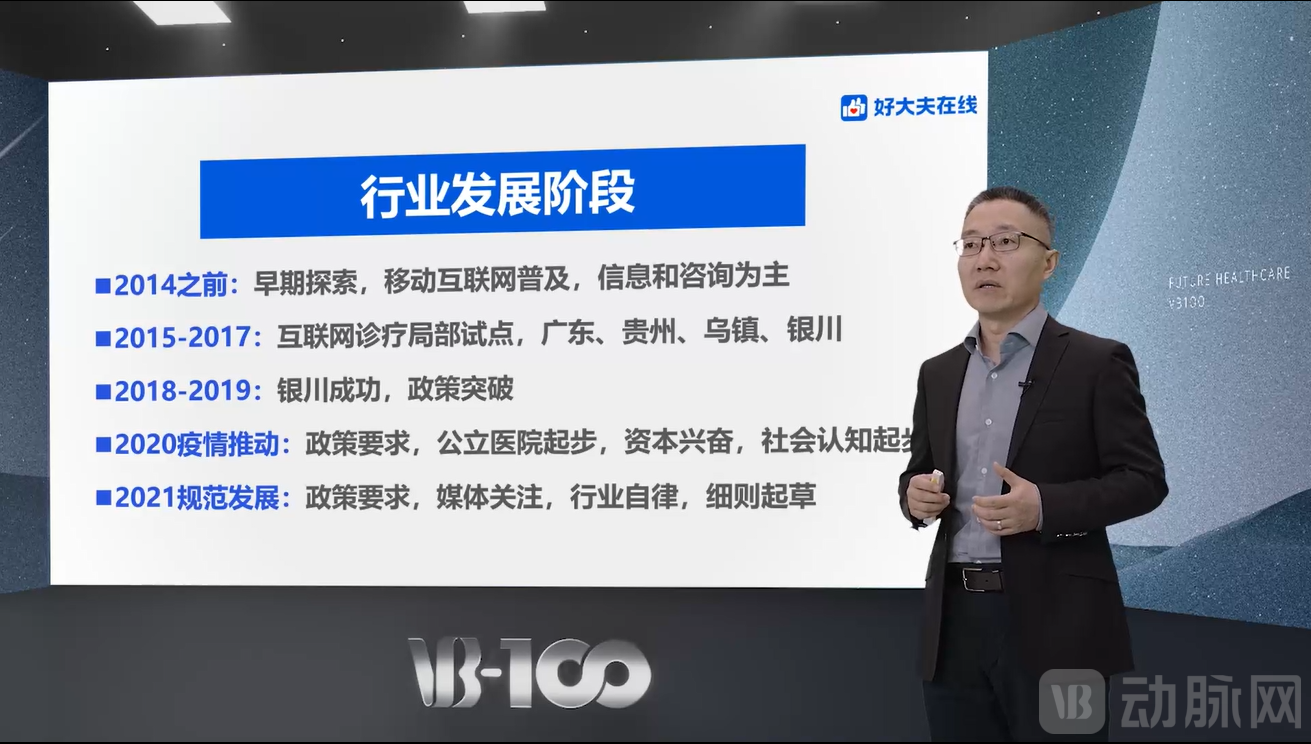
Wang Hang, Founder and CEO of Haodf.com
From the policy liberalization in 2018 to its expanded role in combating the pandemic in 2020, internet-based diagnosis and treatment has become a significant innovation within China’s healthcare system. In 2021, a series of regulatory documents fostered a favorable environment for the industry’s standardized development. During the Shanghai outbreak in 2022, nearly all public hospitals in Shanghai announced that their online hospitals remained operational despite restrictions on offline outpatient services. This marked a major milestone in the development of internet-based diagnosis and treatment, demonstrating that virtual consultations were fully functional. However, ancillary sectors emerged as new bottlenecks, such as pharmaceutical delivery services.
Therefore, the internet is merely a tool; its ultimate goal should be to drive qualitative transformation in the healthcare industry. Online prescribing is only the first step, while reshaping medical processes is the core mission. Only by calmly addressing the industry’s bottlenecks can the core value of internet-based healthcare be truly realized.
In the field of internet healthcare, there are two “ultimate” complaints: one is that doctors do not respond in a timely manner, and the other is that their responses are too brief. This is not an issue of systems or funding, but rather a matter of physicians’ time and energy, stemming from insufficient medical resources and low efficiency across society as a whole. The key to resolving this problem lies in assisting physicians in establishing a work system based on division of labor and collaboration, such as by providing professional physician assistants.
Qi Lei: “Digital Healthcare Technology Innovation: Providing Affordable Healthcare Coverage for the Public”
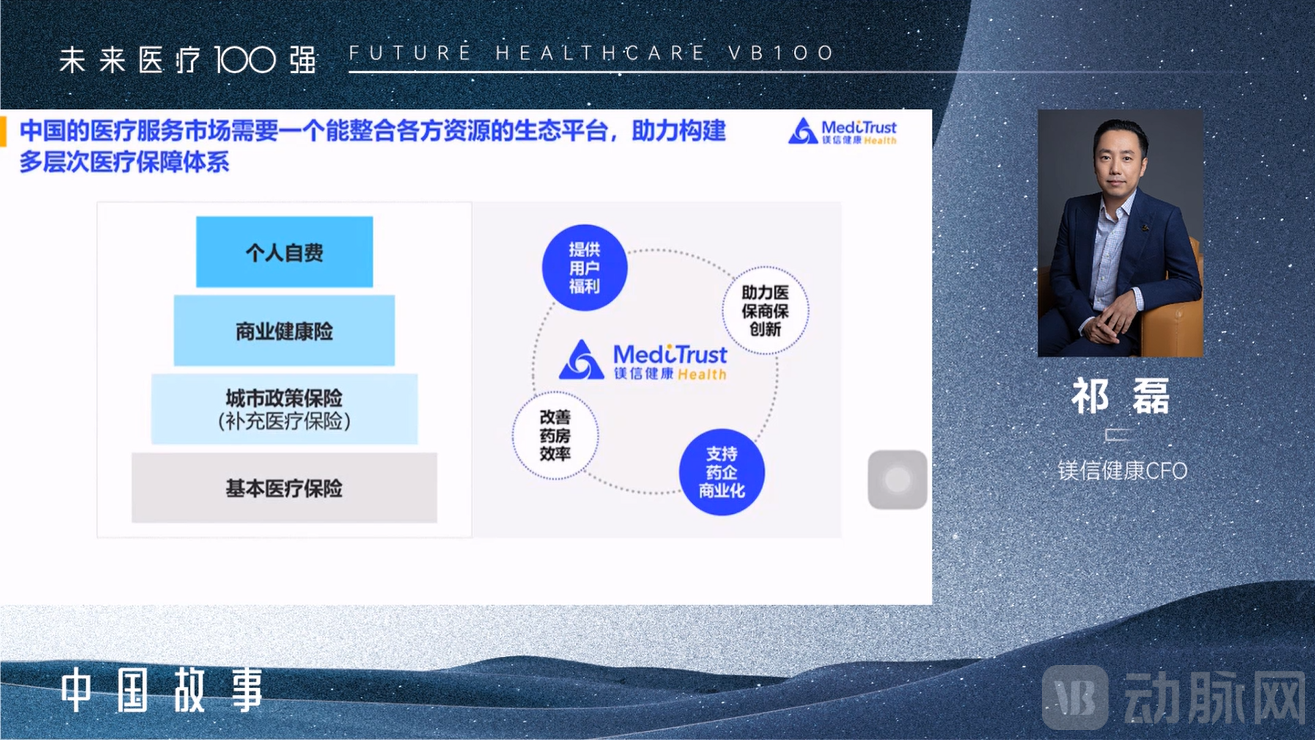
CFO of Magnesium Health, Qi Lei
China’s healthcare market is facing significant development opportunities. On the supply side, the acceleration of new drug approvals and the continuous emergence of novel therapies have led to an unprecedented abundance of offerings. On the demand side, rising per capita GDP has boosted consumer spending power, while rapid population aging has spurred higher-level demands for medical and health services. Regarding payment, public health insurance funds remain under sustained pressure, and commercial health insurance products—well-developed in overseas markets—are still in their early stages in China. As a result, out-of-pocket expenditures account for approximately 50% of total healthcare spending in China.
Compared with mature healthcare markets abroad, China’s healthcare market has yet to develop large-scale payers beyond basic medical insurance. The pharmacy sector is characterized by homogeneous competition, public hospitals hold an absolute advantage without having formed chain or group-based structures, and the pharmaceutical industry is still in the process of development. Overall, both the supply side and the payment side of healthcare are relatively fragmented, creating unique challenges for China’s healthcare market.
Therefore, China’s healthcare services market urgently needs an ecosystem platform capable of integrating resources from payers, providers, and other stakeholders, to help build a multi-tiered medical security system with basic medical insurance as the mainstay, supplemented by urban policy-based insurance (exemplified by “Huimin Bao”) as supplementary medical insurance, and further layered with commercial health insurance and out-of-pocket payments.
Zhang Jiangli: “Exploration of Cancer Early Screening Suitable for China’s National Conditions”
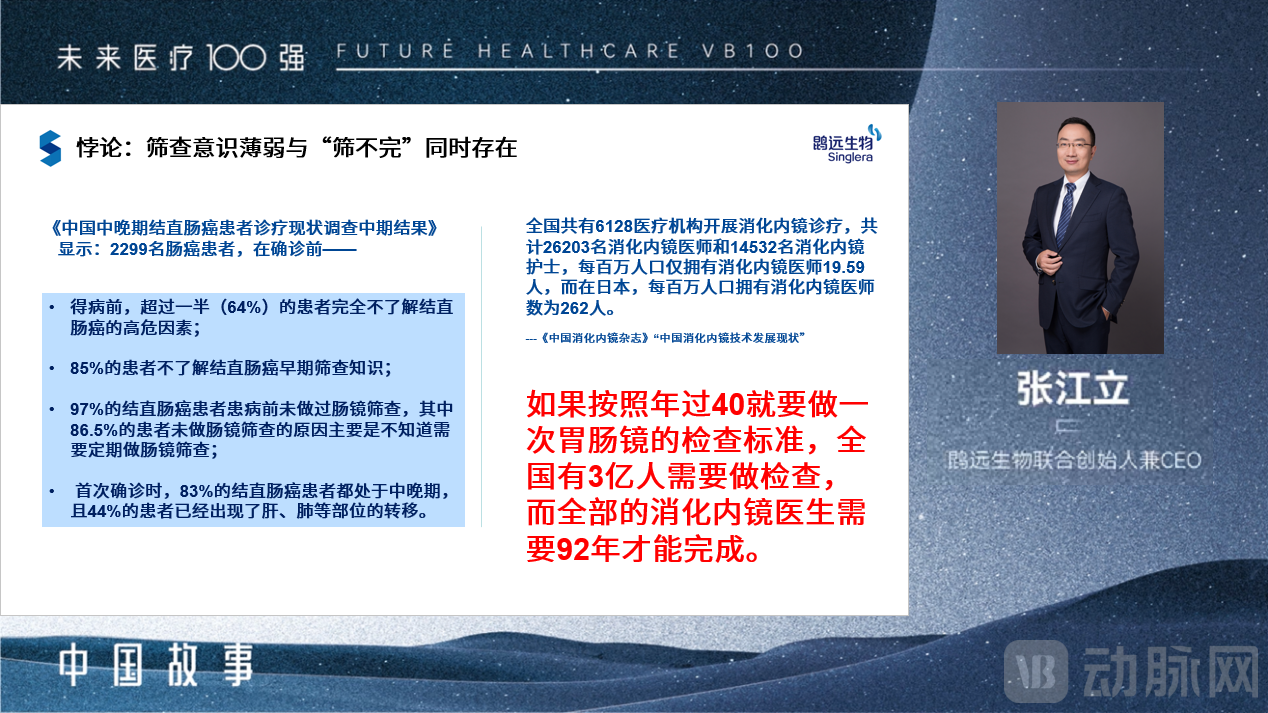
Zhang Jiangli, Co-founder and CEO of Kunyuan Bio
Early screening and diagnosis of cancer are key to helping cancer patients improve their survival rates and quality of life, and ultimately overcome the disease. There are two problems with cancer screening in China: one is that people have weak awareness of screening, and the other is that the resources for cancer screening services available domestically are limited and cannot be changed in the short term. There are four major challenges in grassroots cancer prevention and control in China: uneven distribution of medical resources, a severe shortage of oncology specialists, poor standardization of tumor diagnosis and treatment, and weak public awareness of screening. For wealthy and high-net-worth individuals, they require relatively high-quality and comprehensive cancer screening services. The market calls for early screening products that better fit China's national conditions, with high accuracy, simple methods, and differentiated pricing.
Kunyuan Bio has launched single-cancer screening products for primary healthcare check-ups and screenings, while also introducing multi-cancer screening solutions for premium health management. The company has currently deployed a portfolio of early screening products covering pan-cancer detection as well as specific cancers, including colorectal cancer, liver cancer, gastric cancer, esophageal cancer, lung cancer, and thyroid cancer.
Qiu Zejun: “Building China’s Leading Full-Cycle Oncology Healthcare Group”
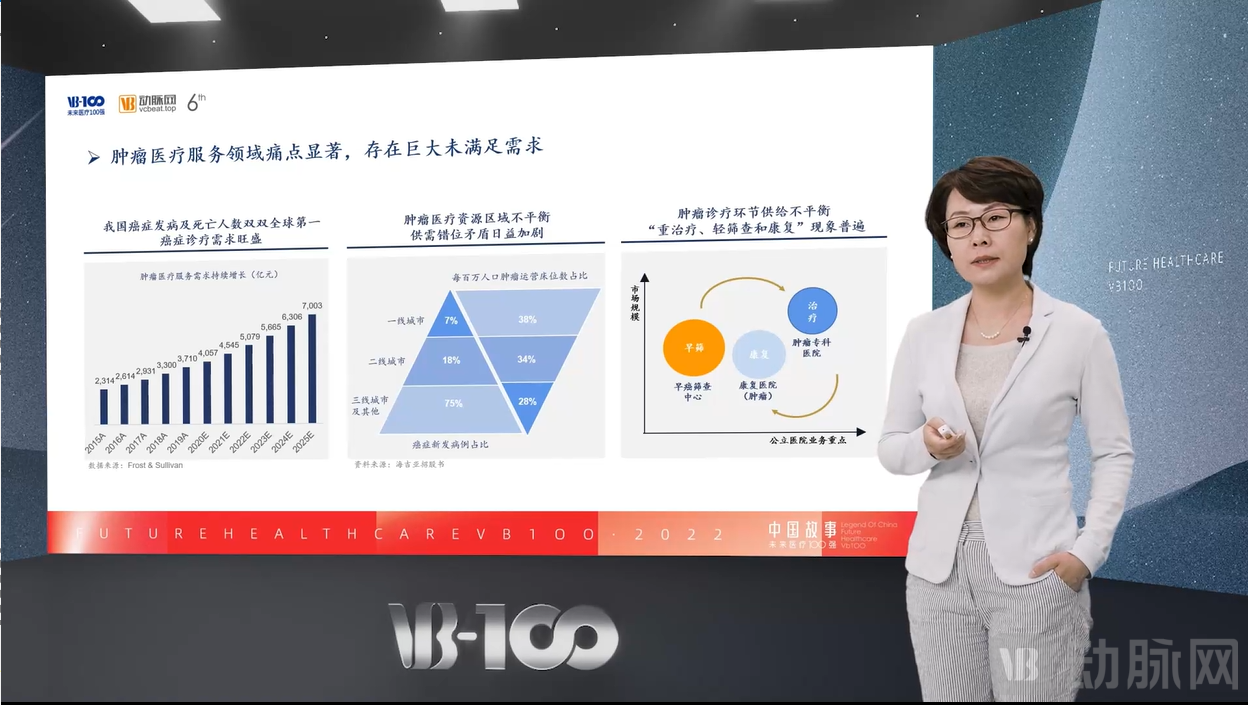
Qiu Zejun, Co-founder and Chairman of the Supervisory Board of Baize Medical
According to the 2020 Global Cancer Report released by the International Agency for Research on Cancer (IARC) of the World Health Organization, China recorded 4.569 million new cancer cases and 3.003 million cancer deaths, accounting for 23.7% and 30.2% of the global totals, respectively. China has thus become the country with the highest number of new cancer cases and cancer-related deaths worldwide. Currently, the oncology healthcare sector faces three major challenges. First, there is an imbalance in the allocation of oncology medical resources, resulting in a mismatch between the concentration of core oncology resources in first- and second-tier cities and the large number of cancer patients in third- and fourth-tier cities. Second, public hospitals, which bear the brunt of oncology service demands, primarily focus on cancer treatment, with prevalent tendencies toward “emphasizing treatment over screening” and “emphasizing treatment over rehabilitation.” Third, cancer patients face prolonged treatment cycles, high medical costs, and significant financial pressure.
Since its inception, Baize Medical Group has focused on building a high-quality oncology discipline system and an innovation-and-research platform. Centered on cancer treatment, it extends upstream to early cancer screening and downstream to rehabilitation, remaining committed to becoming a healthcare industry group dedicated to providing full-cycle cancer management services.