

Brain Science Industry Innovation Forum: Decoding the 'Final Frontier' of Life Sciences for an Innovative Future!
Brain science represents one of the fundamental scientific challenges facing human society and is regarded as the “final frontier” in humanity’s understanding of nature and itself. In China, brain disorders—including autism, sleep disorders, depression, Parkinson’s disease, and Alzheimer’s disease—affect more than 100 million patients, accounting for the largest share of the healthcare burden. With the continuous emergence of AI-driven innovations and ongoing advances in brain and cognitive sciences, breakthroughs in fields such as brain disorders are poised to trigger substantial industrial transformation.
Understanding the structure and function of the brain is one of the most challenging frontier scientific issues of the 21st century, with broad application prospects. Currently, advanced countries and regions worldwide, including the United States, the European Union, and Japan, are actively launching brain science initiatives. In 2021, China officially launched the multi-billion-yuan major national science and technology innovation project “Brain Science and Brain-Inspired Intelligence” under the Science and Technology Innovation 2030 framework (i.e., the “China Brain Project”). For the first time, brain science was independently listed as a key frontier field in China’s 14th Five-Year Plan, which clearly adopts a “one body, two wings” structure: focusing on elucidating the neural principles of brain cognition as the core, while developing treatments for major brain disorders and advancing next-generation artificial intelligence as the two supporting wings.
It is precisely due to the promising prospects of brain science and supportive policies that it has gained favor in the market. According to data from CB Insights, the global market size for brain science was $6.2 billion in 2020 and is projected to surpass $10 billion by 2024, with a compound annual growth rate (CAGR) of 17% expected from 2020 to 2024, positioning it as the next industry poised to bring disruptive impact to human society.
Against this backdrop, the 2022 6th Future Healthcare Top 100 Conference, in collaboration with Sequoia China, co-hosted the Forum on Innovative Development of the Brain Science Industry. Aimed at driving technological innovation and industrial transformation, the forum centered on research institutes, innovative enterprises, and investment institutions. It sought to amplify the voices of scientists, entrepreneurs, and investors shaping global competitiveness in the frontier fields of brain science, thereby facilitating the foundational incubation—from concept to application and from research to production—for the emerging core innovators who will lead the brain science sector in the next decade. Together, we strive to decode the innovation secrets of life sciences’ “final frontier.”
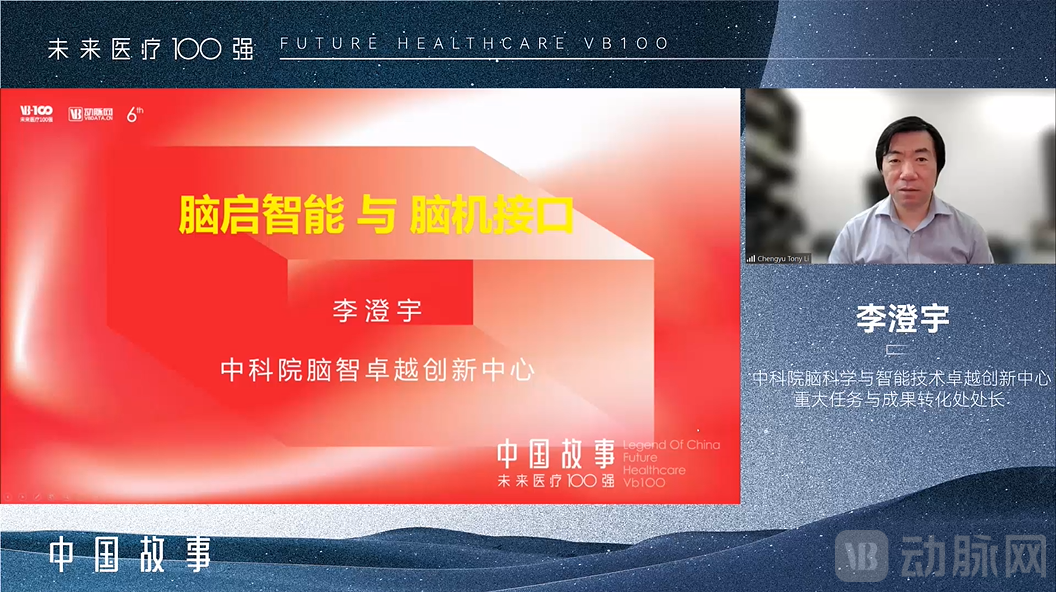
Li Chengyu | Researcher, Director of the Major Tasks and Achievement Transformation Division, Center for Excellence in Brain Science and Intelligence Technology, Chinese Academy of Sciences
Researcher Li Chengyu believes that the intelligent revolution in brain science is the focal point of the new generation of industrial revolution. Its development can be divided into three stages: brain analogy, brain-inspired, and brain-computer interface.
Humanity is currently in the second stage, drawing on extensive knowledge of brain principles to develop artificial intelligence algorithms. The research approach involves establishing foundational paradigms for various intelligent behaviors, employing diverse experimental and computational methods to elucidate the mechanisms of neural connectivity, investigating how different brain regions are interconnected, how they dynamically connect, and how they achieve more efficient computation, thereby inspiring novel brain-inspired intelligence algorithms.
Brain-computer interface (BCI) technology, as the core technology of the third stage, may bring about changes in social operation models and has become a high ground for global technological competition. Currently, the United States holds a leading advantage in BCI research, but China is also making efforts in this area, with independently developed technologies such as flexible electrodes that are at the forefront.
Finally, neuroscience is closely intertwined with the intelligence revolution. We look forward to greater collaboration among researchers in brain science and brain-computer interfaces, driving the next wave of technological innovation.
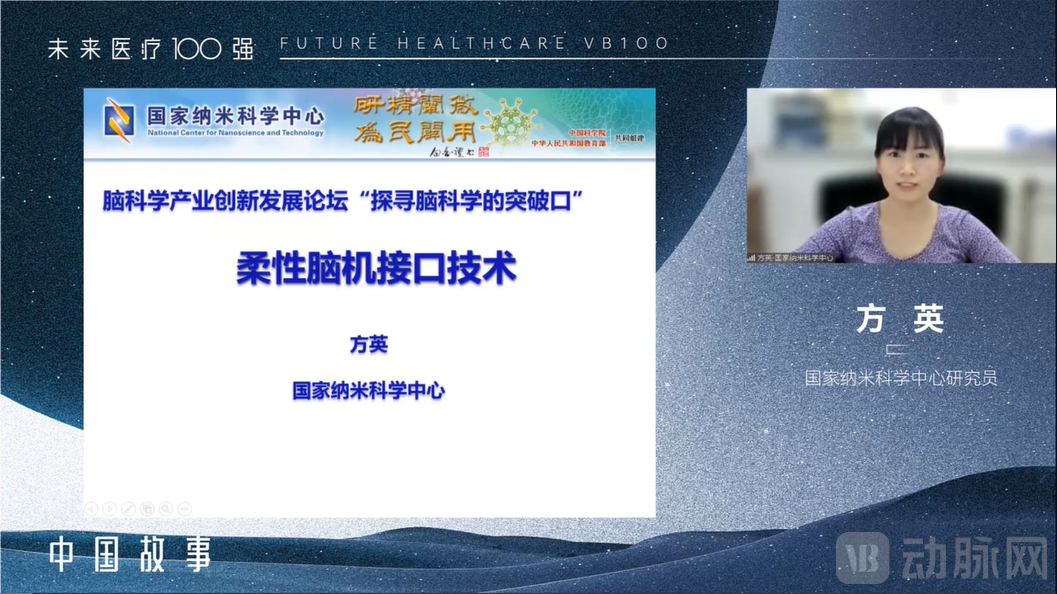
Fang Ying | Researcher, National Center for Nanoscience and Technology
Ms. Fang Ying introduced that in brain-computer interface technology, we construct a signal conversion interface between neural electrodes and neurons to convert neuronal ionic signals into electronic signals from the neural electrodes, thereby achieving recording of brain signals. Meanwhile, by applying electrical stimulation through the neural electrodes, we convert electronic signals back into ionic signals in the brain, thus enabling modulation of brain activity.
Traditional rigid electrodes tend to shift relative to brain tissue during body movement, causing damage to neurons near the implantation site and leading to signal recording failure. To address this issue, a series of smaller, softer flexible electrode technologies have emerged over the past decade. By leveraging self-assembly technology, we can reduce brain injury during the implantation of flexible electrodes and achieve stable recording of large-scale neural activity. Building on the acquisition of stable neural activity data, we have integrated optogenetic modulation to develop a bidirectional flexible brain–computer interface (BCI) technology, thereby enabling precise recording and modulation of neural activity in the brain.
In the coming years, flexible electrode technology will achieve stable recording and precise control of the activity of tens of thousands of neurons. Combined with fully implantable, closed-loop neural recording and modulation systems, it is expected to realize breakthroughs such as the restoration of whole-body motor function and high-precision visual prostheses.
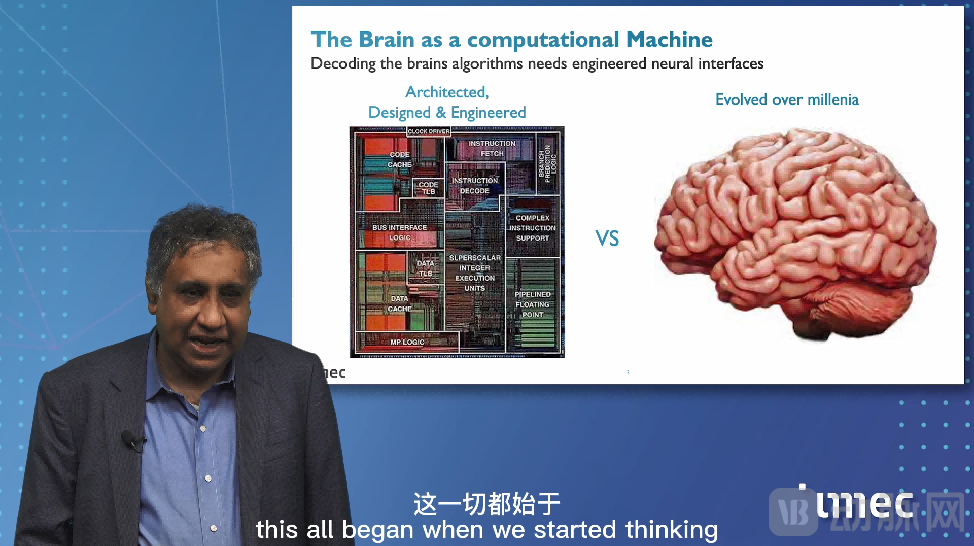
Barun Dutta | Chief Scientist, IMEC-STS
Barun Dutta, Chief Scientist at IMEC-STS, pointed out that people often forget that the brain is essentially a computer. However, a major difference between the brain and all our modern semiconductor microprocessing procedures, applications, and everything else is that we do not have a design manual for the brain.
In studies of various brain regions over the past decades, researchers have increasingly recognized that the brain is a highly interconnected system. A major challenge now lies in how to study the entire brain to understand its connectivity patterns. Currently, there are four distinct approaches to investigating brain connectivity: magnetic resonance imaging (MRI), electroencephalography (EEG), electrophysiological techniques, and Neuropixels neural probes.
Neuropixels neural probes are a modern electrophysiological tool that, by integrating 1,000 to 4,500 electrodes connected to a CMOS platform, enable ultra-high-resolution recording, fundamentally enhancing and complementing the entire field. Currently, Neuropixels technology can simultaneously record from up to 10,000 neurons, effectively covering nearly all essential cortical layers and regions.
In the future, Barun Dutta’s team will develop deep brain probes and probes capable of single-cell-specific electrophysiological studies.
Developing a platform technology and applying it to a new field can generate transformative impacts across multiple directions within that field, leading to novel discoveries and thereby driving a revolution in neuroelectronic medicine.
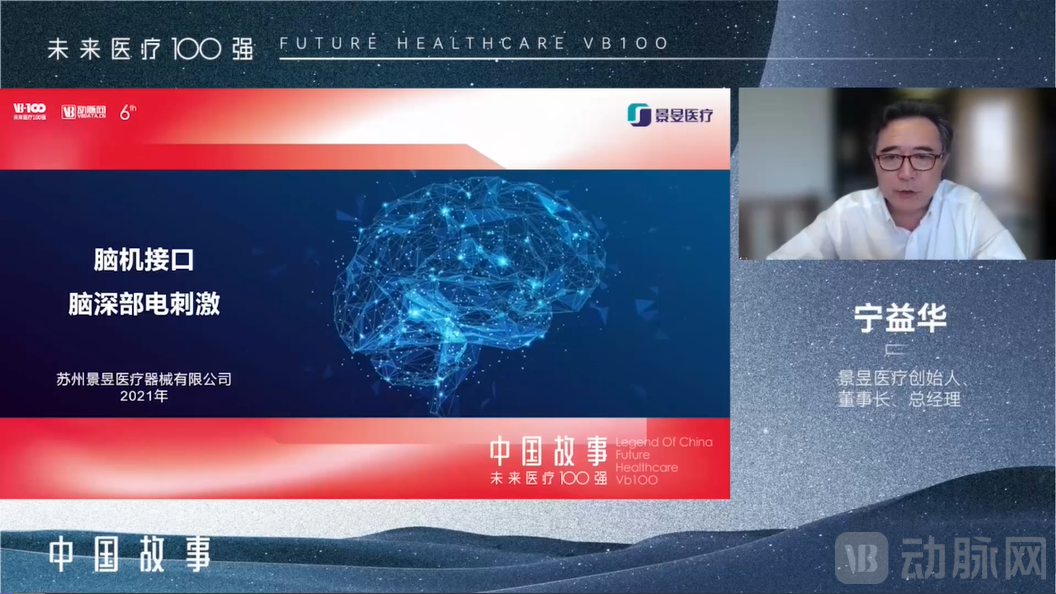
Ning Yihua | Founder, Chairman, and General Manager of Jingyu Medical
Jingyu Medical specializes in brain-computer interface pacemakers (DBS technology), primarily treating brain functional disorders through deep brain stimulation. Jingyu Medical’s DBS products have been clinically applied in the treatment of Parkinson’s disease. Furthermore, Jingyu Medical pioneered dual-target DBS technology, achieving globally leading breakthroughs in the treatment of drug addiction and obsessive-compulsive disorder. The product has also received FDA Breakthrough Device Designation following independent third-party testing and evaluation.
Mr. Ning Yihua also shared his views on the future of the medical device industry. From 2005 to the present, China’s medical device industry has undergone two phases: prior to 2020, the industry primarily focused on import substitution and learning advanced technologies; starting in 2020, with a strengthened talent pool and mature supporting technologies and industrial ecosystems, China has begun to move toward the forefront of global R&D. The era of first-in-class innovation has arrived. We need to integrate biology with clinical science to develop innovative devices and diagnostic-therapeutic solutions; prioritize international competitiveness in products and technologies; and build capabilities for the market promotion of new technologies.
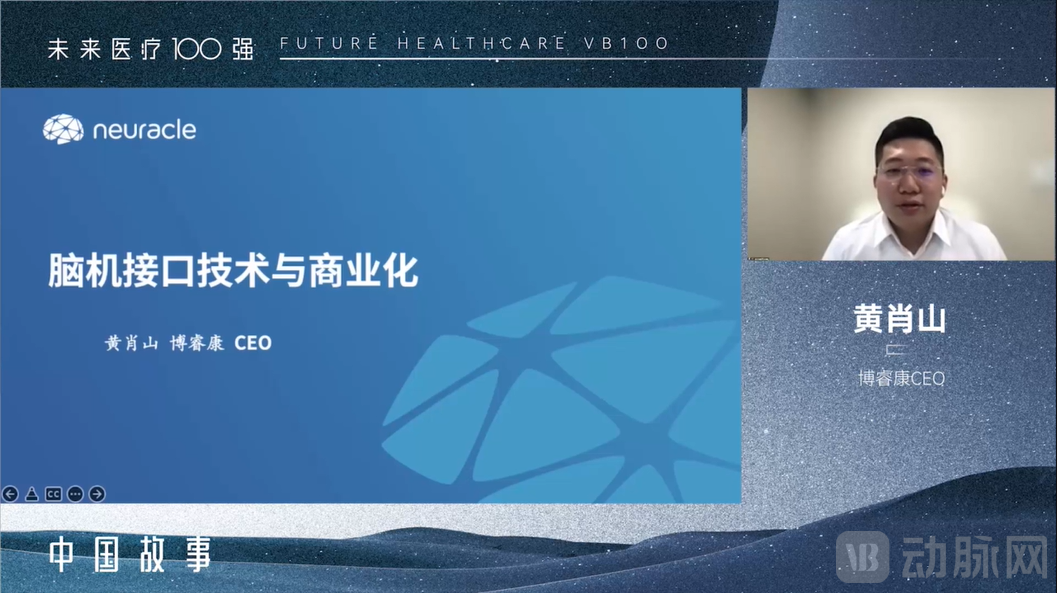
Huang Xiaoshan | CEO of Bonree
Brain-computer interface is a pathway connecting the brain to the external world. This requires addressing two key considerations, akin to those in communication technology: bandwidth and content.
Currently, the development of brain-computer interfaces (BCIs) is focused on advancing core technologies to increase bandwidth and creating commercially viable products. Although many promising examples worldwide have demonstrated impressive results in laboratory settings, translating these achievements from the lab to commercial deployment remains a significant challenge.
Mr. Huang Xiaoshan shared his insights on the future development of brain-computer interfaces (BCIs): The integration of industry, academia, medicine, and research is the most significant driver of BCI advancement, accelerating the translation from fundamental principles to products and promoting the practical implementation of BCI technology. Technologically, NeuroXess leverages innovative technologies as its core driving force, conducts multi-level scientific research, and extends its innovative products into real-world studies and academic competitions, thereby establishing a diversified research system. In terms of products, NeuroXess has been consistently advancing the research and development of minimally invasive and non-invasive BCI platforms. Building upon this platform-based technology, it manufactures a comprehensive product line spanning from treatment to rehabilitation.
To borrow a quote from Stephen Hawking to evaluate brain-computer interfaces: "The future of communication is brain-computer interfaces; this revolutionary technology will make life better."
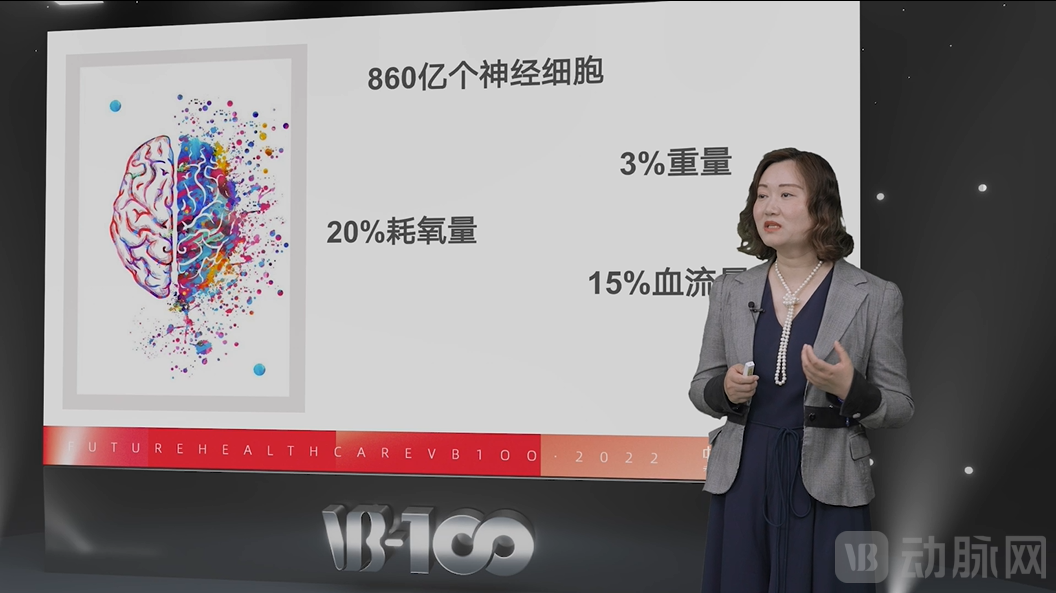
Qin Lan | Founder and Chairman of U-Brain
The human brain consumes 20% of the body’s total oxygen demand, and 15% of systemic blood flow is directed to it. However, since all nutrients and oxygen are delivered to the brain via only four intracranial arteries, these vessels are at heightened risk of pathological changes. Data indicate that stroke has become the leading cause of death in China.
So, what role can AI play in the diagnosis and treatment of stroke?
On the treatment side, AI technology can improve the accuracy of catheter placement—the most critical step in stroke surgery. In particular, with the assistance of this AI technology, junior physicians can achieve catheter placement success rates that surpass those achieved by senior physicians working independently, thereby significantly enhancing the level of stroke care in primary healthcare institutions across China.
At the diagnostic stage, AI technology can integrate multiple imaging modalities, such as CT and MRI, to generate clearer and more accurate localization of disease sites. Meanwhile, it leverages AI algorithms to produce multimodal comprehensive assessments of lesions, thereby assisting clinicians in selecting the most appropriate treatment plan—whether surgical, pharmacological, or conservative—during clinical decision-making.
In the future, Ms. Qin Lan hopes that AI technology can be applied throughout the entire process of stroke diagnosis and treatment, enabling early prediction of stroke risk and identification of risk factors during earlier-stage health checkups and screenings.
By leveraging early screening through physical examinations and implementing effective interventions, we aim to minimize the incidence of stroke, substantially improve the nation’s health status, and fulfill the company’s long-standing mission of “AI-empowered healthcare, technology safeguarding life.”
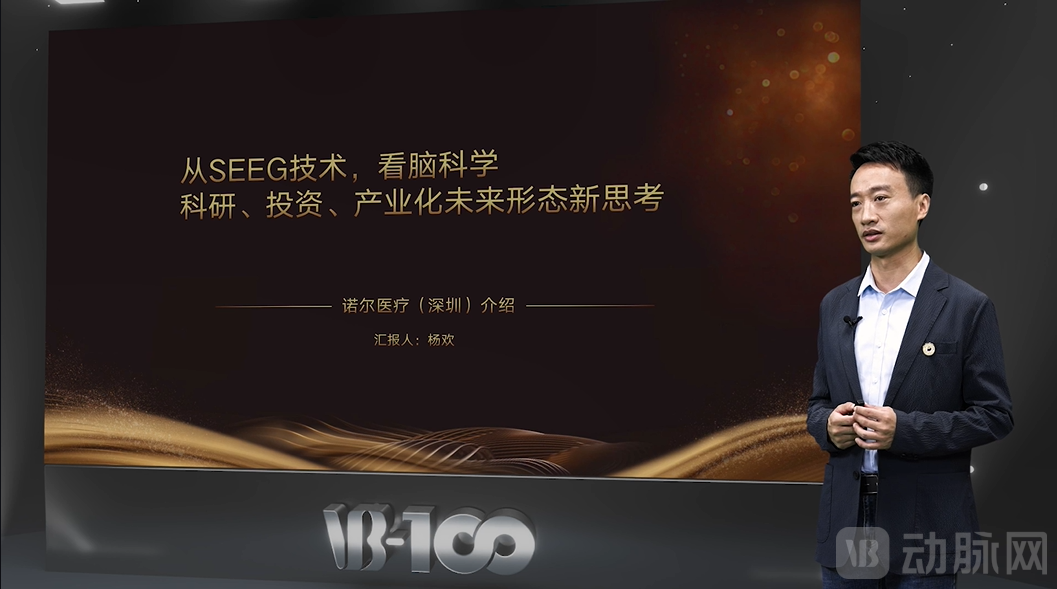
Yang Huan | Founder & CEO of Nuor Medical
Stereoelectroencephalography (SEEG) helps humans gain a deeper understanding of internal brain connectivity. Looking at SEEG technology alone, it took half a century to progress from clinical recognition to clinical consensus, and another 20 years to move from clinical consensus to global consensus. How many more years will it take to go from academic consensus to industry consensus, and finally to the commercial implementation of the technology?
Although national policies currently provide support and there is deep collaboration among medical, engineering, academic, and industrial sectors, companies still face various challenges in implementing their technologies. Nuoer’s five years of development experience demonstrate that innovation and its commercialization in the healthcare industry depend on favorable timing, advantageous conditions, and strong human resources.
Mr. Yang Huan believes that the future landscape of brain technology requires more than just Noer’s participation; it demands the concerted efforts of multiple stakeholders to achieve the industrialization of stereoelectroencephalography (SEEG). Without Noer’s technology, China’s brain science development might merely lose “a single tree.” However, without the combined forces of eight key sectors—medicine, engineering, government, enterprise, finance, industry, academia, and research—China’s brain science development would risk losing not just “a single tree,” but “an entire forest.”
The 21st Century: The Era of Brain Science, Key to Major Breakthroughs Shaping Humanity’s Future
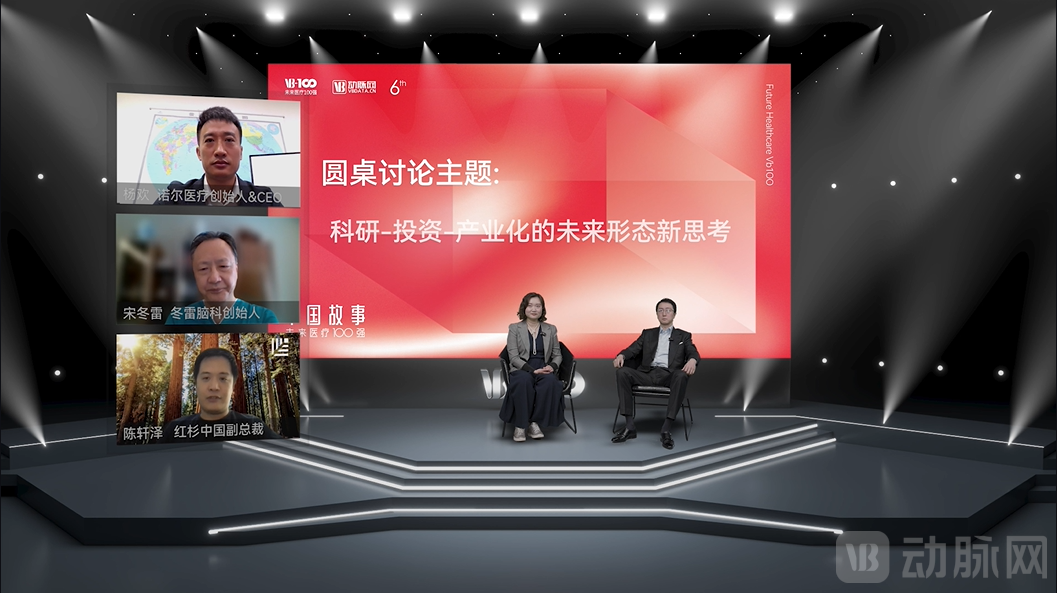
On June 14,2022 · The 6th Future Healthcare 100 Conference, Forum on Innovative Development of the Brain Science IndustryAt the event, Chen Xuanze, Vice President of Sequoia China; Lv Yiran, CEO of Aico Medical; Song Donglei, Founder of Donglei Brain Hospital; Qin Lan, Founder and Chairman of UnionStrong Intelligence; and Yang Huan, Founder and CEO of Nuore Medical, engaged in a roundtable discussion themed “New Reflections on the Future Landscape of Research–Investment–Commercialization,” offering valuable insights into advancing brain disease research.
Professor Song Donglei, Founder of Donglei Brain HospitalFrom a physician’s perspective, three levels of brain science research were shared.
The first level is to understand our brain. The complexity of neurological disorders lies in the fact that many conditions are not merely localized issues but rather network-level problems, with interconnected nodes interacting with one another.
The second dimension is from a clinical perspective. After identifying the etiology and location of the lesion, how can we physicians effectively treat the disease while minimizing surgical trauma?
The third level is to strengthen communication between researchers and developers, fostering interactive collaboration on the same research topic.
Yang Huan, CEO of Nuoer MedicalWhen discussing the challenges facing brain science, he stated that for a new technology to progress from discovery to industrialization, it first requires academic consensus—including input from clinicians—and must then undergo extensive experimentation to address ethical and technical safety concerns before it can gain widespread acceptance. Only under these premises can industrialization be pursued. This process involves numerous difficulties. He emphasized that the most critical factor is protecting source innovation, which essentially means safeguarding the enthusiasm of scientists and physicians to engage in exploratory efforts.
Lu Yiran, CEO of Echo MedicalIt also elaborates on the considerations from the corporate perspective during the industrialization process.
First, are there investors willing to share the risks with enterprises in developing a therapy or medical device that does not currently exist anywhere in the world?
Second, whether hospitals and the National Medical Products Administration (NMPA) can provide sufficient support for innovative products.
Third, can patients accept the latest technology when confronted with a novel therapy or medical device?
Qin Lan, Founder and Chairman of UnionStrong IntelligenceWe anticipate that as the number of original Chinese products continues to grow, a more favorable ecosystem will emerge. This environment requires closer integration among industry, academia, and research institutions, as well as greater government support across regulatory approval, clinical trials, and subsequent commercialization. Only with such a robust medical-engineering ecosystem can original Chinese products gradually mature and thrive.
Chen Xuanze, Vice President of Sequoia ChinaSequoia China established the Sequoia China Brain Science Incubation Center in Zhangjiang, Shanghai, at the end of 2021. The aim is to collaborate closely with research institutions and clinical experts to build an internationally leading platform for brain science technology research and industrial incubation, accelerate the commercialization of technological products, and contribute to the intervention, diagnosis, and treatment of brain diseases. Sequoia China’s investments in the field of brain science have always been guided by a “semi-public welfare” philosophy, seeking to integrate various stakeholders in brain science research to foster a robust R&D ecosystem that supports ongoing development and incubation.