

The Era of Precision Medicine: Personalized Diagnosis and Treatment Ushering in Life's Bespoke Healthcare
China sees nearly 5 million new cancer cases annually. The “King of Diseases” inflicts a catastrophic blow on every affected family, both physically and psychologically. Throughout the history of humanity’s fight against cancer, efforts have been relentlessly focused on tumor diagnosis and treatment, yet for a long time, options remained severely limited. It was not until the advent of modern medicine that therapeutic outcomes improved significantly. Over the past century, cancer treatment has undergone a transformation from empirical medicine to evidence-based medicine, and further to translational medicine and personalized care, resulting in a 65% increase in long-term survival rates.
Since the launch of the Human Genome Project in 1990, DNA sequencing has undergone revolutionary changes in both throughput and cost. The development of new technologies has led some researchers to shift their focus on disease etiology to the molecular level, giving rise to personalized medicine. Personalized diagnosis and treatment have been integrated into every aspect of lung cancer management, comprehensively driving new breakthroughs in oncology care models.
Currently, personalized cancer therapy has transitioned from an aspirational vision to clinical practice. Precision treatment modalities, such as molecular subtype-based targeted therapy and immunotherapy, have significantly improved survival rates and quality of life for cancer patients. Against this backdrop, targeted precision diagnostic methods represented by next-generation sequencing (NGS) technology are gradually moving from research laboratories into practical applications in clinical pathology departments. Recognizing the opportunities brought by personalized diagnosis and treatment to the healthcare market, industry giants have actively established their presence in this fertile field.
In this context, hosted by VB100 and VCBeatForum on Innovations in Personalized Diagnosis and Treatment, we will closely follow the entire course of cancer diagnosis and treatment, actively introduce the most cutting-edge technological research achievements, and demonstrate the changes brought by personalized diagnosis and treatment to the field of oncology. Currently, in the field of oncology, personalized diagnosis and treatment have achieved preliminary results; this article discusses the challenges and requirements posed to corporate product R&D during the process of personalized diagnosis and treatment, the future development direction of personalized cancer diagnosis and treatment, and the opportunities that personalized diagnosis and treatment bring to the healthcare market.
Cui Lulu: 2022 Industry Research Report on Early Cancer Screening—Commercial Implementation Led by Liquid Biopsy
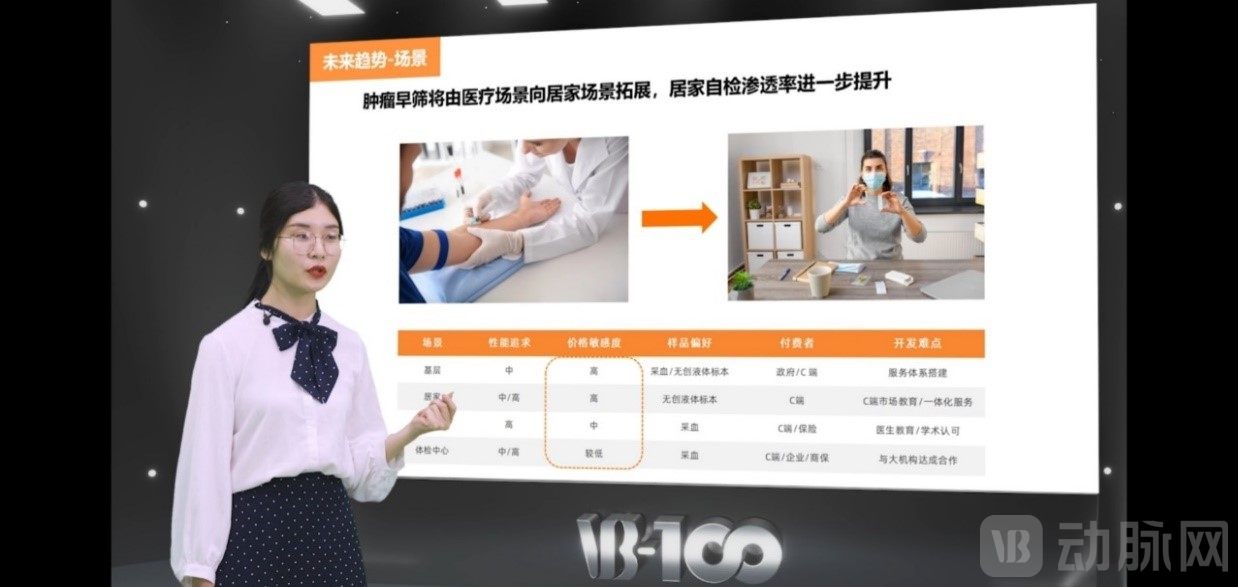
Cui Lulu | Senior Researcher, VCBeat
Ms. Cui Lulu pointed out that the current cancer mortality rate in China is significantly higher than the incidence rate, a consequence of delayed diagnosis. This issue has also garnered national attention, with policy evolution directed toward the gradual implementation of genetic technologies and the promotion of early screening for prevention and control.
In recent years, early screening has gradually attracted widespread attention from relevant enterprises due to its promising advantages, with liquid biopsy emerging as a representative of novel early-screening approaches. Liquid biopsy primarily employs high-throughput sequencing and PCR technologies. While complementing traditional early-screening methods, it offers the following advantages: high specificity, minimal invasiveness, ease of operation, and improved patient compliance.
The commercialization of early screening products primarily targets hospitals (H-end), businesses (B-end), government (G-end), and consumers (C-end). In the hospital sector, early screening facilitates the rational allocation of medical resources, with the in vitro diagnostics (IVD) model offering long-term strategic advantages. Among business clients, health examination centers represent a preferred implementation scenario for early screening products, creating a closed-loop ecosystem when integrated with insurance services. For government initiatives focused on public welfare, these projects deliver significant health economic and social benefits, making them a strategic choice for enterprises at the current stage. On the consumer side, driven by the maturity of logistics and supply chain systems and the progressive commercialization of early screening products, the convenience of home-based testing will further increase market penetration.
Zhang Rui: A Panoramic Glimpse into Next-Generation Pathology (NGP): Empowering Precision Diagnosis and Treatment of Tumors
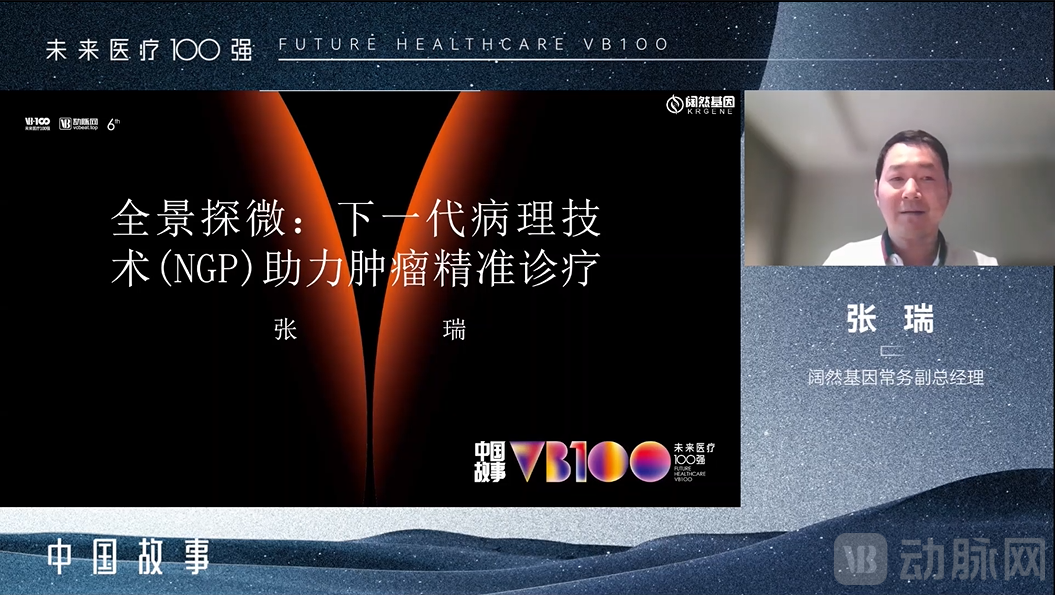
Zhang Rui | Executive Deputy General Manager, Kuoran Gene
Mr. Zhang Rui analyzed that, as pathological morphology and classification become increasingly complex, the healthcare industry’s demand is gradually shifting from qualitative assessment to predictive diagnosis, while the current industry structure remains inadequate.
On the one hand, traditional pathological diagnosis fails to meet clinical demands: conventional methods suffer from significant inaccuracies, and given the current uneven distribution of hospital resources in China, the substantial potential of pathology departments remains to be tapped.
On the other hand, current precision medicine technologies have the following limitations: first-generation sequencing PCR technology detects only single and known sites, and its throughput is limited by instrument startup constraints, restricting its application in hospitals at all levels and covering a limited number of genes; second-generation sequencing (NGS) technology is costly and lacks sufficient refinement in diagnosis and treatment. Therefore, the development of novel precision medicine technologies has become one of the industry's trends.
In response to this current landscape, Next-Generation Pathology (NGP), integrated with second-generation sequencing technology, has emerged. This technology addresses the limitations of traditional medical practices by acquiring comprehensive information on the tumor immune microenvironment: a single tissue section can be labeled for multiple targets, enabling whole-slide quantitative scanning and thereby characterizing the in situ spatial relationships between cells.
Furthermore, NGP is not subject to technological monopolies. In practical applications, it offers advantages such as low cost, controllable detection throughput with no startup throughput limitations, and the direct use of immunohistochemistry billing codes.
In the future, NGP will be applied across multiple disciplines, enabling industrialization and clinical application throughout the upstream, midstream, and downstream sectors.
Zhong Liangqi: MRD Testing and Precision Oncology
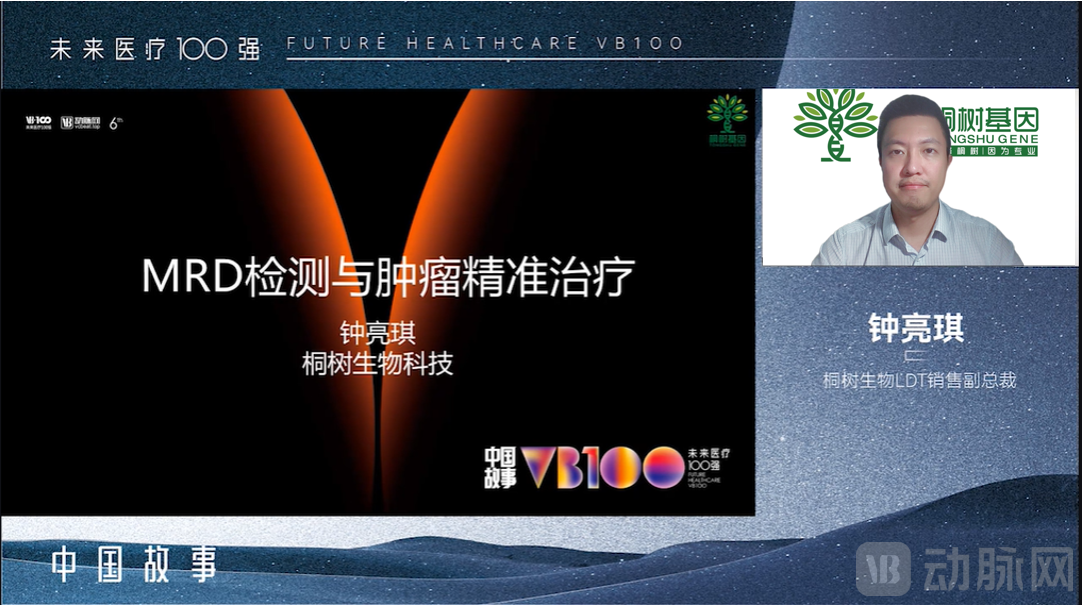
Zhong Liangqi | Vice President of Tusu Genomics, Head of the Genetic Testing Services Division
Mr. Zhong Liangqi believes that minimal residual disease (MRD) is a significant factor contributing to tumor drug resistance and recurrence, as well as an important indicator for prognosis assessment. In practical applications, the combination of MRD evaluation and dynamic ctDNA monitoring enables comprehensive and precise management of cancer patients throughout their care journey. Compared with other methods, ctDNA-MRD is non-invasive,The advantage of repeatable sampling can significantly improve patient experience.
Currently, there are two strategies for ctDNA-MRD testing: Tumor-agnostic (does not require tumor tissue; offers broad coverage with a fixed panel but is limited in sequencing depth); and Tumor-informed (capable of tracking mutations present in the primary tumor, but requires tissue samples, involves longer turnaround times and higher costs, and may miss new mutations arising after tumor metastasis).
ctDNA-MRDIt is applicable to clinical scenarios such as postoperative monitoring for lung cancer, colorectal cancer, and bladder cancer. It demonstrates high accuracy in predicting recurrence, thereby providing a robust basis for guiding treatment strategies. The primary limitation currently lies in sample loss across various steps of the detection process.
The future oncology genetic testing market will evolve toward the pre-disease stage, with early screening technologies and minimal residual disease (MRD) recurrence monitoring becoming the primary application scenarios for genetic testing, representing a vast potential market size.
Wang Weifeng: Applications and Prospects of MRD in the Era of Digital Precision Diagnosis and Treatment
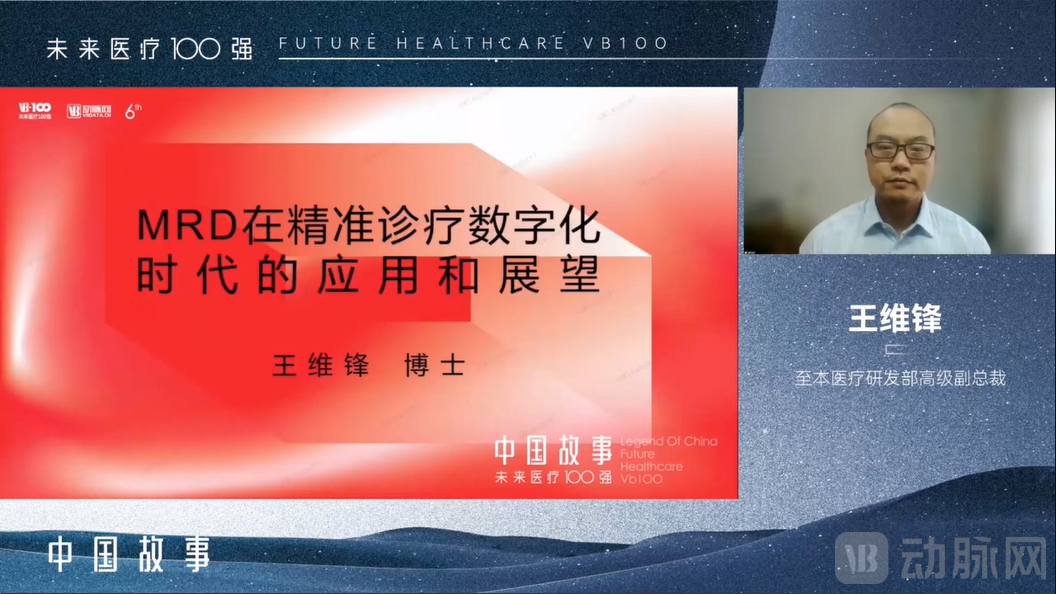
Wang Weifeng | Senior Vice President, R&D Department, GenomiCare
Dr. Wang Weifeng has put forward the following insights regarding personalized diagnosis and treatment: Minimal Residual Disease (MRD) is a critical factor contributing to tumor drug resistance and recurrence, as well as an important indicator for prognosis assessment. Currently, MRD detection requires extremely high sensitivity; therefore, it is typically performed using Tumor-informed methods that can track mutations present in the primary tumor. Once whole-exome sequencing (WES) is performed on tumor tissue samples obtained via surgical resection or needle biopsy, a customized NGS panel can be created to highlight target regions of interest for subsequent sample testing. Therefore,Tumor-informed or personalized approaches are currently a powerful method for ctDNA-based MRD detection.
MRDIt demonstrates strong versatility, making it suitable for specific applications such as defining treatment endpoints, predicting prognosis, and monitoring postoperative recurrence. Compared with conventional imaging techniques, MRD can detect signs of minimal residual disease recurrence at an earlier stage, with significantly higher monitoring accuracy. Therefore, it can serve as a predictive biomarker for adjuvant immunotherapy.
Xia Yuchao: Micro-tumor Drug Sensitivity Testing Technology Leads to New Breakthroughs in Precision Oncology Diagnosis and Treatment
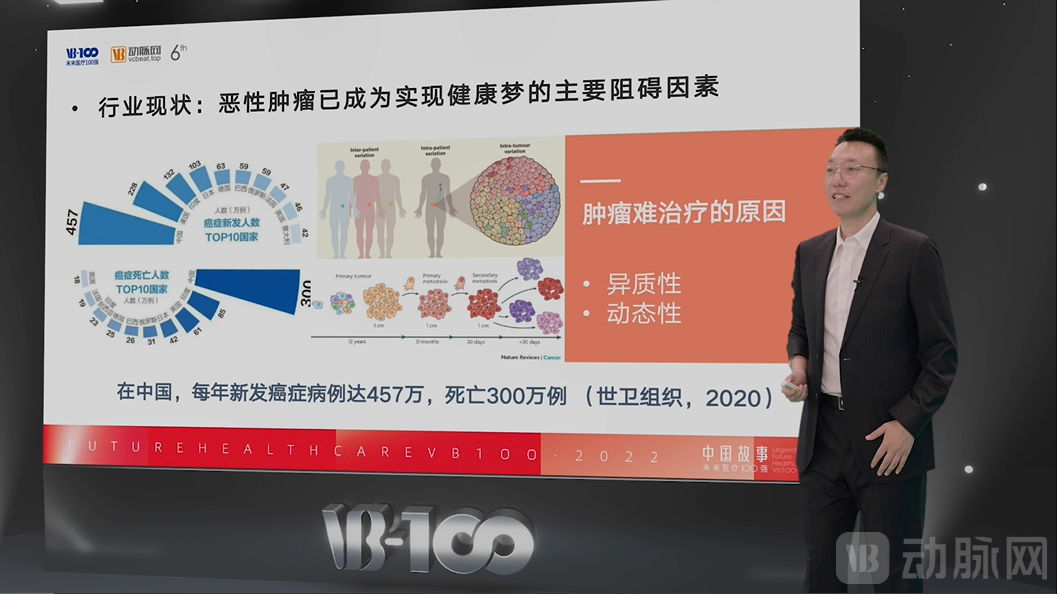
Xia Yuchao | Chief Information Officer of Cornerstone Life
Mr. Xia Yuchao pointed out that malignant tumors have become the main obstacle to achieving the dream of health, and the primary reason for this is the lack of technologies in the market that can accurately predict drug efficacy. The micro-tumor PTC in vitro drug sensitivity test, independently developed by Basecare Life Sciences, precisely fills this gap in the market.
Compared with traditional technologies, PTC has developed a novel mechanism in which patient-derived tumor cells self-assemble to form microtumors. The self-assembled microspheres obtained through 3D suspension culture offer advantages such as high fidelity, heterogeneity, and strong clinical applicability.
During production, PTC demonstrates significant advantages in terms of cycle time, cost, throughput, and standardization. In terms of test results, PTC features high predictive accuracy (93% clinical concordance), a high culture success rate (90%), a short testing turnaround time (approximately two weeks), and enhanced safety, making it well-suited for large-scale manufacturing and application. Furthermore, all reagents and consumables used are domestically produced in China, eliminating any risk of trade restrictions. The project has also received support from government authorities at various levels.
PTCApplicable to chemotherapy and targeted therapy drugs, promising progress has also been made in predicting the efficacy of immunotherapy. Research is ongoing, with clinical trials for gastrointestinal tumors and breast cancer already completed. Currently, 12 clinical studies covering eight major cancer types are being conducted in collaboration with dozens of Grade IIIA hospitals.
Jiao Yanli: New Directions in Precision Diagnosis After NGS—Seven Major Technology Platforms Accelerate the Clinical Adoption of Mass Spectrometry
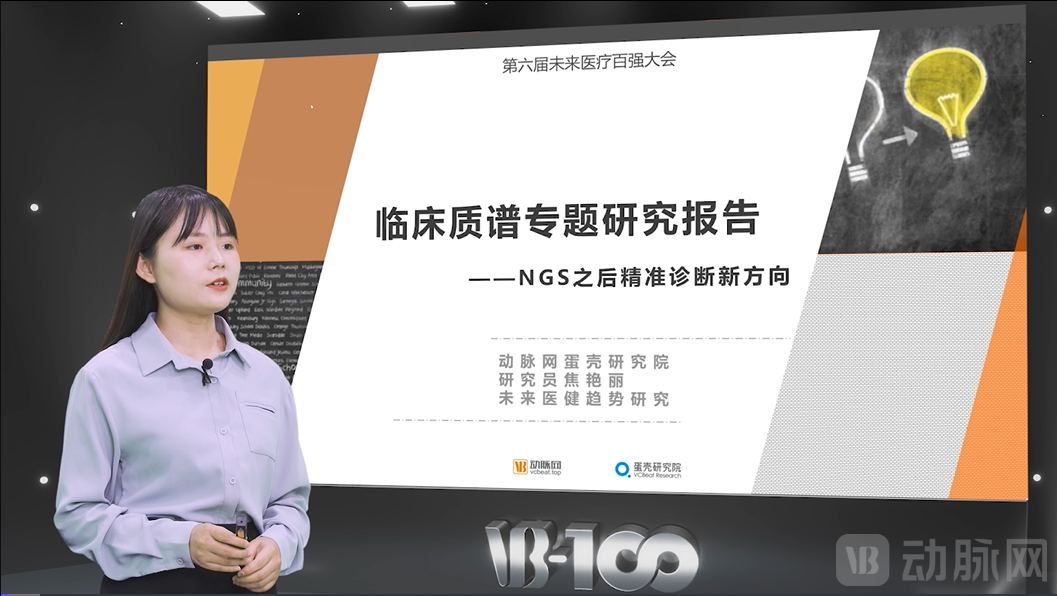
Jiao Yanli | Senior Researcher, VCBeat
Ms. Jiao Yanli believes that clinical mass spectrometry is a crucial component of personalized diagnosis and treatment, representing an emerging market in the field of in vitro diagnostics (IVD). It is expected to become the new frontier in precision diagnostics following next-generation sequencing (NGS). Currently, the industry as a whole is in its early stages of development but experiencing rapid growth, garnering significant attention and policy support from the government.
Clinical mass spectrometry features high specificity, high sensitivity, and multi-analyte profiling capabilities. It provides molecular weight and rich structural information on analytes, positioning it as a promising candidate for routine in vitro diagnostic technology. As penetration in routine testing applications increases and new untapped applications enter the market, the market size of clinical mass spectrometry is expected to expand continuously.
The primary challenge currently facing clinical mass spectrometry is the pronounced import monopoly on liquid chromatography-tandem mass spectrometry (LC-MS/MS) instruments. Domestic enterprises need to resolve compatibility issues between instruments and reagents to achieve better development.
It is anticipated that the application of liquid chromatography-tandem mass spectrometry (LC-MS/MS) testing will evolve from a niche, specialized model to a comprehensive, large-scale approach, expanding from existing markets to incremental ones. This strategic layout will be accompanied by business models characterized by the domestic substitution of instruments, point-of-care testing (POCT) integration, laboratory automation through assembly lines, and an in vitro diagnostics (IVD)-dominant framework supplemented by laboratory-developed tests (LDTs).
Roundtable Discussion: Personalized Life: Precision Oncology Opens a New Chapter in Future Cancer Treatment
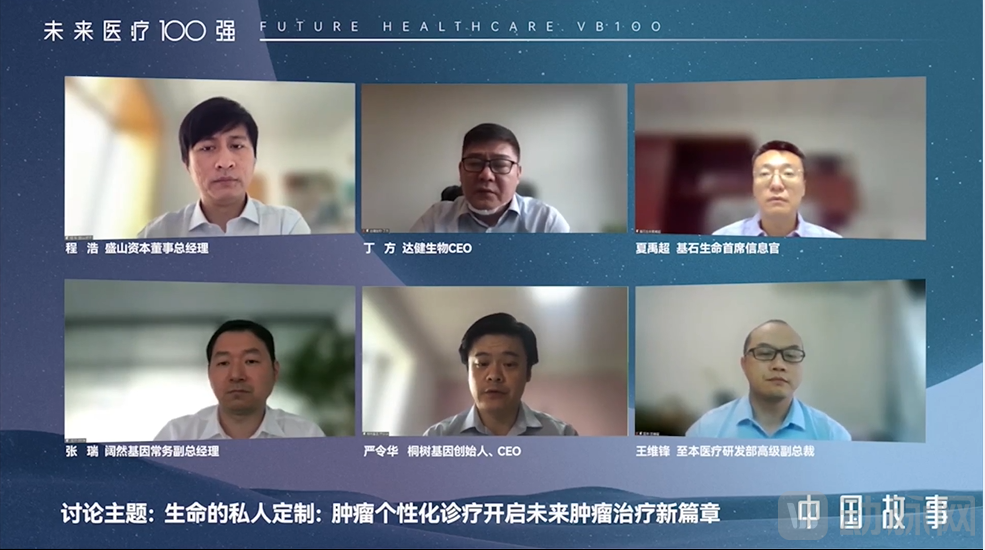
6On the 17th, in2022·The 6th Future Healthcare100VBInsight Forum on Personalized Diagnosis and TreatmentCheng Hao, Managing Director at Shengshan Capital; Ding Fang, CEO of Dajian Biotech; Zhang Rui, Executive Deputy General Manager of Kuoran Genomics; Xia Yuchao, Chief Information Officer at Cornerstone Life Sciences; Yan Linghua, Founder and CEO of Tumor Tree Genetics; and Wang Weifeng, Senior Vice President of R&D at ZhiBen Medical engaged in a roundtable discussion themed “Personalized Medicine for Life: Tumor Personalized Diagnosis and Treatment Opens a New Chapter in Future Cancer Therapy,” offering valuable insights into advancing the development of personalized oncology.
Cheng Hao, Managing Director at Shengshan Capital, commented: "In recent years, the precision medicine sector for oncology has witnessed rapid development, with numerous novel diagnostic technologies emerging. Among these, early cancer screening technologies stand out as particularly prominent. Currently, most of these technologies remain in the post-R&D stage and are still far from practical clinical application. Regarding R&D efficiency, collaboration between technology companies and pharmaceutical firms is a critical factor influencing this metric. Identifying appropriate models for such collaboration has become a key focus and a significant challenge for enterprises today."
Ding Fang, CEO of Dajian Bio, believes that to meet market demands, early cancer screening technologies must possess the following characteristics: speed, accuracy, convenience, and affordability. Currently, many emerging technologies fulfill these requirements. However, the complex landscape presents both greater challenges and more opportunities. In response to this situation, companies should, on one hand, remain grounded and leverage various resources to optimize product performance, ultimately achieving commercial launch. On the other hand, they should carefully analyze each opportunity and consider the potential for better development through strategic transformation.
Xia Yuchao, Chief Information Officer of CStone Pharmaceuticals, addressed the current landscape by suggesting that future collaborations between technology companies and pharmaceutical firms could adopt the following model: leveraging third-party platforms as intermediaries, technology companies provide high-efficiency testing services and access substantial data from these platforms to further develop their technologies. When new products are developed, pharmaceutical companies supply research samples to evaluate product performance. Additionally, technology companies can support pharmaceutical firms’ operations by providing patient stratification frameworks based on varying disease states, thereby enhancing the success rate and operational efficiency of clinical trials.
Zhang Rui, Executive Deputy General Manager of Kuoran Genetics, believes that the focus of current cancer treatment technologies is gradually shifting from targeting the tumor itself to targeted therapies and immunotherapy. Among these, multiplex fluorescence immunohistochemistry (mF-IHC), which can detect the tumor microenvironment, offers certain advantages over other technologies by enabling the characterization of molecular changes during cancer recurrence. The primary technical challenge at present is the domestic production of instrumentation. Regarding collaborations with pharmaceutical companies, future efforts will involve localizing the manufacturing of instruments and reagents through pharmaceutical partners, while leveraging their data advantages to facilitate the development and refinement of the technology.
Yan Linghua, Founder and CEO of TreeGenes, offered an analysis from a physician’s perspective: The development of gene technology is a long-term process. Currently in its early stages, it holds broad application prospects and plays a significant role in the advancement of human society. While there are many directions available for gene technology, with some already demonstrating superior efficacy and important contributions, several challenges persist in the currently popular field of early screening: inflated prediction accuracy that fails to align with pricing; a mismatch between the current industrial structure and market demand; the absence of established academic standards for the technology; and a lack of relevant databases specific to the Chinese population. Further research is required before early screening technologies can be fully implemented in clinical practice.
Wang Weifeng, Senior Vice President of the R&D Department at Geneseeq, stated that among existing genetic technologies, Next-Generation Sequencing (NGS) will remain widely adopted for a considerable period due to its superiority and adaptability to various application scenarios. Future development will primarily follow two directions: refining NGS application scenarios and exploring new technologies to replace NGS. Regarding collaborations with pharmaceutical companies, Geneseeq will establish data exchange mechanisms with them, leveraging real-world clinical data and patient genomic data to empower new drug development, thereby enhancing the company’s R&D efficiency and increasing the success rate of pharmaceutical clinical trials.
、