

How Digitalization Empowers Health Management and Health Insurance: Insights from the 2022 Future Healthcare 100 Summit
On June 14, 2022, the 6th Future Healthcare Top 100 Conference, themed “China Stories,” kicked off. The conference analyzed industry hotspots from five dimensions—policy orientation, technological frontiers, capital perspectives, industrial innovation, and market demand—interpreted development trends in the future healthcare industry, and promoted transformative changes in the innovative healthcare sector.
The five-day conference features over 200 distinguished guests from the healthcare and medical sectors, offering two days of main forums and more than 20 specialized thematic sessions. The event comprehensively covers fields such as nucleic acid therapeutics, cell and gene therapy, innovative small-molecule drugs, ITBT (Information Technology-Biotechnology), digital therapeutics, life science tools, personalized diagnosis and treatment, AI-assisted diagnostics, cardiovascular care, ophthalmology, brain science, health management and health insurance, Internet-plus smart hospitals, assisted reproduction, rehabilitation robotics, and digital marketing for pharmaceutical companies.
On the afternoon of June 16, 2022, the Health Management and Health Insurance Innovation Forum, part of the Future Healthcare Top 100 Conference, will explore industry trends from perspectives such as forward-looking insights, technology empowerment, and integrated development, while building a platform for industrial exchange, cooperation, and integration.
The following is a summary of the viewpoints presented by speakers at the Health Management and Health Insurance Innovation Forum, with edits made to preserve the original meaning.

Huang Shun | Senior Researcher at VCBeat
In recent years, health insurance has achieved rapid development. What new growth drivers have emerged for health insurance in the new era? Addressing this question, Huang Shun, Senior Researcher at VCBeat, released this health insurance report and provided analysis and interpretation from the following four aspects:
1. Industry Pain Points: The Shackles of Demand and Barriers on Both the Supply and Demand Sides
On the consumer side, product coverage is insufficient, with low awareness and purchase intent. On the enterprise side, customer acquisition is challenging due to limited product offerings, low levels of information sharing, and a disconnect from medical services. Meanwhile, the government faces mounting pressure on medical insurance funds and intensifying challenges related to population aging, underscoring the urgent need for a diversified insurance system.
2. Landscape Evolution: Business Models Become Increasingly Multidimensional, and Insurtech Emerges
In recent years, innovative insurance products have emerged from enterprises, with non-standard users becoming a blue-ocean market. Providing better coverage for individuals with pre-existing conditions, further improving access to advanced medical care, and leveraging health insurance’s role in aggregated payment and efficiency enhancement will serve as the foundation for the existence and continued growth of the health insurance sector.
In the Era 3.0 of Health Insurance, Business Models Are Multidimensional, Technology Becomes a New Growth Point, and Insurance Companies Actively Provide Digital Services Alongside Insurance Products.
3. Technological Support: Digital Technology Amplifies the Efficacy of Health Insurance
Digitalization empowers precise customer outreach, product customization and pricing, optimized risk control and claims management, as well as refined customer operations.
4. Development Trends: Payment-Side Players Expanding into Service Provision, with the Efficiency-Differential Model Becoming a Future Growth Engine
Future trends are primarily characterized by increased technological investment, continuously empowering the sector; deeper engagement in health management, though business models remain to be clarified; accelerated capital concentration, with a preference for insurance digitalization; and more refined industrial division of labor, leading to greater product diversity in the future.

Gu Shufeng | Senior Vice President, Miao Health
With the approval of China’s first digital therapeutics license in 2020, the development of digital therapeutics within the broader healthcare industry has been remarkably rapid in recent years. Most secondary indications targeted by digital therapeutics are chronic diseases, which are characterized by a strong need for cyclical management. In April this year, “MIAOHEALTH-DTx1,” a digital therapeutics product developed by Miao Health for patients with the “three highs” (hypertension, hyperglycemia, and hyperlipidemia), received approval from the National Medical Products Administration and obtained its registration certificate. This product encompasses a complete pathway including data collection, disease risk prediction and analysis, and health interventions.
From the perspectives of intelligent underwriting, intelligent risk assessment, and intelligent risk control, digital therapeutics should see in-depth development and application within the insurance industry. By continuously collecting data through our intelligent devices, we can establish a robust foundation of health data for insurance companies, thereby creating a new basis for future underwriting decisions.
Finally, Mr. Gu Shufeng expressed his belief that digital therapeutics based on smart devices will become a novel application for Miao Health’s innovative insurance underwriting processes.
Lai Gangbin | Founder and CEO of Jingli Technology
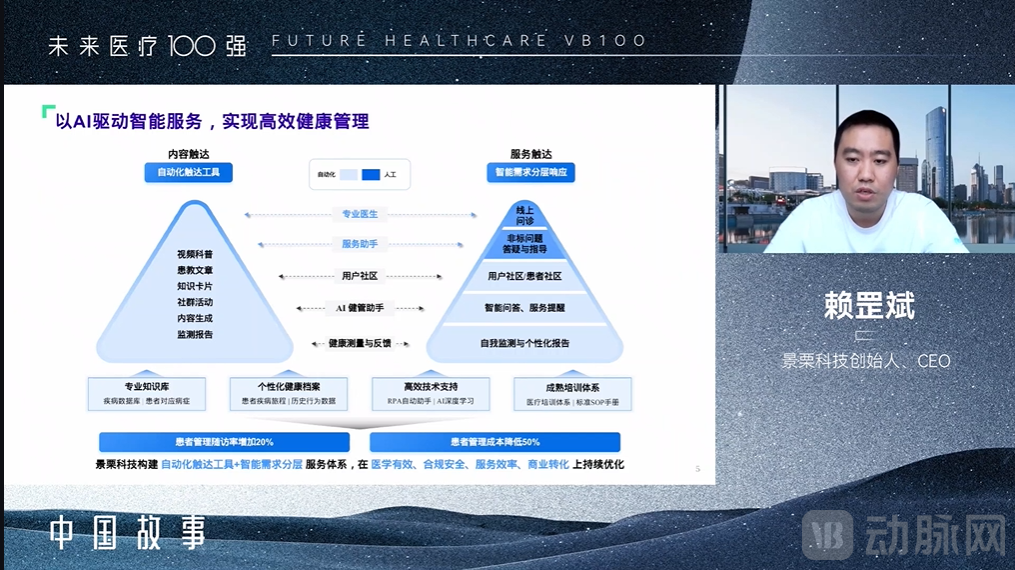
Amid population aging, the rising prevalence of chronic diseases, and ongoing healthcare reforms, market demand for continuous out-of-hospital health services is growing increasingly strong, with both the consumer health and medical sectors experiencing robust growth. From the perspective of the current public hospital system, it is difficult to fully support the provision of continuous out-of-hospital health services.
Jingli Technology has established a comprehensive medical and health technology service platform based on the WeChat ecosystem. Its core advantage lies in building an original, efficient, evidence-based medicine-driven digital proactive intervention service system. By leveraging AI-powered health service tools and a professional health management team, it collaborates with pharmaceutical companies to achieve large-scale, effective out-of-hospital patient management.
Compared with traditional internet healthcare models such as mobile apps or telephone follow-up centers, Jingli has reduced overall management costs by more than 50% through its self-developed product tools. We have built a proactive patient care system that enables the compliant accumulation of patient information and the establishment of electronic health records. Meanwhile, we provide more personalized patient education, Q&A interactions, health activities, and one-on-one services, including nutritional guidance, follow-up reminders, psychological support, and other related content.
Wang Qiangyu | Founder and CEO of Yisheng Jiankang
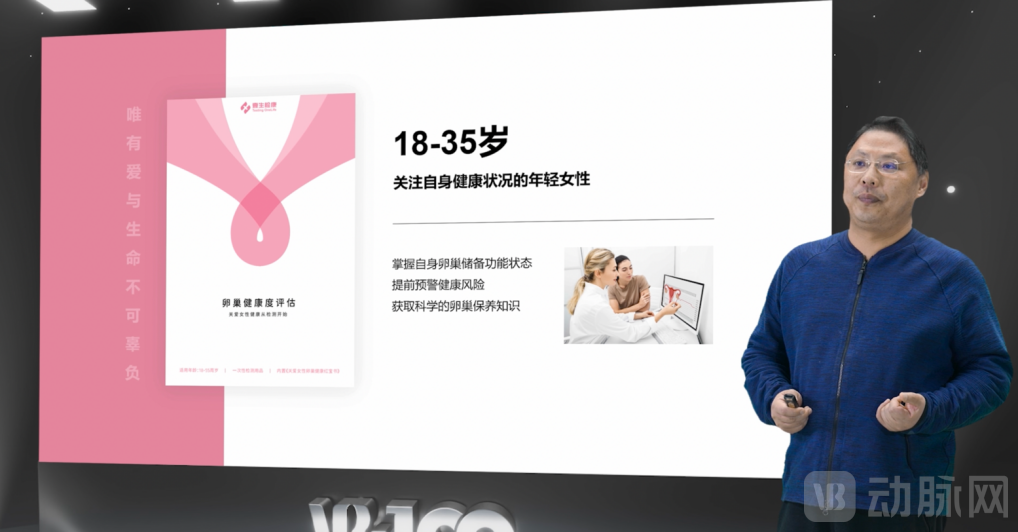
The women’s health market is approaching a valuation of RMB 50 billion. Yisheng Jiankang is a cross-disciplinary founding team that spans the entire continuum of “screening, diagnosis, treatment, and rehabilitation,” leveraging internet-based approaches to democratize precision medical testing and health management. Rather than merely selling at-home testing products, Yisheng Jiankang is building a closed-loop ecosystem for women’s at-home testing and digital health management. It offers services such as online interpretation of test results, secondary review and consultation by professional physicians, health indicator tracking and alerts, as well as expert-led health education, thereby creating an intelligent, digital health management platform for its users.
The first product for assessing ovarian health is designed for women aged 18 to 35. It enables home-based testing using a globally unique micro-quantitative peripheral blood collection device, allowing users to understand their ovarian reserve status, receive early warnings of health risks, and acquire scientific knowledge on ovarian care. Women’s lifelong health is predominantly governed by the endocrine system; their physical and mental well-being, family happiness, and even career achievements are closely linked to endocrine function. “By integrating home-based testing with health management, we can benefit more women,” stated the company. Through preliminary small-scale internal trials, Yisheng Jiankang found that 16% of participating women were at high risk of diminished ovarian function, and 6% were at risk of polycystic ovary syndrome (PCOS). Such testing holds significant value and meaning in helping women detect ovarian health issues at an early stage.
Luo Min | Co-founder and CEO of Tengai Health
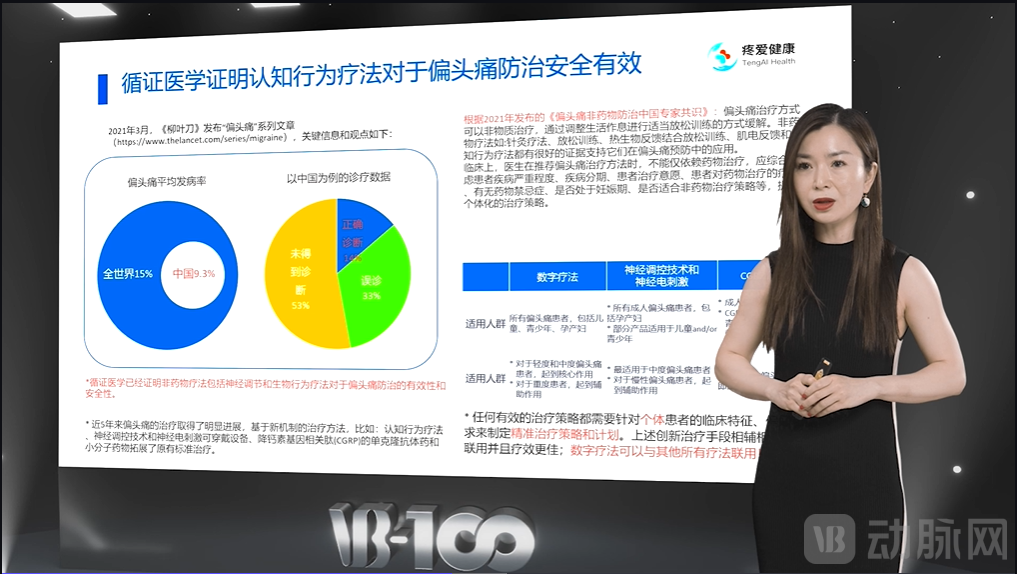
Pain lasting more than three months is clinically referred to as chronic pain. Chronic pain is not merely a symptom but an independent disease requiring professional and standardized diagnosis and treatment. China has 300 million patients with chronic pain, representing a market size worth hundreds of billions of yuan; with the advent of population aging, this sector is becoming a rapidly expanding blue ocean. Tengai Health focuses on migraine, a chronic neurological disorder, as its entry point. Centered on evidence-based medicine and driven by artificial intelligence (AI) and big data, it provides a one-stop platform for China’s 100 million migraine sufferers, offering AI-assisted diagnosis, digital therapeutics, wearable neuromodulation devices, innovative international specialty drugs, and personalized treatment.In China, the rates of misdiagnosis and missed diagnosis for migraines are extremely high, with the correct diagnosis rate being less than 14%. Incorrect diagnosis and treatment not only cause prolonged suffering and torment for patients, potentially leading to disability, but also result in significant waste of medical resources and impose a substantial socioeconomic burden. The AI-assisted diagnostic system for head and facial pain, jointly developed by Tengai Health and Stanford Medicine, can increase the migraine diagnosis rate from the current 14% to over 90%, while also assisting in the diagnosis of more than 20 common headache subtypes. This restores the artificially shrunk migraine market to its true scale and brings hope for precise diagnosis, effective treatment, and a normal life to migraine patients.Pharmacotherapy is currently the most common treatment for migraines; however, its efficacy is suboptimal for patients with moderate to severe migraines, and long-term use is associated with significant side effects. To address this, Tengai Health, in collaboration with Zhejiang University School of Medicine and Stanford Medicine, has developed proprietary digital therapeutics. Additionally, it has entered into an exclusive strategic partnership in China with a globally renowned enterprise specializing in neuromodulation therapy for migraines, introducing innovative wearable neuromodulation devices to the Chinese market. By combining digital therapeutics with wearable devices, and software with smart hardware, Tengai Health constructs a gold-standard non-pharmacological combination regimen. This approach can be used independently or in conjunction with pharmacotherapy to avoid overmedication, thereby achieving optimal therapeutic efficacy with minimal side effects.
Meanwhile, leveraging its unique international medical resource advantages, Tengai Health has established a presence in the Hainan Boao Lecheng International Medical Tourism Pilot Zone, where it has set up an international pain clinic and an internet hospital to create a closed-loop system integrating offline and online services. By capitalizing on Lecheng’s policy advantages for pilot initiatives, the company enables Chinese patients with chronic migraine to access innovative CGRP medications in sync with global markets.
Xing Jing | Founder and CEO of Shangyong Technology
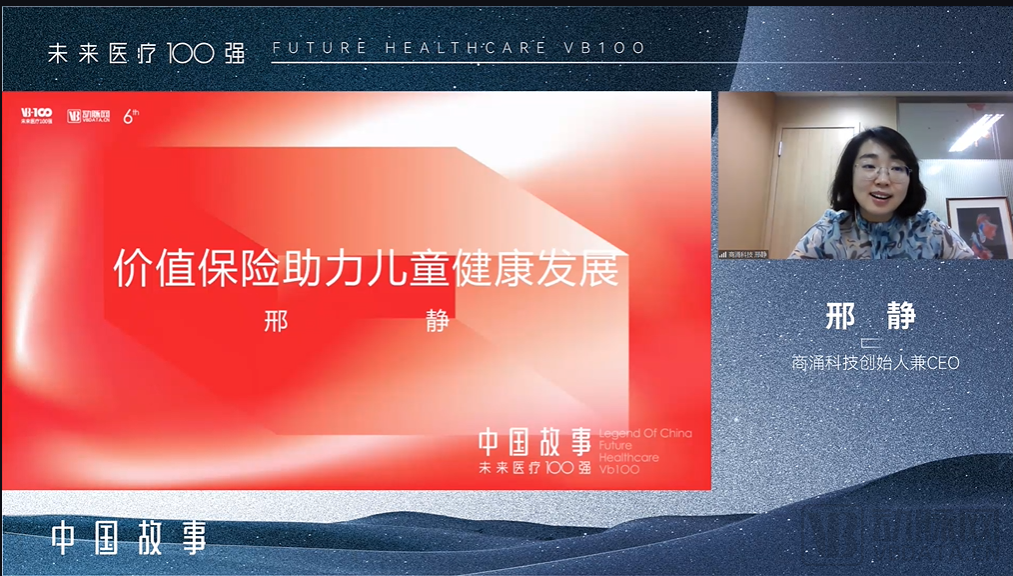
Children are the future of the nation and the hope of the people; child health is a crucial guarantee for the sustainable development of the economy and society. As the cornerstone of national health, child health requires optimized population structures and continuous improvements in health outcomes. Against the backdrop of an increasingly aging society in China, it is essential to address elderly care and chronic disease management while simultaneously improving survival rates among adolescents and children, who will become the core force driving future wealth creation.
Full-lifecycle health management services leverage the “dual payment channels” of basic medical insurance and commercial health insurance to drive supply-side reforms in healthcare, effectively integrate medical resources, and achieve dual optimization of health outcomes and coverage levels for key pediatric populations. This approach returns health insurance products to their original mission—“safeguarding customers’ health”—by layering efficient, one-stop medical and health services on top of traditional medical expense coverage and income compensation, thereby fundamentally addressing the challenges of difficult and costly access to care and truly meeting customers’ ultimate insurance need for “health protection.” Meanwhile, Shangyong Technology collaborates with commercial insurers to develop innovative managed-care medical insurance products for pediatric leukemia, building a customer-centric, one-stop service ecosystem encompassing “disease prevention, treatment, and rehabilitation” to genuinely fulfill customers’ ultimate protection needs of “fewer illnesses, effective cures, and sustained health.”
The “Wei Mang Initiative” was jointly launched by Shanghai Shangyong Technology Co., Ltd., Shanghai Tuoxin Health Promotion Center, and GoBroad Healthcare Group. It is committed to popularizing knowledge on the prevention and treatment of critical illnesses in children, raising parental awareness, promoting early diagnosis, safeguarding children’s health rights, and fostering societal care for the prevention, treatment, and coverage of various pediatric diseases, thereby facilitating the implementation of optimized fertility policies and promoting long-term balanced population development.

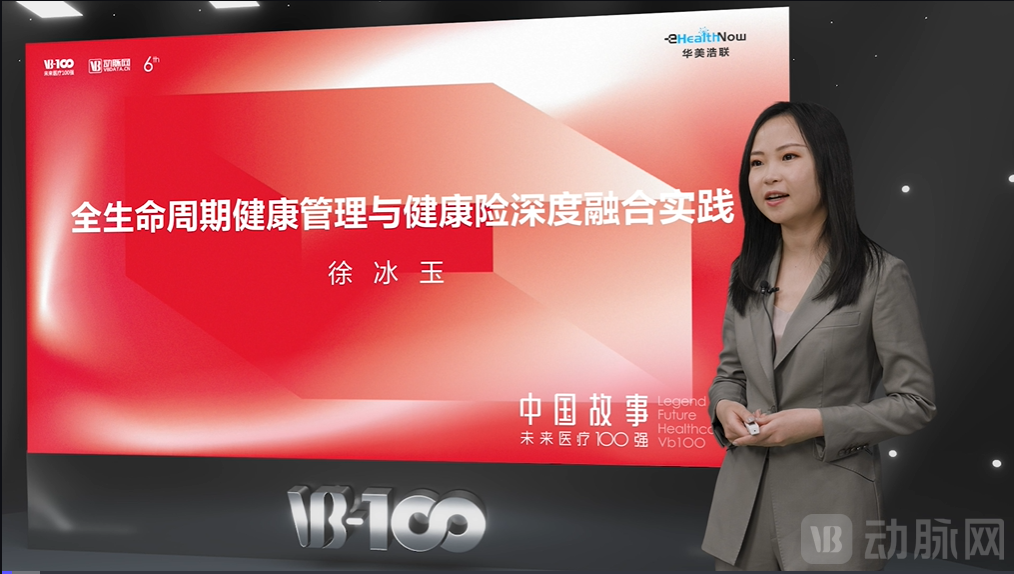
Xu Bingyu | Founder and CEO of Huamei Haolian
Building a digital and intelligent health management service platform that covers the entire lifecycle of “pre-diagnosis, during diagnosis, and post-diagnosis” can reduce health insurance claim ratios by 20%–30%, thereby achieving effective risk control.
Ms. Xu Bingyu stated that Huamei Haolian has customized and developed health insurance products in three specialized areas—critical illnesses, chronic diseases, and high-value medical specialties—to fill market gaps. For the healthy population, it has integrated services with products to create overseas specialty drug insurance. To address the difficulty lung nodule patients face in obtaining coverage, it has developed a “Lung Nodule” insurance product that allows individuals with pre-existing conditions to be insured. To tackle health management challenges for chronic disease patients, it has launched “Kidney Disease” insurance, incorporating exclusive health management services. For high-incidence cancers and affected populations, it has introduced “Colorectal Cancer” insurance that includes early screening products. Additionally, catering to the younger demographic seeking orthodontic and restorative dental care, it has developed “Dental” insurance to meet their health, professional, and social needs.
Finally, she stated that the "people-centric" product development philosophy and the innovation of "servitization" in health insurance products are the keys to success for the future development of the health insurance industry.
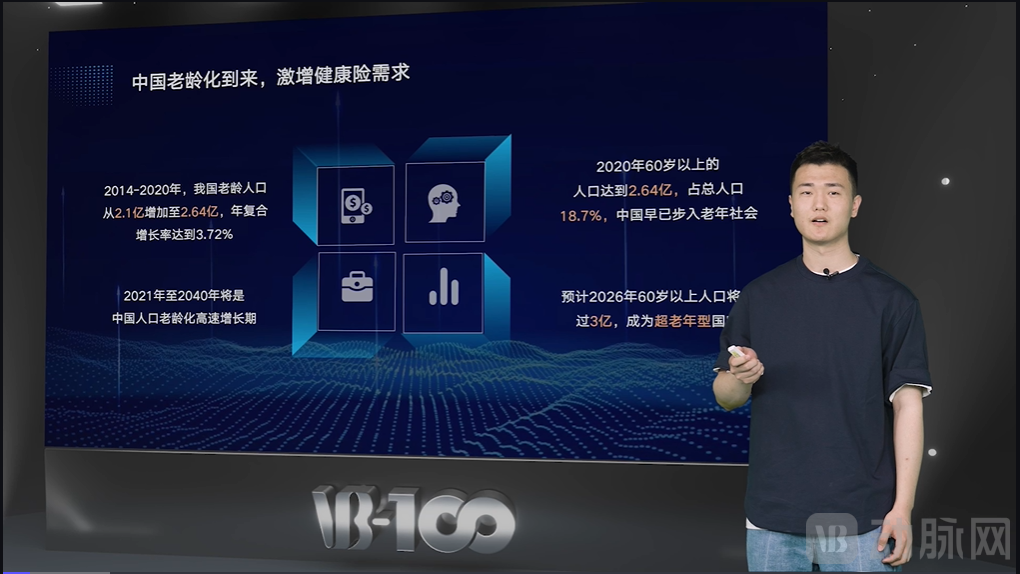
Wang Zhichen | Brand Director, Huanyu Care
Health insurance products cannot be developed by insurers alone; they also involve social security, medical resources, pharmaceutical resources, and health management organizations. If insurers focus solely on insurance itself, they will fail to deliver effective health insurance solutions. This integration is the key to succeeding in the health insurance sector.
Mr. Wang Zhichen, Brand Director of Huanyu Guan’ai, proposed four key strategies to break through the challenges in the health insurance sector:
1. From a macro perspective, to excel in health insurance, it is essential to connect and integrate resources across the entire medical insurance and broader health ecosystem, establishing a complete “healthcare + pharmaceuticals + insurance” value chain.
2. Position insurance as an aggregator and distributor of resources, leveraging front-end policy sales and utilization frequency to mobilize back-end resources, thereby balancing market resource allocation and enhancing the quality of medical services for the public.
3. When purchasing insurance products, consumers are more concerned with whether they can quickly access high-quality medical and pharmaceutical services when ill, and whether they can still enjoy health services tailored to their needs in the absence of any claims.
4. The core of “Health Insurance + Health Services” should be customer-centric, striving to achieve high-quality integration of “health resources, medical resources, and pharmaceutical resources.” Providing customers with a superior health service experience is the key to breaking through the current impasse in the health insurance industry.
Since its inception, Huanyu Guanai has adhered to the mission of “Risk-Free Health,” establishing a closed-loop business model integrating “health insurance + medical services + pharmaceutical services.” By cultivating a high-quality health service ecosystem, integrating premium service provider resources, and constructing a comprehensive health system aligned with health insurance products, the company delivers superior health service experiences and designs health insurance products from the customer’s perspective. Meanwhile, Huanyu Guanai empowers ecosystem enterprises within the industry by addressing their capability gaps, providing end-to-end technical solutions, and sharing resources across the broader health ecosystem.
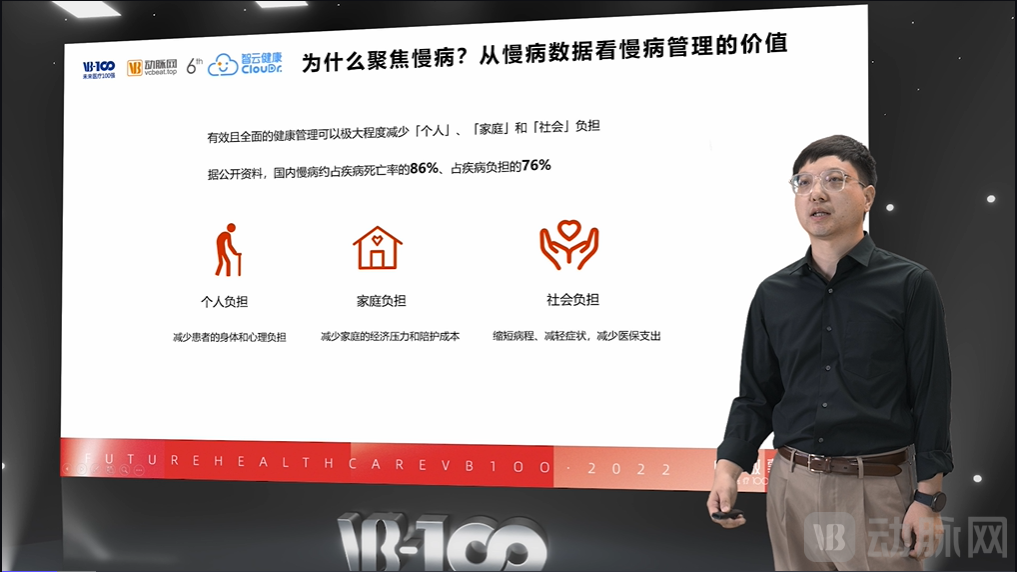
Bai Rui | Senior R&D Director, Zhiyun Health
In the digital era, chronic disease management in China is undergoing a digital transformation. Zhiyun Health’s management philosophy centers on “people,” requiring close integration between in-hospital and out-of-hospital care. We have developed a dual-SaaS model that connects fully digitalized scenarios, enabling a full-stack, one-stop management approach for patients.
Zhiyun Health has established a closed-loop, out-of-hospital management framework centered on patients, supported by a comprehensive digital system. Within this ecosystem, physicians play a pivotal role in conducting online follow-up consultations, facilitating virtual patient communications, and adjusting treatment plans. Patients can implement their management plans through online consultations, which include purchasing medications and renewing prescriptions. At partner pharmacies, patients continue to receive pharmacist services, medication guidance, and access to online consultations as part of the chronic disease management process. Furthermore, the system standardizes the entire workflow engine and leverages artificial intelligence and big data analytics to enhance the efficiency and quality of care throughout the process.
“I believe that with the continuous implementation of 5G applications and the ongoing enhancement of smart hardware, there will be an increasing number of solutions for full-lifecycle patient management, and the data available for computation and use in improving patients’ disease outcomes will become increasingly abundant.” The future of chronic disease management in China will move toward greater efficiency and higher quality.


