

Is the Inflection Point for China's Assisted Reproductive Technology Industry Finally Here?
Statistical communiqués on national economic and social development for 2021, successively released by various provinces, indicate that Shanxi, Hubei, Shanghai, Jiangsu, and the three northeastern provinces all experienced negative population growth. In 2021, China’s natural population growth rate was 0.34 per thousand, a decline of 1.11 percentage points from 2020, officially marking the entry into an era of zero population growth.
However, this has been accompanied by a high prevalence of infertility.
Due to the long-standing one-child policy, infertility among older women has been largely overlooked. Following the implementation of the universal two-child policy in 2015, the proportion of births to advanced maternal age mothers (generally defined as pregnant women aged 35 and above) in tertiary hospitals increased from 12.54% in 2015 to 17.43% in 2017.
Approximately one in every five or six couples experiences infertility, and assisted reproductive technology is considered one of the most effective treatments for infertility; however, the high costs deter some families from pursuing it.
The turning point appears to have arrived.
In February 2022, Beijing announced the inclusion of 16 assisted reproductive technology (ART) procedures in the Class A reimbursement category of its medical insurance scheme. Regrettably, due to various considerations, the policy, originally scheduled to take effect on March 26, was temporarily suspended.
By mid-to-late May, multiple regions in Zhejiang, Jiangsu, Hunan, Sichuan, and Anhui provinces also signaled that they were already studying the inclusion of assisted reproductive technology (ART) services in medical insurance coverage.
How Will the Highly Uncertain Assisted Reproductive Technology Industry Evolve? Has the Tipping Point Truly Arrived?
June 17,Hosted by VB100 and VCBeat, co-hosted by Jian Shi Juof“Forum on Innovative Development in Assisted Reproductive Technology”Successfully held online. The forum invited numerous industry leaders from Peking University People's Hospital, Jiangsu Province Hospital, Shanghai Ninth People's Hospital Affiliated to Shanghai Jiao Tong University School of Medicine, Tongji Hospital Affiliated to Tongji Medical College of Huazhong University of Science and Technology, Peking Union Medical College Hospital, Mindray Medical, and Jinxin Fertility Group. Starting with analyses from the two dimensions of policy and industry, they jointly explored the development of the assisted reproductive technology (ART) sector and its entire industrial chain, providing forward-looking insights for the industry.
Li Yuedong: Strict adherence to ethical regulations, reasonable pricing, and moderate reimbursement are essential for the healthy development of the industry

Li Yuedong | Executive Director of the China Hospital Association, Former Party Secretary of Peking University People's Hospital
Looking ahead requires reflecting on the past and grounding ourselves in the present. Today, China’s assisted reproductive technology (ART) has reached parity with that of developed countries, a milestone made possible by the steadfast efforts of multiple generations. As a firsthand witness to the preparation and establishment of China’s first specialized ART departments, Li Yuedong, Executive Director of the Chinese Hospital Association and former Party Secretary of Peking University People’s Hospital, shares the story behind the initial creation of these specialized units and offers his perspectives on the current state of assisted reproductive technology.
The initial commitment to developing the discipline of assisted reproductive technology (ART), coupled with persistent improvements in laboratory operational environments, ensured high success rates for these emerging techniques. This foundation has enabled substantial progress in many hospital-based reproductive centers. Furthermore, the widespread adoption of ART has brought hope for parenthood to numerous families.
However, in Li Yuedong’s view, this technology faces substantial market demand while also raising numerous ethical concerns. The participation of medical institutions must ensure strict compliance with national policies and regulations. Only on this basis, with reasonable pricing and appropriate reimbursement coverage, can the assisted reproductive technology industry achieve healthy and sustainable development.
Jianshi Bureau: Incorporating Assisted Reproductive Technology into Medical Insurance Should Not Be Rushed; Regulatory Pressure Is Immense, and Private Medical Institutions Have Limited Influence

Sun Tao | Deputy Editor-in-Chief of Jian Shi Ju
Following Beijing’s announcement to include 16 assisted reproductive technologies (ART) in its medical insurance coverage, Jian Shi Ju conducted a policy analysis, surveyed medical insurance and health commissions across China, interviewed more than ten industry leaders, and gathered extensive first-hand information. Based on the latest data from authoritative domestic and international journals such as The Lancet and the Chinese Journal of Reproductive Medicine, the organization spent over 100 days compiling an analytical report on ART policies.
Sun Tao, Deputy Editor-in-Chief of Jianshi Bureau, pointed out that only about 15% of patients with infertility require assisted reproductive technology (ART). If ART were covered by medical insurance, would the treatment for the remaining 85% of infertility patients also need to be included? This has sparked debate over whether ART should be considered part of basic healthcare coverage, a concern shared by multiple experts interviewed.
As for whether including assisted reproductive technology (ART) in medical insurance can increase the fertility rate and resolve the demographic crisis, experts from multiple provinces hold that incorporating ART into medical insurance coverage would not have a significant impact on boosting fertility rates. Given the considerable pressure on the medical insurance fund pool, they caution against hasty implementation of such coverage.
Furthermore, regulatory authorities across various regions have adopted a relatively cautious stance toward the development of assisted reproductive technology (ART), which has, to some extent, constrained the expansion of private medical institutions. It is undeniable that the service capabilities of private medical institutions can fully complement those of public healthcare providers. There remains considerable room for the development of ART within the private sector, particularly to meet the indispensable demand in the high-end market.
Liu Jiayin: The Population Crisis Is Severe; Assisted Reproductive Technology Policies Require Further Refinement, and Technologies Need Continued Advancement
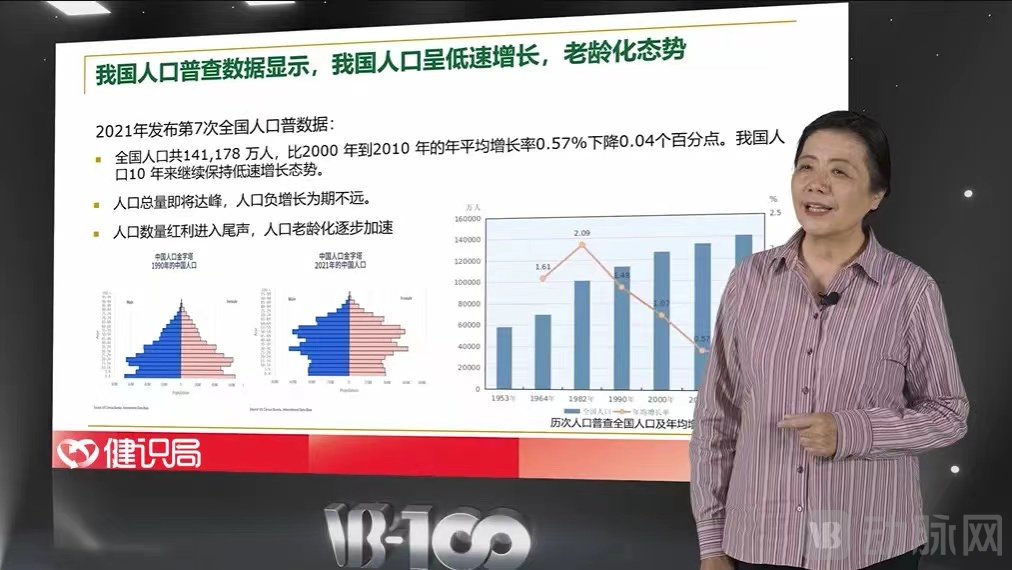
Liu Jiayin | Former Director of the Reproductive Medicine Center, Jiangsu Province People's Hospital
From the perspective of Director Liu Jiayin, the declining population trend is unstoppable; the urgent priority is to slow this trend and find ways to increase the fertility rate.
According to data from the China Statistical Yearbook, the number of women of childbearing age decreased by 57.49 million in 2020, and the age structure of this population remains dominated by older women. By 2030, the number of women aged 20 to 34, who are in their prime reproductive years, is also expected to decline significantly.
Given physical constraints, pregnancy is not an easy matter for women of advanced maternal age. The incidence of infertility has risen to 15%–18%, a remarkably high proportion. Moreover, the median age of women opting for assisted reproductive technology (ART) remains persistently high. At the ART center where Liu Jiayin is employed, half of the women seeking a second child are of advanced maternal age.This poses significant challenges to neonatal outcomes, making the development of assisted reproductive technologies particularly important.
Liu Jiayin stated:In the future, efforts such as expanding affordable access to infertility diagnosis and treatment, implementing genetic screening for offspring, and establishing egg banks will be coordinated with population policies to address the issue of high-quality, healthy population development in China.Liu Jiayin also expressed her hope that policies and regulations on assisted reproductive technology (ART) would be further improved, and the technology itself would continue to advance, enabling couples of childbearing age across the country to conceive successfully, afford the costs, and achieve healthy pregnancies.
Kuang Yanping: Pro-natalist policies have limited effectiveness; lessons can be drawn from the experiences of developed countries
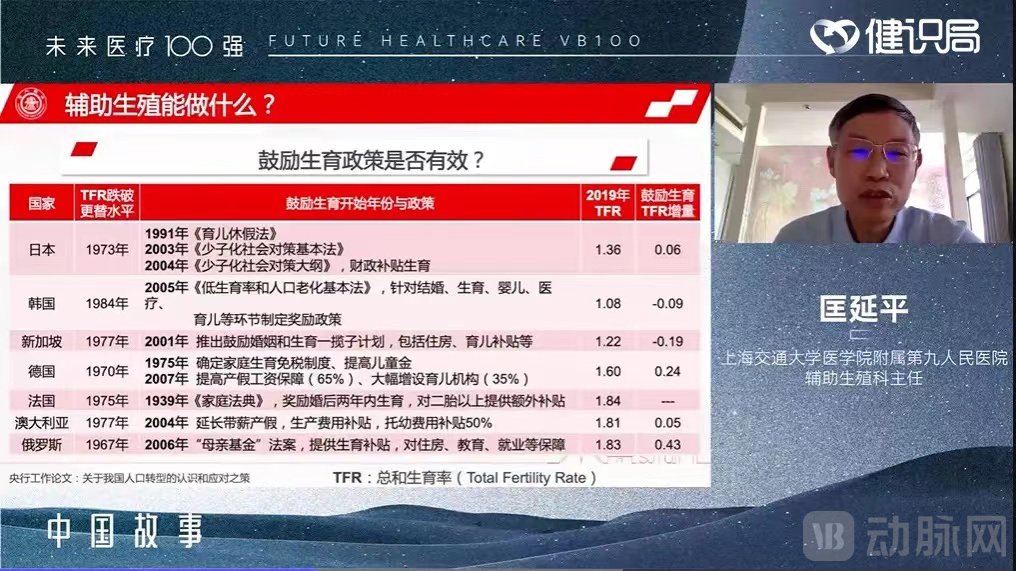
Kuang Yanping | Director, Department of Assisted Reproduction, Shanghai Ninth People’s Hospital, Shanghai Jiao Tong University School of Medicine
Population growth prospects remain bleak; although the state has successively introduced policies to encourage childbirth, their impact has been limited.In addition to the significant decline in the number of high-quality women of childbearing age, even with the two-child and three-child policies, the resulting increase in births has not been sufficient to offset the decline in first-birth fertility rates. The willingness to have children plays a more decisive role in determining the number of newborns.
Kuang Yanping, Director of the Department of Assisted Reproduction at Shanghai Ninth People’s Hospital, Shanghai Jiao Tong University School of Medicine, stated: “Against the backdrop of low fertility rates, pro-natalist policies in countries around the world have failed to meet expectations. In this context, what we can do is to enable those who wish to have children to do so, which requires the use of assisted reproductive technologies.”
To ensure that assisted reproductive technology (ART) truly helps address population issues, Kuang Yanping believes that three major challenges must be resolved: financial coverage, accessibility and convenience, and the reduction of restrictions.
Kuang Yanping compared policies across multiple countries and believes that Japan’s relevant policies hold relatively greater reference value.Japan does not adopt the method of medical insurance reimbursement, but instead provides subsidies, funding up to six assisted reproductive treatments, with fewer subsidies available for older individuals.Each cycle provides a subsidy of approximately RMB 10,000.This approach is comparable to the reimbursement amount originally planned in Beijing for a single cycle of assisted reproductive technology, while simultaneously avoiding potential delays in timely treatment caused by reimbursement restrictions in China.
Zhang Hanwang: Focus on Addressing the Social Issues Behind Low Fertility Intentions; IVF Costs Can Be Reduced by Another 75%
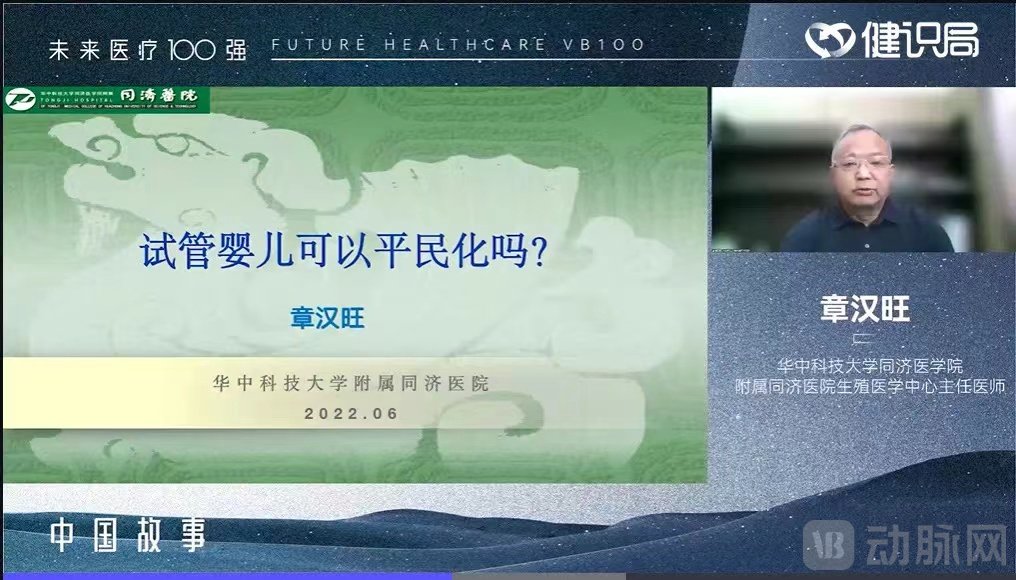
Zhang Hanwang | Chief Physician, Reproductive Medicine Center, Tongji Hospital Affiliated to Tongji Medical College of Huazhong University of Science and Technology
While improving assisted reproductive technologies and related policies, many experts place greater emphasis on the socioeconomic root causes underlying low fertility intentions.
Zhang Hanwang, Chief Physician at the Reproductive Medicine Center of Tongji Hospital Affiliated to Tongji Medical College of Huazhong University of Science and Technology, stated that the decision of whether or not to have children comes first, followed by the question of whether it is physically possible.
In addition to the widespread decline in fertility rates driven by economic development across countries worldwide, China faces unique contributing factors. High costs associated with housing, education, and healthcare, coupled with a substantial burden of elderly care, have all constrained reproductive intentions.
Ultimately, to reduce the cost of childbearing, the corresponding support policies introduced by the state remain at a relatively low level. Many families are stuck at the very first step: the cost of assisted reproductive technology is unaffordable for ordinary people, and there is no guarantee of success even after spending the money.
Zhang Hanwang believes that achieving the democratization of in vitro fertilization (IVF) requires addressing several issues simultaneously,First, reduce the prices of pharmaceuticals and reagents; second, raise the reimbursement cap for medical insurance; more importantly, introduce affordable fertility incentive policies.Reduce the costs of treatment and child-rearing.
Furthermore, Zhang Hanwang hopes that medical institutions will return to their fundamental mission, operating not for profit, while also engaging social organizations to provide assistance to families in financial difficulty. He estimates that implementing these measures would reduce the cost of in vitro fertilization (IVF) by 75%, truly making IVF accessible to the general public and thereby better promoting an increase in the newborn population.
Fan Xiaoyu: Policy Dividends Will Become the Driving Force Behind the 800 Billion Market
 Fan Xiaoyu | Senior Researcher, VCBeat
As China’s infertility rate continues to climb and the average childbearing age rises, assisted reproductive technology (ART), serving as the last resort for families who are unable to conceive naturally, has remained in the spotlight and drawn high expectations. The year 2021 marked a period of significant policy support for ART, with a series of regulatory measures repeatedly thrusting the sector into the limelight and sustaining its growing momentum.
To clarify the respective impacts of this series of policies on the upstream, midstream, and downstream segments of the assisted reproductive technology (ART) industry chain, VCBeat has prepared this report through an in-depth analysis of the policies and a multi-dimensional examination of industry data, arriving at the following conclusions:
The Three-Child Policy, with stronger and more comprehensive support measures, will once again expand the assisted reproductive technology market.Compared with the “universal two-child” policy in 2016, the “three-child policy” is supported by unprecedentedly strong and broad measures. We estimate that the policy dividends will create an assisted reproductive technology market worth nearly RMB 800 billion.
Supported by policies related to technology and payment, the benefits will first manifest in downstream assisted reproductive technology (ART) institutions.With policy support, the number of assisted reproductive technology (ART) institutions offering third-generation in vitro fertilization (IVF) is accelerating; domestically produced ART medical devices are becoming increasingly refined and comprehensive; financial barriers to accessing ART services are gradually lowering; and market awareness is steadily improving. Consequently, downstream ART institutions will see a rise in treatment cycles and ultimately achieve higher success rates and live birth rates.
With policy support, commercial insurance will introduce more valuable insurance products to foster the healthy development of the entire assisted reproductive technology market.Driven by policy and market forces, the role of commercial insurance has been increasing year by year. As public awareness of the assisted reproductive technology (ART) market continues to rise, commercial insurers will introduce more valuable ART-specific insurance products. These initiatives will gradually demonstrate their market-regulating function, ultimately feeding back into the entire ART market and accelerating its healthy, sustainable development.
Duan Tao: Strategic Choices for Private Medical Institutions
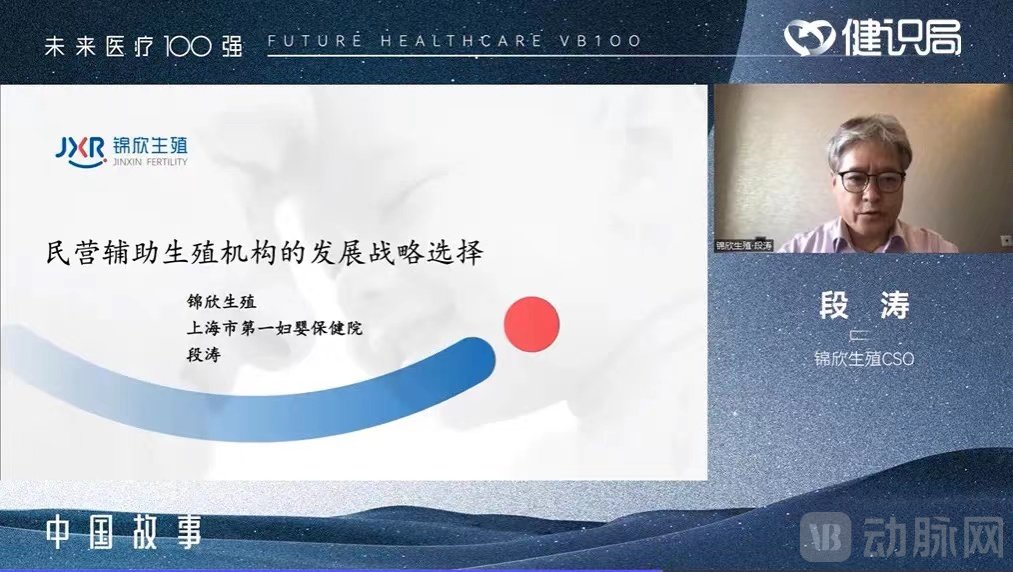
Duan Tao | Chief Scientific Officer, Jinxin Fertility
The assisted reproductive technology (ART) industry exhibits a "winner-takes-all" dynamic, with patients prioritizing brand reputation, expert credentials, and institutional prestige. Although public healthcare institutions benefit from inherent trust endorsements, it is undeniable that private medical facilities can serve as a robust complement to their public counterparts in the ART sector, particularly through superior service and advanced technologies.
Non-public medical institutions such as CITIC-Xiangya, Shandong University Reproductive Hospital, and IVEF are pioneers in the field of assisted reproductive technology. While their experience offers valuable lessons, it is difficult to replicate, given that they secured licenses early on and benefited from the dividends of economic and population growth, ultimately achieving their current success through their own efforts.
According to Duan Tao, CSO of Jinxin Fertility, for private institutions to achieve better development today, they must meet three conditions: “government recognition, peer respect, and patient trust.”
Duan Tao believes that private institutions need to provide solid basic services, ensure the delivery of results, stabilize their existing core user base, and simultaneously achieve “differentiation and focus.”For tasks that public hospitals are unable, unwilling, or ill-equipped to perform, private hospitals can step in. These institutions may choose to develop subspecialties in assisted reproductive technology (ART), such as reproductive endocrinology, obesity, and metabolic syndrome management.。
Duan Tao believes that it is more important for private institutions to recognize their own capabilities. Unlike public medical institutions, they cannot expand comprehensively; instead, by focusing on breakthroughs in a specific area, they can build stronger competitiveness and earn the respect and recognition of both patients and peers.
Mindray Medical: Creating Value in the Field of Reproductive and Maternal-Child Ultrasound Technology

Yuan Fengming | Marketing Manager, Maternal and Child Ultrasound, Mindray Medical China Region
Safeguarding reproductive health and preserving fertility have emerged as hot topics in recent years. With its advantages of safety and high reproducibility, ultrasound plays a vital role in diagnosis and treatment, serving as a source of reassurance for expectant parents. Mindray Medical is a dedicated pioneer in the field of obstetric and gynecologic ultrasound.
Ms. Yuan Fengming, Marketing Manager for Maternal and Child Ultrasound in China at Mindray Medical, stated in her special address,Prior to 2025, Mindray aimed to ensure that its maternal and child health ultrasound technology would be globally competitive., but also to achieve a world-leading level. Currently, assisted reproductive technology (ART) is receiving significant attention. Mindray Medical has developed an ultrasound-based ART solution, providing healthcare institutions with more customized medical services, enhancing hospitals’ capacity to manage complex and critical cases, and better serving the broad population of ART users.。

Xiao Huiru | Academic Manager, Global Clinical Academic Department of Ultrasound Imaging Products, Mindray Medical
Xiao Huiru, Manager of the Clinical Academic Department for Global Ultrasound Imaging Products at Mindray Medical, also stated that Mindray has been continuously innovating and developing automated clinical application technologies, adding new “wings” to reproductive medicine. These advancements enable precise assessment and efficient diagnosis and treatment, facilitating broader clinical adoption, and marking a milestone in Mindray Ultrasound’s promotion of precision medicine.
He Fangfang: The Third Path for Assisted Reproductive Technology Services

He Fangfang | Founder of the Reproductive Medicine Center at Peking Union Medical College Hospital, Founder of He Fangfang Reproductive Medicine Studio
As the demand for assisted reproductive technology rises year by year, patients are also faced with the choice of where to seek medical care.Public and private healthcare institutions each have their own advantages and disadvantages. On the one hand, although public medical institutions enjoy deep trust from patients, they typically suffer from high patient volumes, long waiting times, suboptimal medical environments, and mediocre service attitudes, all of which can impose psychological burdens on patients. On the other hand, private medical institutions naturally lack the trust endorsement associated with public facilities, and their profit-driven approach often raises concerns among patients. However, private institutions offer superior environments and services, providing greater physical and psychological comfort for patients.
Is there a third path that accommodates both? He Fangfang has also been exploring this. After stepping down from her position as the founder of the Reproductive Medicine Center at Peking Union Medical College Hospital, sheEstablished a private practice and partnered with multiple Grade A tertiary hospitals, enabling patients to benefit from the trust associated with public hospitals while receiving personalized care.
Can This Model Be Scaled? In Her View, Although It Has Gradually Gained Patient Support and Acceptance, She Is Still Exploring the Development Model and Cannot Yet Conclude Whether It Is Replicable.
He Fangfang has a clear positioning for this model:It does not compete with public hospitals but rather complements them by providing detailed services that public hospitals lack the time to deliver. It avoids price wars and serves specific populations in need.Provide professional treatment to patients, make medical visits more convenient, and ensure comprehensive patient care.
Source: Jian Shi Ju, David