

Yishi Low-Allergen Complementary Food Collaborative Innovation Lab Officially Launched to Address Infant Food Allergies in China
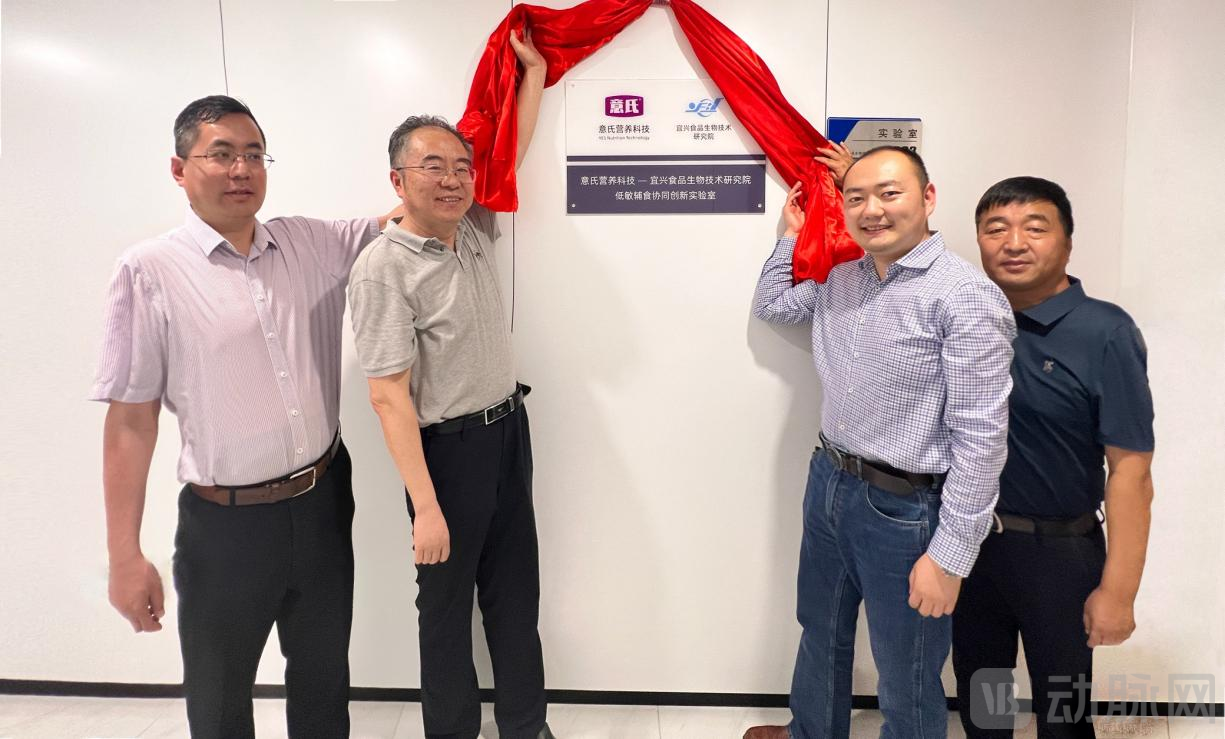
Low-Allergen Complementary Food Collaborative Innovation Laboratory Officially Unveiled
Yi's (Hangzhou) NutritionYi Shi (Hangzhou) Nutrition Technology Co., Ltd. and the Yixing Institute of Food Science and Biotechnology jointly established the Collaborative Innovation Laboratory for Hypoallergenic Complementary Foods. The signing ceremony for the collaborative project and the unveiling plaque ceremony were held in Yixing, Jiangsu Province, on June 18. Attendees included Professor Zhang Guangsheng and Professor Liu Long from Jiangnan University; Qiu Lvtan, Co-founder and CEO of Yi Shi (Hangzhou) Nutrition Technology Co., Ltd.; Wei Lianshan, General Manager of Production at Kelubao Group; and Chen Min, R&D Director at Kelubao Group.
Driven by changes in environmental, genetic, and lifestyle factors, the prevalence of allergies among infants and young children in China is rising rapidly. A survey initiated by the Chinese Center for Disease Control and Prevention (China CDC) revealed that the parent-reported prevalence rate among urban children under two years of age reached as high as 40.9%. Among these cases, the estimated prevalence of food allergies in infants and young children is 14.1%, with the number of affected individuals continuing to increase year by year. According to recommendations from pediatric professional societies, strict avoidance of allergenic foods is required for managing food allergies or other allergy-related conditions triggered by food. However, simply avoiding common allergens such as eggs, wheat, and milk may pose risks of nutritional deficiencies, including inadequate intake of high-quality protein and essential amino acids. Therefore, it is necessary to simultaneously adjust dietary structures, supplement proteins and micronutrients, and improve food digestion and absorption rates to support the growth and development of infants and young children with food allergies.
Hypoallergenic Complementary Food Collaborative Innovation LaboratoryLeveraging the globally leading technological reserves and scientific research capabilities of Jiangnan University and the Yixing Food and Biotechnology Research Institute, this initiative will be closely aligned with Yishi’s market positioning focused on hypoallergenic nutritional complementary foods for infants and young children. It aims to strengthen and enhance Yishi’s core technologies and innovative products in hypoallergenic nutrition, comprehensively addressing the diverse feeding needs of allergy-prone infants and toddlers at different stages of growth. In the next phase, the company will also align with current regulations on infant and young child food, assisting in the development of industry standards and white papers. As a subsidiary of the Kelubao Group, this move further deepens the strategic scientific research partnership between the Kelubao Group and Jiangnan University.
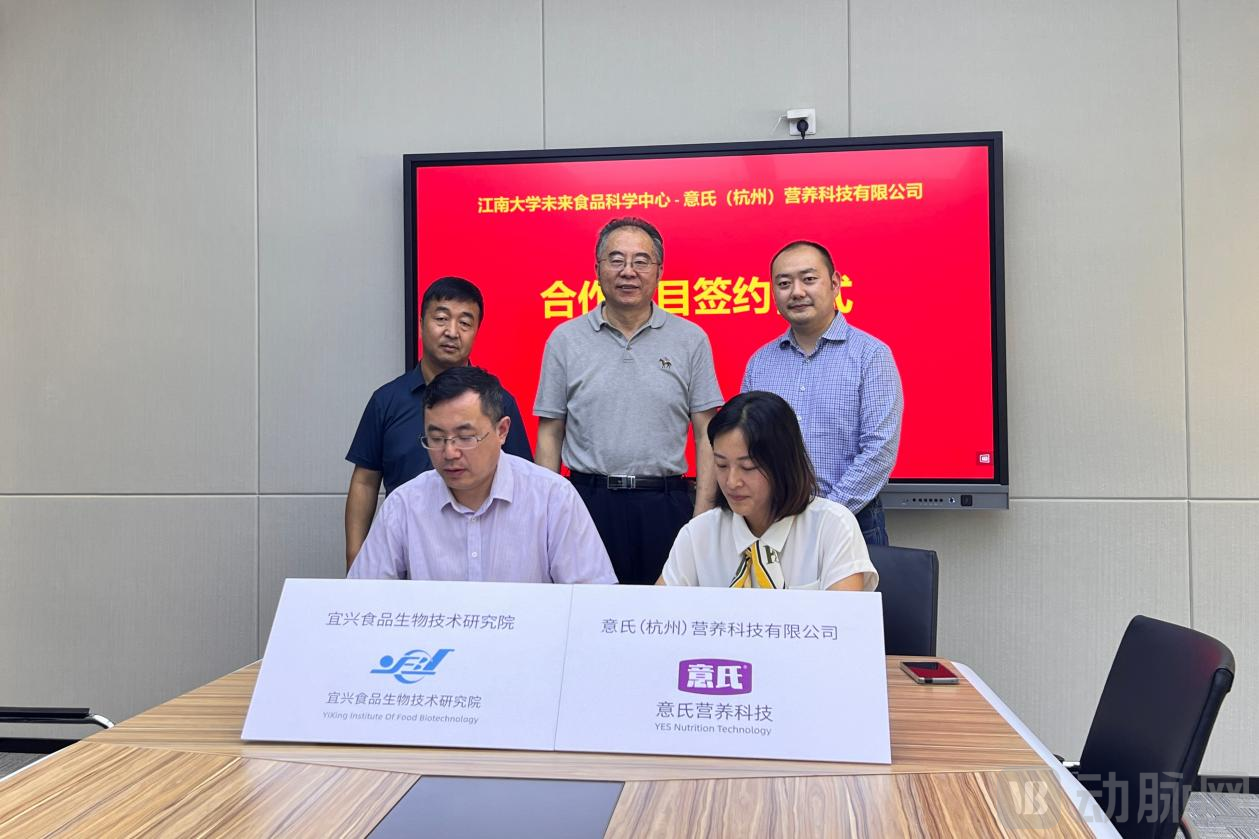
Project Cooperation Signing Ceremony
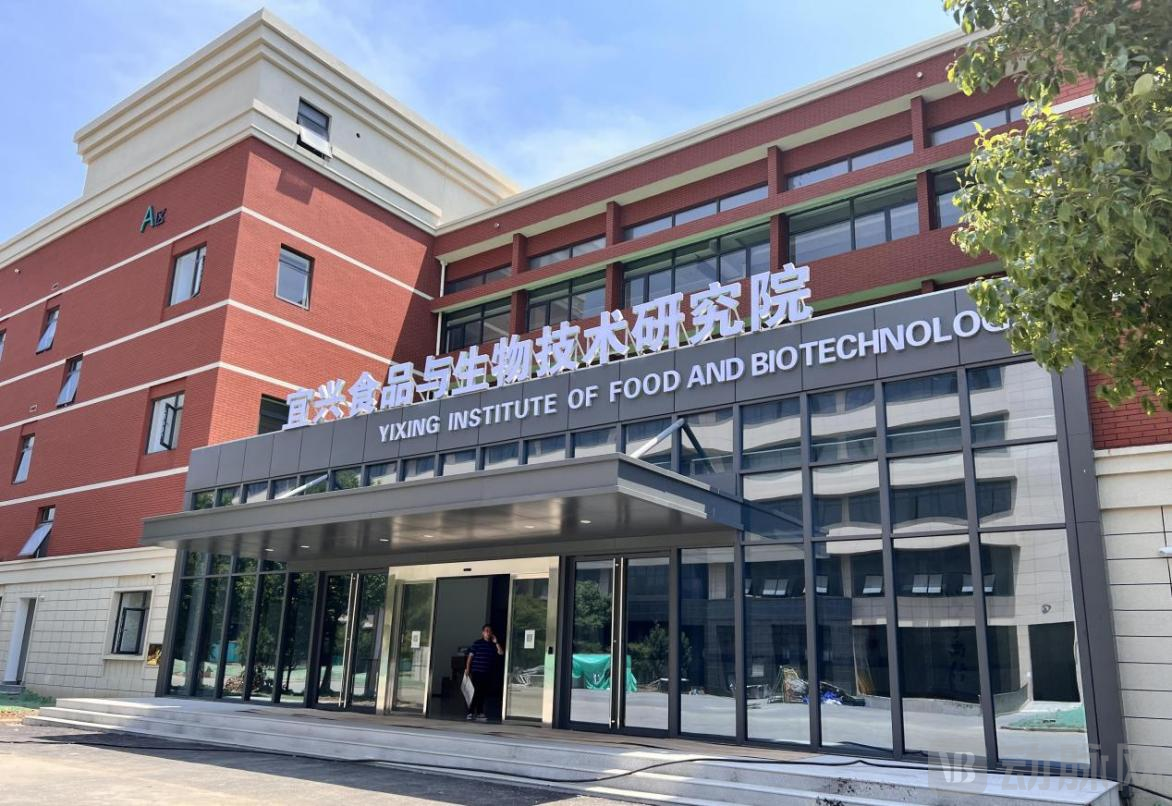
Yixing Institute of Food and Biotechnology
Under the leadership of Professor Zhang Guangsheng and Professor Liu Long, both parties jointly visited the Yixing Institute of Food and Biotechnology to discuss and explore future cooperation. This collaboration will optimize and upgrade Yi’s existing product formulations and processes, while introducing industry-leading and internationally advanced food technologies and concepts to jointly promote the development of the hypoallergenic complementary food industry. It will also further strengthen Kelubao Group’s R&D foundation in the field of medical nutrition, enabling the group to provide professional nutritional solutions covering the entire lifecycle of infants and young children with food allergies, through its portfolio of special medical purpose foods for infants and young children as well as hypoallergenic complementary foods and snacks.
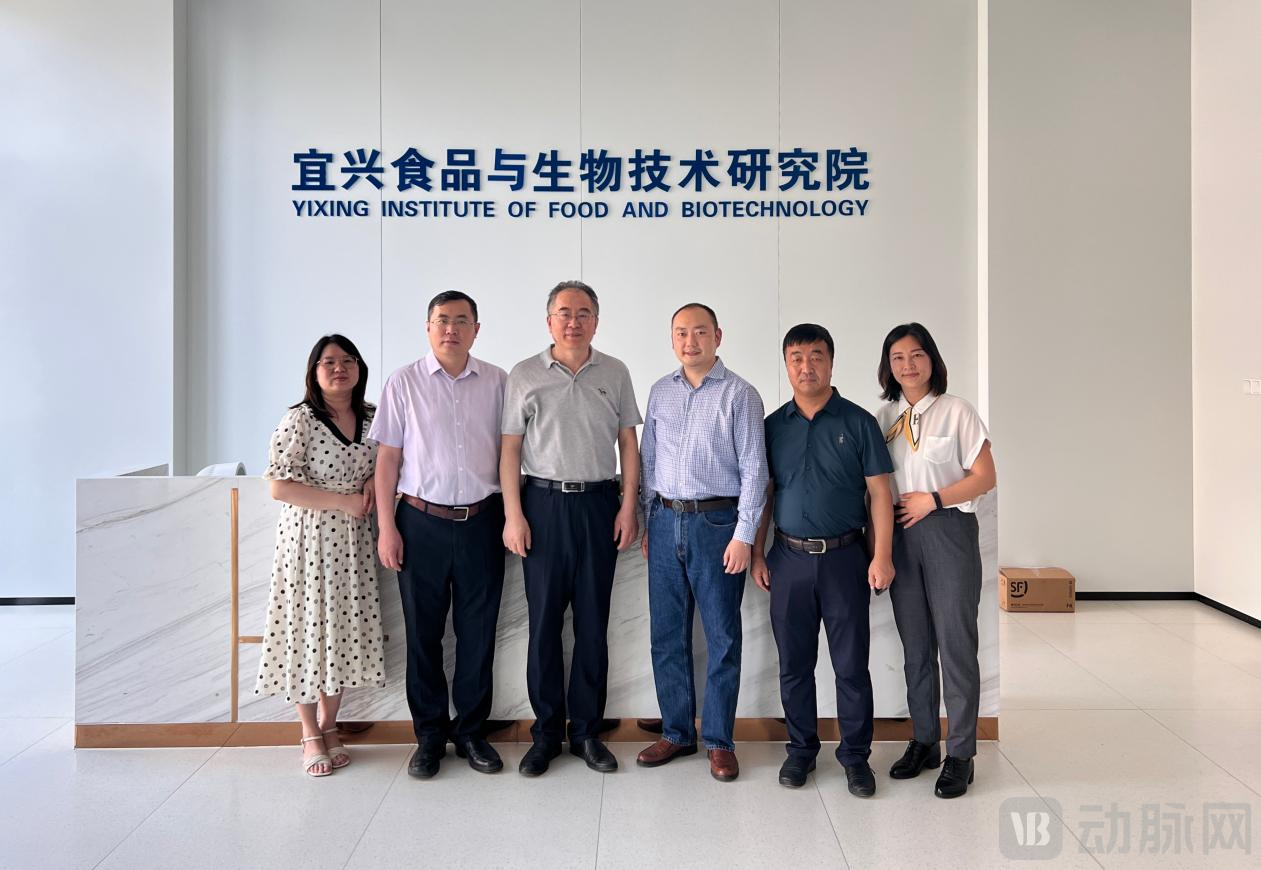
Group Photo of Attendees
Yixing Institute of Food BiotechnologyBy Jiangnan UniversityAcademician Chen JianA new-type R&D institution established in collaboration with the Yixing Economic and Technological Development Zone. The Institute aims to position itself as a leader in the bio-manufacturing of food ingredients, creating a new highland for the food industry; serving as the source of key technologies, frontier-leading technologies, modern engineering technologies, and disruptive technologies in the field of food synthetic biology; acting as a support base for advanced food biotechnology industries and a hub for high-end talent; and striving to become a model for new-type R&D institutions in the Yangtze River Delta region and across China.
Yishi (Hangzhou) Nutrition Technology Co., Ltd.(“Yishi” for short) is an innovative nutritional technology enterprise led by co-founder and CEO Qiu Lutan, integrating R&D, production, supply chain management, operational promotion, and services for hypoallergenic complementary foods. Founded by seasoned professionals from the special medical food, nutrition, and consumer goods industries with extensive practical experience in China, the company is headquartered in Hangzhou. It has established a R&D center in Ningbo, a logistics and warehousing center in Xinyi, and an e-commerce center in Zhengzhou, while preparing to build a production base in Bozhou. Committed to its corporate mission of “scientifically addressing food allergy issues among Chinese infants and young children,” Yishi adheres to the brand positioning of “more professional hypoallergenic complementary foods.” Driven by both scientific research and brand building, the company collaborates long-term with renowned parenting experts, pediatricians, and professional nutritional research institutions to continuously launch innovative products and services, striving to become a leading brand in the hypoallergenic complementary food industry.