

Is the Surgical Robotics Tipping Point Here? Sector Raises Over $4.2 Billion as Domestic Players Accelerate Commercialization
Since the launch of the da Vinci Surgical System at the turn of the millennium, Intuitive Surgical’s stock price has soared, registering a cumulative gain of 115-fold. As a pioneer in the field of surgical robotics, Intuitive Surgical has thereby sparked a wave of development in surgical robotics.
However, on the eve of the explosive growth, surgical robots had undergone a transition period lasting nearly two decades. It was not until 2018, when the first batch of patent protections for the da Vinci Surgical System began to expire, that a large number of companies emerged to deploy related products. This cohort included medical device giants such as Johnson & Johnson, Stryker, MicroPort Scientific Corporation, and Siemens Healthineers, presenting a landscape markedly different from the past.
With industry giants paving the way and policy support providing momentum, the domestic surgical robotics sector in China is entering a period of robust growth, marked by the emergence of numerous high-quality enterprises. However, companies will need more time to explore key areas such as supporting consumables, regulatory compliance and patents, accumulation of clinical case data, ecosystem development, and large-scale commercialization.
After engaging with multiple surgical robotics companies and investment firms, VCBeat has found that the surgical robotics sector currently faces challenges such as persistent profit-and-loss imbalances and difficulties in forecasting market trends. These issues are critical, as they often determine whether a company can advance to the next level of growth. Therefore, proactive consideration of these matters is essential for R&D, corporate development, and investment decisions alike.
On June 21, 2022, VCBeat, in collaboration with Guangzhou High-Tech Industrial Development Zone Technology Holding Group Co., Ltd. (hereinafter referred to as “GHTC”), hosted an offline thematic salon on “Surgical Robots” in Guangzhou. The event brought together Yang Rongqian, Founder of Aimu Yi Technology; Jiang Tianjiao, Dean of VCBeat Eggshell Research Institute; You Yuan, Board Secretary of Yuanhua Intelligence; Guo Jian, General Manager of Aibo Medical Robotics; Xie Jing, Vice President and R&D Director at Weimai Medical; and Tian Li, Investment Director of the Healthcare Sector at Shenzhen Capital Group. Together, they explored the opportunities and pain points associated with the practical application of domestically produced surgical robots.
From a global perspective, the development of any industry is inseparable from regions and platforms that possess industrial cluster advantages and deep collaborative capabilities.
As the strategic equity investment platform for technology under the Guangzhou Huangpu District, Guangzhou Development District, and Guangzhou Development District Holding Group Co., Ltd. (hereinafter referred to as “Guangkai Holdings”), Gaoxin Ke Kong primarily focuses on investment layouts in the biopharmaceutical and optoelectronic display sectors, promoting the deep integration of technology and finance. Since its establishment in 1998, the company has experienced rapid expansion, with total assets reaching RMB 17.7 billion, operated property area exceeding 200,000 square meters, cumulative investments surpassing RMB 12 billion, and holdings or participations in 20 enterprises.
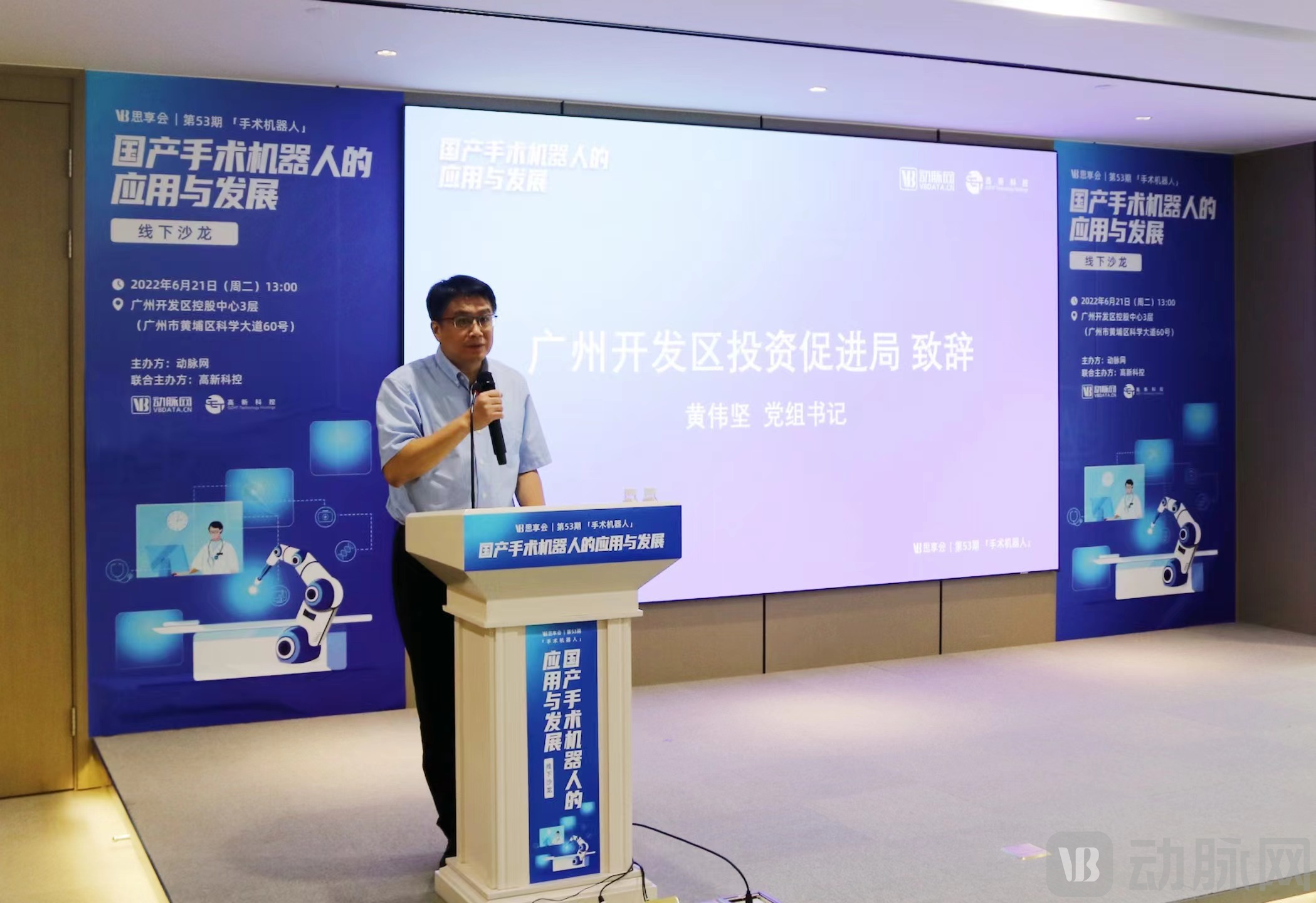
At the outset of the salon, Huang Weijian, Party Secretary of the Investment Promotion Bureau of Guangzhou Development District, highlighted in his opening remarks the district’s favorable industrial environment and the development status of surgical robots, while sharing the “Guangzhou experience.”
Subsequently, Wang Kaixiang, a member of the Party Committee and Assistant General Manager of Guangzhou Development District Holding Group Co., Ltd., as well as Chairman and General Manager of Guangzhou High-Tech Zone Science and Technology Holding Group Co., Ltd., shared his insights on the surgical robotics industry: “Surgical robotics boasts significant development advantages and immense potential. In terms of market size and the overall financing environment, both domestic and international surgical robotics sectors have experienced rapid growth in recent years. As a technology holding group focused on investment services in the life and health sector within the Guangdong-Hong Kong-Macao Greater Bay Area, GHTC attaches great importance to this niche field. Moving forward, we will further leverage the industrial ecosystem of Guangzhou Development District and harness the advantages of Guangzhou Development Holdings’ diversified financial service system to promote industrial agglomeration and development through investment services.”
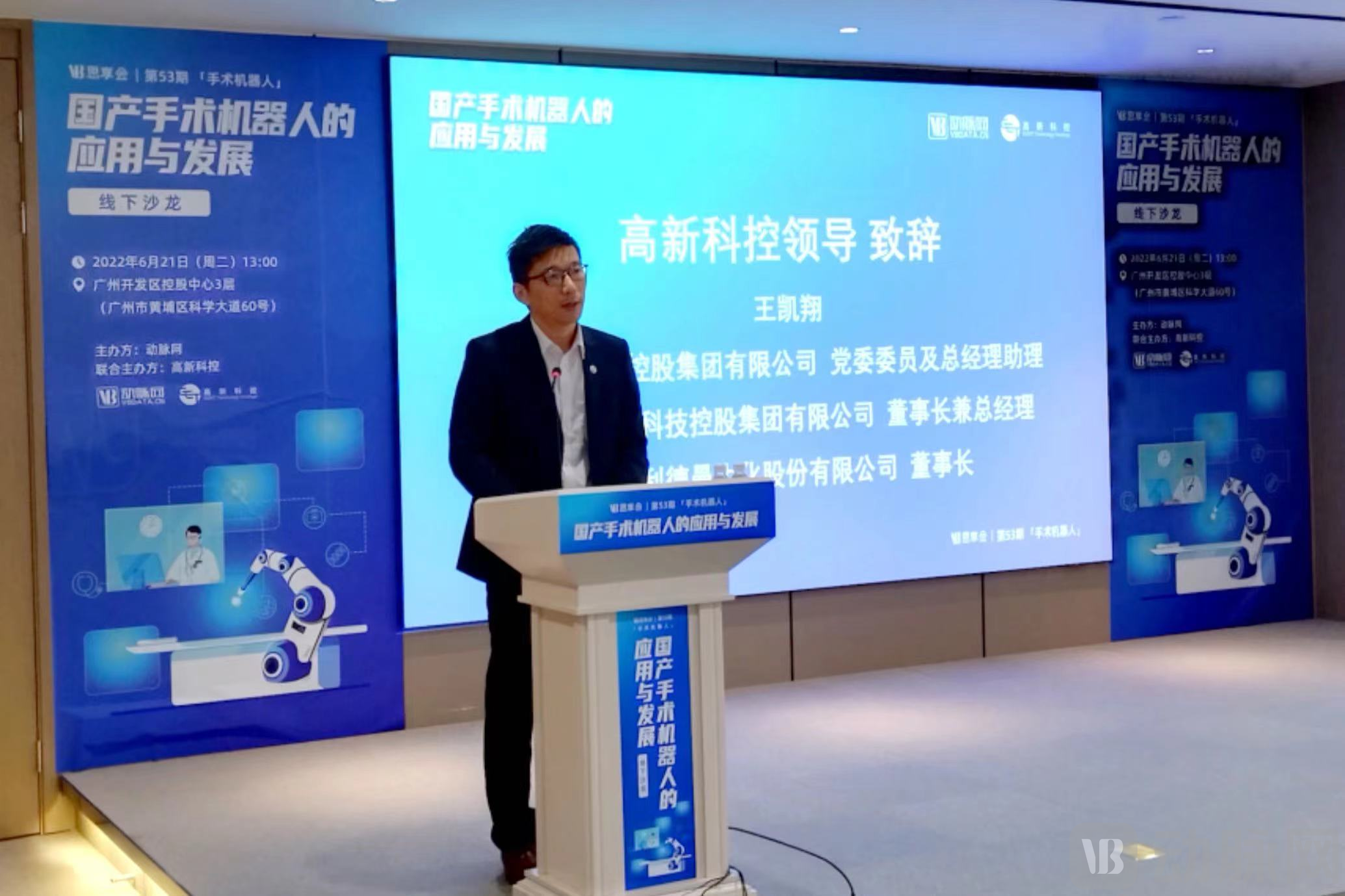
Wang Kaixiang introduced Gaoxin Ke Kong’s investment service philosophy and vision: “In the realm of industrial investment, Gaoxin Ke Kong assumes diverse roles. We are both landlords and shareholders; investors and partners; service providers and mentors. It is precisely this multiplicity of roles that enhances the professionalism of our investments and constitutes our competitive advantage. Looking ahead, Gaoxin Ke Kong will continue to deepen its focus on the biohealth sector and actively empower technological innovation. We look forward to greater engagement with entrepreneurs along the path of industrial development. We will steadfastly uphold the principles of openness, sharing, and mutual benefit, taking it as our mission to empower partners through ecosystem building, and achieving win-win cooperation with entrepreneurs driving industrial growth.”
Following the sharing session in Guangzhou, the experts engaged in discussions at the salon on frontier advancements and industrial development within their respective technical fields. Selected highlights are summarized below:
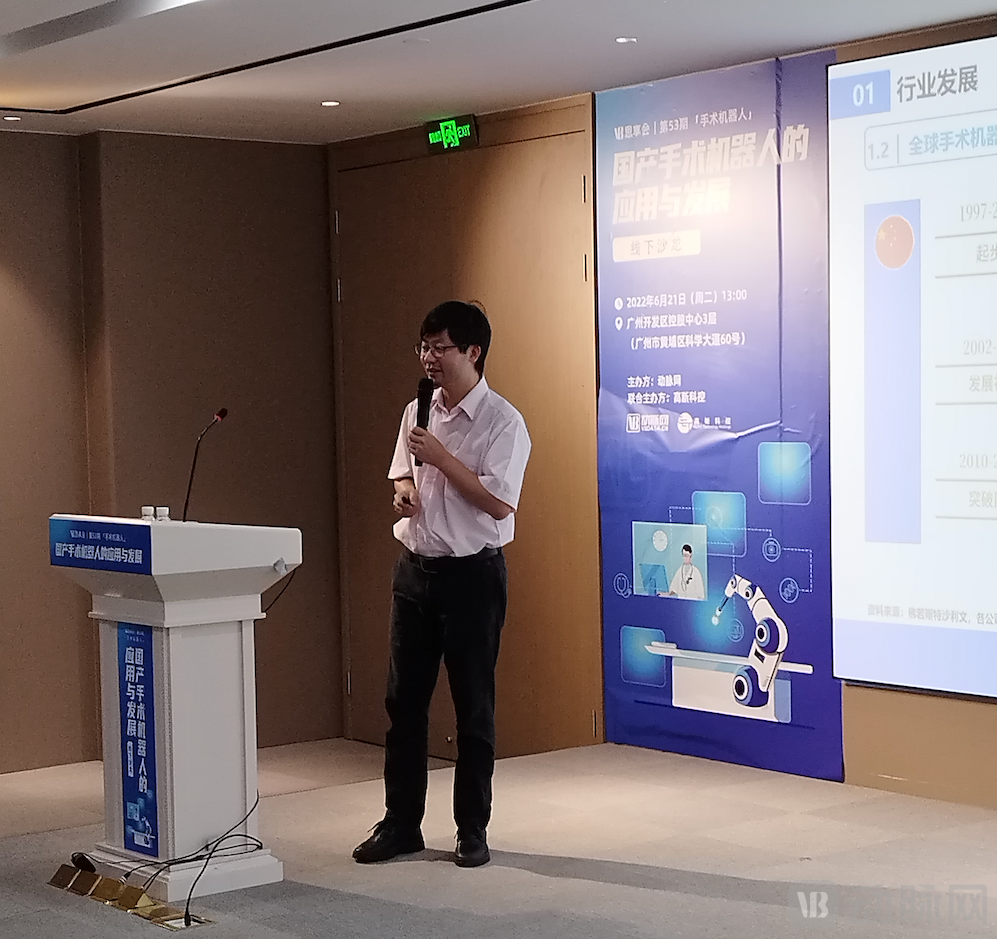
The development of surgical robots has been a prolonged process, validated by both clinical practice and the market. However, domestic progress in China has been relatively delayed due to factors such as patent monopolies. From the perspective of current market development, laparoscopic surgical robots and percutaneous puncture surgical robots are the most widely applied, followed by joint replacement surgical robots. With breakthroughs in relevant technologies, vascular interventional surgical robots are also gradually emerging. Nevertheless, while there is substantial demand for natural orifice surgery, corresponding surgical robot products remain scarce, suggesting significant potential for future growth in this sector.
However, there is another category of localization robots that essentially require no direct operation by physicians. After computer-based path planning, these robots can perform surgeries autonomously. The key to the successful implementation and clinical application of this technology lies in the three major components constituting such localization robots: the optical tracking system, the robotic arm, and the software system.
What remains a significant challenge is that, although surgical robots—the mainstay of the industry chain—have achieved technological breakthroughs and are gradually being replaced by domestically produced alternatives in China, core components of Chinese surgical robots, such as optical positioning systems, are still predominantly imported. To address this issue, Aimu Yi has conducted over a decade of related research, developing an optical positioning system and establishing a product pipeline that encompasses positioning systems, software algorithms, and surgical consumables, thereby supporting the upgrading of domestic robotic products from multiple dimensions.
Throughout the process, we have continuously refined the key technical parameters of our product to enable low-latency data transmission, thereby achieving more precise and high-speed positioning. To ensure the accuracy and stability of the optical positioning system, Aimu Yi conducted extensive experiments and parameter testing. We also optimized interactive features such as image and video processing. I believe that a key factor in the future development of surgical robots lies in enhancing system operability through the integration of hardware and software, or alternatively, through the convergence of virtual and real elements.
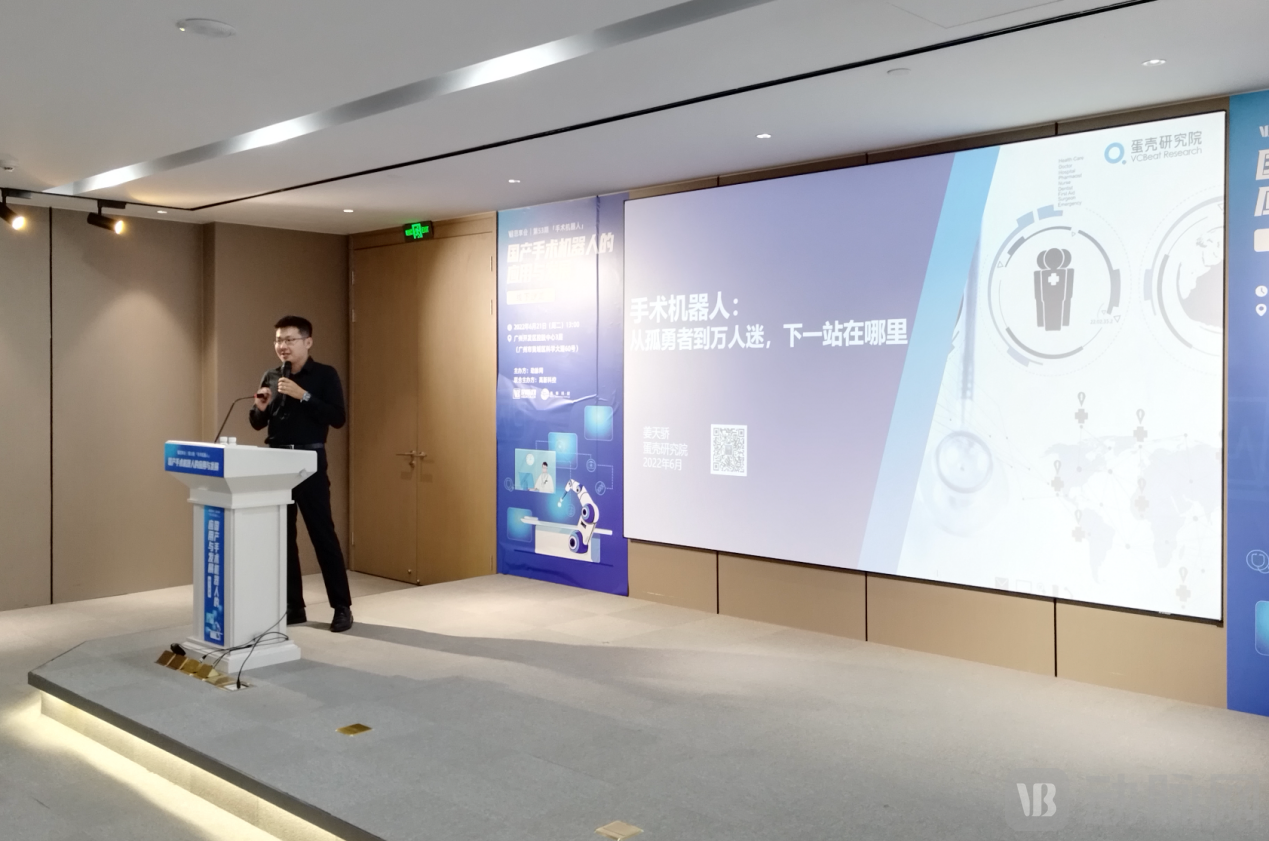
In today’s highly crowded competitive landscape, the challenges facing enterprises are markedly different from those of the past. Therefore, it is particularly crucial for companies to accurately gauge future development trends. Making incorrect strategic bets on technological directions could result in substantial costs and consequences down the line. Based on the assessment by VCBeat Eggshell Research Institute, we have identified several key trends in the surgical robotics sector:
The first major trend is making price concessions in competitive strategies. First, the development of surgical robots is inevitable; from the overall environment perspective, driven by policy pressures and accelerating market competition, there is inevitably room for price reductions in this technology. As surgical robots enter the commercialization phase, companies must expand their market reach by penetrating lower-tier markets, making price reductions an inevitable outcome. Therefore, we predict that companies will establish a full price spectrum in the future, such as by developing low-end products.
The second major trend is that consumables constitute an indispensable business model. We have observed that the five leading players in the orthopedics sector have essentially all engaged in acquisitions within the consumables market. Furthermore, an analysis of the da Vinci Surgical System’s development reveals that consumables account for more than half of its market size. Additionally, from the hospital perspective, generating revenue is challenging without consumables. Therefore, consumables represent a particularly critical component of the business model.
The third major trend is to rapidly develop “flagship procedural” products within the patient capital cycle. This is because competition in any sector revolves around medical procedures. Without a blockbuster “flagship procedure” product, it is difficult to penetrate the market. It is essential to identify the rigid demand within these procedures and reduce prices to achieve import substitution.
The fourth major trend is the continued extension of minimally invasive concepts to port-based approaches, ultimately leading to natural orifice surgical robots.
The fifth trend is that, beyond improving precision, orthopedic surgical robots should achieve maximal integration of hardware robotic arms and navigation systems for trauma and joint procedures, with hardware supporting as wide a range of surgical procedures as possible. Neurosurgical and percutaneous puncture robots can follow the same logic. In the long term, neurosurgical and percutaneous puncture surgical robots are likely to converge with orthopedic surgical robots. Additionally, a major trend in vascular interventional surgical robots is toward centralization, simplification, cost reduction, and a shift toward disposable components, potentially becoming entirely disposable.
The sixth major trend is the comprehensive coverage of surgical robot products by industry giants. We believe this is driven by capital logic rather than business logic. This is because, whether from the perspective of technological R&D on the supply side or departmental resources on the demand side, the application and synergy of these robots remain quite limited. Therefore, a multi-product pipeline layout does not generate economies of scale through synergy, but rather aims to lock in investor perception. Consequently, for startups, a better competitive strategy is to focus more on product and business development, continuously improving a single suite of products for specific departments, and optimizing their user experience and cost-effectiveness.
The seventh major trend is that, beyond its current value, the value of data is vastly underestimated. In reality, most robotic systems will inevitably adopt a workflow that begins with data acquisition, followed by algorithmic processing, and finally leads to autonomous surgery. From the perspective of technological evolution, automation is irreversible. Therefore, automated products should be the next strategic focus.
Finally, given China’s vast patient population and surgical volume, coupled with its focused commitment to technological R&D, we firmly believe that Chinese surgical robots are poised to achieve comprehensive global leadership over the next decade.
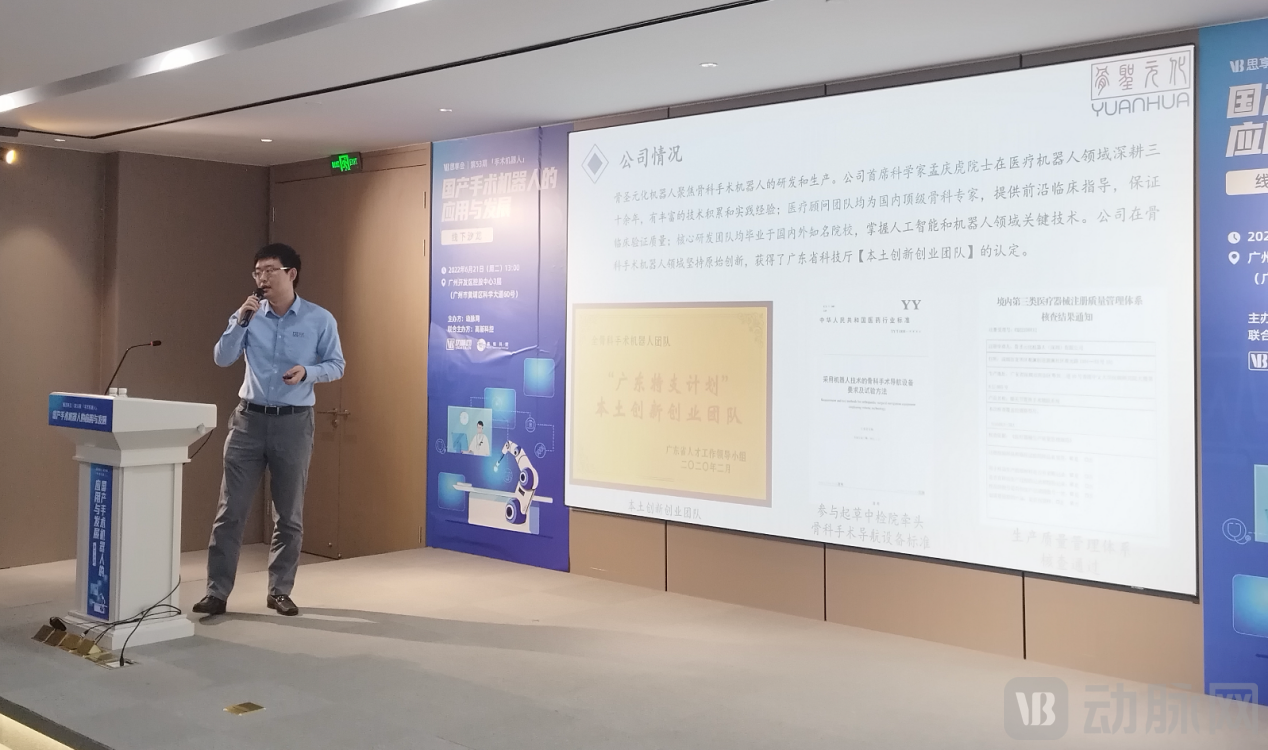
Orthopedic surgery is a highly mature procedure. In terms of the traditional surgical process, performing this operation requires a complex array of instruments and entails a series of maneuvers by the attending surgeon, such as medullary canal opening and reaming. Based on current satisfaction rates with outcomes of traditional orthopedic surgeries, patient satisfaction with conventional techniques stands at approximately 60%–70%. Therefore, it is essential to engage deeply in clinical practice and drive product development based on identified clinical pain points.
Yuanhua Intelligence focuses on cross-specialty surgical robots. Meanwhile, the core product of its wholly-owned subsidiary, Gusheng Yuanhua Robotics (Shenzhen) Co., Ltd., is a leading full-orthopedic surgical assistance robot system. This system assists surgeons in performing various orthopedic procedures, including knee and hip arthroplasty, trauma surgery, and spinal surgery. Our system is highly dexterous, with the physical unit being significantly more compact than most competing domestic products. Furthermore, we independently develop our robotic arms and possess our own navigation system, thereby establishing a self-sufficient corporate ecosystem.
Led by the National Clinical Research Center for Orthopedics, Sports Medicine, and Rehabilitation, a multicenter randomized controlled clinical trial of the total knee arthroplasty robotic system was jointly conducted by the First Medical Center of the Chinese PLA General Hospital, West China Hospital of Sichuan University, the First Affiliated Hospital of Xinjiang Medical University, Xiangya Hospital of Central South University, and the Second Affiliated Hospital of Army Medical University. The system entered the Special Review Procedure for Innovative Medical Devices in October 2021 and is currently in the registration application stage.
In terms of product lines, our gastrointestinal products and natural orifice surgical robot products have completed or are close to completing preclinical R&D, and will gradually enter the clinical validation phase, forming a product matrix covering multiple departments and clinical applications. This aims to minimize hospital procurement costs as much as possible and expand into a larger market.
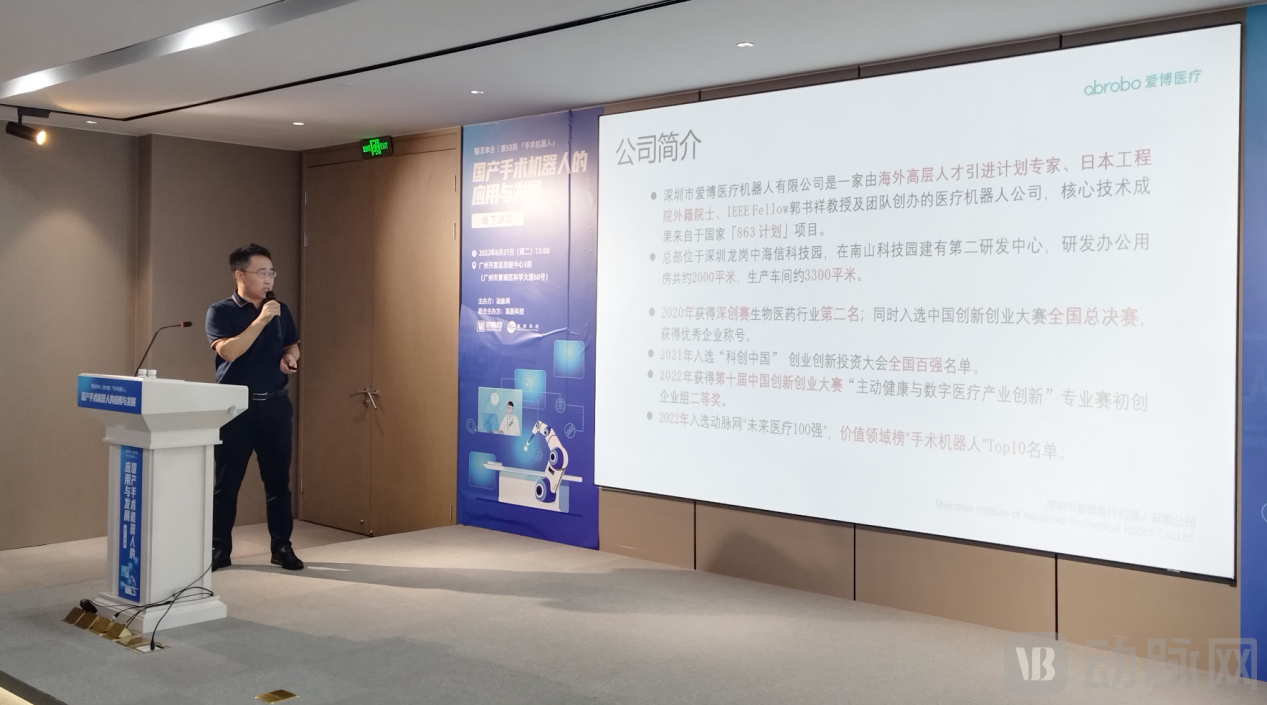
Vascular interventional procedures typically involve physicians manipulating catheters and guidewires under the guidance of an angiography system. During the procedure, physicians usually need to navigate catheters and guidewires through vessels such as the femoral artery and cerebral vasculature to reach the lesion site for targeted treatment. Surgical robots not only enhance precision and safety but also leverage intelligent fusion algorithms to shorten operative time and significantly reduce radiation exposure to physicians during surgery. Furthermore, this technology can abbreviate the training period for physicians.
For vascular interventional procedures, the most significant pain point is radiation exposure to physicians. This is because angiography systems are required for guidance during these procedures, and such systems emit radiation. Although physicians must wear lead aprons before surgery, their hands and head cannot be fully protected. Consequently, they face a several-fold higher risk of developing conditions such as tumors, cervical spondylosis, and lumbar disc herniation compared to their counterparts in other specialties. Thus, there is a clear and pressing need among physicians. In this sense, vascular interventional surgical robots are disrupting the operational methods that have defined interventional therapy over the past 40 years.
On the other hand, Aibo Medical’s years of accumulation in haptic feedback systems and safety warning algorithms enable vascular interventional procedures to be safer and more precise, delivering significant value to patients. Furthermore, the integration of navigation fusion algorithms effectively shortens procedure time, thereby increasing surgical volume and generating additional revenue for hospitals. Meanwhile, this technology also reduces physician training time, offering substantial value to hospitals, clinicians, and society at large.
In the future, we will remain user-centric and demand-driven, leveraging the integration of medicine and engineering to develop vascular interventional surgical robots that are user-friendly for physicians and ensure patient safety.
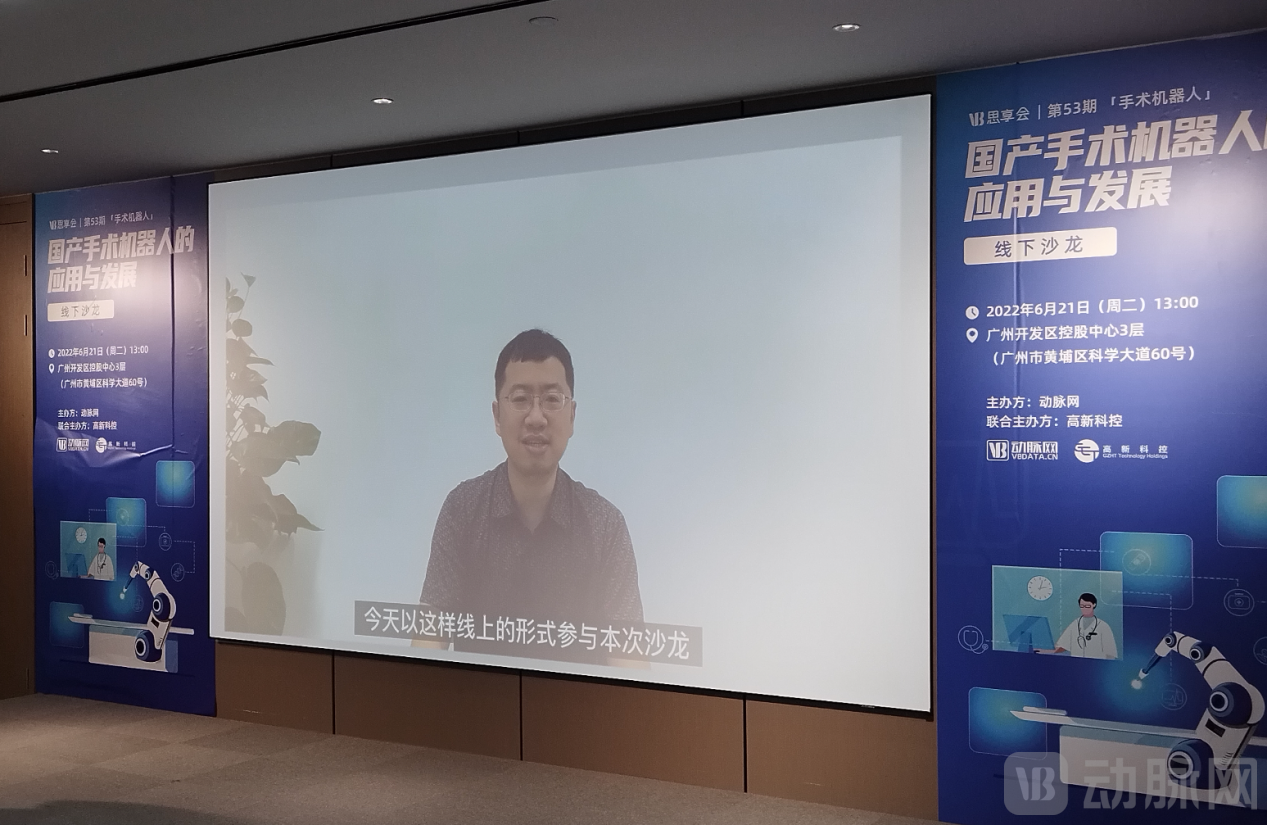
As an emerging growth segment of surgical robots over the past decade, vascular interventional surgical robotics originated with the RNS cardiovascular interventional surgical robot developed by Haifa Hospital in Israel in 2006. This system employed multiple sets of friction wheels to separately deliver guidewires and balloon-stent catheters. Corindus’s CorPath 200 series had already completed large-scale clinical trials around 2012, demonstrating to the FDA the safety and efficacy of vascular interventional surgical robots.
The Weimai Vascular Interventional Surgical Robot ETcath200 is primarily designed to enable physicians to precisely perform percutaneous coronary intervention (PCI) procedures by manipulating the control handles from a console in the monitoring room. In 2021, the first PCI procedure using the ETcath200 was successfully completed at Beijing Anzhen Hospital, Capital Medical University. During the surgery, catheter and guidewire delivery was smooth, the operator experience was excellent, and all patient monitoring indicators remained stable and within normal ranges. Furthermore, the system effectively reduced procedure time, lowered the rate of diagnostic errors, and assisted physicians in achieving standardized performance of interventional procedures.
We have developed a bionics-based system that highly simulates the four fingers of a physician’s hand to perform guidewire manipulation. The system also enables guidewire rotation with high advancement precision. Furthermore, haptic feedback from the guidewire effectively enhances procedural safety. In addition, the system supports the control of various types of catheters. Its proprietary sterile disinfection cassette and magnetic quick-release design allow for assembly and disassembly in just 3 seconds.
In the future, as interventional technologies become more widely adopted at the primary care level, Weimai Medical will leverage vascular interventional surgical robot technology to enable physicians to perform remote surgeries, thereby accelerating the dissemination of interventional surgical robotic systems in grassroots healthcare settings.
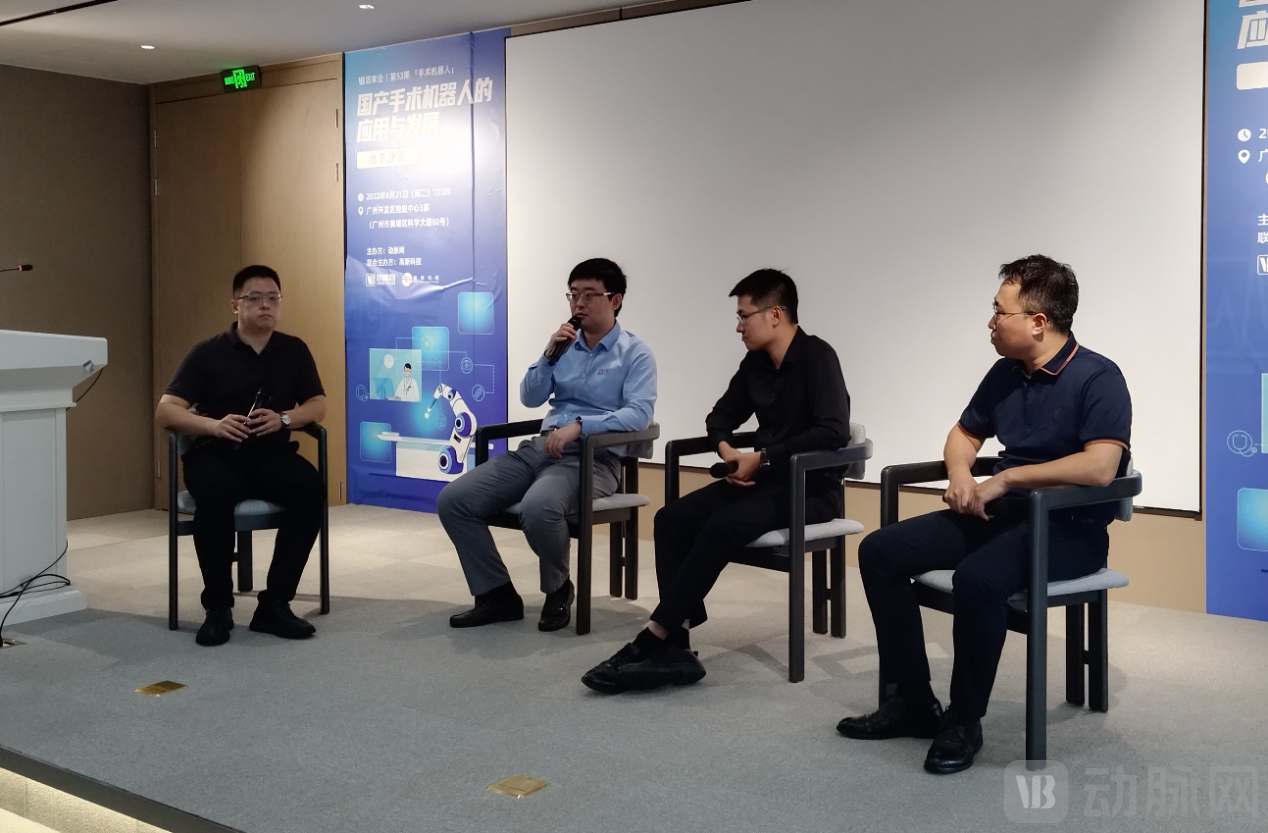
Moderator: Tian Li | Investment Director, Healthcare Industry, Shenzhen Capital Group
You Yuan | Board Secretary, Yuanhua Intelligence
Jiang Tianjiao | Dean of VCBeat Eggshell Research Institute
Guo Jian | General Manager, Aibo Medical Robotics
With advantages such as minimal invasiveness, high precision, a reduced learning curve for surgeons, and standardized surgical procedures, surgical robots are not only a key innovation addressing the current shortage of medical professionals but also a hot spot for capital investment in recent years. As technology continues to break through and policy support intensifies, the surgical robot market is poised for rapid growth in the future.
It is an undeniable fact that the sector is heating up, but to truly seize the critical period of development for surgical robots, in-depth consideration must be given to increasing penetration rates, achieving large-scale commercialization, and genuinely addressing clinical pain points. During the roundtable discussion, You Yuan, Board Secretary of Yuanhua Intelligence; Jiang Tianjiao, Dean of VCBeat Research Institute; and Guo Jian, General Manager of Aibo Medical Robotics, shared their respective views on these issues under the theme “Can Chinese-made surgical robots forge a second path?”
Mr. You Yuan, Board Secretary of Yuanhua Intelligence, stated:“China’s penetration rate for surgical robots has remained relatively low, a situation attributable to business models, product completeness, and core components. For instance, the first domestically produced surgical robot to achieve commercialization was the spinal surgery robot, which primarily focuses on pedicle screw placement. However, physicians prioritize not merely the presence of a single function, but the capability to complete an entire surgical procedure. Consequently, there has been a persistent domestic shortage of surgical robots with more complex functionalities that can address a broader range of surgical procedures. Meanwhile, the overall product maturity and the extent to which core components have been mastered have also constrained the development of China’s surgical robot industry to some degree.”
Jiang Tianjiao, Dean of VCBeat Institute, stated:“China is currently undergoing centralized volume-based procurement, which may, to some extent, affect the development of surgical robots from the demand side. From the supply side, the issues revolve around two dimensions: product capability and physician investigator (PI) motivation. First, can the product improve clinical diagnosis and treatment outcomes while reducing treatment costs? Second, does this technology offer value to mid-tier physicians, effectively enhancing their surgical skills, shortening the learning curve, and gaining their acceptance? This is crucial and can, to a certain extent, accelerate the penetration of this technology.”
Guo Jian, General Manager of Aibo Medical Robotics, stated:“Vascular interventional surgical robotics originated with the RNS system developed in 2006 by Haifa Hospital in Israel. From a technological advancement perspective, China’s development of vascular interventional surgical robots naturally lags behind overseas counterparts. However, in the healthcare sector, success is not determined by who moves fastest, but by who persists to the end and genuinely addresses critical clinical pain points. For instance, challenges prevalent in China—such as a scarcity of high-quality physicians and uneven distribution of medical resources—may not exist abroad. Furthermore, domestic conditions regarding operating rooms, patient case profiles, and policies differ significantly from those overseas. Therefore, by deeply addressing clinical pain points and effectively integrating medical practice with engineering innovation, it is possible to enhance product penetration rates to a certain extent.”