

Zhao Guoping, Academician of the Chinese Academy of Sciences, Leads Successful Conclusion of Biotech Innovation Forum at Transfar Tech City
Recently, the National Development and Reform Commission officially released the “14th Five-Year Plan for Bioeconomy Development,” which clearly aims to build national strategic scientific and technological capabilities in biotechnology, accelerate breakthroughs in bottlenecks hindering bioeconomic development, and achieve self-reliance and strength in science and technology. Biotechnology has entered an era of complete and thorough transformation.
In this context,The 6th Wanwu Shengzhang Conference — Biotechnology Innovation Forum was successfully held on June 28, 2022, at the Transfar Sci-Tech City in Xiaoshan, Hangzhou.. This conference was guided by the Organization Department of the Xiaoshan District Committee of the Communist Party of China and the Administrative Committee of Xiaoshan Economic and Technological Development Zone, and jointly hosted by the Xiaoshan Science and Technology City Administration Bureau and Hangzhou Transfar Science and Technology City Co., Ltd.
As a sub-forum of the Wanwu Growth Conference, the Biotechnology Innovation Forum attracted participation from top scholars in biotechnology, academic experts, industry leaders, sci-tech innovators, and venture capital funds. The event drew numerous industry luminaries who provided in-depth analysis and discussion on the developmental trajectory and future trends of biotechnology.Academician Zhao Guoping, Academician of the Chinese Academy of Sciences and Chief Scientist at the Biomedical Big Data Center, Shanghai Institutes for Biological Sciences, Chinese Academy of SciencesLead.Yang Lirong, Professor at the College of Chemical and Biological Engineering, Zhejiang University; Cao Tong, Chief Scientist at the Life Sciences Institute, National University of Singapore; and Qu Kun, Professor at the Division of Life Sciences and Medicine, University of Science and Technology of ChinaExperts and scholars will conduct in-depth sharing at the conference,NHU, Bloomage Biotech, Qihan Bio, BOTA Biosciences, Element Drive, Yanjin Technology, and Sequoia ChinaRepresentatives discussed how to build bioeconomy industrial clusters.
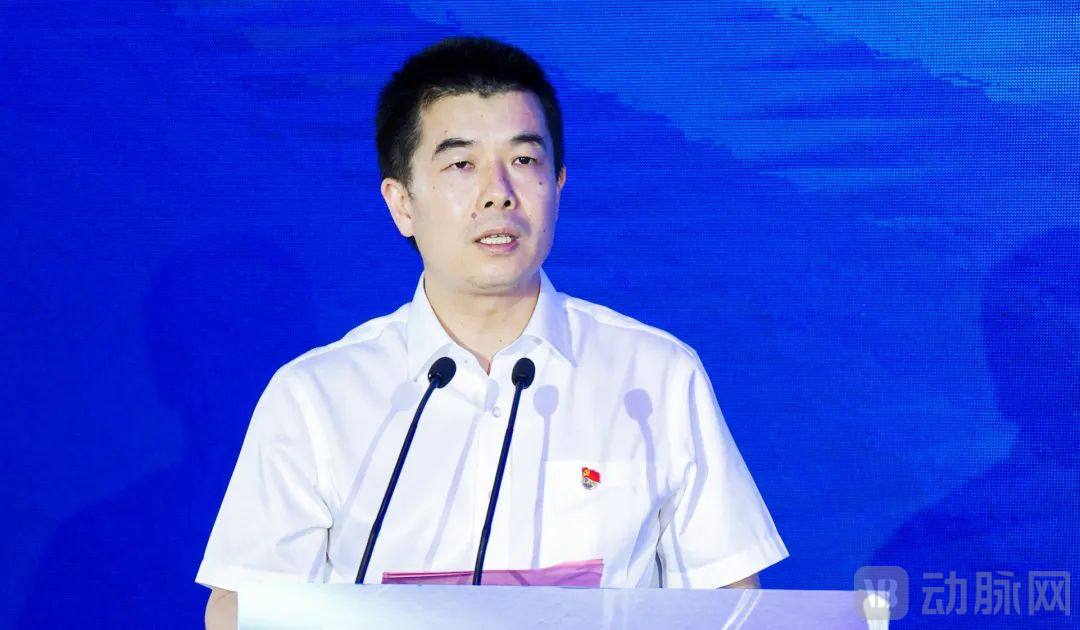
Zhu Guojun, Member of the Party Working Committee and Deputy Director of the Administrative Committee of Xiaoshan Economic and Technological Development Zone, and Commander of the Science and Technology City Corps
Zhu Guojun, Member of the Party Working Committee and Deputy Director of the Management Committee of Xiaoshan Economic and Technological Development Zone, and Commander of the Science and Technology City CorpsDelivering a speech at the conference, he extended a warm welcome to the distinguished guests and attendees. He noted that in 2022, Xiaoshan District innovatively launched a “corps-style” campaign mechanism for its platforms, boosting efficiency through restructuring and optimization, and stimulating vitality through reform and innovation. As one of the eight major “corps,” the Science City “Corps” serves as the chain leader for both the biotechnology innovation chain and the medical device industry chain. It will focus on industrial development, accelerate the establishment of the Science City as an innovation source with more landmark achievements, and provide strong organizational support for creating a new window for the integration of industry and urban development in Xiaoshan.
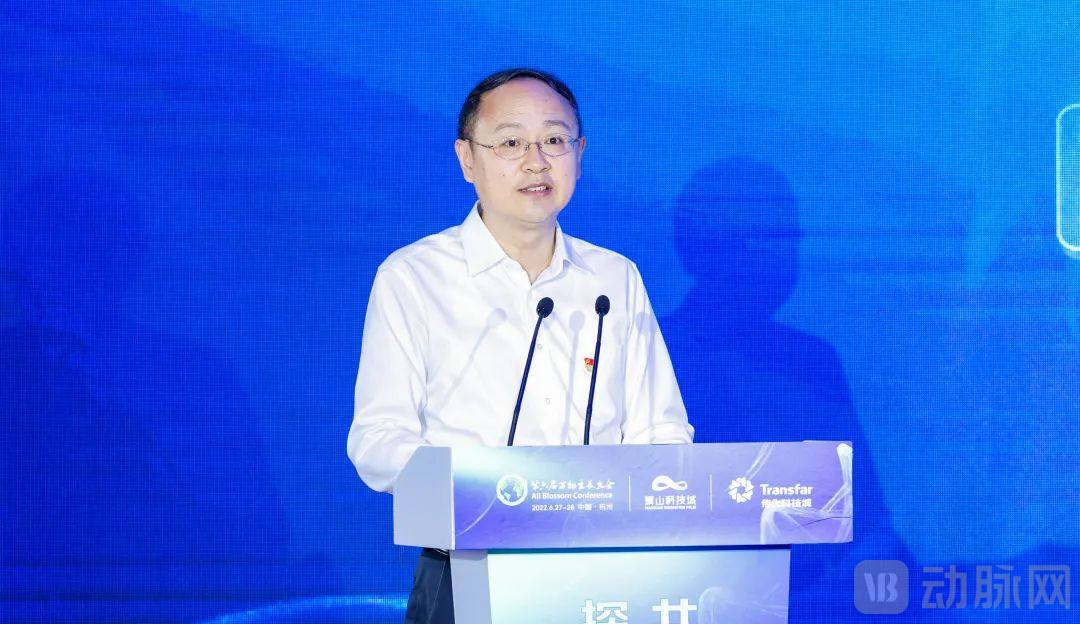
Chen Jie, Secretary of the Party Committee and Executive President of Transfar Group
Chen Jie, Secretary of the Party Committee and Executive President of Transfar GroupThis underscores the intrinsic link between the development of life sciences and human society. Transfar Sci-Tech City, the core area of Xiaoshan Sci-Tech City, serves as a key technological innovation platform meticulously developed by Transfar to actively support Xiaoshan’s strategic layout in the life sciences sector. Currently, the “city” component of Transfar Sci-Tech City has taken shape in impressive fashion, with a series of international-standard educational, medical, and commercial facilities completed and put into operation. The “industry” component has achieved strategic focus, targeting innovative fields such as synthetic biology, cell therapy, and in vitro diagnostics. To this end, industrial carriers including the Sci-Tech Innovation Building, Qianwan Smart Valley, Life Science Industrial Park, and Transfar Bio-Accelerator have been established sequentially to meet the needs of enterprises throughout their entire lifecycle. Looking ahead, Transfar Group will further promote the synergistic development of the life sciences sector and its own industrial ecosystem, contributing to Hangzhou’s vision of becoming a “City of Innovation and Vitality.”
This event featured a “brainstorming” session on the macro environment and future trends of interest to the industry, covering policy, technology, capital, and other key factors. Topics included hot biotechnologies such as synthetic biology, cell and gene therapy, and bioinformatics, as well as focal points in industrial development such as technological breakthroughs, innovative applications, investment trends, and industrial clusters.
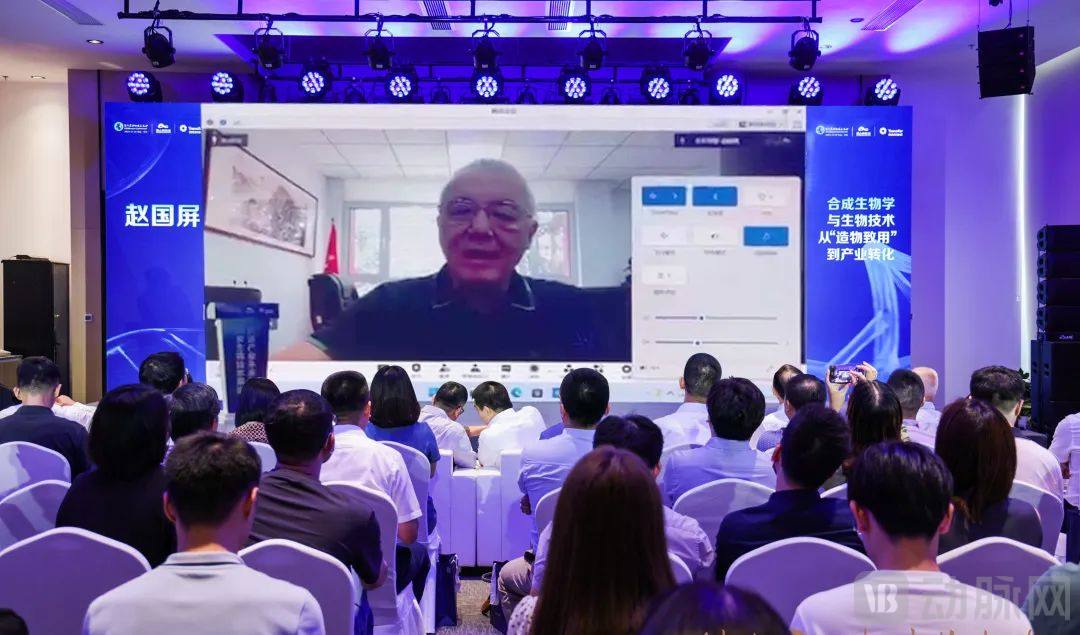
Academician of the Chinese Academy of Sciences, Chief Scientist at the Biomedical Big Data Center, Shanghai Institutes for Biological Sciences, Chinese Academy of Sciences: Zhao Guoping
Academician of the Chinese Academy of Sciences, Chief Scientist at the Biomedical Big Data Center of the CAS Shanghai Institutes for Biological Sciences, Zhao GuopingThe rise and development of modern bioengineering technologies, spurred by the revolutions in molecular biology and genomics, have prompted a review and outlook on the “yesterday,” “today,” and “tomorrow” of synthetic biology. It was noted that advances in artificial intelligence and big data are helping to comprehensively elevate the development levels of life sciences, biotechnology, and the bioindustry. Regarding the journey of synthetic biology and biotechnology from “creation for application” to industrial translation, Academician Zhao Guoping proposed three “truths”: truly researching questions, researching real questions, and solving real problems.
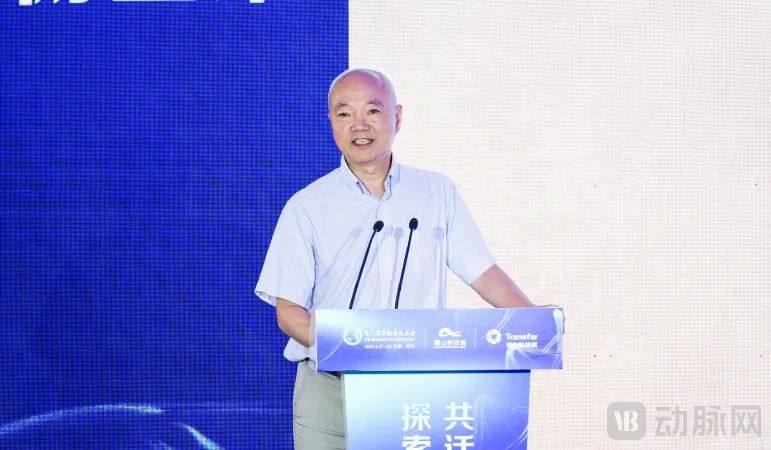
Yang Lirong, Professor at the College of Chemical and Biological Engineering, Zhejiang University; Chief Scientist at the Institute of Molecules and Intelligent Manufacturing, Hangzhou International Science and Technology Innovation Center, Zhejiang University
Yang Lirong, Professor at the College of Chemical and Biological Engineering, Zhejiang University, and Chief Scientist at the Institute of Molecular Intelligence and Manufacturing, Hangzhou International Innovation Institute, Zhejiang UniversityAn interpretation of synthetic biology technology and biomanufacturing was provided, with a detailed elaboration on the roles and advantages of synthetic biology technology, as well as the interplay between synthetic biology and biomanufacturing. Professor Yang Lirong stated that green biomanufacturing based on synthetic biology will inevitably create new industrial development models, drive industrial upgrading, and promote the growth of the bioeconomy. The high-throughput, fully automated biofoundry platform established by the Hangzhou International Innovation Center of Zhejiang University is committed to providing comprehensive services to scientists from enterprises, universities, and research institutions, thereby facilitating advancements in synthetic biology research.
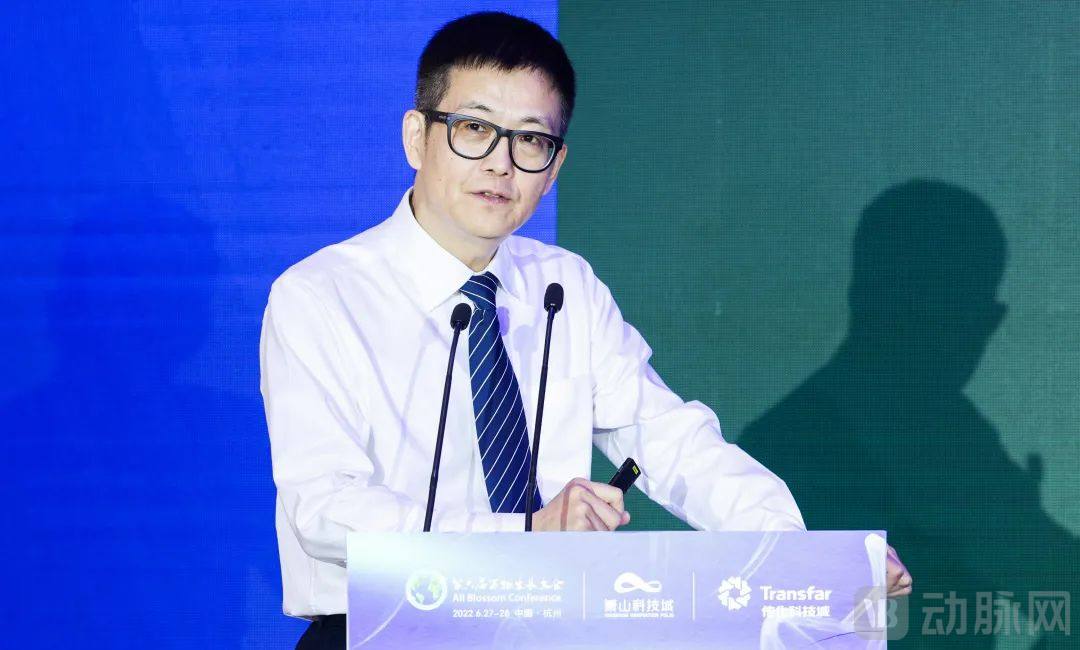
Cao Tong, Chief Scientist at the Life Sciences Institute of the National University of Singapore and Founder of the iHuman International Consortium for Stem Cells and Regenerative Medicine
In the field of cell and gene therapy,Cao Tong, Chief Scientist at the Institute of Life Sciences, National University of Singapore, and Founder of the iHuman International Alliance for Stem Cell and Regenerative MedicineEnvisioning the Ecological Prospects for Life and HealthProfessor Cao has embarked on creating the world’s first iHuman platform, which simulates human embryonic development in vitro to construct isogenic, standardized human cells, tissues, and organs. Currently, the platform can differentiate and generate dozens of types of isogenic, standardized cells, organoids, and fully formed organs with vascularization and innervation from human totipotent stem cells, securing a series of international patents.
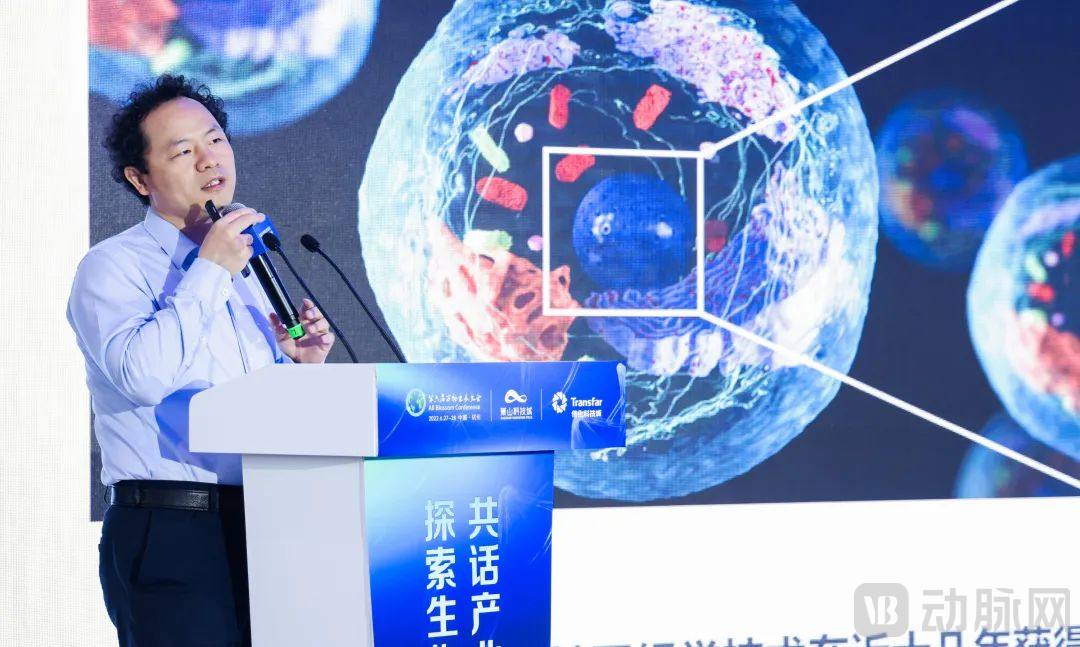
Qu Kun, Professor at the Division of Life Sciences and Medicine, University of Science and Technology of China, and Chief Scientist at Hanyin Life
Qu Kun, Professor at the Division of Life Sciences and Medicine, University of Science and Technology of China, and Chief Scientist at Hanyin Life, shifting the focus to biomedicine in the age of artificial intelligence, it highlights the accelerating convergence and symbiosis of biotechnology and information technology, as well as their mutually reinforcing and iterative driving effects. Professor Qu stated that biomedical research has long entered the era of big data, and the technological advantages brought about by interdisciplinary integration can address many specific challenges in the field of biopharmaceuticals. Taking the analysis of disease etiology as an example, integrating big data analytics serves as an effective approach to studying the causes and evolutionary patterns of diseases.
Currently, from the national level to local governments, active efforts are being made to strategically position and support the development of the bioeconomy industry. However, how to leverage strengths while mitigating weaknesses, seize the development opportunities of the bioeconomy, foster robust bioeconomic industrial clusters, and inject new vitality into regional economies has become a significant and highly urgent challenge facing China’s life sciences industry.
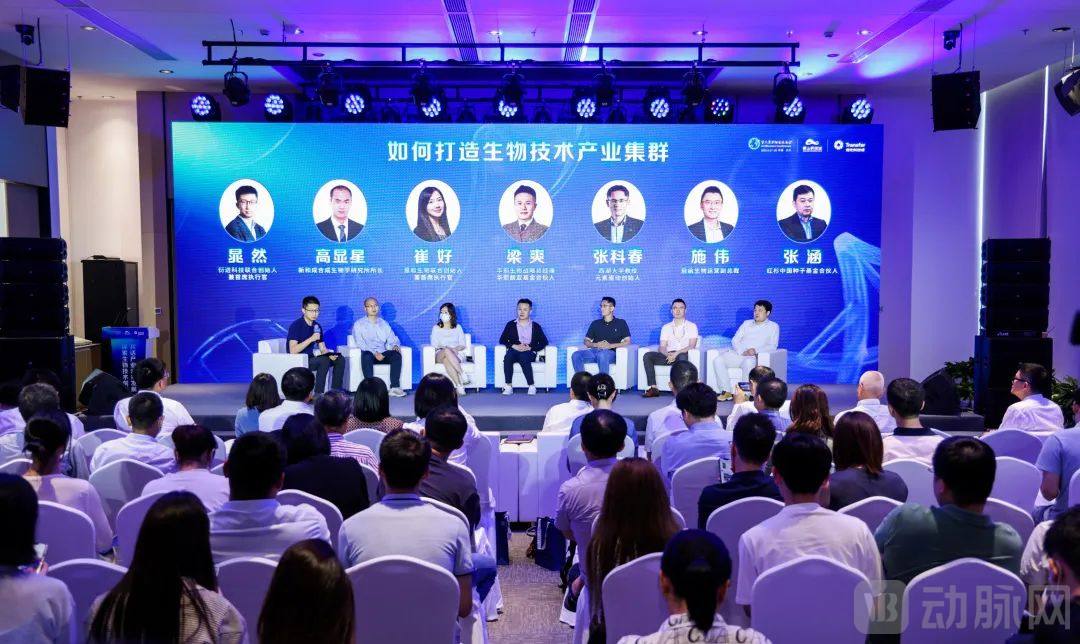
On this issue,Gao Xianxing, Director of the Institute of Synthetic Biology at NHU; Liang Shuang, Strategic General Manager of Bloomage Biotechnology and Partner of Bloomage Langya Fund; Shi Wei, Vice President of Operations at Qihan Bio; Cui Hao, Co-founder and CEO of BOTA Biosciences; Zhang Kechun, Professor at Westlake University and Founder of Element DriveandZhang Han, Partner at Sequoia China Seed Fund, inChao Ran, Co-founder and CEO of Yanjin Technologydiscussion under the moderation and guidance of.
Gao Xianxing from NHU, Liang Shuang from Bloomage Biotech, and Cui Hao from Engeneious Biotechnology used synthetic biology as a case study to provide a detailed analysis of the dilemmas and challenges encountered in the research, development, and application of biotechnology. Shi Wei from Qihan Bio, Zhang Kechun from Westlake University, and Zhang Han from Sequoia China shared their insights on biotechnological innovation from the perspectives of industrial operations, commercialization of scientific achievements, and investment, respectively. They also discussed how various components of the healthcare sector will collaborate in the future to jointly build a bioeconomy industrial cluster.
As early as February this year, the Hangzhou Municipal Science and Technology Bureau and the Development and Reform Commission issued the “14th Five-Year Plan for the Development of High-Tech Industries in Hangzhou,” which proposed deploying innovation chains around industrial chains and laying out industrial chains around innovation chains. “Biotechnology and Precision Medicine,” as a new industrial system, and “biotechnology leading the life and health industry” have been repeatedly highlighted as key areas for breakthroughs in high-tech research and industrial transformation and upgrading.
In the 14-Point Action Plan for Tackling Key Challenges in Sub-Sector Industrial Chains proposed by Xiaoshan District, “Life and Health” has emerged as one of the three pillar industries receiving focused attention. In recent years, Xiaoshan Science and Technology City has designated life sciences as its “No. 1 Industry,” prioritizing the biotechnology innovation chain and the medical device industrial chain, and has established an initial footprint in high-end medical devices, genetic engineering, precision medicine, and innovative drug R&D.
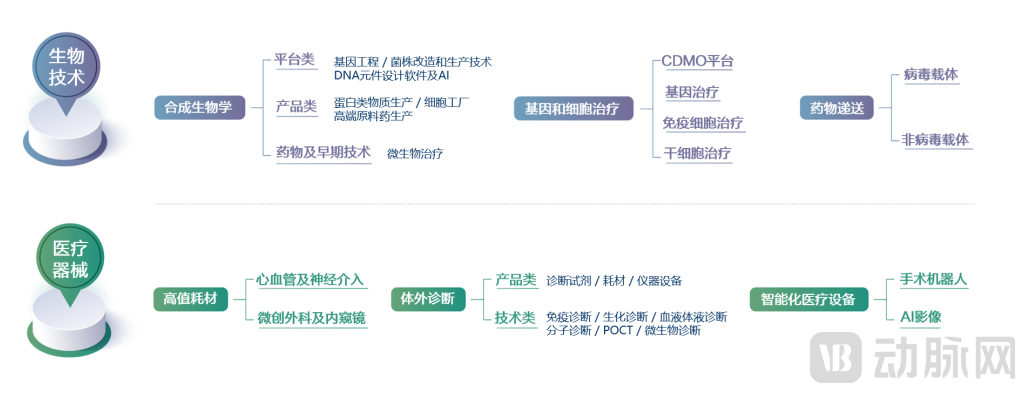
Transfar Sci-Tech City, as an important platform of Xiaoshan Science and Technology City and one of the organizers of this event, it serves as a key hub for accelerating the development of the life sciences industry ecosystem. Transfar Science & Technology City has established a “one city, one industry” development strategy centered on the life sciences sector, fostering innovation chains in biotechnology and industrial chains in medical devices, while strategically laying out niche fields such as synthetic biology, cell therapy, and in vitro diagnostics to promote the clustered development of the life sciences industry.
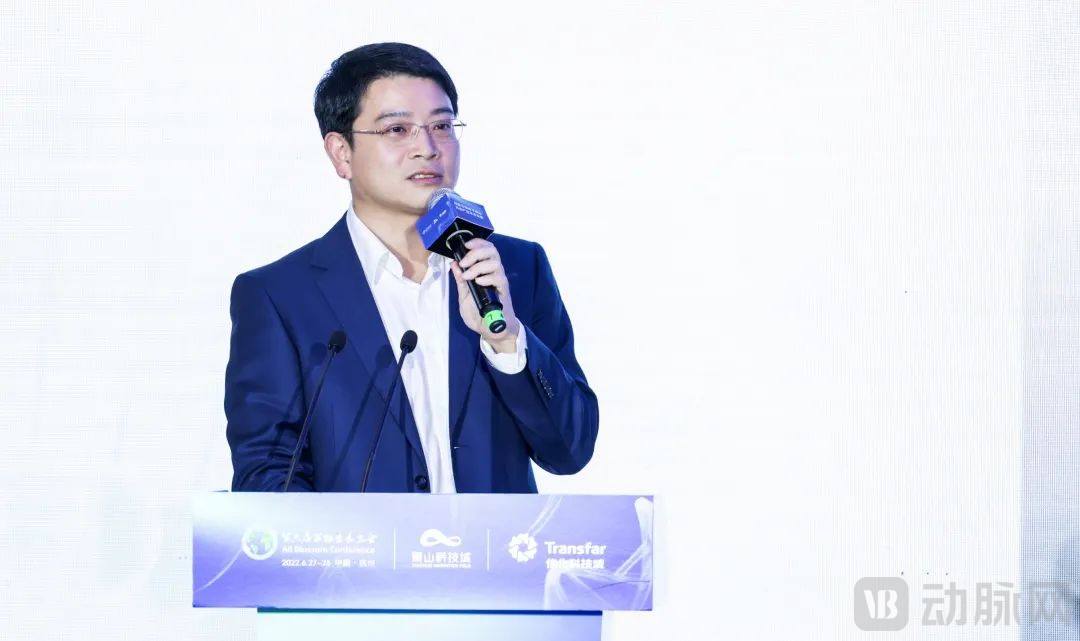
Vice President of Hangzhou Transfar Sci-Tech City Co., Ltd. Jiang Zhangke
Jiang Zhangke, Vice President of Hangzhou Transfar Science and Technology City Co., Ltd.It was mentioned that Transfar’s industrial empowerment spans from chemical manufacturing to biotechnology services,For 36 years, Transfar Sci-Tech City has remained committed to industrial development. As a key industrial platform of Transfar Group, it builds an innovation and entrepreneurship hub that converges talent, technology, and capital, supports scientific advancement and the entrepreneurial endeavors of tech innovators, and establishes a model innovation platform featuring an “International Sci-Tech Community + Industrial Ecosystem.”Transfar Sci-Tech City features a total planned industrial space of 2 million square meters, capable of meeting the full lifecycle needs of life sciences enterprises—from incubation and R&D to production and headquarters operations. The Life Sciences Industrial Park, planned in four phases, has a total gross floor area exceeding 1 million m². Phase I, with a gross floor area of approximately 334,000 m², has been completed and delivered in batches since late 2022. Equipped with GMP-compliant facilities, standalone R&D buildings, and high-rise office-R&D towers, the park addresses spatial and service requirements throughout enterprises’ journey from R&D to industrialization, empowering continuous innovation.
At the event site,The Healthcare Fund Jointly Established by Transfar Capital and Hangzhou High-Tech Investment Co., Ltd.The signing and launch ceremony was officially held in the presence of Lou Taoyuan, Deputy Director of the Xiaoshan Science and Technology City Administration Bureau; Xu Ning, General Manager of Hangzhou High-Tech Investment Co., Ltd.; Chen Tao, President of Hangzhou Transfar Science and Technology City Co., Ltd.; and Cai Xiaoli, Managing Partner of Transfar Capital. It is reported that the Healthcare Fund has an expected total size of RMB 1 billion, with an initial closing of RMB 500 million. Leveraging Transfar Capital’s professional investment capabilities, the fund will focus on investing in innovative projects within the biopharmaceutical and healthcare sectors. Built upon the integrated platform of Transfar Science and Technology City—which combines incubation, acceleration, and industrialization—the fund aims to provide comprehensive lifecycle support to portfolio companies. By adopting a model of “capital empowerment + policy support + service efficiency enhancement,” it seeks to facilitate the rapid growth of investee enterprises and foster a science and technology innovation ecosystem centered on life sciences.
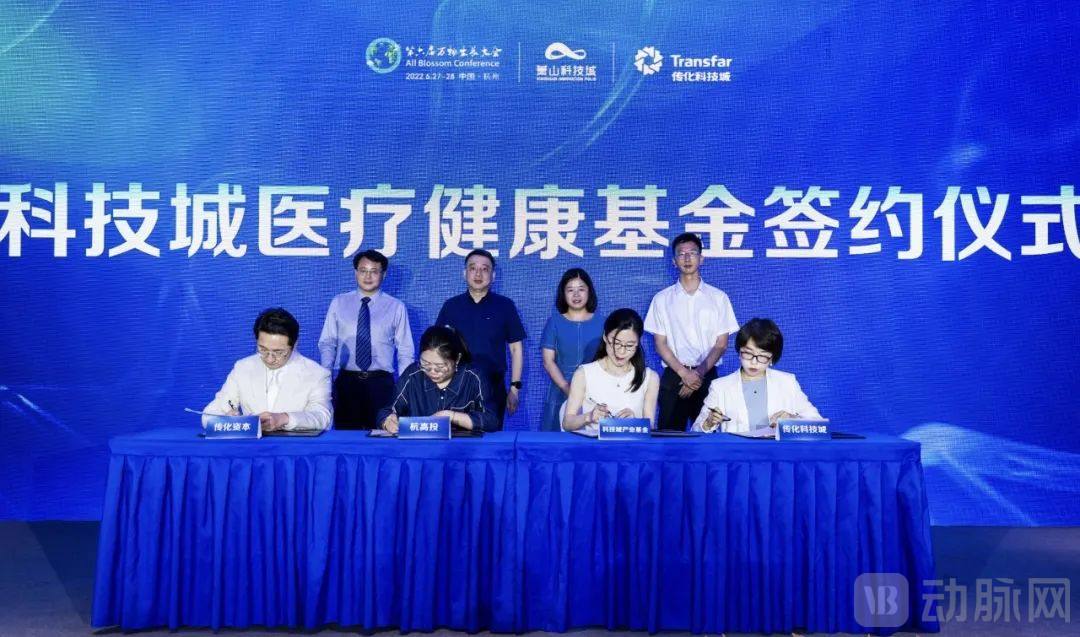
The Biotechnology Innovation Forum has concluded successfully, fully showcasing the achievements of Science City in biotechnological innovation and industrial development. Moving forward, Transfar Science City will continue to consolidate and deepen its resource advantages, building a competitive and influential biotechnology industry cluster and establishing a new highland for the life sciences industry in the Yangtze River Delta. We remain committed to supporting scientists and sci-tech innovation enterprises, jointly ushering in the most brilliant era of scientific and technological innovation.