

ShineNow Medical: A Third-Party Large Animal Testing Center Accelerating the Transformation of Innovative Medical Device Research
The translation of medical research achievements and domestically produced original devices in the medical field has simultaneously gained popularity.
In terms of the commercialization of scientific research achievements, according to statistics from VCBeat’s Orange Fruit Bureau, there were 97 early-stage investment and financing events in China’s healthcare sector from January to May 2022, with total financing exceeding RMB 6 billion. More than 90% of these projects originated from research universities and institutes.
In terms of domestically developed original medical devices, China has seen the emergence of innovative products such as peripheral drug-coated balloons, pulmonary hypertension ablation catheters, bioresorbable stents, and heart valves, with these innovations ranking among the global leaders in their respective categories.
The surge in the commercialization of scientific research achievements and the rise in domestically developed original medical devices may be attributed to multiple factors, such as the gradual improvement of domestic infrastructure, policy support for original innovation, government efforts to create a favorable entrepreneurial environment, research institutions encouraging scientists to launch startups, and investment firms providing financial backing. However, one significant factor that cannot be overlooked is the increasing participation of clinicians in the innovation of medical devices.
In the field of medical devices, clinicians are regarded as the source of device innovation. As the discoverers of clinical problems, they identify the issues that innovative medical devices are designed to solve; only by posing the right questions can one formulate the answers. From this perspective, physicians who identify clinical problems and needs, and distill them into product or technical challenges, serve as the primary drivers of innovation in the medical device industry.
In the past, after identifying clinical needs and pain points, clinicians might engage in exploratory research and development, filing patents for their findings. Today, with the rising tide of translational research, an increasing number of physicians and scientists are choosing to transform their scientific achievements into products and commercial commodities.
It is worth noting that despite the surging wave of translating scientific research achievements into practical applications in China, numerous constraints remain. For instance, clinicians often lack engineering knowledge and do not have access to engineering teams, making it impossible to produce prototypes. Furthermore, while innovative medical devices require animal studies to verify product safety and feasibility, many physicians are unable to conduct such experiments due to limitations in the availability of test animals, surgical instruments, and suitable facilities.
In response to the aforementioned pain points and guided by the vision of building a world-class innovation platform for medical devices, Academician Ge Junbo founded the China Cardiovascular Doctors Innovation Club (CCI) in 2015. Integrating innovation training, design exchange, innovation incubation, research support, and industry collaboration, CCI aims to unleash the innovative potential of clinicians, establish a medical-engineering ecosystem, enhance the quality and efficiency of medical technology and device R&D, and promote the self-driven development and improvement of China’s cardiovascular field.
Specifically, as a non-profit academic organization serving cardiovascular physicians and researchers across China, CCI has established a Medical-Engineering Joint Laboratory, an Animal Experiment Center, and a Joint Clinical Research Laboratory, which respectively assist physicians in developing product prototypes, conducting animal studies for validation, and advancing clinical research.
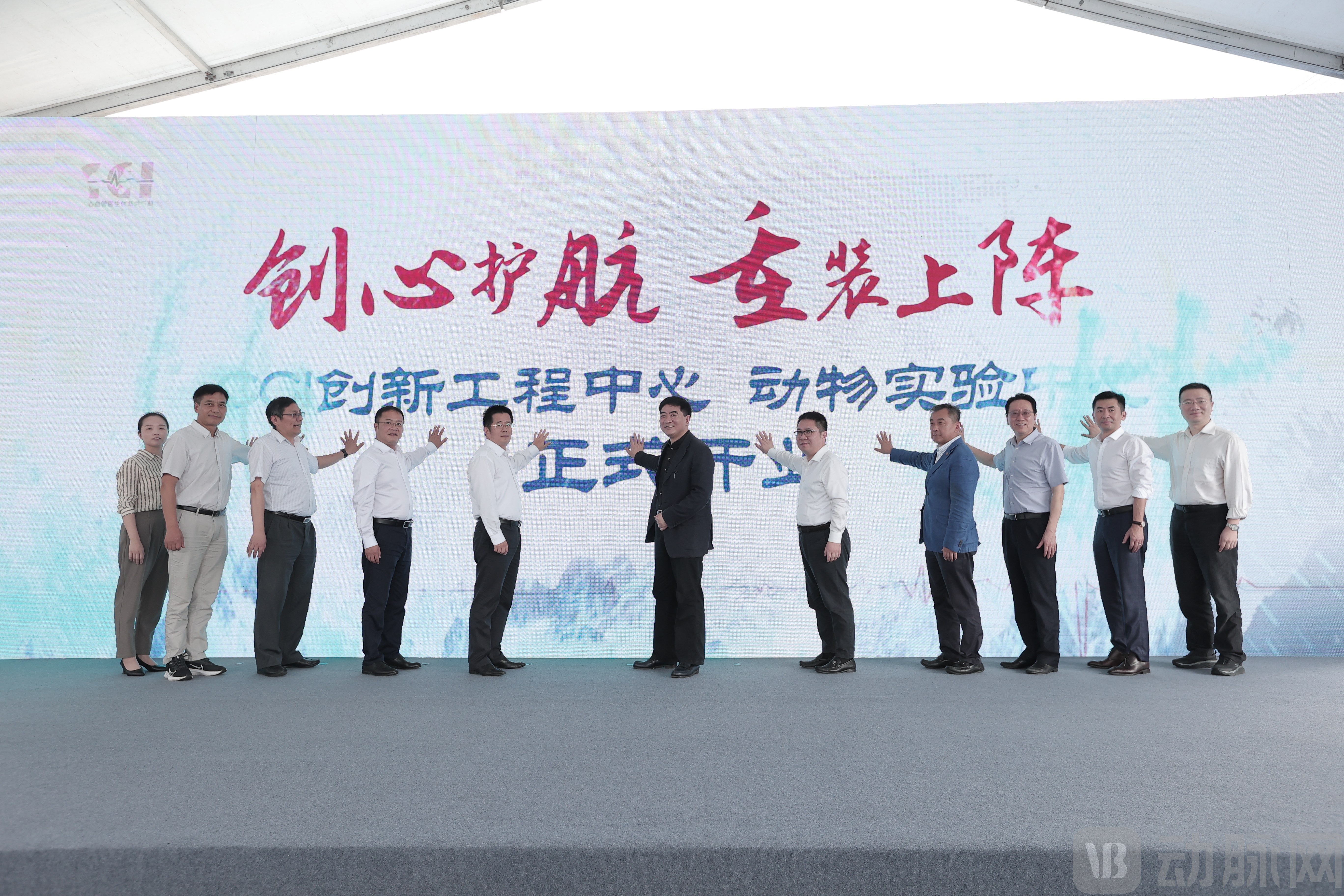
The Animal Experiment Center of the CCI Innovation Engineering Center is located in Jiading, Shanghai, and is managed and operated by Shanghai Xinuo Medical Research Co., Ltd. (hereinafter referred to as “Xinuo Medical”). Dr. Shen Yi, Head of the Animal Experiment Center of the CCI Innovation Engineering Center and General Manager of Shanghai Xinuo Medical Research Co., Ltd., stated, “We will provide clinicians and startups with animal validation services from concept through to post-prototype stages, thereby fostering innovation in domestically produced medical devices.”
According to reports, Xinuo Medical is one of the largest third-party large animal experimental centers in China, with facilities covering 1,200 square meters capable of housing experimental animals such as pigs, dogs, rabbits, and guinea pigs.2Animal Housing Area and 1,100 m2Animal Experimentation Area.
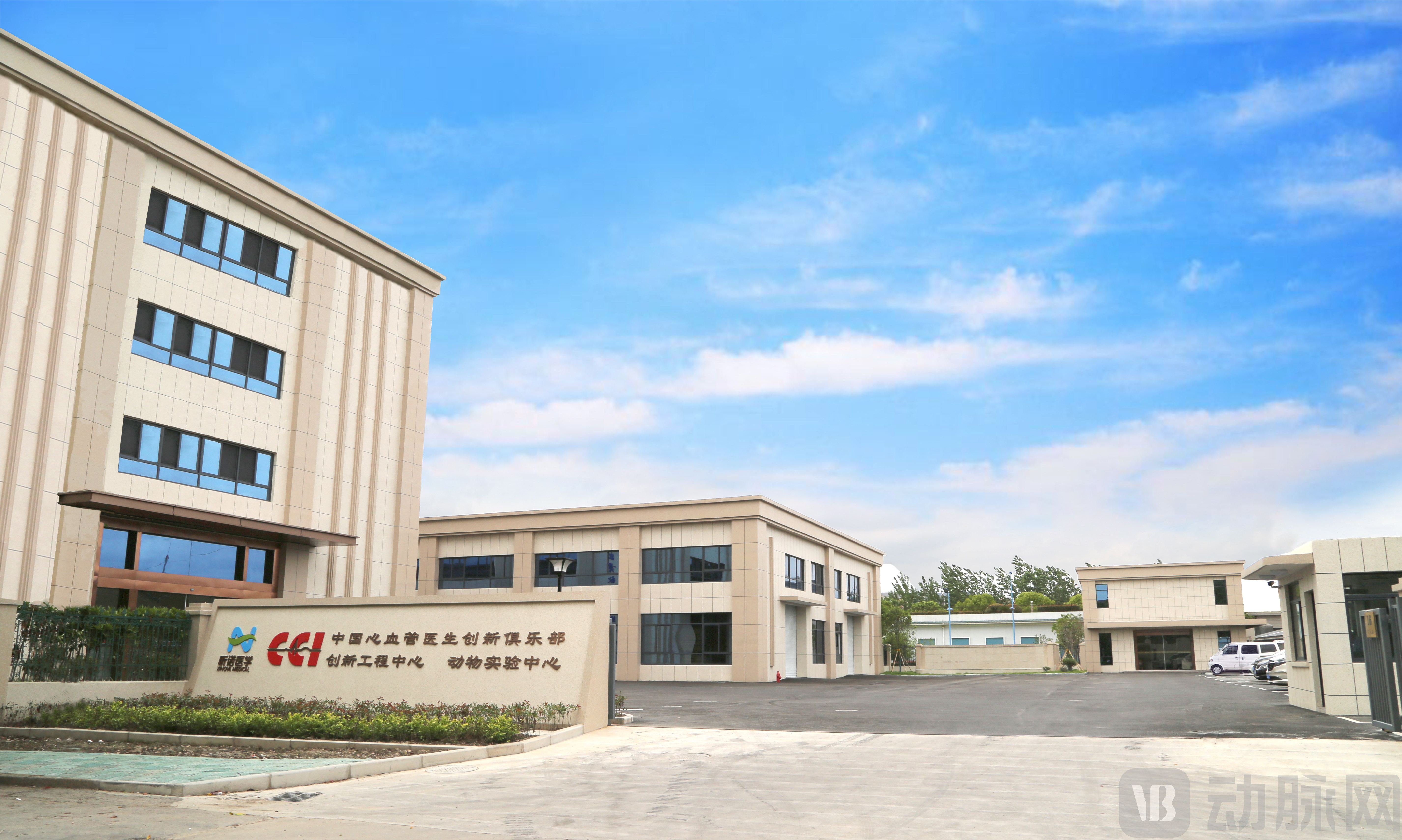
Currently, Xinuo Medical covers specialized fields including cardiovascular intervention, peripheral intervention, neurointervention, respiratory intervention, minimally invasive surgery, general surgery, neurosurgery, orthopedics, ophthalmology, and urology. It provides services such as preclinical large-animal studies (using pigs, dogs, sheep, rabbits, guinea pigs, etc.) for innovative medical devices, large-animal experiments for scientific research projects, laboratory testing, and training in new animal experimental techniques.
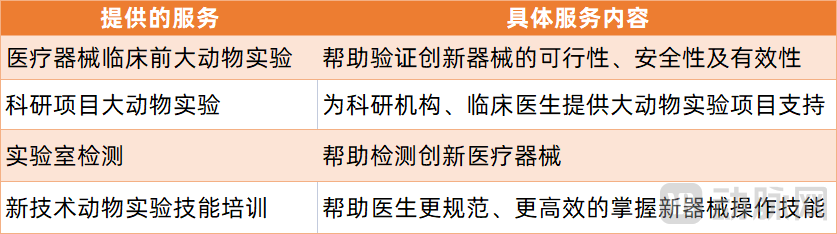
(Main Service Offerings Currently Provided by Xinno Medical)
In terms of animal experimentation, Xinuo Medicine possesses advantages in both software and hardware capabilities.
First, Xenon Medicine’s professional team comprises experts from top-tier domestic hospitals such as Zhongshan Hospital, as well as globally renowned pharmaceutical and medical device companies including WuXi AppTec, Medicilon, and Johnson & Johnson. The team covers diverse specialties, including clinical medicine, veterinary medicine, and molecular biology, and possesses capabilities in experimental protocol design and disease model establishment. For example, Dr. Shen Yi, General Manager of Xenon Medicine, holds a Doctor of Medicine degree in Clinical Medicine from Fudan University. He previously served as an attending physician in the Departments of Cardiology and Geriatrics at Zhongshan Hospital, Fudan University, bringing over ten years of clinical experience in cardiovascular and internal medicine.
Secondly, Xinno Medicine possesses industry resource advantages. By leveraging the CCI platform’s aggregation of clinicians, R&D engineers, and investment resources across the broader cardiovascular field, it can provide services such as large animal studies for innovative medical device projects on the platform.
Furthermore, Xinuo Medicine boasts advanced hardware infrastructure, such as its independent 1,100 m²2The animal experimentation area is equipped with one ISO Class 5 (Class 100) clean surgical operating room, one ISO Class 7 (Class 10,000) clean surgical operating room, one dissection room, one pathology laboratory, one clinical laboratory, two catheterization laboratories, two anesthesia rooms, and three postoperative observation rooms. It is also outfitted with comprehensive imaging equipment, including IVUS, FFR, OCT, CT, DSA, and QSR systems.
Finally, Xinuo Medicine also boasts well-established procedural systems. It is reported that the company is currently applying for CNAS accreditation and has completed the preparation of system documents, including the quality manual and procedure files, with CNAS accreditation expected to be obtained in 2023.
In terms of laboratory testing, Xinno Medical is equipped with comprehensive testing facilities and maintains strong collaborative relationships with third-party testing institutions such as the Department of Pathology at the Cardiovascular Research Institute, the Shanghai Biomaterials Testing Institute, and the Medical Device Testing Institute, enabling it to provide one-stop services for enterprises.
In terms of training for new technology animal experiments, this service is primarily designed to assist clinical operators or technical engineers from manufacturers. After innovative devices are approved and launched, companies need to carefully cultivate the market for product commercialization, including popularizing concepts and providing training on new surgical techniques. Live animal experimentation training is an efficient method for skill development in new surgical procedures, helping operators get closer to real clinical surgery scenarios and enabling them to master skills more quickly.
XinNuo Medicine stated that, by leveraging the clinical expert resources of the CCI platform, it aims to better translate new surgical techniques and skills into clinical practice through animal studies, thereby serving patients.
According to Xin Nuo Medicine, there is currently a significant gap between the number of qualified animal testing institutions and the demand from innovative medical device companies, with wait times for animal studies ranging from three to five months. Therefore, there is an urgent need to expand the number of qualified animal testing facilities in the market.
However, China’s medical device industry is currently experiencing robust growth, leading to an increasing demand for animal testing in the development of innovative devices. First, as the industry advances, the number of domestically produced innovative medical devices will continue to rise. For instance, the number of Class II and Class III domestic devices approved in recent years has shown an overall upward trend.
Secondly, the advancement of policies such as centralized procurement and DRG will compel enterprises to strengthen innovation; companies must leverage innovation to mitigate price risks arising from these policies.
Finally, with the improvement of the entrepreneurial and business environments and the deepening of medical-engineering collaboration models, clinicians and engineers will generate more innovative ideas for medical devices.
Innovative medical devices must undergo animal testing before they can be applied in clinical settings. Therefore, as the number of innovative medical devices in China continues to rise, the market demand for animal testing, a critical validation step in the research and development of these devices, will also continue to expand.
In the face of the continuously expanding animal experimentation market, Xinuo Medicine will focus on the field of large animal studies. It plans to introduce SPF-grade experimental pig breeds from the National Swine Industry Technology Innovation Center, thereby providing SPF-grade laboratory animals that meet international standards to support international registration and filing study projects.
In addition, Xinno Medicine will increase its R&D efforts in large-animal disease models and promote clinical research projects as well as medical-engineering collaborative innovation initiatives.