

TheraXyte Secures Over $10 Million in Pre-A Funding to Advance Programmable Exosome-Based Drug Delivery Platform

TheraXyte
Developer of Programmable Drug Delivery Platforms
Recently, Beijing TheraXyte Biotechnology Co., Ltd. (“TheraXyte”) announced the completion of its Pre-A financing round, raising over $10 million. The proceeds will be used to advance the company’s TAXY programmable drug delivery platform.TMconstruction and CDMO business promotion. Nuohui Venture Capital co-led the investment with another well-known healthcare investment fund.
TheraXyte specializes in novel nanomedicines, with a particular focus on the research and development of exosome-based innovative therapeutics. The company is dedicated to advancing the technological development and clinical translation of exosomes themselves, as well as their application as drug delivery vehicles. Currently, TheraXyte operates an R&D and manufacturing facility spanning nearly 1,000 square meters. Leveraging its proprietary exosome drug development platform and comprehensive GMP-compliant production and quality control systems, the company possesses scalable manufacturing capabilities ranging from laboratory to industrial levels. Additionally, TheraXyte provides external scientific research services and CDMO solutions in the field of exosomes.
Drug delivery refers to a technological system that comprehensively regulates the spatial, temporal, and dosimetric distribution of drugs within the body. It not only influences the ultimate therapeutic efficacy of drugs but can also become a critical determinant of the success or failure of drug development. Drug delivery has long been an enduring topic in pharmaceutical research and development; virtually all pharmaceuticals, whether small-molecule drugs or biologics, face challenges related to drug delivery.
Drug delivery systems primarily carry four core functions: drug targeting, controlled drug release, promotion of drug absorption, and enhancement of drug properties. For traditional drug delivery systems, these functions can often only be partially achieved; therefore,Developing a drug delivery vehicle that can simultaneously possess multiple functions is crucial for clinical applications.
Lipid nanoparticles (LNPs) have a long history as drug carriers. During the COVID-19 pandemic, mRNA vaccines rose to prominence, bringing significant attention to LNPs as delivery vehicles for mRNA. However, LNPs suffer from limitations such as potential cytotoxicity, inability to target specific tissues, and low cellular uptake efficiency. Therefore, achieving successful and efficient delivery of nucleic acid molecules to specific tissues and organs while ensuring safety remains highly challenging.
Lentiviruses, adenoviruses, and adeno-associated viruses (AAVs) also hold significant promise as delivery vectors. However, each viral platform has varying degrees of limitations, such as lack of sustained gene expression, risk of tumorigenesis due to genomic integration, limited tissue tropism, and immunogenicity.
The scientific community continues to research and validate additional drug delivery technologies,In recent years, non-viral technologies represented by extracellular vesicles (EVs) have become a hot spot, attracting substantial investment.
Extracellular vesicles are minute vesicles released by cells, encapsulating biologically active molecules such as proteins, miRNA, and lncRNA. The surface of extracellular vesicles bears protein signaling molecules that recognize target cells; through receptor-ligand binding, target cells internalize the informational cargo carried by extracellular vesicles via endocytosis or membrane fusion, thereby altering their physiological state. As natural intercellular signaling messengers, extracellular vesicles facilitate cell-to-cell communication, particularly over long distances.
Leveraging their innate properties, extracellular vesicles have been recognized as the most promising drug delivery vehicles, suitable for delivering a wide range of chemical agents, proteins, nucleic acids, and other therapeutics.
Exosomes are a class of extracellular vesicles with diameters ranging from 30 to 150 nm, characterized by a phospholipid bilayer structure and carrying vital biological information in the form of various proteins, nucleic acids, and lipids. Their biosynthesis is a finely regulated process mediated by multiple cellular molecules, whereby diverse bioactive molecules are specifically sorted into exosomes. Consequently, exosomes can be directionally engineered to endow them with specialized functions as drug delivery vehicles.
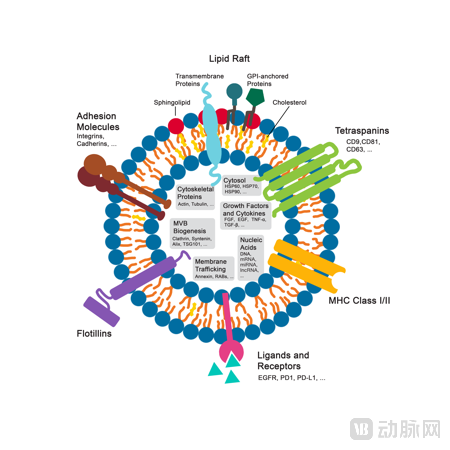
Compared with liposomes and viral vectors, exosomes possess numerous advantages, including the ability to be engineered for targeted delivery to specific tissues and organs, low toxicity, non-immunogenicity, and the capability to achieve intracranial drug delivery, thereby demonstrating unparalleled advantages in nucleic acid drug delivery.
As a novel nanoscale drug delivery system, exosomes have attracted significant attention. Codiak Biosciences’ exoASO-STAT6, an exosome-based nucleic acid therapeutic, has entered Phase I clinical trials in the United States. By carrying antisense oligonucleotides on the exosome surface, it reduces the expression of immunosuppressive transcription factors and promotes anti-tumor immune responses. In the United Kingdom, EVOX Therapeutics is developing products that load mRNA and siRNA into exosomes via its proprietary DeliverEX platform for the treatment of rare diseases and neurological disorders.
But currently, there are stillFour Key Challenges Hindering the Clinical Translation of Exosome Drug-Loading Technologies: Large-Scale Production, Efficient Drug Loading, Precise Exosome Engineering, and Intracellular Drug Release
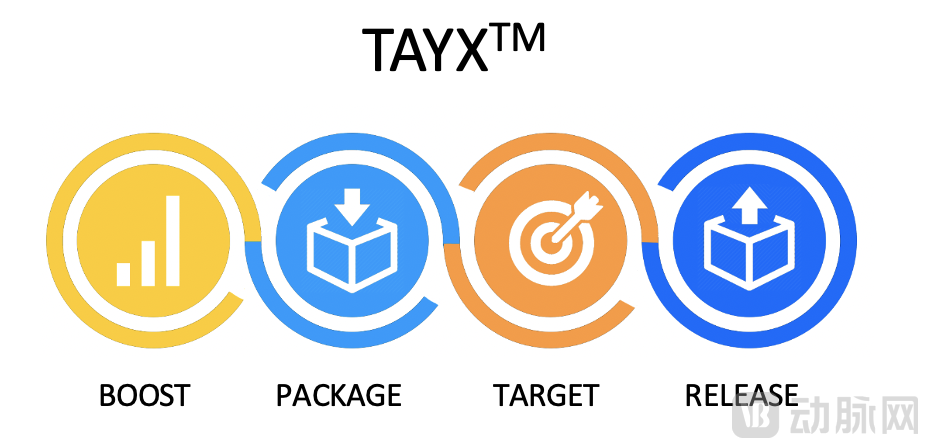
Addressing the four aforementioned pain points, TheraXyte has conducted comprehensive and innovative R&D on exosome drug-loading technology, independently developing a Programmable Drug Delivery system—TAXY.TM。
TheraXyte has established ExoBoost, a proprietary cell line with independent intellectual property rights for exosome production. Compared to existing cell lines such as 293T and Expi293F, ExoBoost increases exosome yield by 20-fold. Furthermore, the company has developed ExoPack, an exosome drug-loading system that enables efficient and selective encapsulation of protein or nucleic acid therapeutics either within the lumen or on the surface of exosomes. TheraXyte has also investigated the diverse mechanisms underlying exosome cellular uptake and, leveraging distinct receptor-ligand interactions, developed ExoTarget, a series of exosomes with tissue-specific targeting capabilities for organs including the brain, lungs, and muscles. Additionally, the company has conducted in-depth research into the intracellular trafficking pathways of exosomes post-uptake, preliminarily establishing ExoRelease, an engineered exosome platform designed to facilitate drug release. This work lays the foundation for further optimization of exosome vectors and enhancement of drug release efficiency.
The druggability of exosomes is also a key focus within the industry. Exosomes vary in size and shape, and differ in their cargo and expressed membrane proteins. However, as therapeutic agents, the most critical factors are a stable manufacturing process and stringent quality control. Currently, TheraXyte’s extracted exosomes demonstrate leading advantages in terms of purity (particle count per protein amount), vesicle ratio, and batch-to-batch consistency. The company also provides research services and CDMO solutions related to exosomes to external clients, aiming to promote technical exchange within the exosome field and thereby accelerate the rapid development of the entire industry.
About Nuohui Venture Capital
NHH Ventures, established in 2021, focuses on identifying early-stage biotechnology companies with breakthrough innovations and high-growth potential in the upstream platform technologies of diagnostics and precision medicine. Our founding team brings decades of experience in scientific research, management, and venture capital within the international biopharmaceutical sector. The investment team has previously deployed hundreds of millions of dollars in healthcare investments through renowned domestic and international investment firms, delivering substantial capital returns to investors.