

SKG Files for ChiNext IPO: Can It Recapture the Spotlight in the Portable Massager Market?

SKG
Wearable Device Product R&D, Design, and Manufacturing Company
On June 28, Wear Future Technologies Co., Ltd. (hereinafter collectively referred to as SKG), the operating parent company of the well-known cervical spine massager brand SKG, had its IPO application accepted by the ChiNext board. This marks another enterprise specializing in the massager sector to pursue a public listing, following Breo, Ogawa, and Rongtai Health.
Interestingly, SKG, founded in 2007, originally focused on white goods as its core business. Since 2016, it has ventured into the broader health and wellness sector, gradually narrowing its focus to the portable massager market, and ultimately launched an IPO on the ChiNext board in June 2022.
I still recall July 2021, when Breo’s stock price surged by more than 500% on its first day of listing, earning it the title of the “first listed portable massager company.” Now, SKG is also making its IPO push. Can it replicate Breo’s success and recapture the spotlight in the massage device sector?
Simply search for “portable massagers” on any e-commerce platform, and you will find products ranging from imported brands like Philips and Panasonic, to established appliance manufacturers such as AUX, Konka, Chigo, Haier, Royalstar, and Westinghouse, as well as newer players like SKG, Breo, and Ogawa. The sole reason behind the influx of numerous companies into this space is that substantial demand remains unmet; perhaps it is time to reassess this niche market.
Modern massage devices originated in Japan in the 1960s, and after the 21st century, the global supply chain for massagers shifted to China. Currently, the market size for massage devices is growing steadily, with demand gradually rising. Most products are characterized by portability, ease of use, and precision.
From the production perspective, China has become a global powerhouse in the manufacturing of massage devices. Since 2000, the global supply chain for massage devices has shifted to China, establishing the country as the world’s center for research, development, and manufacturing in this sector. From the export perspective, data from the General Administration of Customs of China shows that Chinese massage device exports reach 191 countries and regions worldwide, with cumulative export value reaching approximately USD 6 billion in 2021.
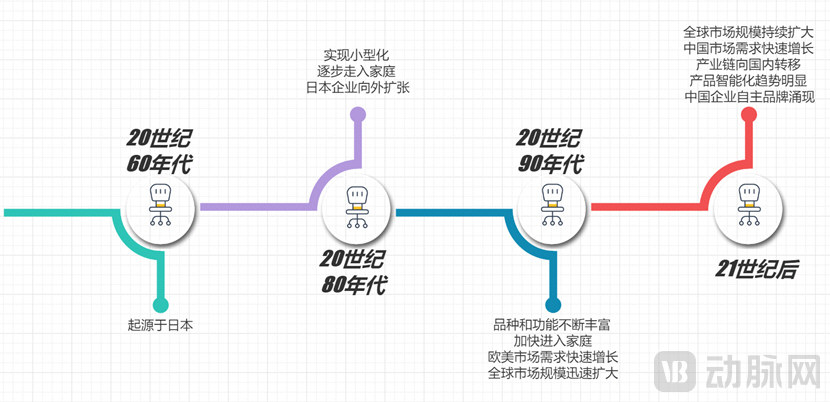
History of the Development of the Massage Appliance Industry Source: Prospectus
In terms of category, massagers can be divided into large and small massage devices based on their size. Large devices are represented by multi-functional massage chairs, with common brands including Ogawa, Rotai, OSIM, and Panasonic.
Small massage devices primarily target areas such as the eyes, neck, head, scalp, shoulders, hands, back, waist, and feet, with SKG and Breo being representative brands. These compact massagers are characterized by their freedom from spatial and temporal constraints and offer multiple intensity settings.
According to Tao Data’s 2021 online sales statistics, neck and eye massagers together accounted for nearly half of the sales revenue in the small massager market, indicating robust demand in these segmented categories.
Furthermore, according to data from the Qianzhan Industry Research Institute, large multi-functional massage chairs and small massagers account for 46% and 54% of the domestic market, respectively. Among these, the penetration rate of small massagers is only 1.5%. In comparison with Japan (20%) and South Korea (12%), this indicates significant future market potential.
Interestingly, due to the high unit price of massage chairs, their stores are mostly located in large shopping malls, and their brand image is relatively high-end, it is easy for the category to expand into the field of small devices. In contrast, SKG and Breo have achieved higher sales volumes with relatively lower unit prices.
The proportion of China’s elderly population has been rising year by year. Although older adults themselves exhibit relatively low willingness to spend, it is becoming increasingly common for younger people to give health-related gifts to their parents and elders. Compact massage devices, with their strong functionality and moderate pricing, have become one of the preferred gift choices among younger consumers.
In recent years, as suboptimal health status among young people has become increasingly prevalent, this demographic has itself become a source of incremental growth for the compact massager market. Particularly with heightened attention to their own health and improved health literacy, young consumers are playing an increasingly significant role in this niche segment.
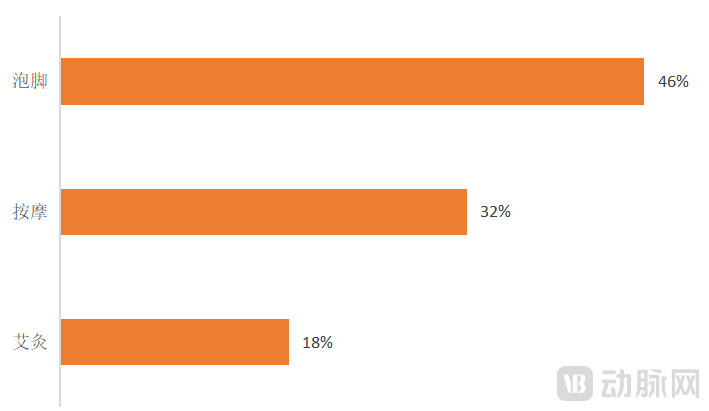
Top 3 Wellness Practices Among Young People in 2020 Data sourced from Ipsos
According to an Ipsos survey, the top three wellness practices among young people are foot soaking, massage, and moxibustion. Young individuals who spend long hours working at desks and are exposed to numerous electronic devices daily face significant strain on their eyes and cervical spine. As their relaxation and rest time tends to be fragmented, portable massage devices have gained popularity among young people for their ability to save time while alleviating physical discomfort.
Like large massage devices and professional massage clinics, small massage devices are also designed to alleviate physical discomforts such as dizziness, cervical stiffness, and eye strain. The growing health and wellness demands among residents indicate a substantial long-term growth potential for this category, with sustained demand release over an extended period.
According to forecasts by Zhiyan Consulting, the market size of China’s intelligent massage devices grew from RMB 9.6 billion in 2015 to RMB 15 billion in 2020, demonstrating a rapid growth trajectory. In addition to the aging population, the incidence of various chronic conditions among young people, such as cervical spondylosis, has been rising year by year. The sub-health population is showing a clear trend of expansion and rejuvenation. It may be time to reassess this niche sector, previously regarded as exclusive to the elderly.
In 2007, Liu Jie read Thomas Friedman’s bestseller The World Is Flat. Rather than pursuing the global outsourcing model highlighted in the book, he aimed to build a “Dell-like company with global sales.” Liu obtained a list of Fortune 500 companies to identify a direction for his venture. Ultimately, he selected Philips’ small home appliance line as his target, focusing on product design and development while leveraging contract manufacturers for production.
It was also in this year that SKG was officially established. The SKG brand represents the acronym for Smart, Kind, and Global, reflecting Liu Jie’s expectations for both the products and the company.
From the outset, Liu Jie’s strategy was to design and develop high-cost-performance “blockbuster” products—a typical internet mindset. SKG has built a product manager team akin to those at internet companies, tasked with forecasting trends six months in advance to create such blockbusters, while its product portfolio is subject to survival of the fittest based on sales performance.
SKG initially targeted overseas markets, focusing on white goods and positioning itself as an internet-enabled appliance brand engaged in cross-border e-commerce. However, this international expansion effort failed, resulting in sluggish sales, significant inventory backlog, and pushing the company to the brink of bankruptcy.
Faced with the reality of massive inventory overhang, SKG had to abandon its overseas ambitions and first shift from export to domestic sales to clear its stock, striving to survive. Unlike traditional self-rescue methods of the past, such as supplying products to distributors at low prices or entering supermarkets and hypermarkets, Liu Jie chose internet e-commerce.
As China’s internet-based e-commerce sector gradually rose to prominence, SKG capitalized on this trend, achieving strong sales for its products across multiple e-commerce platforms such as Taobao and JD.com. The company turned profitable in 2010 and subsequently experienced explosive growth at an annual rate of 300% in the following years. By the end of 2014, SKG’s annual sales revenue surpassed RMB 1.5 billion.
After officially establishing its e-commerce brand in 2011, SKG entered a period of rapid growth, ranking first in sales within Taobao’s small home appliance category for three consecutive years. On Singles’ Day 2013, the company achieved a cumulative gross merchandise value (GMV) of RMB 62.06 million. Its air purifiers surpassed 4,000 units sold within eight hours, securing the top sales position in their category, while 15,000 juicers were sold within the first two hours of the sale, firmly maintaining its leading position in the category.
External analyses of SKG’s recent success have attributed the primary factor to its products’ “refined and elegant” characteristics, which align with the demands of internet-savvy consumers. For SKG, which initially positioned itself as a cross-border e-commerce player and designed its products based on overseas users’ preference for sophistication, this represents a long-overdue reward.
Furthermore, leveraging Shunde’s robust local home appliance manufacturing capabilities, SKG established a Factory-to-Consumer (F2C) model, transforming its brand from a pure manufacturer into an integrated manufacturer and service provider. It was during this phase that SKG honed its expertise in adapting to the online direct-sales model.
As one of the first white goods brands to capitalize on the internet boom, SKG even attracted Jack Ma’s interest at one point. Following the conventional playbook, the next step would have been for SKG to accept investment from Alibaba, expand its product categories and market share with such backing, and establish itself as a leading e-commerce brand.
However, Liu Jie ultimately declined Alibaba’s investment offer, and the e-commerce growth of white goods quickly hit a bottleneck. In response, Liu Jie converted half of SKG’s office space into an incubator, inviting internal employees to form their own startups and third-party R&D teams to settle in free of charge, fostering collaborative development.
Market trends emerge and fade rapidly. Faced with sluggish growth in the white goods market, Liu Jie began to reevaluate his strategic direction. After internal discussions, he decided to go all-in on the big health sector, starting anew from scratch.
This strategic choice stems from two key factors: on one hand, consumers in contemporary society have a growing awareness of health and exhibit inelastic demand for health-related products; on the other hand, SKG previously pursued a cost-effectiveness strategy in the home appliance sector, which yielded low gross margins, whereas health-oriented products align more closely with consumption upgrading trends and offer relatively higher profit margins.
In 2016, SKG established a strategic transformation targeting the personal and family health market. Initially, SKG launched several beauty devices aimed at female users, but these failed to gain market acceptance. Consequently, SKG swiftly adjusted its product strategy to focus on wearable and portable health products, specifically including cervical massagers, eye massagers, waist massagers, fascia guns, and health watches.
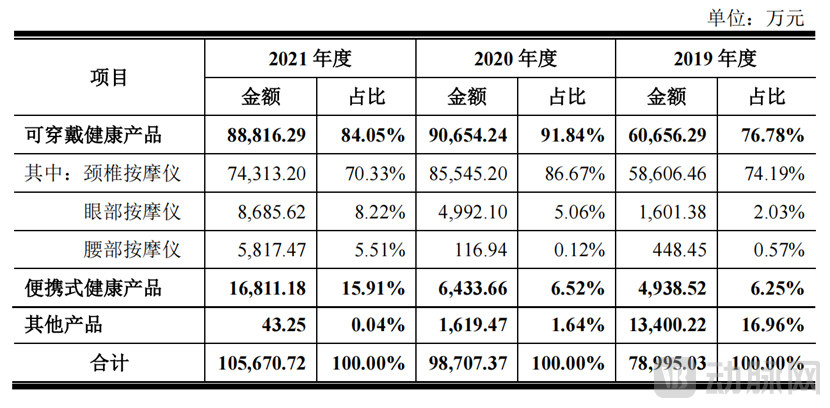
SKG Product Revenue Share Image source: Prospectus
According to the company’s prospectus, SKG recorded revenues of RMB 792 million, RMB 991 million, and RMB 1.06 billion in 2019, 2020, and 2021, respectively, with net profits of RMB 213 million, RMB 143 million, and RMB 132 million. In terms of gross margin, the gross profit margins for SKG’s core business during the reporting period were 55.81%, 58.31%, and 52.38%, respectively, indicating a relatively high but somewhat volatile level.
Although cervical spine massagers may appear unremarkable, the underlying product logic warrants careful examination.
The accelerating pace of modern life, deepening population aging, and increasing work intensity among professionals have triggered a series of health issues, including cervical and lumbar strain, eye fatigue, and muscle soreness. How to provide solutions addressing these needs has become a critical issue for enterprises to research.
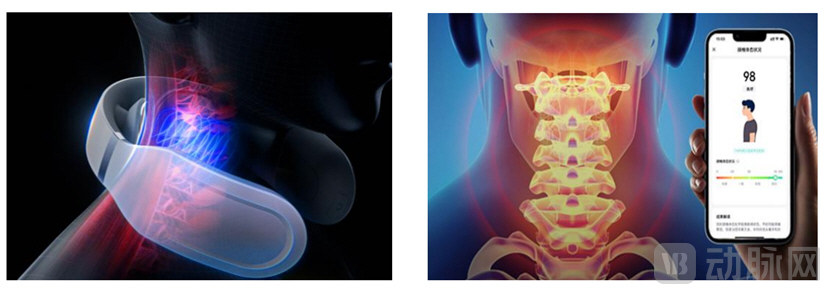
Miniaturization and Intelligence Are the Future Development Directions for Portable Massagers Image Source: Prospectus
SKG’s cervical massager integrates the design philosophy of “miniaturization, wearability, and intelligence.” On one hand, structural optimization reduces the device’s weight and volume, eliminating any sense of burden for users during wear. On the other hand, material optimization enhances product conformity, significantly improving wearing comfort. Coupled with SKG’s consistent adherence to a “refined and elegant” aesthetic in the home appliance sector, the product stands out from the competition.
To cater to young users’ pursuit of smart features, SKG actively leverages IoT and intelligent technologies to empower its products. By utilizing IoT platform technology, it bridges the information gap between the product and the user, enabling visualization of operation commands and remote upgrades of professional massage techniques. Additionally, SKG employs built-in sensors to dynamically monitor cervical spine health in real time, providing users with intelligent cervical care solutions and further optimizing the user experience.
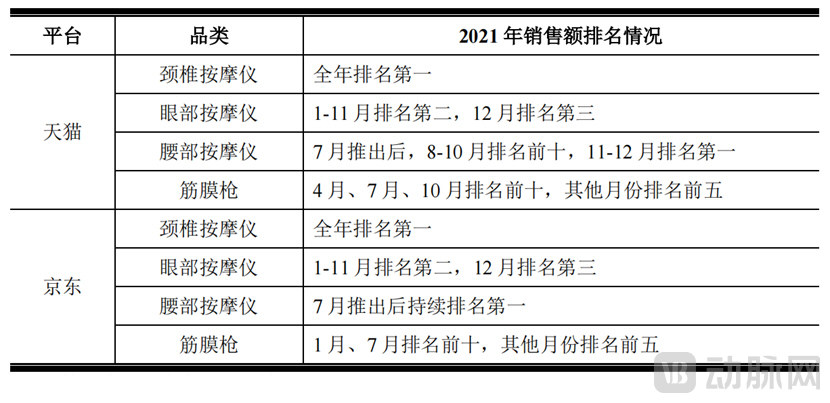
E-commerce Platform Sales Performance Statistics Source: Prospectus
Based on sales data from the prospectus and e-commerce statistics from Tmall and JD.com, SKG’s product portfolio is relatively undiversified, with current revenue heavily reliant on cervical spine massagers. Creating another hit product to alleviate revenue pressure is an urgent challenge for SKG.
In the home appliance industry, SKG’s investment in research and development was widely recognized; this commitment has only intensified since its entry into the broader health and wellness sector.
According to the prospectus, SKG had 153 R&D personnel as of the end of 2021, with R&D expenditures amounting to RMB 74.7259 million in 2021, accounting for 7.05% of its revenue. As of May 31, 2022, the company and its controlled subsidiaries held a total of 1,376 patents, including 48 invention patents, 999 utility model patents, 288 design patents, and 41 overseas patents.
Notably, these 153 R&D personnel account for 21.92% of the company’s total workforce. Spanning disciplines such as creativity, technology, art, and health, the team comprises specialized professionals including structural engineers, hardware engineers, software engineers, algorithm engineers, and materials engineers.
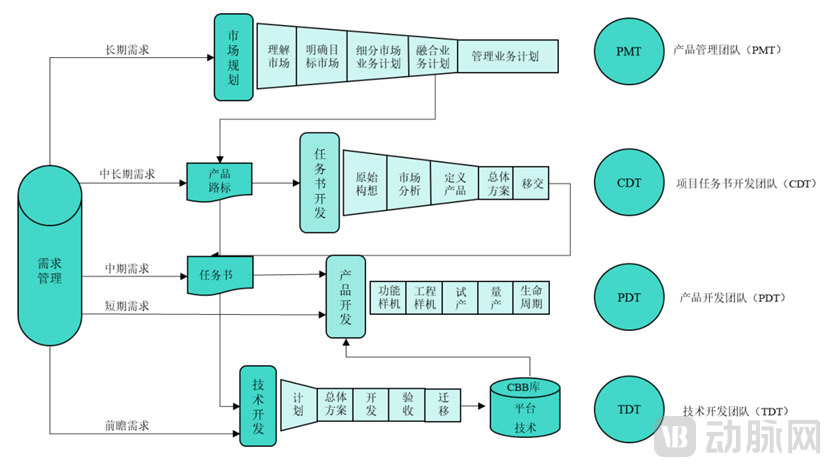
SKG Full-Cycle Product Development System Image source: Prospectus
In addition to talent, an appropriate system is also required. To this end, SKG has established a full-lifecycle product development framework, aiming to shorten time-to-market, improve development success rates, and optimize product profitability through process reengineering and product restructuring. With this R&D management system in place, SKG can manage and control the entire product development process, ensuring high development success rates and market satisfaction. It also enables the company to keep pace with market trends and hotspots, developing targeted products that combine creativity with strong market impact.

SKG Technology Platform Image source: Prospectus
In addition to systems and processes, the establishment of a technical platform is equally important. Today’s health and wellness products require enterprises to integrate technological resources and application solutions from various disciplines, guided by product needs. In alignment with the enterprise’s own product planning and development strategy, a detailed technical planning framework should be formulated to define R&D objectives for different stages.
Specifically, SKG horizontally divides the technical fields involved in product development into multiple specific technical branches, and vertically categorizes them into frontier technologies, key technologies, and general-purpose technologies. Based on this technological planning spectrum, the company integrates general-purpose technologies comprehensively into its products, while actively conducting in-depth research on key and frontier technologies. Through systematic technological planning and long-term R&D investment, SKG achieves a comprehensive technological layout.
For this IPO, SKG plans to raise RMB 1.6 billion, which will be allocated to the following initiatives: the Future Health Digital Factory Construction Project; Research on AI Technologies for Smart Wearables and Development of a Digital Healthcare Platform; Terminal Experience Interaction Platform and Brand Building Project; Digital IT System Construction Project; Product and Industrial Design Center Project; and supplementation of working capital.
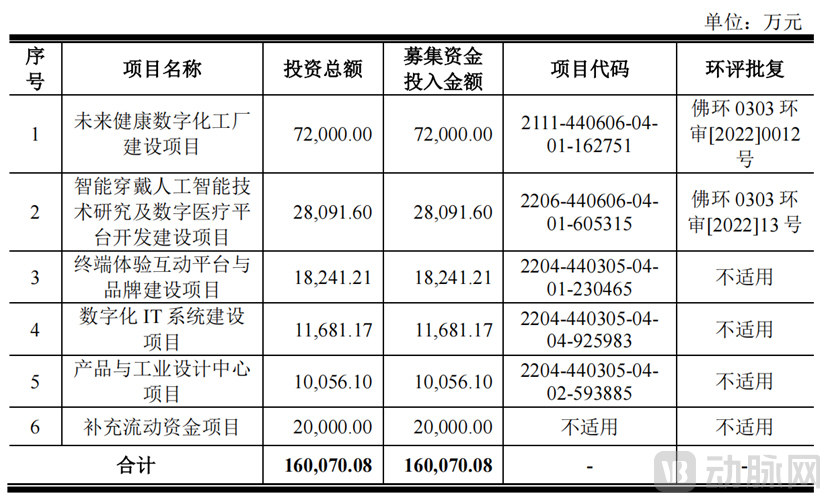
Use of Proceeds Plan Source: Prospectus
It can be seen that digital transformation and upgrading is the key focus of this fundraising.
SKG aims to leverage its newly developed R&D project management platform to standardize the project management process system and enhance cross-departmental collaboration; improve the completeness and accuracy of project data; shorten product development cycles, increase project visibility, and accelerate project delivery; reduce time-to-market, lower material consumption, optimize operational costs, further strengthen future technology reserves, and enhance the company’s core competitiveness.
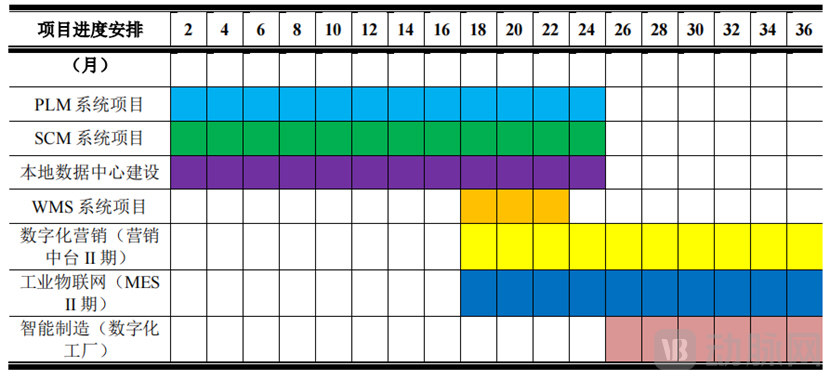
SKG’s Digitalization Process Source: Prospectus
In the future, digital operational capabilities will determine a company’s competitiveness. SKG plans to enter the stage of digital operations within three years by building a digital marketing platform, a digital R&D management platform, and a digital manufacturing supply chain platform, so as to achieve end-to-end digital operation across its entire business value chain.
From the perspective of the wearable device market segmentation, portable massagers have experienced higher growth rates in recent years compared to large equipment such as massage chairs, due to their lower average transaction value, compact size, and high portability. In 2020, the market size of China’s massage instrument industry reached RMB 15 billion, with a compound annual growth rate (CAGR) of 9.5% over the past six years. As a manifestation of “quality life” in the healthcare sector under the trend of consumption upgrading, massagers are becoming increasingly popular among the general public.
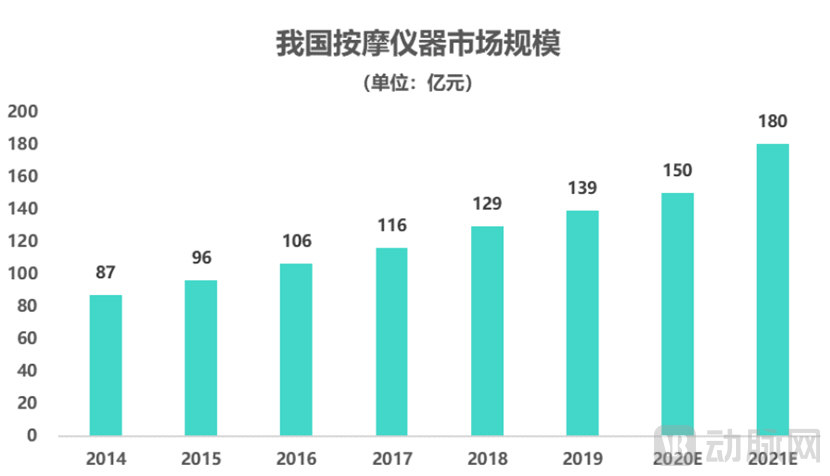
Market Size of China's Massage Device Industry Source: Prospectus
However, SKG has a direct competitor in the same market segment.
From 2019 to 2021, Breo’s total revenue was RMB 694 million, RMB 827 million, and RMB 1.19 billion, respectively, representing a compound annual growth rate (CAGR) of 19.69%. By the end of 2021, Breo had accumulated 186 directly operated stores, which accounted for 36.89% of its revenue and constituted the channel with the highest gross profit margin.
Going forward, the competition between SKG’s distribution model and Breo’s offline direct-sales model is worth watching.
Furthermore, it is worth noting that, unlike SKG, which adopts an in-house production model, Breo has extensively relied on outsourced manufacturing, with the proportion of such outsourcing increasing year by year. Whether this will impact its competitiveness in the future remains to be seen.
Overall, SKG’s development in recent years has demonstrated its agility in responding to market changes. Its 15 years of intensive cultivation in the consumer market and expertise in e-commerce operations constitute a unique competitive advantage for SKG. However, the company has yet to provide a clear answer as to what will drive its future growth. This challenge is not unique to SKG; all players in this sector need to find their answer as soon as possible.