

Satellite Bio Emerges from Stealth with $110M Funding to Pioneer Tissue Therapeutics for Intractable Diseases
Satellite Bio
Tissue Therapy Provider
As a burgeoning new field in biomedicine in recent years,Regenerative MedicineIt is becoming a new branch of research and development for many scientists, with startups emerging in large numbers.
Recently, biotechnology companies dedicated to the research and development of regenerative medicineSatellite Bioa financing news story that caused a sensation in the media, becoming the headline of The Boston Globe and other media outlets.
It is reported that,Satellite Bio has raised over $110 million in seed and Series A funding from top-tier venture capital firms. The Series A financing round was led by the Israeli venture capital firm aMoon Growth, with continued participation from previous seed-stage investors Lightspeed, aMoon Velocity, Polaris Partners, and Polaris Innovation Fund. Additionally, the round attracted new investment groups, including Section 32, Catalio Capital Management, and Waterman Ventures.
Satellite Bio was incubated at Boston University, combining over two decades of research in tissue technology, biology, and bioengineering, by the Director of the Center for Biodesign at Boston UniversityChristopher Chenand the Director of the MIT Center for NanomedicineSangeeta Bhatiaand their studentsArnav ChhabraCo-founded in 2020, the startup now holds exclusive licenses to technologies from the Chen and Bhatia laboratories.
Chen stated that Satellite Bio would not have been founded without the years of industry relationship-building at Boston University and the university’s support for intellectual property protection and the translation of scientific research into commercial applications.“You cannot underestimate the importance of universities; they not only empower us with a mission to make an impact in the broader world but also genuinely support faculty and researchers in transitioning from academic departments to industry, helping them realize greater value for the technologies developed within the university.”。
Satellite Bio has pioneered a method known asA New Category of Regenerative Medicine: Tissue Therapy, can replace organs or tissues damaged by disease, thereby opening up the next frontier in “regenerative medicine.”
Satellite Bio’s mission is both bold and clear: to tackle hard-to-treat diseases in novel ways, helping patients regain hope.
How did Satellite Bio emerge from its incubation at Boston University? What enabled it to secure nearly $100 million in early-stage financing within just two years of its founding? How will it fulfill its promise to help patients regain hope? And why is it committed to exploring and leading this exciting new frontier in regenerative medicine? To answer these questions,VBInsight Orange BureauConducted in-depth analysis.
The Intersection of Scientific Research and Entrepreneurship: A Collaboration Between BU and MIT
As co-founders of Satellite Bio, Chen and Bhatia share a long-standing connection; they met during their graduate studies and jointly published multiple research papers. Both have dedicated over two decades to advancing research in the fields of vascular biology and hepatology, respectively.
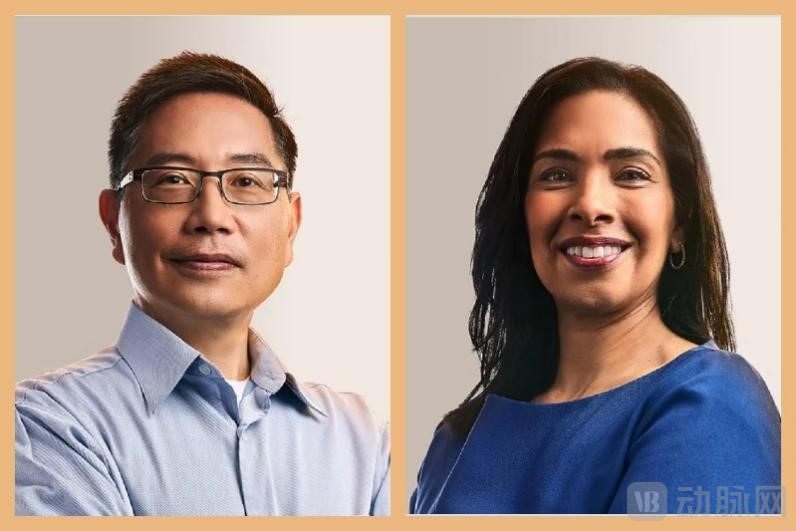
Note: Left, Christopher Chen; Right, Sangeeta Bhatia
In Chen's view,Tissue therapy is essentially the combination of two pillars—tissue engineering and vascular engineering., combining them together can attempt to solve a problem.
Chen has long been a key figure in the development of engineered cellular microenvironments to understand and control how cells assemble into tissues. His team pioneered the use of micro- and nanofabrication technologies to advance stem cell engineering and tissue vascularization. His work in vascular bioengineering laid the foundation for Satellite Bio’s technology development.
But Chen did not leave Boston University to found the company. He said,Entrepreneurship and scientific research education form a mutually beneficial two-way street, Satellite Bio’s work helps inform his teaching and research. “It influences how I teach and what I consider essential for students to learn, and it also helps our team understand the real pain points in the clinical implementation of tissue therapies.”
Another “partner,” Bhatia, not only brings decades of experience in liver and tissue engineering research but also continually seeks breakthroughs on the path of innovation and entrepreneurship.
She is not only a co-founder of two bioscience companies, Zymera and Hepregen, but also a key figure in advancing MIT’s Future Founders Initiative. This program selects women from the university who are interested in launching biotechnology ventures, providing them with entrepreneurial support and mentorship to facilitate their transition from academia to the business world.
Bhatia has been for the past two decadesDedicated to Finding Methods for Maintaining Hepatocyte Viability In Vitro, later collaborated with Chen and other researchers to develop mini-liver technology. This technology has been highly successful,Currently, more than 40 biotechnology and pharmaceutical companies worldwide are using this technology to test the hepatotoxicity of their drug candidates.. Chen said: “This is an area where we see significant unmet clinical needs, and our technology can make a meaningful impact.”。
Once scientists realized that miniature livers could improve the condition of patients with liver disease, the subsequent establishment of Satellite Bio was an inevitable outcome.
A Collaborative Team Sparking Synergy Between Industry and Commerce
In a fiercely competitive landscape of medical technology startups, unique perspectives and multidisciplinary expertise are the driving forces behind Satellite Bio’s success.
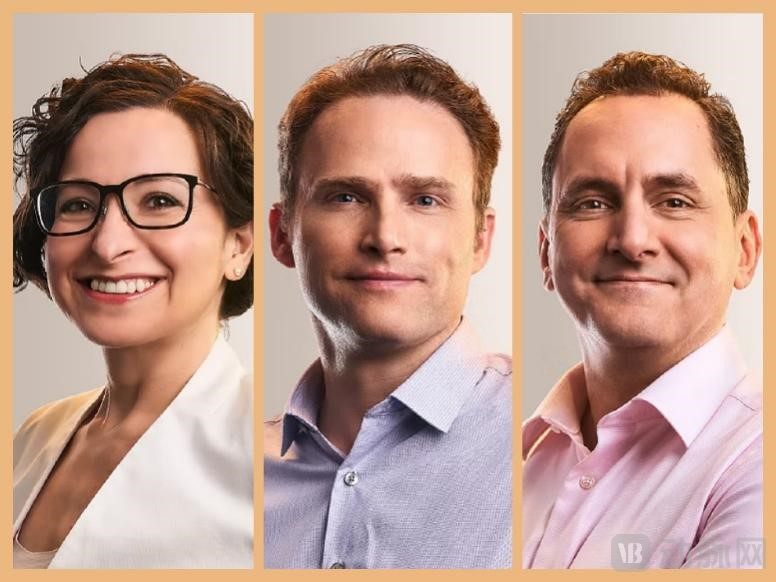
Note: From left to right: Laura Lande-Diner, Tom Lowery, Dave Lennon
Satellite Bio has a multidisciplinary team with diverse collaboration.Chief Business Officer Laura Lande-DinerShe is a serial entrepreneur, leader, and innovator with deep expertise in founding and early-stage operations of companies in the technology-enabled therapeutics sector. She has co-founded four biotechnology companies and was a member of the initial team at Flagship Pioneering.
Chief Technology Officer Tom LoweryWith 15 years of extensive experience in product, process, and analytical development and engineering, as well as in building high-performing technical and operational teams. He previously served as Chief Scientific Officer at T2 Biosystems, where he established and led the technical team from the company’s inception through its IPO, regulatory approvals, and global commercialization.
Dave LennonAppointed as Chief Executive Officer of Satellite Bio in July 2021. Prior to joining Satellite Bio, Lennon had worked at Novartis for over 15 years and was one of the key leaders driving the development of Zolgensma, Novartis’s gene therapy for spinal muscular atrophy. Regarding his appointment at Satellite Bio, Lennon expressed enthusiasm for embracing “the next challenge.”
In addition, Satellite Bio has assembled an advisory board featuring prominent scientists such as Robert Langer, Professor at MIT and the “father of tissue engineering,” and Gyongyi Szabo, Professor of Medicine at Harvard Medical School.
A Brand-New Regenerative Medicine Track, The Pioneering SAT Platform
Satellite Bio’s website features a prominent statement: “We are seeking to create better ways to address some of humanity’s most difficult-to-treat diseases.” This bold journey has led us into a new frontier of regenerative medicine: Tissue Therapeutics.
Tissue therapeutics represents a revolutionary approach that uses bioengineered tissues to assist organs affected by disease, and it is central to the future pipeline of cell-based therapies aimed at addressing a range of severe, life-threatening conditions.
Satellite BioThrough its pioneering SAT (Satellite Adaptive Tissue) platform, cells are selectively programmed and then assembled into novel implantable therapies., namely Satellites. By introducing Satellites into the patient’s body, dysfunctional or diseased tissues and organs can be repaired, restored, or even replaced. Satellites are capable of performing complete cellular functions in vivo, overcoming many of the challenges that previously hindered the restoration of organ function.
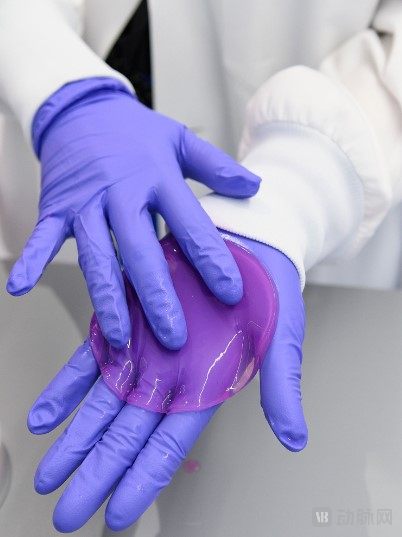
Note: One of Satellite Bio’s implantable devices, “Satellite”
"In clinical applications, virtually any cell type can be utilized with the SAT platform, including progenitor cells, induced pluripotent stem cell-derived cells, or engineered cells. Dr. Lennon stated, 'Our technology platform enables the development of a broad range of transplantable tissue therapies.'"
Lande-Diner pointed out that although the company will continue to invest in research to explore other valuable areas beyond the liver, “when you validate the first product, the entire platform is validated, and you cannot ignore this.”
A Clear and Resolute Mission-Driven Approach, with Direct Goals Aimed at Clinical Application
“This is a mission-driven organization; our purpose in founding it was to make an impact on patients.”, Chen said, “There are many types of diseases where it is not a single cell that fails to function, but rather an entire aspect of the organ that malfunctions. Currently, there are few technologies being developed to replace cellular tissues—this is the field we intend to enter.”
“Satellite Bio’s mission is bold, and we are confident in our ability to deliver: we have the science, team, and objectives needed for success,” vowed Arnav Chhabra, Co-Founder and Head of Platform R&D.
“aMoon is honored to continue its collaboration with Satellite Bio, whose mission to restore hope for patients facing life-threatening conditions is truly inspiring,” praised Yair Schinde, Co-Founder of the Israeli life sciences investment fund aMoon.A New Wave in Tissue Therapy Will Save Patients Who View Organ Transplantation or Experimental Therapies as Their Only Path to Recovery”。
Satellite Bio’s report states that animal testing of its Satellites demonstrated full cellular functionality, validating the efficacy of its R&D concept. Lennon noted that the animal studies not only verified the therapeutic efficacy of the tissue therapy but also indicated that it can be manufactured at scale in a manner compliant with FDA requirements.
Satellite Bio has set advancing its products into clinical trials as its immediate objective. Bhatia believes that “the platform’s appeal is also its weakness, as it may lead to a loss of focus during the R&D process.” Lande-Diner also acknowledged that, for biotechnology companies of similar scale,It is crucial not to overdevelop this platform.
In terms of manufacturing, the company will outsource the production of raw materials, including battery products, while undertaking the “assembly” process itself. The company can complete assembly in approximately three days and implantation within about one week.
Satellite Bio has repeatedly signaled its intention to pursue a therapeutic development path at the earliest possible stage. The company currently plans to enter clinical trials in 2024. Its $110 million angel financing round will not only support further research and development of SAT but also facilitate the advancement of its lead pipeline candidate into clinical trials.
Satellite Bio’s emergence stems from scientists’ two decades of dedicated research, is underpinned by cutting-edge support for original innovation, and relies on the development of non-R&D core capabilities; moreover, the team’s sense of mission and willingness to embrace new challenges have served as catalysts in accelerating the clinical translation of its regenerative therapies.