

Chongqing Releases Its First Policy on Biotech Achievement Commercialization, Highlighting Talent Attraction, Ecosystem Building, and Empowerment Efficiency
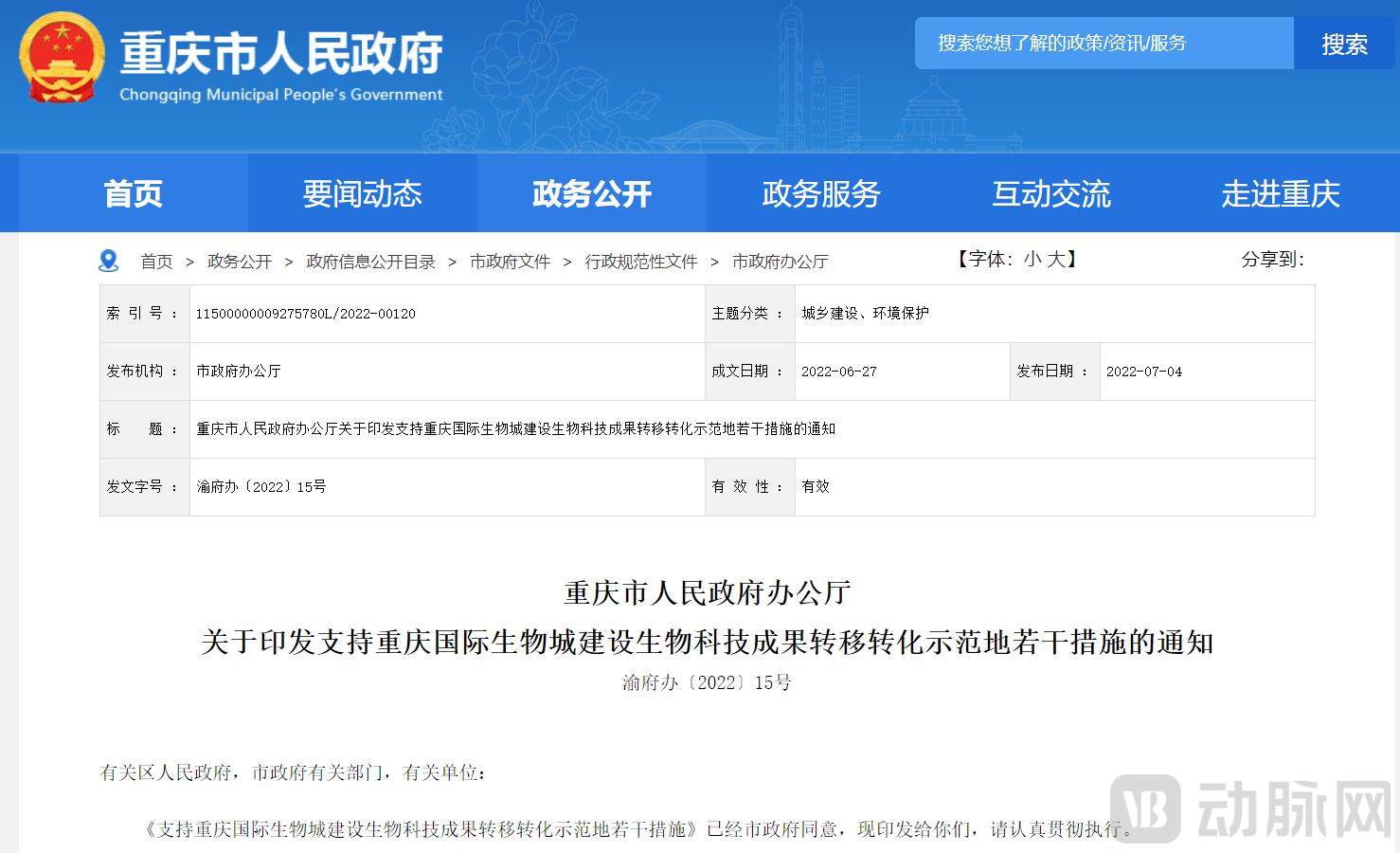
On July 4, the General Office of the Chongqing Municipal People’s Government officially released"Several Measures to Support the Construction of Chongqing International Bio-City as a Demonstration Site for the Transfer and Transformation of Biotechnological Achievements"(hereinafter referred to as the "Policy").
Currently, the translation of scientific and technological achievements in the medical field is becoming a focus of attention across society, as well as a new area of emphasis for local governments. As the fastest-growing city in central and western China, an economic, financial, sci-tech innovation, shipping, and commercial logistics center in the upper reaches of the Yangtze River, a key strategic pivot in the Western Development Program, an important link in the Belt and Road Initiative and the Yangtze River Economic Belt, and a highland of inland openness, Chongqing will usher in new development opportunities in the era of building a "science and technology powerhouse."
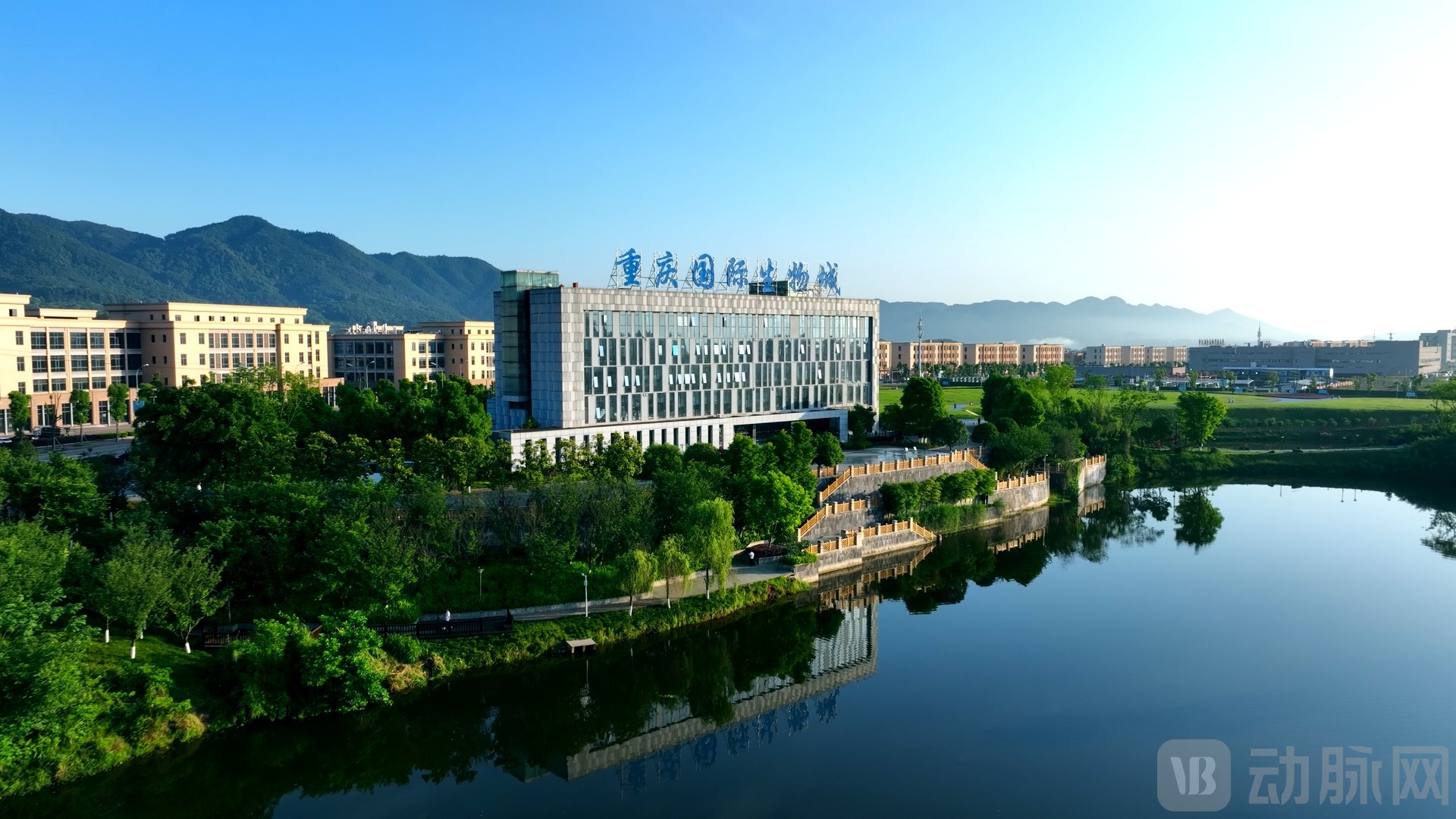
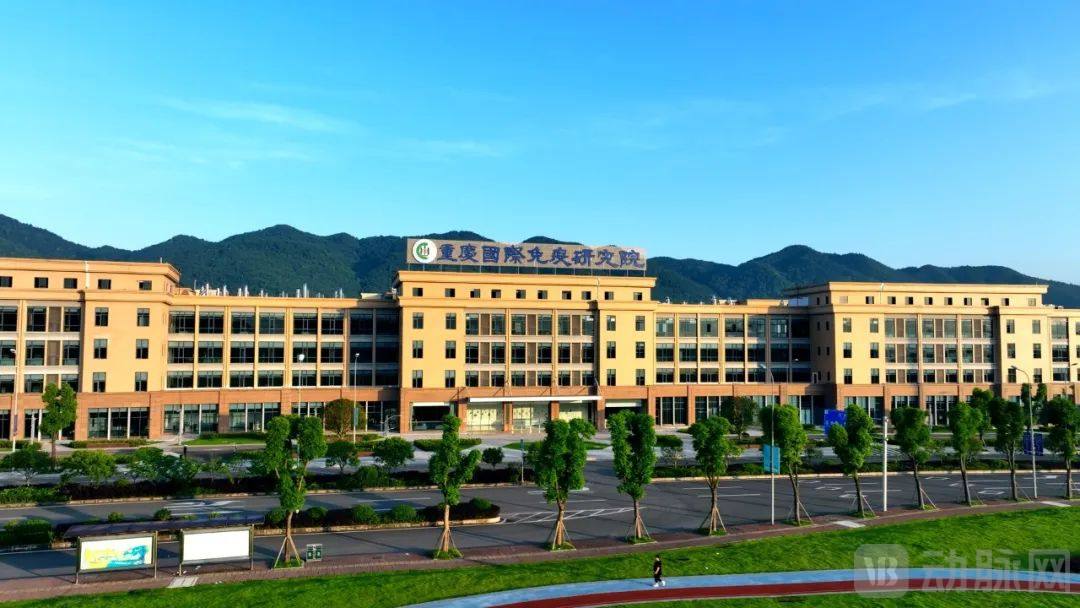
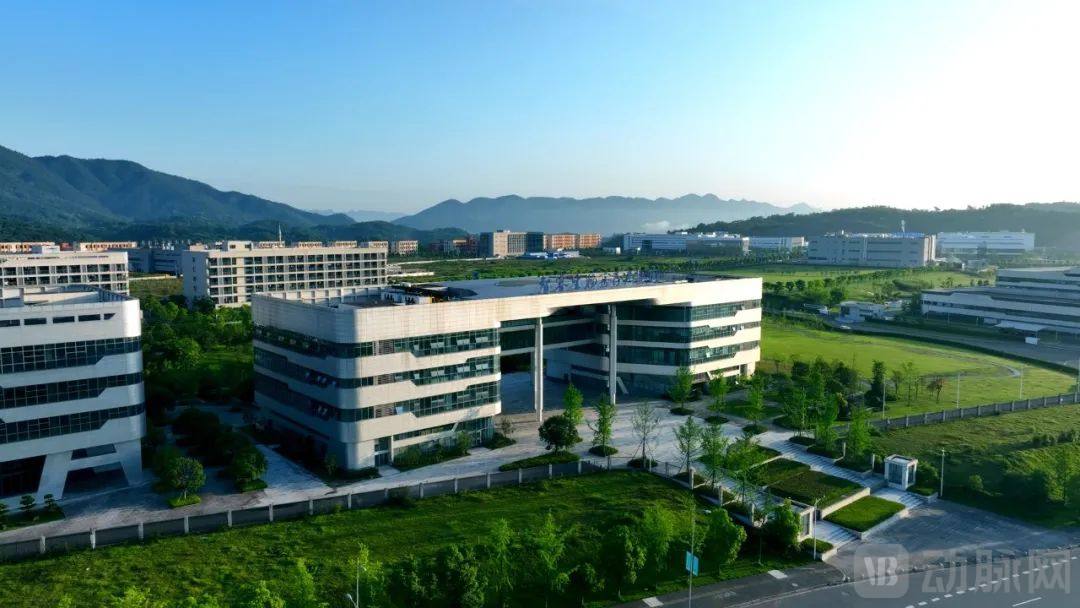
Among them,Chongqing International Bio-City(The “Bio-City,” as it will be referred to hereinafter) has attracted significant attention for its construction and development. Located in Banan District, Chongqing, the Bio-City is among the first batches of national strategic emerging industry clusters, Chongqing’s only key specialized park for biopharmaceuticals, and a national-level high-tech industrial development zone. It serves as an engine driving the high-quality development of the city’s biopharmaceutical industry.
Amid the backdrop of sustained downward pressure on China’s domestic economy, the construction and development of Chongqing International Bio-City remain in full swing. It is reported that from January to May this year, the total industrial output value of enterprises above designated size increased by 37.7% year-on-year, while fixed-asset investment surged by 101.97% year-on-year.
These tangible and intuitive data points reveal the immense strength and potential of Bio-City. Therefore, to establish Bio-City as an influential demonstration hub for the transfer and commercialization of biotechnological achievements in the upper reaches of the Yangtze River, the formulation and promulgation of the Policy are expected to further fuel the momentum of Bio-City’s development.
So, how has Chongqing edited the genes of scientific research translation in the medical field? What new information does this innovative policy convey to us? And what guiding role does it play for various participants in the innovation ecosystem chain? To uncover the answers to these questions,VBOrange BureauAn in-depth analysis of the Policy was conducted.
Focus on "People-Centric" Transformation
Talent is the key to effective governance. On the emerging industrial chain of translating scientific research achievements into practical applications, talent remains equally critical. Here, “talent” primarily encompasses two categories: R&D professionals dedicated to scientific research, and technology transfer professionals who facilitate the commercialization of research outcomes.
However, at the current stage, China faces a severe shortage of scientific research talent, which is a significant factor hindering the translation of scientific achievements. Therefore, cultivating core personnel in the field of scientific research is crucial and serves as an important lever for local governments in building systems for the translation of scientific research outcomes.
So, what specific new measures does the newly released "Policy" introduce for building the team of scientific research talent?
First isIn terms of incentives, the primary approach is to grant scientists the right to use intellectual property rights to stimulate enthusiasm for commercialization.. Article 1 of the Policy states, “Reform the mechanism for allocating intellectual property rights and interests in public-interest R&D institutions such as municipal universities and research institutes, and support granting ownership of job-related scientific and technological achievements to their creators.”Long-term right to use scientific and technological achievements for more than 15 years.”
In fact, the ex ante intellectual property incentive model of “empowerment first, R&D second, and commercialization third” enables researchers to play a leading role in subsequent research and the commercialization of scientific and technological achievements. This approach better facilitates efficient alignment between these achievements and enterprise needs, thereby boosting conversion efficiency and enhancing the targeted nature of scientific research.
Furthermore, a reasonable mechanism for the distribution of intellectual property rights will also contribute to the development of the Bio-IP Operation Center, further safeguarding the legitimate rights and interests of researchers.
Secondly,In terms of empowerment, let researchers become the "helmsmen" of achievement transformation.Article 3 of the Policy states, “Grant scientists greater decision-making authority over technical routes, greater discretion in fund allocation, and greater power in resource mobilization, while simultaneously establishing and improving a responsibility system and a ‘military order’ system.”Implement new organizational and implementation mechanisms for major science and technology projects, such as the “open competition” (‘Jiebang Guashuai’) and “horse racing” systems.”
Third,In the selection process, we identify the best among the excellent while building a talent pipeline.Article 3 of the Policy states, “Optimize the mechanisms for identifying leading scientific and technological talents and selecting project teams., with cutting-edge technology at its core and a commitment to providing comprehensive services to scientists, establish a market-oriented and socially engaged system for evaluating scientific and technological achievements,Implement preferential policies for leading talents, featuring coordinated support in talent pipeline development, research conditions, and management mechanisms.”
Fourth,In terms of cultivation and introduction, priority is given to cultivation, with universities and research institutes serving as the cradle for nurturing scientific researchers.Article 7 of the Policy states, “Guide domestic pharmaceutical and medical universities and institutions to establish branch campuses, affiliated hospitals, schools of new medical sciences, and other teaching facilities or R&D centers in Bio-City.”Support enterprises in jointly training doctoral students with universities and research institutions.”
Next is the introduction, first is the introduction ofHigh-Level Talent, Article 6 of the Policy mentions “encouraging the adoption of ‘Talent + Projects"Under the settlement model, subsidies for household registration are provided to recognized high-level talents. High-level talents introduced through flexible recruitment, intellectual introduction, project-based introduction, or team-based introduction shall enjoy the city’s preferential policies for high-level talents in accordance with relevant regulations and be issued Chongqing Yingcai Service Cards."
Second,Recruitment of Overseas Talent, Article 7 of the policy states that “support is provided for overseas talents to start businesses in Bio-City, with their professional titles determined based on their actual professional expertise and capabilities,”Apply for professional title evaluation through the “Green Channel” for overseas returnees.”
In addition to the cultivation and recruitment of scientific researchers,The talent pool for technology transfer has also garnered significant attention., under Article 9 of the policy, Chongqing International Bio-City will “establish academician workstations and Haizhi workstations, and support the creation of mobile positions and other measures,”Attract high-level talents to engage in technology transfer on a part-time basis and build a team of professional technology brokers.”
Building a “Robust Ecosystem” for the Commercialization of Research Achievements
The translation of scientific and technological achievements is by no means an "isolated island"; it requires the deep involvement and close integration of various factors.
Taking Boston as an example, as a global hub for innovation, its ecosystem for translating scientific achievements into practical applications features core elements such as the government, venture capital firms, research institutions, and enterprises. Each component is closely interconnected and plays a vital role in the chain of commercializing scientific research outcomes.
In fact, a virtuous ecosystem that incubates and nurtures innovation will bring long-term benefits to the translation of local scientific and technological achievements. So, how is Chongqing building a “strong ecosystem” for achievement translation? We will extract the following key points from the Policy.
From the policy perspective, we find thatFrom R&D to commercialization, there is a clear strategic roadmap; what factors are required to build a robust ecosystem?. Article 2 of the Policy mentions, “Support the Bio-CityPioneer initiatives in the establishment of R&D platforms, evaluation of scientific research outcomes, trading of innovative achievements, domestic and international cooperation, development of platform systems, financial support frameworks, management structures and mechanisms, and market-oriented commercialization of research outcomes.”
Specifically,First, on the policy front, create a favorable environment for the translation of scientific and technological achievements.Article 20 of the Policy mentions “establishing a ‘green channel’ for enterprises applying for new drugs and innovative medical devices to improve approval efficiency.”
Furthermore,To Break the Dilemma of Insufficient Planning for Scientific and Technological Open Cooperation from a Global Perspective, Article 20 of the Policy states: “Support Bio-City’s participation in the construction of the Belt and Road International Technology Transfer Center and the Belt and Road Science and Technology Innovation Cooperation Zone, and support service providers from Hong Kong and Macao in establishing wholly foreign-owned medical institutions in Bio-City.”
Currently, the Bio-City is focusing on the biopharmaceutical industry, with district leaders directly leading investment promotion efforts. Specifically, the person in charge of Banan District has proactively strengthened communication and coordination with key resources, including leading domestic biopharmaceutical companies and priority enterprises targeted for investment attraction in key regions. Meanwhile, creating a favorable policy environment and fostering an open atmosphere undoubtedly aligns well with Banan District’s “new normal.”
Next is the technology side, ensuring the output of key core technologies.Therefore, Article 4 of the Policy mentions “encouraging renowned domestic and international universities, research institutions, and enterprises in Bio-TownEstablish research branches or new-type R&D institutions to conduct high-level frontier basic research, technological product development, and achievement transformation.。”
Next is the server side., Article 14 of the policy states that “professional service platforms such as CROs (Contract Research Organizations), CDMOs (Contract Development and Manufacturing Organizations)/CMOs (Contract Manufacturing Organizations) shall be established, and financial support shall be provided to those with substantial actual fixed-asset investments.”
Article 18 of the Policy further strengthens support, stating that “a large-scale innovation and entrepreneurship incubation community will be built around Gaofeng Lake,”Building a cluster of incubation carriers integrating scientific research, services, office work, and living., supporting high-quality projects to settle in at low cost,Build a full-chain incubation system of “co-creation space + incubator + accelerator,”“Providing one-stop services for R&D, testing and inspection, pilot-scale maturation, and intellectual property, along with comprehensive rewards and subsidies based on incubation performance.”
This year, BioCity has vigorously advanced the implementation of key tasks outlined in its “Three-Year Action Plan.” While accelerating the finalization of investment projects under negotiation, it has also facilitated the signing of agreements for several initiatives, including the Zhirui International Biopharma Innovation Incubation Center, Shijian’s industrialization of ADC antibody drugs, Xuhong Medical Technology’s digital therapeutics, and the Phase I expansion and renovation project of Zhixiang Jintai. On the service front, BioCity provides end-to-end support spanning from R&D to commercialization, thereby creating a more streamlined pathway for project translation and implementation.
Finally, the funding side.Funding is a critical link in the commercialization of scientific and technological achievements. Insufficient investment in technological innovation and product development will lead to the abrupt termination of R&D efforts, making subsequent commercialization impossible. Furthermore, for enterprise development, the absence of institutional investors makes it difficult to sustain company operations.
Therefore, the “Policy” primarily focuses on the funding sideDivided into two phases: the first is the early incubation period, Article 26 of the Policy states that “a number of special biotechnology equity investment funds shall be established, covering seed, angel, venture capital, and industrial stages, and rewards shall be granted to equity investment management enterprises that meet predefined performance requirements.”Second, when mature projects that have already achieved industrialization are listed on the trading system of the Chongqing Equity Exchange,Article 27 of the Policy states, “Focus on cultivating key enterprises for listing and provide a one-time reward to biopharmaceutical companies that successfully go public.”
Leading Enterprises Play a "Benchmark" Role
Enterprises are the main body of innovation and a vital force in promoting innovative creation.
Leading enterprises further drive companies to become the primary entities in decision-making for technological innovation, R&D investment, scientific research organization, and the commercialization of achievements. They leverage the market’s guiding role in determining the direction of technological R&D, selecting technical routes, setting factor prices, and allocating various innovation resources, thereby ensuring that the market plays a decisive role in the allocation of innovation resources.
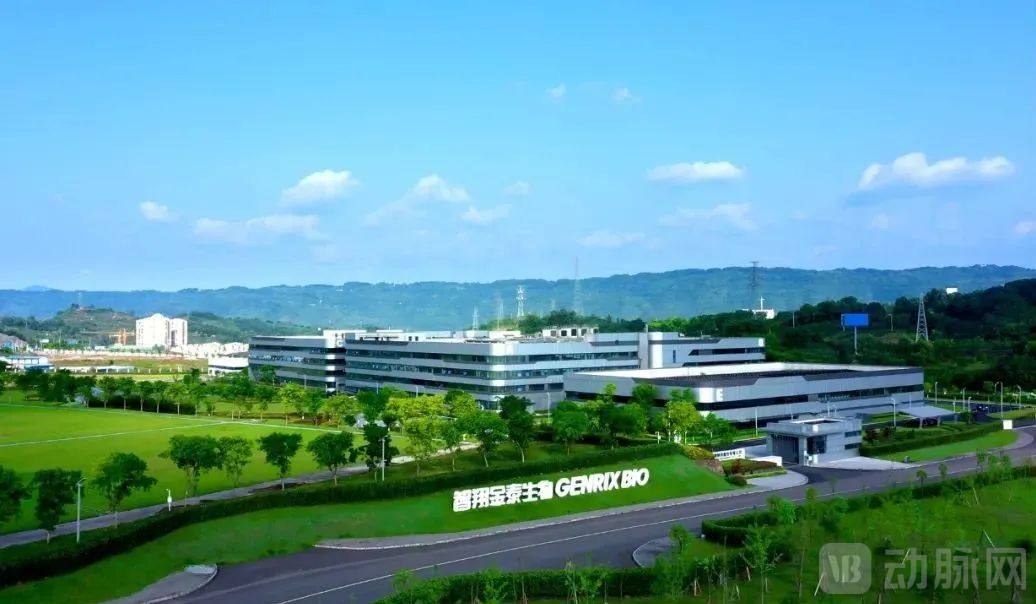
So, how can we stimulate the enthusiasm of leading enterprises to take the lead?It is crucial to improve policy support.Article 13 of the Policy states, “Support leading enterprises in attracting and cultivating companies along the industrial chain,”Proportional rewards shall be granted to on-chain enterprises based on their significant contributions.”
How Can Leading Companies Leverage Their “Benchmark” Role After Taking the Lead?First, invest resources in the R&D segment.Establish new-type R&D institutions. Article 10 of the Policy states, “Adopt a ‘Leading Enterprises + New R&D Institutions + Commercialization Channels + Industrial Parks”model drives rapid translation of achievements.”
This aligns with initiatives to foster an innovation ecosystem, where new-type R&D institutions provide technical support to leading enterprises, clear commercialization channels facilitate smoother technology transfer, and the participation of industrial parks enables more precise resource integration within Bio-City.
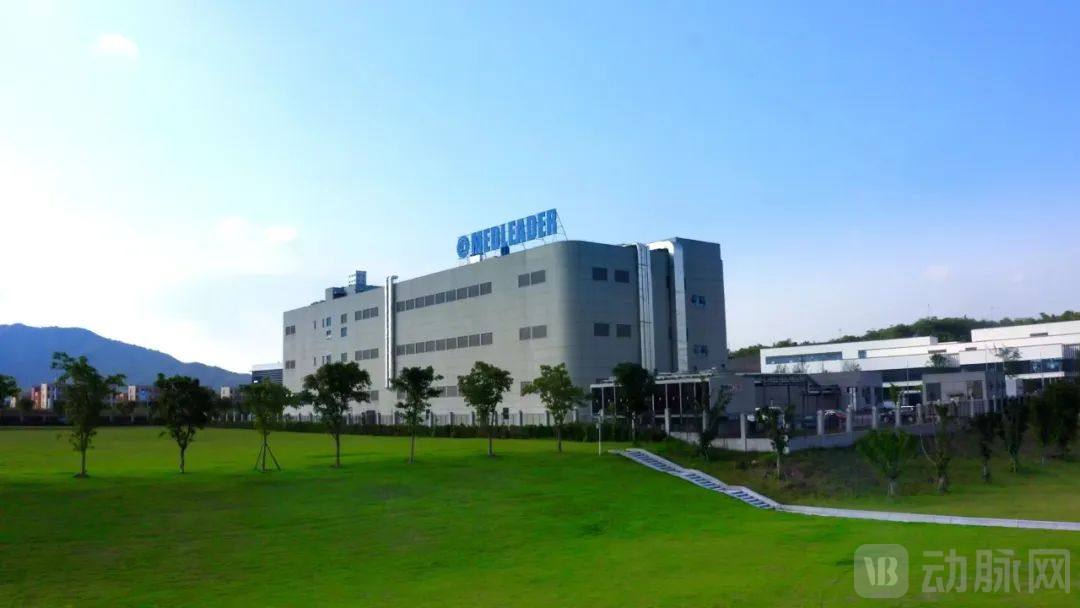
Secondly, provide incentives and safeguards on the incubation side.The Policy, in Article 11, states that “leading enterprises are encouraged to establish ‘R&D incubation enclaves’ globally and carry out project incubation,”For incubated projects that have achieved production and sales, with cumulative investment reaching a specified threshold, corresponding rewards will be granted based on the prescribed ratio.”
Finally, implement service regulation at the outcome level to support innovative products for demonstration applications.Article 23 of the Policy states, “Guide industries to procure and utilize the first-of-their-kind products and equipment developed and manufactured by enterprises within the Bio-City, and promote the first-time procurement and use of such products in all entities utilizing state funds.” Article 12 of the Policy further states, “Provide corresponding rewards based on the proportion of R&D investment for innovative drugs, improved new drugs, biosimilars, and Class III medical devices that have been incubated by leading enterprises and achieved industrialization.”
In Closing
To Break the Ice, Policy Must Lead.
Since 1985, when national legislation and tax policies were introduced to support the commercialization of scientific and technological achievements, China’s relevant functional departments have been making various attempts to better promote innovation. On January 1 this year, China revised the Law on Progress of Science and Technology for the first time in 14 years, signaling the state’s growing attention to the translation of scientific research into innovation and increasingly robust enforcement efforts.
In particular, within the newly released “Policy,” we clearly perceive that local governments have developed a progressively deeper understanding of the commercialization of scientific and technological achievements. The corresponding support regulations have also become more “targeted” and “specialized.” We believe that this new “Policy” will bring about many significant changes to Chongqing and even the entire Southwest region in the future.
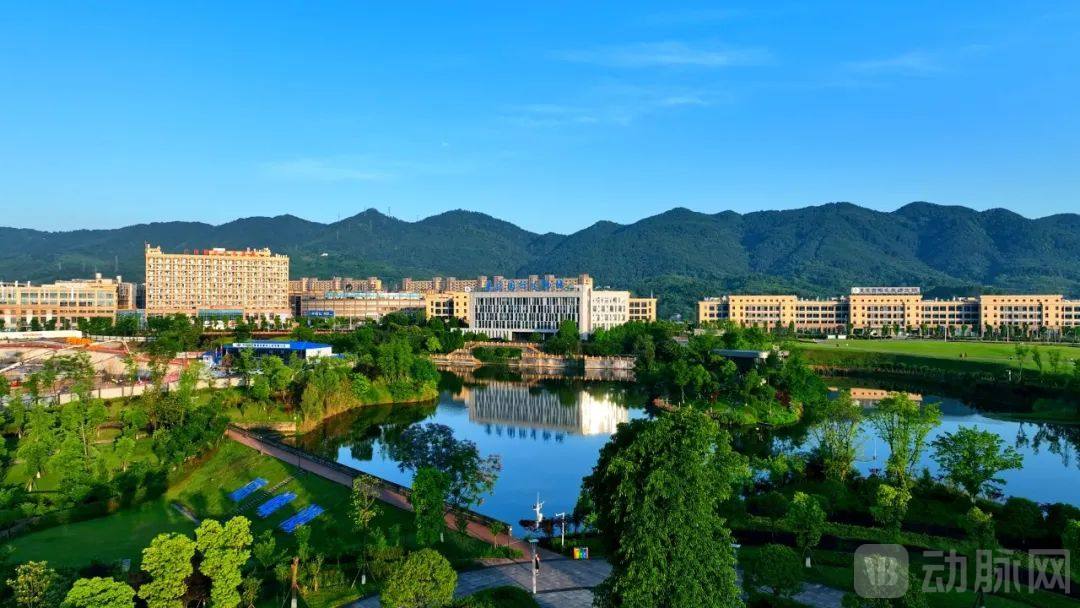
Meanwhile, we also anticipate that “quantitative changes will lead to qualitative leaps,” and that the policies will be thoroughly implemented after their promulgation, thereby contributing to China’s scientific innovation and technology transfer endeavors. In the future, we look forward to Bio-City playing a pivotal role in driving broader progress by identifying effective pathways to facilitate the large-scale, high-efficiency transfer and commercialization of domestic and international new medical science and technology achievements in Chongqing, striving to establish Chongqing as a major global scientific center and an innovation hub.