Medical Device Weekly Insights (April 13–19, 2026): Innovations, Approvals, and Strategic Funding Rounds

Conmind
Cardiovascular and Cerebrovascular Interventional Products R&D and Manufacturer

Arthrone
Orthopedic Instrument R&D and Manufacturer

AMYGDALA NEURO
Developer of Neuroregulation and Brain-Computer Interface Technologies and Products


01
Yingte Micro Network Receives Tens of Millions of YuanPre-A+ Round Financing
Recently, Yint Micro Medical completed a PRE-A+ round of financing worth tens of millions of yuan. This round was led by EF Capital, with Jingxu Venture Capital participating, and existing shareholder Haibei Capital continuing to increase its investment. The funds will mainly be used to enhance the market promotion of already listed products, accelerate the research and development progress of products in the pipeline, and comprehensively expedite the expansion of an innovative urology product portfolio, gradually forming a mutually supportive urology product matrix. Yint Micro's energy treatment product, YinRong™ (Varicose Vein Radiofrequency Ablation Treatment System), has been launched and is steadily delivering products to the market. The successful launch of this product demonstrates the team’s commercial closed-loop capability in “product selection - R&D - registration - production - sales.” YinRong™ is a product integrated with an intelligent perfusion system, successfully solving the perfusion challenges during surgery. Another energy treatment device, VTAS (BPH Steam Ablation Treatment System), has entered the clinical stage.
02
CONMIND MEDICAL Completes NearlyRMB 200 Million Series C Financing
Recently, CONMIND MEDICAL announced the completion of a nearly 200 million RMB Series C financing round. The round was led by Zhongshan Biomedical Angel Fund under Zhongshan Venture Capital, with participation from Yuecai Zhongyin Biomedical Fund and other institutions. Existing shareholder Zhuhai High-Tech Golden Investment continued to increase its investment, while Xiqiao Capital served as the exclusive financial advisor. Established in 2021, the company initially entered the market through cardiovascular and cerebrovascular interventional devices, building a comprehensive product portfolio while developing foundational capabilities. It has since expanded into the brain-computer interface field, introducing the concept of "heart repair and brain protection" to create full-cycle solutions. Additionally, it achieved the leap "from R&D to commercialization" relatively early, with rapid growth in stroke-related products entering several top-tier tertiary hospitals in China. The company has also established nationwide commercial channels and initiated overseas market expansion.
03
Arthrone Completes NearlyCNY 150 Million in Series C3 Financing
Recently, Arthrone Co., Ltd. has completed nearlyRMB 150 million in new round of financing. This round of financing was jointly completed by Yizhuang Guotou, Galaxy Innovation Capital, and existing shareholders Saiying Capital and Mifang Health Fund. The diversified lineup of investors fully demonstrates the capital market's high recognition of Arthrone's technical strength and market prospects in the field of high-end medical device materials. As a national high-tech enterprise with ceramic material technology at its core, Arthrone is a domestic orthopedic medical device manufacturer that has simultaneously obtained registration certificates for zirconia ceramic femoral heads (a national innovative medical device) and alumina ceramic femoral heads. Its ceramic products have more than four years of clinical follow-up data, with a current breakage rate of zero. Meanwhile, the company’s products have also successfully entered the international market, showcasing strong international competitiveness.
04
AMYGDALA NEURO CompletesSeries A Financing
Recently, AMYGDALA NEURO completed its Series A financing round. The investor, Hubei Xiachuang Venture Capital Investment Partnership (Limited Partnership), contributed RMB 9.62 million for a 7.4% stake, bringing the company's post-investment valuation to approximately RMB 130 million. The registered capital of the company increased by over 60%. Founded in October 2022 and spun off from Yingmai Medical, AMYGDALA NEURO is a medical device enterprise focused on developing next-generation neuromodulation and brain-computer interface technologies and products. It boasts a multidisciplinary R&D team with deep technical expertise. Its CEO, Zhao Ruilin, has an extensive background, while CTO Min Xiaoyi brings over 30 years of R&D experience and holds more than 160 patents. The company’s technology pipeline mainly includes two platforms: neuromodulation and invasive brain-computer interfaces, which have enabled the rapid development of products targeting multiple indications.
05
Ruihe Health Completes Seed Round Financing
Recently, Ruihe Health, a preventive healthcare AI company, has completed a seed round of financing worth RMB 4 million, with a post-investment valuation of RMB 25 million. The investor remains undisclosed. In addition to providing financial support, the investor offers in-depth collaboration at the business level. The funds from this round will be used for small-scale clinical retrospective testing, Class II medical device software registration, algorithm and model filing, as well as the engineering implementation of a complete closed-loop system covering prediction-intervention-PSM attribution-settlement validation. Ruihe Health has focused its problem-solving direction on the term "settlement." The team has built a unified four-part platform with "preventive settlement" as its core objective function: The cardiovascular risk prediction module is based on 16 clinical feature dimensions, with an AUC of 0.84, capable of identifying high-risk patients 1 to 3 years in advance; the personalized intervention plan generation module automatically outputs clinical-grade intervention recommendations based on patient risk factors; the PSM (Propensity Score Matching) causal inference module uses quasi-experimental methods to construct intervention and control groups, eliminating selection bias and statistically quantifying whether "the intervention truly reduced the risk"; the settlement evidence generation module converts causal attribution results into standardized settlement reports that can be verified by insurance companies and medical institutions.
06
Developer of health tracking and sports wearable devicesWhoop Announces $575 Million in New Round of Financing
Recently, Whoop, a wearable health company, announced the completion of a new round of financing, totaling approximately $575 million (about 4 billion yuan), with the company's valuation reaching approximately $10.1 billion. In this round of financing, medical device giant Abbott joined as a strategic investor, along with a large U.S. medical institution and other institutional investors. The background of Abbott’s investment lies in its own focus on continuous physiological monitoring technology, particularly its long-term expertise in the continuous glucose monitoring (CGM) field. This move further deepens the relationship between traditional medical device companies and consumer-grade wearable platforms.
07
Banyun Medical Technology Co., Ltd. Completes Nearly RMB 100 Million Angel Round Financing
Recently, Shanghai Bango Medical Technology Co., Ltd. completed an angel round of financing worth nearly 100 million RMB, led by Daotong Investment and participated by Jinding Capital. The funds will be used to advance the expansion of high-end product production capacity, develop a localized raw material supply chain, accelerate the development and clinical trials of novel wound healing products, and expand the sales and marketing team. Founded in 2019, Bango Medical specializes in the research, production, and sales of high-end wound closure consumables and devices for surgical operations. Backed by a multidisciplinary development team, the company stands out with its differentiated product portfolio, where its core products have significant advantages. In terms of commercialization, the company’s full range of products successfully won bids in the 24-province suture inter-provincial alliance procurement and reached a strategic cooperation agreement with Medtronic. This financing marks the initial recognition by the capital market of Bango Medical's value in the field of domestically produced high-end surgical wound closure solutions.
08
Advanced Endoscopic Ultrasound System Approved for Marketing
Recently, Olympus and Canon Medical have joined hands to officially launch in the U.S. market.Aplio i800 EUS High-End Endoscopic Ultrasound System. Manufactured by Canon and distributed by Olympus, this system supports high-quality imaging, providing reliable evidence for clinical evaluation. Its imaging technology aids in diagnosing lesions in the liver, gallbladder, and pancreas regions. The Aplio i800 is designed with flexibility and functionality covering operations related to the liver, pancreas, and gastrointestinal tract, featuring differential tissue harmonic imaging, rapid scanning, and full-region focusing capabilities. A representative from Olympus America stated that the system enhances the capabilities of their ultrasound product portfolio, empowering physicians with efficient diagnostics. Additionally, Olympus has recently undergone a series of personnel adjustments and is advancing its new corporate strategy for the end of 2025, which includes the development of disposable endoscopes, iterative innovation of traditional endoscopes, and investment in robotic technologies.
09
Chinese-Produced Flow Cytometer Included in the Innovative Drug and Device Mutual Recognition Directory
Recently, the Chengdu Municipal Health Commission, in collaboration with relevant authorities in Guangzhou, released an innovative pharmaceuticals and medical devices mutual recognition directory, featuring products independently developed by PrismTech.LegendCyto Flow Cytometer Successfully Selected for Its Technological Advantages, Stable Performance, and Significant Clinical Value. The establishment of the Innovative Drug and Device Mutual Recognition Directory is a key initiative by both regions to implement national strategies and promote high-quality development of the biopharmaceutical industry. It reduces redundant evaluation and approval processes and shortens the clinical application cycle of innovative products. This selection affirms LegendCyto's technical capabilities and product quality, paving the way for its entry into key medical institutions in both regions, benefiting more patients. Looking ahead, this selection marks only the beginning of PrismTech’s new phase of development. The company will continue to pursue independent innovation, focus on the field of clinical diagnostic equipment, and launch more high-quality products to empower healthcare with "Made in China," making precision diagnostics accessible to more people.
10
UBTECH Cognitive Function Assessment and Training Software Obtains Medical Device Registration Certificate
On April 14, UBTECH announced that its cognitive function assessment and training software, Cogdo S4, had recently obtained a medical device registration certificate (Yue Medical Device Registration No. 20262210315), officially becoming a digital therapeutic product with clinical access qualifications. The certification of this product signifies its transformation from a regular tool to a medical product, serving as an authoritative recognition of its safety and efficacy. It highlights the professionalism and reliability of the software in the medical field and marks an important breakthrough for UBTECH in the digitalization of cognitive health management. This advancement injects professional strength into the digital progress of cognitive health management, helps drive innovation in the field, and provides more scientific and effective digital solutions for relevant patients.
11
"RF + Mechanical" Dual Technology Atrial Septal Puncture System Approved
In the first quarter, Huiyang Medical Technology (Suzhou) Co., Ltd. ("Huiyang Medical" for short) successively obtained registration certificates for two innovative medical devices: Radiofrequency Puncture Generator (Registration No.: 20263010216) and Disposable Radiofrequency Atrial Septal Puncture Needle (Registration No.: 20263010288). Together, they constitute Huiyang Medical’s RF-cross® Radiofrequency Atrial Septal Puncture System. When used in conjunction, under X-ray guidance via femoral vein access, the system utilizes the thermal effect of radiofrequency current to artificially create an opening in the atrial septum, achieving the purpose of penetrating the atrial septum.
12
China's Brain-Computer Interface Rehabilitation Company Wuxi Headquarters Begins Production
Recently, the headquarters of China's leading flexible rehabilitation robot company in brain-computer interface, Conmind, has commenced operations in Liangxi District. This marks the establishment of an integrated "research and development – manufacturing – service" system, injecting momentum into the intelligent rehabilitation sector in the Yangtze River Delta. Specializing in hand-function flexible rehabilitation robots, Conmind collaborates with top-tier teams. Its products have been approved for a Class III medical device registration certificate for brain-computer interfaces and have deployed hundreds of devices across various regions. They are included in Wuxi City’s community rental service directory for rehabilitation aids and have simultaneously launched "Internet + Home Rehabilitation" services. On the same day, Conmind released its Brain-Computer Interface Cloud Rehabilitation Platform to address the challenge of “loss of management upon discharge,” building a “digital bridge” that extends resources from tertiary hospitals to households. Additionally, Liangxi District organized a closed-door symposium where government, enterprises, research institutions, and investors engaged in in-depth discussions, reaching consensus to accelerate the industrial clustering of brain-computer interface technologies.
13
Real-scenario Medical Training Platform Launched in Beijing
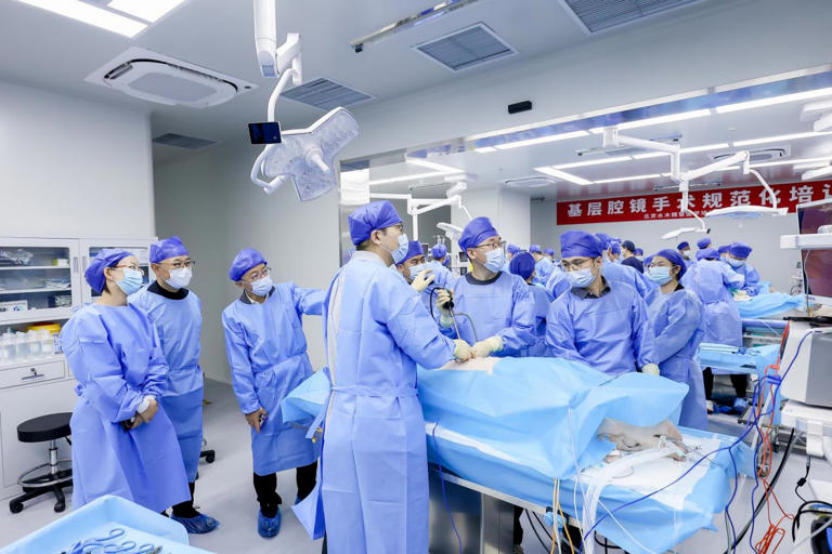
Recently, the Third-Party Real-Scene Medical Training and Achievement Transformation Platform, Shuimu Jingzhi, opened in Beijing. The platform collaborates with multiple medical enterprises to address the standardization challenges of grassroots endoscopic techniques. For instance, Shuyou Medical empowers practical training with innovative instruments, Bangyun Medical enhances surgical efficiency with knotless barbed sutures, and Huanuo Kang provides high-end equipment to strengthen hardware foundations. The real-scene training model integrates academic standards, practical scenarios, and industrial resources, establishing a standardized growth platform for grassroots surgeons and promoting the homogenized development of surgical diagnostic techniques. This platform represents a critical innovation practice in the field of medical technology achievement transformation, completing the closed loop of medical innovation achievement transformation. It is reported that the platform will next collaborate with more industry partners to upgrade the training system, promote standardized procedures and innovative instruments to extend into county-level areas, and cultivate grassroots surgical talents.
14
United Imaging Successfully Develops Endoscopic Surgical Robot in Optics Valley, Already Applied in Multiple Hospitals
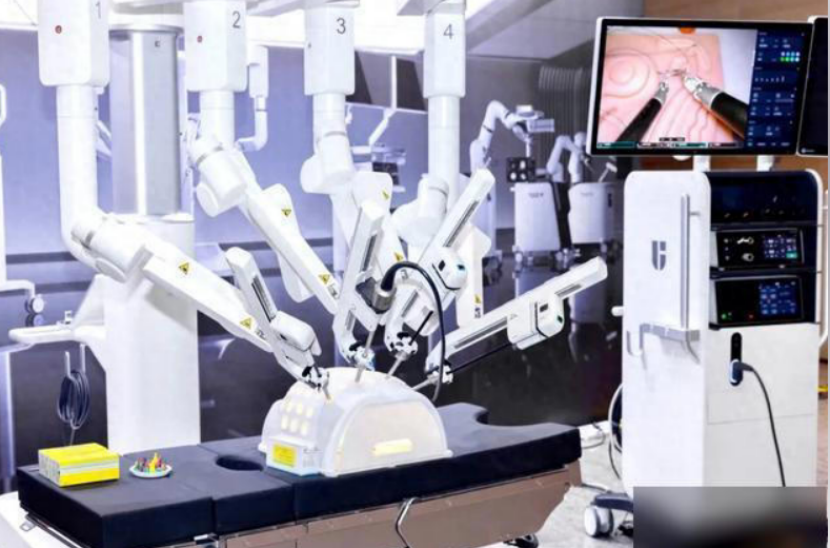
Recently, Wuhan United Imaging Intelligence Medical Technology Co., Ltd., a company based in Optics Valley, successfully developed a self-innovated endoscopic surgical robot with imaging fusion capabilities. The robot has been applied clinically across multiple departments in several Class A tertiary hospitals in China, including hepatobiliary, urology, gastrointestinal, gynecology, and thoracic surgery, demonstrating excellent results. It is set to be officially launched within the year. This achievement marks a significant breakthrough for United Imaging in the field of high-end medical equipment. Additionally, United Imaging has made extensive progress under this system, successfully developing a range of products including CT real-time image-guided interventional surgical robots and the Magic Cube Hybrid Operating Room, showcasing its strong innovation capabilities and deep technological expertise in the medical technology sector.
15
Fengtai-Tiantan Brain-Computer Interface Major Project Release
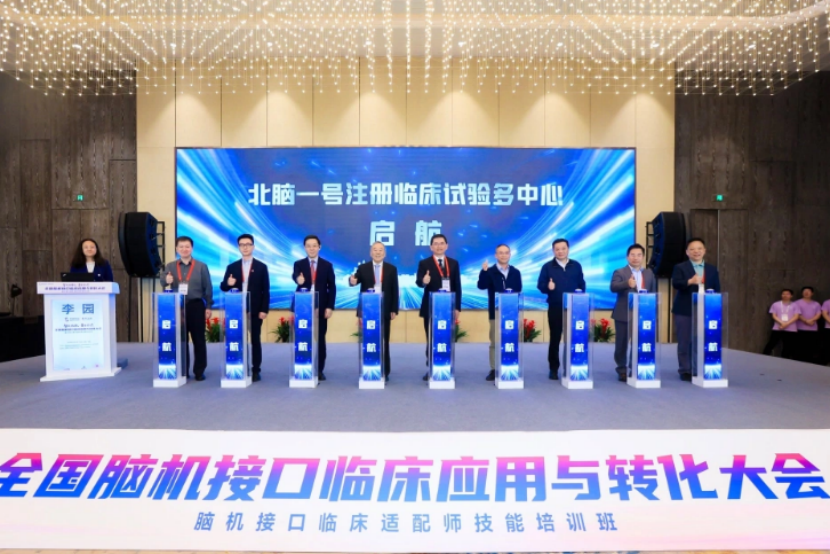
Recently, at the Brain-Computer Interface Clinical Application and Transformation Conference in China, the Fengtai-Tiantan Major Brain-Computer Interface Project was announced. Fengtai District and Beijing Tiantan Hospital will jointly build a brain-computer interface innovation industrial park, planning 500,000 square meters of industrial space, and establish a Brain-Computer Interface Clinical Research and Transformation Alliance. The focus will be on building four research centers: the Brain Research Center, the Brain Computing Power Center, the Brain Health Center, and the Brain Rehabilitation Center, which will respectively focus on key technology R&D breakthroughs, providing computing power support, deepening full-cycle brain disease management, and constructing a new paradigm for brain-controlled active rehabilitation. In addition, the two parties will also build a large brain health model and launch an "AI Brain Health Doctor." Fengtai District will collaborate with social capital to establish an industrial fund, construct a "1+N" fund matrix, promote enterprises and R&D centers to move into the park, focus on overcoming cutting-edge technological challenges, and accelerate the clinical application and industrialization process of brain-computer interface technology.
16
Innovation and Transformation Alliance of Neurology (CNIT "Proof of Concept Center" Settles in Zhuhai High-Tech Zone
Recently, the "Concept Verification Center" of the NeuroMedical Innovation and Translation Alliance (CNIT) has settled in Tongqiao Medical, located in Zhuhai High-Tech Zone, marking the establishment of a national-level industry-university-research collaborative innovation platform in China's neurovascular intervention field. This strengthens Zhuhai High-Tech Zone's "clinical-research-industry" collaborative innovation system. The center's establishment is a recognition of Tongqiao Medical's independent innovation capabilities, which will shorten the transformation cycle of neurovascular intervention devices and accelerate the market entry of innovative achievements. Chairman Zhao Zhong of Tongqiao Medical hopes to deepen cooperation and promote the transformation of results through this opportunity; General Manager Li Zheng showcased the company’s innovative development process and core technology advantages, with several technologies filling domestic gaps. On the same day, the fourth phase project selection activity of CNIT Innovation Academy was also held, where experts discussed key industry issues.
17
Revvity and Lead Health Sign Strategic Cooperation Agreement to Jointly Promote High-Quality Localization and Internationalization of Life Science Instruments
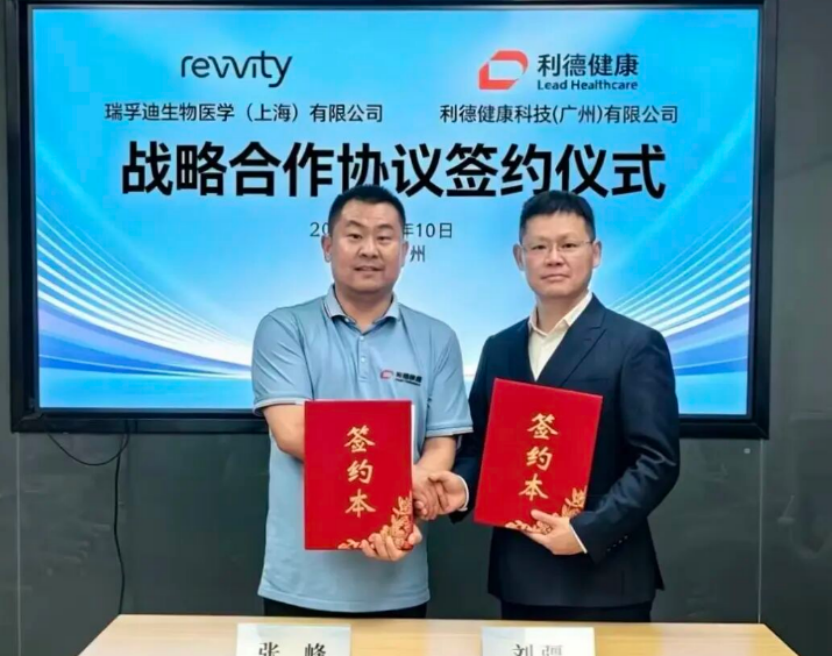
On April 10, 2026, Revvity officially signed a strategic cooperation agreement with Lead Health Technology. Liu Jiang, Vice President of Revvity, and Zhang Feng, CEO of Lead Health, represented the signing, with both core teams in attendance. This collaboration focuses on solution innovation and localization exploration, building an end-to-end innovative ecosystem around the cell industry chain, and enhancing supply chain stability and product standardization. During the signing ceremony, both parties held discussions on the local layout and international high-quality development of life science instruments. Zhang Feng stated that Lead Health would leverage Revvity’s global resources to optimize the production transfer process and address industry pain points. Liu Jiang noted that Revvity's technology complements Lead Health’s local innovation strengths, which will advance the localization of products. This partnership achieves resource complementarity and mutual benefit, injecting momentum into the high-end and international upgrade of China’s life science instrument and equipment industry, and promoting domestic scientific and technological achievements to reach the global stage.
18
Xirun Medical Headquarters Base Project Put into Operation in Liangxi District, Wuxi
On April 12, the Xirun Medical Headquarters Base project began operations in Liangxi District, Wuxi, marking the establishment of an integrated "R&D-Manufacturing-Service" system and entering a new stage of development. This also injects momentum into Liangxi District's efforts to build a smart rehabilitation hub. Xirun Medical focuses on the field of hand function flexible rehabilitation robots and collaborates with top-tier teams. Their products can help high-level paraplegic patients control their fingers through "thought," with invasive brain-computer interface rehabilitation products completing dozens of clinical trials and obtaining the world's first Class III medical device registration certificate. The company has simultaneously launched "Internet + Home Rehabilitation" services and released a brain-computer interface cloud rehabilitation platform to solve the problem of "loss of management upon discharge" and reduce patient costs. In the future, the company will deepen cooperation with its Liangxi headquarters as the base, promoting the extension of rehabilitation services. The establishment of Xirun Medical represents the achievement of Liangxi District's efforts to develop the brain-computer interface industry ecosystem. An ecosystem enterprise closed-door symposium was also held on the day of production commencement.
19
Annual Production3 Million Units, Top 100 Medical Device Companies Increase Investment in China
Recently, B. Braun Medical from Germany announced the groundbreaking of the third phase project of its Suzhou surgical instruments factory, with a total investment of nearly 100 million yuan, scheduled to commence operations in 2027. B. Braun Medical Group has a long history and ranks 15th among the top 100 global medical device companies, with businesses covering multiple core areas of healthcare. This increased investment in China aims to bring forward the global core surgical instrument production capacity, utilizing local manufacturing to respond to centralized procurement, shorten delivery cycles, reduce costs, and maintain high-end market barriers. The third phase project focuses on localized production of high-precision basic surgical instruments, with an annual production capacity of 3 million units upon reaching full operation, adding over 100 million yuan in output value. Additionally, the MES system will be used to achieve full-chain digitalization of production. Currently, as China's medical device manufacturing undergoes transformation, B. Braun’s practices provide the industry with a replicable model for the localization of high-end foreign devices, deeply integrating German industrial standards with China’s supply chain to enhance the voice of "Made in China."

20
New Regulations for Medical Device Complaints and Reports Implemented
Recently, the newly revised "Measures for Handling Complaints and Reports in Market Supervision and Administration" has been officially implemented, closely related to the safety of medical device use across China. The new regulations provide clear norms for the process of complaints and reports in the medical device sector, responsibility allocation, and processing deadlines, eliminating bottlenecks in the complaint and reporting system. The new Measures clearly define the boundary between complaints and reports: a complaint refers to a consumer's request for resolution of a rights dispute with an operator, while a report is an act of disclosing suspected violations. The document lists scenarios eligible for complaints or reports and adopts the principle of "report if suspicious" for complaints. Meanwhile, the new rules standardize processing timelines, requiring market supervision departments to promptly verify and accept complaints. The responsible department must provide feedback within 60 days of acceptance, with complex cases extendable by 30 days. Time spent on inspections and testing is not included, ensuring swift responses to requests.
21
Prices for CT, MRI, and other examination items have been reduced.
Recently, the State Council Information Office held a regular briefing on State Council policies to introduce the relevant situation of the "Several Measures on Accelerating the Construction of a Hierarchical Diagnosis and Treatment System." First, it encourages grassroots organizations to make good use of pricing policies to provide appropriate services. Grassroots organizations are guided to effectively implement price project policies, combining them with project establishment guidelines, encouraging the use of home visit fees, hospice care fees, family bed setup fees, internet re-examination fees, Traditional Chinese Medicine rehabilitation services, and other projects; optimizing price management in primary healthcare institutions and implementing general treatment fee policies. Second, it supports large hospitals in applying new clinical services and technologies. Third, it continuously optimizes the structure of medical service prices. Since 2021, all provinces in China have established a dynamic adjustment mechanism for medical service prices. Each region conducts price adjustment evaluations annually, and regions meeting the adjustment criteria can proceed with price adjustments. The adjustment of medical service prices reflects "both increases and decreases," with prices for inspection items mainly based on equipment consumption, such as CT and MRI, being reduced.
22
Zhejiang Accelerates the Layout of Cutting-edge Fields such as Medical Artificial Intelligence and High-end Medical Devices
Recently, "The Guiding Opinions on Promoting the High-Quality Development of the Biomedical Industry in Zhejiang Province (Draft for Soliciting Opinions)" was opened for public comments. It mentioned supporting the research and development of cutting-edge technologies and products. Driven by clinical needs, efforts will be accelerated to lay out frontier areas such as cell and gene therapy, novel antibody drugs, new small molecule drugs, nucleic acid drugs, radiopharmaceuticals, modern Chinese medicine, medical artificial intelligence, and high-end medical devices, while formulating key R&D lists for innovative drugs and innovative medical devices. Systematic implementation of applied basic research projects in the biomedical field and major provincial science and technology special projects will be carried out. Support will be given to the construction of biopharmaceutical intellectual property operation centers, deepening patent navigation analysis, and providing rapid pre-examination services for high-value patents.
23
Hunan Implements New Regulations on Surgical Robot Fees
Recently, the Hunan Provincial Medical Security Bureau announced that the National Healthcare Security Administration's "Guidelines for the Establishment of Medical Service Price Items for Surgical and Therapeutic Auxiliary Operations (Trial)" has been implemented in Hunan. Previously, surgical robot fees were charged "based on equipment usage," with unclear categories, increasing the burden on patients and making it difficult for medical insurance to intervene. The new guidelines set prices based on the level of the robot’s involvement and clinical value in surgery—the higher the involvement, the higher the charge coefficient—and also introduce a "remote surgical assistance operation fee." Hunan has responded to the new regulations by categorizing charges into four tiers: navigation-type operations are charged at 50% of the main surgery price, capped at 3,600 yuan; participation execution-type operations are charged at 150%, capped at 12,000 yuan with a minimum of 5,000 yuan; precision execution-type operations are charged at 300%, capped at 26,000 yuan with a minimum of 16,000 yuan; remote surgery-type operations are charged at 500%, capped at 37,000 yuan.
24
Release of Good Vigilance Practice for Medical DevicesPilot in 17 Provinces
On April 13, the National Center for ADR Monitoring of Medicinal Products released the "Good Vigilance Practice for Medical Devices (Trial) (Revised Version)" to standardize post-market vigilance activities for medical devices. The GVP comprises 8 chapters and 33 articles, applicable to medical device registrants, record-filers, and domestic responsible persons for imported medical devices in China. It requires them to establish a medical device vigilance system, formulate vigilance plans commensurate with product risks, and monitor, identify, assess, and control adverse events related to medical devices, reducing uncertainties in harm and risk occurrence to ensure the safety of relevant personnel. The vigilance system must be integrated into the quality management system, focusing on eight key aspects such as organizational structure setup and management system formulation. The vigilance plan is an important document, covering product scope, vigilance objectives, and other items. Additionally, the GVP specifies content related to vigilance data collection and risk control. Drug regulatory authorities in 17 provinces (regions, municipalities) including Beijing and Hebei will organize the trial implementation.
Note: The information in this article is compiled based on online news reports.
Recent Highlights
Recommended Articles Collection
Enterprise Information
2025 Major Events ▏Zhongguancun Shuimu Medical|SHUIMU JINGCHUANG|Chengdu Shuimu|SHUIMU JIHENG|SHUIMU JINSHENG|SHUIMU INTELLIGENCE

END