

Chuanhua Science City: A Differentiated Hub for Biotech Innovation Attracting Global Talent
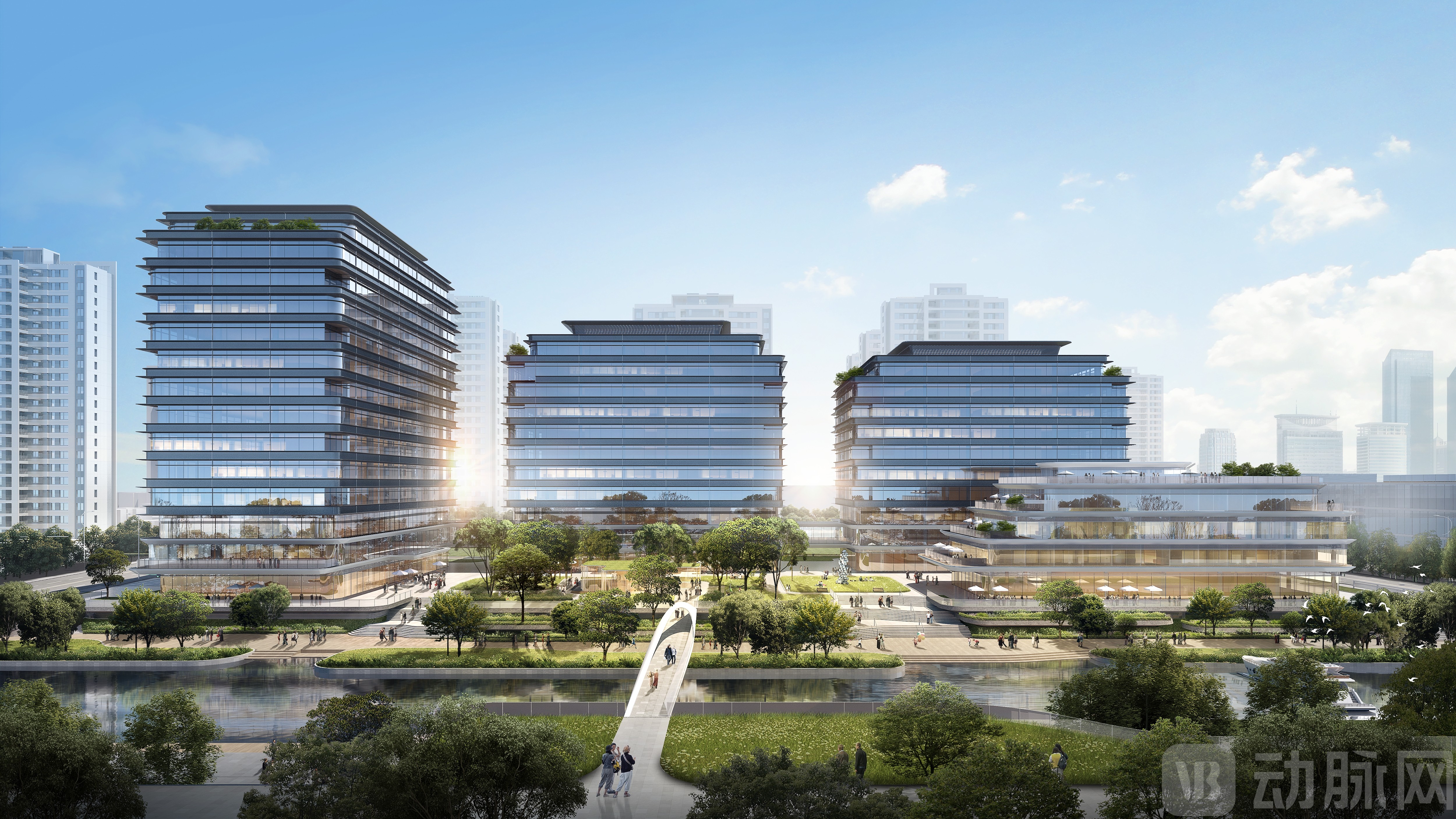
In 1953, Watson and Crick proposed the double-helix structure of DNA, ushering in the first biotechnology revolution and marking the entry of life sciences research into the era of molecular biology. In 2003, the completion of the Human Genome Project signaled the advent of the second biotechnology revolution, bringing life sciences research into the age of omics and systems biology.
Following the achievement of gene “reading,” advances in DNA synthesis and gene editing technologies have enabled humanity to gradually bridge the gap from gene “reading” to “writing.” The integration of biological and engineering concepts has ushered in the era of synthetic biology, which may well lead the third biotechnological revolution.
Data shows that the global biotechnology market size was $752.88 billion in 2020, with a projected compound annual growth rate (CAGR) from 2021 to 2028 ofreached 15.83%. Among these, healthcare-related applications dominated the biotechnology market, accounting for a 48.64% share in 2020.
In the capital markets, global biotechnology companies have been particularly active. The report “Outlook: Biotech In 2021 & Beyond,” released in May 2021, shows that from 2018 to 2020, 40% of companies going public via special purpose acquisition company (SPAC) initial public offerings (IPOs) were in the life sciences sector, and among these life sciences companies, 70% were biotechnology firms.
On May 10, 2022, the National Development and Reform Commission released the “14th Five-Year Plan for Bioeconomy Development,” which explicitly aims to build national strategic scientific and technological capabilities in biotechnology, accelerate breakthroughs in bottlenecks hindering bioeconomic development, and achieve self-reliance and self-strengthening in science and technology. The biotechnology industry has become a primary driver of economic growth after the information technology industry and is emerging as a key focal point in the new global wave of scientific and technological revolution and industrial competition. However,Achieving rapid breakthroughs and innovative transformations in biotechnology is no easy feat; it requires the support of all stakeholders across industry, academia, research, healthcare, government, and investment, with talent, policy, and industrial synergy being indispensable elements.
Against this backdrop, Xiaoshan District in Hangzhou has deeply deployed the development of its biotechnology industry. As a key supporting platform, Transfarpolis has initially established the framework of an innovation “industry chain” for biotechnology.
“Focus” and “Innovation”: Keywords for the Development of the Bioindustry in Transfarpolis
Transfar Sci-Tech City is located on the south bank of the Qiantang River in Hangzhou. Under the perennial scouring of the Qiantang River tides, this area was once a vast expanse of tidal flats. With an unyielding spirit, the people of Xiaoshan raced against the tides for decades, transforming this land into aA Fertile Ground for Open Cooperation and Innovative Development。
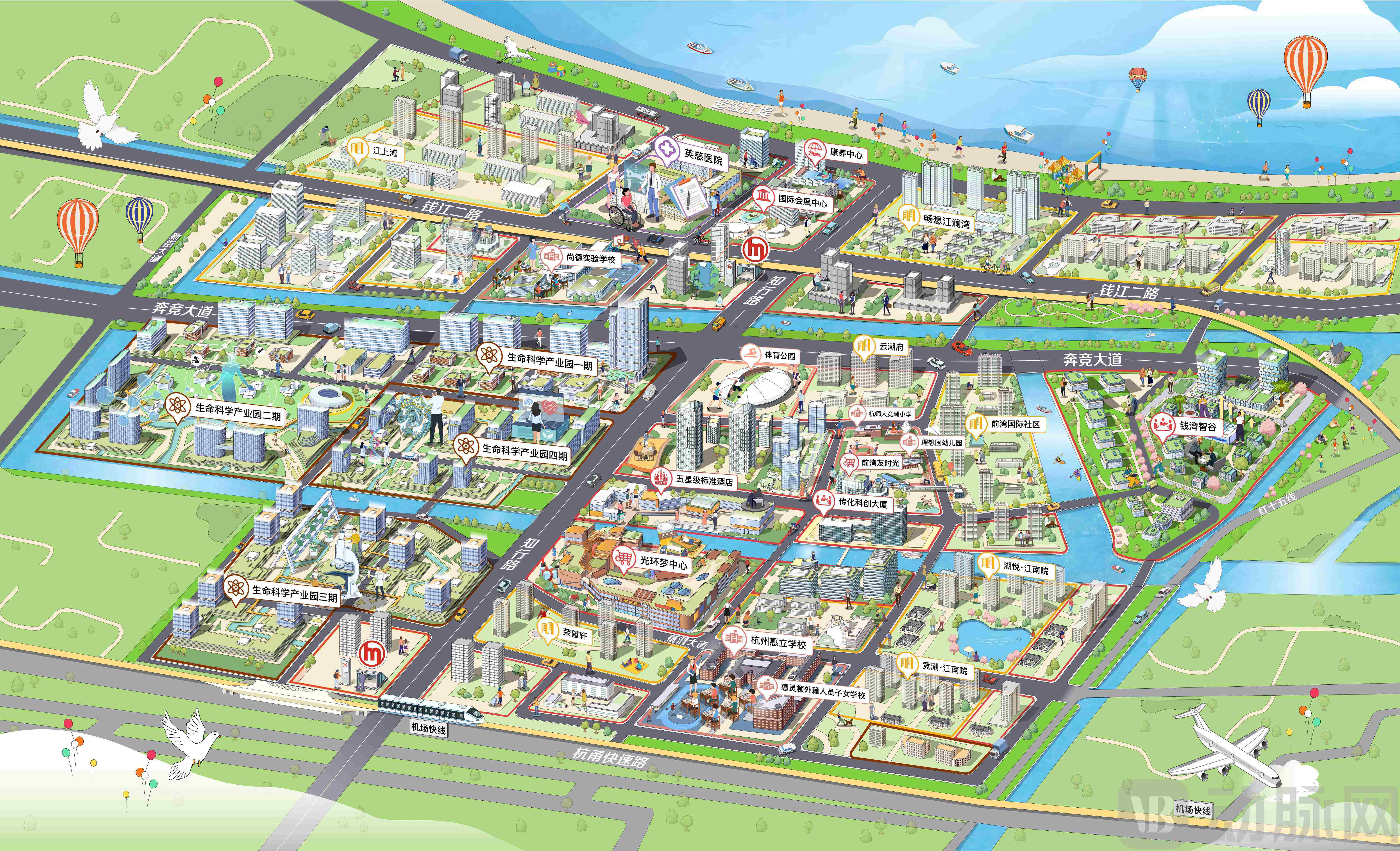
Transfarpolis Hand-Drawn Map
From Developing Agriculture, to Strategically Positioning in Life Sciences, to Focusing on the Biotechnology Innovation Chain, reviewing Transfarpolis’s journey of industrial exploration is inseparable from“Focus”and"Innovation"Two keywords.
Transfarpolis originated from the Zhejiang Provincial Agricultural High-Tech Demonstration Park established by Transfar Group. As early as 2000, Transfar Group actively responded to the call of the Zhejiang Provincial Government and ventured into high-tech agriculture, innovatively developing a one-stop systematic solution for the floral horticulture industry, as well as the research, development, production, and services of health and wellness products centered on organic Dendrobium officinale. In 2010, the park was officially designated as a National Agricultural High-Tech Industrial Development Zone.
In 2010, as Hangzhou expanded eastward, Transfar Group once again responded to the government’s call for the integration of industry and urban development. Adhering to the principle of “government-led, enterprise-driven,” it innovatively proposed the development concept of “prioritizing urban supporting facilities while synchronously advancing industrial park construction.” After years of development, Transfar Science & Technology City is progressing toward becoming an international sci-tech innovation community centered on the life sciences industry, having initially achieved the integration of “industry, city, and people.”
After focusing on the life sciences industry, Hangzhou Transfarpolis Co., Ltd. began to further consider how to leverage its advantages to precisely position itself within specific sub-sectors.The broader the industrial scope is defined, the more it may hinder industry development. Leveraging its own strengths, Transfar has focused its industrial direction on the biotechnology sector.“Chen Tao, President of Hangzhou Transfarpolis Co., Ltd., stated.
This idea aligns perfectly with the industrial planning of Xiaoshan District. According to the "Opinions on Deepening the Implementation of the Plan for Precision Building of Industrial Chains in Xiaoshan District, Hangzhou," issued in April, Xiaoshan Science and Technology City is responsible for the planning and implementation of the innovation industrial chain for biotechnology and medical devices. Located in the core area of Xiaoshan Science and Technology City,Transfarpolis, with over 2 million square meters of industrial development space, has become a key carrier for the growth of the bio-innovation industry.
Against this backdrop, Transfarpolis has established a development strategy of “One City, One Industry,” with the life sciences industry at its core.Develop the biotechnology innovation chain and the medical device industry chain,Focusing on synthetic biology, cell and gene therapies, and high-value consumables to drive the clustered development of the life sciences industry. To date, Transfarpolis has initially formed industrial clusters in life sciences sectors including cell and gene therapies, digital health, synthetic biology, and health services.
“Sci-Tech Innovation Community + Industrial Ecosystem” Attracts a Large Number of Young Overseas-Returned Scientists
Biotechnology is a talent-intensive industry with substantial demand for professionals in interdisciplinary fields. Therefore, unlike traditional industrial parks that gradually enhance their service capabilities during the development process, Transfar Sci-Tech City has, since its initial planning stage,Centered on attracting high-end technological talent,Following the development logic of “city–people–industry,”Build an innovative model of “Sci-Tech Innovation Community + Industrial Ecosystem” to create an international sci-tech innovation community.
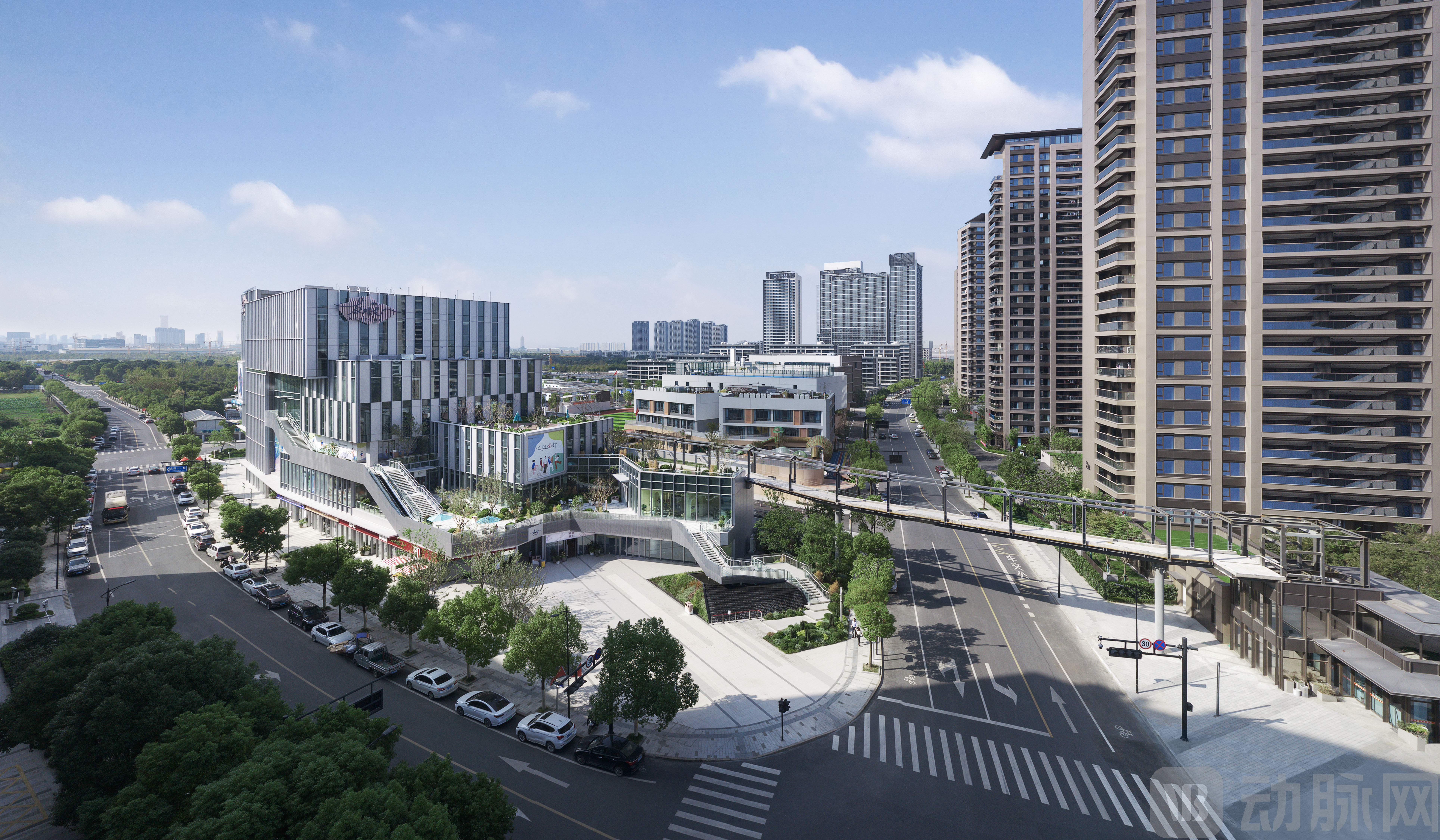
Internationally-Oriented Community Amenities
“In recent years, a relatively large number of scientists have returned to China to start businesses in the life sciences sector, where technological development is largely synchronized between domestic and international markets. Based on this, internationalization has become the most prominent hallmark that Transfarpolis Science & Technology City is striving to establish,” said Chen Tao.
Positioning as an “International Sci-Tech Innovation Community” for DifferentiationTransfarpolis has introduced international-standard urban amenities, including an international hospital, the Hangzhou campus of Wellington College, The Ring Dream Center, Qianwan You Shiguang, and the Qianwan International Community. By aggregating high-quality international resources across healthcare, education, lifestyle, consumption, and work environments, Transfarpolis has created a vibrant city tailored for young sci-tech innovators.
An internationalized city and globally oriented community amenities have attracted a large number of young, top-tier scientists returning from around the world., Yang Luhan of Qihan Bio, Huang Xianlin of Anzhi Biomedical, Chao Ran of Yanjin Tech, Cao Zhehou of Jimi Bio, Yin Cong of Zhushi Bio... A cohort of overseas-returning sci-tech innovators born in the 1980s and even the 1990s have chosen to put down roots at Transfarpolis.
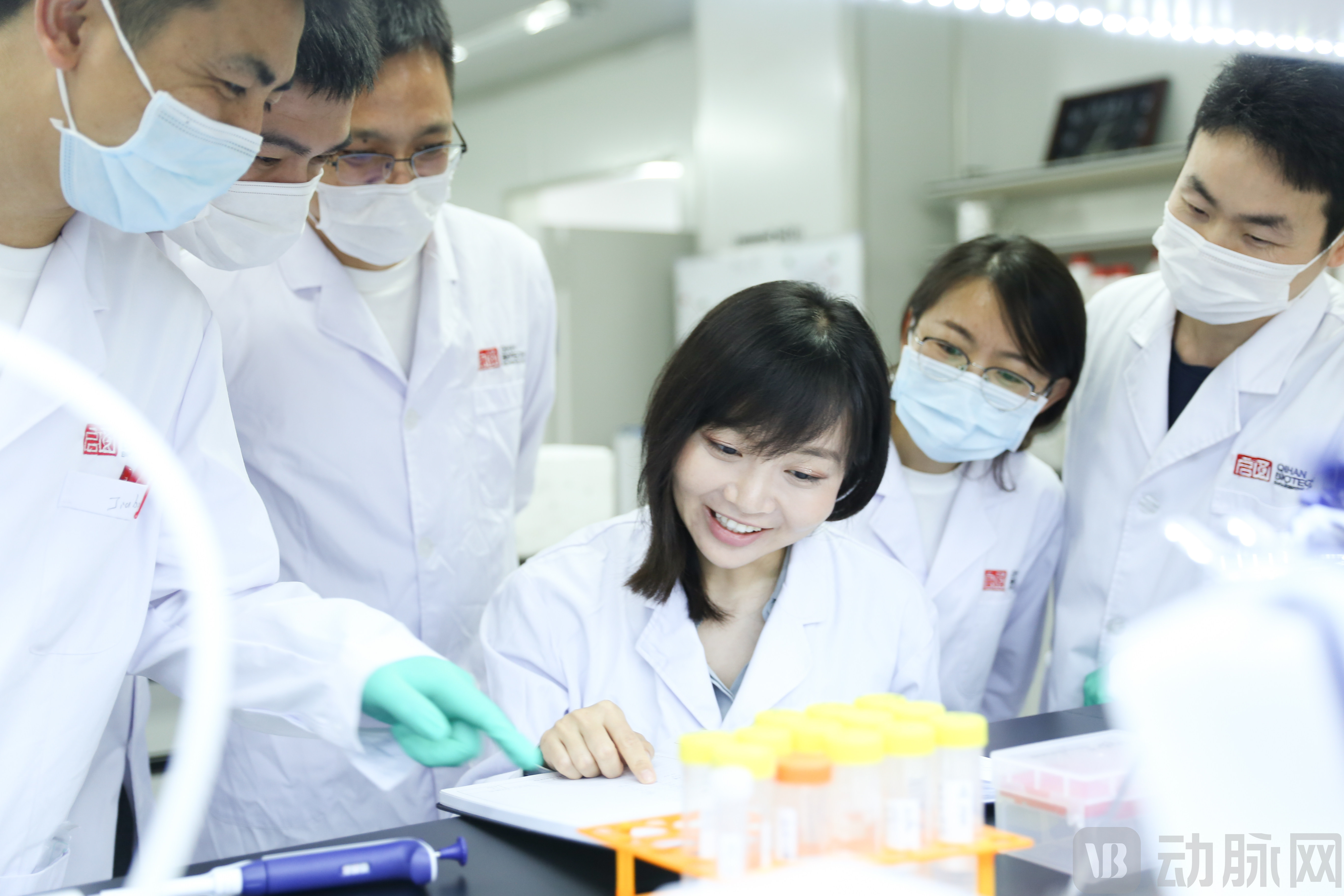
Qihan Bio
Transfarpolis also dedicates significant efforts toBuild a Community with Warmth.
“Returning overseas scientists who start businesses in China and truly settle down to live and work in a particular location face many specific challenges. Hangzhou Transfarpolis Co., Ltd. has been committed to providing ‘last-mile’ services to support scientists in their daily lives and work within the Science and Technology City,” said Chen Tao.
A science and technology city is both a hub for scientific output and a gathering place for scientists. A single scientist can connect at least two spheres: the “life sphere,” which links to family, friends, domestic services, and even pets in their personal life; and the “work sphere,” which mobilizes a large cohort of researchers, as well as the broader network of investors and industry chain partners behind them. This represents the coveted “zero-to-N” innovation trajectory that every innovative city dreams of achieving.
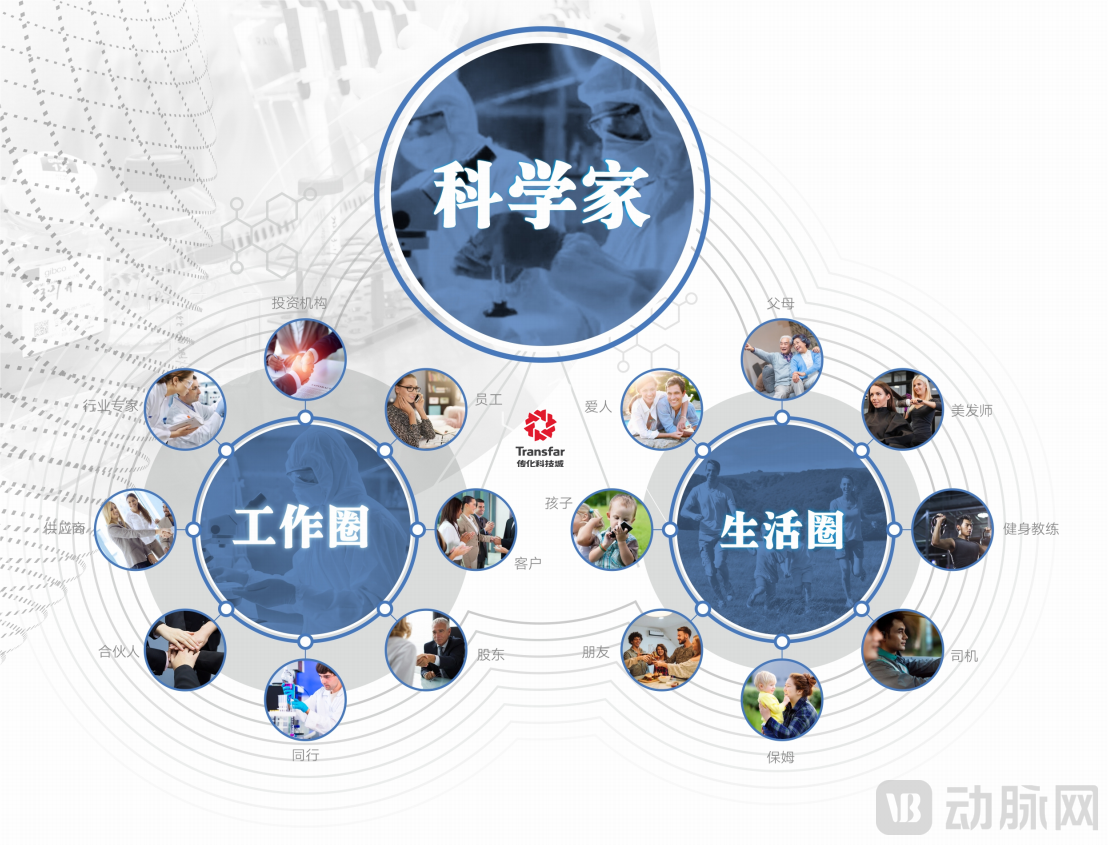
Providing comprehensive support for scientists’ “work circles” and “life circles”
Centered on scientists’ “work circles” and “life circles,”Transfarpolis profiles the resident scientist community, conducts in-depth analyses of their work patterns, and identifies and addresses their needs."Enabling scientists to excel in research while enjoying a better quality of life."
For resident scientists, frequent travel to various locations is a norm of their lives, making the mere 20-minute commute from the airport to Transfarpolis particularly significant. Dr. Cao Tong, founder of Probiota, a company based in Transfarpolis, stated in an interview: “It is very close to Hangzhou Xiaoshan International Airport, the Pilot Free Trade Zone, and the convention and exhibition center. In my view, it occupies a ‘heart-like’ position. In the future, by hosting numerous international academic conferences, it will attract the headquarters of various professional societies and R&D enterprises, becoming a base for multinational corporations.”
It is reported that the Xiaoshan Airport Express Line is under accelerated construction, and Transfarpolis will soon offer direct one-stop access to the airport.
In addition, scientists place great importance on the park’s lifestyle amenities and schooling options for their children. “For talents who return to China with their children to start businesses, education is a major concern. The significant differences between domestic and international textbooks, educational philosophies, and teaching methods make it difficult to adapt in a short period. Wellington College has played a vital role in helping overseas students integrate into local life,” said Chen Tao.
“The short-term enrollment and daily fee model offered by Wellington College also provides a perfect solution for scientists who need to commute between two locations, making it highly attractive to them,” Chen Tao added.
What Advantages and Surprises Will a Traditional Chemical Industry Background and International Hospital Resources Bring to the Biotechnology Sector?
Transfar Science City is developing a biotechnology innovation chain, with synthetic biology as a key strategic focus. AndFocusing on synthetic biology, Transfarpolis possesses inherent genetic and industrial advantages.
Yu Guoping, General Manager of the Strategy Department at Transfar Group, stated:“Transfar Group itself originated from the traditional chemical industry,Transfar Chemical, Wynca Chemical, and Transfar Logistics, all under the Transfar Group, have established a highly comprehensive system capable of connecting to numerous high-quality resources.“The platform model of Transfarpolis boasts a wealth of innovative synthetic biology technologies that can be integrated into the system, creating complementary advantages for all parties involved.”
Among them,Xin'an ChemicalBy leveraging synthetic biology, we research and develop a series of products including enzymatically produced L-glufosinate, genetically modified products, and other biocatalytic solutions. The gene discovery process for all these products requires the use of synthetic biology techniques such as directed evolution. All these products alsoIt will provide more application scenarios for synthetic biology enterprises.
Transfar Chemicals, a global leader in functional chemicals and new materials, operates in more than 100 countries and regions worldwide.Transfar ChemicalsSynthetic biology technologies can be leveraged to seek breakthroughs in specialized, refined, and novel materials, thereby providing robust support for innovative enterprises incubated at Transfarpolis.Industrialization resource support, including scale-up production and market and technology development across various end-use application fields.
Against the backdrop of traditional chemical industry’s transformation toward biotechnology,Transfar Chemicals and Wynca Chemical possess strong industrial capacity to adopt synthetic biology and significant demand for its applications.
Wang Shengpeng, Dean of the Transfar Chemical Research Institute, stated,Chemical manufacturing and bio-manufacturing share commonalities, with differences lying in the reaction processes; however, Transfar Chemical’s strength resides in the subsequent stage of scaled-up production.
In recent years, against the backdrop of “carbon neutrality,” the primary driving force behind continuous technological innovation has been the development of cleaner materials. Compared with chemical methods, synthetic biology offers more pronounced advantages and better aligns with societal demands for sustainable development. The transition and strategic deployment of traditional chemical companies toward synthetic biology may become a major trend, as initially evidenced by BASF’s investment in Enhe Bio.
Wang Shengpeng stated, “First,”Replacing chemical methods with biosynthetic approaches can address the pollution and safety issues prevalent in the chemical industry.Secondly, compared with chemical synthesis, people prefer naturally extracted substances. However, due to the complexity of biological tissues and the low content of components, the extraction cost is high, and ethical issues may even arise. AndEngineered microorganisms can achieve self-replication, enabling more efficient and cost-effective production of target compounds., thereby avoiding ethical issues.
Beyond synthetic biology, cell and gene therapy as well as smart medical devices are also key areas of focus for Transfarpolis. It is understood that, in addition to an international hospital, Transfarpolis is considering the introduction of several precision medicine-relatedResearch Institution, both canIt provides application scenarios for the clinical use of inspection and testing, as well as cell and gene therapies, while also generating substantial demand for medical devices, particularly high-value consumables.
Furthermore, the hospital will offer preferential policies to local residents, and internationalized medical and elderly care services will become an important component of the supporting infrastructure for an international city.
Whether in synthetic biology, gene and cell therapy, or the medical device innovation chain, Transfarpolis is building differentiated advantages to empower rapid industrial development.
Building a Full-Lifecycle Industrial Ecosystem Service: From Incubation and Acceleration to Commercialization
“International community,” “traditional chemical industry background,” and “hospital resources” are the unique advantages built by Transfarpolis to promote the development of the biotechnology innovation industry. In addition to external resources, it is worth mentioning thatIn the biotechnology sector, characterized by high technical barriers and long incubation periods, Transfarpolis also provides another service: “companionship.”
In terms of carriers, Transfarpolis boasts over 2 million square meters of industrial development space.In the “landlord + shareholder” model,From incubation and acceleration to industrialization,Accompanying enterprises throughout their growth journey.
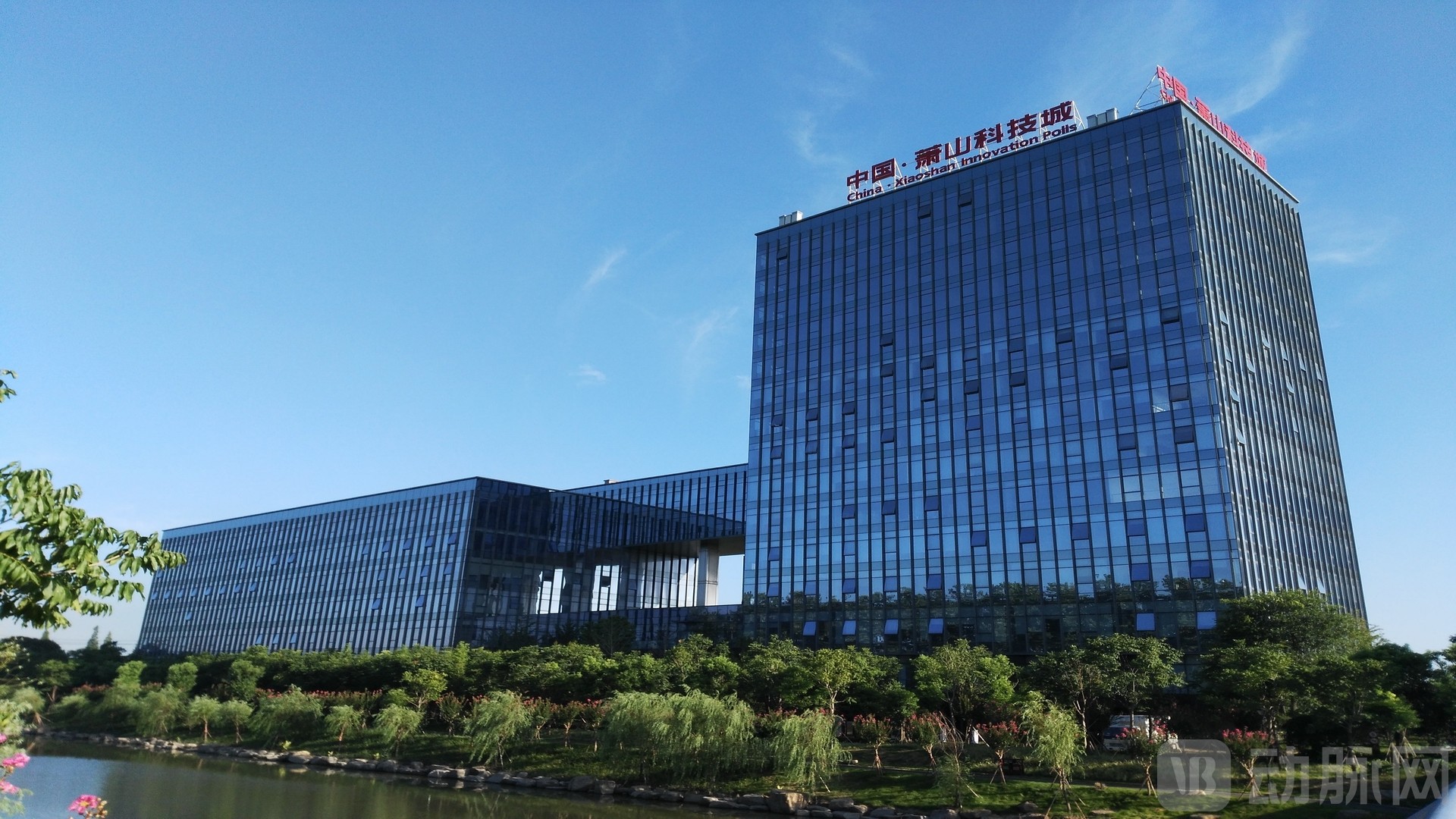
Transfar Sci-Tech Innovation Tower
National-Level Incubator – Transfar Sci-Tech Innovation Building serves as the innovation engine of Transfar Science and Technology City. Since its commissioning in 2015, it has maintained an occupancy rate of 90%, incubated more than 100 companies, and facilitated cumulative financing exceeding RMB 1 billion for these enterprises.
The Life Science Industrial Park boasts a gross floor area of over 1 million square meters, featuring GMP-compliant facilities, standalone R&D buildings, and high-rise office-R&D towers. It meets enterprises’ spatial and service needs throughout the journey from R&D to industrialization, empowering continuous innovation.
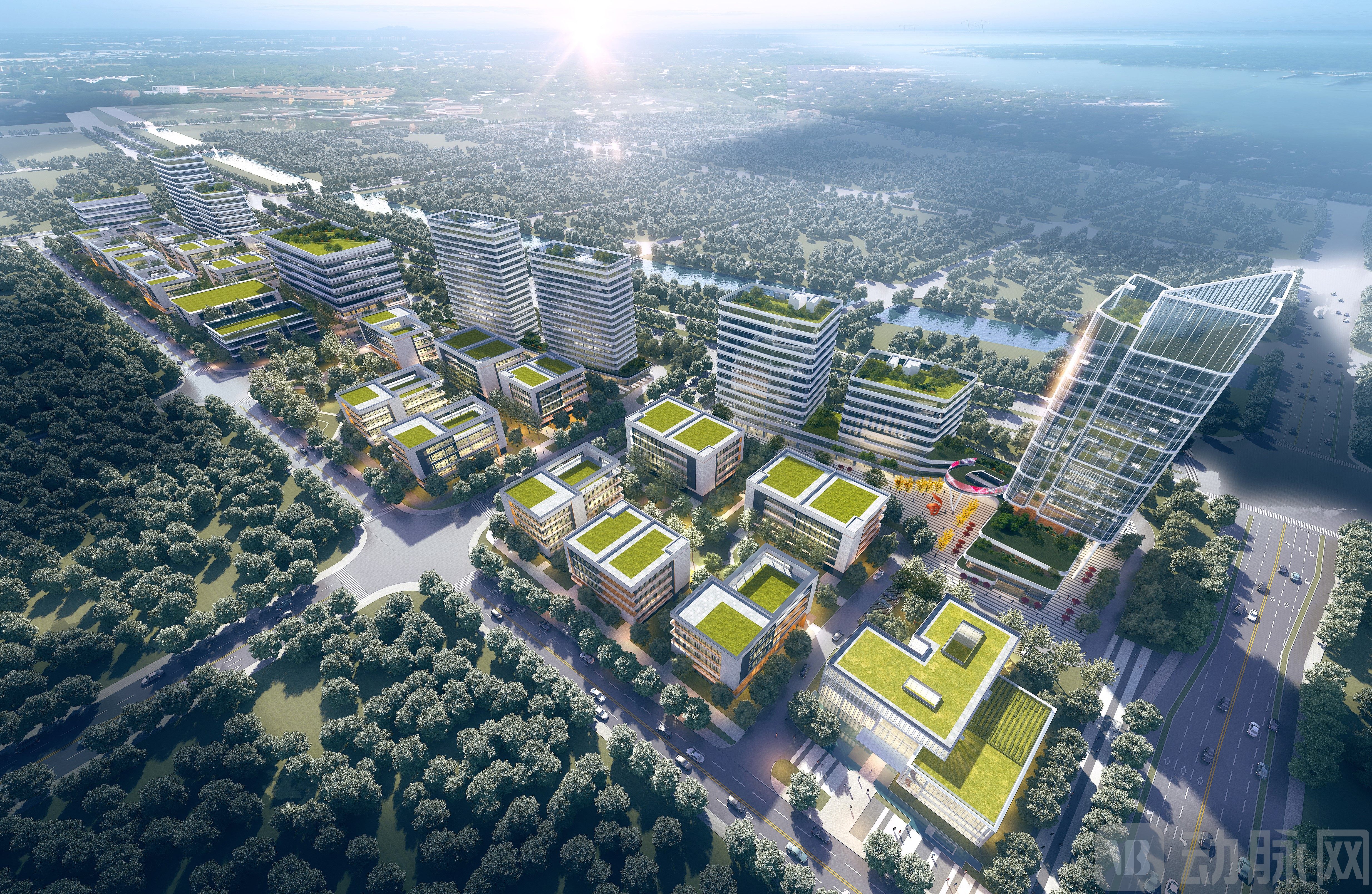
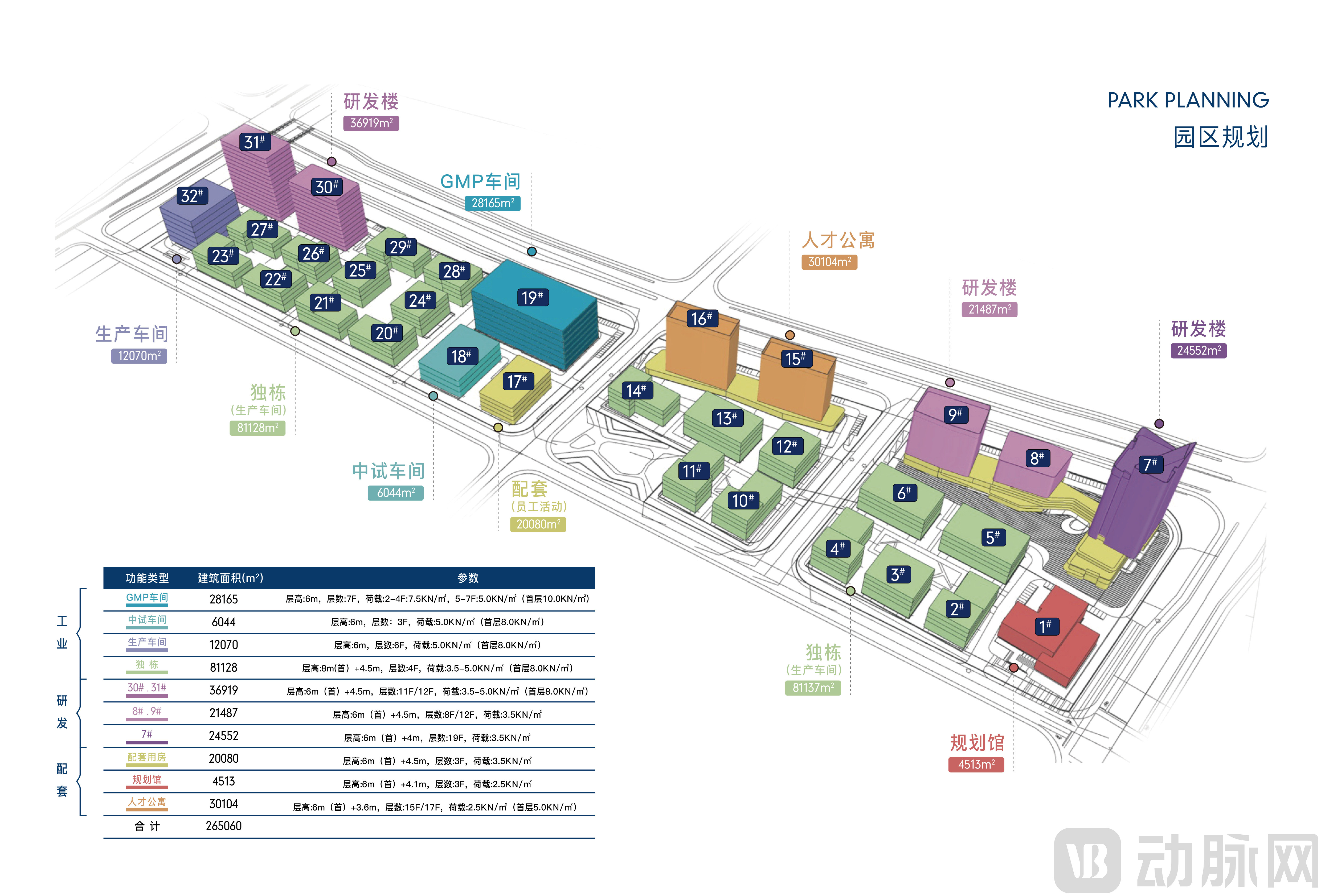
Life Science Industrial Park (Phase I) Plan
Qianwan Smart Valley comprises 35 standalone office buildings ranging from 1,300 to 3,900 square meters, two buildings dedicated to co-working spaces and supporting commercial facilities, and one standalone exhibition hall. As a hub for corporate headquarters, it has already signed agreements with numerous headquarter enterprises, including well-known companies such as Niulong Biology, Yinlu Technology, Jiuxi Ruikang Hospital, Dunen Biology, and Shenghui Medical.
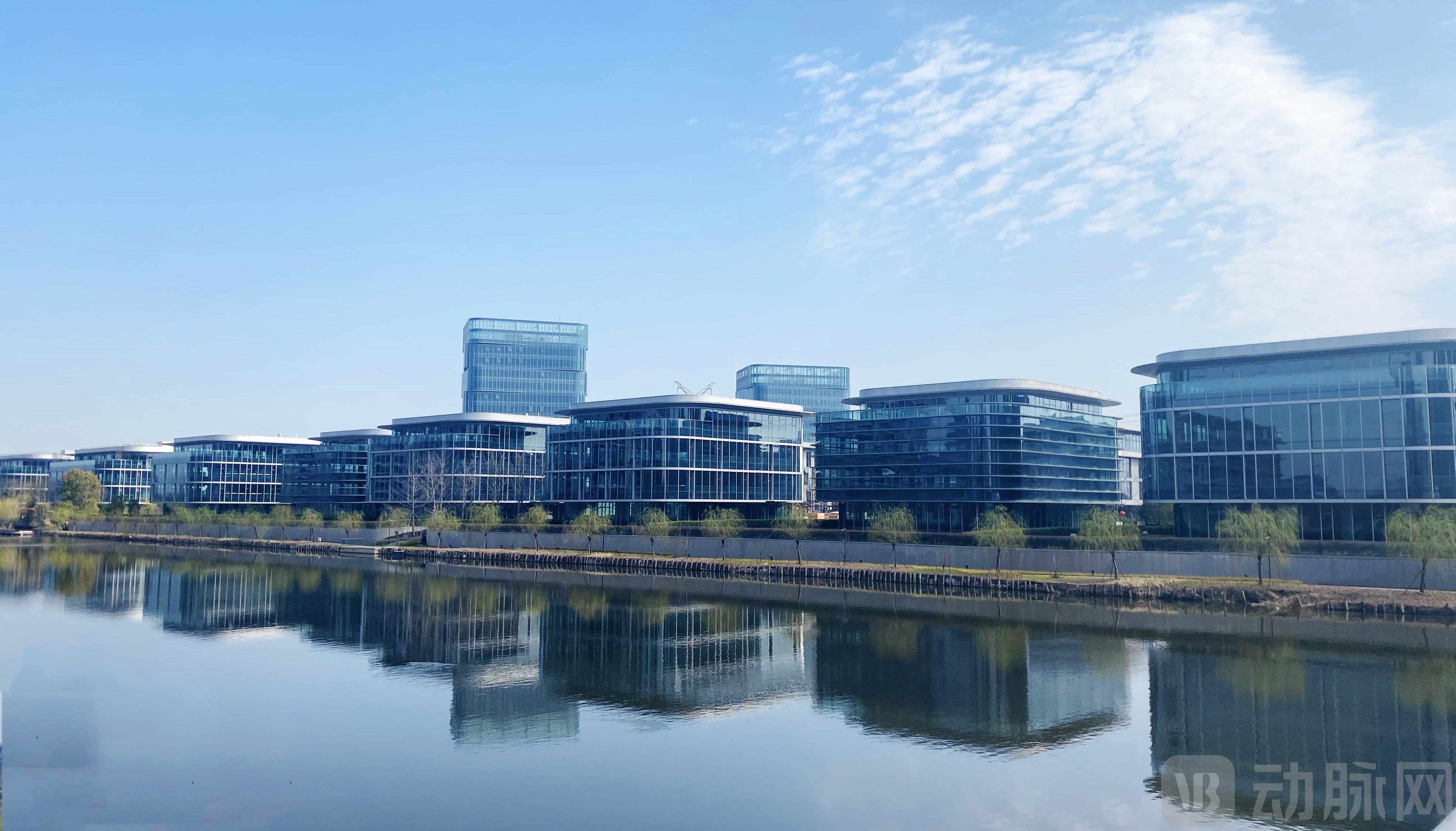
Qianwan Smart Valley
From “Sci-Tech Innovation Building” to “Life Science Industrial Park,” and then to “Qianwan Smart Valley,” we provide full-lifecycle industrial ecosystem services spanning incubation, acceleration, and commercialization.
In terms of investment, TransfarpolisPromote the connection between industry and capital through the “Fund + Base” model, build a multi-tiered industrial fund cluster, and provide comprehensive end-to-end support services for enterprises from the seed stage to IPO.
It is reported that Transfar Capital and Hangzhou High-Tech Investment Co., Ltd. have launched in-depth cooperation to plan and establish a healthcare fund,The fund is expected to have a total size of RMB 1 billion, with an initial closing of RMB 500 million.Leveraging the professional investment capabilities of Transfar Capital, the fund will focus on investing in innovative projects in the fields of biomedicine and health. Based on the integrated platform of incubation, acceleration, and industrialization provided by Transfar Sci-Tech City, it will offer comprehensive support throughout the entire life cycle of portfolio companies through“Capital Empowerment + Policy Support + Service Efficiency Enhancement”to help portfolio companies achieve rapid growth and build a science and technology innovation ecosystem centered on life sciences.
Third, in terms of service,Establish a science and technology innovation ecosystem to facilitate resident enterprises in exploring industry-academia-research collaborations with Transfar Group, the Hangzhou International Innovation Center of Zhejiang University, and the Hangzhou Graduate School of Xidian University., facilitating business collaborations among resident enterprises and partnerships based on the shared experimental platform, thereby initially establishing an ecosystem where upstream and downstream industrial partners are located in close proximity, metaphorically described as “upstream and downstream being just upstairs and downstairs.”
The establishment of the sci-tech innovation ecosystem will strengthen connections among ecological partners of Transfar Sci-Tech City, promote in-depth collaboration in the field of sci-tech innovation, continuously improve and optimize the innovation ecosystem, enhance the enabling capabilities of sci-tech innovation platforms, and accumulate new momentum for achieving a new round of high-quality development.
Furthermore, Transfarpolis will implement the concept of a future community by leveraging its distinctive human-centric, ecological, and digital approaches to build an integrated urban management digital platform that covers the full life cycle, entire industrial chain, and all aspects, combining design, construction, and operation, thereby serving industrial development and community residents.
“Industrial development is not about transplanting a mature tree, but about building an ecosystem. We aim to cultivate our own leading enterprises and specialized, refined, distinctive, and innovative (‘Little Giant’) companies through companion-style services, ultimately establishing a complete bio-tech innovation industrial ecosystem,” said Chen Tao.
Looking ahead, Chen Tao stated that over the next five years, Transfarpolis will complete 80%–90% of its construction, attract 500 resident enterprises, and form a life sciences cluster centered on synthetic biology, gene and cell therapy, and intelligent medical devices. Supported by the real economy, characterized by international-community quality, driven by digital technology, governed through government-enterprise collaboration, and featuring a closed-loop industrial capital ecosystem, Transfarpolis will propel the development of the biotechnology industry in Xiaoshan, Hangzhou, and across China.