

Fudan University Research Team Identifies a Novel Pan-Cancer Biomarker SIX6 for Multi-Cancer Early Detection and Clinical Applications
July 6, 2022The Wenqiang Yu Team at the Institute of Biomedical Sciences, Fudan UniversityJointFudan University Shanghai Cancer Center and Xijing Hospital, Air Force Medical University TeamWe identified SIX6 as a third pan-cancer biomarker and elucidated its applications in multiple clinical scenarios, including early detection, prediction of metastasis risk, and assessment of surgical margins for various cancers such as lung cancer, breast cancer, cervical cancer, endometrial cancer, and urothelial carcinoma. The related findings were published in the Nature portfolio journal Signal Transduction and Targeted Therapy (IF=38.104)。

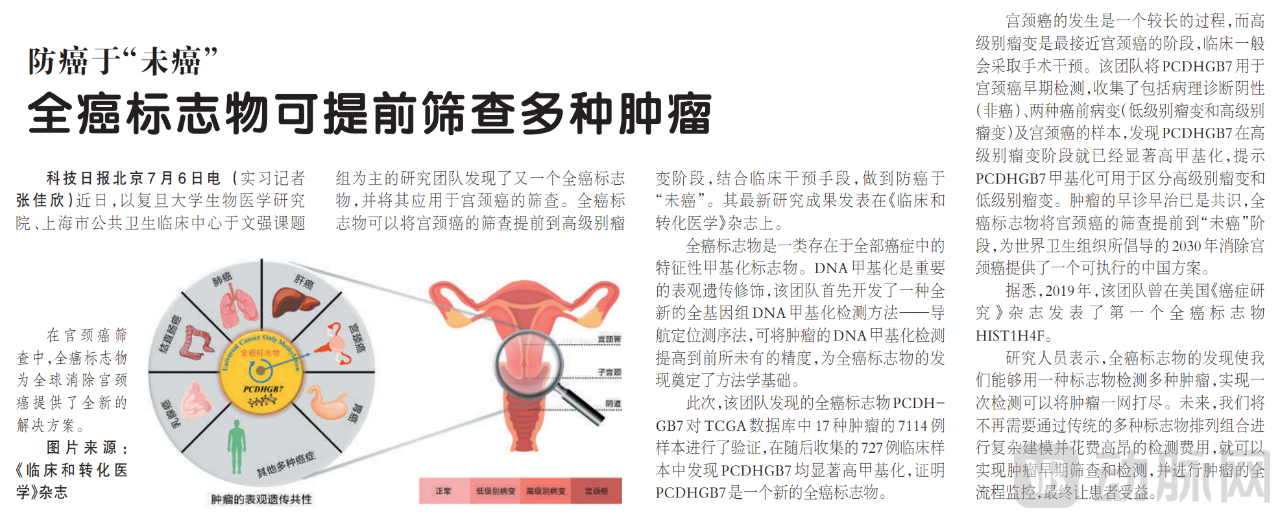
It is reported that,Fudan University’s Wenqiang Yu TeamSeveral significant achievements in pan-cancer biomarkers have been previously published, including the identification of the first pan-cancer biomarker, HIST1H4F, published in 2019 in Cancer Research (IF=13.312), the official journal of the American Association for Cancer Research; the discovery of the second pan-cancer biomarker, PCDHGB7, published in 2021 in the internationally renowned journal Clinical and Translational Medicine (IF=11.492); and the elucidation of the application of PCDHGB7 in early screening for endometrial cancer, published in 2022 in the international academic journal Frontiers in Molecular Biosciences (IF=6.113).A single test for one biomarker: simple and precise, with limitless application scenarios. Pan-cancer biomarkers hold immense potential!
Early Cancer Screening Is the Only Way to Conquer Tumors
Cancer is the second leading cause of death globally. In 2020, there were approximately 19.29 million new cancer cases worldwide, with about 10 million cancer-related deaths. Cancer is the leading cause of death in China. In 2020, China reported approximately 4.57 million new cases and 3 million deaths, accounting for about 23.7% and 30.2% of the global total incidence and mortality, respectively. Nearly all cancers,If early detection, diagnosis, and treatment can be achieved, their chances of survival will be significantly improved. However, due to limitations imposed by factors such as “inherent deficiencies in current diagnostic and therapeutic methods, economic costs, and accessibility of medical resources,”Approximately 50% of cancers are already at an advanced stage at the time of diagnosis, and the survival rate for advanced-stage malignant tumors is low.Therefore, early cancer screening and timely intervention can effectively halt cancer progression and reduce incidence and mortality rates.
SIX6: The Third Discovered Pan-Cancer Biomarker
Aberrant DNA methylation is a key event in carcinogenesis. Extensive research has revealed that tumors exhibit global genomic hypomethylation alongside aberrant hypermethylation at specific loci, which can be leveraged for early cancer screening. DNA methylation offers inherent advantages in terms of detection stability and specificity; however, practical applications face numerous bottlenecks and barriers related to sequencing technologies and costs. To address these challenges, Professor Wenqiang Yu’s team at Fudan University previously developed GPS (Guide Positioning Sequencing), a whole-genome DNA methylation detection technology that achieved a major breakthrough in accuracy and coverage. Using this technology, the research team identified HIST1H4F, a locus exhibiting hypermethylation across multiple cancer types. They proposed the concept of a “pan-cancer biomarker” and demonstrated the potential clinical value of HIST1H4F hypermethylation in lung cancer detection. Subsequently, after rigorous screening, the team identified a second pan-cancer biomarker, PCDHGB7, and applied it to the early detection of cervical cancer. Remarkably, this pan-cancer biomarker enables cervical cancer screening to be advanced to the stage of high-grade squamous intraepithelial lesions, truly realizing cancer prevention before malignant transformation occurs.
While continuing to explore the potential of early-stage pan-cancer biomarkers, the research team identified another differentially methylated region in tumor cells. The SIX6 gene has garnered particular attention; beyond its traditional roles in tissue formation and organogenesis, it exerts tumor-regulatory functions by promoting epithelial-mesenchymal transition and metastasis. The team validated their findings across 7,010 samples spanning 15 cancer types from The Cancer Genome Atlas (TCGA) database, revealing the prevalence of SIX6 locus hypermethylation in tumor samples. Furthermore, analysis of 678 clinical samples from ten common cancer types reaffirmed that SIX6 hypermethylation represents a novel pan-cancer biomarker.
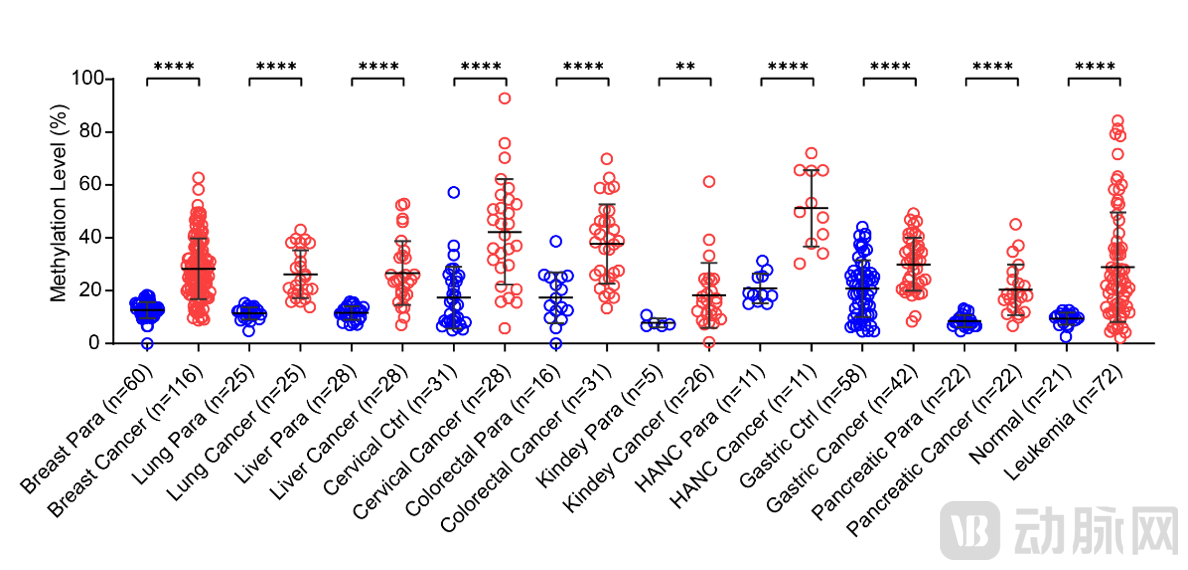
Pan-Cancer Biomarkers: Shifting Tumor Detection to the Pre-Cancer Stage, from Daydream to Dream Come True
The key to early cancer screening lies in “early” detection. How early does SIX6 hypermethylation actually occur? In samples from the TCGA database with clearly defined stages, the research team found that SIX6 hypermethylation was present at Stage I (localized cancer) across 12 types of tumors. Treatment at this stage is associated with higher survival rates and better prognosis. Subsequently, clinical samples confirmed that SIX6 hypermethylation appears in the early stages of lung cancer, breast cancer, and cervical cancer, and remains stable throughout subsequent stages of cancer progression. This indicates that,SIX6 Is Suitable for Full-Process Monitoring Across Multiple Cancer Types。
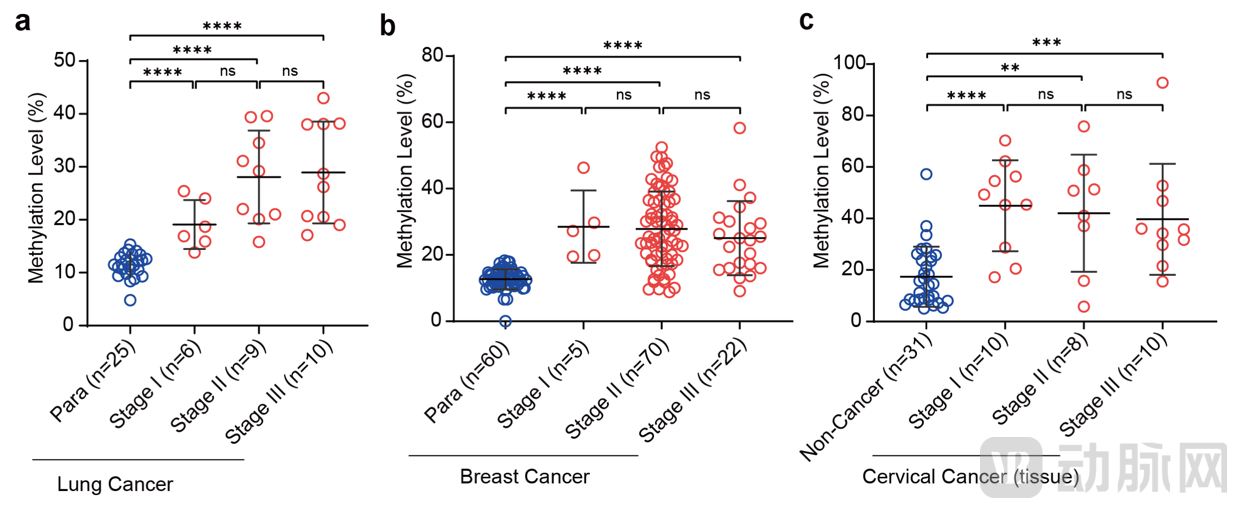
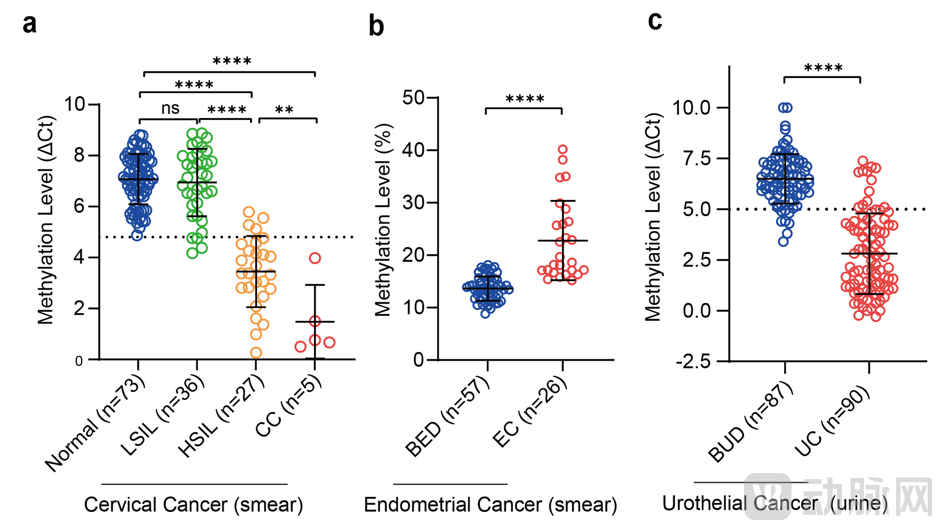
Figure 4.SIX6Hypermethylation occurs in the early stages of cancer.
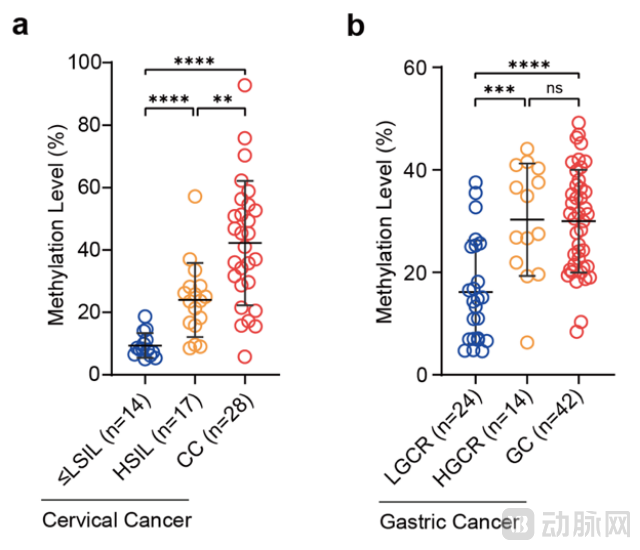
Given the characteristics of long-term tumor evolution, the research team further investigated whether SIX6 hypermethylation could occur earlier on the timeline of tumor development. To this end, the team selected cervical cancer and gastric cancer samples exhibiting stage-specific progression features. They found that, compared with low-grade squamous intraepithelial lesions (LSIL), SIX6 already exhibited significantly elevated hypermethylation levels at the high-grade squamous intraepithelial lesion (HSIL) stage, comparable to those observed in cervical cancer (CC). Furthermore, compared with samples from individuals at low risk for gastric cancer (LGCR, including chronic non-atrophic gastritis, gastritis, and superficial gastritis), samples from individuals at high risk for gastric cancer (HGCR, including atrophic gastritis and HSIL) also demonstrated higher SIX6 methylation levels, similar to those seen in gastric cancer. This suggests thatHypermethylation of SIX6 is an extremely early event in tumor progression and may serve as a key hallmark of the transition from normal cells to precancerous cells, with its application holding promise for advancing cancer prevention to the “pre-cancer” stage.To enhance user-friendliness for clinical screening populations, the research team selected non-invasive cervical smear and urine samples. They validated that SIX6 hypermethylation occurs at an early stage of cervical cancer—specifically during high-grade squamous intraepithelial lesion (HSIL)—and can significantly distinguish endometrial cancer from benign endometrial disease (BED), as well as urothelial carcinoma from benign urothelial disease (BUD). Demonstrating high sensitivity and specificity, this approach offers substantial time advantages in early clinical screening, providing a tangible opportunity to turn the once-elusive dream of pre-cancer prevention into reality through dedicated effort.
# Tumor Metastasis: Catching the Culprit, Leaving No Trace Under the Shadowless Lamp
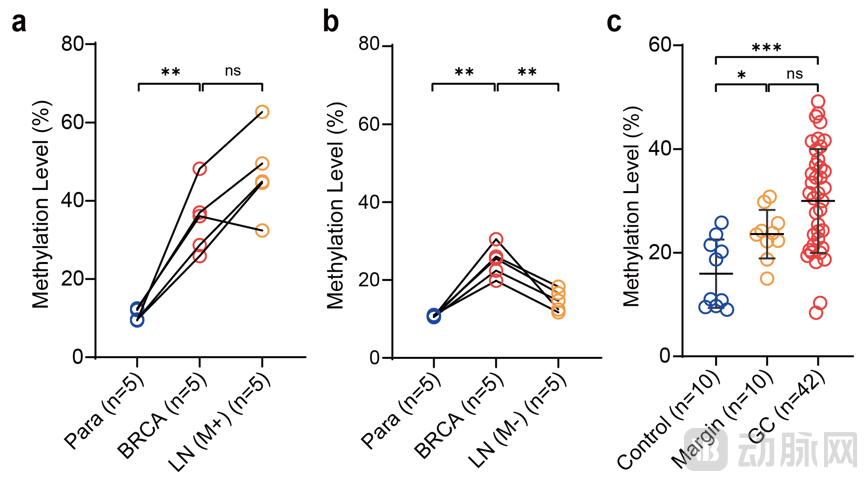
Currently, 20%–30% of cancers are already at the regional stage upon detection, with cancer cells having spread to nearby lymph nodes, tissues, or organs. Metastasis has become a key factor influencing the selection of treatment strategies and prognosis. Preliminary validation has revealed that SIX6 hypermethylation occurs at an earlier stage. Can SIX6 hypermethylation therefore be used for the “early” detection of tumor metastasis? By detecting SIX6 methylation levels in cancerous lymph nodes during the potential metastatic phase of breast cancer, the research team found that SIX6 was also in a hypermethylated state in lymph nodes from metastasis-positive samples, whereas it was significantly reduced in lymph node metastasis-negative samples. This indicates that SIX6 methylation testing holds substantial potential and advantages in tracking “early metastasis” of cancer, enabling breast cancer treatment selection to no longer rely on empirical experience but instead on scientifically guided precision medicine.Furthermore, in clinical tumor resection, achieving complete tumor removal under surgical lighting is a shared aspiration of both physicians and patients. The determination of surgical margins directly dictates tumor prognosis, as no one wishes to leave residual tumor tissue behind during surgery. Analysis of surgical margin samples from gastric cancer surgeries by the research team showed that SIX6 methylation levels at the surgical margins remained higher than those in control samples of relatively normal tissue. This suggests that SIX6 hypermethylation, occurring at the molecular level, may be detectable earlier and offer greater sensitivity compared to the current gold standard based on pathological assessment. In other words, tumor margin assessment based on pan-cancer biomarkers may be more precise. Establishing epigenetic assessment of surgical margins as the new gold standard is likely to be a significant direction for efforts in the field of surgical oncology over the next decade.Using SIX6 hypermethylation as a biomarker for precision surgery and prognostic prediction offers significant time and cost efficiency.
Although tumors exhibit a high degree of heterogeneity and precision medicine based on tumor heterogeneity is gaining momentum, the continuously expanding understanding of their common characteristics will undoubtedly help the scientific and medical communities gain a more comprehensive view of cancer.Research on Commonalities in Tumors Based on Pan-Cancer Biomarkers Will Become an Important Direction for Future Oncology Research。Simplifying complex problems is undoubtedly a crucial approach to problem-solving. The emergence of pan-cancer biomarkers enables cancer research to look beyond the appearance of heterogeneity and uncover the intrinsic nature of tumors. Research into the common characteristics of tumors will significantly advance oncology, thereby facilitating the adoption of simple and practical strategies for cancer prevention and control. Preventing cancer before it develops is no longer just an empty promise, and reducing the cancer incidence rate among the Chinese population is no longer a distant dream. With pan-cancer biomarkers in hand, we are well-equipped to conquer this formidable challenge.