

Outrunning Death: How 'First Response' Saves Lives with Smart Emergency Solutions
On February 5, 2012, even though a decade has passed since then, Lu Le still clearly remembers that day and what happened.
It was on this day that Lu Le, an alumnus participating in the preliminary selection for the Business School Gobi Challenge, suddenly collapsed near the finish line and suffered cardiac arrest. Although fellow participants administered first aid before the ambulance arrived, the incomplete on-site emergency response system and lack of equipment ultimately failed to prevent the loss of life.
The passing of a life altered Lu Le’s life trajectory.
“If there had been an on-site event emergency response system at the time, could the tragedy have possibly been averted?”
Driven by this vision, Lu Le, who holds degrees in public policy and computer science, embarked on a path to provide public first-aid training and establish a public emergency response system, which later gave rise to “First Response.”
Reflections on the "Golden Four Minutes"
Cardiac Arrest Is Not as Distant as You Think.
According to epidemiological data from the World Health Organization (WHO) of the United Nations, approximately 544,000 people die from cardiac arrest in China each year. Similar to the situation in China, there are approximately 400,000 to 500,000 cases of cardiac arrest annually in the United States. However, the resuscitation success rate in China is only 1%, which is significantly lower than that in European and American countries as well as Japan.
The global consensus in modern medicine is that the golden window for resuscitation after cardiac arrest is only four minutes, a period known as the “Golden Four Minutes” for emergency care. When cardiac arrest occurs, the human brain is deprived of blood and oxygen supply. After four minutes, hypoxic brain tissue begins to undergo irreversible necrosis, leading to sequelae; after ten minutes, the patient may enter a persistent vegetative state or suffer brain death. Therefore, successful resuscitation within four minutes is essential to enable patients to recover without sequelae.
With only four minutes available, every second counts; each moment in the race against death is critical. However, the typical response time for an ambulance (120 emergency medical services) to reach a patient ranges from 10 to 30 minutes. Therefore, the “Golden Four Minutes” of emergency care represents a critical gap that remains difficult for hospitals and professional medical service providers, such as 120 EMS, to bridge.
Doctors cannot arrive in time, nor can ambulances. Only those nearby—family members, neighbors, and colleagues—can respond promptly. Therefore, when cardiac arrest occurs, the first eyewitness at the scene becomes the first responder and constitutes the primary force capable of addressing cardiac arrest.
Saving Lives Through Training
Lu Le, who does not come from a medical background, has developed two distinctive perspectives due to his passion for extreme sports and his experience in first-aid training and practical rescue operations across various scenarios:
First, effective trainers are often not physicians, as their extensive knowledge may exceed students’ capacity to absorb.
Second, effective training courseware is often not a grand masterpiece, but rather deliberate practice targeting practical skills and stress resilience.
Therefore, how to enhance the learning experience, improve practical skills and stress resilience, and reduce learning time and costs? How to empower students with the ability, courage, and confidence to protect themselves, perform self-rescue, and assist others? These questions have become the guiding direction for Lu Le’s advancement.
To this end, Lu Le continuously participated in training programs offered in the United States, Japan, Europe, as well as China’s Taiwan and Hong Kong regions, and persistently developed localized first-aid training courses with independent intellectual property rights. In 2013, he became an American Heart Association (AHA)-certified First Aid Instructor.
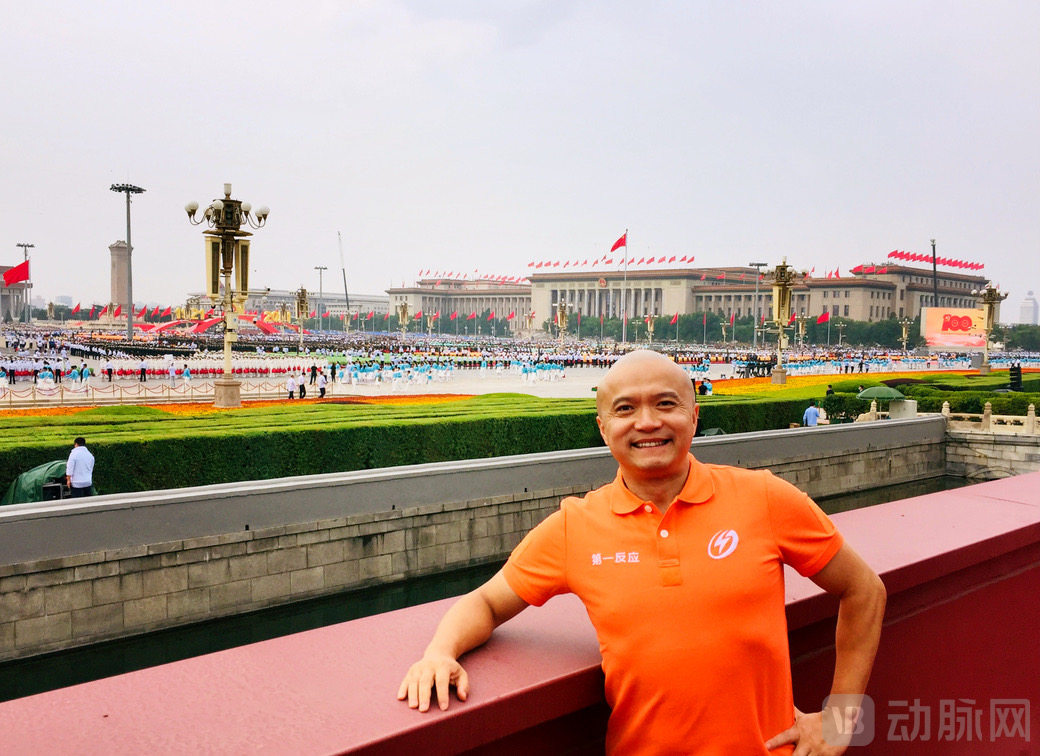
Lu Le, Founder of First Response
To date, First Response’s emergency first aid training services have covered over 100 cities. For five consecutive years, it has been China’s largest American Heart Association (AHA)-accredited training center, receiving the AHA Gold Award four times. The company has issued more than 40,000 certificates for public first aid training courses, accounting for 15% of the overall market share in China. The extensive first aid training provided to a large number of participants has also laid the foundation for First Response to subsequently establish a more comprehensive social emergency response system.
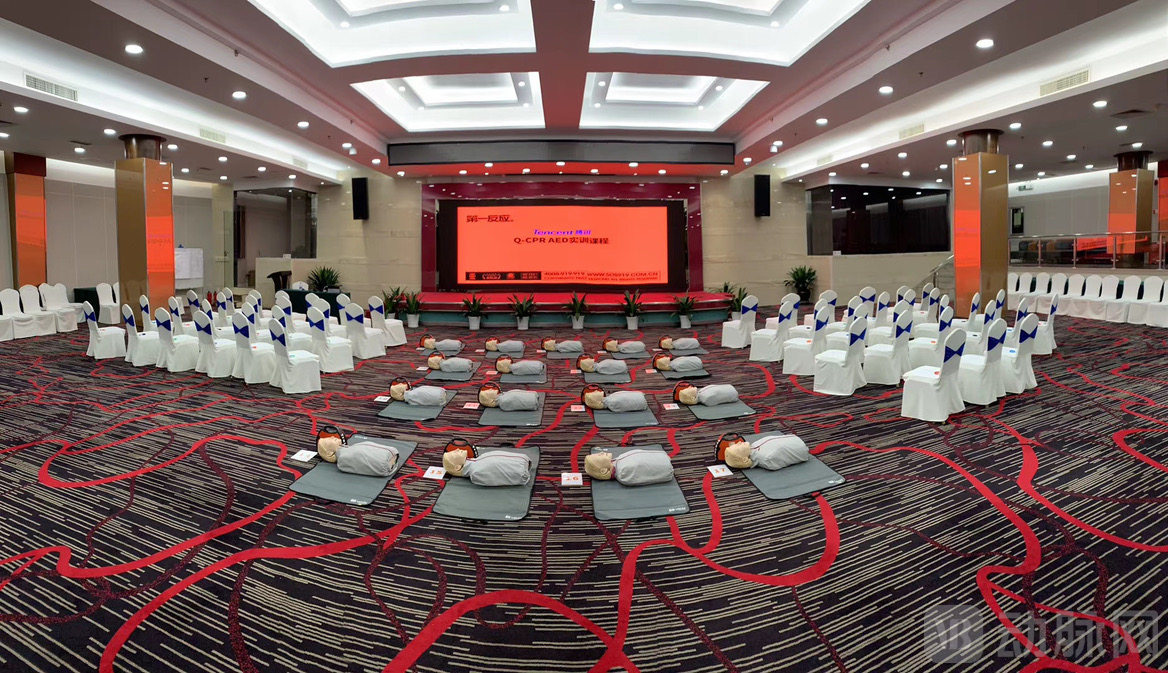
First Response First Aid Training Site
In 2021, First Response became a certified training partner of the Chinese Medical Rescue Association. Over the past two years, it has trained 1,116 first responders for the Zhangjiakou zone of the 2022 Winter Olympics and provided first-aid training to 14,300 Tencent employees. The first-aid courses offered by First Response through Tencent Academy were ranked as the most popular course. To date, 32 Tencent employees have been commended by the company for performing on-site emergency interventions, such as responding to cardiac arrests, in various public settings.
Saving Lives with Technology
The key to outrunning the Grim Reaper is speed! It is about highly efficient response that transcends common sense!
Leveraging his background in computer science, Lu Le has led his team since 2015 to tackle the development of digital emergency rescue solutions. By harnessing the power of technology, they have significantly improved the efficiency of on-site resource allocation and ensured the sustained effectiveness of emergency response systems, thereby addressing key pain points in public participation in emergency rescue.
In 2015, the Shanghai International Marathon adopted First Response’s ICS 1.0 Event Medical Command System for the first time; AEDs and emergency response teams arrived within two minutes of a runner’s cardiac arrest collapse, successfully saving lives.
In 2017, the Tokyo Marathon began adopting First Response’s ICS3.0 Event Medical Command System. After a two-year trial period, the Tokyo Marathon officially signed a partnership agreement with First Response in 2019. As a major event renowned as “the world’s safest marathon,” the collaboration between the Tokyo Marathon and First Response undoubtedly underscores First Response’s professionalism in emergency medical care.
In 2019, Tencent’s workplaces across China began adopting the First Response “Life-Saving Code” emergency aid system. Requiring no dedicated app or equipment, the system completes the entire process of alerting, positioning, and dispatch within eight seconds, enabling lean management of the full incident workflow.
In 2022, the “Golden Four Minutes” arrival rate for China’s best-practice cases reached 97%, with an average on-scene arrival time of 2 minutes, far surpassing the average of 5.3 minutes in Seattle, USA, which is regarded as the global benchmark.
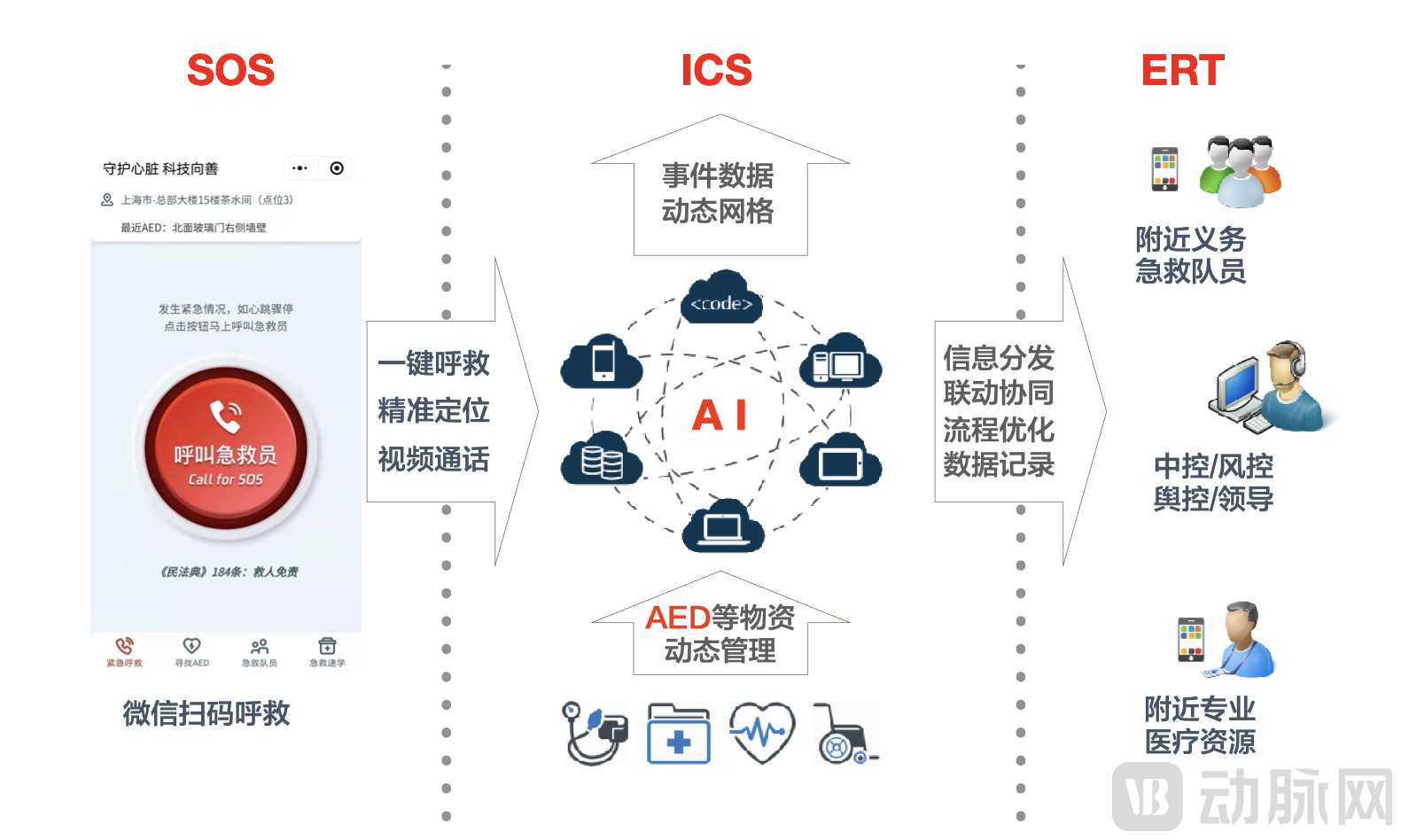
In this innovative field of technology saving lives, humorously dubbed “Didi for Rescue” by Lu Le, First Response has obtained more than 40 technical patents, including over 10 invention patents.
From Marathon Events to Socialized Customization Scenarios
First Response, the first to gain social attention and industry recognition for outrunning death, made its debut in marathon events. Since 2013, when it became China’s first non-governmental organization to provide medical support for races, beginning with its service at the Shanghai International Marathon, First Response has covered hundreds of large-scale events in more than 40 cities across China and 12 cities in Japan. It has successfully saved 22 lives from cardiac arrest, achieving an 88% resuscitation rate for cardiac arrest cases.
Thanks to the “First Response” initiative, the event organizers’ capacity to mitigate the risk of sudden cardiac death has been significantly enhanced. Many prominent runners across China have voluntarily become ambassadors for “First Response,” saying, “With you there, we run with confidence.”
Lu Le served as the convener of the drafting expert groups for the two industry standards, Requirements for On-Site Medical Support Personnel Allocation in Marathon Events and Requirements for On-Site Medical Support Facilities and Equipment Allocation in Marathon Events, which were jointly released by the Chinese Athletics Association and the China Medical Rescue Association on December 15, 2021.
As First Response has increasingly become the preferred choice for safety assurance at major sporting events, it has continuously leveraged information technology to develop products and systems for public emergency response. For instance, in 2016, it launched the “Lifesaver Map” mini-program, which displays the location of the nearest automated external defibrillator (AED) to the user and provides guidance on AED usage, thereby facilitating timely emergency interventions. To ensure proper AED maintenance, the company has trained and mobilized a large network of volunteers across China, enabling them to perform tasks such as adding new locations to the map and conducting equipment maintenance, thus guaranteeing the normal operation of AED devices.
The 2017 partnership with China Overseas Business provided a comprehensive “Golden Four Minutes” emergency response solution for China Overseas Property’s commercial and office buildings, marking the launch of our socially customized scenario-based services. We are now capable of conveniently establishing “Golden Four Minutes” emergency response systems in any staffed location—including commercial real estate, industrial facilities, schools, transportation hubs, and large-scale events—thereby delivering higher standards of life-saving care and occupational safety. Our portfolio of benchmark clients includes Tencent, State Power Investment Corporation, Johnson & Johnson, Boehringer Ingelheim, Kärcher, Vipshop, Shenzhen Bao’an International Airport, Mingde School, Shanghai White Magnolia Plaza, and Guangzhou Yuexiu Group.
Dedicated to achieving “Golden Four Minutes” emergency care before ambulance arrival, minimizing health and life losses from unexpected emergencies such as stroke-induced paralysis and sudden cardiac death due to myocardial infarction has been the core mission of First Response since its inception. In the field of public emergency response, along the path of building a social mutual-aid and rescue system, First Response has progressed from tentative first steps to confident strides, all for one goal: to outrun the Grim Reaper and prevent accidents from claiming lives.