

Dr. Wang Jiejun: Continuing a Physician's Mission to Build a Leading Digital Pain Management Platform
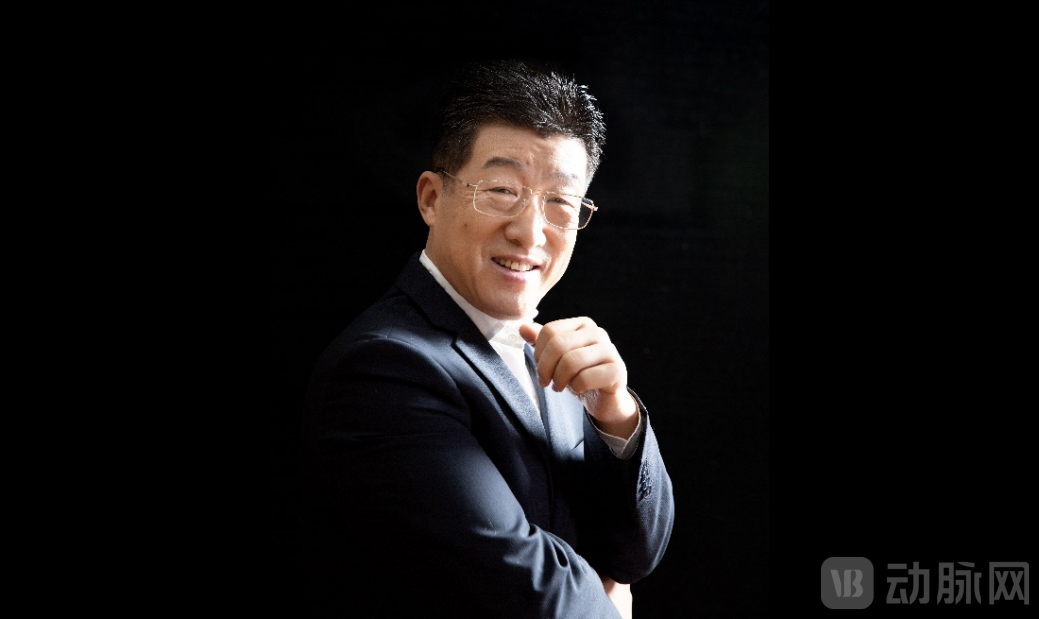
Cancer Pain Is More Terrifying Than Cancer Itself.
The intervals and intensity of cancer pain episodes intensify progressively as the disease advances. The frequency of these episodes can escalate from once a week to once a day, eventually evolving into relentless, unceasing continuous pain. In addition to background pain, patients also experience breakthrough pain. Some describe continuous pain as an exhausting ordeal that renders life unbearable; meanwhile, breakthrough pain is likened to childbirth—so excruciating that it drives one to tears, screams, and even madness. Yet childbirth is pain imbued with hope, whereas cancer pain is pain steeped in despair.
In China, millions of cancer patients are enduring such pain. According to the latest 2020 global cancer burden data from the International Agency for Research on Cancer (IARC) of the World Health Organization, there were 4.57 million new cancer cases in China in 2020, accounting for 23.7% of the global total. The overall prevalence of pain across all cancer types exceeds 60%.
Wang Jiejun, former Chief Physician of the Department of Medical Oncology at Changzheng Hospital Affiliated to the Naval Medical University, has been dealing with cancer patients like these every day for nearly 30 years. After retirement, he did not choose to rest on his laurels but instead embarked on an entrepreneurial journey.
For patients, BOTONG HEALTH, founded by him, may appear to be a pain diagnosis and treatment service platform empowered by digital therapeutics. But in his heart, it is more akin to the steadfast adherence to and continuation of Dr. Wang Jie’s mission as a physician.
The following is Wang Jiejun’s account—
In 1992, upon completing my doctoral degree, I joined Changzheng Hospital, affiliated with the (former) Second Military Medical University. At that time, it was noteworthy that none of the three affiliated hospitals of the Second Military Medical University had an oncology department. Therefore, I submitted a proposal to the university to establish one. Given that other hospitals in Shanghai already had specialized oncology departments, I began to consider what strategic direction Changzheng Hospital should take.
With my background in gastroenterology, I initially focused on gastrointestinal oncology. Seeking to differentiate my work, I chose to specialize in anti-angiogenic therapy in 1994. Subsequently, our team conducted extensive research and clinical studies in this field, securing numerous major national grants, including support programs from the Ministry of Science and Technology and the National Basic Research Program (973 Program).
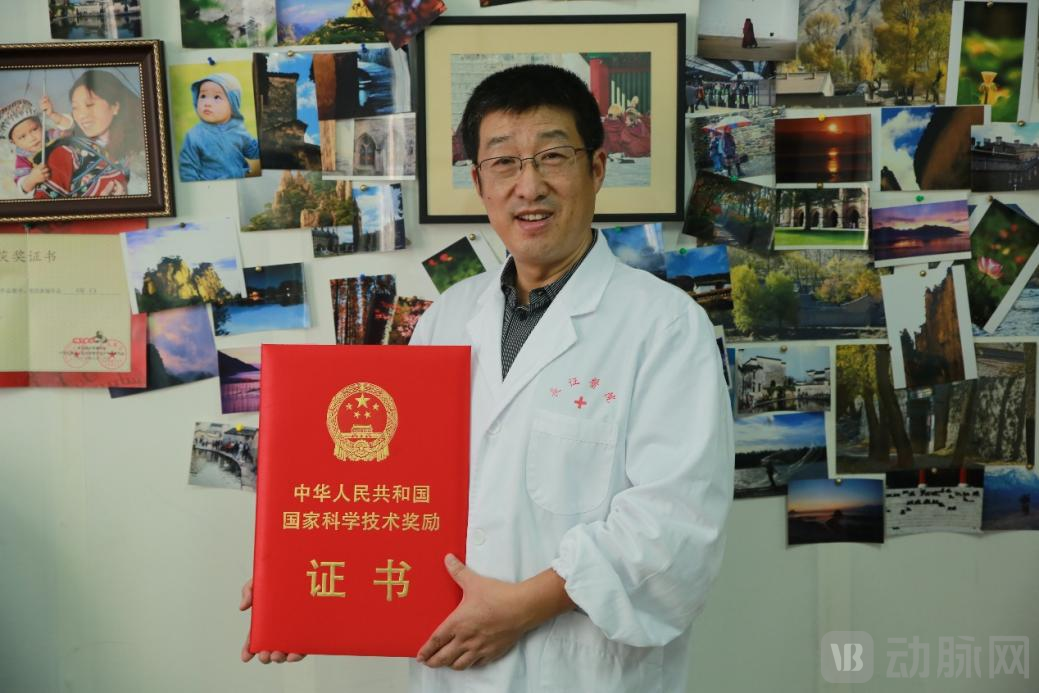 Professor Wang Jiejun received the “National Science and Technology Award,” photographed in 2013
In clinical practice, I have gradually observed that while much attention is paid to antitumor therapies in the clinical treatment of cancer patients,Little attention is paid to patients' quality of life, so I ultimately chose to focus on improving the quality of life for cancer patients. I have always told our doctors,"The goal of oncologists is not to treat the tumor, but to treat a person with a tumor."If a treatment regimen results in severe adverse reactions, incurs substantial costs, yet yields poor therapeutic outcomes, it essentially provides no benefit to the patient.
Our goal is to help patients live longer and better. Among these, what we can most effectively achieve isManage patient pain.
However, although China began promoting standardized diagnosis and treatment of cancer pain in 1990, cancer pain patients still have not received the appropriate care they deserve after all these years. To address this issue, we established the Expert Group on Refractory Cancer Pain in China in 2017 to explore how multidisciplinary collaboration can be leveraged to tackle the challenge of cancer pain.
For the first time, we defined refractory cancer pain, published the inaugural expert consensus, and launched the construction of demonstration bases across China, enabling more healthcare professionals to recognize that pain management extends beyond pharmacotherapy to encompass essential multidisciplinary collaboration—the most appropriate approach to addressing cancer pain.
I have actually been committed to working in ChinaPromote Effective and Standardized Diagnosis and Treatment Models for Cancer Pain. After I retired in 2016, many people invited me to establish oncology hospitals and oncology clinics. However, I said that there was still one thing I wanted to do: to leverage my understanding of healthcare to benefit more people, as I always felt a greater sense of social responsibility. It is essential toEstablish a platform to help improve patients' quality of life, disseminate our philosophy to benefit more people.
In addition, the Blue Book on China’s Pain Prevention and Control and Health Promotion Strategy: Report on the Development of Pain Medicine in China (2020) points out that “there are over 300 million chronic pain patients in China, with an annual rapid increase of 10–20 million, and the overall treatment expenditure amounts to approximately RMB 500 billion.”
China must pay attention not only to cancer-related pain but also, and even more so, to non-cancer pain. Particularly given the severe aging of China’s population, the prevalence of chronic pain among older adults exceeds 70%. In China, the treatment of chronic pain represents a significant unmet societal need.
“I have always said that chronic pain is a serious public health issue. Not only the general public, but even many healthcare professionals have yet to recognize chronic pain as a disease. Internationally, chronic pain has long been defined as a disease, and”Elimination of Pain Is Defined as a Fundamental Human Right of Patients. Meanwhile, such concepts have not yet gained comparable traction in China. I aim to raise public awareness of pain management and leverage our platform to help patients address their issues.
Thus, I joined forces with a group of like-minded experts in oncology, pain management, interventional medicine, rehabilitation, and nursing to establish Botong Medical (Botong Physician Group).“Botong” means pain-free., we hope that people can live without pain. The company’s mission is to transform the current state of pain diagnosis and treatment in China through standardized practices and advanced technologies, thereby enabling Chinese people to live with greater dignity. This is what we aspire to achieve.
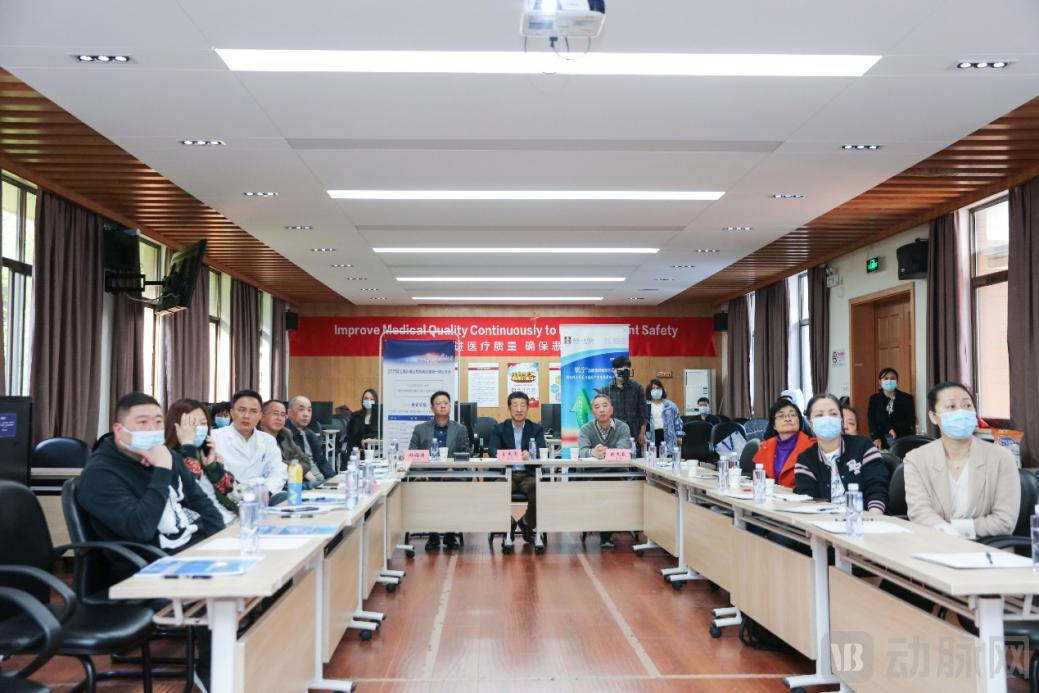 Professor Wang Jiejun and the BOTONG HEALTH Team
We aim to build a platform that can rapidly establish standards and set entry barriers; thus, we selected cancer pain as our entry point to provide end-to-end management encompassing assessment and screening, diagnosis and treatment, and rehabilitation.
In clinical practice, physicians often merely ask patients about the severity of their pain, failing to assess its broader impact on the patient. Without timely and comprehensive evaluation of these effects, it is impossible to provide holistic treatment.
Therefore, our first digital health product is an assessment and screening tool (6D Pain Assessment) that enables patients to easily understand their pain intensity, pain type, and the impact of pain on biological functions. Healthcare professionals can also promptly assess patients’ pain status and treatment outcomes through this tool, which directs patients to the service middleware for triage to appropriate diagnostic and treatment centers based on their condition.
We are currently conducting a clinical observational study to assess and screen pain conditions in 4,000 patients. In the future, we will integrate this product with artificial intelligence and deep learning to transform it into a digital therapeutic solution capable of providing diagnosis and treatment plans. Our goal is to assist physicians in more accurately diagnosing and screening patients across broader regions, facilitate the delivery of evidence-based treatment protocols, and ensure that patients receive standardized and regulated care.
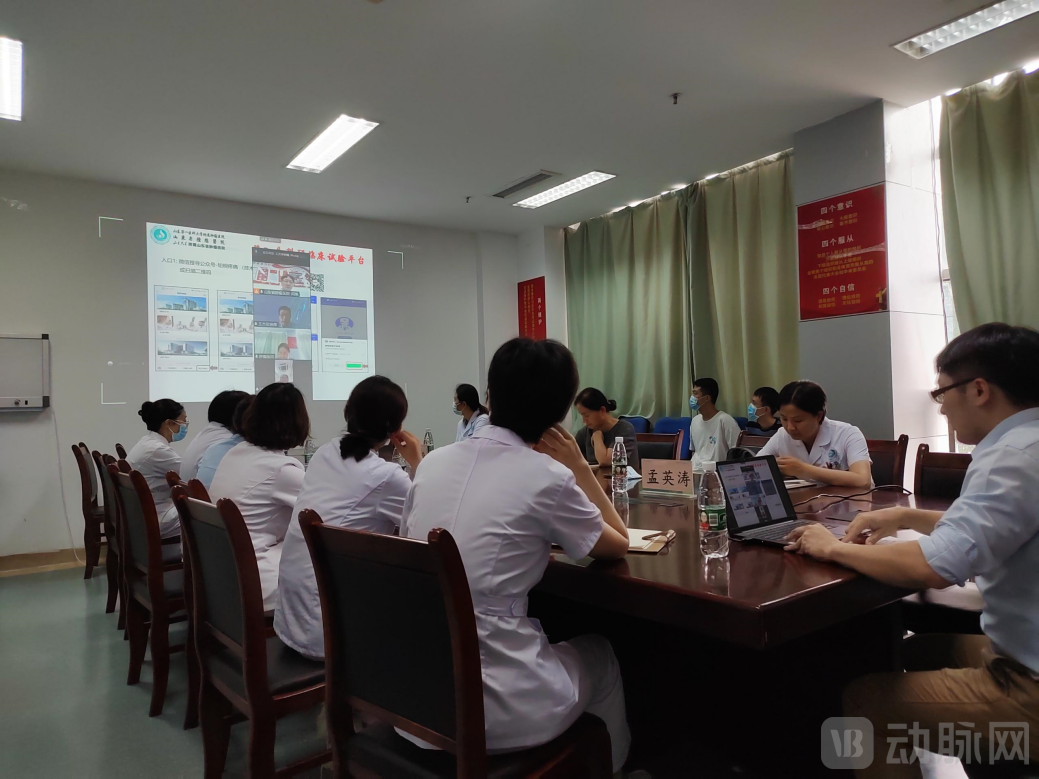 BOTONG HEALTH 6D Pain Assessment Research Seminar
Another product we are on the verge of completing is a digital therapeutic solution for home-based pain management. After patients return home, we combine mindfulness, cognitive behavioral therapy (CBT), physical therapy devices, and biosensors to enable them to alleviate anxiety and relieve pain in home or workplace rest environments. This solution can be used either in conjunction with medication or as a standalone treatment, and it also supports patients in their rehabilitation training.
Such accessibility and convenience can effectively address the difficulties many patients face in seeking medical care, including the need to visit hospitals for minor ailments, thereby reducing healthcare costs.
Overall, our screening tool not only empowers healthcare institutions but also serves as an effective pain early-warning system for insurance clients, corporate employees, and elderly care facilities, while supporting patients in documenting their own symptoms. When a patient experiences pain, the assessment data is immediately transmitted to the relevant healthcare professionals or customer service representatives, enabling timely consultation and triaging the patient to appropriate offline diagnostic and treatment centers based on their condition.
During the patient’s home-based rehabilitation and maintenance therapy, our digital therapeutic product can be utilized for pain management. Additionally, our product can collaborate with pharmaceutical companies and manufacturers of pain treatment devices to facilitate post-medication management and other related services.
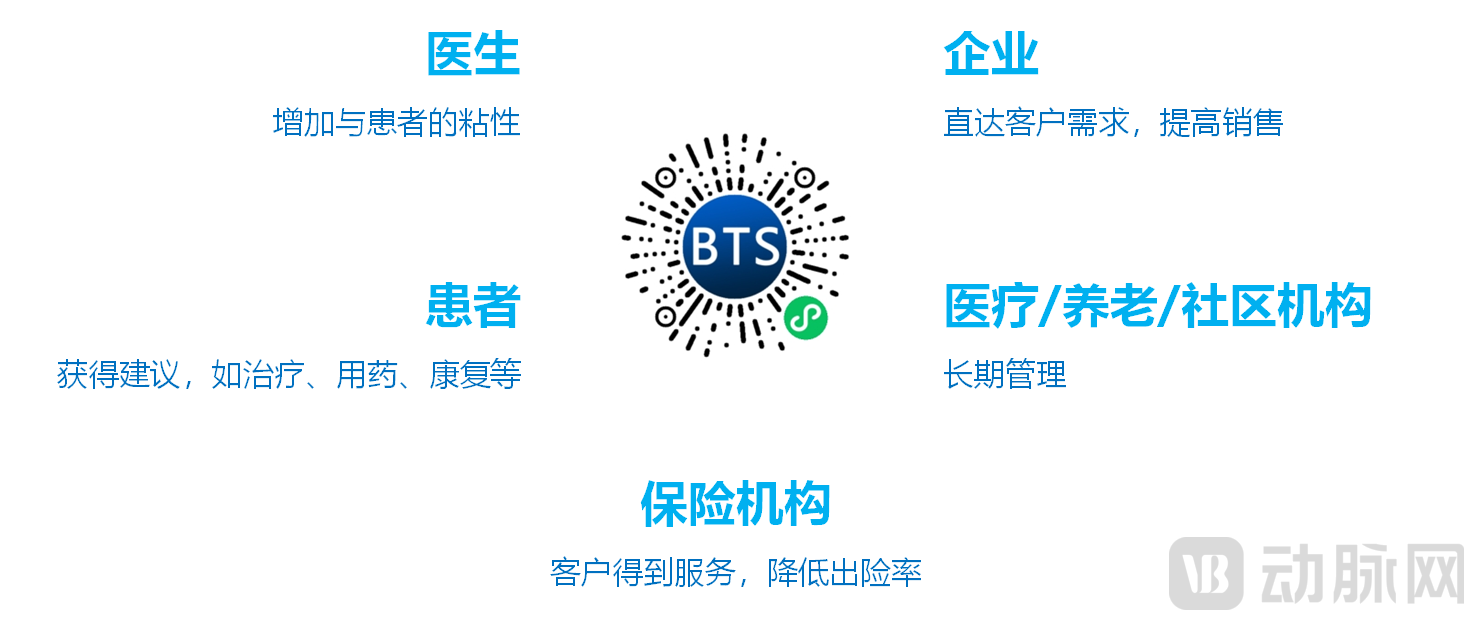
Currently, we have initiated the application for the digital therapeutic registration certificate and will expedite the establishment of diagnostic and treatment centers in core regions across China. In the future, we aim to admit patients with severe pain through offline channels first, while managing their rehabilitation and maintenance via digital therapeutics within community and home settings. This approach will enable comprehensive management of both in-hospital and out-of-hospital patients, forming a complete closed-loop diagnostic and treatment system.
Currently, offline diagnosis and treatment centers have been significantly impacted by the pandemic, whereas our digital therapeutics products have already generated revenue. In fact, BOTONG HEALTH is an enterprise that underwent transformation and achieved growth during the pandemic. The company was established in December 2018, and continuous lockdowns began in 2020. Nevertheless, during this period, especially since last year, we have successfully completed several noteworthy initiatives.
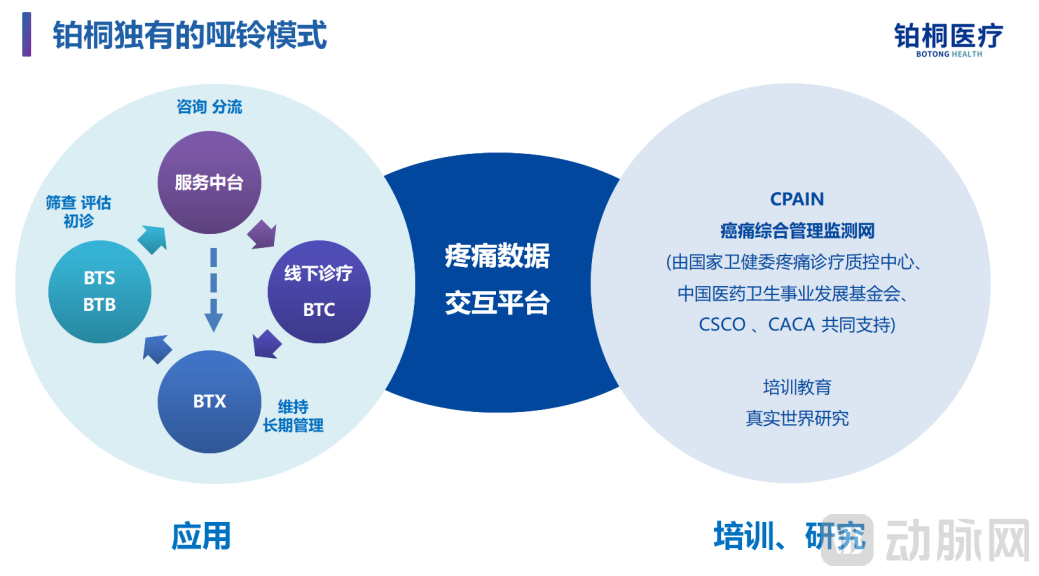
We have anchored our strategy in digital therapeutics to develop a pain data management platform. With the joint support of experts from the National Health Commission’s Pain Diagnosis and Treatment Quality Control Center and the China Medical and Health Development Foundation, BOTONG HEALTH has also established the China Pain Comprehensive Management Monitoring Network (CPain). In the future, this platform will collaborate with more than 1,000 hospitals to provide physician training and education, conduct pain quality control, and carry out real-world studies.
Such a business system has also shaped BOTONG HEALTH’s commercial and management model—Dumbbell Model. Like a dumbbell, one end is product application, and the other is a training and education platform. The connecting handle between the two is this data management platform.
We also have an investigational product under development for fracture risk prediction. Population aging is particularly pronounced in China, where 84 million people suffer from osteoporosis and more than 8 million osteoporosis-related fractures occur annually. Many older adults sustain fractures from minor incidents; once bedridden, they may never regain mobility, leading to severe impairment of quality of life and even life-threatening complications.
Many cancer patients also develop bone metastases. Once a fracture occurs, mild cases may experience limited mobility, while severe cases can result in complete paraplegia or an inability to perform daily activities independently. This inflicts extremely serious harm on patients and their families. This product leverages advanced technologies such as machine learning and neural network algorithms to analyze a comprehensive set of biological, physical, and medical parameters, thereby predicting fracture risk. It further integrates digital therapeutics for intervention to prevent fractures from occurring.
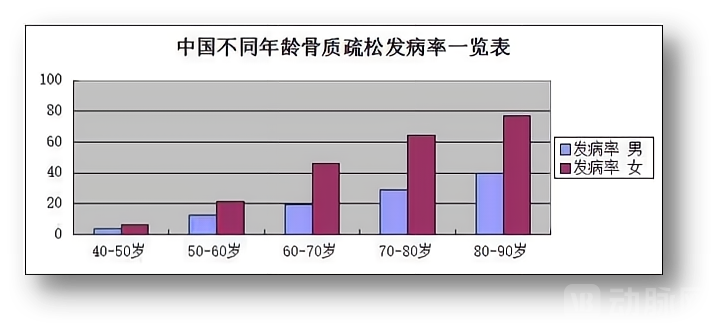
Data source: “A Retrospective Literature Review on the Incidence of Osteoporosis Diagnosed at −2.5 SD in Mainland China”
In the first half of this year, BOTONG HEALTH successfully advanced to the finals of the “2022 Digital China Innovation Competition – Digital Healthcare Track Startup Competition,” with hopes of achieving a strong final result. What pleases me even more is that, during this period, we have completed the formation of our full team. Our medical, technical, and channel teams are now all in place. We have already successfully established three offline medical service institutions in Shanghai, and plan to add one or two more such facilities within the year.
“I have always maintained that with years of medical practice, one comes to realize that the individual value of a physician diminishes, while their social responsibility grows ever heavier. As a doctor, I can only treat a handful of patients; my individual impact is too limited. I am eager to transform our collective experience, wisdom, insights, and resources into a platform that serves a broader population. I believe this represents a greater value.”
A few years ago, the CEO of a publicly listed company jokingly called me “crazy,” remarking that while most people retire to look after their grandchildren, I chose to start a business. Others have asked, “Wang Jiejun, what are you busy with every day? What’s the point of being busier in retirement than when you were working?” I always smile and reply, “Do you know that people have ideals and passions?”
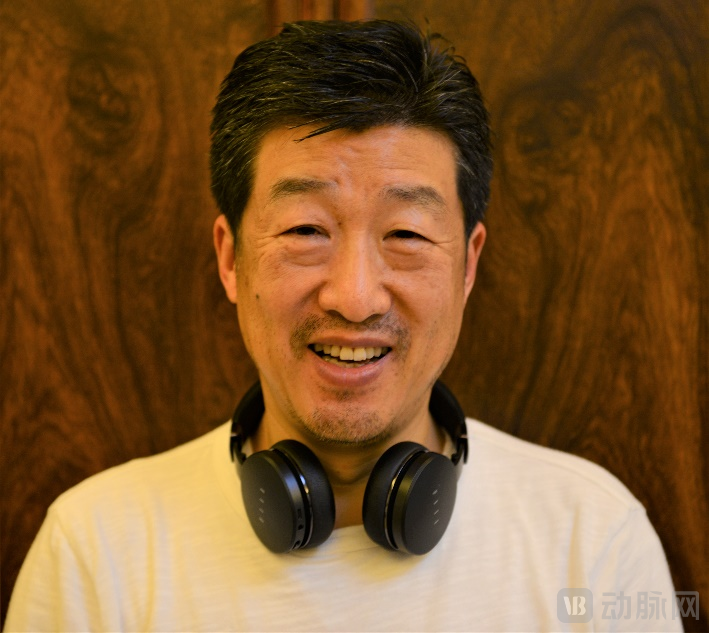
It is indeed busier than my previous job. Now, I have learned many things I didn’t know before; internally, I need to ensure the professional rigor of our products.Ensure that the underlying logic of each of our products is rigorously sound., communicate with various roles within the team; externally, learn to engage with investors, partners, and other stakeholders.
This is a new experience—busy yet fulfilling. Although there is pressure and hardship, I believe that one must maintain a certain spirit. I have always felt driven by an ideal to realize. Previously, our team was based in Shenzhen, where I stayed with them at chain hotels. Carrying a backpack every day like a college student, I felt immense joy. Learning much new knowledge alongside young people made me feel youthful again.

In fact, it is not just me; a growing number of physicians are leaving hospitals to embark on entrepreneurial ventures in broader arenas, with successful pioneers such as Dr. Dong Lei, Dr. Zhang Qiang, and Duan Tao from Chuntian Medical Management leading the way. Indeed, many outstanding doctors possess extensive experience, yet the traditional public healthcare system may not always enable them to realize their full potential. Therefore, choosing entrepreneurship is a promising path toward self-actualization.
However, there are many bottlenecks that doctors need to overcome when starting their own businesses. Although the new generation of young medical students has a broader knowledge base, the education received by previous generations of doctors was relatively narrow; back then, our daily focus was solely on medicine.
Starting a business as a physician is no easy feat. I thinkFirst, one must have a sense of mission., willing to devote themselves to solving medical challenges or alleviating patient suffering.Furthermore, one must possess the spirit of enduring hardship.Back in the major hospitals, I always carried a hint of that “sitting facing south” authority. Entrepreneurship has changed my perspective entirely. While starting a business is joyful, it is also arduous. Even now, whenever a critical idea strikes me in the middle of the night, I immediately jot it down by my bedside to discuss with my team the next day. Recalling those intense brainstorming sessions with my colleagues still brings a great sense of satisfaction.
Additionally, one must possess a broad and inclusive mindset.. Doctors may not be adept at marketing or operations, nor do they necessarily know how to design and develop software. Therefore, it is essential to learn how to collaborate with your team and maintain an inclusive mindset. I often liken entrepreneurship to a symphony, where different instruments must be fully showcased and harmonized to create an enduring masterpiece.
Most importantly, doctors embarking on entrepreneurial ventures must never lose sight of their original aspirations.Medicine is a profoundly serious discipline; we must always maintain a deep reverence for physicians and the medical profession, diligently executing every task with care.