

CorrectSequence Therapeutics' Proprietary Transformer Base Editor (tBE) Becomes First Chinese-Origin Base Editing Platform to Secure U.S. Patent Authorization
On July 12, 2022, local time, the transformer Base Editor (tBE), a next-generation base editing system developed by the founding team of Zhengxu Bio, was officially granted a patent by the United States Patent and Trademark Office (USPTO). This marks tBE as the first independently developed Chinese base editing tool to receive overseas patent authorization. Zhengxu Bio has obtained an exclusive global license for tBE from ShanghaiTech University, becoming the sole biopharmaceutical company holding global rights to this foundational platform-based base editing system. Leveraging tBE, Zhengxu Bio has developed innovative therapeutic solutions targeting beta-thalassemia and is actively advancing this therapy into clinical trials, thereby becoming the first biopharmaceutical company to incorporate a Chinese-developed, overseas-patented base editing technology into its pipeline of innovative gene-editing therapies. Previously, Zhengxu Bio had secured an exclusive license from ShanghaiTech University for the first base editing technology patent authorized in China (the enhanced Base Editor, eBE). Meanwhile, Zhengxu Bio has independently developed and filed multiple PCT international patent applications for its base editing technologies, covering numerous countries and regions. Zhengxu Bio’s portfolio of base editing technologies, with independent intellectual property rights both domestically and internationally, will pave the way for its future pipeline development and solidify its leading position in China’s base editing sector.
In recent years, as a shining star in the field of biomedicine, CRISPR/Cas9 technology has become the gene-editing tool of choice for emerging pharmaceutical companies striving to develop new drugs. However, a growing body of research indicates that the DNA double-strand break (DSB) repair pathways triggered by CRISPR/Cas9 make it difficult to achieve efficient and stable single-base editing. Moreover, DSBs can lead to inevitable adverse effects, such as apoptosis and large-scale chromosomal deletions, thereby posing increasing challenges to its safety in clinical applications. Base editing technology is designed to correct specific single-base errors (i.e., point mutations) without causing double-strand breaks in DNA, enabling precise genomic correction. Compared with other existing gene-editing technologies, base editing holds promise for filling gaps left by CRISPR/Cas9, offering higher editing efficiency and improved safety profiles.
tBE, a transformable base editor independently developed by the founding team of Zhengxu BioScience, stands out as a leading advancement in base editing technology. This technology integrates the expression of a deoxycytidine deaminase inhibitor (dCDI) and a split TEV protease into the conventional base editing system. Through ingenious design, all components of tBE assemble at the target site, where dCDI is cleaved off to activate editing functionality. At off-target sites, the presence of dCDI renders the tBE effector inactive, thereby completely eliminating the genome-wide and transcriptome-wide off-target mutations associated with conventional base editors, while maintaining high editing efficiency at the intended targets. Consequently, tBE represents the most effective cytosine base editor currently available for simultaneously minimizing off-target effects and achieving precise targeted editing. Furthermore, tBE’s flexible, “transformer-like” multi-component assembly strategy aligns perfectly with various in vivo delivery methods, including AAV and mRNA/LNP systems, significantly enhancing its in vivo base editing efficiency. Additionally, tBE enables precise and efficient multiplexed editing at druggable target sites. Compared with existing base editing systems, these advantages substantially expand the clinical therapeutic applications of tBE. The development of tBE has received support for source innovation from the Ministry of Science and Technology and is a research achievement funded by the National Key R&D Program. It was showcased as a significant national scientific and technological innovation outcome at the National “13th Five-Year Plan” Scientific and Technological Innovation Achievements Exhibition, organized by government agencies such as the Ministry of Science and Technology and the National Development and Reform Commission. Since its publication, the work on tBE has attracted widespread attention in the academic community, with numerous recent articles and reviews in top-tier international journals citing and affirming the value of this technology.
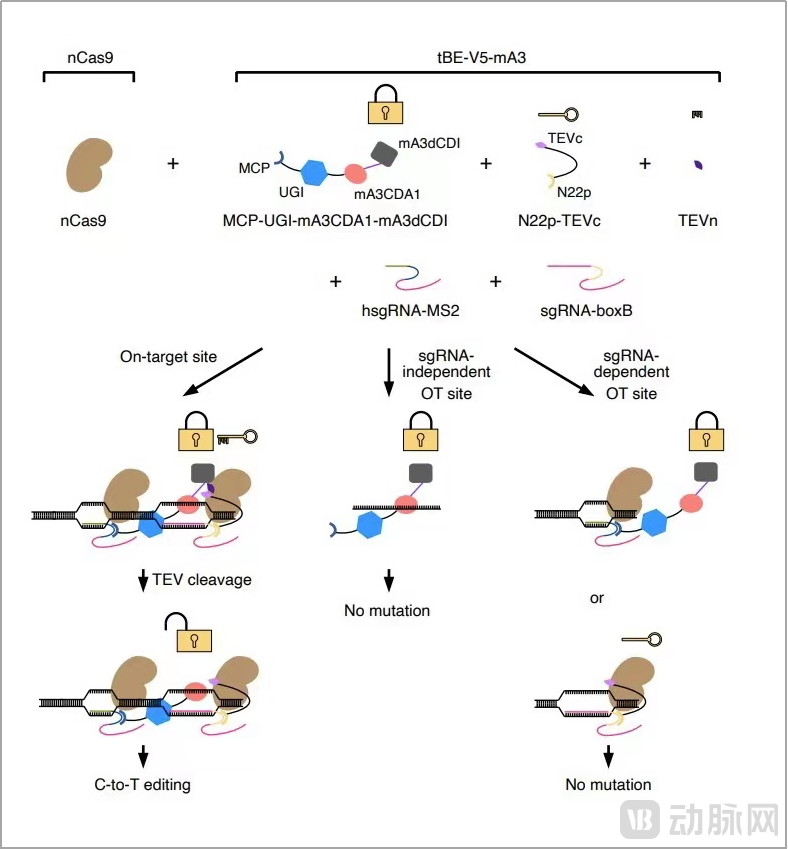
Figure: Novel High-Precision Transformer Base Editor System tBE (transformer Base Editor)
As gene-editing therapies gain public attention, international patent disputes over gene-editing technologies have become increasingly intense, with foundational platform-type gene-editing technology patents holding substantial commercial value. According to statistics from the Patsnap patent data system, there are currently approximately 15,000 patents related to CRISPR gene-editing technology worldwide, with the United States exhibiting the highest technological density and China ranking second. For Chinese biopharmaceutical companies specializing in gene-editing technologies, securing overseas patent protection for their R&D achievements will lay a solid foundation for their future expansion into global markets.
To this end, Zhengxu Bio has always placed great emphasis on the domestic and international patent layout of its independently developed technologies. The scientific founding team of Zhengxu Bio has developed five major series of base editing systems. Among these, three base editing technologies have been filed for Chinese patents, with two of them granted Chinese patent authorization in 2020 and 2021, respectively. Additionally, seven base editing technologies have been submitted for PCT international patent applications. In 2020, Zhengxu Bio became the first company to hold a Chinese patent for underlying base editing technology, and it has now become the first Chinese enterprise to secure overseas patents for underlying base editing technology. This positive development undoubtedly sets Zhengxu Bio apart from numerous domestic and international companies developing new drugs based on base editing.
Currently, Zhengxu Bio is accelerating the refinement of its new drug discovery platform based on the transition-form base editor tBE and other base editing systems, with multiple pipelines established for genetic diseases, tumors, metabolic disorders, and infectious diseases. Notably, leveraging the novel tBE base editing technology, the company has developed an innovative therapeutic strategy targeting β-thalassemia and is fully committed to advancing this therapy into clinical trials. With the support of its proprietary domestic and international patent technologies, the clinical translation of Zhengxu Bio’s base editing technology is expected to proceed more smoothly and efficiently. We look forward to its outstanding performance in the field of gene-edited novel therapeutics in the future.
CorrectSequence Therapeutics is a biopharmaceutical company dedicated to developing breakthrough precision gene-editing therapies based on its proprietary novel base editing system. CorrectSequence’s base editing technology has been applied across multiple therapeutic areas, offering new hope for conquering difficult-to-treat diseases. Incubated at ShanghaiTech University, CorrectSequence boasts world-class innovative technology platforms and pipeline R&D capabilities.