

Inkon Life Advances Rehabilitation Discipline with International Standards and a 'Patient-Centric' Service Model

Incaier
IoT-Based Comprehensive Health Service Platform
“Achieved break-even within nine months; admits nearly 6,000 inpatients annually; maintains a 97% occupancy rate across its 600 beds...”
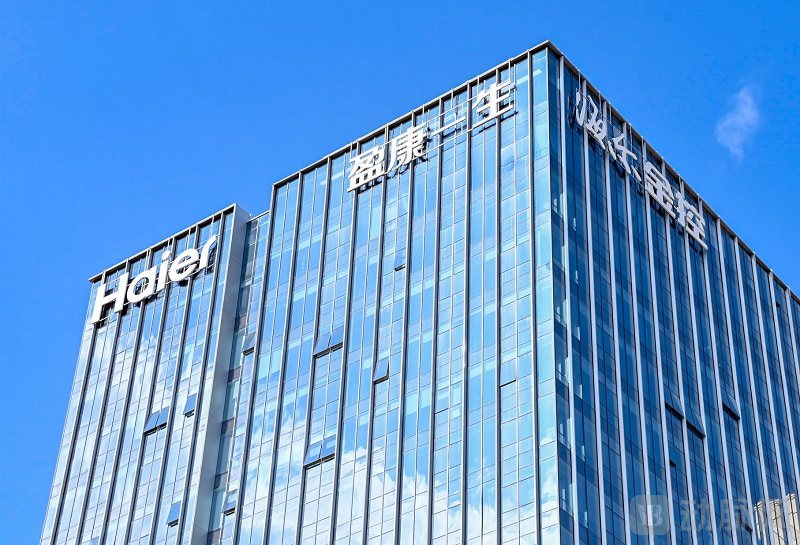
These are the achievements of Shanghai Yongci Rehabilitation Hospital, a non-profit rehabilitation hospital integrating clinical care and rehabilitation, established as a tertiary-level rehabilitation hospital and approved by the Shanghai Municipal Health Commission.
Over the past five years, the rehabilitation department of this rehabilitation hospital has received numerous awards. Behind its development lies the unwavering support from the YK Healthcare medical platform (hereinafter referred to as “YK Healthcare”).
Shortage of Rehabilitation Professionals and Gaps in Discipline Development
To understand the efforts YK HEALTHCARE has made in building its rehabilitation discipline, we may need to revisit the current development and pain points of the field.
The development of rehabilitation medicine in China began in the 1950s and experienced vigorous growth after the 1980s. The 2008 Wenchuan earthquake accelerated societal awareness of rehabilitation medicine. Furthermore, the deepening trend of population aging—data from the Seventh National Population Census shows that the population aged 60 and above reached 264.02 million, accounting for 18.70%, while those aged 65 and above numbered 190.64 million, representing 13.50%. Compared with 2010, the proportion of the population aged 60 and above increased by 5.44 percentage points, and that of those aged 65 and above rose by 4.63 percentage points, indicating a further intensification of population aging—along with the inherent rise in medical demand, has led to increasing emphasis on functional rehabilitation and related services.
However, while achieving certain progress, the pain points facing the development of rehabilitation medicine in China are also evident:
First, there is a shortage of talent.In the current field of rehabilitation medicine, there are numerous challenges, including a shortage of specialized professionals, non-standardized training programs, and the absence of a training and certification system for clinically oriented specialist rehabilitation physicians and rehabilitation therapists with at least a bachelor’s degree that aligns with international standards.
The previously issued “Notice on Opinions for Accelerating the Development of Rehabilitation Medical Services” stated the goal to “strive to achieve 6 rehabilitation physicians and 10 rehabilitation therapists per 100,000 population by 2022, and 8 rehabilitation physicians and 12 rehabilitation therapists per 100,000 population by 2025.” Currently, compared with these targets, China faces a shortage of 39,000 licensed (assistant) rehabilitation physicians (with only 46,000 currently practicing) and a shortage of 81,000 rehabilitation therapists (with nearly 60,000 currently practicing). The lack of a standardized training system, compounded by the severe shortage of professionals, has further exacerbated this issue.
Secondly, there is the lag in the development of rehabilitation medicine disciplines.There remains a certain gap between the development of this discipline and the international advanced level. On one hand, there is still a disparity compared to overseas disciplines in rehabilitation medicine and the understanding of rehabilitation concepts. On the other hand, while innovative products in domestic rehabilitation equipment sectors—such as magnetic stimulation medical devices and rehabilitation robots—are being progressively implemented and developed, related overseas products have already reached a relatively mature stage.
Another point to add is that, as the development of rehabilitation disciplines relies on rehabilitation hospitals, these institutions may face numerous other pain points during the course of disciplinary construction, such as inadequate development of information management systems for rehabilitation disciplines and insufficient mobilization of personnel motivation. These issues, to a certain extent, affect the construction and development of rehabilitation disciplines within rehabilitation hospitals.
Empowering “Integration of Doctors and Patients” to Keep Pace with International Rehabilitation Discipline Development
In response to the aforementioned pain points in the development of rehabilitation disciplines, YK HEALTHCARE has chosen to focus on the following two areas, enabling hospitals to continuously enhance their capabilities in building rehabilitation disciplines.
From the perspective of discipline construction—
Since its establishment, Yongci Rehabilitation Hospital, under YK HEALTHCARE, has specialized in critical care rehabilitation, closely integrating modern rehabilitation techniques with clinical and traditional medicine. The hospital offers a range of services, including traditional Chinese medicine therapy, physical therapy, exercise therapy, occupational therapy, speech therapy, and psychological counseling, providing comprehensive medical care that spans acute emergency rescue, early disease intervention, and mid-to-late stage rehabilitation for diverse patient populations.
On one hand, YK HEALTHCARE has intensified its efforts in critical care rehabilitation, focusing on discipline construction in key clinical departments such as cardiology, respiratory medicine, and neurology. By strengthening the foundational aspects of these disciplines, it has promoted the advantageous development of priority specialties. At that time, most hospitals lacked the capacity to provide rehabilitation services for critically ill patients.Leveraging its team of experienced retired military experts and professors, Yongci Rehabilitation Hospital has ensured the establishment and rapid expansion of its critical care rehabilitation discipline, successively launching differentiated flagship specialties such as critical care rehabilitation, ventilator weaning centers, and disorders of consciousness. For instance, within the field of critical care rehabilitation, cardiopulmonary rehabilitation stands at the forefront, with ventilator weaning therapy being a top priority. Yongci Rehabilitation Hospital pioneered the establishment of China’s first ventilator weaning center.
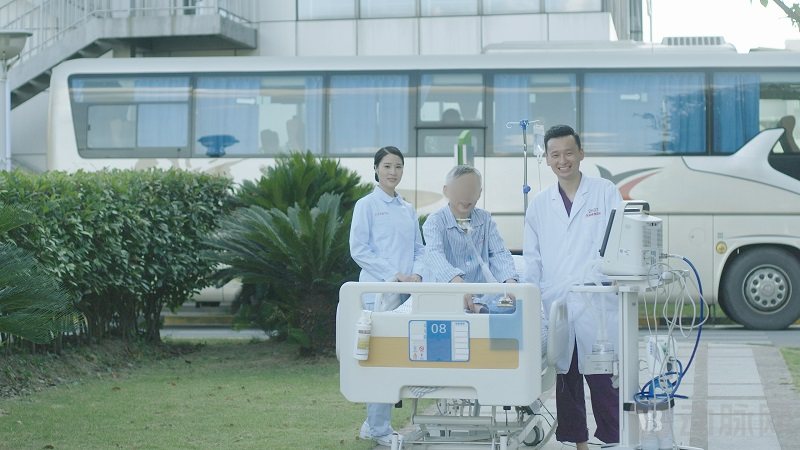
On the other hand, balanced disciplinary development is essential to ensuring the ultimate realization of “rehabilitation.” In addition to building the discipline of “critical care rehabilitation,” YK HEALTHCARE is also supporting Yongci Rehabilitation Hospital in strengthening its sub-specialty departments, such as neurological rehabilitation, geriatric rehabilitation, and pain rehabilitation.By strengthening sub-specialty clusters, the hospital achieves resource integration, further promoting interdisciplinary collaboration and convergence to facilitate “rehabilitation.” Yongci Rehabilitation Hospital has further established multiple rehabilitation centers, including the Orthopedic and Spinal Rehabilitation Center. In addition to providing critical care rehabilitation, it offers systematic rehabilitation treatment for geriatric conditions and diseases affecting the cardiovascular, respiratory, and urinary systems.
In addition,YK HEALTHCARE promotes the translation of scientific research achievements and the practical application of related innovative systems and equipment through cross-disciplinary research.In 2019, Yongci Rehabilitation Hospital was awarded one project under the National Health Commission’s “Initiative to Enhance Rehabilitation Medical Services and Care Capacity for Patients with Severe Neurological Conditions,” further advancing its disciplinary development in the field of neurological rehabilitation. In 2020, Yongci Rehabilitation Hospital established a Rehabilitation Robotics Laboratory in collaboration with the University of Melbourne and Fourier Intelligence, thereby facilitating the clinical implementation of innovative rehabilitation devices. It is reported that related intelligent rehabilitation applications are currently pending patent approval.
From the perspective of talent acquisition and development—
Discipline construction and development are inseparable from the introduction and cultivation of talent. Professional medical and nursing staff form the foundation for ensuring therapeutic efficacy in a hospital. The talent acquisition and development strategy of Yongci Rehabilitation Hospital is aligned with the hospital’s overall strategic objectives at each stage.
First, with the support of YK HEALTHCARE, Yongci Rehabilitation Hospital has established a tiered talent team.In the early days of Yongci Rehabilitation Hospital, its operations expanded from a single intensive care unit to three clinical wards with 282 beds. Fifty percent of the patients were tracheostomized, and more than 40 ventilators operated continuously over extended periods. This sustained clinical practice and critical care experience fostered the development of a large pool of skilled professionals. By recruiting leading experts and key academic figures in prominent rehabilitation medicine disciplines, Yongci Rehabilitation Hospital rapidly established its disciplinary influence. Building on this foundation, the hospital continually enhanced its visibility in domestic and international academic circles, thereby attracting specialized talent. Ultimately, it succeeded in building a tiered workforce comprising over 600 medical and nursing staff.
Secondly, in terms of talent development, Yongci Rehabilitation Hospital has formulated differentiated training strategies for various types of personnel. The hospital conducts regular specialized training for medical and nursing staff to address key and challenging issues in personnel training, and enhances the quality and competence of its medical team by establishing departmental medical safety mechanisms. Furthermore, Yongci Rehabilitation Hospital adheres to the policy of “bringing in and going out” to strengthen talent exchange and learning.
For example, in the training of rehabilitation physicians, given that Yongci Rehabilitation Hospital is positioned to specialize in “critical care rehabilitation,” candidates are often required to possess strong clinical competencies. Upon joining Yongci Rehabilitation Hospital, both experts and physicians with intermediate or senior professional titles undergo a two-year training program, gradually developing into dual-registered physicians qualified in both clinical medicine and rehabilitation.
For instance, in the training of rehabilitation therapists, YK HEALTHCARE itself provides a promotion mechanism that covers medical support staff including rehabilitation therapists. Rehabilitation therapists can choose to become top-tier rehabilitation therapists, become “instructors” who train other rehabilitation therapists, or move into management positions, according to their own career development plans.
YK HEALTHCARE is not only improving the standardized training for rehabilitation physicians, rehabilitation therapists, and rehabilitation nurses, but also gradually aligning with leading rehabilitation treatment and nursing practices through a “bring in, go global” approach.In terms of “going global,” Yongci Rehabilitation Hospital has continuously dispatched rehabilitation physicians and therapists to Japan and China’s Taiwan region to study advanced rehabilitation concepts and skills. In terms of “bringing in,” the hospital has further facilitated academic exchanges and training within China by engaging renowned experts. For instance, two years ago, it engaged a rehabilitation physician from Taiwan to provide clinical guidance. On the international front, it established China’s only international base for disorders of consciousness in collaboration with the Coma Science Group at the University of Liège’s Faculty of Medicine in Belgium, enabling in-depth learning and exchanges during the extended stay of their chief rehabilitation therapist in China.
In fact, to better demonstrate the achievements of rehabilitation discipline development to patients,While addressing hospitals’ rehabilitation informatics challenges through IoT solutions, YK HEALTHCARE has specifically implemented the innovative “physician-patient integration” service model, further mobilizing the enthusiasm of medical professionals., allowing patients to experience more attentive rehabilitation medical services—
① On the one hand, adopt a patient-centered approach to reverse the traditional paradigm in which patients revolve around physicians.Encourage healthcare professionals to become “makers,” taking responsibility for their patients’ rehabilitation outcomes. By establishing performance evaluation systems and other mechanisms, foster intrinsic motivation to enhance service awareness and promote professional growth among healthcare staff. Through innovative management models, further sustain and advance hospital-wide commitment to innovation and exploration by all medical and nursing personnel.
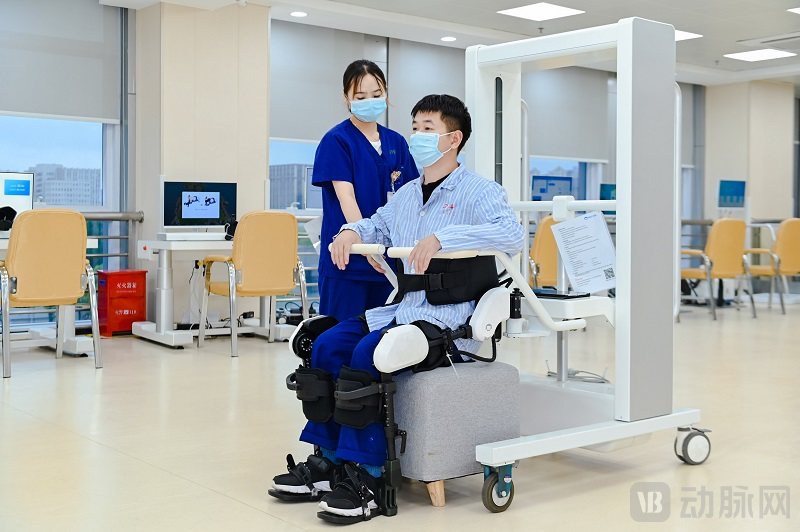
② On the other hand, through multidisciplinary collaboration and MDT consultations, we provide patients with a comprehensive, end-to-end service covering “prevention, diagnosis, treatment, and rehabilitation” within our rehabilitation hospital.During the rehabilitation process, a multidisciplinary rehabilitation team—comprising rehabilitation nurses, physical therapists, occupational therapists, speech-language pathologists, psychotherapists, dietitians, prosthetists and orthotists, social workers, and rehabilitation evaluators, under the leadership and support of rehabilitation physicians—will jointly formulate the patient’s training plan and rehabilitation goals. These initiatives not only allow patients to experience the tangible benefits of advancements in rehabilitation medicine but also further enhance the overall disciplinary strength within the hospital.
Replicate disciplinary capabilities across domains to deliver end-to-end services spanning “prevention, diagnosis, treatment, and rehabilitation”
In fact, the achievements of YK HEALTHCARE’s continuous efforts in building its rehabilitation discipline are evident to all.
For example, hospitals under its umbrella, represented by Shanghai Yongci Rehabilitation Hospital, have approached saturation in patient admissions over the past five years and have established a strong reputation within society. With a bed turnover rate as high as 97%, there is often a severe shortage of available beds...
It is worth noting that the achievements made by YK HEALTHCARE in the development of its rehabilitation discipline are not confined solely to its rehabilitation hospitals.Leveraging its multidisciplinary medical centers, YK HEALTHCARE can rapidly replicate its rehabilitation capabilities across various specialties.Furthermore, affiliated hospitals under its umbrella regularly visit institutions with leading strengths in specific specialties to learn from them and exchange insights on disciplinary development. Ultimately, YK HEALTHCARE’s capacity for building rehabilitation disciplines will no longer be confined to individual facilities such as Shanghai Yongci Rehabilitation Hospital, but will be implemented across multiple hospitals within its network.Ultimately, it serves YK HEALTHCARE’s higher mission: to deliver management services covering “prevention, diagnosis, treatment, and rehabilitation” for patients, including those with cancer, across its affiliated hospitals.
That is, within hospitals under the YK HEALTHCARE umbrella, patients will experience the outcomes achieved through the development of various clinical disciplines, including rehabilitation medicine—Patients will receive consistent, high-quality medical care at any hospital under the YK HEALTHCARE umbrella., you do not need to visit Shanghai Yongci Rehabilitation Hospital to receive attentive, high-quality, full-process services covering “prevention, diagnosis, treatment, and rehabilitation” at other hospitals.
Amid the growing healthcare demands of an aging population, YK HEALTHCARE’s capabilities in discipline development—including rehabilitation medicine—will undoubtedly play an increasingly significant role. Further integrating rehabilitation into its medical system and ecosystem is expected to reduce patients’ prognosis risks, lower healthcare insurance expenditures through early rehabilitation intervention, and ultimately contribute to the realization of a Healthy China.