

From a Single Rehabilitation Hospital to an Integrated 'Prevention-Diagnosis-Treatment-Rehabilitation' Oncology Care System: Yingkang Yisheng's Strategic Evolution
The growth trajectory of INKON Life’s “Prevention, Diagnosis, Treatment, and Rehabilitation” whole-process cancer prevention and control system can be logically traced back to the morning when INKON Life’s Shanghai Yongci Rehabilitation Hospital (hereinafter referred to as Yongci Hospital) opened its doors.
On July 2, 2017, Yongci Hospital was established, becoming the pioneer in INKON Life’s strategic layout of the broader health industry. Empowered by the resources of the INKON Life platform, the hospital established a comprehensive rehabilitation discipline center and pioneered an IoT-enabled rehabilitation hospital model. Yongci Hospital has thus developed “core competencies in critical care rehabilitation,” emerging as a leader among privately operated medical institutions.
Meanwhile, as one of the nodes in INKON Life’s network of 21 hospitals, Yongci Hospital has also generated synergies with the rehabilitation departments of other hospitals within the system, jointly building an IoT-enabled rehabilitation medical ecosystem network with Yongci Hospital as the regional hub.
However, INKON Life’s ambitions extend far beyond this. Moving forward, this rehabilitation medical ecosystem will integrate as a unified entity into INKON Life’s comprehensive, whole-course, and full-cycle ecological strategy for cancer prevention and control. By collaborating with hospitals and major disciplinary centers across various levels and specialties within the INKON Life system, it will jointly establish a “prevention, diagnosis, treatment, and rehabilitation” integrated framework for the entire continuum of cancer care, ultimately serving human health.
From a single hospital to the entire rehabilitation medical ecosystem, and from critical care rehabilitation to the full-process prevention and treatment of tumors encompassing “prediction, diagnosis, treatment, and rehabilitation,” INKON Life’s strategic thinking has rippled outward through the industry over time, gradually permeating every layer. Years later, as we look back on those seemingly scattered yet closely interconnected milestones of success, it suddenly becomes clear: the blueprint for INKON Life’s healthcare vision was already sketched out from the very beginning.
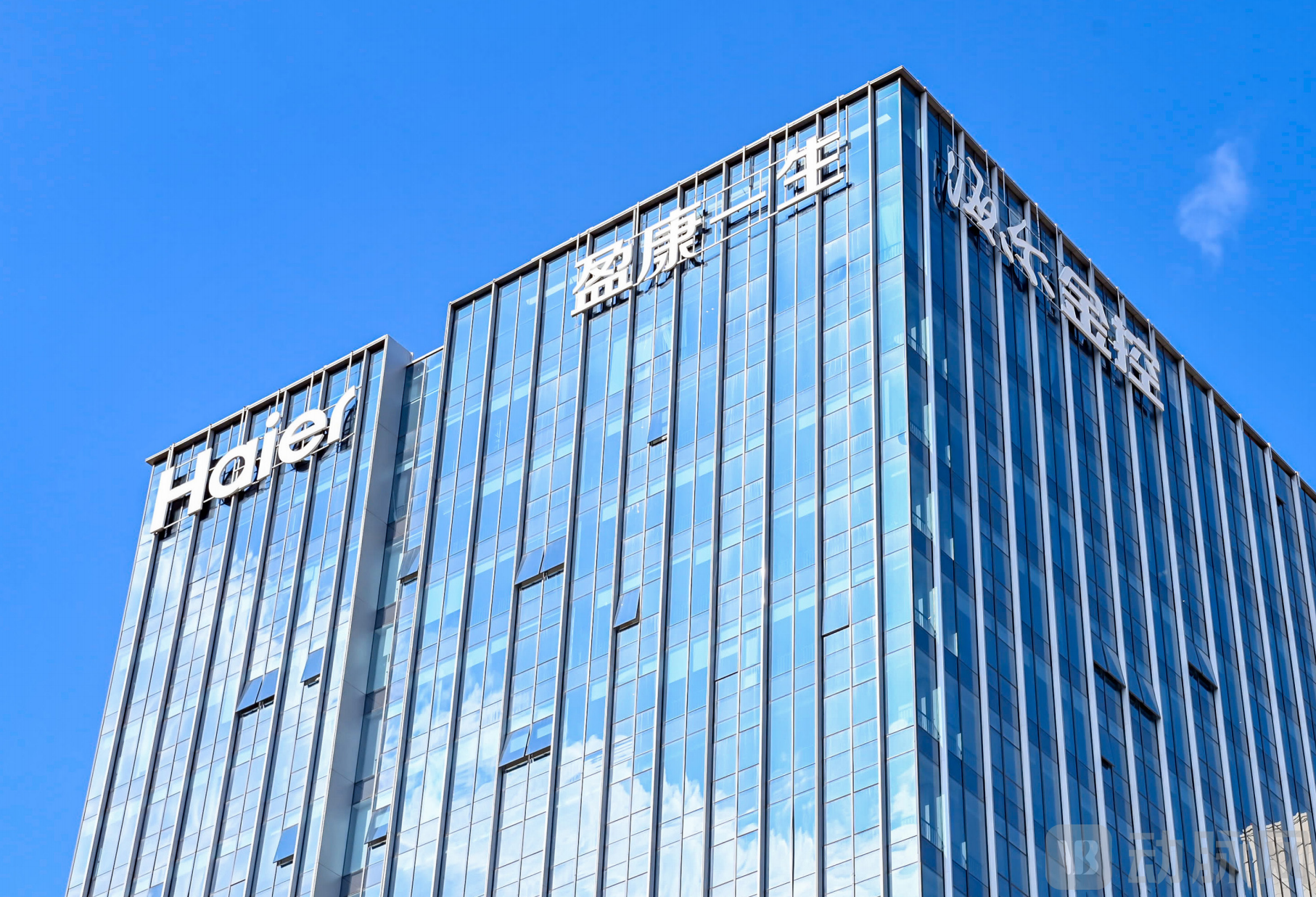
INKON Life’s entry into the broader health sector through rehabilitation was a decision made after comprehensive consideration of multiple factors, including policy, supply-demand imbalances, payment mechanisms, and technological capabilities.
From a policy perspective, market education for rehabilitation demand and the development of the medical insurance payment system have become key focal points of current policy efforts. On the demand side, driven by population aging and consumption upgrades, the overall population requiring rehabilitation services is substantial and continues to grow year by year. On the supply side, service awareness has improved, supported by market dynamics and medical insurance cost-containment measures. The emergence and development of emerging technologies such as the Internet of Things (IoT) and big data have enhanced the accessibility of rehabilitation medical resources. On the payment side, rising household disposable income and the continuous expansion of medical insurance coverage have further unlocked patient demand, thereby stimulating the development of the rehabilitation industry.
With multiple favorable factors converging, the rehabilitation sector—a vast blue ocean—has become a hotbed of fierce competition. Yet INKON Life is not focused solely on building individual powerhouse rehabilitation hospitals; instead, it aims to create a comprehensive rehabilitation healthcare ecosystem in which all members of society can participate.
Based on this, INKON Life has defined a practical pathway:Leveraging Yongci Hospital’s strengths in critical care rehabilitation as a regional hub, and backed by platform resources, we assist in building a rehabilitation talent system, establishing clear operational models and management strategies, and expanding the hospital’s leading specialties. Once Yongci Hospital has developed sustainable rehabilitation service capabilities, INKON Life will replicate and implement its strong disciplines across hospitals within the INKON Life system through the “1+N+n+H” ecosystem network, thereby benefiting a broader patient population.
“Deep thinking leads to far-reaching benefits; careful planning precedes action.” INKON Life has empowered Yongci Hospital with digital healthcare capabilities, comprehensive rehabilitation discipline development, supply chain management, and integrated operational expertise. It assisted Yongci Hospital in establishing key specialty centers, including the Critical Care Rehabilitation Center, Ventilator Weaning Center, International Cooperation Center for Disorders of Consciousness, and Cardiopulmonary Rehabilitation Center. Leveraging technologies such as the Internet of Things (IoT) and adopting the “integration of medical care and patient-centered services” model, the company has developed five smart scenarios: Smart Ward, Smart Diagnosis and Treatment, Smart Weaning, Smart Billing, and Smart Rehabilitation. Furthermore, it established China’s first IoT Hub for Rehabilitation Robots, advancing rehabilitative medicine to a higher level of intelligent and smart development.
Within the INKON Life ecosystem, its 20 hospitals possess rehabilitation resources at varying stages of development. To address this, INKON Life is further advancing its “Major Discipline Center Strategy” to integrate the rehabilitation capabilities across all its affiliated hospitals, implementing standardized planning and management. This initiative aims to ensure that patients can access high-quality rehabilitation services comparable to those offered by Yongci Hospital at any hospital under the INKON Life umbrella. This also represents a key measure by INKON Life to elevate its rehabilitation discipline to a higher level in the coming period.
As the Rehabilitation University Discipline Center is gradually perfected, Yongci Hospital is also providing positive feedback to INKON Life.
Horizontally, Yongci Hospital’s critical care rehabilitation model is being replicated and implemented in other hospitals through online and offline case discussions, applications of rehabilitation technologies, and explorations of diagnostic and treatment pathway guidelines. Vertically, it has established a three-tier collaborative rehabilitation referral mechanism that leverages complementary advantages among tertiary general hospitals within the system, community satellite hospitals, and health and elderly care institutions. Furthermore, by leveraging IoT and internet-based solutions, the hospital is exploring the application of rehabilitation services in home settings, thereby promoting the decentralization and accessibility of China’s top-tier critical care rehabilitation medical resources and service capabilities across INKON Life’s “1+N” network.
Over the past five years, INKON Life has leveraged Yongci Hospital as a single “point,” employing strategies such as comprehensive discipline centers, IoT-enabled smart technologies, and the advanced management philosophy of “integrating medical care with patient needs.” This approach has connected two “lines”: horizontal replication of experience and vertical expansion of scenarios. As high-quality resources have achieved normalized flow, the outline of INKON Life’s IoT-based rehabilitation medical ecosystem—the “plane”—has gradually become clear.
From a broader perspective, INKON Life’s IoT-based rehabilitation medical ecosystem is also integrating as a “point” into INKON Life’s comprehensive “prevention, diagnosis, treatment, and rehabilitation” system for the full-process prevention and control of tumors.
According to data released by the International Agency for Research on Cancer (IARC) of the World Health Organization, China recorded 4.57 million new cancer cases and 3 million cancer-related deaths in 2020, ranking first globally in both categories. Additionally, the total annual medical expenditure attributable to malignant tumors in China exceeds RMB 220 billion. Behind these statistics lie the profound joys and sorrows of countless individual lives.
The survival duration of cancer patients is closely correlated with clinical staging; earlier detection significantly increases the likelihood of cure. Accordingly, from a policy perspective, the “Healthy China 2030” Planning Outline proposes to increase the overall five-year cancer survival rate by 15% by 2030 through early diagnosis and early treatment.
The medical needs of the vast cancer patient population, which exceeds 4 million annually, cannot be fully met by the existing healthcare service system. This is precisely why INKON Life is committed to providing comprehensive, end-to-end oncology care services encompassing “prevention, diagnosis, treatment, and rehabilitation.”
Based on market demand and its own resource advantages,INKON Life has adopted an “ecological cancer prevention and control” strategy. Centered on patient needs and the enhancement of medical experience, and grounded in a full-industry ecosystem specialized in oncology, it delivers systematic, standardized, and innovative solutions through product and disciplinary innovations across the stages of preventive screening, diagnostic testing, primary treatment, and rehabilitation management. By extensively integrating cutting-edge technologies and resources from related fields to foster ecological co-creation, INKON Life jointly provides patients with one-stop oncology services covering “prevention, diagnosis, treatment, and rehabilitation.”
INKON Life is currently exploring innovative models for full-lifecycle cancer management at hospitals specializing in oncology, such as Sichuan Friendship Hospital and Yuncheng First Hospital.
Sichuan Friendship Hospital, a Grade A tertiary hospital with strengths in oncology treatment and the Cancer Prevention and Control Center of Jinjiang District, Chengdu, provides patients with comprehensive cancer prevention and control services—including health education, screening and assessment, early diagnosis and treatment, standardized clinical care, and follow-up management—through innovative public awareness campaigns, implementation of cancer screening models, and strengthening of diagnostic and therapeutic capabilities.
In the early cancer screening phase, Sichuan Youyi Hospital implements the "1+X" model for early cancer detection, defined as "one routine health checkup item plus X targeted cancer-specific examinations," thereby achieving targeted early cancer screening.
In the field of oncology treatment, we have established a communication platform dedicated to complex and challenging tumor cases, and conducted technical training and guidance for the regional cancer prevention and control professional team, thereby effectively enhancing the level of tumor treatment. We have introduced advanced radiotherapy and imaging equipment, including the TomoTherapy (TOMO) system, Elekta linear accelerators, and Masep head Gamma Knife, to provide patients with precise diagnostic and therapeutic services. Building upon these advanced radiotherapy and imaging technologies, Sichuan Friendship Hospital has also pioneered image fusion technology, breaking away from the traditional model of relying solely on CT images for target volume delineation. This innovation ensures precise treatment of all lesions while better protecting normal tissues.
Meanwhile, the hospital independently established a multidisciplinary team (MDT) system for oncology treatment. More than 30 renowned experts from within and outside the hospital regularly conduct multidisciplinary consultations both online and offline, developing and implementing personalized diagnosis and treatment plans tailored to each patient’s disease characteristics, financial circumstances, and prognosis. In 2020, Sichuan Youyi Hospital completed follow-up visits for more than 3,600 cancer patients.
Leveraging the ecological resources of INKON Life, Sichuan Youyi Hospital has also established an interactive channel with Yuncheng First Hospital within the ecosystem. Experts from both institutions continuously share medical expertise and engage in academic exchanges grounded in clinical practice, thereby maximizing the cross-hospital and cross-regional integration of oncology strengths, enhancing the quality of diagnosis and treatment, and improving patients’ healthcare experience.
Sichuan Friendship Hospital and Yongci Hospital are also exploring the implementation of critical care rehabilitation models, integrating emotional support throughout the entire diagnosis, treatment, and rehabilitation process. This approach utilizes psychological interventions to improve patients’ emotional well-being and collaboratively address issues such as somatic pain. Furthermore, Sichuan Friendship Hospital has established a follow-up team for oncology patients. Aligned with INKON Life’s “Hospital to Home” strategy, this team provides scientific, professional, standardized, and convenient out-of-hospital rehabilitation guidance and continued medical technical services for cancer patients.
Overall,INKON Life places patients at the center. It has established a comprehensive, full-cycle management solution for cancer care within its system and, through open ecosystem collaboration and co-creation, provides a holistic set of ecological cancer prevention strategies. By leveraging technologies such as the Internet of Things (IoT), it breaks down the boundaries of medical services, achieves interconnectivity among all industry stakeholders, and ultimately builds an integrated cancer prevention and control system covering the entire process of prevention, diagnosis, treatment, and rehabilitation, thereby contributing to the realization of the “Healthy China” initiative.
Further Reading: