

China's Innovative Drug Talent Landscape: How Former FDA Reviewers Stepped into the Spotlight
On June 3, 2017, a conference titled “The Path to FDA Regulatory Registration for Investigational Drugs in China” was held in Suzhou. Organized by Tongxieyi, the event featured former FDA review experts Du Tao, Zhao Xiaobin, Li Changqing, Chen Shaoyu, and Du Xin as keynote speakers.
The 500-seat venue was packed to capacity. Just one day before this event, China’s pharmaceutical industry witnessed a historic milestone as the country officially joined the International Council for Harmonisation of Technical Requirements for Pharmaceuticals for Human Use (ICH), marking its true integration into the international drug regulatory system.
2017 marked a pivotal year for China’s biopharmaceutical industry, as the pathway for simultaneous regulatory filings in China and the United States for innovative drugs was established, officially embarking on an internationalization journey.
Over the following two years, Tongxieyi continued to host two conferences focused on dual filing in China and the United States. Du Tao, founder of Eglin Pharma and current chairman of the FDA Experts Society, recalled that only eight former FDA review experts participated as guests in the first conference; for the second, inviting guests became much easier, with more than ten former FDA experts accepting invitations; by the time the third conference was held, several former FDA review experts who had returned to China even proactively sought to join.
As the global expansion of innovative Chinese drugs gains momentum, former FDA reviewers are returning to China in succession.In a group photo taken at the FDA Expert Society Annual Meeting in May 2021, many well-known FDA experts were present, including He Ruyi, Li Ning, Xu Zengjun, Du Tao, Li Changqing, Chen Shaoyu, Wang Gang, Hu Yunfu, Chen Gang, and Sun Zhigang.
Among this group, He Ruyi, Wang Gang, and Xu Zengjun have served as Chief Scientists at the Center for Drug Evaluation (CDE), driving the alignment of China’s pharmaceutical regulatory system with international standards; Li Ning, Sun Zhigang, and others have joined local biotech firms, leading domestic pharmaceutical companies in their growth toward globalization; while Du Tao, Zhao Xiaobin, and others have become a rare few who embarked on independent entrepreneurial ventures.
According to incomplete statistics, since 2019, nearly 20 to 30 former FDA reviewers have returned to China each year, and the size of this group has now exceeded 100.
In the talent landscape of China’s innovative drug sector, former FDA reviewers may still constitute a small group, but their return to China to launch startups or join local biotech firms has become a growing trend.Particularly after China joined the ICH in 2017, they have gradually stepped into the spotlight, becoming an indispensable force in the development of China’s biopharmaceutical industry.
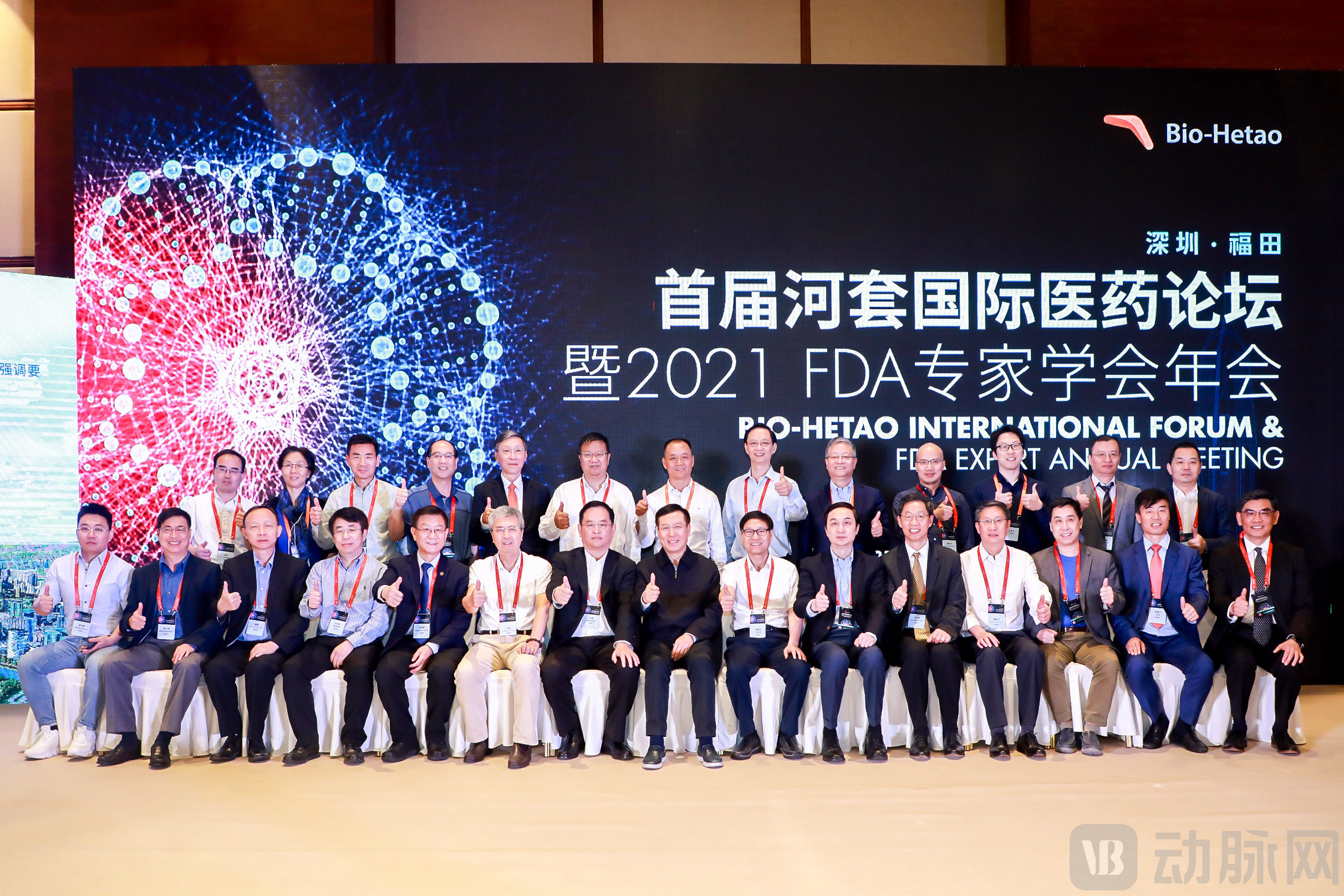
Group photo from the 2021 FDA Advisory Committee Annual Meeting.
Chen Shaoyu, Chen Gang, Sun Zhigang, He Ruyi, Du Tao, Li Ning, Hu Yunfu, Xu Zengjun,Wen Hong, Dou Jinhui, Li Changqing, Wang Gang,Ding Hongliu, Wang Yaping, and Cao Xianhua are included.
Seizing the Opportunity for Reform
In the early 1990s, a new opportunity suddenly emerged in the career choices of some Chinese-American scholars: joining the U.S. Food and Drug Administration (FDA).
In 1992, the FDA launched a major reform. Due to the FDA’s sluggish drug approval process, the U.S. pharmaceutical industry was mired in a state of “drug launch delays.” Excessively long review times not only delayed patient access to these therapies but also hindered manufacturers’ ability to recoup their R&D costs. At the time, the FDA estimated that each one-month delay in completing a review resulted in an average loss of $10 million for manufacturers. Severe understaffing of FDA drug reviewers led to unpredictable review processes and slow approval speeds.
To address this predicament, the Prescription Drug User Fee Act (PDUFA) was enacted. It not only established target completion times or performance goals for FDA reviews but also authorized the collection of fees from pharmaceutical companies to fund additional staffing, thereby accelerating the approval process.
The impetus for reform, coupled with the substantial demand for talent expansion, has provided some Chinese-American experts with the opportunity to join the FDA, gain in-depth exposure to the downstream end of the U.S. pharmaceutical industry chain, and systematically study the pharmaceutical regulatory system.
A Chinese-American scholar joined the FDA in 1993. Although he worked there for only three years, the training he received at the FDA Staff College proved immensely valuable. “The FDA Staff College has many senior staff members who organize internal training sessions on topics such as statistical analysis, clinical trial design, the New Drug Application (NDA) review process, and relevant regulations. I took more than a dozen to twenty courses during my time there.”
From their perspective, working at the FDA offers a more macroscopic view of industry trends compared to roles in the private sector. However, Chinese-American scholars who joined the FDA in the 1990s were exceedingly few. Du Tao joined the FDA in 1994; he recalls that the agency then had a staff of two to three thousand, yet he knew only two or three individuals of Chinese descent.
By 2010, the situation had changed again. Zhao Xiaobin, founder of Haichang Bio, and Ding Hongliu, Vice President of Regulatory Affairs at Pumu Bio, both became FDA reviewers in the same year. Zhao oversaw the approval of complex drugs, while Ding was primarily responsible for reviewing clinical studies.
Working at the FDA is a more autonomous choice for them.
Before joining the FDA, Zhao Xiaobin had already worked at Abbott for four years. In his view, “the FDA is more like an ocean, as no other institution offers such extensive learning opportunities.” He hopes this experience will help him gain a higher-level perspective to better understand the development of the entire industry.
Ding Hongliu shared similar views with Zhao Xiaobin. After engaging in clinical research at a hospital affiliated with Harvard Medical School in the United States, he faced the choice of joining the pharmaceutical industry or the FDA. “At a large pharmaceutical company, one can only conduct scientific work in a specific area within one or a few product pipelines, but I preferred to gain exposure to drug development and clinical research from a broader, macro-level perspective.”
The number of Chinese-American reviewers working at the FDA continues to increase year by year. Today, it is difficult to provide precise figures, but most are active in the fields of statistics and clinical review.
Opportunities and Challenges of Returning to China
The FDA is indeed an excellent place for learning, equipping reviewers with unique drug development experience and distinct professional insights that can help both Chinese and foreign pharmaceutical companies avoid many pitfalls. Consequently, most former FDA reviewers of Chinese descent join large multinational pharmaceutical companies after leaving the agency, while others become medical consultants or establish their own consulting firms.
This is also the typical career path for most FDA reviewers after they leave the agency. As the FDA’s review and approval divisions have become increasingly specialized, the agency now employs approximately 18,000 staff members. Within such a large, fast-paced government regulatory body, there is always a continuous cycle of people joining and leaving.
However, giving up the “iron rice bowl” of the FDA is not an easy decision. Once leaving the FDA, the first challenge faced is the transition of roles.
After leaving the FDA, Du Tao first joined a U.S.-based contract research organization (CRO). However, his inability to rapidly shift his mindset from a regulatory perspective to an industry one led to significant client dissatisfaction. One client criticized him, saying, “You speak to us just like an FDA official would.” In Du Tao’s view, this was the first lesson he learned upon entering the corporate world: the importance of understanding industry needs.
From 2002 to 2011, Du Tao traveled frequently between China and the United States, serving as a regulatory consultant for CRO companies, senior director of clinical affairs at multinational pharmaceutical firms, and a technical consultant on Wall Street. By 2011, he had become a well-known pharmaceutical regulatory consultant on the U.S. East Coast. He decided to return to China to work and launch his own venture, leveraging his expertise and experience.
Looking back, the timing for returning to China at that time was not quite mature.In 2011, China’s innovative drug industry was still on the eve of its dawn; returning talents often faced challenges such as maladjustment and conflicts in pharmaceutical culture.
Du Tao revealed that some former FDA colleagues of Chinese descent joined domestic biotech firms after leaving the agency, but only stayed for a short period before returning to multinational pharmaceutical companies. “There is a culture gap. Generally, it takes a considerable amount of time for those returning from the U.S. FDA to adapt to the unique work dynamics and cultural environment of China’s pharmaceutical industry.”
“Until 2014, very few professionals returned to China. It was quite novel to hear of someone resigning from the FDA to return home,” recalled Zhao Xiaobin.
In 2015, China’s pharmaceutical industry reached a turning point. The China Food and Drug Administration (CFDA) launched the most significant reform of drug review and approval in a decade, making the Center for Drug Evaluation (CDE) one of the core departments urgently in need of restructuring. With a severe backlog in drug approvals, the vigorous implementation of these reforms created an urgent demand for the inclusion of overseas talent.
At that time, He Ruyi had already worked at the FDA for 17 years, while Wang Gang and Xu Zengjun had each served at the agency for over a decade. At the strong invitation of the China National Medical Products Administration (NMPA), they returned to China one after another to join the Center for Drug Evaluation (CDE) as chief scientists, directly advancing the alignment of China’s pharmaceutical regulatory framework with international standards.This marked the first phase of FDA reviewers’ return to China.
History always needs such a group of people who stand at the forefront and are willing to embrace challenges. They have shown more FDA reviewers in China that the gap between China’s biopharmaceutical industry and that of the United States is narrowing.
After working at the FDA for 10 years, Ding Hongliu returned to China in 2019. In his view, from Bi Jingquan’s initiation of regulatory reforms in China’s pharmaceutical industry to China’s accession to the ICH, domestic drug evaluation has embarked on a path toward scientific and institutionalized development, providingincluding FDA approval officersOverseas pharmaceutical professionals have provided an excellent platform for aligning our work with international standards. “Returning five years earlier would not have been very meaningful for us, as the practices of the U.S. FDA were not yet applicable in China at that time.”
The past few years have marked a golden age for the development of China’s innovative drug industry, with domestic biotech companies emerging in large numbers. The number of new drugs submitting Investigational New Drug (IND) applications for the first time has grown from 30 in 2010 to nearly 300 in 2019. The demand for new drug approvals and global expansion has inspired many FDA reviewers based in China to return to their home country.FDA Reviewers’ Return to China Also Enters Phase II。
The Internationalization of China's Pharmaceutical Industry: A Microcosm of an Era
The rapid development of China's biopharmaceutical industry has presented new opportunities for Chinese-American reviewers. While leaving the FDA certainly carries risks, could returning to China prove to be a better choice?
From R&D to commercial production, high-quality mid-to-senior-level professionals at every stage are highly sought after by major pharmaceutical companies. Amidst this top-down wave of talent mobility, former FDA reviewers have also become prime targets for domestic biotech firms in China. These companies offer lucrative compensation packages to recruit them, with the hottest role—Chief Medical Officer (CMO)—typically commanding an annual salary starting at RMB 1.5 million.
Amid the fervor, Li Ning joined Junshi Biosciences in 2018; in the same year, Sun Zhigang joined Luye Pharma as Senior Vice President of Group Quality and Regulatory Affairs; after joining Livzon Pharmaceutical Group as Chief Scientist, Wen Hong chose to move on to Yuansheng Venture Capital; in 2020, He Ruyi served as Chief Medical Officer and Head of Clinical Research at RemeGen; and in 2021, Yao Yi was appointed Chief Medical Expert at Shize Biotechnology.
"Most Chinese-American reviewers who have left the FDA have chosen to take on executive roles at pharmaceutical companies or CROs. Additionally, 'some have founded consulting firms to help drug manufacturers pursue dual filing strategies in China and the U.S. for global expansion, or provide clinical research consulting services; others have joined investment institutions, or taken up professorships at universities to engage in scientific research,' Zhao Xiaobin revealed."
However, transitioning from returning to China for work to launching a startup still represents a significant leap, requiring strong determination and the maturation of various enabling conditions.
Zhao Xiaobin had long harbored entrepreneurial aspirations and charted a clear path to realize his dream. From the Shanghai Institute of Pharmaceutical Industry to The Ohio State University, and from Abbott Laboratories to joining the U.S. Food and Drug Administration (FDA) in 2010, each stage spanned four years. “At the FDA, I felt I had learned enough; it was time to leave and pursue my entrepreneurial dream.”
In 2014, Zhao Xiaobin left the FDA and returned to China to found Zhejiang Haichang Biopharmaceutical Technology Co., Ltd. and Hangzhou White Oak Pharmaceutical Consulting Co., Ltd. However, the golden age had yet to arrive. Only with greater policy and capital support can entrepreneurs have the stronger resolve to commit themselves fully to this endeavor.
It was not until after 2017 that the timing gradually matured, marking the golden age for pharmaceutical entrepreneurs. Du Tao once again plunged into the wave of entrepreneurship. In 2019, he co-founded Eaglet Pharma, an innovative pharmaceutical company, with several former colleagues from the FDA.
Joining Egrin are four other former FDA review officials: CEO Du Xin, Chief Medical Officer Li Changqing, Vice President Xie Yun, and Director of Pharmacology Hu Tao, which has helped Egrin develop a distinctive team profile.A Group of Former FDA Reviewers Launches a Startup Venture.
Haichang Biotechnology is no exception. The company’s team has also attracted talents with FDA backgrounds, such as Yang Yongsheng and Men Yuxin. In Zhao Xiaobin’s view, this group shares similar experiences and expertise, making it easier to establish trust, fostering a common understanding of the industry, and enabling them to better comprehend each other’s perspectives.
After eight years of accumulation from 2014 to 2022, Haichang has finally entered a period of rapid development. Due to its focus on the field of nucleic acid therapeutics, and with the surging interest in this area over the past two years, Haichang has established multi-center international clinical trials. The eight years of effort are now poised to yield results.
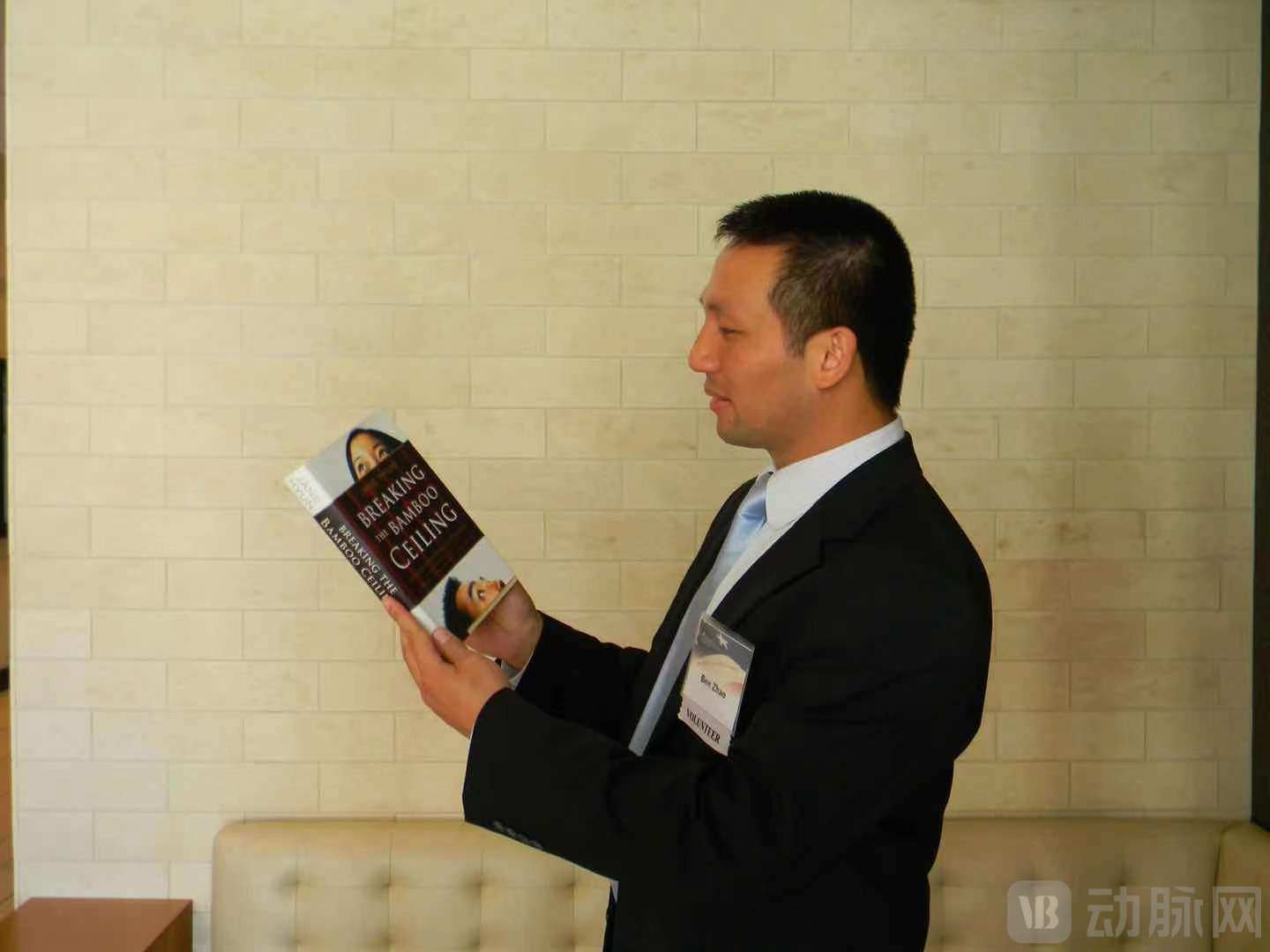
Zhao Xiaobin, Founder of Haichang Bio
The FDA Experts Society was duly established in 2019. He Ruyi served as the first chairperson, followed by Du Tao as the second, who will step down this year. The next chairperson will be Li Ning, CEO of Junshi Biosciences.
Although membership in the FDA expert society is restricted to former reviewers who have worked at the FDA for more than two years, the number of members has still grown rapidly over the past four years.
Currently,There are four entrepreneurs who have joined the society.,In addition to Du Tao and Zhao Xiaobin, Xu Zengjun founded Aistokang, while Gong Zhaolong’s 3D Medicines has been in operation for 12 years.
Behind the wave of FDA talent returning to China, internationalization is one of the most important driving factors. According to Du Tao, current president of the FDA Society, although domestic pharmaceutical companies have long emphasized internationalization, “they have truly embarked on this path only in the past five years.” As an increasing number of Chinese pharmaceutical companies engage in license-out deals, conduct clinical trials in Europe and the United States, submit overseas applications for new drug approvals, and establish overseas subsidiaries, a significant gap has emerged in the availability of internationalized talent within China’s biopharmaceutical industry.
They hope to one day shed the halo.
During their tenure at the FDA, both Zhao Xiaobin and Ding Hongliu cited a regrettable fact: they had never witnessed any Chinese pharmaceutical company submit an Investigational New Drug (IND) application for an innovative drug to the FDA.
“At least during my tenure at the FDA, I did not see any New Drug Applications (NDAs) or Investigational New Drug applications (INDs) submitted by Chinese companies, and the Drug Master Files (DMFs) reflecting pharmaceutical production and quality management were also unremarkable,” said Zhao Xiaobin.
“We haven’t even reviewed any 505(b)(2) applications involving formulation modifications, let alone 505(b)(1) applications,” remarked Ding Hongliu.
Nowadays, BeiGene’s BTK inhibitor zanubrutinib capsules have been launched in the U.S. market, and Legend Biotech’s CAR-T therapy has successfully expanded overseas. Numerous domestic biopharmaceutical companies, including Innovent Biologics, Junshi Biosciences, RemeGen, Chia Tai Tianqing, and Akeso, have submitted New Drug Applications (NDAs) to the FDA. An increasing number of Chinese biotech firms are adopting a dual filing strategy for both China and the U.S. right from the product development initiation stage.
FDA reviewers, leveraging their unparalleled expertise in the U.S. new drug review system, have stepped into the spotlight, driving industry advancement while ushering in new opportunities for their own professional growth.
Beyond the FDA expert community, a former Chinese-American FDA reviewer has embarked on an entrepreneurial journey. However, he rarely mentions his tenure at the FDA, believing that “the FDA has changed so dramatically over the past 30 years that I do not represent the agency.”
In the development of China’s innovative drug industry, some have chosen to shed the label of FDA reviewers.
Zhao Xiaobin also expressed hope that as China’s biopharmaceutical talent ecosystem continues to mature, and with more former FDA reviewers returning to China after 2022, “we will no longer need to rely on the prestige of being former FDA review experts.”